
A concrete patio almost always costs less up front than a wood deck. For a typical installed project in 2026, concrete runs about $6–$12 per square foot for a basic broom finish, while a pressure-treated wood deck lands closer to $15–$30 per square foot installed once you factor in footings, framing, decking boards, and finishing. Angi estimates that the average cost for a pressure-treated wood deck is about $40 per square foot installed, with a typical range of roughly $15 to $75 per square foot depending on factors like location and footings. On a 12x12 project, that gap can be $1,500 to $3,000 or more. Over the long haul, though, the gap narrows because wood needs regular staining or sealing every 2–3 years, and concrete has its own sealing and crack repair costs. If budget is your primary driver, concrete wins up front. If you want elevation, a view, or you're building over a slope, a deck earns its higher price.
Concrete Patio vs Wood Deck Cost: Real Price Breakdown

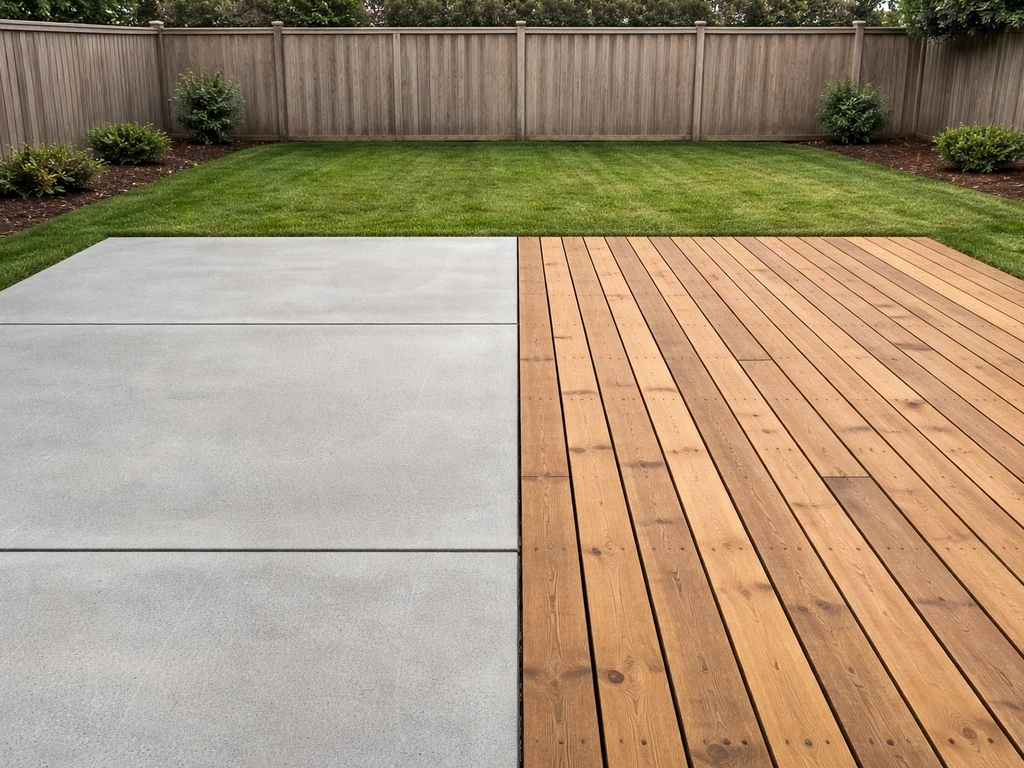
Typical total cost ranges side by side
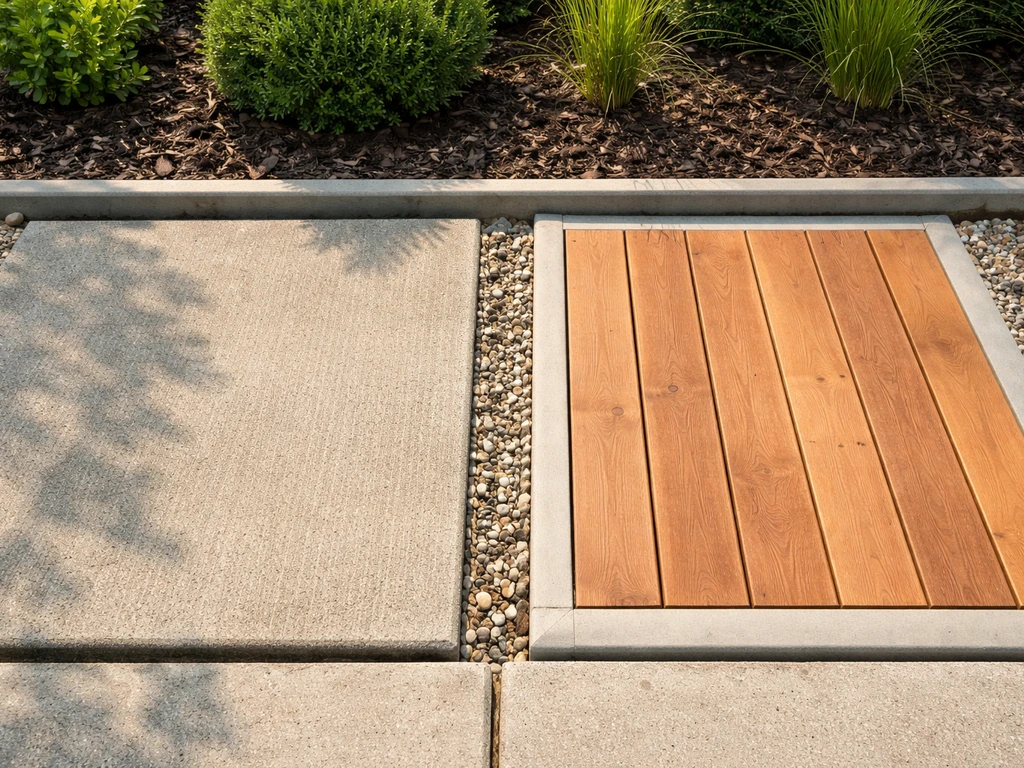
Here's where most homeowners land in 2026 for a professionally installed project. Concrete patio costs range from $6–$12 per square foot for a plain broom or smooth-trowel finish, up to $12–$25 per square foot for stamped or stained decorative work. A standard pressure-treated wood deck runs $15–$25 per square foot installed, and composite decking (like Trex) pushes that to $25–$45 per square foot. For an apples-to-apples comparison, this guide focuses on plain concrete versus pressure-treated wood, since both are the budget-friendly base options in their category. If you are comparing deck vs stone patio cost, use the same square footage and finish level so the quotes are truly apples-to-apples.
| Option | Low end (per sq ft) | High end (per sq ft) | Best for |
|---|---|---|---|
| Basic concrete patio (broom finish) | $6 | $12 | Ground-level, flat lot, tight budget |
| Decorative concrete (stamped/stained) | $12 | $25 | Style on a flat lot without deck premium |
| Pressure-treated wood deck | $15 | $25 | Sloped yards, elevated living space |
| Composite deck (e.g., Trex) | $25 | $45 | Low maintenance, longer lifespan |
Those per-square-foot numbers include labor, materials, and typical site prep for a straightforward project. They do not include permits (usually $50–$500 depending on your municipality), furniture, or landscaping. If your yard is heavily sloped, poorly drained, or has rocky soil, budget for 10–25% more on either option.
What you're actually paying for: the cost breakdown
Concrete patio cost breakdown
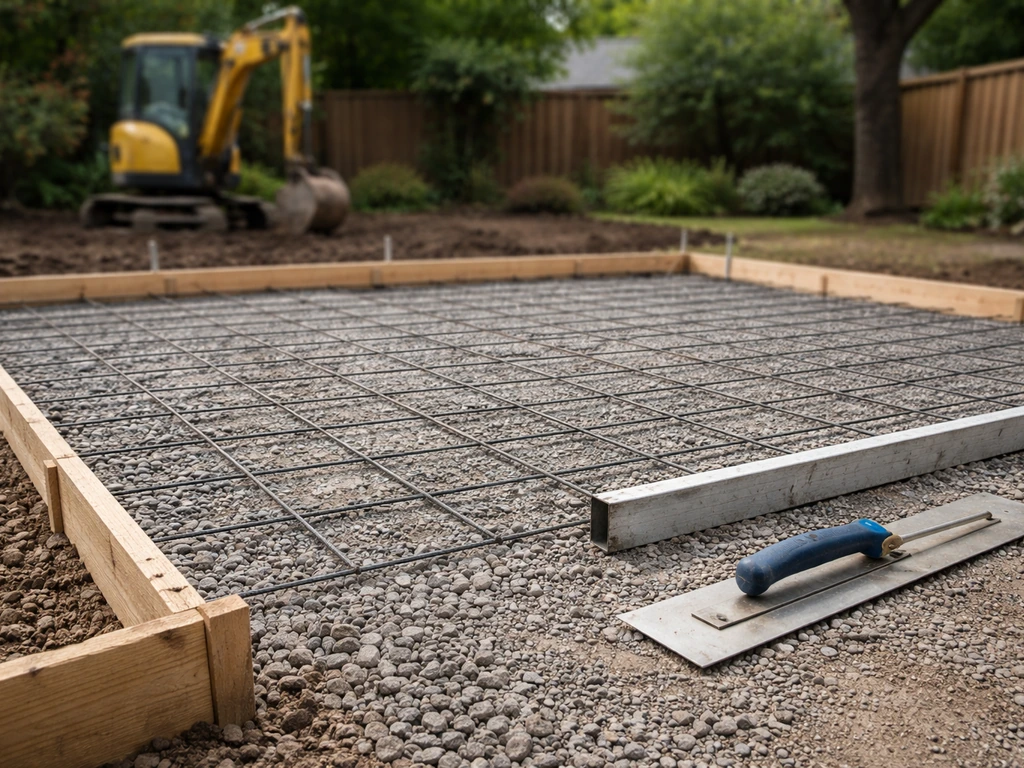
A concrete patio has fewer moving parts than a deck, which is part of why it's cheaper. Here's where the money goes on a typical job:
- Site prep and grading: $0.50–$2 per sq ft (clearing, leveling, compacting base gravel)
- Gravel sub-base (4–6 inches): $0.50–$1.50 per sq ft
- Concrete material (4-inch slab): $2–$4 per sq ft
- Forms, labor, and finishing (broom finish): $2–$5 per sq ft
- Rebar or wire mesh reinforcement: $0.50–$1.50 per sq ft
- Sealer (first application after cure): $0.15–$0.50 per sq ft
- Permits: $50–$300 (varies widely by city)
Reinforcement is worth paying for. Rebar spaced on an 18-inch grid or welded wire mesh cuts down cracking risk significantly, especially in freeze-thaw climates. A 4-inch slab should also have control joints cut roughly every 8–12 feet to manage where cracks form, so they happen in a straight line rather than randomly across your slab. Skipping reinforcement to save $200 on a 200-square-foot patio is not a trade worth making.
Wood deck cost breakdown
A wood deck has more structural components, and each one adds cost. The farther the deck is off the ground, the more you pay.
- Footings and concrete piers: $500–$2,000+ depending on depth and number of posts
- Pressure-treated framing (beams, joists, posts): $3–$6 per sq ft
- Decking boards (pressure-treated pine): $3–$7 per sq ft
- Hardware, joist hangers, fasteners: $0.50–$1.50 per sq ft
- Ledger board attachment (if attached to house): $200–$600
- Stair stringers and steps (if elevated): $500–$2,500+
- Railing system: $50–$120 per linear foot installed
- Stain or sealant (first coat): $0.50–$1.50 per sq ft
- Permits: $100–$500 (decks almost always require permits)
Railings are a big wildcard. A small elevated deck with 30 linear feet of railing can add $1,500–$3,600 to your total. If your deck is low to the ground (under 30 inches in most codes), you may not need railings at all, which changes the math considerably.
Real numbers by size: 10x10, 12x12, and 20x20
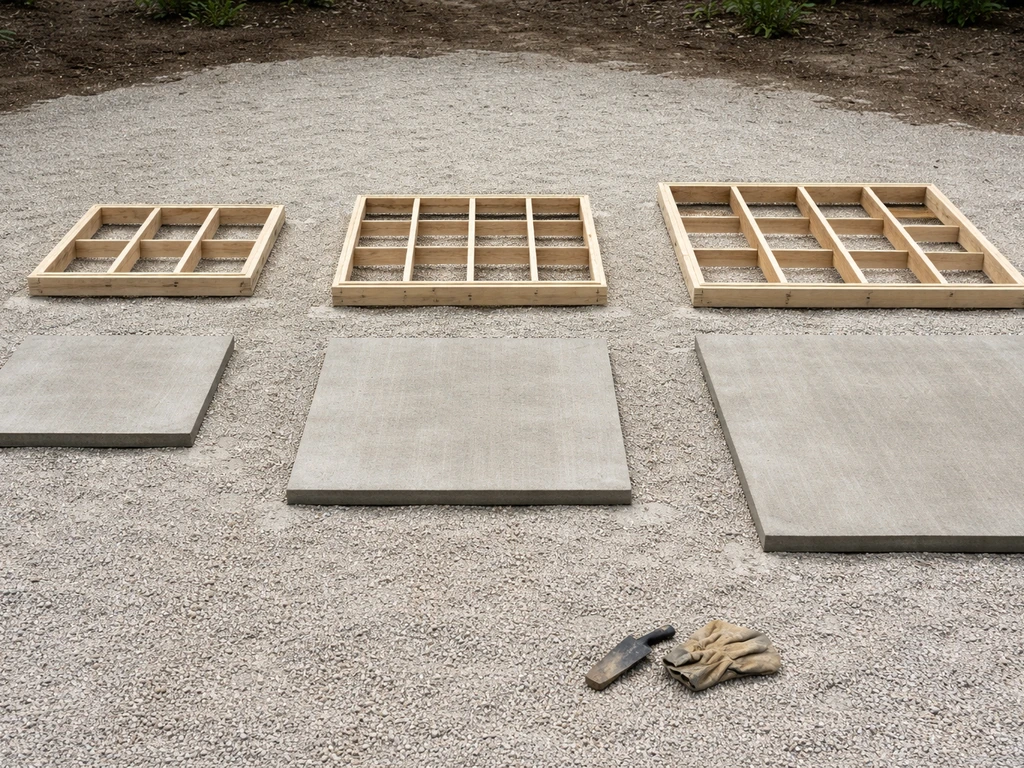
Let's put actual dollar amounts on the most common project sizes. These assume a flat, accessible lot with no unusual site conditions, a basic broom-finish concrete slab, and a ground-level or low-elevation pressure-treated wood deck without railings. Add 15–20% if your lot has any meaningful slope or drainage challenges.
| Size | Sq Ft | Concrete patio (installed) | Wood deck (installed) | Difference |
|---|---|---|---|---|
| 10x10 | 100 | $600–$1,200 | $1,500–$2,500 | Deck costs $900–$1,300 more |
| 12x12 | 144 | $865–$1,730 | $2,160–$3,600 | Deck costs $1,300–$1,870 more |
| 20x20 | 400 | $2,400–$4,800 | $6,000–$10,000 | Deck costs $3,600–$5,200 more |
A 20x20 project is where the gap becomes really significant. At that size, you could do a basic concrete patio for $2,400–$4,800, or even a decorative stamped version for $4,800–$10,000, and still be in the same ballpark as or cheaper than a basic pressure-treated deck. If you're comparing other surface materials to decks, similar size-based patterns show up whether you're looking at pavers, stone, or composite decking, and the cost dynamics shift depending on which materials you put head to head.
What makes the price go up or down
For concrete patios
- Finish type: broom finish is cheapest; stamped adds $6–$13 per sq ft; stained adds $3–$8 per sq ft on top of base
- Slab thickness: a 6-inch slab costs 20–30% more than a 4-inch slab in concrete material alone
- Site drainage: poor drainage means extra gravel, drainage channels, or regrading, easily adding $500–$2,000
- Soil conditions: rocky or clay-heavy soil requires more excavation time and equipment
- Access: tight side yards or fenced lots may require concrete pumping, adding $200–$600
- Region: labor rates in California, New York, or the Pacific Northwest run 25–40% higher than the national average
For wood decks
- Elevation: the higher off the ground, the more footing depth and framing complexity you need
- Lumber prices: pressure-treated pine costs have fluctuated heavily since 2020; get current quotes before budgeting
- Railing systems: basic wood railings are cheapest; aluminum balusters or cable rail systems can cost 3–4x more
- Attachment type: freestanding decks avoid ledger flashing issues but require more posts and footings
- Frost depth: in cold climates (Minnesota, Montana, northern New England), footings must go below frost line, often 42–60 inches deep, which adds significant footing cost
- Wood species: pine is cheapest; redwood and cedar cost more but resist rot better without treatment
Maintenance and long-term cost: who wins over 10–20 years
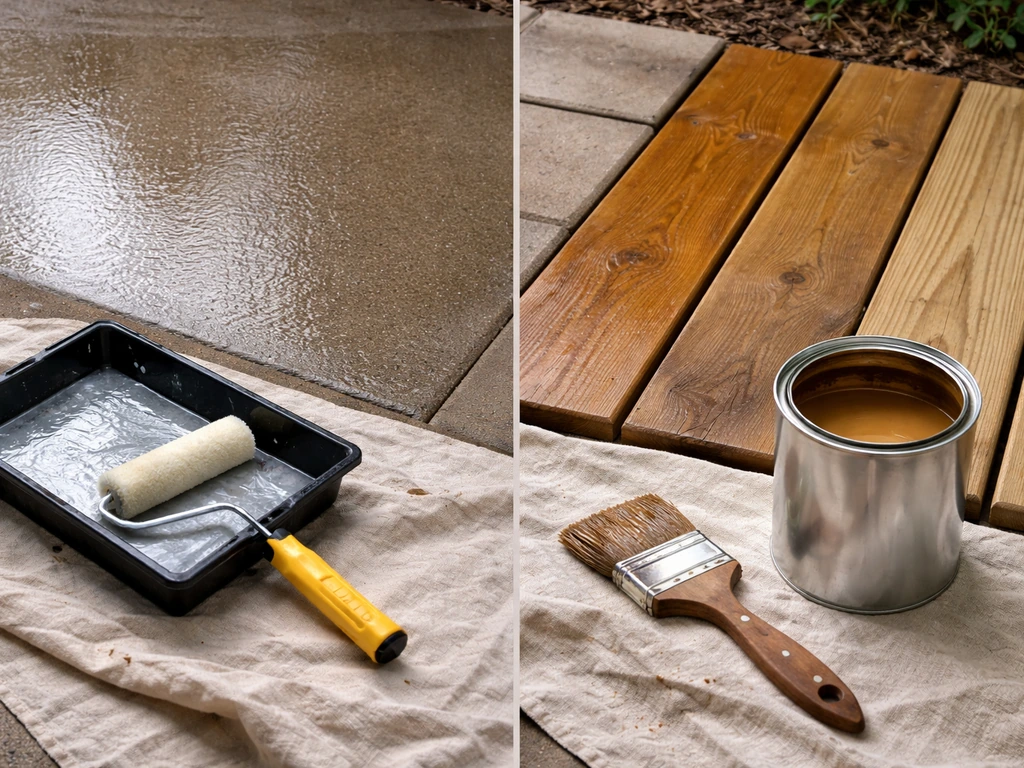
This is where the concrete advantage over a wood deck gets complicated. A concrete patio is not maintenance-free. You'll want to reseal it every 2–5 years (roughly $0.15–$0.50 per square foot for product, more if you hire out), and cracks will eventually appear, especially in freeze-thaw climates. Crack repair runs $3–$8 per linear foot depending on the method. Budget $75–$250 every few years for a typical 200–400 square foot patio.
Pressure-treated wood is more demanding. It needs staining or sealing every 2–3 years to prevent graying, splitting, and rot. A professional deck refinishing job (cleaning, sanding, and restaining) costs $1–$3 per square foot, or $400–$1,200 for a 400-square-foot deck each time. Over 15 years, that's $2,000–$6,000 in maintenance alone, not counting board replacements as the wood ages. Boards typically start showing real wear at 10–15 years and may need partial or full replacement at 20–25 years.
| Cost category | Concrete patio (10 yrs) | Wood deck (10 yrs) |
|---|---|---|
| Initial install (20x20) | $2,400–$4,800 | $6,000–$10,000 |
| Sealing/staining (10 yrs) | $150–$500 | $2,000–$4,000 |
| Crack/board repairs | $100–$400 | $300–$1,500 |
| Estimated 10-year total | $2,650–$5,700 | $8,300–$15,500 |
Composite decking changes this comparison significantly. It costs more up front than wood, but maintenance drops to occasional cleaning with no staining needed. Trex’s cost guidance estimates composite decking material can range from about $10 to $27 per square foot, including substructure, decking, hardware, and fasteners. If you're comparing composite to concrete over 15–20 years, the gap is much narrower. That comparison is worth a closer look if upfront cost isn't your only concern.
DIY vs. hiring a contractor: honest trade-offs
DIY concrete: possible, but tricky
Pouring a concrete slab yourself can save 30–50% on labor, which sounds great until you're working against a concrete truck's 90-minute clock with three people and two screed boards. Concrete work is physically brutal and unforgiving. Mistakes in leveling, finishing, or joint placement are permanent. If you go DIY, keep the slab small (under 200 square feet), rent a plate compactor for sub-base prep, use fiber-reinforced concrete mix, and have a second person on site. Expect to pay $3–$5 per square foot in materials even on a DIY job. For anything over 200 square feet, or if you've never poured concrete before, hire it out.
DIY deck: more beginner-friendly, but permits matter
A ground-level deck (sometimes called a floating deck) is one of the more achievable DIY projects for a handy homeowner. You can save $8–$15 per square foot in labor. The catch: almost every municipality requires a permit for attached decks and any deck over a certain height (usually 30 inches). Pulling a permit means your work will be inspected, which is actually a good thing, but it also means following local code on footing depth, joist spacing, and railing height. DIY decks that skip permits create real problems at resale. Don't do it.
On a 200-square-foot ground-level deck, a skilled DIYer can realistically spend $1,500–$2,500 in materials and hardware compared to $3,000–$5,000 for a contractor install. That savings is real, but factor in your time (typically 2–4 weekends for a simple deck), tool rentals, and a few inevitable mistakes.
How to get accurate quotes and compare bids the right way
Getting three quotes is standard advice, but most homeowners don't know what to ask for when they request them. Here's how to get quotes that are actually comparable:
- Specify the exact size in square feet, not just dimensions. Say '20x20, which is 400 square feet,' so no one is estimating differently.
- For concrete, ask for: slab thickness (4 or 6 inch), reinforcement type (rebar or wire mesh), finish type, number of control joints, and whether sealing is included. These specs drive wide price swings.
- For decks, ask for: decking board species and grade, joist spacing (12 or 16 inch on center), footing depth, whether the ledger is flashed to code, and whether railings and stairs are included in the bid.
- Ask each contractor what is NOT included. Permits, demo of existing structures, and grading are frequently excluded and show up as change orders.
- Ask for a line-item breakdown, not a lump-sum number. A good contractor can show you material cost, labor cost, and site prep cost separately. If they won't, that's a red flag.
- Verify licensing and insurance. Concrete and deck contractors should carry general liability and workers' comp. Ask for certificates, not just verbal confirmation.
- Don't automatically pick the lowest bid. A bid that's 30% below the others usually means something is being skipped, whether that's reinforcement, proper footing depth, or quality materials.
When you get quotes back, compare them line by line against your spec sheet. If one contractor included rebar and sealer and another didn't, you're not comparing the same product. Add in the missing items at market rate to normalize the bids before making a decision.
So which one should you choose?
If your yard is flat and you want an outdoor living surface on a budget, a concrete patio is the clear financial winner both up front and over the first decade. A more detailed breakdown of the cost of a stone patio versus a wood deck can help you pick the right surface for your budget cost of stone patio vs wood deck. You'll spend less to install it, less to maintain it, and you can always add decorative finishes later if your budget grows. If your yard is sloped, you need elevation for a view, or you simply prefer the warmth and feel of wood underfoot, a pressure-treated deck is worth the premium, just go in knowing the maintenance costs are real and recurring. If you're on the fence and maintenance fatigue is a concern, look hard at composite decking or pavers as middle-ground options, both of which compare differently to wood decks in their own right. If you want to compare materials side by side, the cost of composite deck versus paver patio can be close in some cases, but it often depends on prep work, drainage, and finish level composite decking or pavers. The bottom line: get quotes for both, use the same square footage and spec level for each, and let the actual bids from local contractors make the final call.
FAQ
Why can my concrete patio quote end up close to a wood deck price?
Not necessarily. Concrete is often cheaper per square foot, but the deciding factor is your site grade and drainage plan. If you need a retaining wall, major regrading, or deep excavation to get proper base thickness, concrete’s advantage can shrink quickly. Ask your contractor whether they will include sub-base depth, slope to drains, and any wall or drain work in the quote.
Over 10 to 15 years, which one is more likely to need costly repairs first?
The key variable is future rework cost. If your deck boards age and start cupping or rotting around fasteners, you may replace sections rather than just refinishing. For concrete, surface resealing and occasional crack repairs are usually localized, but you need to budget for grinding or patching if the slab surface degrades (especially after freeze-thaw).
Is it realistic to DIY maintenance on a concrete patio, or will wood still be the easier DIY?
Maintenance cadence matters, but so does who pays for it. Concrete sealing is typically a DIY-friendly product task if you can apply evenly and keep foot traffic off the surface for curing time, while wood refinishing often requires sanding prep to avoid peeling and blotchy coverage. If you are not planning to DIY, expect wood refinishing to be a recurring contractor cost.
Can I put either option over a wet, poorly drained area?
Yes, but only under the right conditions. Pressure-treated wood needs airflow and dryness to avoid premature rot, so if your patio is ground-level with poor drainage or you plan to cover it partially with landscaping mulch or planters, a deck may perform worse than you expect. Make sure there is clearance under the framing and that downspouts and yard grading do not direct water toward the structure.
What line items should I double-check so my concrete and deck bids are truly apples-to-apples?
Many quotes look similar until you check the details: slab thickness, reinforcement type, and finish level for concrete, and for decks, joist spacing, ledger attachment method (if attached), and railing scope. A deck that is “ground-level” may still require specific guard height depending on exact elevation and local code, which affects both cost and how easy the project is to build.
Which material is safer for heavy add-ons like a hot tub or outdoor kitchen?
If you plan to add a hot tub, fire pit, or heavy outdoor kitchen, concrete usually has a safer default because you can design for point loads with thicker slabs and engineered reinforcement. Wood decks can handle loads, but builders must confirm framing spans, beam sizing, and fastener details. If the feature is a surprise later, concrete tends to be more forgiving to modify.
Will my patio or deck be slippery or uncomfortable in winter or rain?
Yes, and it can affect both price and usability. A broom-finished slab can feel slick when wet, while wood stays warmer and offers more grip, especially with standard deck textures. If traction is important, ask about concrete broom direction, the option for a light broom or non-slip sealer, or adding a stamped finish with an appropriate texture.
Why do my total costs look higher than the square footage numbers on the bids?
Watch for the “deck size” trap. Contractors sometimes quote the deck surface area only, but your total cost can rise due to stairs, landings, skirt boards, and railings. Concrete bids sometimes include edging and steps differently too. Measure how your plan defines stairs and whether they are included, because stairs can add thousands in both categories.
What are the most common mistakes that cause early failure on concrete patios or wood decks?
Yes, on both sides. Concrete can crack from shrinkage, base settlement, or thermal movement if control joints and base prep are not done correctly. Wood can sag or loosen if the footing depth, spacing, or ledger attachment are wrong. In both cases, the biggest predictor of long-term satisfaction is whether the contractor built to code and followed the prep requirements, not just the surface you see.
How do permits and documentation affect resale value for a patio or deck?
If resale matters, permitting and proper documentation become part of the value equation. The article notes permit skipping for decks can create resale problems, and the same idea applies to major concrete work that changes grade or drainage. Keep drawings, approvals, and inspection notes so you can provide them during disclosure or buyer questions.
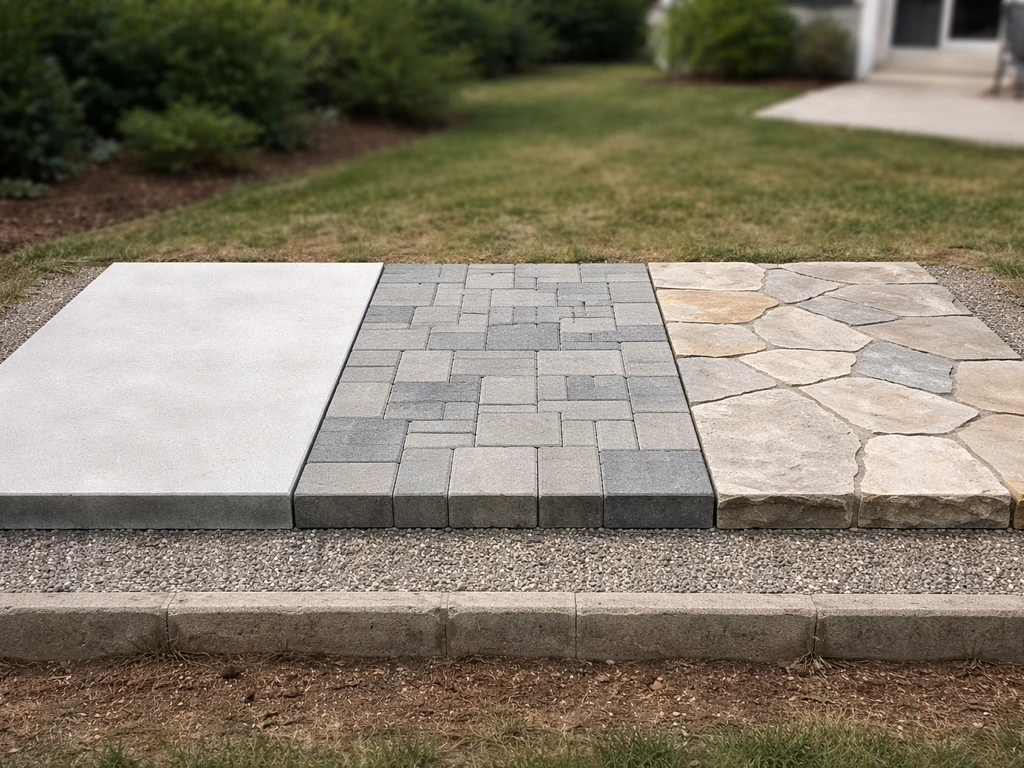
Patio cost guide with real price ranges by size and material, full line-item budget, DIY vs install, and quote checklist
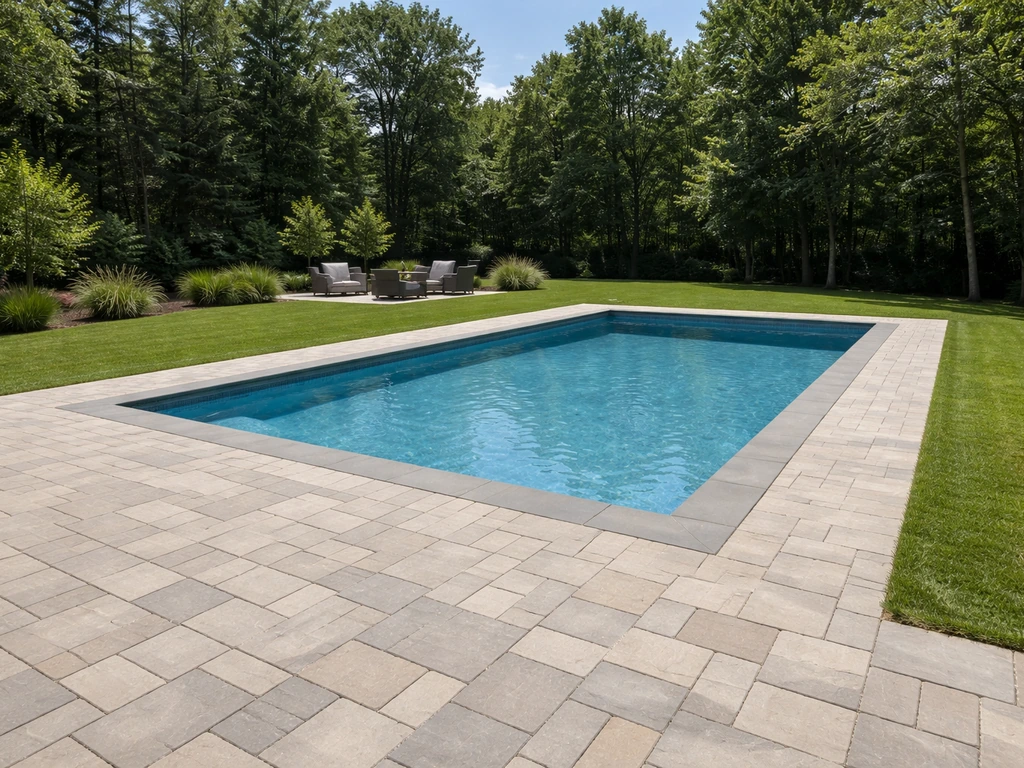
Learn how much patio around a pool costs and how to size square feet, materials, extras, and get real bid line items.
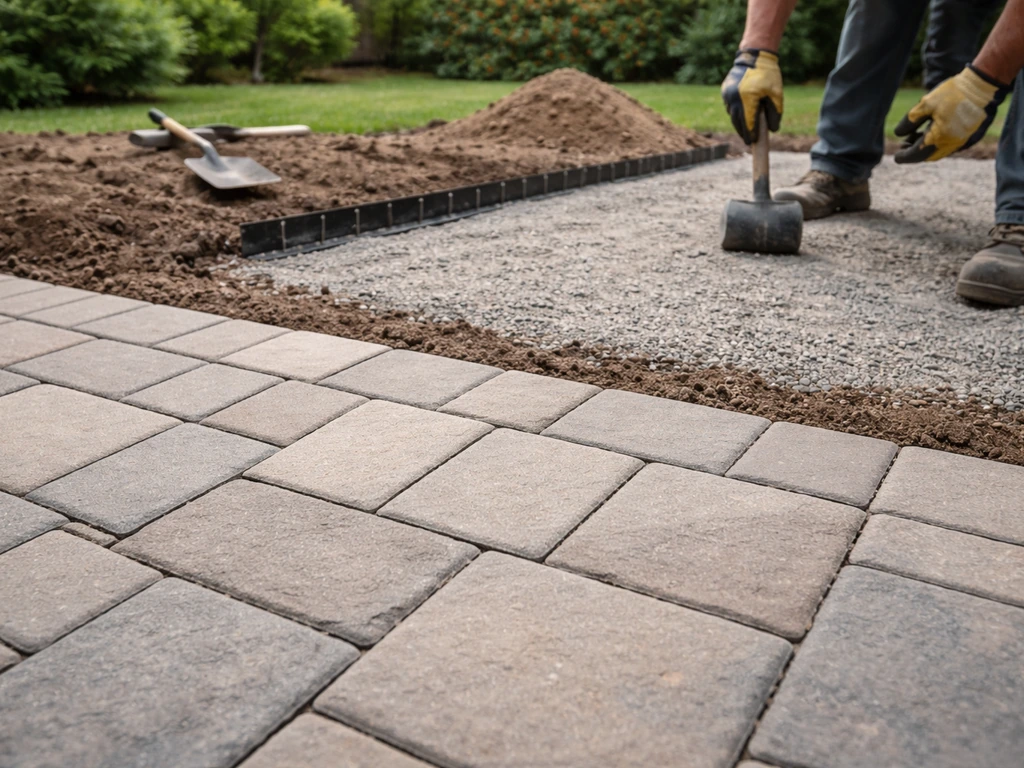
Patio cost estimates by size and material with labor, base, add-ons, DIY vs contractor, and quote planning tips.