
For most homeowners in 2026, a professionally installed patio runs somewhere between $8 and $25 per square foot all-in, which puts a basic 12x12 patio (144 sq ft) around $1,150 to $3,600 and a more generous 20x20 patio (400 sq ft) between $3,200 and $10,000 or more depending on the material you choose. That's a wide window, but once you nail down your size, material, and site conditions, you can usually land on a realistic target range before you ever call a contractor.
How Much Should I Expect to Pay for a Patio

Felix Carver
29 Apr 2026
What you'll pay by patio size
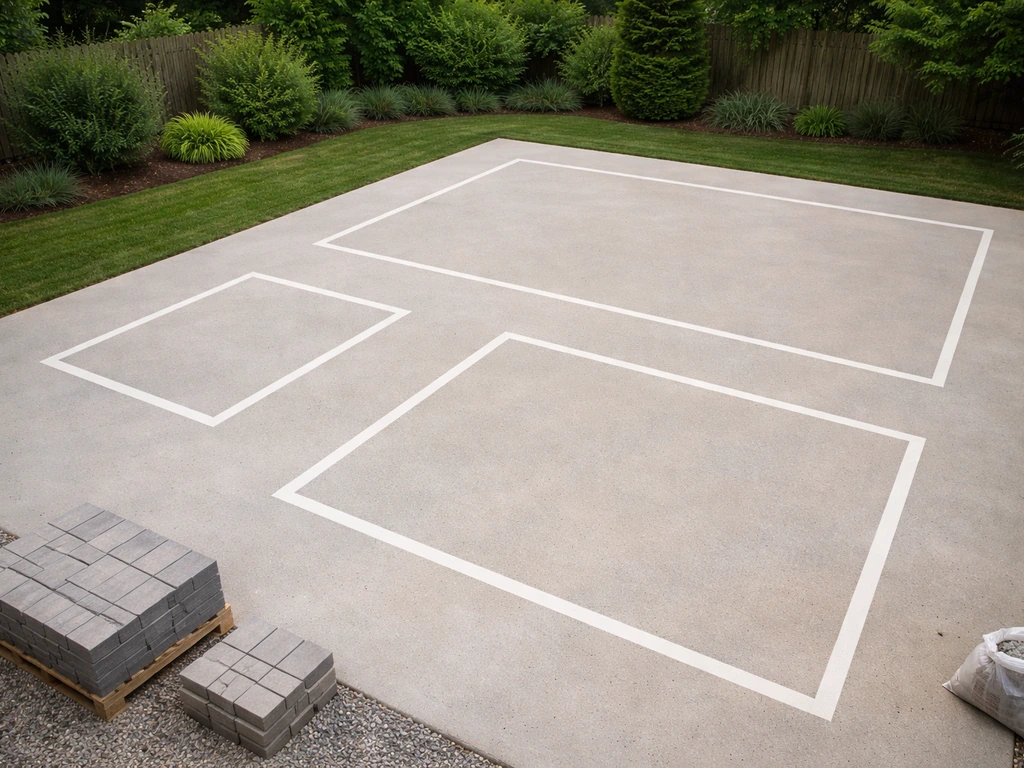
Size is the biggest single lever on total cost. Here's what typical installed pricing looks like at common dimensions, using mid-range materials and a straightforward, flat site with no major obstacles.
| Patio Size | Square Footage | Budget Range (Concrete) | Mid-Range (Pavers) | Higher-End (Stone/Stamped) |
|---|---|---|---|---|
| 10x10 | 100 sq ft | $500 – $1,800 | $1,000 – $2,500 | $2,000 – $5,000+ |
| 12x12 | 144 sq ft | $720 – $2,600 | $1,400 – $3,600 | $2,900 – $7,200+ |
| 16x16 | 256 sq ft | $1,280 – $4,600 | $2,600 – $6,400 | $5,100 – $12,800+ |
| 20x20 | 400 sq ft | $2,000 – $7,200 | $4,000 – $10,000 | $8,000 – $20,000+ |
| 20x30 | 600 sq ft | $3,000 – $10,800 | $6,000 – $15,000 | $12,000 – $30,000+ |
These ranges assume a clean, accessible site with standard base prep. If your yard slopes, has clay soil, or is hard to get equipment into, add 10 to 25 percent to the estimate. Pool patios and wraparound designs that require more complex cuts and drainage add cost too, something worth thinking through if you're also exploring what patio work around a pool involves.
Where the money actually goes: materials, labor, and base prep
Most homeowners focus on the surface material cost and underestimate everything happening underneath. A well-built patio is really three layers of work, and each one shows up on the invoice.
Base and site prep (often 25–40% of total cost)
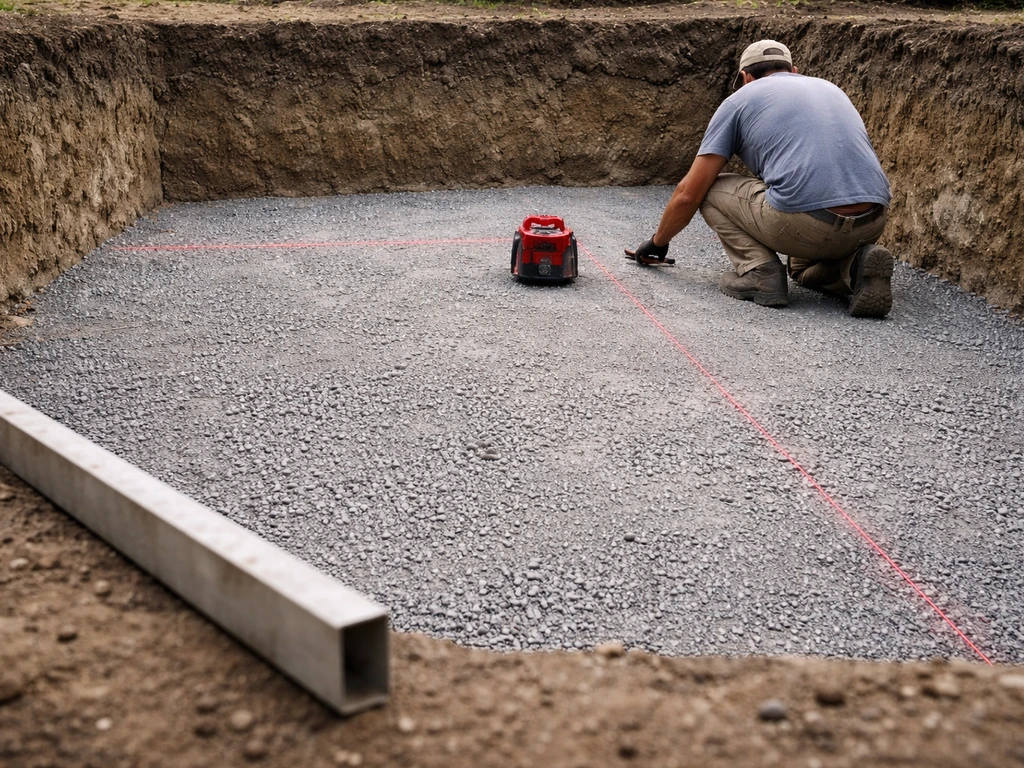
Before any paver or slab goes down, the ground has to be excavated, graded, and compacted. For a standard residential patio, contractors typically excavate 6 to 10 inches down, then fill with compacted gravel base. In colder climates where freeze-thaw cycles are a real issue, that base depth can go to 8 inches or more of compacted aggregate to prevent heaving. [On top of the gravel goes a 1-inch layer of bedding sand (for pavers)](https://www.
siteone. com/medias/sysmaster/PimProductImages/assets/ProductAssets/US/Orco/installationInstructions/472688installationinstructions_05262025/472688-installationinstructions-05262025. pdf) or a graded subbase for concrete. Some sites also need geotextile fabric laid between the native soil and the base material to prevent fine soil from migrating up into the gravel over time.
None of this is visible when the job is done, but skipping it is why cheap patios crack and shift in three years.
Materials (20–50% depending on what you pick)
Surface material costs swing dramatically by type. Basic concrete mix and rebar for a poured slab are cheap raw materials. Natural flagstone or thick tumbled pavers are expensive. For pavers, you also need edge restraints (plastic or aluminum strips anchored into the base) to keep the field from spreading outward over time, plus blank" rel="noopener noreferrer">polymeric sand swept into the joints to lock everything in place. These are real line items that should appear on any paver quote.
Labor (30–50% of total)
Labor costs have been rising steadily. Construction workforce shortages have pushed labor rates up, and in 2026 materials costs are running roughly 3 to 4 percent higher than a year ago. For a straightforward concrete pour, labor is relatively quick once the forms are set. For natural stone or irregular flagstone, labor hours climb fast because each piece has to be individually fitted and leveled. Expect to pay more per square foot for the same size patio in natural stone simply because it takes longer to build.
Other line items that often get missed
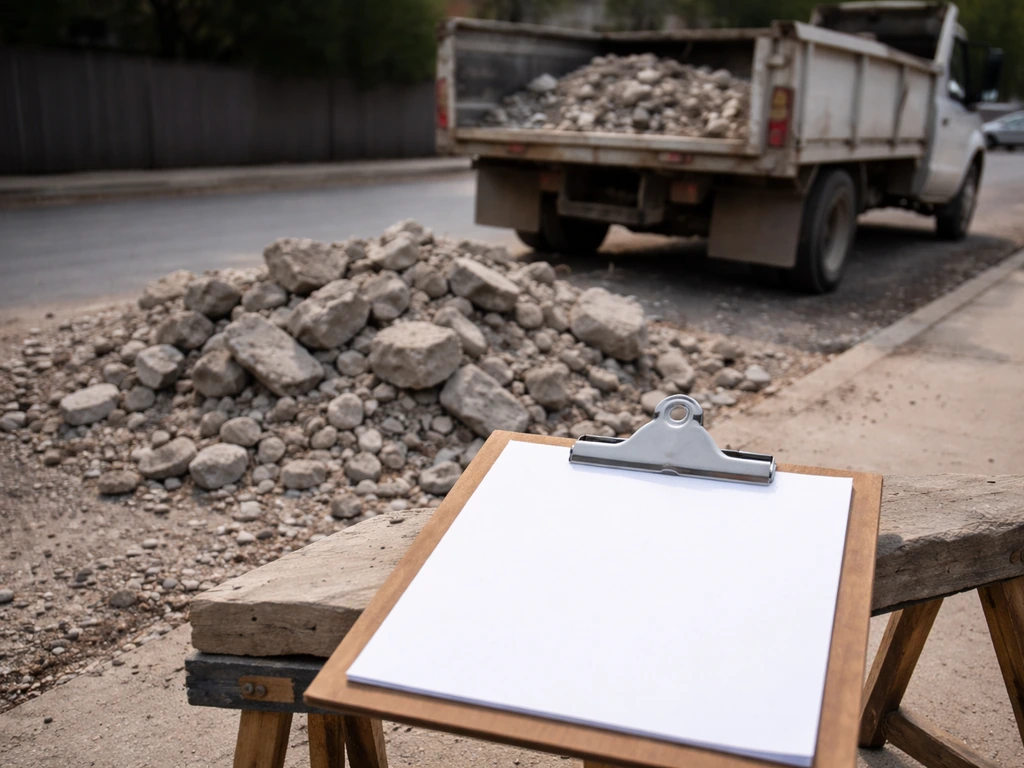
- Demolition and haul-away: removing an existing concrete slab or old pavers typically adds $1 to $3 per sq ft, plus a disposal fee
- Permits: many jurisdictions require a permit for hardscape over a certain size (typically 200 sq ft), ranging from $50 to $300+
- Steps and transitions: a single set of two or three steps off a back door can add $300 to $800 to a quote
- Drainage: adding a channel drain or regrading for proper slope (1/8 to 1/4 inch per foot away from the house) adds labor time
- Lighting or electrical rough-in: low-voltage paver lighting runs $200 to $600 for a modest install
- Sealer: a quality sealer applied after installation adds $0.50 to $2.50 per sq ft but extends the life of both concrete and pavers significantly
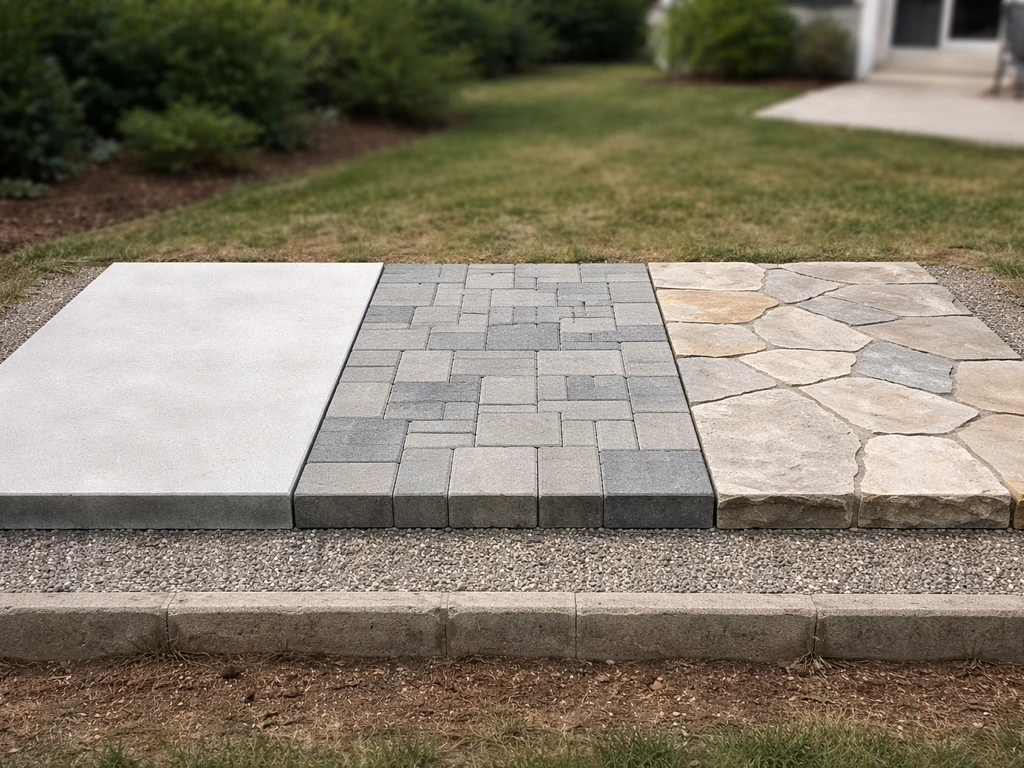
Cost by material type: concrete vs. pavers vs. stone
Here's a direct comparison of what each surface type realistically costs to install in 2026, including base prep and labor.
| Material | Installed Cost (per sq ft) | Durability | Maintenance | Best For |
|---|---|---|---|---|
| Broom-finish concrete | $5 – $18 | High (with proper base) | Low (seal every 2–3 yrs) | Budget-conscious, clean look |
| Stamped concrete | $12 – $33 | High if well-installed | Moderate (resealing, crack repair) | Decorative on a tighter budget than stone |
| Concrete pavers | $8 – $20 | Very high | Low (individual pieces replaceable) | Versatile, DIY-friendly edges |
| Brick pavers | $10 – $20 | Very high | Low | Classic look, cold-climate friendly |
| Flagstone (dry-laid) | $15 – $30 | High | Moderate (reseeding joints) | Natural, irregular aesthetic |
| Flagstone (mortar-set) | $20 – $35+ | Very high | Low once set | Formal spaces, pool surrounds |
| Natural stone (bluestone, travertine) | $20 – $40+ | High | Low to moderate | Premium outdoor rooms |
A note on stamped concrete pricing specifically
Stamped concrete is one of the most price-variable materials out there. A single-color, simple pattern might run $12 to $15 per sq ft. Add a second color, a more intricate pattern like ashlar slate or cobblestone, and a decorative border, and you can easily hit $25 to $33 per sq ft, which is what contractors in higher-cost metro areas are charging in 2026. The stamping itself is essentially an add-on to a standard concrete pour, running roughly $8 to $18 per sq ft on top of base concrete pricing depending on complexity.
DIY vs. hiring a contractor: what you actually save (and risk)
Going DIY on a patio can cut your total cost by 40 to 60 percent in theory, since you're eliminating contractor labor. On a 200 sq ft paver patio, that could mean saving $2,000 to $4,000. But that math only holds if the project goes smoothly, which requires the right tools, proper base compaction, and getting the grade right so water drains away from the house.
Where DIY works well
- Dry-laid concrete pavers on a flat, accessible site: the most beginner-friendly option
- Small patios under 150 sq ft where tool rental costs stay reasonable
- Simple rectangular layouts without complex cuts or curves
- Situations where you can rent a plate compactor ($75–$150/day) and have helpers for a weekend
Where DIY gets expensive fast
- Poured concrete: forming, pouring, and finishing concrete is a time-sensitive job that goes wrong quickly without experience; a bad pour is very expensive to fix
- Flagstone on a mortar bed: requires mixing and working mortar to proper consistency, and irregular stone fitting takes much longer than expected
- Any site with slope or drainage issues: improper grading leads to water pooling against the foundation
- Underestimating base material: most DIYers buy too little gravel and sand on the first trip, adding extra rental time and delivery fees
- Skipping edge restraints or using the wrong ones: pavers migrate outward within a few seasons without proper confinement
The honest takeaway: DIY paver patios on flat ground are genuinely doable for a handy homeowner and can save real money. Concrete pours and natural stone work almost always benefit from professional installation, where the labor cost is justified by the skill required to get a lasting result.
Why your quote might look very different from your neighbor's
Regional labor rates alone can swing the total cost of an identical patio by 30 to 50 percent. A 400 sq ft concrete patio that costs $4,000 installed in rural Ohio might run $7,000 to $9,000 in the Chicago suburbs or $10,000+ in coastal California. Here are the biggest site and regional factors that move the needle.
Site-specific factors
- Slope and grading: a sloped yard requires more excavation, more fill, or retaining elements, all of which add cost
- Soil type: clay soil drains poorly and may require additional base depth or drainage solutions; sandy or rocky soil has its own complications
- Access: if a truck or skid-steer can't get close to your backyard, all materials have to be wheelbarrowed in, which significantly increases labor hours
- Existing structures: working around a deck, fence, or landscaping adds complexity and time
- Tree roots: major roots in the build area require removal or rerouting, which adds cost and sometimes requires an arborist consult
Climate and freeze-thaw requirements
If you're in USDA hardiness zones 5 or colder (think the Midwest, Northeast, and mountain regions), a patio base needs to be built deeper to get below or manage the frost line. This is where that 8-inch compacted aggregate base comes in. Contractors in those regions build this into their standard quotes, which is one reason a patio in Minneapolis costs more per square foot than the same patio in Atlanta, even before labor rate differences.
Regional labor market
In high-demand metro areas with tight labor markets, hardscape contractors are booking weeks or months out and pricing accordingly. If you're getting quotes in spring (peak season), expect higher prices than if you can schedule for late fall or early winter when contractors are looking to fill their schedules.
How to build your budget and get quotes you can actually compare
The single best thing you can do before calling contractors is define your project as specifically as possible. Vague requests get vague quotes, and you end up comparing apples to oranges. Here's a simple framework to get you to a number you can rely on.
Step 1: Nail down your dimensions and scope
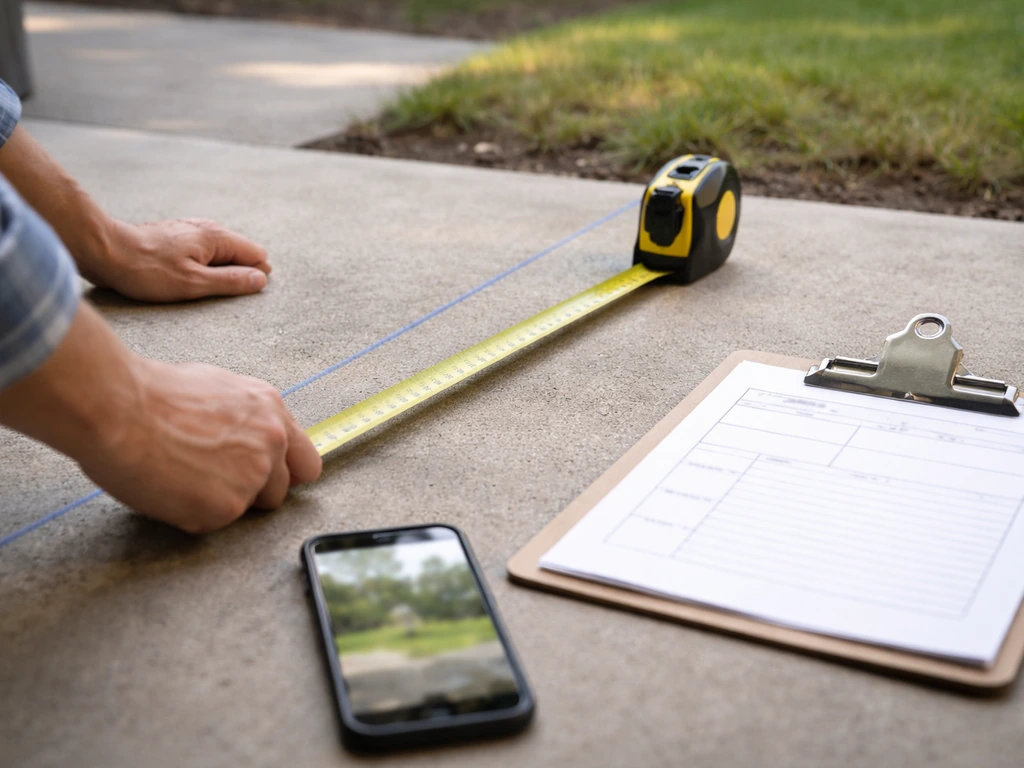
- Measure the exact footprint you want (length x width in feet)
- Note whether any demolition is needed (old concrete, pavers, or landscaping removal)
- Identify any slopes, drainage issues, or access constraints in the build area
- Decide on the surface material (even a shortlist of two options helps)
- List any add-ons: steps, built-in seating, lighting, or drainage channels
Step 2: Do a quick ballpark before you call anyone
Multiply your square footage by the per-sq-ft range for your chosen material from the table above. Once you know the typical per-square-foot pricing, you can also determine what the average cost of a patio is for your total square footage per-sq-ft range. If you want to estimate how much patio you need, focus first on square footage, then multiply by the per-square-foot range for your chosen material.
Use the low end for a simple, flat, accessible site and the high end if you have any slope, tight access, or premium material preferences. If you also want a patio pool, plan for added plumbing, decking, and more complex excavation that can push the total well beyond a standard patio estimate. If you also expect any settling or drainage changes, that can influence how much your patio will fall over time patio pool.
That gives you a realistic range to sanity-check contractor quotes against. HomeGuide lists blank" rel="noopener noreferrer">broom-finished concrete patio pricing at about $6 to $13 per sq ft as a typical range. For example, a 16x16 paver patio (256 sq ft) on a flat yard: at $10 to $15 per sq ft installed, you're looking at roughly $2,600 to $3,800 as a starting baseline.
Step 3: Get at least three quotes, and ask the right questions
- What is the base preparation included: depth, material type, and compaction method?
- Does the quote include edge restraints, bedding sand, and polymeric sand (for pavers)?
- What concrete thickness and reinforcement (rebar or wire mesh) is included (for concrete)?
- Is demolition and haul-away of existing material included?
- Are permits included, or is that a separate cost?
- What is the warranty on labor and what does it cover?
- What is the payment schedule and what triggers the final payment?
What to watch for when comparing quotes
A quote that comes in significantly lower than others is usually cutting something from base prep, using thinner materials, or leaving out debris disposal. A quote that's much higher isn't automatically better either. The goal is to find two or three contractors who are quoting the same scope so you're comparing actual value. Ask each one to itemize base prep, materials, labor, and any extras separately so you can see where the differences are. That's how you make a confident decision instead of just guessing.
One last thing worth knowing: construction material costs have been running about 3 percent higher year-over-year in 2026, and labor rates in the hardscape trades continue to climb. If you're planning a patio this year, getting quotes sooner rather than later (and locking in a contract price) is a reasonable move. Waiting until late spring when every contractor is booked means less leverage on timing, price, and scheduling.
FAQ
What patio costs are usually included in the “per square foot” price, and what is commonly left out?
Most per-square-foot numbers assume you are getting site cleanup, excavation, base materials, installation, and surface placement. Costs that often get excluded unless you ask include haul-away of excess soil, permit fees, disconnecting or reconnecting nearby sprinklers, adding a drainage plan, and removing an existing patio or patio base. Ask for a line item titled “demo and disposal” so low quotes do not surprise you later.
How much extra should I budget if I need to remove an old patio first?
Removal can add several hundred to a few thousand dollars depending on thickness, whether it is reinforced, and disposal distance. Concrete with rebar and a deep base usually costs more to demo than a shallow paver grid. If you are comparing contractors, confirm whether their quote includes jackhammering, dump fees, and any additional base replacement after the old structure is gone.
Do I need a permit, and can permits change the overall cost?
In many areas, a patio can be permitted if it changes drainage, sits near setbacks, or involves electrical or plumbing (like pool coping, outdoor kitchens, or lighting). Permit requirements vary by municipality, and the permit and inspection fees can be modest, but delays can increase labor cost if contractors have to pause work. Ask the contractor to confirm whether your scope triggers permitting.
If my yard slopes, is it automatically more expensive per square foot, or is it more about added work?
It is usually more about added work than the patio size itself. A slope often means extra excavation in one area, building up another area, additional base depth for stability, and sometimes retaining edging. The “per sq ft” may not match your site conditions, so request a grading plan or ask them to show how they will achieve proper drainage away from the house.
How do I tell whether a contractor’s “cheap” quote is missing key base prep steps?
Look specifically for mention of compacted gravel base depth, bedding sand thickness (for pavers), geotextile fabric (when needed), edge restraints, and polymeric sand for paver joints. Also ask what equipment they will use for compaction (plate compactor or similar) and whether they will provide a thickness spec. A quote that does not break these out is often the one that cracks or shifts early.
What is the typical cost difference between pavers and concrete once you include edges and joint materials?
Pavers can look close to concrete on a simple rate, but paver totals often rise because edge restraints and joint sand are real line items. If one quote includes restraints and polymeric sand and another does not, their per-square-foot numbers will not be comparable. Ask both contractors to price pavers as the same scope, including edging and joint locking material.
Can I estimate the cost of steps, landings, or a curved patio from square footage alone?
Not reliably. Steps, coping, and curved layouts add labor for formwork, cutting, and additional base changes. A practical approach is to ask contractors for a “unit price” for steps and for an allowance per linear foot of curving or border cuts, then combine that with the patio area. Otherwise, you can end up under-budget even when the patio area math is correct.
How should I plan for electrical and lighting costs if I want lights in the patio area?
Landscape or patio lighting often adds trenching or surface conduit runs, cable or conduit material, transformer or driver hardware, and connections. Those items can be missed if you only ask about the surface installation. If you want low-voltage lighting, tell contractors now and ask whether the quote includes conduit, wiring, and outlet or transformer placement.
Is DIY always cheaper, and what is the most common DIY mistake that erases savings?
DIY is not automatically cheaper, especially if your site needs significant grading or you lack compaction tools. The most common mistake is using insufficient base depth or inadequate compaction, which leads to uneven settling and joint failure. If you want DIY pavers, rent or borrow the right compaction equipment and plan extra time for leveling and verifying drainage before laying any surface blocks.
When should I expect price differences by season, and how much can it move total cost?
Spring and early summer often cost more because contractors are busiest, which can mean higher labor rates and less flexibility. Late fall or early winter scheduling can reduce pricing in some markets, but only if weather and ground conditions allow base work and setting. Ask if they can offer a seasonal rate and whether they will lock pricing if you sign before their peak period.
How many quotes should I get, and what should I require them to itemize?
Get at least two or three quotes, and require itemization into base prep (excavation, grading, compaction, geotextile if needed), materials (base, bedding sand, pavers or concrete, restraints, joint materials), labor, and extras (demo and disposal, drainage adjustments, permits). This lets you compare the same scope and avoid a “low” number that excludes an important layer or cleanup work.
Next Articles
How Much Patio Around Pool: Cost, Size, and Budget Guide
Learn how much patio around a pool costs and how to size square feet, materials, extras, and get real bid line items.
How Much Are Patios? Cost Ranges by Size and Material
Patio cost estimates by size and material with labor, base, add-ons, DIY vs contractor, and quote planning tips.
How Much Fall for a Patio: Measure the Slope Correctly
Target patio slope for drainage and step-by-step how to measure and calculate fall in inches per foot