
A 15x15 concrete patio (225 square feet) runs roughly $1,350 to $2,925 for a basic broom-finish slab installed by a contractor, based on a national average of $6 to $13 per square foot. If you are working with a 20 x 20 footprint instead, you can scale these per-square-foot factors to estimate the total cost more accurately how much is a 20 x 20 concrete patio.
How Much Does a 15x15 Concrete Patio Cost? Prices

Felix Carver
11 May 2026
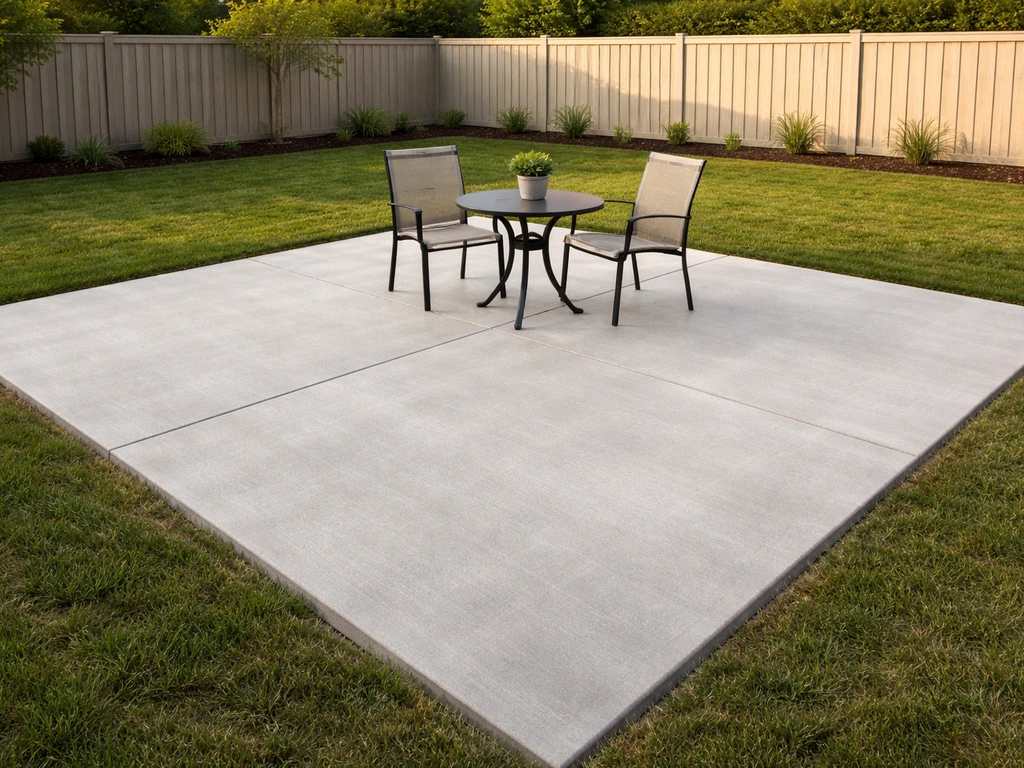
Most homeowners in the middle of the country land somewhere around $1,800 to $2,200 for a straightforward flat site with standard 4-inch thickness. If you want stamped or stained concrete, that range jumps to about $2,700 to $5,625, and in high-cost metro areas it can stretch even further. Those are the real numbers you can use to gut-check a quote before you call anyone.
What a 15x15 patio actually costs in 2026
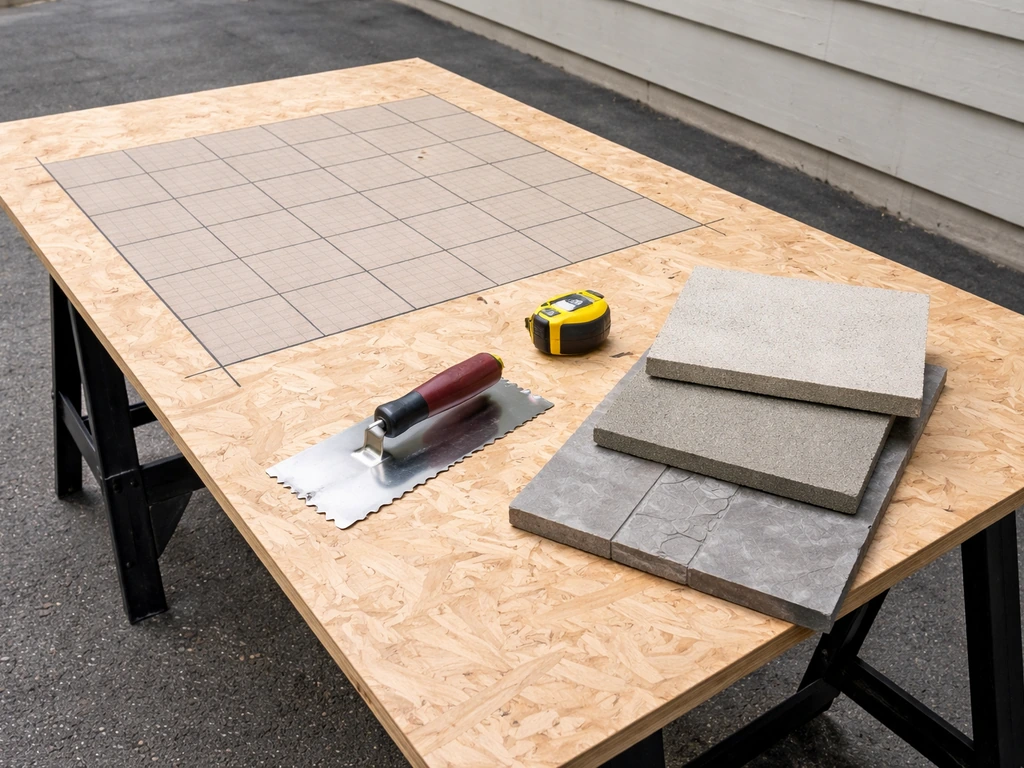
The 15x15 size is popular because 225 square feet is large enough for a patio table and chairs but small enough that most contractors can finish the job in a single day. The price range is wide because "installed" means different things to different contractors. Here are the tiers you'll see most often:
| Finish Type | Cost per Sq Ft | Total for 225 Sq Ft | Notes |
|---|---|---|---|
| Basic broom finish | $6 – $13 | $1,350 – $2,925 | Standard residential slab, 3.5–4 inch thick |
| Broom finish + sealer | $7 – $15 | $1,575 – $3,375 | Adds sealer coat after cure |
| Stamped concrete | $12 – $25 | $2,700 – $5,625 | Pattern molds, color integral or stain |
| Stamped + stained + sealed | $18 – $28+ | $4,050 – $6,300+ | Premium decorative finish, high labor |
The $10 per square foot midpoint that comes up frequently in contractor conversations is a reasonable planning number for a no-frills slab on a flat, accessible site. That puts a 15x15 right around $2,250 installed, including base prep, concrete, and a broom finish. Think of anything below $1,500 as a red flag unless you are in a very low cost-of-living region, and anything above $3,500 for basic concrete as worth questioning in detail.
Installed vs. DIY: what actually changes
Doing it yourself can cut the labor portion of the bill, but concrete is one of those projects where the "save money" calculation gets complicated fast. Pouring a slab requires renting forms, a concrete mixer or ordering a ready-mix truck, a screed board, a bull float, an edger, and the muscle of at least two or three people working in sync before the concrete sets. If anything goes wrong during the pour, you cannot pause it.
On a 225 sq ft slab, a DIY approach typically means you are still paying for most of the fixed costs. Excavation alone often runs around $400 if you hire it out, forming materials cost roughly $300, base gravel comes in around $250, permits add another $100 to $200 depending on your municipality, and a quality sealer runs $150 or more.
Add concrete itself (around $125 to $150 per cubic yard, and a 4-inch slab at 225 sq ft needs roughly 2. 8 cubic yards) and your materials-only cost before a single hour of your labor is $1,300 to $1,600. You are saving the labor markup, which is real, but you are also taking on the risk of a bad pour, cracking from improper finishing, or a failed base if grading is off.
DIY makes the most sense if you have poured concrete before, have or can borrow the tools, the site is dead flat, and you have reliable help. For most first-timers on a project this size, hiring a contractor and negotiating on scope is lower risk than going full DIY.
Where the money goes: a line-by-line breakdown
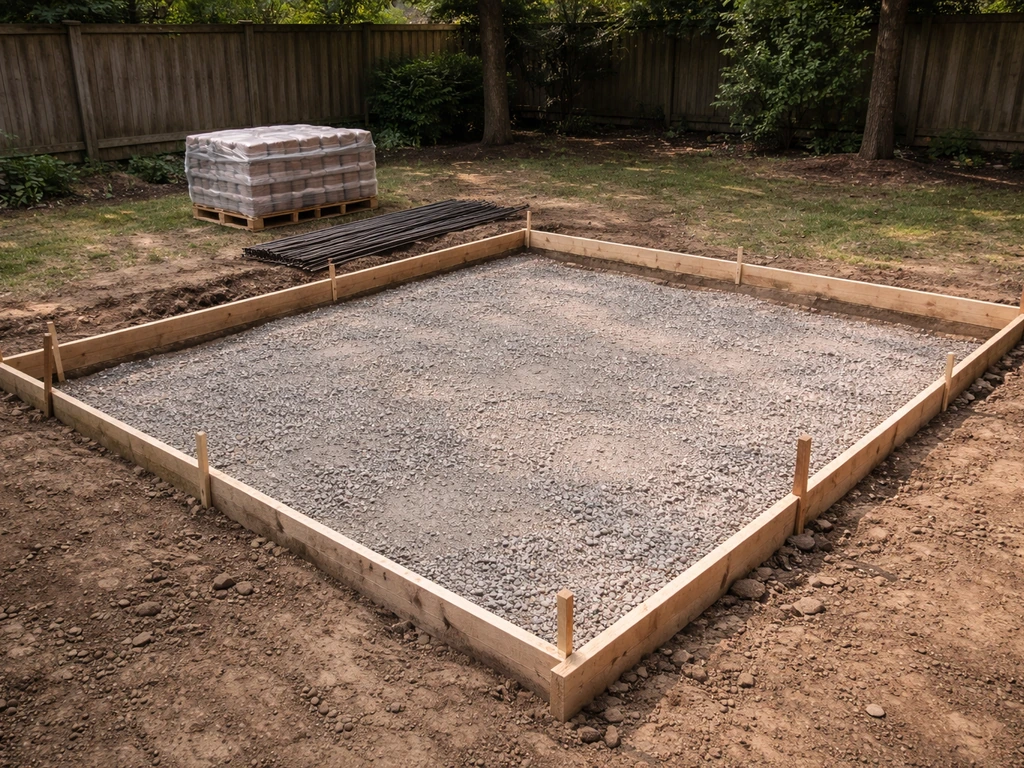
When a contractor quotes you $2,200 for a 15x15 patio, here is roughly how that breaks down across the major cost buckets:
| Line Item | Typical Cost Range | Notes |
|---|---|---|
| Excavation and grading | $300 – $600 | Depends on depth, slope, and soil type |
| Base gravel (4–6 inch compacted) | $150 – $350 | Crushed stone or gravel base layer |
| Forms (lumber and staking) | $100 – $250 | Reused or disposable lumber forms |
| Reinforcement (wire mesh or rebar) | $225 – $675 | $1–$3 per sq ft range for 225 sq ft |
| Concrete mix and pour (ready-mix) | $350 – $550 | Roughly 2.8 cu yd at $125–$150/cu yd + delivery |
| Finishing (broom, edging, joints) | $250 – $500 | Labor-intensive; saw-cut control joints add $1–$2/linear ft |
| Sealer | $225 – $675 | $1–$3 per sq ft installed; material alone is $0.10–$0.75/sq ft |
| Permit | $75 – $200 | Varies by municipality; sometimes waived for small slabs |
| Cleanup and haul-away | $100 – $250 | Spoils removal, form cleanup |
Control joints (the saw-cut lines you see in concrete) are a common hidden cost. Control joints help manage cracking patterns and can be an important durability and maintenance consideration, as discussed in American Concrete Institute guidance on precast applications Control joints (the saw-cut lines you see in concrete). Some contractors include them in their base price; others charge $1.00 to $2.00 per linear foot as a separate add-on. On a 15x15 slab you would typically want at least four to six linear feet of cuts, so this line item is small but worth confirming upfront.
What pushes the price up or down
Thickness and reinforcement
A standard residential patio poured at 3.5 to 4 inches thick with wire mesh is the baseline. If you want to park a vehicle on it, store heavy equipment, or the soil is clay-heavy, you are looking at 5 to 6 inches of concrete plus rebar instead of mesh. That change alone can add $2 to $4 per square foot to your total, which is $450 to $900 on a 15x15.
Site prep and slope
A perfectly flat, accessible backyard with no existing concrete to demo is the cheapest scenario. Add any of the following and the price climbs: slope that requires grading, poor drainage that needs correction, tree roots to remove, old concrete to demo and haul away (demo typically runs $1 to $3 per sq ft on its own), or a narrow gate that limits equipment access and forces wheelbarrow pours.
Regional labor rates
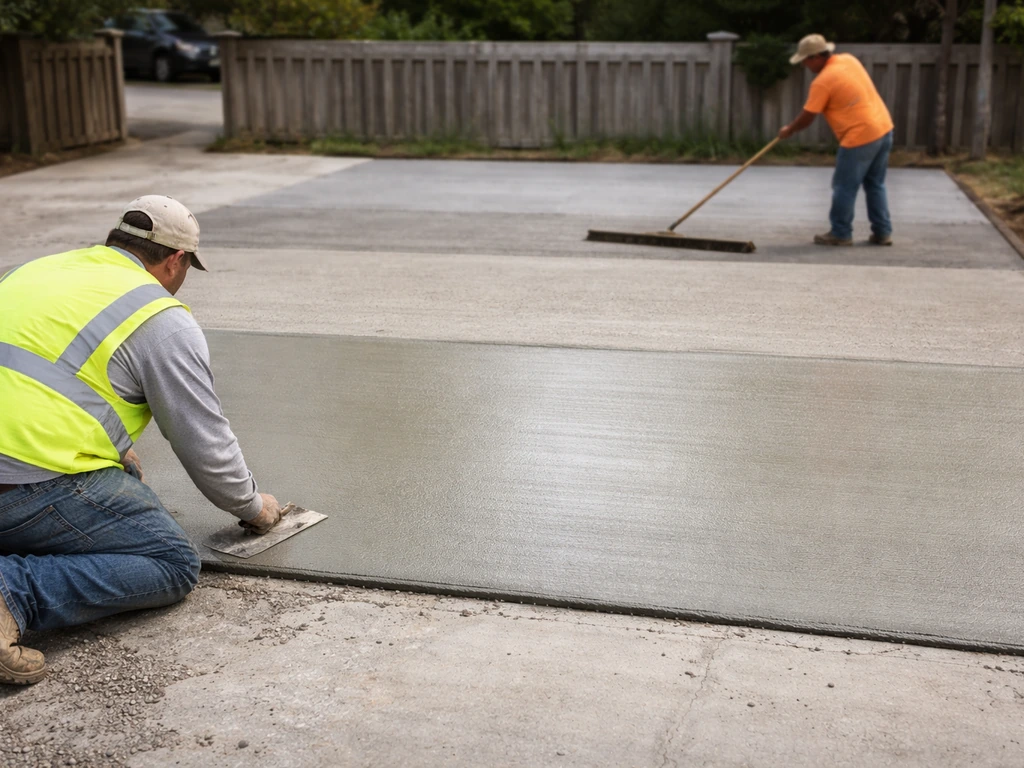
Labor is the biggest swing factor. In parts of the South Central and rural Southeast, broom-finish flatwork typically runs $6 to $12 per square foot installed. In the Pacific Northwest, Northeast, or coastal California, the same work can run $12 to $18 per square foot or more. That means the exact same 15x15 patio could cost $1,350 in rural Alabama or $4,050 in the Bay Area, and both quotes can be completely legitimate.
Access and jobsite conditions
If a concrete truck cannot pull up close to the pour site, the crew has to pump or wheelbarrow the mix, which adds time and labor cost. Expect a surcharge of $200 to $500 for difficult access situations. Tight backyard gates (under 36 inches wide) are one of the most common reasons a straightforward quote goes up.
Plain concrete vs. stamped, stained, or sealed
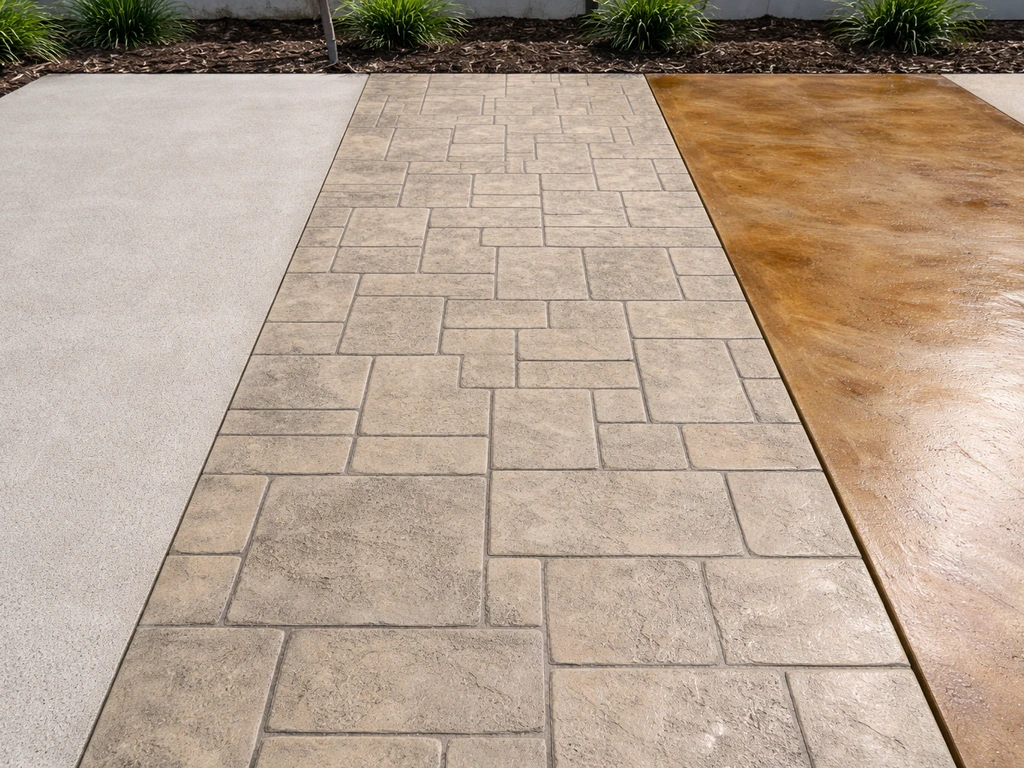
Plain broom finish is the most budget-friendly option and honestly looks clean and professional when done well. For example, a Reddit r/Concrete discussion specifically weighs whether to seal a broom-finish patio and what sealer types homeowners have used whether homeowners should seal a broom-finish concrete patio and what sealer type people use. Here is how the decorative upgrades layer on cost for a 15x15 specifically:
| Finish Option | Added Cost vs. Plain | Total 225 Sq Ft Estimate | Durability Note |
|---|---|---|---|
| Broom finish (baseline) | — | $1,350 – $2,925 | 30+ years with proper base and joints |
| Broom finish + penetrating sealer | +$225 – $450 | $1,575 – $3,375 | Sealer adds stain/water resistance |
| Integral color (pigment in mix) | +$300 – $600 | $1,650 – $3,525 | Color throughout slab, fades slowly |
| Acid stain or chemical stain | +$400 – $900 | $1,750 – $3,825 | Variegated look, must reseal periodically |
| Stamped pattern (no color) | +$900 – $1,800 | $2,250 – $4,725 | Adds mold/pattern labor, still needs sealing |
| Stamped + colored + sealed | +$1,350 – $3,375 | $2,700 – $6,300 | Highest visual impact, highest maintenance |
Stamped concrete costs more not just because of the molds but because the timing is critical. The crew has to stamp the surface in a narrow window before the concrete sets, which means larger or more experienced crews and less room for error. EstimateConcrete puts the premium at roughly $6 to $15 more per square foot over broom finish, which aligns with what you see from most regional contractors in 2026.
One thing people underestimate with stamped concrete is long-term maintenance. That decorative sealer needs to be reapplied every two to three years to keep the color and pattern looking good. Budget around $1 to $3 per square foot for resealing, so roughly $225 to $675 every few years on a 15x15. Plain concrete just needs an occasional cleaning.
How a 15x15 concrete patio compares to other options
If you are still deciding whether concrete is the right call, here is a quick material comparison for the same 225 square foot footprint. Paver patios are a popular alternative at this size, and the cost overlap is tighter than most people expect.
| Material | Installed Cost Range (225 sq ft) | Pros | Cons |
|---|---|---|---|
| Plain concrete | $1,350 – $2,925 | Durable, low maintenance, fast install | Cracks over time, repairs visible |
| Stamped concrete | $2,700 – $5,625 | High-end look, seamless surface | Higher upfront cost, needs resealing |
| Concrete pavers | $2,250 – $5,400 | Replaceable, good drainage, many styles | Higher labor, can shift over time |
| Brick | $2,700 – $5,400 | Classic look, repairable | Expensive, regional availability varies |
| Flagstone / natural stone | $3,600 – $7,650+ | Premium look, unique | High cost, irregular surface |
| Pressure-treated wood deck | $4,500 – $9,000+ | Elevated option, no grading needed | Maintenance, rot risk, higher cost |
Plain concrete typically comes in as the lowest installed cost at this size, which is one reason it is the default choice for budget-conscious homeowners. A 15x15 paver patio will usually cost more than a concrete slab of the same size because of the additional labor involved in setting each paver individually. If budget is the primary driver, concrete wins. If you want flexibility to repair individual sections down the road without a visible patch, pavers are worth the extra cost.
How to compare contractor quotes without getting burned
Getting two or three quotes is the single most useful thing you can do before signing anything. But quotes are only useful if they cover the same scope. Here are the specific questions to ask every contractor before you compare their numbers:
- What is the slab thickness and what reinforcement is included (wire mesh or rebar)?
- Does the price include excavation and grading, or is that separate?
- What depth of compacted gravel base is included?
- Are saw-cut control joints included, and how many linear feet?
- Does the quote include sealer, and if so, what type (penetrating vs. film-forming)?
- Is demolition of any existing concrete or landscaping included?
- What is the permitting situation, and who pulls the permit?
- Is concrete truck access possible, or will there be a pump or wheelbarrow surcharge?
The most common reason two quotes look wildly different is not that one contractor is ripping you off. It is usually that one quote includes base prep, forming, and sealing while the other lists just the pour and finish. Always ask for a written line-item breakdown, not just a total number.
Red flags to watch for: a quote with no mention of base gravel or excavation (every patio needs it), a per-square-foot price well below $6 in most markets (shortcuts are being taken somewhere), and a contractor who cannot tell you the slab thickness or reinforcement spec. Also be cautious of large cash deposits upfront, especially anything over 30 to 40 percent before work starts.
Your next steps before you hire anyone
Here is a practical sequence to get from "I want a patio" to a signed contract you feel confident about:
- Measure your space and confirm the 15x15 footprint works. Mark it with stakes and string so you can visualize it and adjust before concrete is poured.
- Check your local permit requirements. Many municipalities require a permit even for a simple slab. A $75 to $200 permit fee is worth it to avoid a stop-work order or problems at resale.
- Decide on your finish level before you call contractors. Know whether you want plain broom finish, stained, or stamped so every contractor bids the same spec.
- Get at least three written quotes with line-item breakdowns. Use the question list above to make sure all three are covering the same scope.
- Ask for references and look at past work. Concrete finishing quality is visible. Ask to see a recently completed patio or driveway.
- Confirm the timeline. A 15x15 slab typically takes one day to pour and finish, but the concrete needs at least 24 to 48 hours before foot traffic and 28 days to reach full cure strength.
- Budget a 10 to 15 percent contingency. Unexpected soil conditions, drainage issues, or access problems are the most common budget surprises on small slab projects.
If you are still on the fence about concrete versus another material, think about how you will use the space. For a low-maintenance outdoor dining or seating area, plain concrete or concrete with a simple stain hits the best value-to-durability ratio at this size. If you want something that looks more upscale and you have the budget, stamped concrete at $12 to $25 per square foot delivers that without the ongoing maintenance of wood decking.
And if you like the idea of easy future repairs, a paver patio at this size is a reasonable step up in cost for the added flexibility. A good way to estimate your options is to compare that flexibility to the typical 20x20 concrete paver patio cost before you decide. For a 20x20 paver patio, you can estimate costs by scaling from installed per-square-foot pricing and factoring in base prep and edging.
FAQ
What should be included in a “complete” installed price for a 15x15 patio?
For a 15x15 (225 sq ft) patio, most quotes should specify the concrete thickness (often 4 inches for a basic slab), whether reinforcement is mesh or rebar, the base build-up (gravel thickness and compaction), and the finish type (broom vs decorative). If a contractor only gives a per-square-foot number without those details, you cannot reliably compare it to another bid.
How do control joints and cracking prevention change the final price?
Yes, control joints and expansion considerations can affect cost and cracking risk. Ask how many joints they will cut, whether they use proper joint spacing for the slab size, and whether they include edge sealing at doors or transitions to prevent moisture intrusion.
Why do two contractors quote different totals even when the patio size is the same?
Concrete prices are usually quoted as poured and finished, but many “gotchas” are add-ons: permit fees, site grading, utility markings, tree root removal, old slab demo and hauling, and sealing (sometimes included, sometimes not). Request a line item list so you can spot which parts are truly missing.
What happens to cost if my backyard access is tight?
If the truck cannot reach the pour location, you can expect extra charges for wheelbarrow time or a pump. Ask what they will use to deliver the concrete (truck access distance, pumping vs wheelbarrow), and how that affects scheduling, because delivery method can change labor hours and staging needs.
Will parking a car on a 15x15 slab increase the cost?
Thickness and reinforcement are the biggest structural drivers beyond finish. If you expect vehicle parking or have clay-heavy soil, you may need 5 to 6 inches and rebar instead of mesh, which commonly adds several dollars per square foot (and can also increase excavation and base requirements).
Do stained or decorative concrete options cost more to maintain?
Yes. For stained concrete, the sealer is not a one-and-done item, and surface prep quality matters. Ask whether they include curing steps, the sealer type and finish (matte vs glossy), and the expected reseal interval so you can budget for maintenance over time.
When does DIY stop being worth it for a 15x15 patio?
DIY often still requires paying for excavation, forms, gravel, permit-related items, and a quality sealer. If you cannot borrow experienced finishing tools (screed, float, edger, jointer) or you cannot get enough trained help to finish before setting, the risk of surface defects and early cracking rises, which can erase any savings.
How does slope or drainage affect the estimate?
If your yard is sloped, the patio needs more than just “leveling.” Ask for the proposed grading plan (cut vs fill), how they will handle drainage, and whether they include sub-base compaction. Poor drainage and incorrect grading are common reasons for settlement or standing water.
What if I have to connect the new slab to existing concrete or steps?
Get clarity on whether your contractor includes a bonding agent for any patching, how they handle transitions to existing concrete, and whether they will remove only the necessary sections. Matching height and preventing future edge cracking often adds labor.
What are reliable red flags in a patio quote besides the price?
A low bid can be legitimate, but in this project type it is usually tied to scope differences, thinner slab, lighter base, no reinforcement, or skipping items like sealing or joint cutting. Ask for proof of slab thickness and reinforcement spec, and insist on a written schedule for materials and finishing steps.
Next Articles
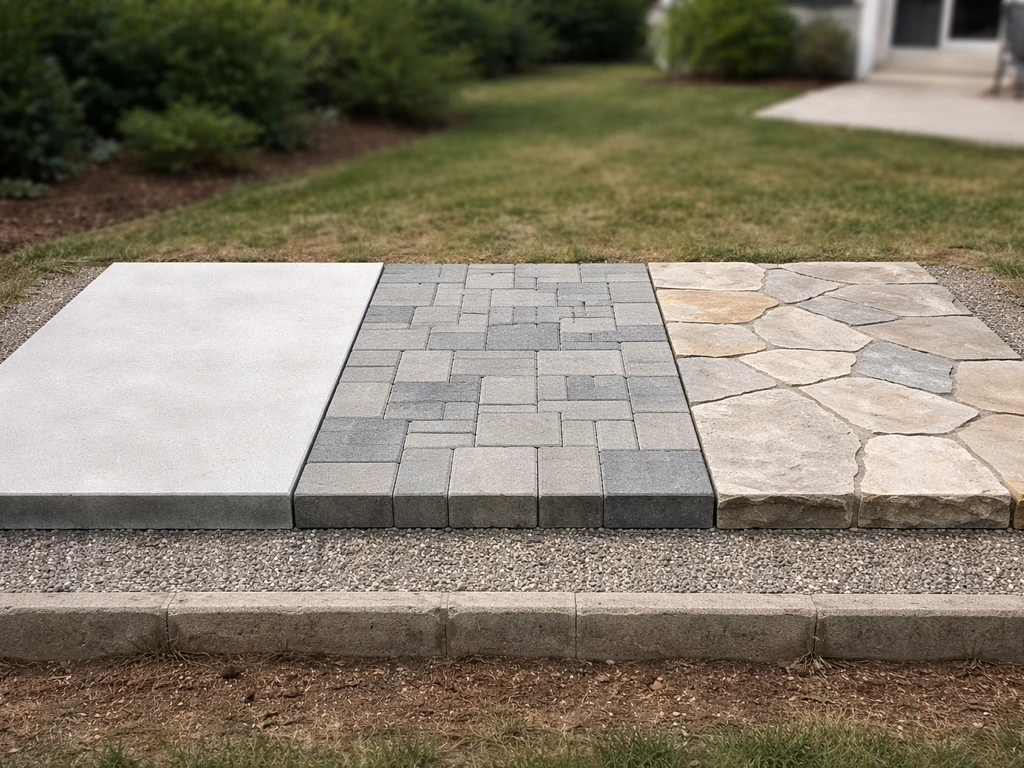
How Much Should I Expect to Pay for a Patio
Patio cost guide with real price ranges by size and material, full line-item budget, DIY vs install, and quote checklist
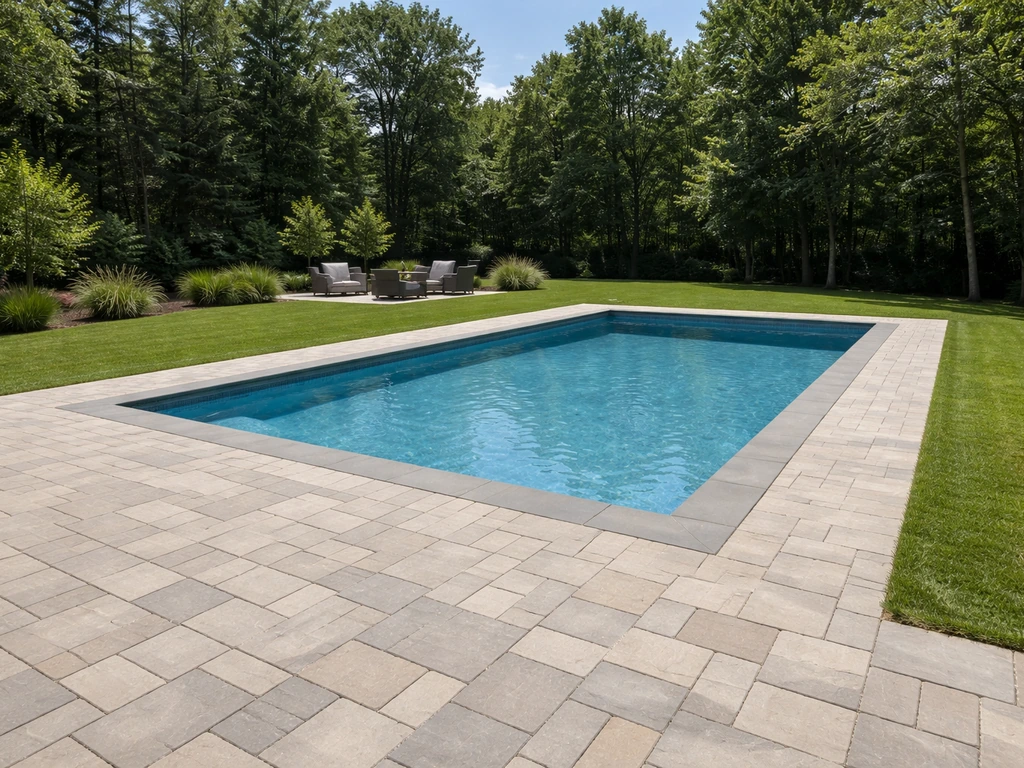
How Much Patio Around Pool: Cost, Size, and Budget Guide
Learn how much patio around a pool costs and how to size square feet, materials, extras, and get real bid line items.
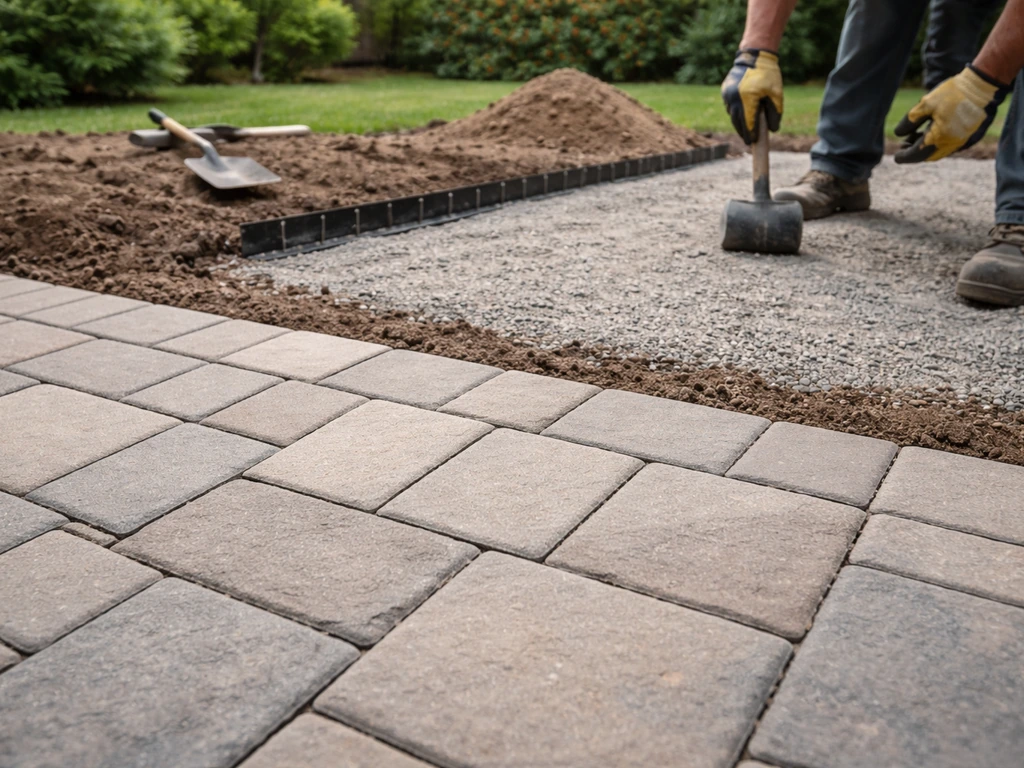
How Much Are Patios? Cost Ranges by Size and Material
Patio cost estimates by size and material with labor, base, add-ons, DIY vs contractor, and quote planning tips.