
A 20x20 patio cover (400 square feet) typically costs between $8,000 and $24,000 installed, with most homeowners landing somewhere in the $10,000 to $18,000 range for a solid-roof or pergola-style structure. That wide spread comes down to material choice, roofing style, and whether your site needs serious footings or a permit with engineering stamps. Budget-friendly aluminum or vinyl covers start around $20 per square foot installed, while louvered motorized systems or heavy timber structures can push past $50 to $60 per square foot.
How Much Does a 20x20 Patio Cover Cost? Real Prices

Felix Carver
3 May 2026
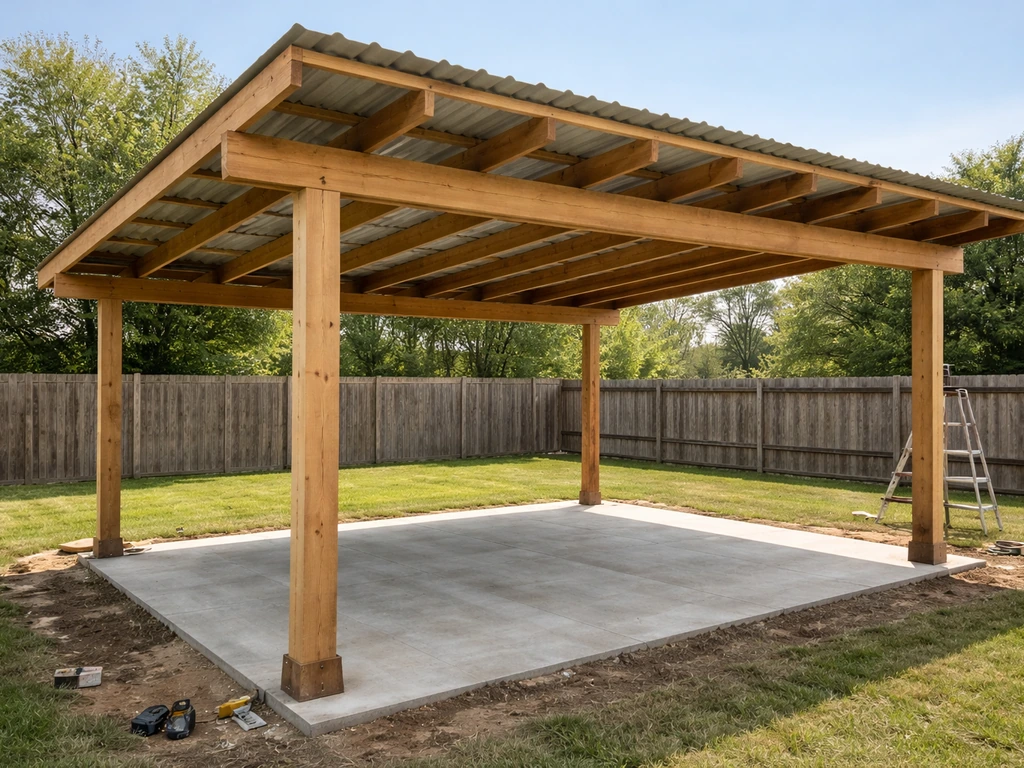
Fast ballpark: what a 20x20 cover actually costs
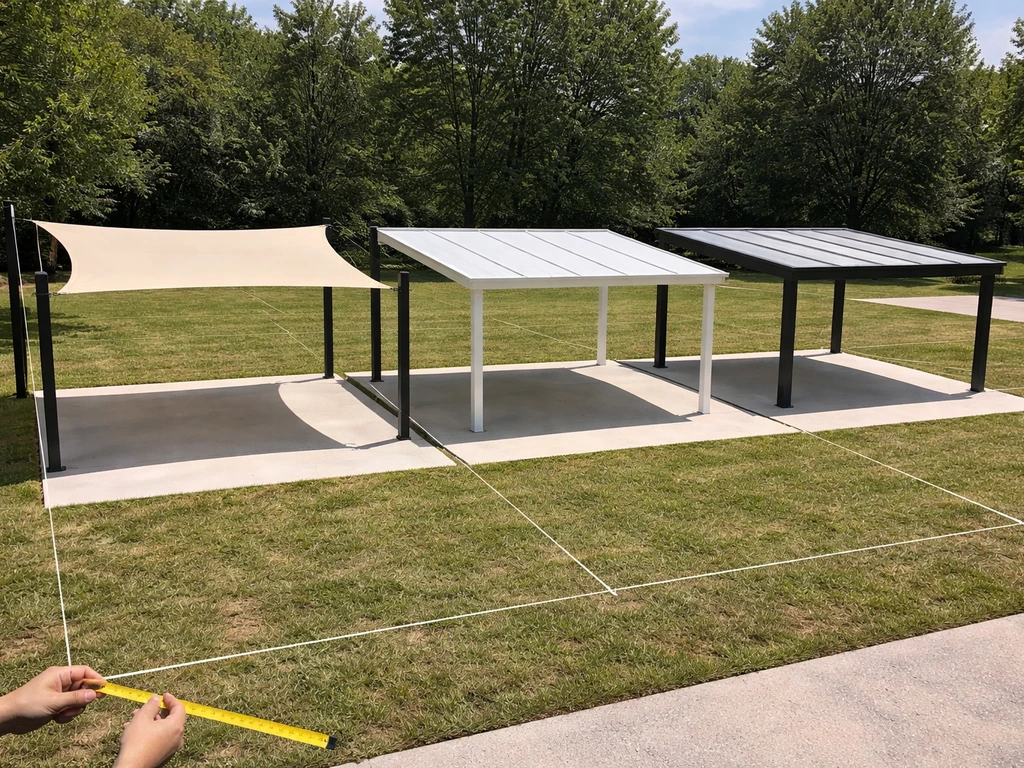
Before you dive into material comparisons, here's a quick reference by cover type at 400 square feet. These are installed prices including posts, beams, basic footings, and roofing panels or slats, but not major site prep, permits, or add-ons.
| Cover Type | Per Sq Ft (Installed) | Total for 20x20 |
|---|---|---|
| Basic shade sail or fabric canopy | $5 – $12 | $2,000 – $4,800 |
| Aluminum lattice / slatted pergola | $18 – $28 | $7,200 – $11,200 |
| Vinyl/PVC solid patio cover | $20 – $35 | $8,000 – $14,000 |
| Alumawood solid cover | $22 – $40 | $8,800 – $16,000 |
| Wood pergola or solid cover | $25 – $50 | $10,000 – $20,000 |
| Motorized louvered / solid pavilion | $35 – $65 | $14,000 – $26,000 |
These ranges align with data from Angi ($20 to $50 per square foot installed), Lawn Love ($20 to $60 per square foot for pergola-style structures), and HomeGuide ($18 to $55 per square foot for Alumawood systems). The motorized louvered systems push into the $35 to $65 per square foot territory on their own. If someone quotes you $6,500 for a fully installed solid-roof cover, ask exactly what's included, because that price usually means something is getting cut, typically footings or permit fees.
Material and style options: how your choice moves the price
Aluminum and Alumawood
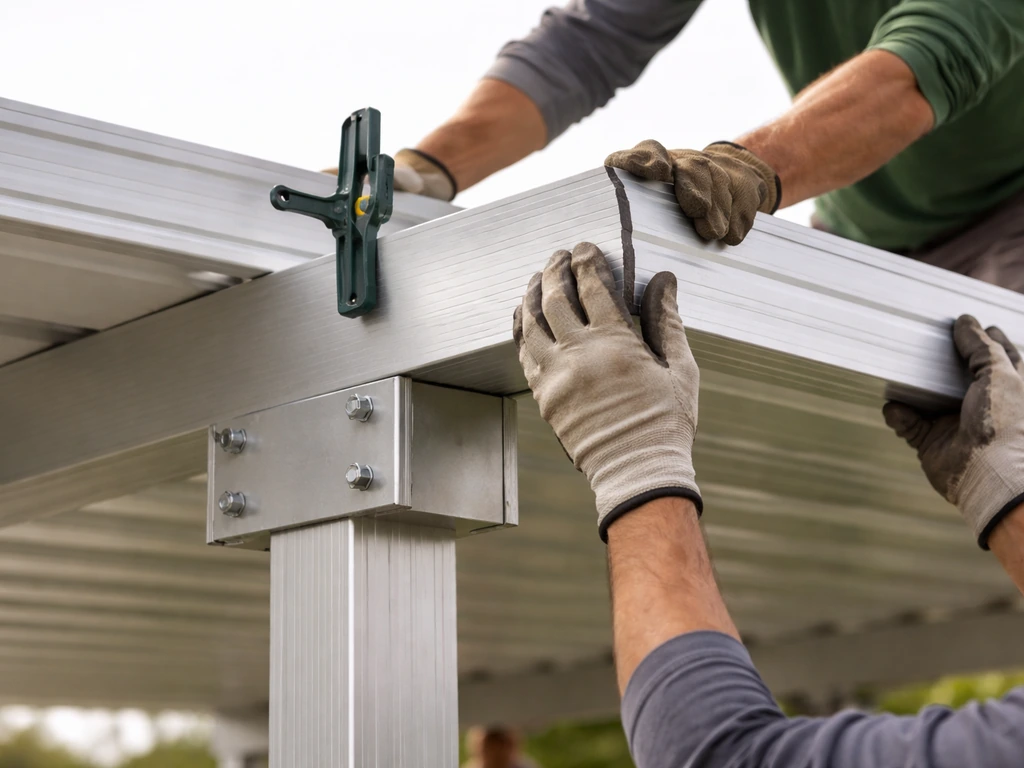
Aluminum covers are the most popular choice in warmer climates, and for good reason. They're lightweight, they don't rot or need painting, and they install faster than wood, which keeps labor costs down. Alumawood is a wood-grain embossed aluminum product that looks like painted wood but behaves like metal. Expect to pay $18 to $40 per square foot installed for aluminum systems, with solid-roof versions costing more than open-lattice ones. For a quick answer to how much does a 20x20 patio cost, you can multiply the per-square-foot installed range by 400 and then factor in footings, permits, and any add-ons a 20x20 cover. Forbes Home puts aluminum patio roof installations at $16 to $68 per square foot, with the high end reserved for complex or thicker louvered systems.
Vinyl and PVC
Vinyl covers are mid-range in cost and very low maintenance. They handle moisture well, which makes them a smart pick in humid or coastal climates. They're less rigid than aluminum under heavy snow loads, so if you're in a northern climate, double-check the structural ratings. For a 20x20 cover, vinyl typically runs $20 to $35 per square foot installed.
Wood (cedar, pine, redwood)
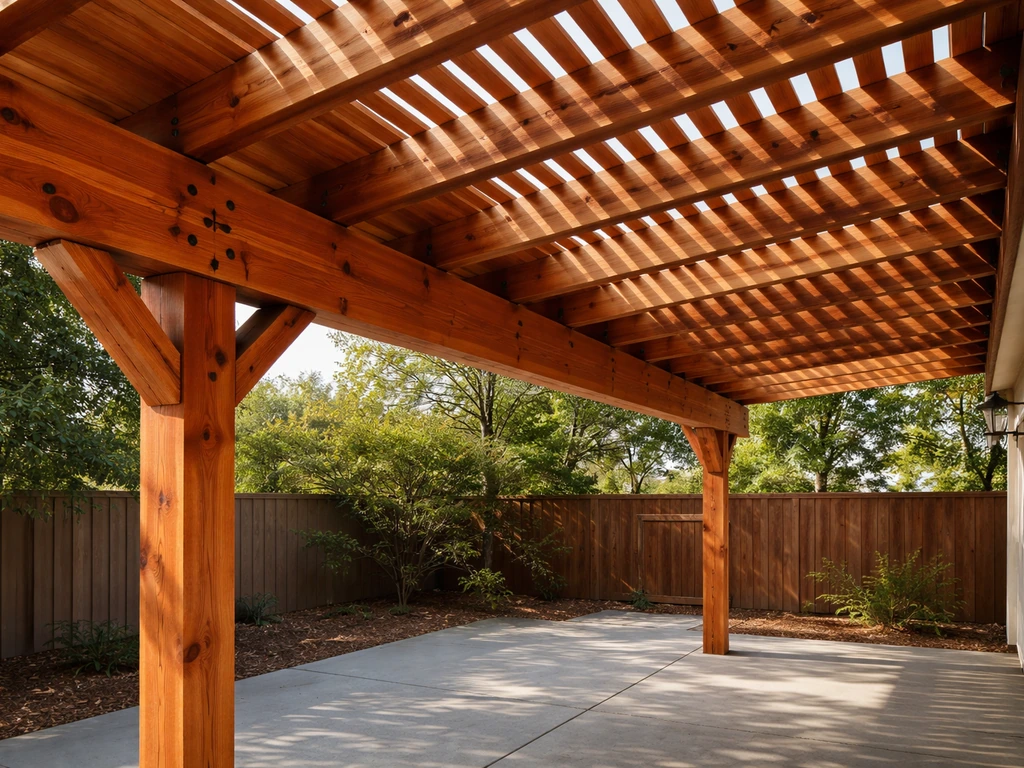
Wood is the most customizable option and looks the best if you want a natural, high-end finish. Cedar and redwood resist decay well; pressure-treated pine is the budget option. The downside is maintenance: wood needs staining or sealing every few years or it deteriorates. Labor costs are also higher because wood framing takes more time to cut, fit, and fasten. Budget $25 to $50 per square foot installed for a wood pergola or solid cover, with architect-designed or custom timber-frame structures running even higher.
Motorized louvered systems
These are the premium tier. A motorized louvered pergola lets you open or close the roof slats with a remote or app, and many include integrated gutters, LED lighting, and side screens. They're beautiful and genuinely useful, but $35 to $65 per square foot means a 20x20 version easily costs $14,000 to $26,000 before add-ons. Unless you entertain frequently or want a true outdoor room, most homeowners find that a solid aluminum or wood cover does 90% of the job at half the price.
Corrugated polycarbonate panels
Polycarbonate is a DIY-friendly roofing infill that you can install over an existing pergola frame. It lets light through while blocking rain, and it's significantly cheaper than aluminum roofing panels. This is a legitimate option if you already have a wood or metal frame and just want to add a roof. Material cost for 400 square feet of corrugated polycarbonate runs roughly $500 to $1,500 depending on thickness and brand. It's not the prettiest finish, but it works.
Cost breakdown: where your money actually goes
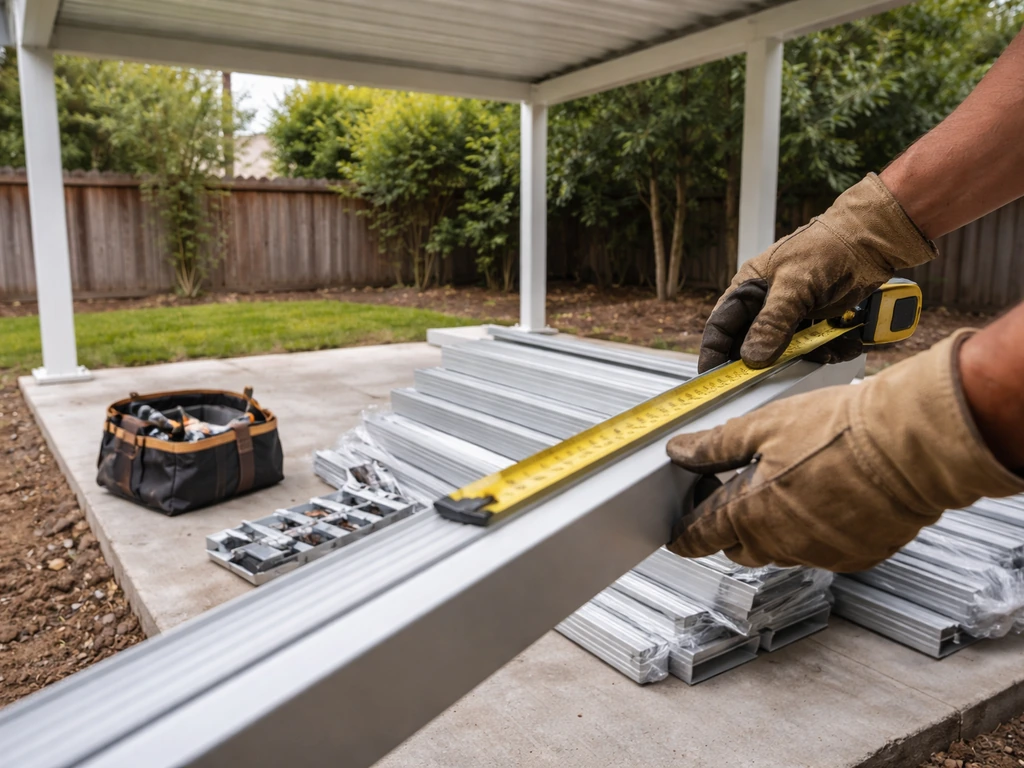
For a mid-range solid-roof aluminum cover on a 20x20 footprint, here's roughly how the total breaks down:
| Cost Category | Typical Range | % of Total |
|---|---|---|
| Materials (panels, beams, posts, hardware) | $4,000 – $8,000 | 40 – 55% |
| Labor (installation, framing, attachment) | $3,000 – $6,000 | 30 – 40% |
| Footings and concrete piers | $500 – $2,000 | 5 – 15% |
| Permits and plan review | $200 – $1,500 | 2 – 10% |
| Site prep (grading, existing structure removal) | $300 – $2,000 | 3 – 12% |
Footings are a line item that surprises a lot of people. Per Lakewood, Colorado's residential engineering requirements (which are representative of many municipalities), patio cover posts must be supported on piers that extend below the frost line, and the cover must meet minimum structural loads of 30 psf live load and 10 psf dead load. In frost-prone areas, that means digging and pouring concrete piers 24 to 48 inches deep, which costs real money and takes time. In warmer climates with no frost depth requirement, you can sometimes use a surface-mount bracket on an existing concrete slab, which cuts footing costs significantly.
Permits are real too. Virtually every municipality requires a permit for a patio cover with a solid roof, structural posts, or any electrical tie-in. The City of Herriman similarly indicates that roof covers over patios, porches, or decks with supporting posts to the ground require a building permit and inspections, with specific permit-submission triggers a permit for a patio cover with a solid roof, structural posts, or any electrical tie-in. Cities like Anaheim assess permit fees based on project valuation or square footage, and a 400-square-foot covered structure can run $200 to $1,500 in permit fees depending on jurisdiction. Skipping permits to save money is not worth the risk: you'll face issues when selling the house or if an insurance claim involves the structure.
Regional and site factors that push the price up or down
Where you live matters a lot. Angi's data explicitly flags regional variation as a major cost driver, and that's true in practice. A contractor in Houston has different overhead, labor rates, and material costs than one in suburban Boston or the Seattle suburbs.
- Houston and the Sun Belt: One Stop Outdoor Construction quotes Houston-area patio covers at $15 to $75+ per square foot installed, with the lower end being basic aluminum lattice and the high end being custom wood or louvered systems. Warmer climate also means no frost-depth footings, which saves $500 to $1,500.
- Northeast and Midwest: Snow load requirements drive up structural costs. Posts need to be beefier, beams span shorter distances, and footings go deep. Expect to pay 15 to 30% more than national averages.
- Pacific Northwest: High labor rates and frequent rain push demand for solid-roof covers. Permits often require stamped engineering drawings, adding $500 to $1,500 to the project.
- California: Building codes are stricter, permit fees are higher (see: Anaheim's fee schedule), and contractor rates reflect high cost of living. Budget at the top of any range.
- Sloped lots: If your yard isn't level, a cover needs taller posts on the downhill side and sometimes additional bracing. Add $500 to $3,000 for significant slope work.
- Existing patio removal: If you need to demo an old deck or remove a previous structure, add $500 to $2,000 depending on size and material.
- Roofline complexity: Attaching a cover to a house with a steep-pitch or irregular roofline means custom flashing and carpentry. Simple gable attachments are cheaper than hip or shed-roof integrations.
DIY vs. hiring a contractor: what's actually worth doing yourself
Let's be honest: a 20x20 solid-roof patio cover with structural posts and footings is not a casual weekend project. The structural portion, footings, post setting, beam spanning, and roof attachment, really does require either construction experience or a licensed contractor in most jurisdictions. Getting that wrong creates a liability and a safety problem. That said, there are pieces where DIY makes sense.
| Task | DIY Realistic? | Potential Savings |
|---|---|---|
| Concrete footing excavation and pour | Yes, with rental equipment | $300 – $800 |
| Post setting and beam installation | Only if experienced | $500 – $1,500 |
| Aluminum or vinyl panel installation (kit systems) | Yes, kits designed for it | $1,500 – $3,500 |
| Polycarbonate panel roofing over existing frame | Yes, straightforward | $400 – $900 |
| Electrical (fans, lights) | Only if licensed electrician | $500 – $1,500 |
| Permits and inspections | You pull it, contractor does work | $0 extra saved |
| Full structural framing from scratch | Not recommended without experience | — |
The best DIY scenario for a 20x20 cover is a pre-engineered aluminum kit system. Several manufacturers sell these with pre-cut components, instruction manuals, and engineering documentation for permits. If you're reasonably handy and have a helper, you can install the panels and trim yourself after a contractor sets the footings and posts. That hybrid approach can realistically save $2,000 to $4,000 on a mid-range project. Full DIY from raw lumber or custom aluminum is a different story and usually ends up costing more once you factor in mistakes, tool rentals, and re-work.
A quick note on patio cover vs. patio surface costs
It's worth clarifying what this article is about, because search intent for this topic is genuinely split. A patio cover is the overhead structure: the roof, posts, and beams that shade and shelter you. The patio surface underneath (concrete, pavers, flagstone, stamped concrete, brick) is a separate cost. If you were really asking how much does a 20x20 flagstone patio cost, remember that flagstone is the patio surface under the cover, not the roof structure itself. If you're trying to figure out the total cost of a covered outdoor space, you're looking at two budgets. A 20x20 concrete or paver patio surface runs $3,000 to $14,000 depending on material. Add a cover on top and you're looking at a combined project in the $15,000 to $35,000 range for a fully finished outdoor room. A 20x20 patio cover alone is only part of the picture, so knowing the full build scope helps you estimate the real total cost build a 20x20 patio.
Add-ons and upgrades that affect the final number
Contractors quote base structures, but most projects add at least a few of these, and they add up faster than people expect.
- Ceiling fan rough-in and installation: $200 to $600 per fan, including wiring
- Recessed LED lighting: $150 to $400 per light, installed
- Integrated gutters (especially important for solid roofs): $500 to $1,500
- Privacy screens or shade sails on the sides: $300 to $1,200 per side
- Ceiling finish (tongue-and-groove wood, beadboard, painted drywall): $1,500 to $4,000 for 400 sq ft
- Motorized or manual roll-down shades: $400 to $1,500 per opening
- Connecting to existing deck stairs or handrails: $500 to $2,000 depending on complexity
- Engineering stamped drawings (often required for permit): $500 to $1,500
- Paint or stain finish on wood structures: $500 to $1,500
A realistic "nice but not crazy" upgrade package (gutters, two ceiling fans, four recessed lights, and privacy screens on one side) adds $3,000 to $5,000 to a base quote. Plan for it up front rather than treating it as an afterthought, because retrofitting electrical and gutters after the structure is done costs 30 to 50% more.
How to get accurate quotes and avoid budget surprises
Getting a quote that actually reflects what you'll pay requires showing up prepared. Contractors price patio covers very differently, and comparing apples-to-apples bids is harder than it sounds. Here's what to do before you call the first contractor.
- Measure your space precisely: Know your exact footprint (20x20 in this case), ceiling height needed at the attachment point, and the distance from the house wall to the outer posts. Bring a sketch.
- Know your attachment preference: Attached to the house (ledger-mounted) or freestanding? Freestanding costs more in posts and footings but avoids roofline flashing complexity.
- Check your local permit requirements before calling: A quick call to your city's building department tells you whether a permit is required, what structural documentation they need, and roughly what the fee will be. Contractors who say 'don't worry about permits' for a solid-roof structure are a red flag.
- Get at least three quotes: Patio cover pricing varies widely between contractors. One quote tells you almost nothing. Three quotes give you a real market picture.
- Ask each contractor to itemize: Materials, labor, footings, permits, and any subcontractors (especially electrical) should each have their own line. A single lump-sum quote is hard to evaluate or compare.
- Ask specifically what's NOT included: Many base quotes exclude gutters, electrical, and permit fees. Know exactly what's in and out of each bid.
- Ask about the structural spec: What size posts? What beam depth? What footing depth and diameter? A contractor who can't answer these questions is winging the structural design.
- Request a timeline and payment schedule: Reputable contractors don't ask for more than 30 to 40% upfront. Be wary of requests for 50% or more before work starts.
- Compare total project cost, not per-square-foot price: A lower per-square-foot number sometimes means thinner materials, shorter post spans, or skipped footings. Look at the total scope.
One more thing that catches people off guard: if your project is attached to the house, most jurisdictions (per IBC guidance) treat it as an extension of the dwelling and require it to meet residential structural codes. That means your contractor may need to provide stamped engineering drawings, especially if you're in a snow or high-wind zone. Budget $500 to $1,500 for that if your area requires it. It's not a scam, it's a real requirement, and it protects you if a storm causes damage and you need to file an insurance claim.
FAQ
Does the cost of a 20x20 patio cover include electrical (outlets, lighting, fans)?
Usually, base pricing assumes a roof-only or basic post-and-beam structure. If you want ceiling fans, recessed lights, or exterior outlets, expect an add-on budget of roughly $300 to $1,000 per electrical “feature,” plus wiring conduit and an electrician, which can raise the total by several thousand dollars.
How much does a 20x20 patio cover cost if it’s freestanding versus attached to the house?
Attached covers often cost more because they may require stamped structural calcs, specific attachment hardware to the house framing, and code compliance as part of the dwelling. Freestanding designs can sometimes simplify engineering, especially if footings are handled in a straightforward layout.
What site conditions most increase the price for a 20x20 patio cover?
Large swings in soil stability, a slope, poor access for trucks and concrete, or existing landscaping or hardscape that must be removed can add cost quickly. If demolition or rework is needed for old posts, the “installed” price may still be accurate, but your total project cost can rise.
What’s the biggest reason a quote might come in far below the typical $10,000 to $18,000 range?
Ask what’s not included. The most common gaps are engineering/permit fees, correct footing depth, the number or size of posts and beams, roof load design for your region, and whether gutters, flashing, or trim are included. A low bid often means scope shortcuts that later show up as change orders.
Is a permit always required for a patio cover that is “just a roof”?
Many places require permits when the structure has structural posts, a solid or louvered roof, or any electrical tie-in, even if it’s small. If you’re in a city with strict enforcement, permitting can be mandatory for attachments to the house and may be triggered by wind and snow load design.
Can I reduce cost by choosing a different roof style (solid, lattice, or louvered)?
Yes, style drives both material and structure. Open-lattice pergolas typically cost less than solid roofs because they reduce wind resistance demands. Louvered systems usually cost more because of motorization, controls, and stronger framing to support moving parts.
What snow load or wind zone upgrades should I plan for on a 20x20 patio cover?
In high-wind or snow areas, contractors may need thicker framing members, different beam spans, additional posts, and hardware upgrades for anchoring. These changes can add hundreds to several thousand dollars, especially for attached covers where roof loads must tie into the building’s structural elements.
What maintenance or long-term costs should I expect for each material option?
Aluminum generally requires minimal upkeep, occasional cleaning, and inspection of fasteners and drainage. Wood can require periodic sealing or staining every few years, and it may need replacement boards after weathering. Vinyl tends to need cleaning and occasional checks for warping or connection stress near fasteners.
If I have an existing pergola, can I add a 20x20 roof for less money than building new?
Often yes, but only if the existing frame is engineered for the added dead load. Polycarbonate infill can be cheaper, yet you may still need reinforcement posts or beams, plus permits depending on your jurisdiction and whether engineering documentation is required.
Does a 20x20 patio cover change my homeowners insurance or affect claims?
It can. Many insurers require that permitted structures be documented, and structural attachments matter during storm claims. If you skip permits or modify anchoring without approvals, you may have reduced coverage or extra scrutiny if damage occurs.
What should I ask a contractor to make sure two bids are comparable?
Request the same scope line items: footing method and depth, post spacing and size, beam sizing, roof panel or slat type, attachment details to the house (if attached), guttering or drainage components, permit and engineering responsibility, and the warranty terms. Also ask for a written allowance list for electrical and upgrades.
Is a hybrid DIY approach realistic for a 20x20 patio cover?
Yes, when the footings and posts are handled professionally and you use a pre-engineered kit system for the roof panels and trim. Full DIY from raw materials usually increases risk and rework if framing, spacing, and anchoring are not aligned to engineered drawings.
Next Articles
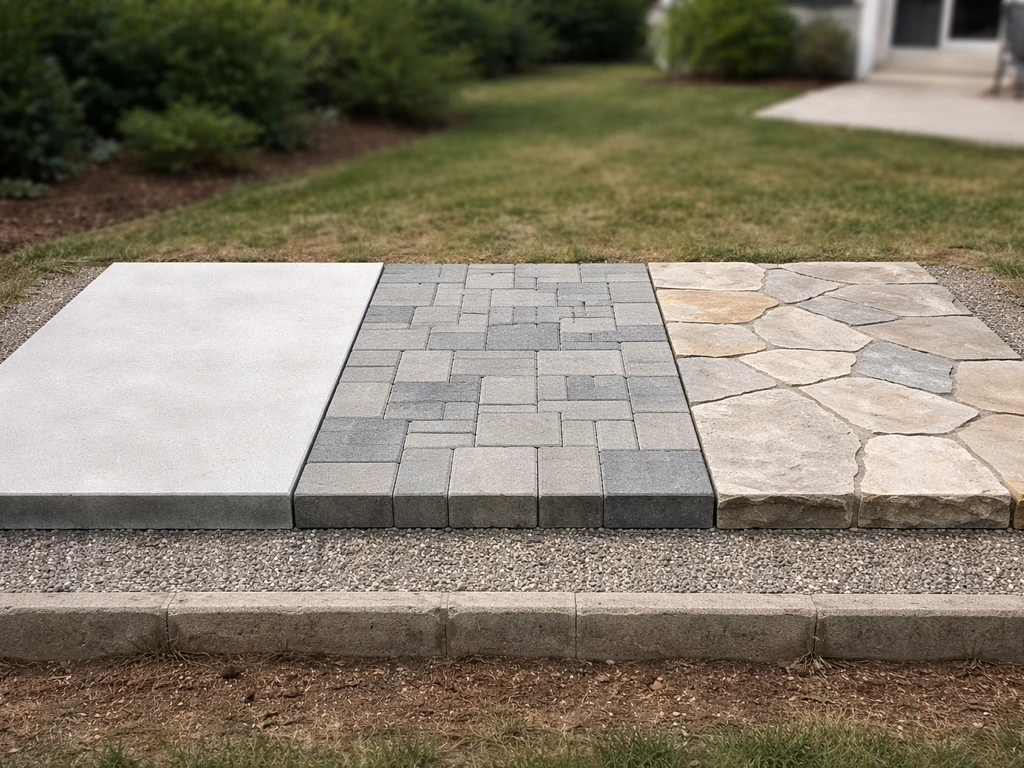
How Much Should I Expect to Pay for a Patio
Patio cost guide with real price ranges by size and material, full line-item budget, DIY vs install, and quote checklist
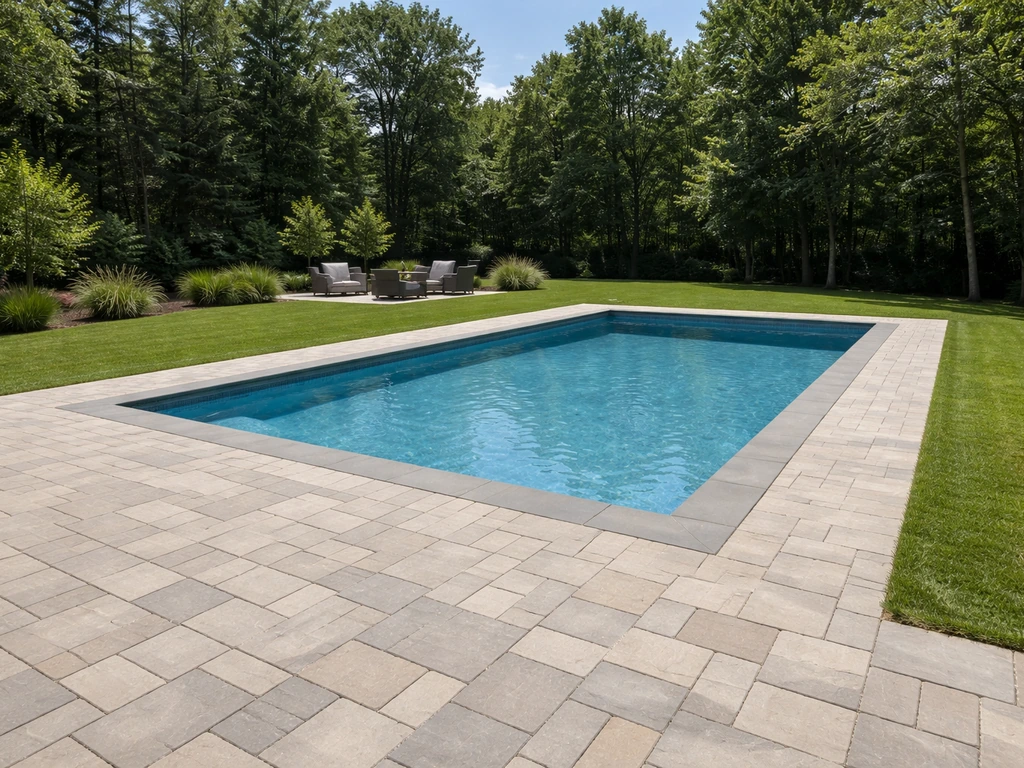
How Much Patio Around Pool: Cost, Size, and Budget Guide
Learn how much patio around a pool costs and how to size square feet, materials, extras, and get real bid line items.
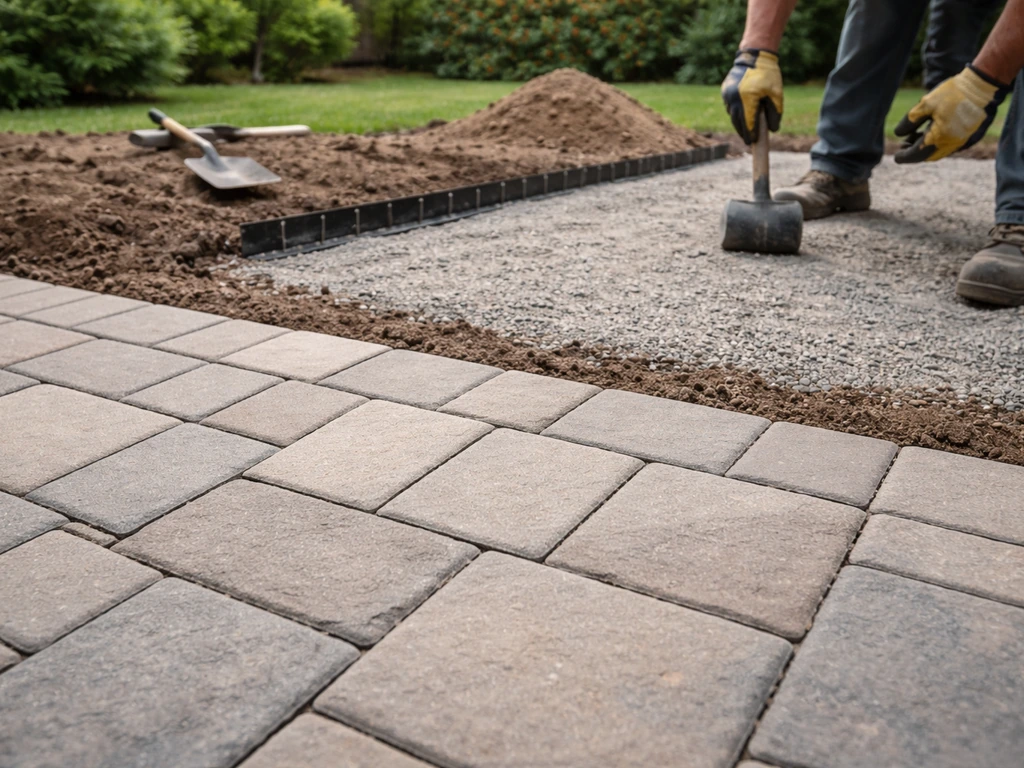
How Much Are Patios? Cost Ranges by Size and Material
Patio cost estimates by size and material with labor, base, add-ons, DIY vs contractor, and quote planning tips.