
Most homeowners pay between $8 and $20 per square foot for a professionally installed patio in 2026, which puts a common 12x12 patio (144 sq ft) somewhere between $1,150 and $2,900 for basic concrete, and $2,500 to $5,500 for pavers or natural stone. The wide range is real and frustrating, but it mostly comes down to three things: the material you pick, whether you hire out labor or DIY, and what your site needs before anyone lays a single paver. Patio bra pricing varies by material, size, and installation complexity, so you should compare options rather than relying on one generic number how much does a patio bra cost. This guide walks you through every layer of that cost so you can build a realistic budget before you call a single contractor.
How Much Does a Patio Cost? Prices by Type and Size

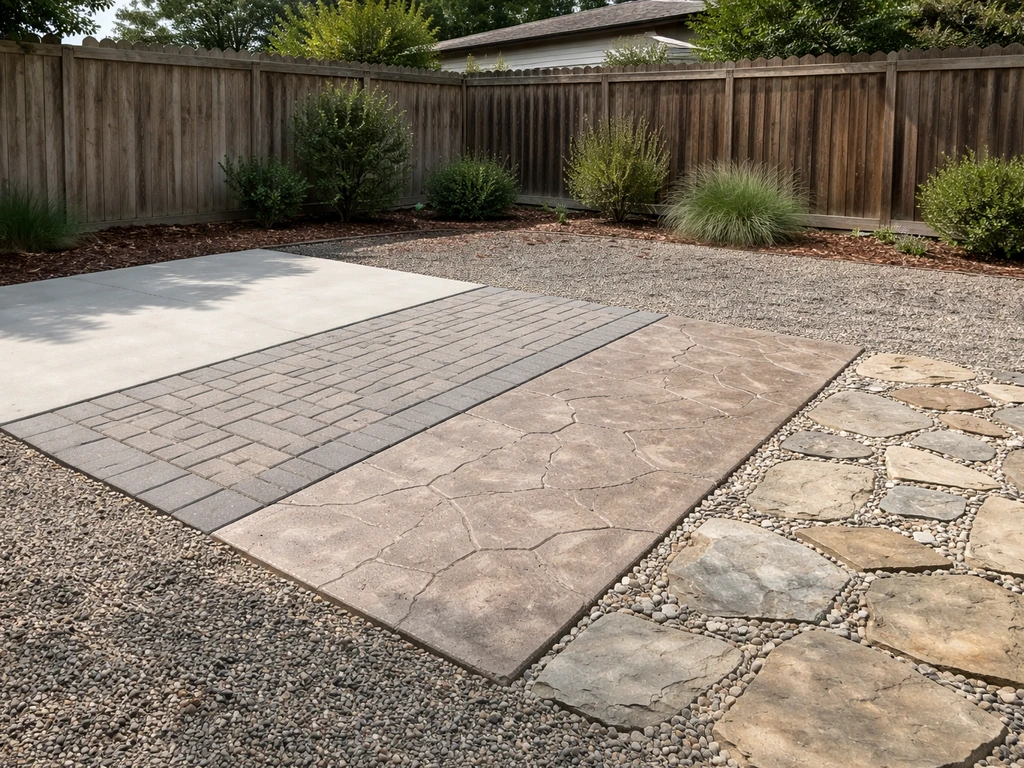
Typical Patio Cost Ranges by Size
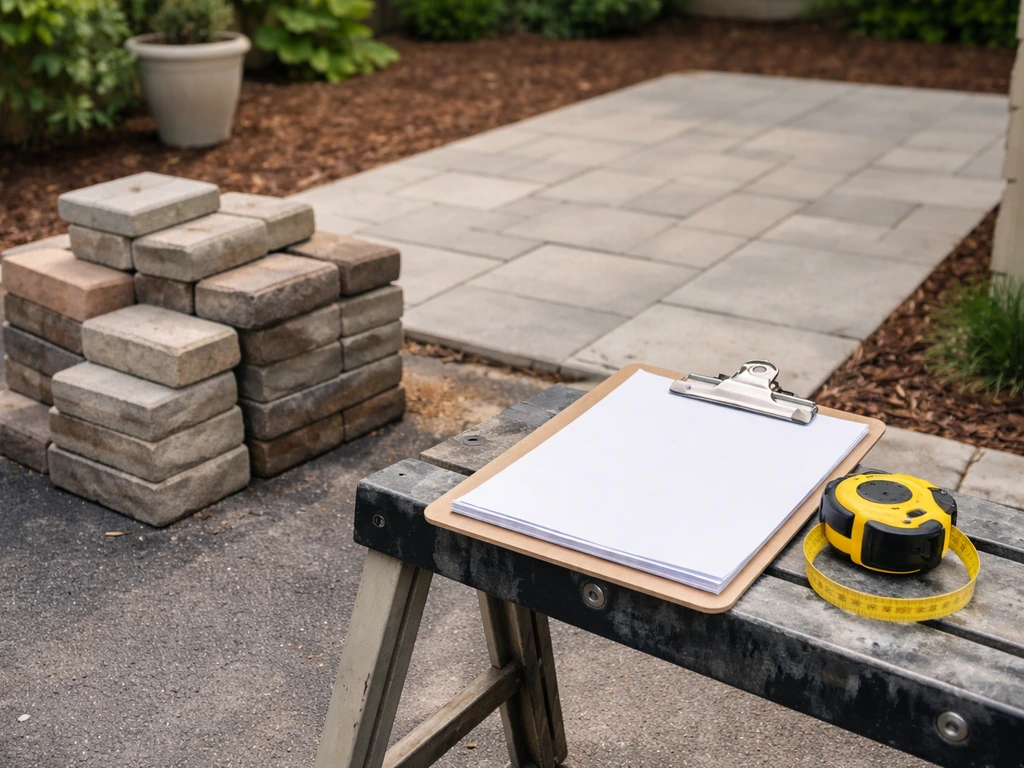
Size is the starting point for any estimate. Contractors price patios per square foot, so you multiply your target dimensions by a per-sq-ft rate to get a rough job total. Here are realistic installed ranges for the most common patio sizes, using mid-range materials like standard pavers or basic stamped concrete:
| Patio Size | Square Footage | Basic Concrete (installed) | Mid-Range Pavers (installed) | Premium Stone (installed) |
|---|---|---|---|---|
| 10x10 | 100 sq ft | $700–$1,200 | $1,500–$2,500 | $2,500–$4,000 |
| 12x12 | 144 sq ft | $1,000–$1,750 | $2,200–$3,600 | $3,600–$5,800 |
| 16x16 | 256 sq ft | $1,800–$3,100 | $3,800–$6,400 | $6,400–$10,000 |
| 20x20 | 400 sq ft | $2,800–$4,800 | $6,000–$10,000 | $10,000–$16,000 |
| 20x30 | 600 sq ft | $4,200–$7,200 | $9,000–$15,000 | $15,000–$24,000 |
These are installed totals including basic labor and materials, but not demolition, major grading, drainage systems, or add-ons like stairs and lighting. Think of these numbers as your floor, not your ceiling, until you know what your site actually needs.
Cost Per Square Foot by Patio Material
Material choice is the single biggest lever on your total cost. If you are also wondering how much does resin patio cost, treat it like a material-choices question first, then follow the same square-foot, site-prep, and add-on budgeting steps. Once you add material choice, base prep, and extras like drainage, permits, and borders, the question of whether a resin patio is expensive becomes much easier to estimate is resin patio expensive.
Porcelain patio pavers are priced by the same cost drivers as other patio surfaces, including square footage, installation labor, and site prep Material choice is the single biggest lever on your total cost. . Here is what each common patio type actually runs in 2026, both for materials alone and professionally installed. If you are comparing a concrete patio vs.
pavers vs. flagstone, this is where the numbers diverge fast.
| Material | Materials Only (per sq ft) | Installed (per sq ft) | Notes |
|---|---|---|---|
| Plain Concrete | $2–$4 | $4–$12 | Simple pours on the lower end; shaped or colored slabs push higher |
| Stamped Concrete | $5–$10 | $12–$22 | Pattern and color add cost; popular mid-range choice |
| Concrete Pavers | $3–$7 | $10–$20 | Durable, easy to repair individually; labor is the big cost driver |
| Brick | $4–$8 | $12–$20 | Classic look; requires solid base; regional price variation is high |
| Flagstone | $5–$15 | $15–$30 | Natural irregular stone; labor-intensive to set properly |
| Natural Stone (cut) | $10–$20 | $20–$40 | Granite, travertine, slate; premium look and price to match |
Plain and Stamped Concrete
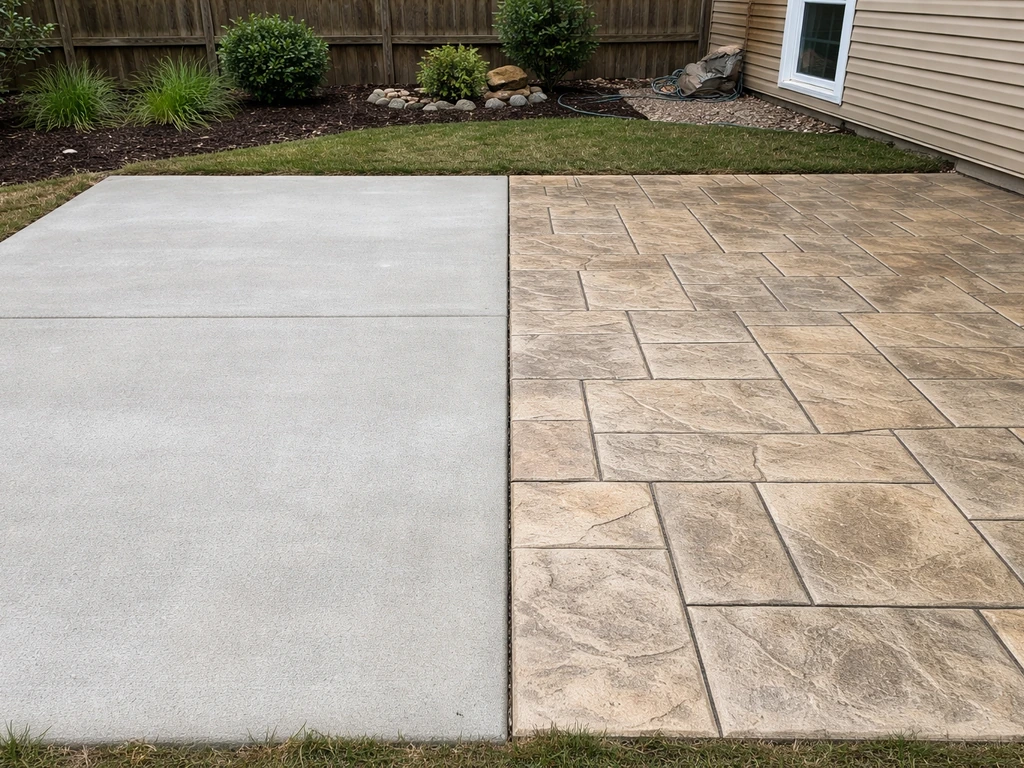
Plain concrete is the budget-friendly baseline. A basic poured slab runs $4 to $7 per sq ft installed for simple, square shapes according to contractor data, though Forbes Home pegs the average closer to $12. Forbes Home, in an example pricing table, cites an average poured concrete patio cost of about $12. 50 per sq ft including labor and concrete materials [Forbes Home pegs the average closer to $12](https://www.
forbes. com/home-improvement/outdoor-living/concrete-patio-cost/). 50 per sq ft when you factor in a typical project with site prep included. Stamped concrete adds texture and color to mimic stone or brick at a fraction of natural material costs, landing between $12 and $22 per sq ft installed.
It looks great, but the finish can crack over time and is harder to repair than individual pavers.
Pavers (Concrete and Brick)
Concrete pavers and brick are both popular for a reason: they are durable, individual units can be replaced if damaged, and they hold up well in freeze-thaw climates when set correctly. Concrete pavers typically run $10 to $20 per sq ft installed. Brick pavers come in at a similar $12 to $20 per sq ft installed range, though brick prices vary more by region since local brick availability and labor rates differ significantly. Both require a compacted gravel base and sand setting bed, which adds to labor time and cost compared to a poured slab.
Flagstone and Natural Stone
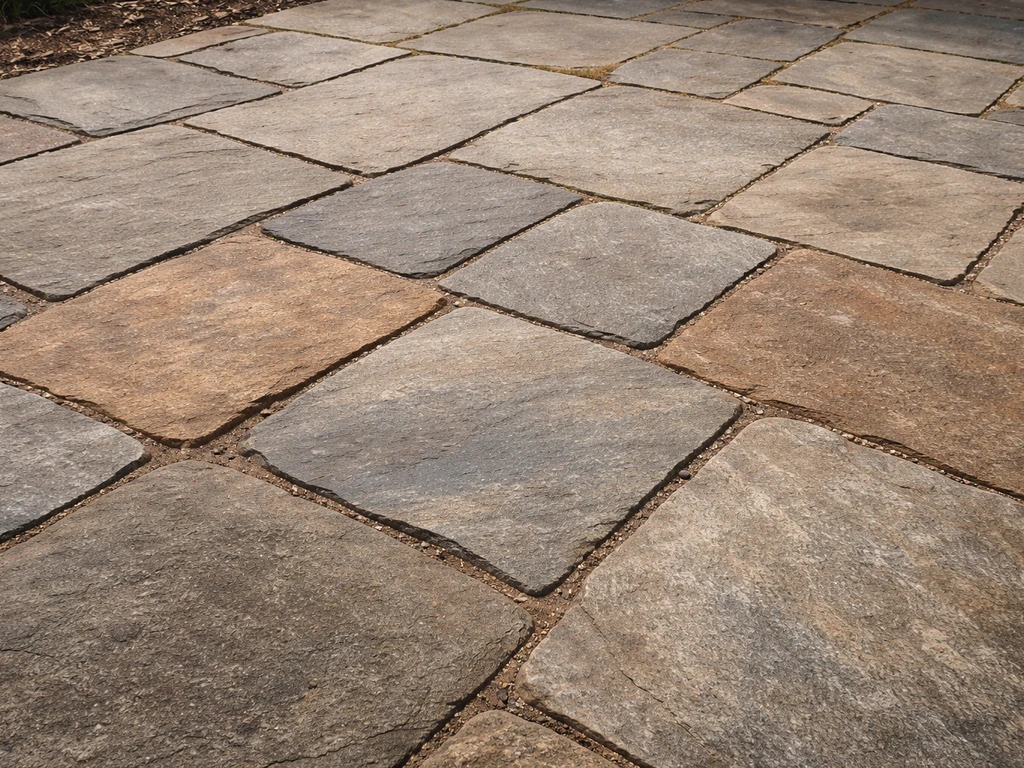
Flagstone is where budgets can quietly double on you. Expect to pay $15 to $30 per sq ft installed, with Angi citing that exact range as typical for flagstone patio installation depending on the stone type and how much cutting and fitting is needed. Cut natural stone like travertine, slate, or granite goes even higher, often $20 to $40 per sq ft installed. The labor cost for natural stone is elevated because each piece is unique and requires careful fitting. If you love the look, it is worth it, but budget aggressively on the high end.
Installation vs. DIY: What Labor Actually Costs
Labor typically makes up 40 to 60 percent of a professionally installed patio's total cost. On a $10,000 paver patio, that could mean $4,000 to $6,000 going straight to the crew. Knowing that split helps you decide where DIY makes sense and where it does not.
Professional Installation Rates
Patio contractors generally charge $50 to $100 per hour per worker, or they price by the square foot with labor baked in. Most residential patio jobs use a crew of two to four people. A 200 sq ft concrete paver patio might take a crew of three about two days, so you are looking at roughly $2,400 to $4,800 in labor alone before materials. For concrete pours, the crew is smaller but the work is faster, so labor costs are lower per sq ft. For flagstone and natural stone, expect labor on the higher end because the setting process is slow and requires skilled hands.
DIY Patio Costs
DIY is genuinely viable for paver patios and gravel patios if you are willing to put in the work. A DIY concrete paver patio for a 12x12 space might cost $600 to $1,200 in materials (pavers, gravel base, sand, edge restraints) versus $2,200 to $3,600 installed professionally. The savings are real but so is the effort: you need to excavate 6 to 8 inches of material, compact a gravel base, set a sand layer, and lay each paver by hand.
Renting a plate compactor runs about $100 to $150 per day, and you will need a saw if cutting is involved, adding another $50 to $100 per day. Concrete pours are much harder to DIY well, especially for larger slabs, and mistakes in mixing, forming, or curing are costly to fix.
The Variables That Change Your Total the Most
This is where a lot of online estimates fall apart. The per-sq-ft rate tells you the surface cost, but your actual total depends heavily on what has to happen before and underneath that surface. Here are the cost variables contractors evaluate on every job.
Site Prep and Grading
If your backyard slopes, it needs to be graded before any patio goes in. Minor grading on a small area might add $200 to $500. A yard that requires significant leveling or retaining walls can add $1,000 to $5,000 or more. Always ask your contractor what grading is required, and get that scoped in the quote rather than left as a surprise change order.
Base Material and Excavation
Every patio needs a solid base to prevent settling and cracking. Standard practice is 4 to 6 inches of compacted gravel for pavers, or a 4-inch concrete slab for a poured surface. Base material typically costs $0.50 to $1.50 per sq ft for the gravel itself, plus excavation costs of $1 to $3 per sq ft depending on soil type and depth needed. Compact clay soil takes longer and more passes with a compactor than sandy soil, so factor that in if you live in areas with heavy clay.
Drainage
Poor drainage is one of the most common causes of patio failure. If water pools near your home's foundation or has nowhere to go, contractors may need to install a French drain, channel drain, or slope the patio more aggressively. A basic French drain can add $500 to $1,500 to the project. This is not optional if your yard has drainage issues: skipping it leads to heaving, cracking, and early patio replacement.
Borders, Edging, and Leveling
Edge restraints for paver patios cost $1 to $2 per linear foot for plastic edging and $3 to $6 per linear foot for concrete or stone borders. A finished stone or brick border around a 12x12 patio adds 48 linear feet, which might run $150 to $300 for basic edging and $400 to $700 for a decorative border. Leveling an uneven base adds labor hours; expect contractors to build this into their quote once they assess the site.
Add-Ons and Extras That Push the Total Up
A basic patio is just the surface. Most homeowners add at least one or two extras, and those additions add up faster than you expect. Here is a realistic look at what common patio add-ons cost.
| Add-On | Typical Cost Range | Notes |
|---|---|---|
| Steps / Stairs (per step) | $100–$300 per step | Stone or paver steps on the higher end |
| Built-in Fire Pit | $700–$3,000+ | Gas fire pits cost more than wood-burning; custom designs run high |
| Outdoor Lighting (per fixture) | $100–$400 installed | Low-voltage landscape lighting is the budget option |
| Staining / Sealing | $1–$3 per sq ft | Sealing concrete every 2–3 years; adds longevity |
| Old Patio Demolition | $500–$2,000+ | Depends on size and material; concrete is pricier to break up |
| Permits | $50–$500+ | Required in most jurisdictions; varies by municipality |
| Pergola or Shade Structure | $2,500–$10,000+ | Freestanding vs. attached; material choice drives cost |
Demolition is the one add-on people consistently forget to budget for. If you have an existing concrete slab, expect to pay $500 to $2,000 just to break it up and haul it away before the new patio work even starts. And permits: yes, most municipalities require them for permanent patio structures. Skipping this creates problems when you sell the home.
How to Estimate Your Patio Cost (and Get Accurate Quotes)
You do not need a formal calculator to get a solid ballpark. If you are wondering how much does a patio set cost specifically, the material and square footage you choose will drive most of the total. Use this simple workflow before you talk to a single contractor so you walk into those conversations with a number in your head.
- Measure your intended patio area and calculate square footage (length x width). For irregular shapes, break it into rectangles and add them together.
- Pick a material and find your per-sq-ft installed range from the table above. Use the mid-range number for your starting estimate.
- Multiply square footage by your per-sq-ft rate to get a base installed cost.
- Add 10 to 15 percent for base material and site prep if the site is reasonably flat.
- Add costs for any add-ons you want: stairs, sealing, demo, lighting.
- Add a 15 to 20 percent contingency buffer for surprises (more on that below).
- Use this total as your budget target when you start getting contractor quotes.
Example: A 16x16 stamped concrete patio (256 sq ft) at $15 per sq ft installed comes to $3,840. Add $500 for base and prep, $300 for sealing, and a 20 percent contingency ($928), and your realistic budget is about $5,600 before any major site surprises.
Getting Contractor Quotes You Can Actually Compare
Getting three quotes is the standard advice, but getting three comparable quotes takes a little more effort. Here is what to do to make sure all three contractors are pricing the same job.
- Provide exact dimensions and a photo or sketch of the area to each contractor.
- Specify the material (concrete, pavers, flagstone) and any finish you want.
- Ask each contractor to itemize: materials, labor, base prep, grading, and disposal separately.
- Ask explicitly whether permits and demolition are included.
- Ask what the quote does not include, not just what it does.
- Get the quote in writing with a timeline before signing anything.
If one quote is dramatically lower than the other two, that is a red flag, not a deal. It usually means the low bidder is skipping base prep, using thinner materials, or planning to hit you with change orders. A quote that is 20 to 30 percent under the others deserves a detailed explanation before you trust it.
Regional Pricing, Realistic Budgeting, and Contingency Planning
Where you live matters more than most people realize. Labor rates in San Francisco, Boston, or Seattle run 30 to 50 percent higher than in rural Midwest or Southern markets. Material costs also vary, especially for natural stone like flagstone and slate, which is priced partly by how far it has to travel. A paver patio that costs $12 per sq ft installed in Tennessee might run $18 to $22 per sq ft in New England or the Pacific Northwest.
As a rough regional guide: the Northeast, Pacific Coast, and major metro areas are on the high end of all ranges above. The Southeast, Midwest, and Mountain West tend to land in the low to mid range. If you are in a high-cost-of-living area, mentally shift all the ranges in this article 20 to 35 percent upward when setting your budget.
How Much to Set Aside for Surprises
Budget 15 to 20 percent above your estimated total as a contingency. This is not being pessimistic; it is being realistic. Patio projects regularly hit unexpected soil issues, drainage problems discovered during excavation, or price increases on materials between quote and build. On a $5,000 patio, that means having $750 to $1,000 in reserve. On a $15,000 project, keep $2,250 to $3,000 set aside. Contractors who have been doing this for years will tell you the same thing.
If you are comparing different patio types and want to dig deeper into specific materials, resin-bound patios and porcelain patios have their own cost profiles worth exploring separately, since they involve different installation methods and maintenance costs than concrete or natural stone. The core budgeting framework here applies to all of them: start with sq footage, multiply by a realistic per-sq-ft installed rate for that material, layer in site costs and add-ons, and pad the total by 15 to 20 percent before you commit.
Your Next Steps
- Measure your space and write down the square footage today.
- Pick two or three materials from the cost table above that fit your style and budget range.
- Use the estimation workflow above to set a realistic budget target.
- Request three itemized quotes from licensed local contractors, giving each the same specs.
- Compare line by line, not just the bottom-line total, and ask about anything missing.
- Confirm permit requirements with your municipality before work starts.
- Keep 15 to 20 percent of your budget in reserve and do not spend it until the job is done.
FAQ
How much does a 12x12 patio cost if I’m only comparing materials, not installation?
A useful way to estimate is to use the installed per-square-foot range from the guide, then back out labor using the typical labor share (often 40 to 60% of the total). For example, if your target installed rate for pavers is around $10 to $20 per sq ft, a rough materials-only ballpark is about 40 to 60% of that number, before considering delivery and base materials you still may need even for DIY.
What patio costs more, concrete or pavers, when you include base prep and drainage?
In most real projects, pavers and brick end up closer to the mid-to-upper portion of the guide’s installed ranges because you need a thicker base and a sand setting layer. However, concrete can catch up or exceed pavers if you need major grading, thickened pours, or extensive crack-control measures. Ask for a line-item quote that explicitly lists base thickness, excavation depth, and drainage work.
Do I need to budget for patio thickness differences (especially for pavers and concrete)?
Yes. Paver systems typically require a compacted gravel base and a sand leveling bed, and those depths translate directly into more excavation and material volume. Concrete also can vary (for instance, a standard slab vs. thicker areas for loads), which changes both material and labor time. Make sure your quote states the slab thickness or paver system build-up, not just the final square footage price.
How much does site preparation really change the price?
It can swing the project by hundreds to thousands. The biggest drivers are excavation depth, soil condition, and whether retaining walls are needed for grading changes. If your backyard is sloped or has clay soil, compaction time and base quantity increase, so you can’t rely on a simple per-sq-ft surface rate alone.
What’s the biggest mistake people make when comparing patio contractor quotes?
Comparing “installed price per square foot” without confirming what’s included. One contractor may include permits, disposal, and drainage, while another may omit them or assume minimal grading. Require each quote to list demolition (if any), base depth, drainage approach, edging, and add-ons like sealing.
Should I price my patio with or without demolition of an existing slab?
Always include it if there’s an old surface to remove. Demolition plus hauling is a common reason one quote is far higher than another. If the contractor says demolition “might be needed,” ask them to price both scenarios (with and without removal) so you can compare apples to apples.
How do permits affect patio cost, and when do they matter most?
Permits can add direct fees and also slow scheduling. They matter most for permanent, fixed patios and in jurisdictions that require plan review for drainage, setback distances, or structural impacts near the home. Ask your contractor whether permits are included and who handles them (you vs. them).
What add-ons should I budget for that people forget, besides lighting and stairs?
Sealing is one of the more commonly missed line items, especially for concrete. Also consider access and finish details like edging, transitions to existing hardscapes, and cleanup/disposal. If you want a smoother, more “finished” look, border materials and leveling work can add significant labor.
Is DIY always cheaper for paver patios, or is there a break-even point?
DIY can be cheaper for smaller, rectangular areas with easy access, because you’re saving the labor portion. But the break-even disappears when you need heavy excavation, significant grading, lots of cutting, or dealing with poor drainage. If your patio needs retaining work or complex slopes, get a professional base plan first, even if you DIY the surface.
How much labor should I expect, and how can I tell if a quote’s labor estimate is realistic?
Labor is often 40 to 60% of the installed total. A realistic labor estimate should correspond to crew size and time based on your design complexity (straight vs. curved, small cuts vs. lots of cutting). If one quote is far cheaper, ask how many workers, how many days, and which steps (base, compaction passes, setting, finishing, sealing) are included.
What’s a reasonable contingency for a patio that includes drainage work and grading?
Use the guide’s 15 to 20% contingency, but expect to be toward the higher end when drainage or retaining walls are involved. These items depend on what the soil and water conditions look like after excavation, so a flat low contingency can leave you short mid-project.
How should I handle patio projects that are close to my home foundation?
Make sure drainage and slope plans are part of the scope, not an afterthought. If water is expected to move toward the foundation, contractors may need a French drain or a different slope plan, and that changes cost. Ask whether the patio will be sloped away from the house and whether any subgrade improvements are included.
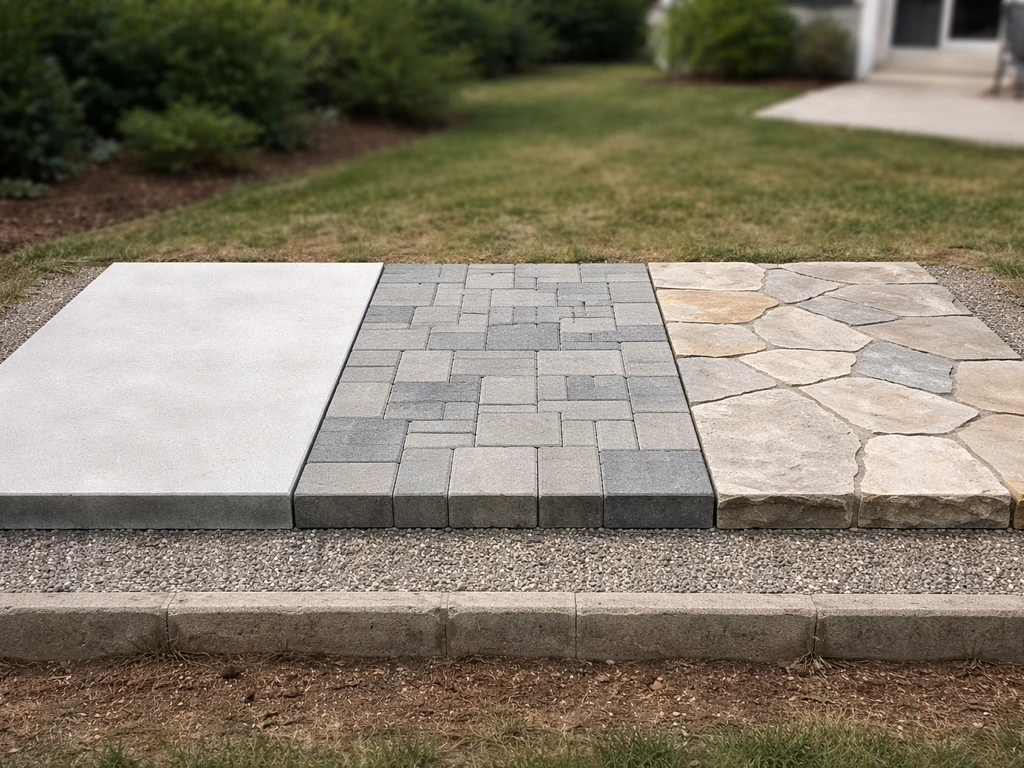
Patio cost guide with real price ranges by size and material, full line-item budget, DIY vs install, and quote checklist
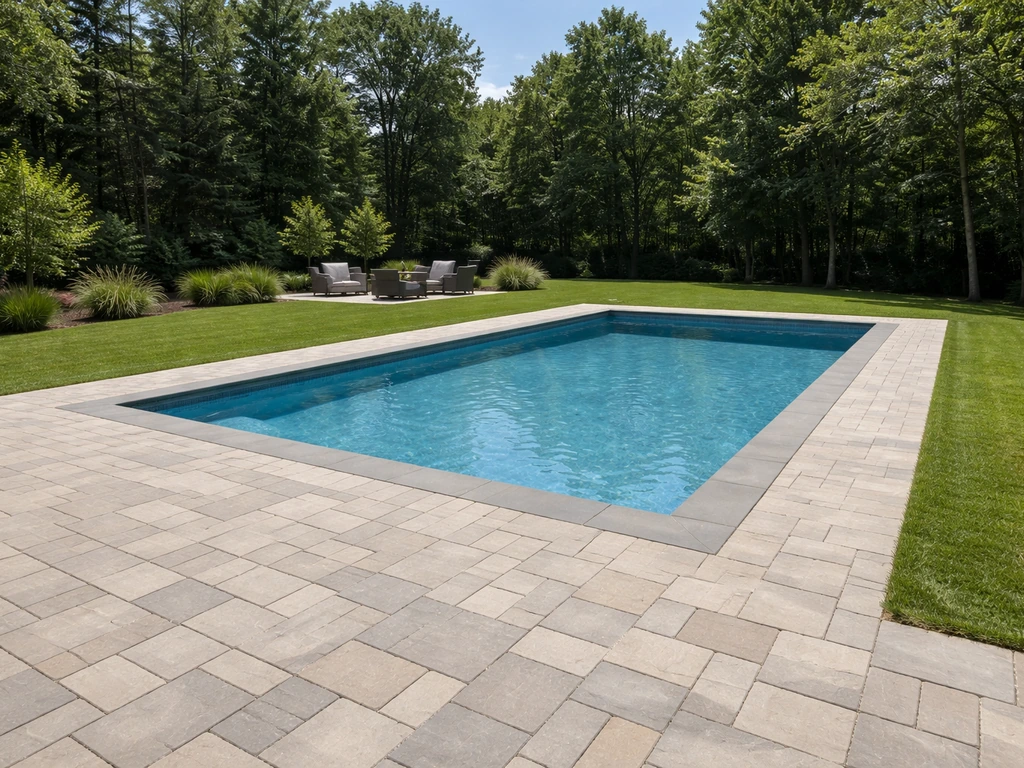
Learn how much patio around a pool costs and how to size square feet, materials, extras, and get real bid line items.
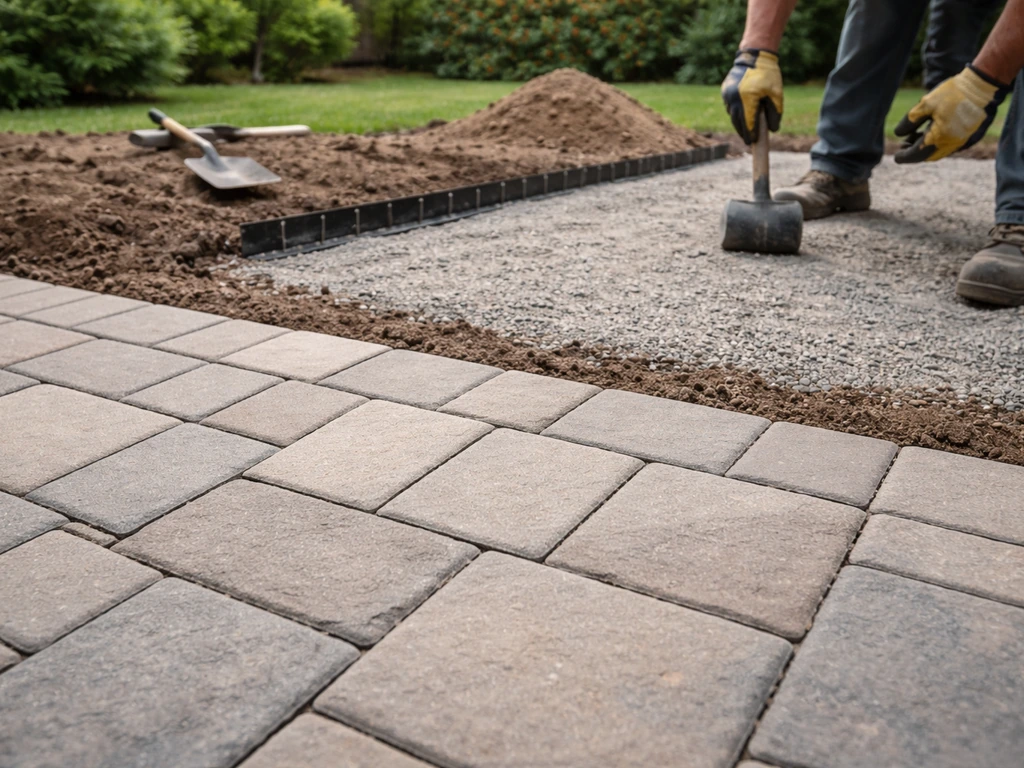
Patio cost estimates by size and material with labor, base, add-ons, DIY vs contractor, and quote planning tips.