
Most patios cost somewhere between $8 and $30 per square foot installed, depending on the material you choose. Poured concrete sits at the lower end, typically $8 to $15 per square foot. Concrete pavers run $10 to $20. Brick comes in around $12 to $20. Stamped concrete lands at $12 to $22. Natural stone and flagstone are the most expensive, usually $15 to $30 per square foot once everything is done. Those ranges include labor, base prep, and materials, which is what you actually pay a contractor.
How Much Does a Patio Cost Per Square Foot?

Felix Carver
6 May 2026
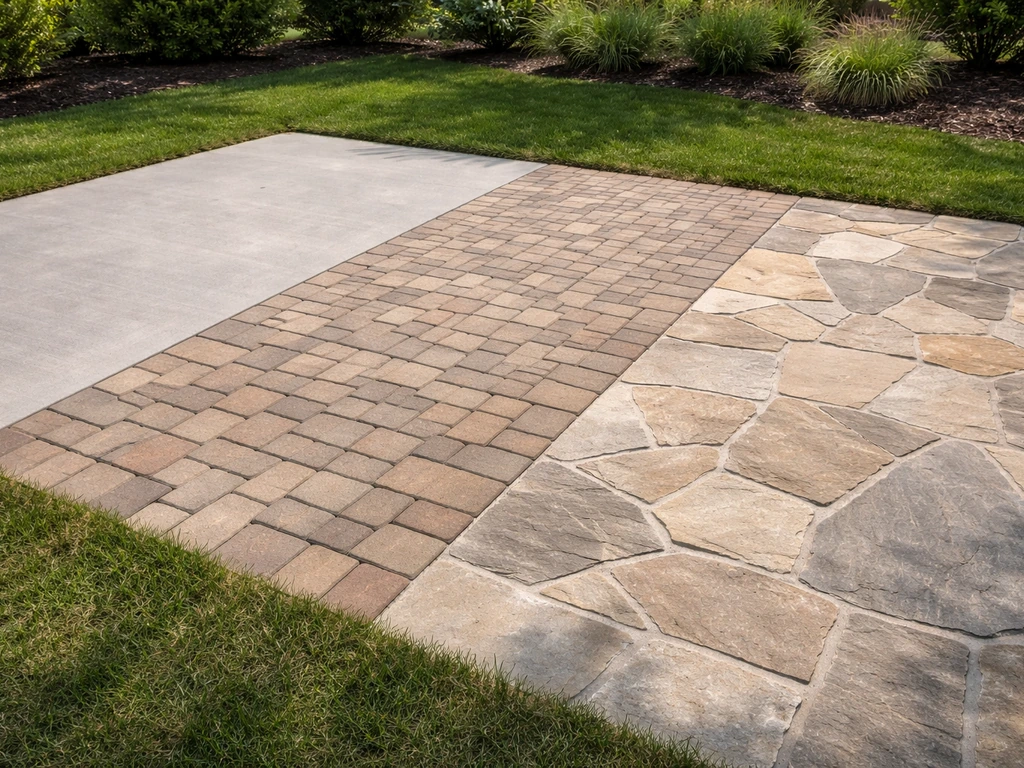
Cost per square foot by patio type
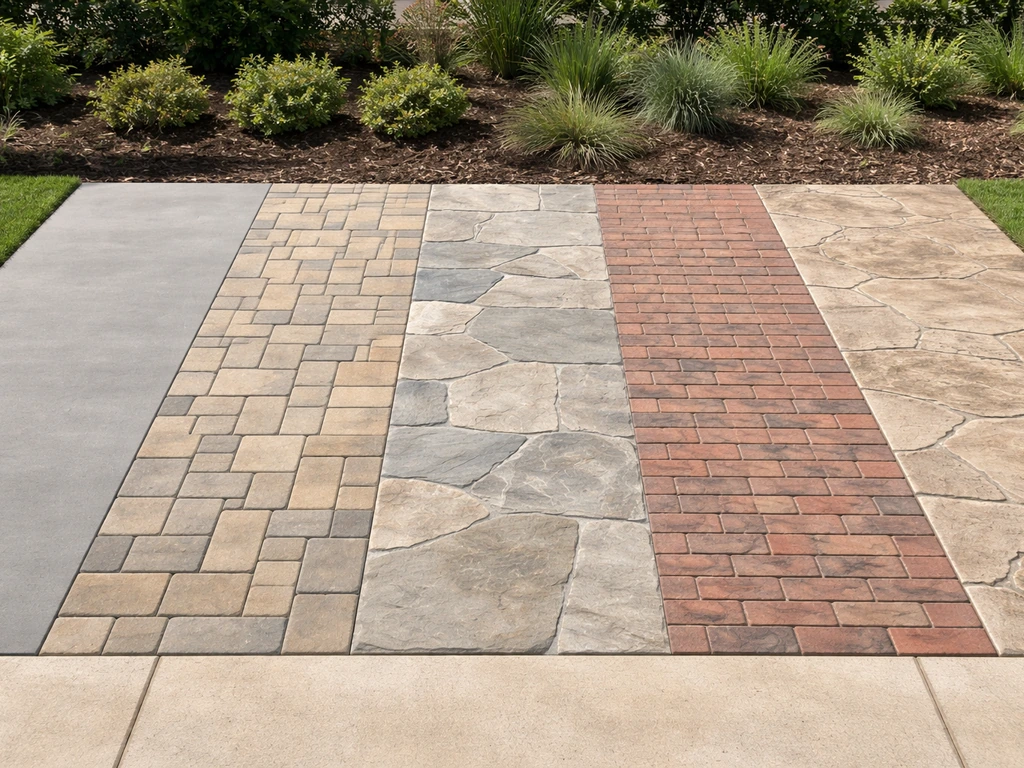
The single biggest variable in your per-square-foot cost is the material. Here's how each major patio type stacks up today, based on fully installed prices (not just materials off the shelf).
| Patio Type | Installed Cost (per sq ft) | Best For |
|---|---|---|
| Poured Concrete | $8 – $15 | Budget builds, clean modern look |
| Stamped Concrete | $12 – $22 | Decorative look without premium material cost |
| Concrete Pavers | $10 – $20 | Durability, easy repairs, lots of style options |
| Brick | $12 – $20 | Classic look, long lifespan |
| Flagstone | $15 – $30 | Natural beauty, high-end curb appeal |
| Natural Stone (slate, travertine, bluestone) | $15 – $30 | Premium finish, unique character |
Plain poured concrete is the most affordable starting point, but it can crack over time and is harder to repair cleanly. Stamped concrete gives you the look of stone or pavers at a fraction of the material cost, though the pattern can wear or fade over 10 to 15 years. Pavers are popular because a single cracked or stained unit can be swapped out without redoing the whole surface.
Flagstone and natural stone look incredible but require more skilled labor to install correctly, which is where that higher per-square-foot number comes from. If you're comparing a cement-specific budget, costs for a basic concrete patio deserve their own close look since they differ quite a bit from decorative options. For a cement patio, the per-square-foot rate depends on whether you want a basic slab or decorative finishes, plus base prep and labor costs concrete patio.
What pushes the price up (or keeps it down)
The material cost is only part of the story. Labor and site conditions can shift your per-square-foot price by $5 to $10 or more before you even pick out the stone.
Labor rates
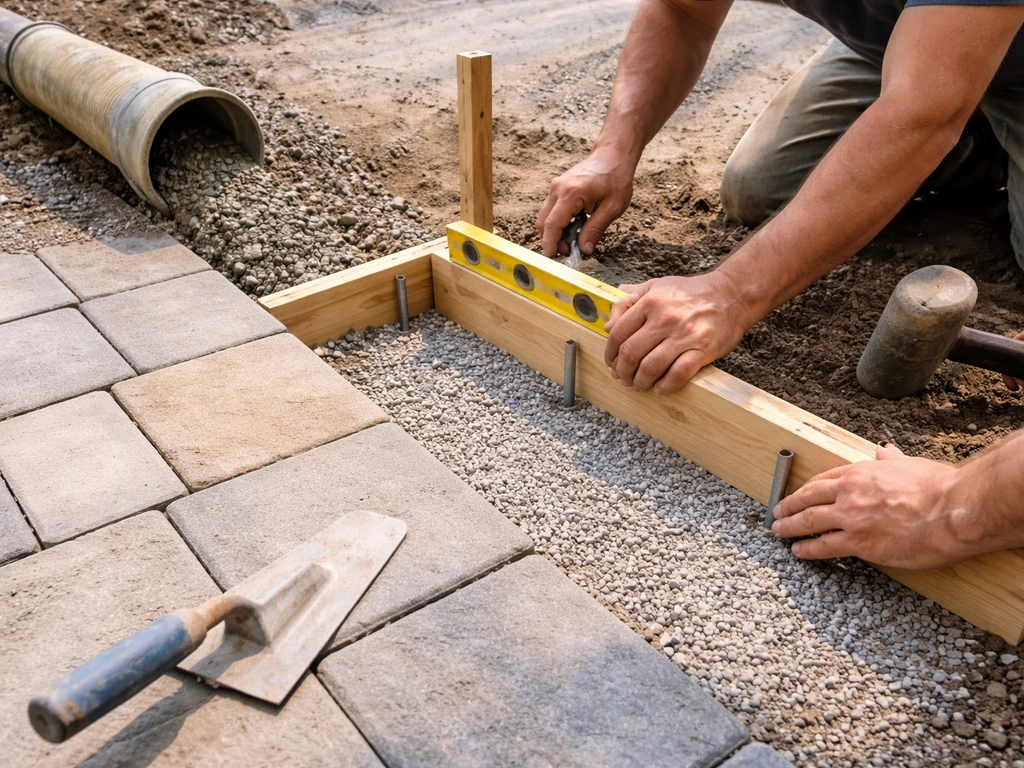
Labor typically accounts for 50 to 60 percent of the total project cost on most patio installs. A simple concrete pour on a flat, accessible backyard is quick work. Fitting irregularly shaped flagstone by hand, cutting around obstacles, or building a patio on a sloped yard all add hours and skill, which adds money. Expect labor alone to run $4 to $12 per square foot depending on complexity. HomeAdvisor’s concrete patio cost guide lists professional concrete patio labor at about $5 to $15 per square foot (separate from materials).
Base preparation and excavation
Every patio needs a proper base, and most homeowners underestimate this cost. You need at least 4 to 6 inches of compacted gravel sub-base for pavers, and 4 to 6 inches of compacted soil and gravel for concrete. If the ground needs to be excavated, leveled, or if you're dealing with clay soil that shifts, expect to add $1 to $3 per square foot just for prep. Skimping here is the number one reason patios crack and shift within a few years.
Drainage
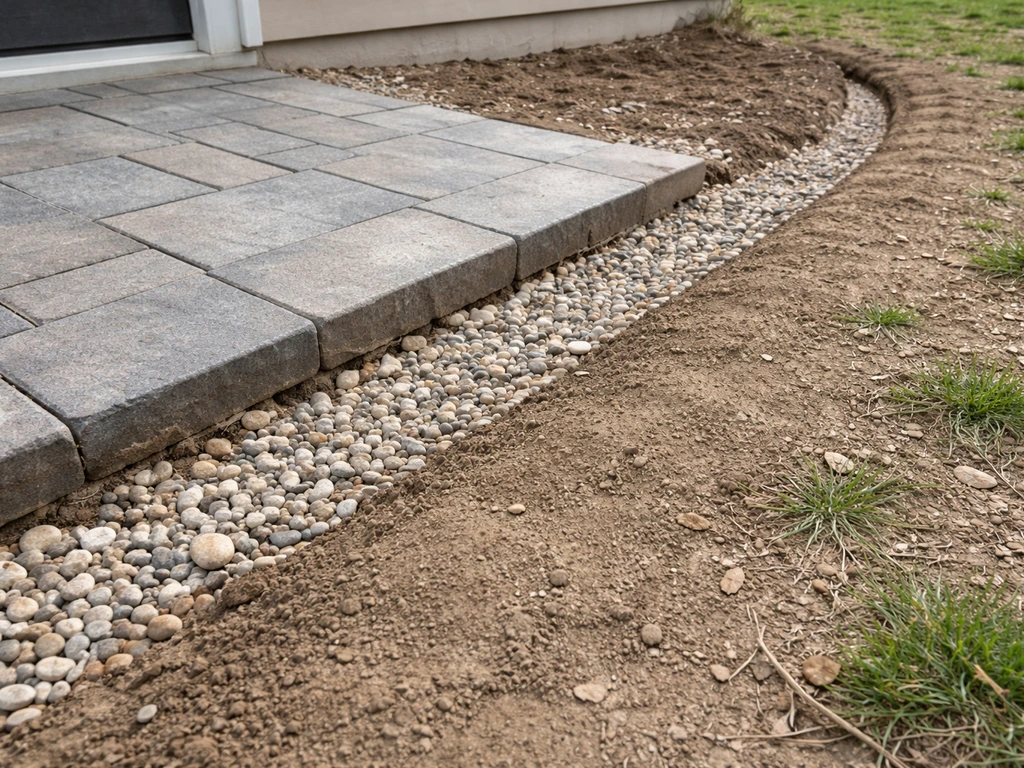
Flat or low-lying yards often need drainage solutions built in so water doesn't pool on or under the patio surface. A basic slope graded away from the house costs little extra. A French drain or channel drain system can add $500 to $2,000 or more depending on the size of the area. If your yard has drainage issues now, factor this in before getting quotes.
Design complexity and add-ons
Curves, inlays, borders in a contrasting material, built-in steps, and lighting all add cost. A basic rectangular concrete or paver patio on a flat lot is the cheapest version. Every curve, step, or custom feature bumps the per-square-foot price. If you're looking at a covered patio, the roofing structure alone can double or triple the overall project cost compared to an open surface.
Turning your per-square-foot number into a real project estimate
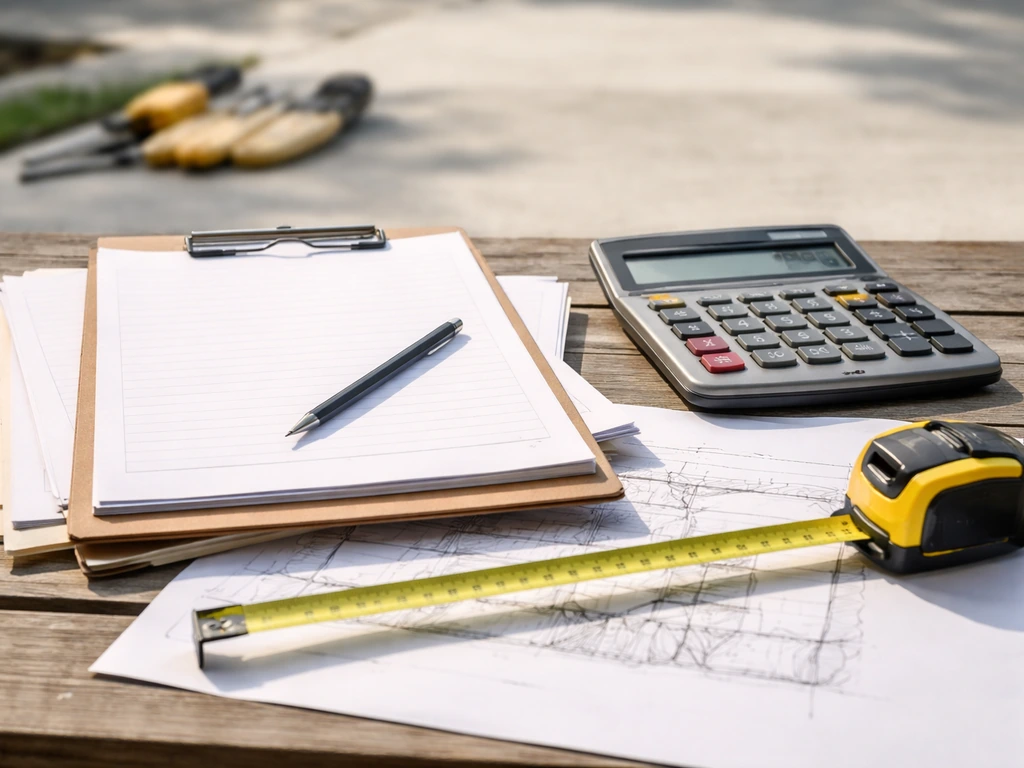
Once you know the material you want and your rough per-square-foot range, the math is straightforward. To convert the numbers to square metres, just multiply your square footage by 0.0929 before applying the per-square-foot patio cost ranges patio cost per square metre. Multiply the square footage by the low end and high end of the range to get your budget window. Here's how that plays out for the most common patio sizes:
| Patio Size | Square Footage | Concrete (est.) | Pavers (est.) | Flagstone (est.) |
|---|---|---|---|---|
| 10x10 | 100 sq ft | $800 – $1,500 | $1,000 – $2,000 | $1,500 – $3,000 |
| 12x12 | 144 sq ft | $1,150 – $2,160 | $1,440 – $2,880 | $2,160 – $4,320 |
| 16x16 | 256 sq ft | $2,050 – $3,840 | $2,560 – $5,120 | $3,840 – $7,680 |
| 20x20 | 400 sq ft | $3,200 – $6,000 | $4,000 – $8,000 | $6,000 – $12,000 |
| 20x30 | 600 sq ft | $4,800 – $9,000 | $6,000 – $12,000 | $9,000 – $18,000 |
A 400 square foot patio is one of the most common sizes homeowners quote, and the cost range is wide for a reason. A plain concrete slab at that size might come in at $3,200 to $6,000. The same footprint in premium flagstone can run $6,000 to $12,000 or more. The size matters, but the material choice is what really sets the budget. If your contractor quote looks way outside these ranges, that's worth asking about.
DIY vs. hiring a contractor
DIY can save you 30 to 50 percent on total project cost because labor is often the biggest chunk of the bill. That said, not every patio type is equally DIY-friendly.
| Patio Type | DIY Difficulty | DIY Material Cost (per sq ft) | Pro Install Cost (per sq ft) | Potential Savings |
|---|---|---|---|---|
| Poured Concrete | Hard (requires forms, mixing, finishing) | $3 – $6 | $8 – $15 | 40–50% |
| Concrete Pavers | Moderate | $3 – $7 | $10 – $20 | 35–50% |
| Brick | Moderate | $4 – $8 | $12 – $20 | 30–45% |
| Stamped Concrete | Very Hard | $5 – $9 | $12 – $22 | 30–40% |
| Flagstone | Moderate to Hard | $6 – $12 | $15 – $30 | 35–50% |
Pavers are genuinely one of the better DIY options. The technique is learnable, mistakes are correctable, and you don't need specialized equipment beyond a plate compactor (which you can rent for around $80 to $120 per day). Poured concrete and especially stamped concrete are much harder to DIY well. Concrete has an unforgiving working window, and getting a stamped finish right takes practice. A bad stamped pour is expensive to fix. If you're set on concrete, consider hiring out the pour and doing your own base prep to split the difference.
DIY stops making sense when: the project involves significant grading or drainage work, you're dealing with challenging access (like a narrow side yard), the patio requires cutting stone with precision, or you need to pull a permit that requires an inspection. In those cases, a contractor's experience usually pays for itself in avoiding costly rework.
Where you live changes your number
Regional labor rates and material costs can shift your per-square-foot price by 20 to 40 percent compared to the national average. A stamped concrete patio that costs $14 per square foot in a mid-sized Midwest city might run $20 to $25 per square foot in the San Francisco Bay Area or New York suburbs. The same project in rural areas sometimes comes in below the national average simply because contractor overhead and labor rates are lower.
- High-cost regions (coastal metros, major Northeast and West Coast cities): Add 20 to 40 percent to national averages
- Mid-cost regions (Midwest, Southeast, Mountain West mid-size cities): Prices tend to track close to national averages
- Lower-cost regions (rural South, rural Midwest): Subtract 10 to 20 percent from national averages
- Material availability matters too: flagstone quarried locally is cheaper than flagstone shipped across the country
Climate also affects material choice and cost. In areas with hard freeze-thaw cycles (upper Midwest, Northeast), concrete is more prone to cracking without proper reinforcement and sealant. Pavers handle freeze-thaw better because individual units can shift slightly without cracking the whole surface. If you're in a cold climate, factor in sealing costs ($0.50 to $2 per square foot every few years) as part of your long-term budget.
How to get a contractor quote you can actually trust
Getting three quotes is standard advice, but getting three useful quotes is the real goal. Here's how to make sure you're comparing apples to apples and not getting lowballed on paper only to see change orders later.
What to ask every contractor
- Is the quote all-in? Ask specifically whether it includes excavation, base material, gravel, edge restraints, and cleanup. Many low quotes exclude one or more of these.
- What's the base spec? For pavers, ask for at least 4 to 6 inches of compacted gravel base. For concrete, ask about thickness (4 inches minimum, 5 to 6 inches if vehicles will be nearby) and rebar or wire mesh reinforcement.
- Who does the work? Some contractors sub out parts of the job. Knowing who actually shows up matters for quality and accountability.
- What's the warranty? A reputable contractor should stand behind their work for at least one year on labor. Ask what happens if the patio shifts or cracks in year one.
- Do I need a permit? In many municipalities, patios over a certain size require a permit. A good contractor will know the local requirements and pull the permit for you (which should be included in the quote).
- What's the payment schedule? Never pay more than 10 to 30 percent upfront. A contractor asking for 50 percent or more before work begins is a red flag.
- Can I see recent local projects? Ask for references or addresses of recent installs you can actually drive by.
Line items to verify in the written quote
- Square footage measurement (get them to confirm how they measured)
- Material brand/grade and source (generic 'pavers' vs. a specific product line)
- Depth and type of base material
- Drainage provisions if your yard needs them
- Edge restraints (plastic, aluminum, or concrete border — each has a different look and cost)
- Permit fees (included or billed separately)
- Haul-away of excavated material
- Sealing (included or quoted as an add-on)
Once you have two or three detailed, itemized quotes in hand, use the per-square-foot ranges in this guide as a sanity check. If a quote comes in well below the low end of the typical range for your chosen material, ask what's been cut. If it comes in well above the high end, ask for the reason. Sometimes it's justified (challenging site conditions, premium material, a contractor with a strong local reputation). Sometimes it's just a high markup. You'll only know if you ask, and the per-square-foot benchmarks give you the confidence to have that conversation.
FAQ
Do the $8 to $30 per square foot patio costs include removing an old patio or landscaping changes?
Usually not. Many quotes cover only supply and installation of the new surface plus basic base work. If you need demo, haul-away, resetting sprinklers, relocating edging, or replacing damaged soil, expect that to show up as separate line items or a change order. Ask for a demolition and site-prep breakdown before comparing contractors.
How accurate are per-square-foot estimates if my patio has lots of cuts, curves, or built-in steps?
They can get much less accurate because the estimate often assumes a simpler layout. Curves, diagonal cuts, small inlays, and stair stringers add labor and waste materials. Request a takeoff that shows square footage of the main field and separate quantities for borders, steps, and specialty pieces, so you can compare like-for-like.
What’s the biggest reason quotes come in higher than the per-square-foot range?
Underestimated site conditions. Common triggers are unstable clay subgrade, needed regrading, poor drainage, or thickened base requirements for heavy use (like grills or hot tubs). A good quote will state the sub-base depth and whether geotextile, additional excavation, or drainage features are included.
Do I need to pay extra for permits or engineering?
Sometimes. Some jurisdictions require permits for patios, retaining edges, drainage modifications, electrical hookups (lighting/outlets), or structures like covers. Even when not required for the patio itself, drainage work or a covered patio can trigger additional compliance. Ask your contractor what permits they include and who is responsible for approvals.
How long should a contractor guarantee a patio, and what should it cover?
Look for a written warranty that specifies the duration and what it covers, typically workmanship issues rather than cosmetic aging. For pavers, ask about settlement or joint material replacement if units shift. For concrete, ask what the warranty says about cracking and surface scaling, especially in freeze-thaw areas. If no warranty is offered, treat that as a risk factor when comparing quotes.
Is sealing included in the per-square-foot price for concrete or stone?
Often it is not. Many estimates quote installation only, while sealing is either excluded or listed as a separate line item with a recommended re-seal interval. In cold climates, expect sealant refresh costs every few years. Confirm whether the contractor includes initial sealing, the product type, and the timeframe for maintenance.
Will pavers become uneven over time, and what affects that risk?
Unevenness is usually a base and drainage issue, not the pavers themselves. If the sub-base is too thin, not compacted properly, or the slope is wrong, pavers can settle. Ask how they handle compaction testing, edge restraints, joint sand selection, and whether they install geotextile or drainage where needed.
Can I reduce cost by doing part of the work myself, and what parts are usually safest?
Base prep is the most commonly safe DIY-adjacent task, as long as you have the right tools, can achieve proper depth, and understand drainage. Installing the final surface is riskier for most homeowners, especially stamped concrete. If you split the job, get clear written scope boundaries so the contractor knows what they are guaranteeing.
What should I ask about drainage if I have standing water near the house?
Ask whether the patio will be built with a specific slope away from the foundation, and whether any sub-surface drainage is planned (French drain, channel drain, or underdrain). Also ask where the collected water will discharge, since tying into an improper outlet can create problems later. Get the drainage plan described in the quote, not just discussed.
How do I convert my patio size to a reliable budget when the price is given per square foot?
Measure square footage as length times width for the main rectangular area, then add separate allowances for non-rectangular sections like steps, platforms, and raised borders. If your design is irregular, ask the contractor to calculate quantities for those components. Relying only on a rough overall footprint can underbudget for the extras that drive cost.
Are the national per-square-foot ranges still useful if I live in a high-cost city?
Yes, as a sanity check, but you should expect higher labor and overhead. A more accurate approach is to ask for local pricing evidence, like recent comparable projects, or for the contractor to explain why their labor and material numbers differ. If the quote is far outside the range, request an itemized reason rather than accepting the total blindly.
Next Articles
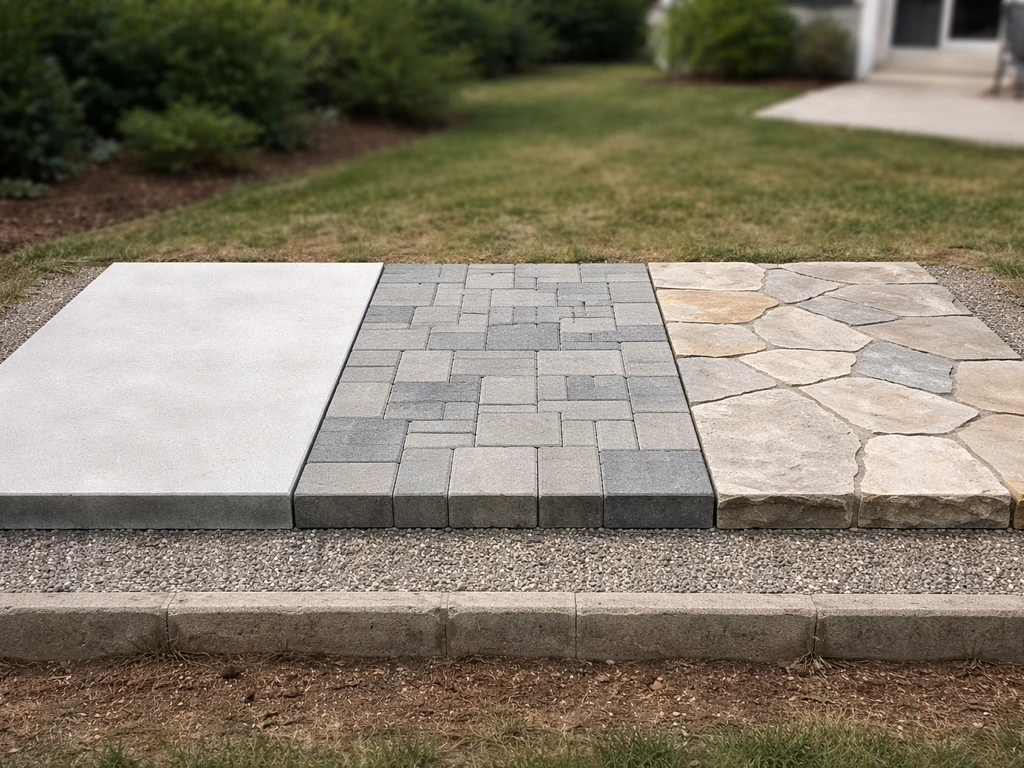
How Much Should I Expect to Pay for a Patio
Patio cost guide with real price ranges by size and material, full line-item budget, DIY vs install, and quote checklist
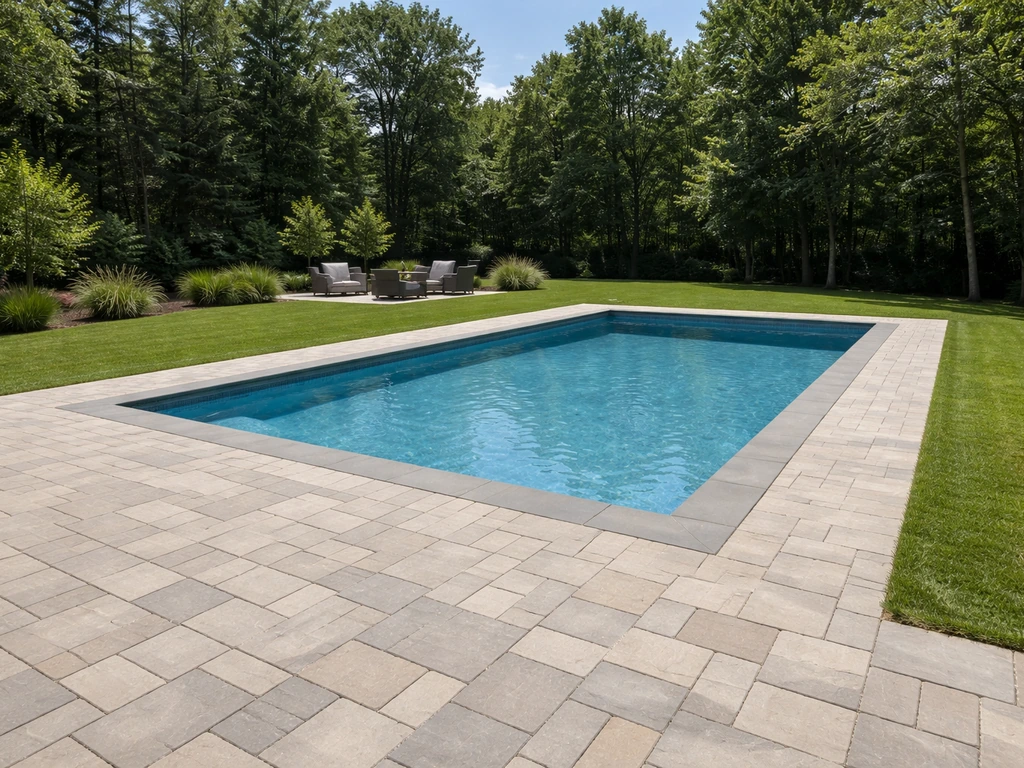
How Much Patio Around Pool: Cost, Size, and Budget Guide
Learn how much patio around a pool costs and how to size square feet, materials, extras, and get real bid line items.
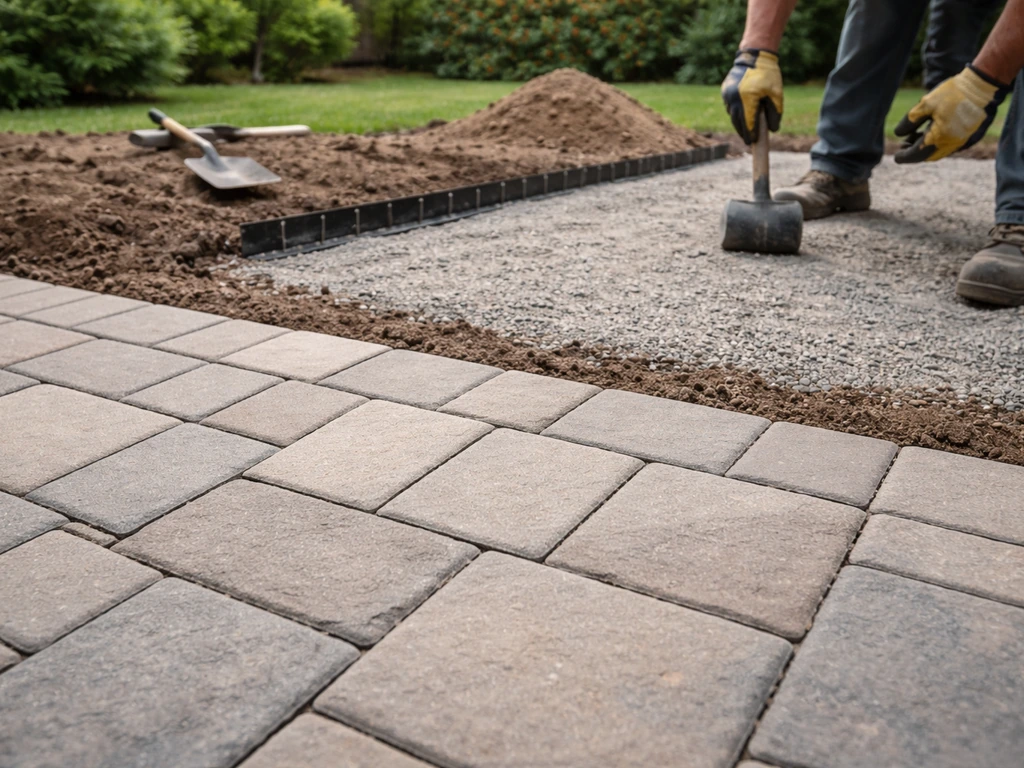
How Much Are Patios? Cost Ranges by Size and Material
Patio cost estimates by size and material with labor, base, add-ons, DIY vs contractor, and quote planning tips.