
A covered patio typically costs between $4,500 and $12,000 installed, with most homeowners landing around $8,500 for a professionally built structure. Per square foot, expect to pay $20 to $60 depending on materials and roof style, though solid wood builds can push past $120 per sq. ft. and budget aluminum kits can come in under $20. Size matters a lot: a simple 10x10 cover might run $2,000 to $5,000, while a 20x20 fully covered patio can hit $8,000 to $30,000 once you factor in a real roof, framing, footings, and permits.
How Much Does It Cost for a Covered Patio? 2026 Pricing Guide

Felix Carver
14 May 2026

Patio cover, covered patio, pergola, awning: what you're actually pricing
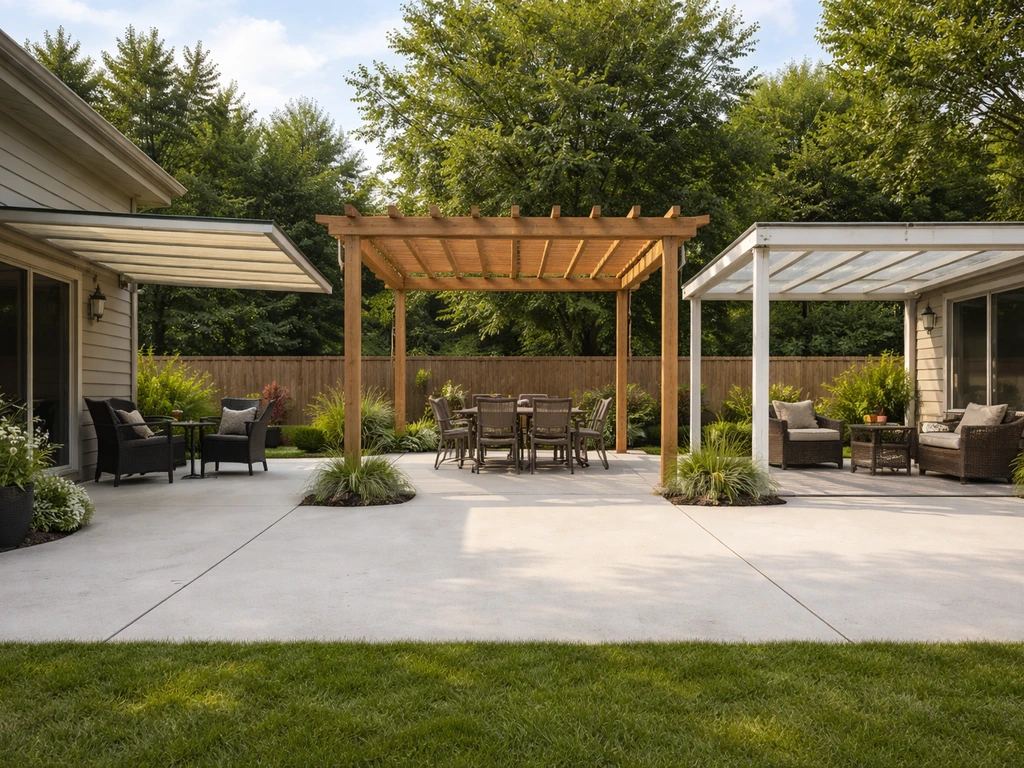
These terms get used interchangeably, but they mean different things and carry very different price tags. Getting clear on which one you actually want is step one before you call a single contractor.
- Covered patio: A patio slab (concrete, pavers, stone, etc.) with a solid or semi-solid roof overhead. The roof is fully attached to your house or supported by posts, and it blocks rain. This is the broadest category and what most people mean when they search this question.
- Patio cover: Technically the roof structure only, not the ground surface. If you already have a concrete or paver patio and just want to add a roof, you're buying a patio cover. Expect $20–$60 per sq. ft. installed for the overhead structure alone.
- Pergola: An open lattice-style structure with cross rafters. It provides shade, not waterproofing. A pergola is not a covered patio in the true sense—rainwater still gets through. Prices are similar to patio covers but the function is different.
- Awning: A retractable or fixed fabric/metal canopy attached directly to the house. Much cheaper ($1,000–$4,000 typically), but limited in size, durability, and structural permanence.
- Patio enclosure: A fully or partially walled structure with a roof. Think screened room or three-season room. More expensive than a basic patio cover and closer to a room addition in cost.
For this article, the focus is on the most common scenario: adding a solid or semi-solid roof over an existing or new patio, either attached to the house or freestanding. If you're also pricing the patio surface itself (concrete, pavers, flagstone), that's a separate line item discussed below.
Total cost ranges at a glance
Here's the honest range based on current 2025/2026 data across multiple estimator sources. These are installed totals including materials, labor, and basic permitting, but not electrical work or premium add-ons.
| Scope / Budget Level | Typical Total Cost | Per Sq. Ft. Range |
|---|---|---|
| Budget (aluminum kit, small size) | $2,000 – $5,000 | $20 – $30 |
| Mid-range (most homeowners) | $5,000 – $14,000 | $30 – $55 |
| Higher-end (wood, gable roof, larger) | $14,000 – $30,000+ | $60 – $120+ |
| National average (all types combined) | ~$8,500 | $20 – $60 |
One data point worth flagging: some contractor-focused sources quote $50 to $150 per sq. ft., which reflects more complex builds with full structural framing, custom roofing materials, and finish work. That range is real, but it applies to the higher end. Most standard attached covers land squarely in the $20 to $60 per sq. ft. zone.
Cost by size: 10x10, 12x12, 12x18, 20x20, and beyond
Size is the single fastest way to ballpark your budget before you talk to anyone. So, if you’re mainly comparing metal patio cover options, the cost depends heavily on size and whether the cover is attached or freestanding metal patio cover cost. Here are realistic installed ranges by common patio dimensions, based on mid-range materials (aluminum or basic wood framing, standard attached roof).
| Patio Size | Square Footage | Estimated Installed Cost |
|---|---|---|
| 10 x 10 | 100 sq. ft. | $2,000 – $5,000 |
| 12 x 12 | 144 sq. ft. | $3,000 – $7,000 |
| 12 x 18 | 216 sq. ft. | $4,000 – $12,000 |
| 10 x 20 | 200 sq. ft. | $10,000 – $22,500 |
| 16 x 20 | 320 sq. ft. | $9,000 – $20,000 |
| 20 x 20 | 400 sq. ft. | $8,000 – $30,000 |
You'll notice the 10x20 and 20x20 ranges overlap heavily. That's because span width drives structural complexity more than square footage alone. A 20-foot span requires heavier beams, deeper footings, and possibly engineered drawings, which can push a 20x20 well past a 16x20 even with the same materials. If you're near the edge of a standard span (typically around 12 feet for most prefab systems), expect a cost jump.
Also keep in mind: if you're building the patio surface at the same time, add the patio slab cost separately. A standard 12x12 concrete patio runs $1,000 to $2,500 depending on finish; pavers add more. Stamped concrete or flagstone at those sizes can add $1,500 to $4,000+ to your total.
What drives the biggest price differences
Roof type and material
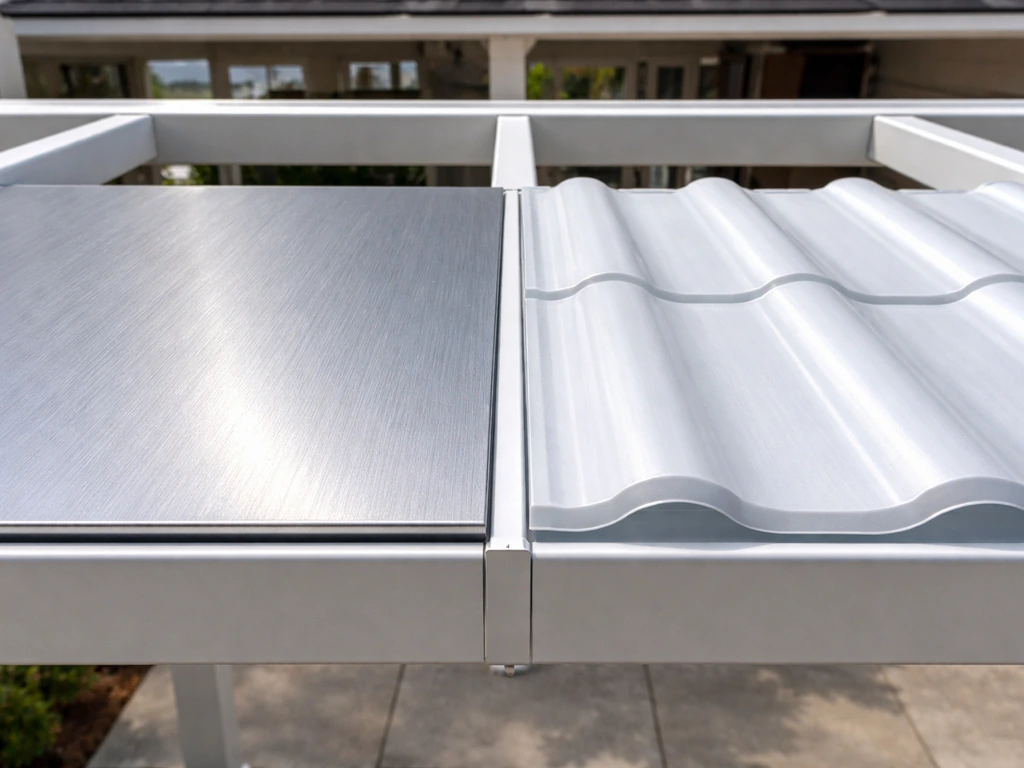
This is the biggest variable. Aluminum is the cheapest solid cover material at $20 to $50 per sq. ft. installed and handles weather well with minimal maintenance. Vinyl is in a similar range. Wood costs $35 to $60 per sq. ft. installed for standard options, but high-end solid wood (cedar, redwood) can push past $120 per sq. ft. Fiberglass panels and stucco covers (which match the house exterior nicely) typically run $20 to $45 per sq. ft. for the stucco work itself. A gable roof style costs more than a shed (single-slope) roof because it requires more framing, two-sided pitch work, and more material.
Attached vs. freestanding
An attached cover connects to your house's ledger board and typically needs fewer posts. Freestanding structures need posts on all four corners (sometimes more), independent footings, and more structural engineering. Freestanding usually costs 10 to 20 percent more for the same square footage, and the permitting process is often more involved.
Structural framing and span requirements
Local wind and snow load requirements set a floor on how heavily your structure must be built. In coastal or hurricane-prone areas, framing specs go up significantly. In heavy-snow regions, roof pitch and beam sizing are dictated by code. These requirements are non-negotiable and can add $1,500 to $5,000 to a build that would be straightforward in a mild climate.
Permits and inspections
blank" rel="noopener noreferrer">Almost every municipality requires a permit for a permanent patio cover, whether it's attached to your house or freestanding. If you're wondering how much will it cost to cover my patio, permits are one of the first line items to budget for. Permit fees typically run $200 to $1,000 depending on your jurisdiction and the assessed value of the construction. Some cities use a per-square-foot valuation formula (for example, Pasadena, TX bases permit fees on total roof area), while others like Hamden, CT tie fees to estimated construction value. Budget at least $300 to $500 for permits and plan for 1 to 3 weeks for permitting and inspection before construction wraps. If you skip the permit, you risk being forced to tear it down when you sell, so don't skip it.
Labor and regional variation
Labor typically accounts for 30 to 50 percent of the total project cost, which translates to roughly $1,500 to $4,000 for most residential jobs. High cost-of-living regions like California, the Pacific Northwest, and the Northeast run at the top of that range or higher. The South and Midwest generally come in lower. The same 12x12 aluminum cover that costs $4,000 installed in Texas might run $6,500 to $8,000 in the San Francisco Bay Area once you factor in higher labor rates, stricter permitting, and engineering requirements.
Site prep and drainage
If you're adding a cover over an existing patio, site prep is usually minimal: post footings, concrete pours for footing bases, and cleanup. If you're grading a slope, demolishing an existing structure, or dealing with poor drainage, add $500 to $2,000 or more. Drainage is a real concern: a solid roof that concentrates rainwater needs gutters and downspouts, which most contractors don't include in the base quote. Ask specifically.
Cost breakdown: where your money actually goes
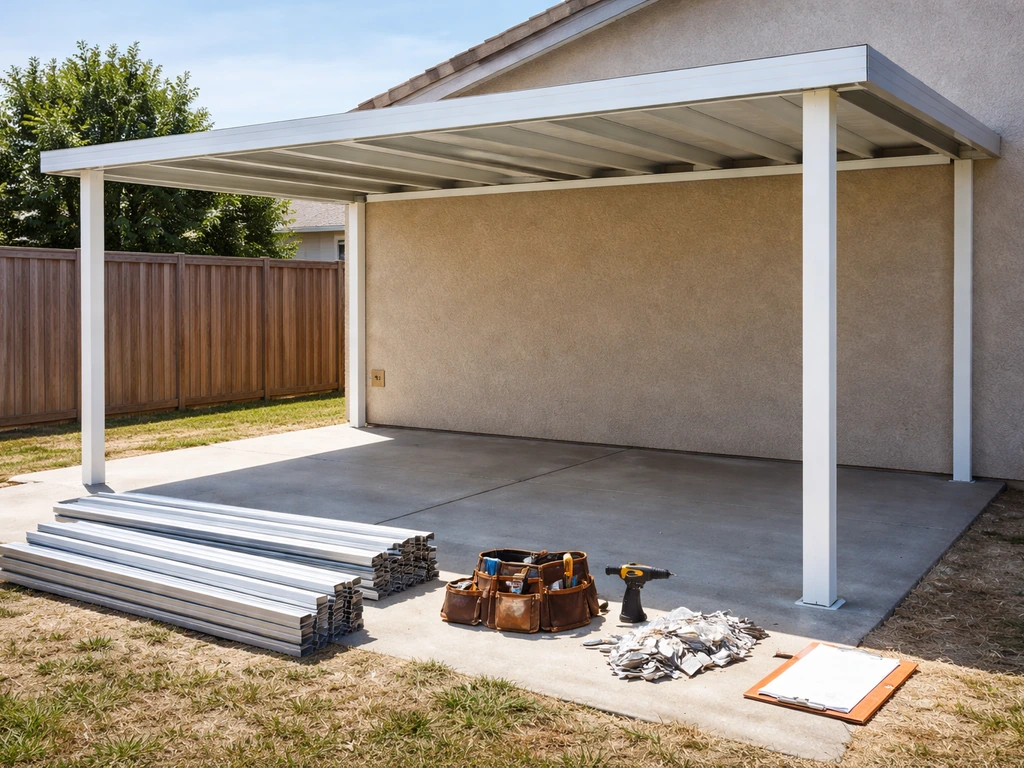
Here's a realistic breakdown for a mid-range 12x16 attached patio cover (aluminum or painted steel framing, solid roof panels, basic attached shed-style design) in a mid-cost U.S. market, totaling roughly $8,000 to $12,000:
| Cost Component | Typical Range | Share of Total |
|---|---|---|
| Materials (framing, roofing, hardware) | $3,000 – $5,500 | 40% – 50% |
| Labor (site prep, assembly, finishing) | $2,000 – $4,000 | 30% – 45% |
| Permits and inspections | $300 – $800 | 4% – 8% |
| Footings and concrete | $400 – $1,200 | 5% – 10% |
| Gutters and drainage | $300 – $700 | 3% – 6% |
| Electrical (lights, fan rough-in) | $500 – $1,500 | 5% – 12% |
Electrical is the most commonly underestimated add-on. If you want a ceiling fan, overhead lighting, or an outdoor TV connection, you need a licensed electrician to run conduit and wire from your panel or an existing exterior outlet. A single ceiling fan installation with wiring runs $200 to $600 on its own. If your panel needs a new circuit or the run is long, that number climbs. Always ask contractors whether electrical is included or if it requires a separate sub-contractor quote.
Material-by-material comparison
| Cover Material | Installed Cost (per sq. ft.) | Maintenance | Best For |
|---|---|---|---|
| Aluminum | $20 – $50 | Very low | Budget-conscious, HOA-friendly |
| Vinyl | $20 – $45 | Very low | Moisture-heavy climates |
| Wood (pressure-treated) | $35 – $60 | Medium (staining/sealing) | Natural look, custom sizing |
| Cedar or Redwood | $60 – $120+ | High | Premium aesthetics, longevity |
| Fiberglass panels | $25 – $55 | Low | Partial light transmission |
| Stucco (masonry style) | $20 – $45 (stucco only) | Low once cured | Matching house exterior |
For most homeowners who want a low-maintenance, durable cover at a reasonable price, aluminum wins on value. Wood looks better and can be painted or stained to match your house, but it requires periodic upkeep. If aesthetics and matching your home's style matter most, a wood gable cover or stucco-finished solid roof is worth the premium. Metal patio covers, including aluminum and steel, represent a large share of installs precisely because the maintenance case is so strong.
DIY vs. hiring a contractor
Going DIY on a patio cover can save you 30 to 50 percent compared to hiring a pro, since you're only paying for materials. If you're wondering how much does a wooden patio cost specifically, wood materials tend to run higher per square foot than aluminum or vinyl patio cover. On a $10,000 project, that's a potential $3,000 to $5,000 in savings. But DIY comes with real risks that are easy to underestimate.
- Permitting: You still need a permit in almost every jurisdiction, and you'll need to submit drawings that pass a plan check. If you don't know how to draft a structural plan or calculate load requirements, you'll either pay an engineer or risk a rejection.
- Span and footing sizing: Getting post spacing, beam sizing, and footing depth wrong doesn't just fail inspection; it's a safety issue. Wind events and heavy snow loads test these connections hard.
- Ledger board attachment: Connecting your cover to the house ledger incorrectly can cause water infiltration and structural damage over time. This is one of the most common DIY mistakes.
- Electrical: If you want lighting or fans, any wiring work needs to be done (or at least inspected) by a licensed electrician regardless of who builds the cover structure.
- Kit vs. custom: Prefab aluminum patio cover kits are the most DIY-friendly option. They come with precut parts, instructions, and standard span tables that are easier to permit. Custom wood builds are much harder to DIY correctly.
If you're handy and comfortable working from a structural plan, a prefab aluminum kit for a 10x12 or 12x16 cover is a reasonable DIY project. For anything larger, anything freestanding, or any wood gable roof, hiring a contractor is the smarter financial decision once you account for your time, the cost of mistakes, and the risk of a failed inspection.
How to compare contractor quotes without getting burned
Getting three quotes is standard advice, but the real challenge is making sure you're comparing the same scope. Here's what to nail down before you sign anything:
- Measure your space first. Know your exact dimensions (length, width, and the height of your eave or attachment point) before anyone comes out. Contractors quote based on the area they're covering, and a vague 'medium patio' will get you a vague number.
- Ask whether the quote includes permits and inspection fees. Some contractors pull permits and include the fee; others charge it as a pass-through or leave it to you. This alone can shift a quote by $300 to $800.
- Confirm what the roof style is. Shed roof (single slope) vs. gable (peaked) vs. hip roof are not interchangeable in price. Make sure every quote specifies the same style.
- Ask about footings and concrete. Are post footings included? How deep? What diameter? In cold climates, footings need to go below the frost line, which adds cost.
- Ask about drainage. Are gutters and downspouts included? If not, add $300 to $700 to the quote yourself.
- Clarify electrical. Is a rough-in for a ceiling fan or light fixture included, or is that a separate electrician call?
- Ask about the warranty on labor and materials. A reputable contractor covers their work for at least one year; manufacturers often cover materials for 10 to 20 years.
- Check whether the contractor is licensed and insured in your state. For structures attached to your home, this isn't optional.
When quotes come back, line up each one against these eight items. A $7,000 quote that excludes permits, footings, and drainage is not cheaper than an $8,500 quote that includes all three. Do the math on an apples-to-apples basis before you decide.
Regional cost differences worth knowing
Where you live shifts your budget significantly. The West Coast (California, Washington, Oregon) and the Northeast consistently see the highest installed costs due to labor rates, stricter building codes, and longer permitting timelines. The South and Midwest tend to be 15 to 30 percent cheaper for the same structure. If you're in a coastal area subject to high-wind requirements, or in a northern climate with heavy snow loads, add 10 to 25 percent to any national average estimate you see, because your structural specs will be heavier than the baseline.
One practical tip: if you're in a region with a short outdoor season (say, the upper Midwest or New England), contractors are typically booked out in spring and summer. Getting quotes in late fall or early winter often gets you better pricing and faster scheduling. In sunbelt states where patio work is year-round, competition is stronger and you have more leverage.
Your pre-quote checklist
Before you call your first contractor, gather this information. It will make every conversation faster and your quotes more accurate:
- Exact dimensions of the area you want covered (length x width)
- Whether you want the cover attached to your house or freestanding
- Your preferred material (aluminum, wood, vinyl) and roof style (shed, gable)
- Whether you have an existing patio slab or need one poured
- Whether you want electrical (lighting, ceiling fan, outlets)
- Your local jurisdiction's permit requirements (a quick call to your city's building department takes 10 minutes and saves weeks of guessing)
- Any HOA rules about roof pitch, material color, or structure height
- Your realistic budget range so you can filter contractors who can actually deliver in it
Armed with those details, you'll get quotes that are specific enough to compare. Most projects come in within 10 to 15 percent of the initial quote when the scope is clearly defined upfront. Vague scopes lead to change orders, and change orders are where covered patio budgets blow up.
FAQ
Does the cost change if I want a covered patio that ties into my existing roofline instead of just attaching to the house ledger board?
Yes. If the design requires connecting into the main roof or altering shingles/roof flashing, expect higher labor and waterproofing costs. Many quotes also treat this as partial roof work, which can add time for inspections and increase the need for skilled roofing installation.
How much should I budget for gutters and downspouts if my contractor does not include them?
A common starting point is to budget separately for gutters, downspout extensions, and splash pads or rerouting. Even when a base quote omits them, they are typically required to prevent runoff from saturating the patio slab and foundation area. If you have an existing drain path, bring measurements so the contractor prices the correct discharge routing.
What’s the real difference in cost between a covered patio and a screened-in patio (with enclosed panels)?
A screened or partially enclosed patio usually increases both material and labor because of additional framing, mesh or panel systems, and door or operable sections. Even if you stay with the same roof footprint, the enclosure often raises complexity for wind loads and clearance, so the price is not a simple add-on of the screens alone.
If my patio cover is freestanding, do I need additional structural engineering that attached covers often avoid?
Freestanding structures more commonly require engineered drawings, thicker posts, and independent footing design because there is no structural connection to the house. That can add cost beyond the simple square-foot rate, especially on wider spans or in areas with strict wind and snow load requirements.
Will permits and inspections be more expensive if I change the structure from attached to freestanding?
Often, yes. Freestanding patio covers can require more documentation, additional review steps, and inspections for footing and structural elements. Even if the fee schedule is similar, the timeline and plan-submittal requirements can add cost through extended labor scheduling.
Do I need to include electrical wiring for outlets if I just want a couple lights?
Usually, yes. Outdoor lighting typically means running conduit and a code-compliant wiring path from an existing circuit or adding a new one. If you plan ceiling fans or a TV connection, clarify whether the estimate includes a dedicated circuit, switch location, and weather-rated fixtures, since those details can materially change the electrical sub-quote.
How do I estimate drainage costs if the roof will concentrate rainwater onto one area?
Plan for a drainage assessment. If downspouts discharge near the patio slab, soil erosion and slab staining can occur without a controlled runoff plan. Budget for rerouting, downspout extensions, and possibly grading or a drain line, particularly if your existing yard drainage slopes toward your house.
Can the patio cover cost drop if I choose a simpler roof shape, like a shed roof instead of a gable?
Generally, yes. Simpler roof geometry typically uses fewer complex framing members and less labor for pitch work and detailing. If you have an aesthetic preference for gable, request a written explanation of the additional framing and materials so you can see exactly what is driving the premium.
What are common quote mistakes that make projects end up more expensive than expected?
The most frequent issues are missing footings or drainage, unclear roof panel type (solid vs semi-solid), no mention of required permits, and exclusions for gutters/downspouts or electrical. Ask each contractor to list what is included in the base scope and to specify material brands, thickness, and span limits so you can compare apples to apples.
Is DIY always cheaper, and what situations make DIY a bad financial bet?
DIY can lower costs mainly on prefab kits that fit common dimensions and when inspection approval is straightforward. DIY becomes risky and less cost-effective for freestanding structures, larger spans, wood gable designs, or when your local code requires engineered plans or specific post and footing sizing that you are not prepared to calculate and document.
How close to the initial estimate will my final cost land if I define the scope clearly?
When the scope is detailed upfront, many projects finish within a relatively narrow band, but outliers happen if engineering changes occur due to site conditions. To reduce surprises, require a written scope that includes post spacing, roof span, footing method, drainage plan, and whether the quote includes plan submission and revisions.
Next Articles
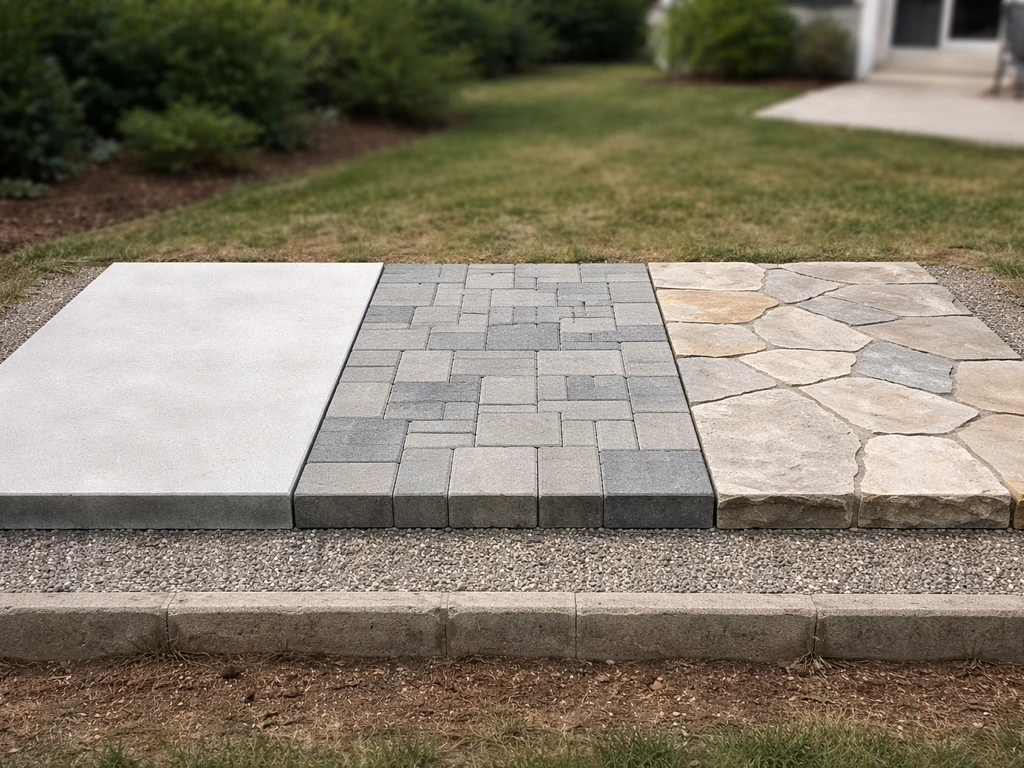
How Much Should I Expect to Pay for a Patio
Patio cost guide with real price ranges by size and material, full line-item budget, DIY vs install, and quote checklist
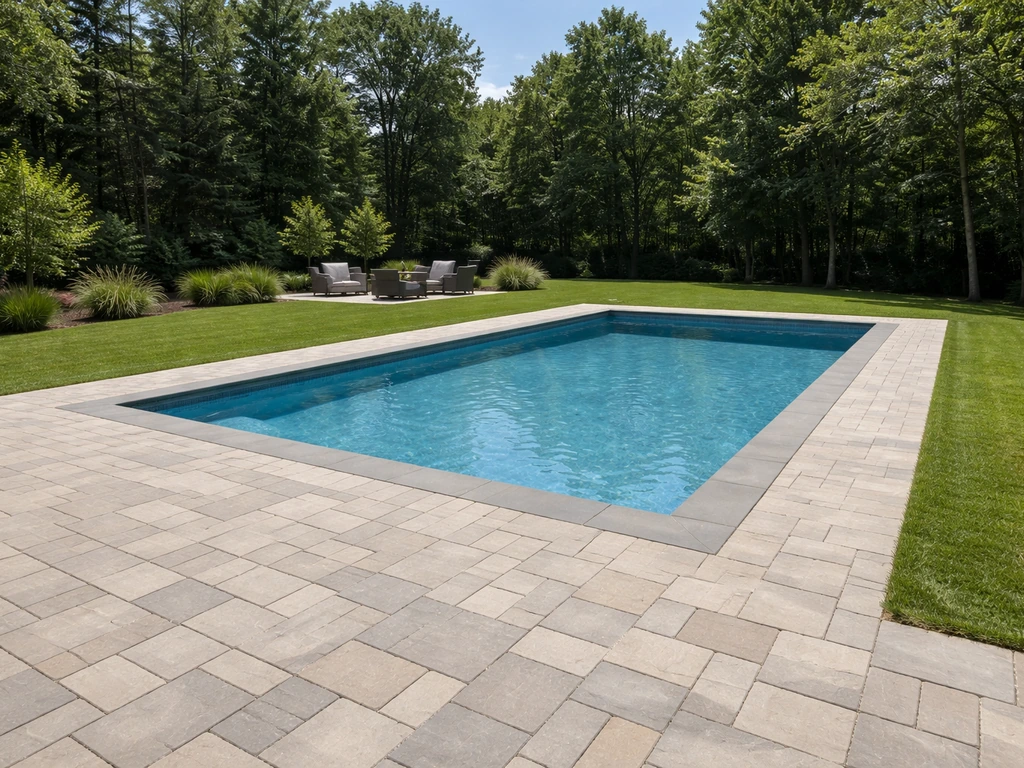
How Much Patio Around Pool: Cost, Size, and Budget Guide
Learn how much patio around a pool costs and how to size square feet, materials, extras, and get real bid line items.
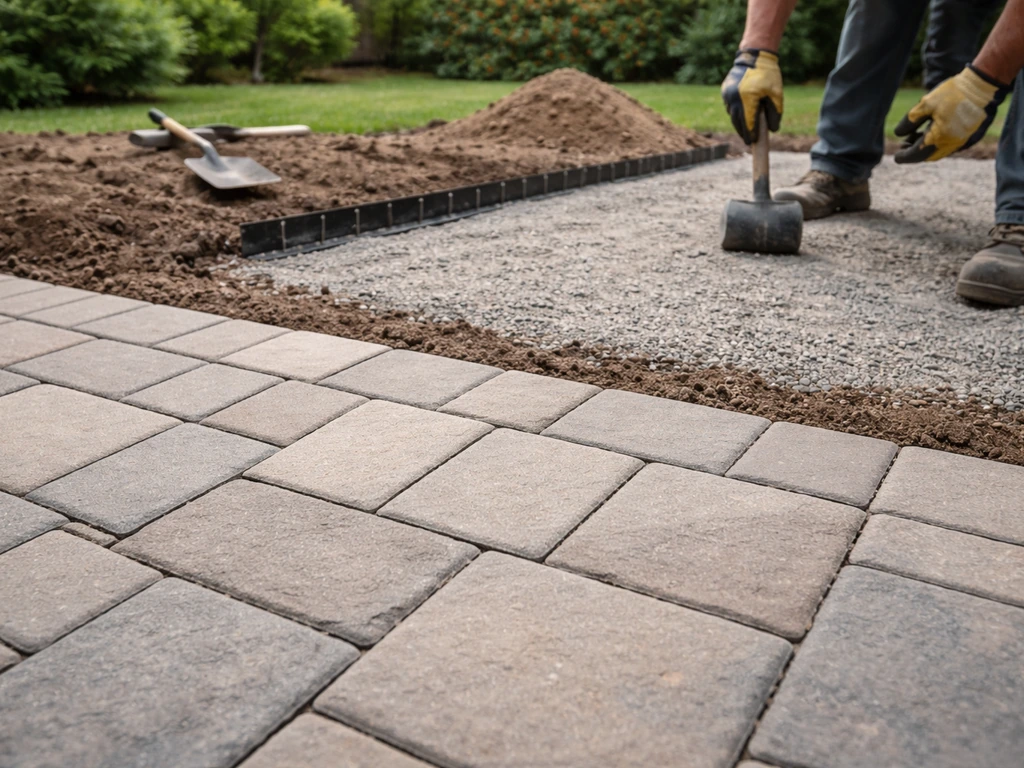
How Much Are Patios? Cost Ranges by Size and Material
Patio cost estimates by size and material with labor, base, add-ons, DIY vs contractor, and quote planning tips.