
Most homeowners pay between $8 and $25 per square foot for a professionally installed paver patio, which works out to roughly $800 to $2,500 for a 100-square-foot (10x10) patio and $3,200 to $10,000 for a 20x20. The wide range exists because pavers themselves vary a lot in price, and the complexity of your site (how much digging, grading, or drainage work is needed) can swing the labor cost dramatically. If you're trying to budget before calling a contractor, plan on $12 to $16 per square foot as a realistic middle-of-the-road target for a straightforward concrete paver patio installed on relatively flat ground.
How Much Does It Cost for a Paver Patio? Complete Guide

Felix Carver
1 May 2026
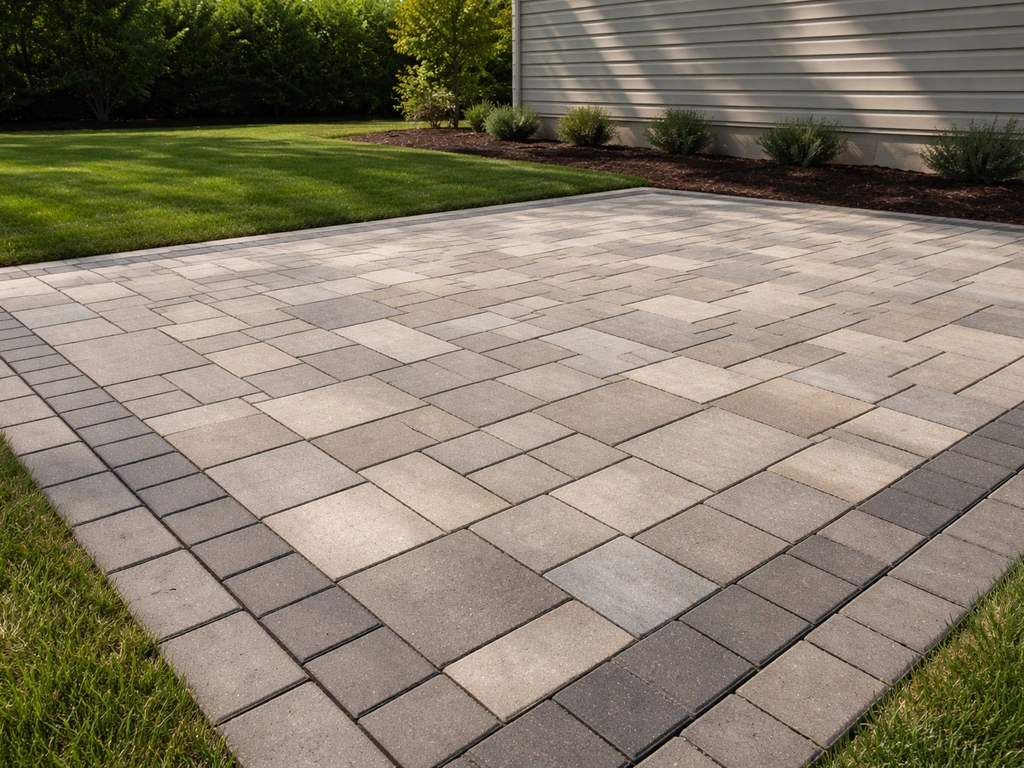
What does a paver patio actually cost? The overall ranges
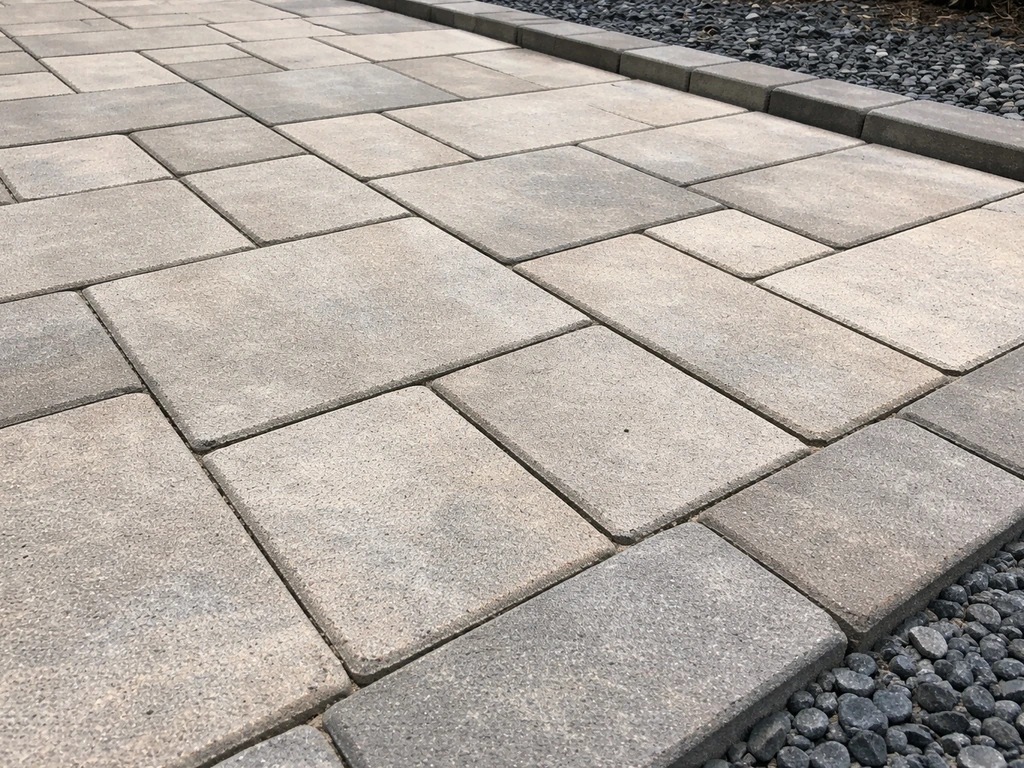
Here's the honest picture for 2026: a basic paver patio using standard concrete pavers runs $8 to $14 per square foot installed. Mid-range projects with nicer pavers, a more interesting pattern, or modest site prep land in the $14 to $20 range. High-end builds using natural stone, complex cut patterns, steps, or drainage work push into $20 to $25 per square foot and sometimes higher. These figures include materials, base prep, and labor. They do not typically include add-ons like a fire pit, built-in seating, or lighting, which add cost on top.
On the material-only side, if you're buying pavers yourself (for a DIY project or to supply to a contractor), expect to pay $3.40 to $6.20 per square foot just for the pavers. Add in base gravel, sand, edging, and delivery and your material total lands closer to $5 to $9 per square foot before anyone picks up a shovel.
Where does the money actually go: cost breakdown by component
Breaking a paver patio quote into its parts helps you spot whether a bid is reasonable or padded. Here's how a typical installed paver patio breaks down:
| Component | Typical Cost Range | Notes |
|---|---|---|
| Paver materials | $3.40–$6.20 per sq ft | Concrete pavers at low end; brick and natural stone higher |
| Base gravel (compacted) | $0.50–$1.50 per sq ft | Usually 4–6 inches of crushed stone |
| Bedding sand | $0.30–$0.75 per sq ft | 1-inch layer under pavers |
| Polymeric sand (joints) | $0.25–$0.50 per sq ft | Locks pavers, resists weeds and ants |
| Edging/border restraints | $1.50–$3.00 per linear ft | Plastic or metal; keeps edge pavers in place |
| Excavation and removal | $1.00–$3.00 per sq ft | Depends on depth needed and soil type |
| Labor (installation) | $6.25–$10.90 per sq ft | Setting, compacting, cutting, finishing |
| Delivery fees | $50–$200 flat | Varies by supplier and distance |
| Permit (if required) | $50–$200 flat | Not always needed; check local rules |
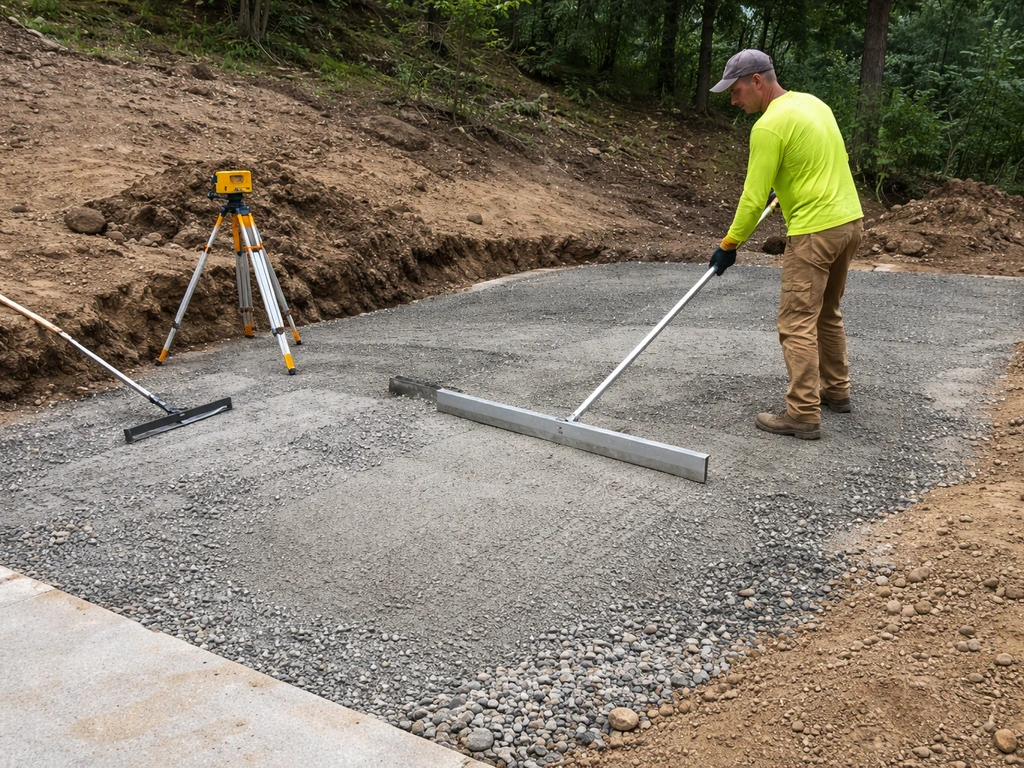
One thing a lot of homeowners miss: the base is not optional padding in a contractor's bid. A proper paver base blank" rel="noopener noreferrer">(4 to 6 inches of compacted crushed stone plus a 1-inch sand layer) is what keeps your patio from heaving, shifting, and becoming a trip hazard in five years. If a quote looks suspiciously cheap, ask specifically how deep the base will be. The Landcare Stone installation guide for paver patios recommends a compacted crushed-stone or gravel base of about 4, 6 inches, plus a 1-inch bedding-sand layer under the pavers blank" rel="noopener noreferrer">how deep the base will be. That's usually where corners get cut.
Per-square-foot pricing mapped to common patio sizes
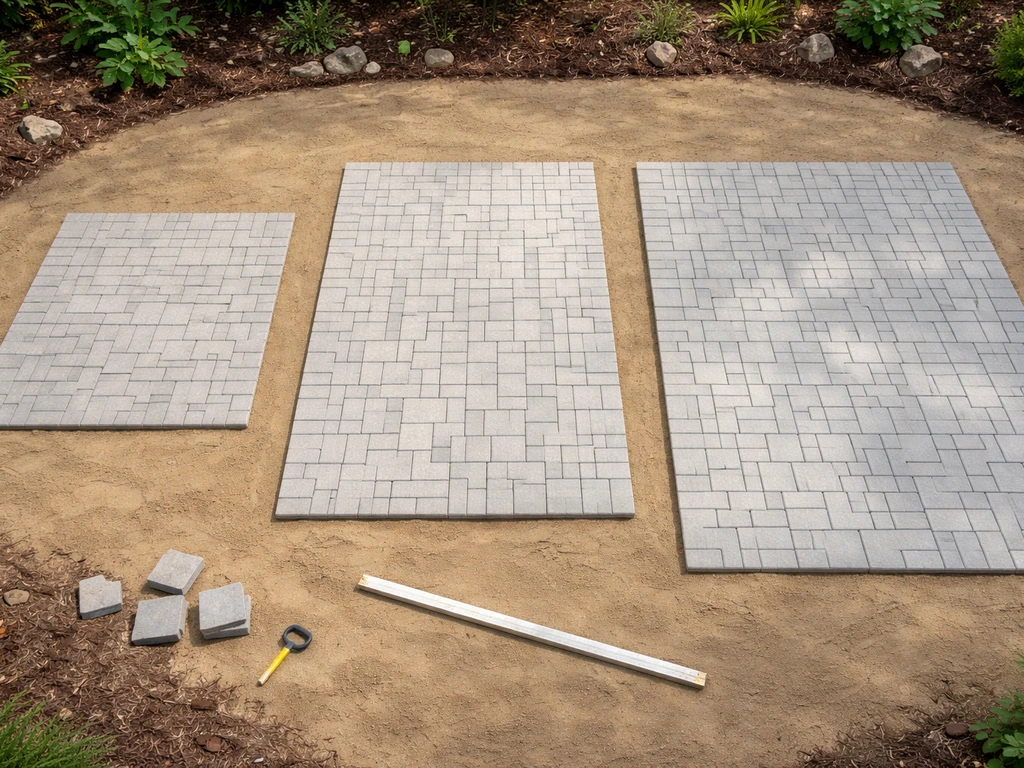
Using the $8 to $25 per square foot installed range, here's what you're looking at for the most common patio sizes. The mid-range column ($14–$18/sq ft) is the most realistic target for a standard concrete paver patio with normal site prep in most U.S. regions.
| Patio Size | Square Footage | Budget ($8–$12/sq ft) | Mid-Range ($14–$18/sq ft) | Premium ($20–$25/sq ft) |
|---|---|---|---|---|
| 10x10 | 100 sq ft | $800–$1,200 | $1,400–$1,800 | $2,000–$2,500 |
| 12x12 | 144 sq ft | $1,150–$1,730 | $2,015–$2,590 | $2,880–$3,600 |
| 12x24 | 288 sq ft | $2,300–$3,460 | $4,030–$5,185 | $5,760–$7,200 |
| 16x16 | 256 sq ft | $2,050–$3,070 | $3,585–$4,610 | $5,120–$6,400 |
| 20x20 | 400 sq ft | $3,200–$4,800 | $5,600–$7,200 | $8,000–$10,000 |
| 20x30 | 600 sq ft | $4,800–$7,200 | $8,400–$10,800 | $12,000–$15,000 |
| 30x30 | 900 sq ft | $7,200–$10,800 | $12,600–$16,200 | $18,000–$22,500 |
Regional pricing matters here. Labor rates in the Northeast and West Coast run 20 to 40 percent higher than national averages, while the Midwest and South tend to come in at or below those averages. If you're in a high-cost metro, use the upper half of each range. Rural areas often land closer to the lower half.
For a deep dive into the per-square-foot math, the cost breakdown by square foot is worth looking at separately. And if you're planning a larger project, the full breakdown for a 1,000-square-foot paver patio gives a good sense of how economies of scale affect pricing at larger sizes.
And if you're wondering how much does a 1000 sq ft paver patio cost, that 1,000-square-foot total breakdown helps you estimate realistic pricing for a project of this size 1,000-square-foot paver patio cost.
DIY vs. hiring a contractor: what actually changes
Going DIY cuts out the $6 to $11 per square foot labor charge, which is real money. On a 300-square-foot patio, that's $1,800 to $3,300 in savings on paper. But DIY paver installation is genuinely demanding work, and there are a few hidden costs that shrink that savings gap:
- Equipment rental: a plate compactor runs $75 to $150 per day, and you'll need it for both the base gravel and the final paver set. A saw for cutting pavers adds another $50 to $100 per day.
- Material overages: contractors buy close to exact; DIYers typically need 10 to 15 percent extra to account for cuts and breakage.
- Delivery and disposal: you'll pay the same delivery fees a contractor would, plus you're responsible for hauling away excavated soil (figure $150 to $400 depending on volume).
- Time: a 200-square-foot patio typically takes an experienced two-person crew one to two days. As a first-timer, plan on a full weekend or more.
- Mistakes cost money: an unlevel base or improperly compacted subgrade means pavers shift and sink. Fixing it means pulling everything up and starting over.
The honest recommendation: DIY makes sense if you're comfortable with physical labor, willing to rent equipment, and working on a flat site with easy access and no drainage complications. If your yard slopes, has poor drainage, or you want a complex pattern with cuts, hiring a contractor is almost always worth it. A botched DIY paver job costs more to fix than it would have cost to hire someone in the first place.
| Factor | DIY | Professional Install |
|---|---|---|
| Labor cost | $0 (your time) | $6.25–$10.90 per sq ft |
| Material cost | $5–$9 per sq ft | $5–$9 per sq ft (same) |
| Equipment | $200–$400 in rentals | Included in labor rate |
| Total estimated cost | $5–$10 per sq ft | $8–$25 per sq ft |
| Time investment | 1–3 weekends | 1–3 days |
| Risk of rework | Moderate to high | Low (warranty often included) |
| Best for | Simple, flat sites, budget-focused | Complex sites, large areas, quality finish |
What drives cost up (and what keeps it down)
Design complexity is probably the single biggest lever on price beyond material choice. A simple rectangular patio in a running bond pattern is quick to lay and generates minimal waste from cuts. A circular patio, herringbone, or fan pattern requires more cuts, more time, and more paver waste. Complex layouts can add $2 to $5 per square foot to your labor cost compared to a basic grid.
Factors that push your quote higher
- Sloped or uneven ground: grading and leveling add $1 to $3 per square foot and sometimes more on steep slopes
- Poor drainage or clay soil: may require a deeper base, drainage channels, or French drains (add $500 to $2,000+)
- Limited site access: if equipment can't get close, labor time goes up significantly
- Steps or raised sections: cut stone steps typically run $100 to $300 per step installed
- Deep excavation: removing existing concrete, tree roots, or thick sod adds excavation time
- Intricate patterns (herringbone, fan, circular): more cuts, more time, more waste
- Thicker pavers: 2.375-inch pavers are standard; 3-inch or tumbled varieties cost more per unit
- Remote location or long haul for materials: delivery surcharges apply
Factors that keep costs reasonable
- Flat, well-draining site with easy equipment access
- Simple rectangular shape with a running bond or stacked pattern
- Standard concrete pavers (not premium brick or natural stone)
- Scheduling in late fall or winter in seasonal climates (contractors may discount)
- Combining your patio project with a neighbor's to get a bulk labor rate
Stone pavers vs. concrete pavers vs. brick: how material choice changes the price
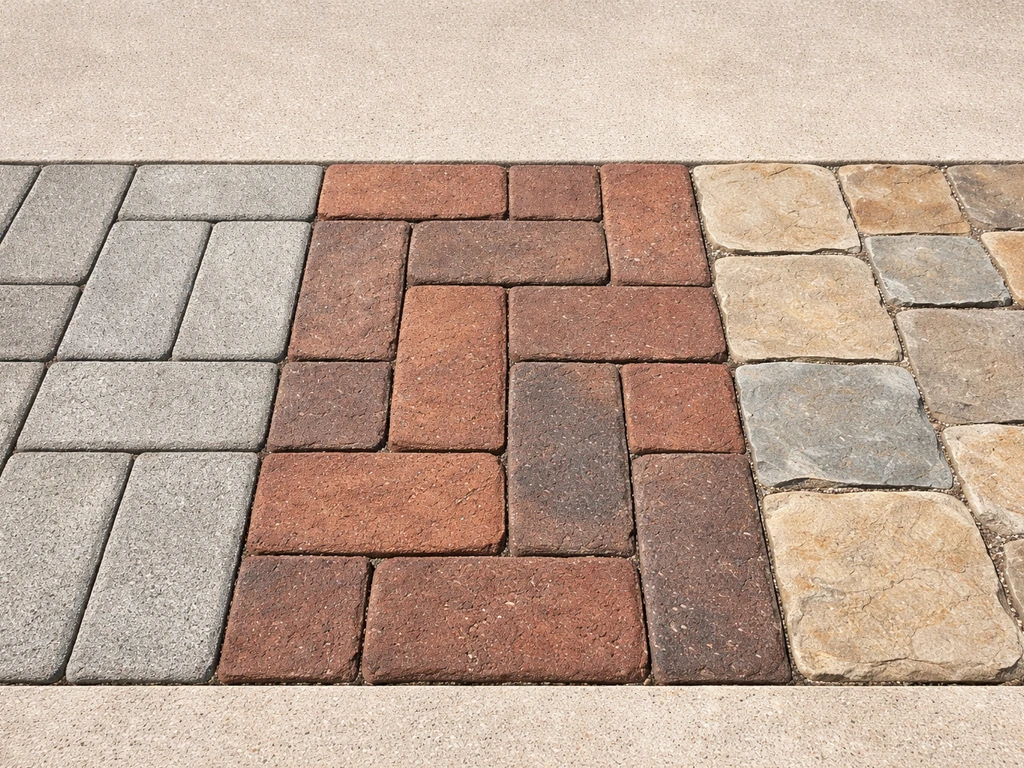
When people search for a 'stone paver patio' or 'paver stone patio,' they might mean two different things: manufactured concrete pavers that look like stone, or actual natural stone pavers like bluestone, travertine, or flagstone. The price difference between these is significant and worth understanding before you call anyone.
| Paver Type | Material Cost (per sq ft) | Installed Cost (per sq ft) | Notes |
|---|---|---|---|
| Concrete pavers | $3–$6 | $8–$16 | Most common, durable, wide color/style range |
| Brick pavers | $4–$8 | $10–$20 | Classic look, more expensive than concrete |
| Travertine | $6–$15 | $15–$30 | Elegant, slippery when wet, needs sealing |
| Bluestone | $8–$18 | $18–$35 | Very popular in Northeast; heavy, premium look |
| Flagstone (irregular) | $5–$15 | $15–$30 | Irregular cuts = more labor; natural appearance |
| Porcelain pavers | $6–$20 | $15–$35 | Low maintenance, sleek; needs precise base |
| Tumbled/cobblestone | $5–$10 | $12–$22 | Old-world look, uneven surface |
Concrete pavers are the practical choice for most budgets. They're durable, freeze-thaw resistant when properly installed, and come in dozens of colors and styles. If you want the look of natural stone without the price, many manufacturers now make concrete pavers that are nearly indistinguishable from bluestone or travertine at a fraction of the cost. Natural stone looks better up close and tends to hold its value aesthetically, but the material cost alone can be double or triple a comparable concrete paver. Brick sits in the middle: classic look, slightly more expensive than concrete, but generally easier to source and repair than natural stone.
It's also worth noting that pavers and concrete slabs are a common comparison point for homeowners. Poured concrete typically runs $6 to $12 per square foot installed, which is cheaper than a mid-range paver patio. But pavers are easier to repair (you replace individual units rather than patch-filling cracked slabs), they handle freeze-thaw cycles better, and they generally look more finished. That's why pavers tend to hold value better and are considered the upgrade option over plain poured concrete.
How to get an accurate quote and not get surprised later
Getting three quotes is the standard advice, and it's right. But knowing what to ask makes those quotes actually comparable. Contractors bid differently: some include base material, some don't. Some quote polymeric sand, some use plain sand. If you don't ask, you won't know what you're comparing.
Questions to ask every contractor
- What is the total base depth, and what material are you using? (Should be 4–6 inches of compacted crushed stone.)
- Is excavation and soil removal included in this price?
- What type and brand of paver are you pricing? Can I see samples or a product sheet?
- Does this include polymeric sand for the joints, or plain sand?
- What edging system are you using, and is it included?
- Are there any drainage concerns with my site, and how are you addressing them?
- What's your warranty on the installation workmanship?
- Is delivery included, and is there a charge if we need a second delivery?
- Do I need a permit for this project, and if so, who pulls it?
How to read and compare bids
Line-item bids are far easier to compare than lump-sum quotes. Ask every contractor to break out materials, labor, base prep, and any site work separately. If one quote is significantly lower than the others, look at the base depth and paver spec first. That's almost always where the difference lives. A contractor who bids a 3-inch base is not giving you the same job as one bidding a 6-inch base, even if the surface looks identical on paper.
Build in a 10 to 15 percent contingency on top of your highest quote. Once excavation starts, surprises happen: buried concrete, unexpected drainage issues, roots, or a utility line that shifts the layout. Having buffer money means you don't have to make rushed decisions mid-project. On a $6,000 patio, that's $600 to $900 held in reserve, which is usually more than enough.
Finally, be careful about timing. Spring is peak season for patio contractors, and availability gets tight. If you're planning a patio for summer use, start getting quotes in February or March. If you're flexible, late fall quotes often come in 10 to 20 percent lower as contractors look to fill their schedules before winter. Getting the patio installed in October is almost always better than paying a spring premium for a July installation.
If you're adding features like a fire pit to your paver patio, budget separately for that addition since it can add several thousand dollars to the total project cost. And if you're still comparing materials or considering a full paving project beyond just the patio area, looking at broader patio paving costs can help you put the paver-specific numbers in perspective.
FAQ
What’s the cheapest way to get a paver patio without cutting too much quality?
Choose standard concrete pavers with a simple rectangular layout, and insist on the base depth (typically 4 to 6 inches of compacted crushed stone). Keep pattern complexity and custom cuts low, and ask for the bid to include edging and proper sand setting so you are not paying for “extras” later.
Do paver patio prices assume the old patio or landscaping is removed?
Usually not. Quote comparisons should clarify demo and haul-away (existing slab, gravel, sod, or roots) and whether soil disposal or regrading is included. If not stated, you can end up paying separately for demolition, load-out, and trucking.
How much does edging and border work change the overall cost?
Edging is often a meaningful add-on because it requires extra materials and careful installation. If your design includes steps, borders, or retaining features, ask whether the contractor is pricing the extra framing and whether edging height and type match your drainage and slope needs.
What’s a realistic price difference if I want a patio that drains better (not just “level”)?
Improved drainage can increase prep work, especially if the contractor needs to regrade toward a drain, add underlayment or drainage pipe, or correct low spots. Ask whether the base spec and slope plan are included, since drainage-related site work can be where bids diverge even when paver type looks similar.
How do I tell if a quote is using the wrong sand or base spec?
Ask for the exact base thickness and material (crushed stone type) and confirm the sand layer depth and whether polymeric sand is proposed. “Sand” can mean different products, and the wrong layer thickness or sand type can lead to shifting or weed issues, which costs more to fix.
What should I ask about paver thickness and load rating?
Request paver thickness and intended use rating, especially if the patio will see heavy loads (grills, planters, or frequent vehicle access). Thicker pavers or reinforced systems may cost more but can reduce long-term movement and cracking around high-load areas.
Are permits and inspections included in paver patio pricing?
Often they are not included in general material and labor pricing. Ask whether your contractor handles permits for excavation, drainage modifications, or utility locate coordination, and confirm who covers any inspection fees if required in your municipality.
Why do circular or herringbone patios cost more even at the same square footage?
More cuts increase labor hours and paver waste, and cutting accuracy matters to keep pattern lines consistent. Ask for an allowance for extra pavers and whether the contractor will minimize waste with a cutting layout plan, since waste assumptions vary.
Does “per square foot” pricing change if my patio has steps or multiple levels?
Yes. Steps, raised borders, and level transitions require additional base work, additional paver units, and often more complex reinforcement and layout time. Ask whether steps are priced as part of the base prep and whether the contractor includes tread depth and riser consistency in their scope.
How much should I budget for lighting, wiring, or outlets on a paver patio?
Lighting adds cost beyond the patio area, and electrical work may require an electrician plus conduit, trenching, and patching around pavers. Ask for whether wiring is routed under the patio or along edges, and whether the bid includes conduit depth and weatherproof fixtures.
Will adding a fire pit change the base requirements?
Typically yes. A fire pit area can require additional base support and heat-resistant detailing, especially around venting or fuel storage. Confirm the contractor’s plan for reinforcement, clearance, and whether the fire pit is treated as a heavier point load.
What hidden costs should I watch for with DIY projects?
Common overruns include equipment rental (plate compactor, saw for cuts), extra pavers for failed layouts, disposal of excavated soil, and mistakes in base compaction. Also budget for accurate leveling tools, straightedges, and replacement edging pieces if alignment shifts during setting.
Is it worth spending more for natural stone pavers over concrete?
If you want the look closest to bluestone, travertine, or flagstone, natural stone can be worth the premium. But if budget and long-term flexibility matter, concrete pavers that mimic natural stone can provide a similar appearance at lower cost. Ask whether natural stone requires different installation details or sealing in your climate.
Do pavers hold up better than concrete slabs in freeze-thaw climates?
Often yes, when installed correctly with the right base and proper jointing. Pavers can be repaired by replacing individual units instead of patching a whole slab, but installation quality (compaction, drainage, and joint sand) still determines long-term performance.
How much contingency should I add if the first quote is already “high”?
Use contingency based on the highest complete estimate, not the lowest. Even premium bids can face unknowns once excavation starts, so budgeting 10 to 15 percent on the top quote helps cover drainage surprises, buried obstructions, or adjustments to utilities.
When is the best time to schedule installation to avoid paying more?
Peak season usually drives higher labor pricing and longer lead times. If you can be flexible, ask about late fall scheduling discounts, and get quotes early in the year so you can choose among installers instead of accepting whichever crew has the next opening.
Next Articles
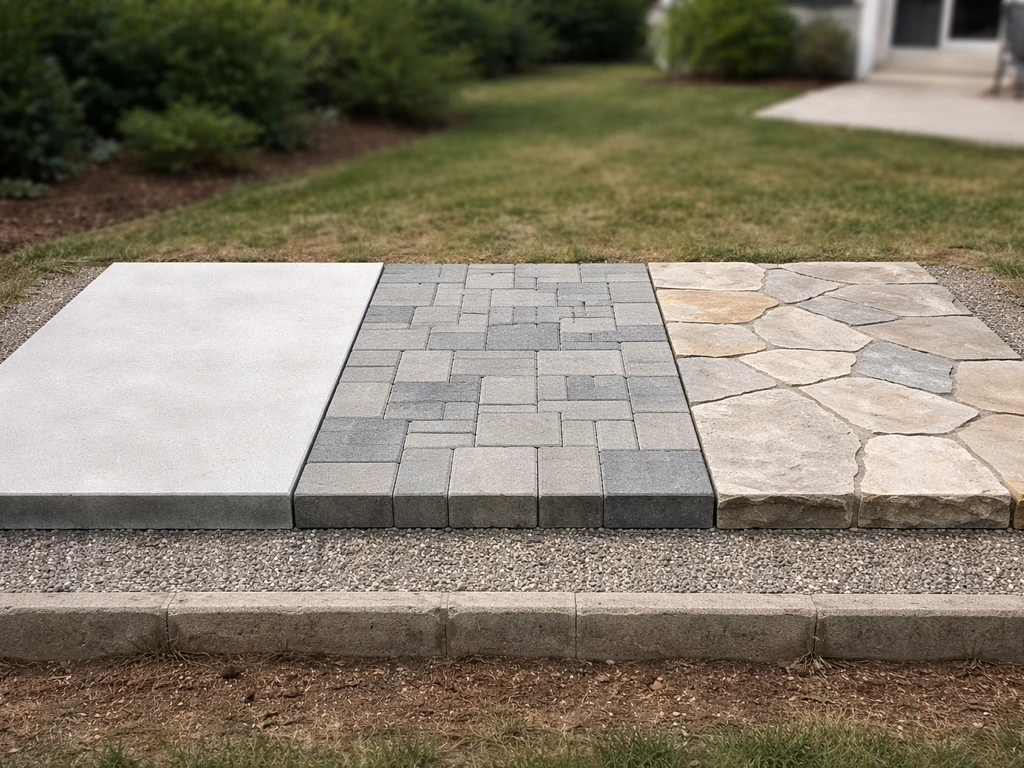
How Much Should I Expect to Pay for a Patio
Patio cost guide with real price ranges by size and material, full line-item budget, DIY vs install, and quote checklist
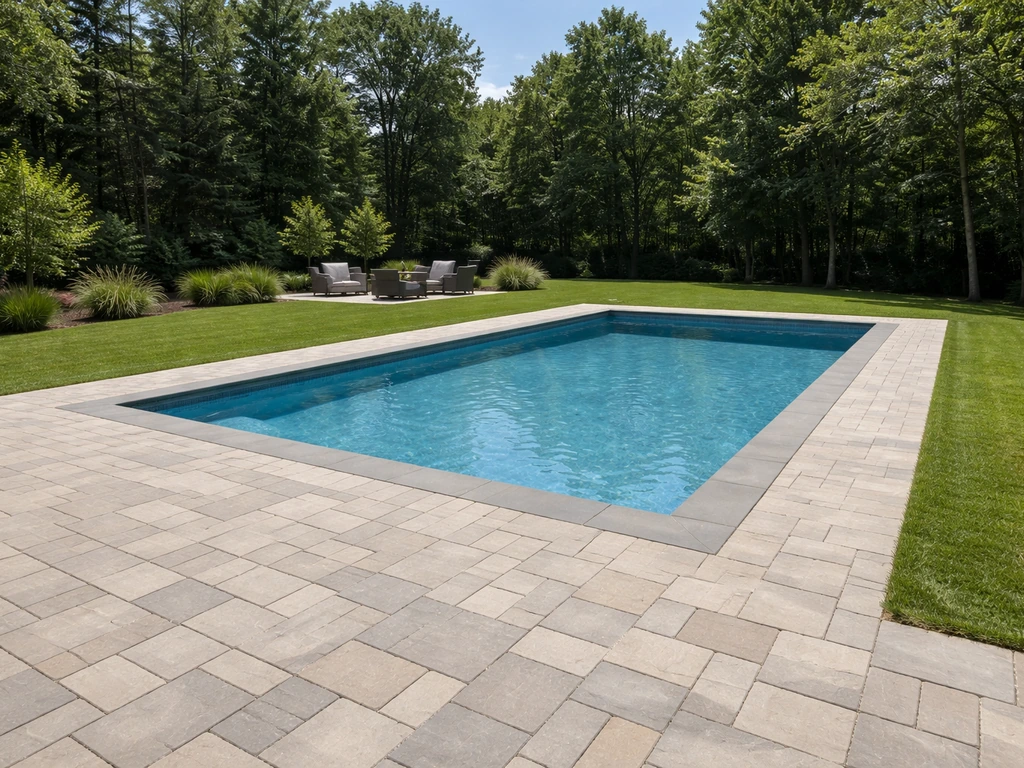
How Much Patio Around Pool: Cost, Size, and Budget Guide
Learn how much patio around a pool costs and how to size square feet, materials, extras, and get real bid line items.
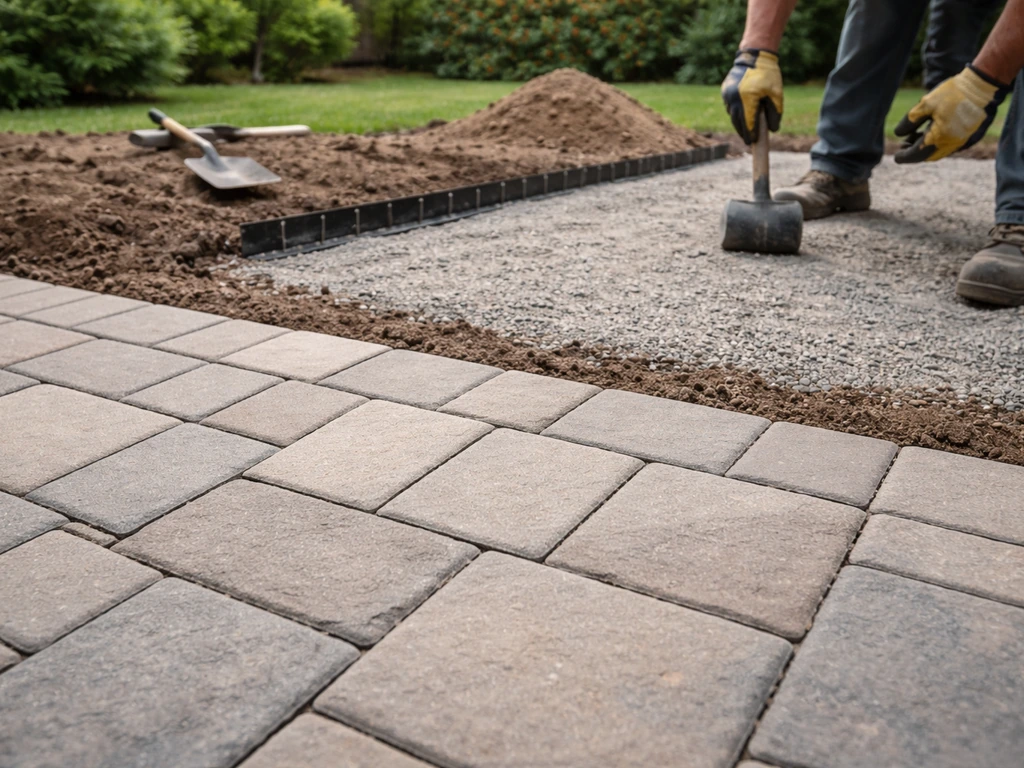
How Much Are Patios? Cost Ranges by Size and Material
Patio cost estimates by size and material with labor, base, add-ons, DIY vs contractor, and quote planning tips.