
Most homeowners spend between $1,500 and $10,000 to build a back patio, with the typical range landing around $2,500 to $6,500 for a mid-size slab in concrete or pavers. At the low end, a basic 10x10 poured concrete pad runs about $400 to $1,200. At the high end, a 20x20 stamped concrete or natural stone patio with proper grading can push past $12,000 to $15,000 installed. Where you land depends almost entirely on three things: size, material, and your local labor market.
How Much Does It Cost to Build a Back Patio in 2026

Felix Carver
3 May 2026
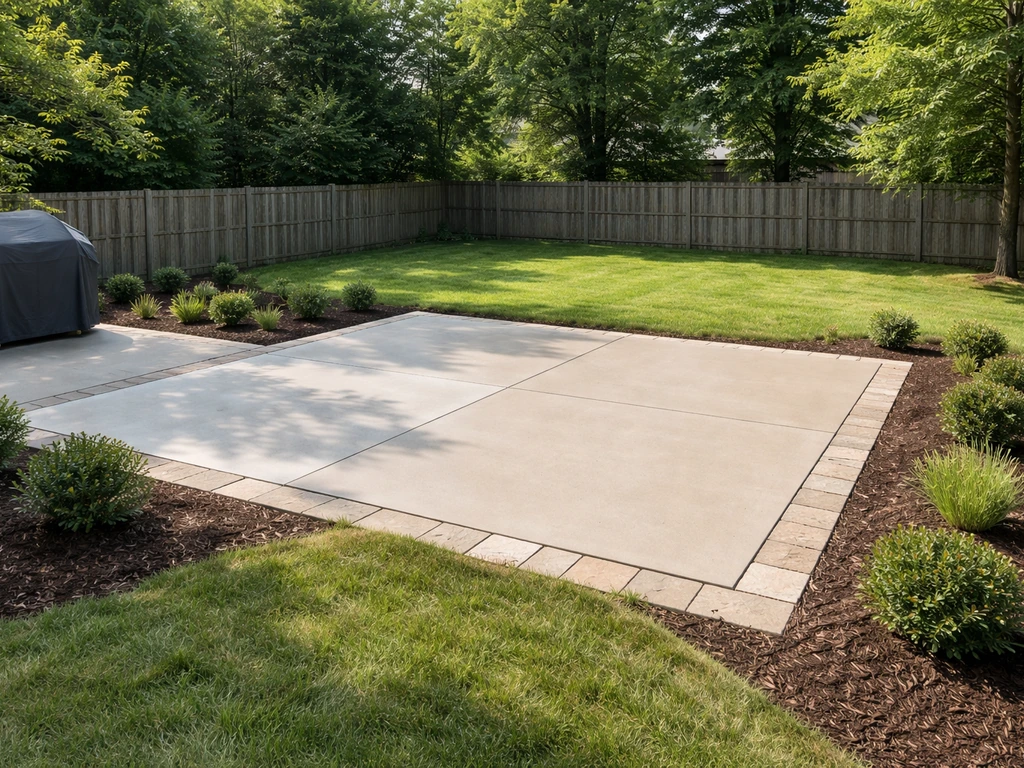
Typical back patio cost by size
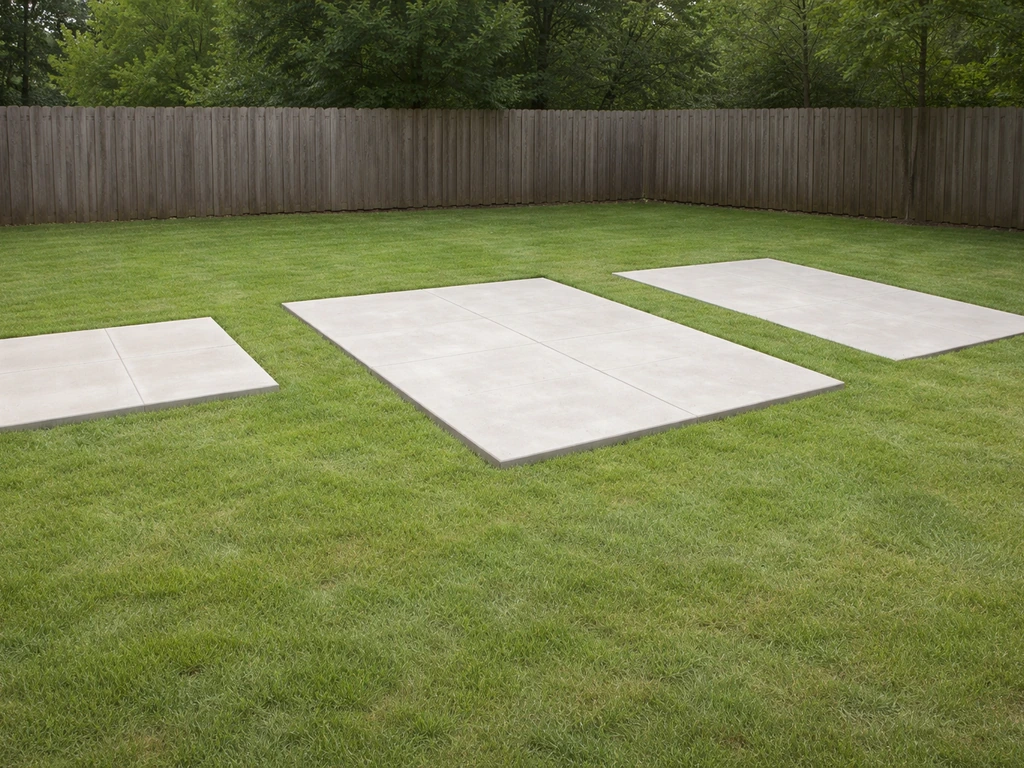
Size is the fastest way to ballpark your budget. Here are realistic installed ranges for the most common backyard patio sizes in 2026, using basic concrete as the baseline and pavers as the mid-range reference. These numbers include labor, base prep, and materials but not extras like lighting, a pergola, or a fire pit.
| Patio Size | Square Feet | Basic Concrete | Pavers (Installed) | Stamped Concrete |
|---|---|---|---|---|
| 10x10 | 100 sq ft | $400–$1,200 | $970–$1,710 | $1,200–$2,500 |
| 12x12 | 144 sq ft | $575–$1,730 | $1,400–$2,460 | $1,730–$3,600 |
| 16x16 | 256 sq ft | $1,025–$3,075 | $2,490–$4,375 | $3,075–$6,400 |
| 20x20 | 400 sq ft | $1,600–$4,800 | $3,900–$6,840 | $4,800–$10,000 |
| 12x24 | 288 sq ft | $1,150–$3,460 | $2,800–$4,925 | $3,460–$7,200 |
These are starting-point ranges, not final quotes. A sloped yard, clay soil, or tight access will push costs toward the top end or beyond. If you're planning a smaller project, the cost dynamics shift a bit, a dedicated look at small patio pricing covers those nuances in more detail. If you’re trying to estimate how much to build a small patio, focus on square footage first, then adjust for materials and base prep small patio pricing.
What you're actually paying for: the full cost breakdown
Patio pricing isn't just slabs and labor. Contractors bundle a lot of line items into a quote, and knowing what those are helps you spot gaps or inflated costs when bids come in.
Materials
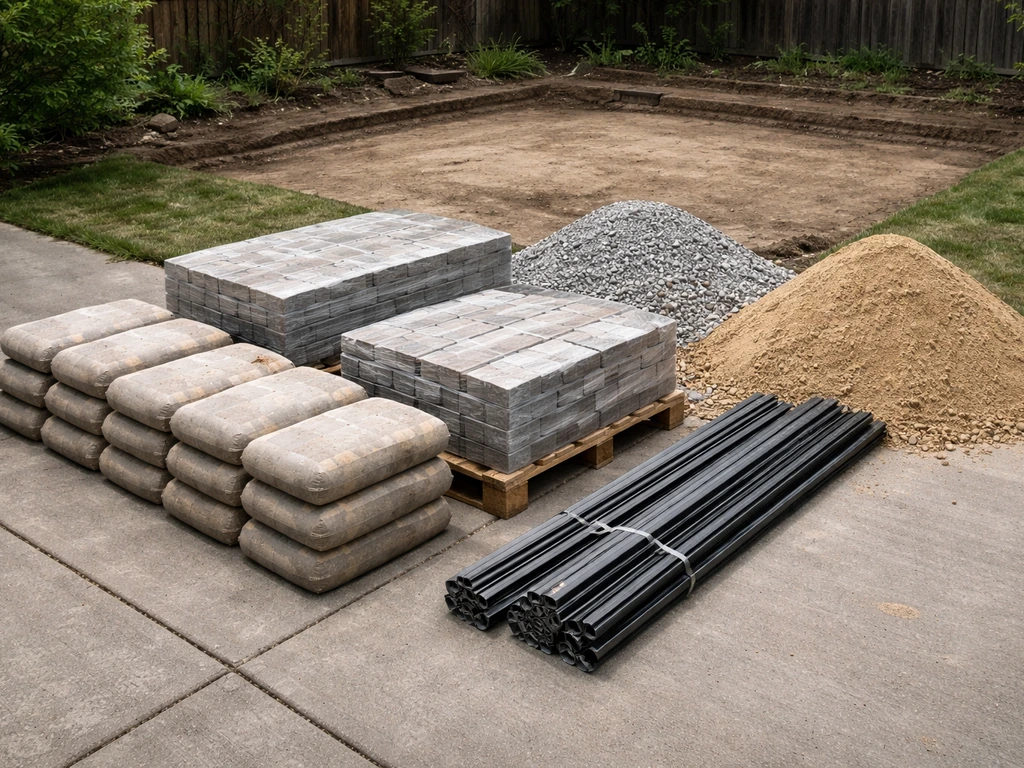
This is the concrete, pavers, flagstone, brick, or whatever surface you choose. For basic poured concrete, material alone runs roughly $2 to $5 per square foot. Pavers or brick can run $3.40 to $6.20 per square foot just for the materials, before any installation. Natural stone and flagstone sit at the higher end of this range and often higher depending on the stone type and your region.
Base preparation and grading
This is the part people underestimate the most. A proper patio base includes excavation, compacted gravel (usually 4 to 6 inches), and in some cases a sand setting bed. Skipping or rushing this step is the number one reason patios crack, sink, or heave within a few years. Site prep and grading can cost anywhere from a few cents to $2.00 per square foot depending on how much work is needed. If your yard is significantly sloped or has clay soil that needs to be cut out and hauled away, expect real money here.
Labor
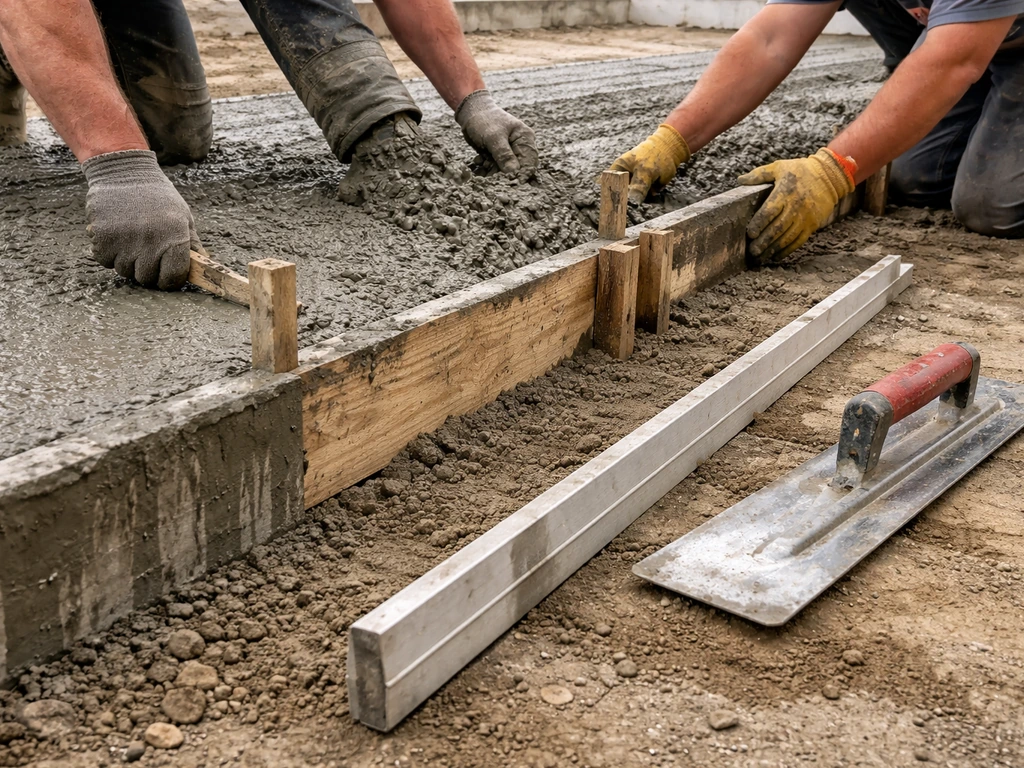
Labor costs vary widely by material type. For concrete, labor can account for 50% to 60% of the total project cost when you factor in forming, pouring, finishing, and curing. For pavers, installation labor typically runs $6.25 to $10.90 per square foot separately from materials. Stamped or decorative work adds time, which adds cost.
Extras that add up fast
- Drainage solutions (French drain or channel drain): $500 to $2,000+ depending on scope
- Demolition and removal of an existing patio: $500 to $2,500 depending on size and material
- Edging and border installation: $3 to $10 per linear foot
- Permits: $50 to $300 in most areas, sometimes more for larger structures
- Sealing (concrete or pavers): $1 to $3 per square foot and worth doing
- Steps or transitions to the yard or door: $300 to $1,500 depending on design
One practical note: if you're replacing an old patio, the demo and disposal cost alone can nearly rival what the original installation ran. Plan for it in your budget from the start.
Material-by-material price comparison
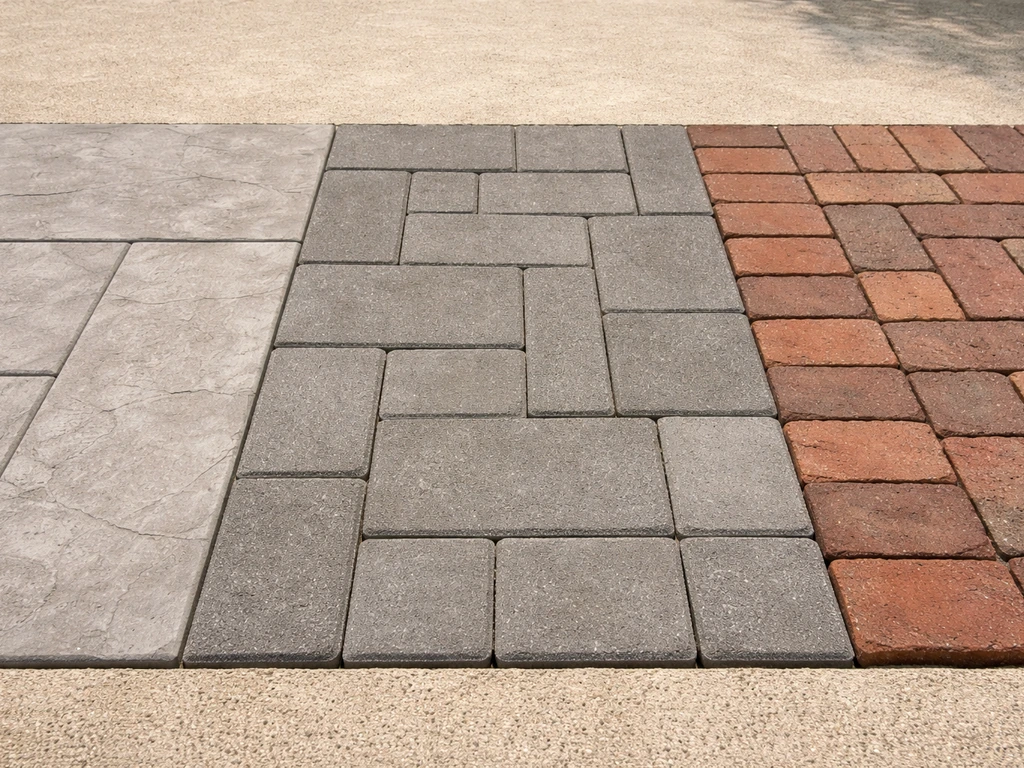
The material you pick is the single biggest lever on cost. Here's how the main options stack up in 2026 on a per-square-foot installed basis, which is the most useful way to compare them.
| Material | Installed Cost (per sq ft) | Durability | Maintenance | Best For |
|---|---|---|---|---|
| Basic concrete | $4–$12 | High (if properly installed) | Low | Budget builds, large areas |
| Stamped concrete | $12–$25 | High | Medium (needs sealing) | Decorative look on a tighter budget than stone |
| Concrete pavers | $10–$20 | Very high | Low–Medium | Clean look, easy repairs |
| Brick | $14–$25 | Very high | Low | Classic aesthetic, longevity |
| Natural stone | $15–$30+ | Extremely high | Low–Medium | Premium look, long-term investment |
| Flagstone | $15–$35+ | Extremely high | Medium | Irregular, naturalistic designs |
Basic concrete
At $4 to $12 per square foot installed, poured concrete is the most affordable option for large patios. It's durable when done right, but the finish is plain unless you add color, exposed aggregate, or texture. Forbes Home puts professionally installed concrete closer to $12 to $19 per square foot on the higher end of the market. The gap in those ranges comes down to thickness, finish, and regional labor rates.
Stamped concrete
Stamped concrete mimics pavers, slate, or stone at a lower material cost, but the labor to do it well is significant. Expect $12 to $25 per square foot installed. The main downside is that if stamped concrete cracks (and eventually most does), repair is noticeable. It also needs resealing every 2 to 5 years to stay looking good.
Concrete pavers
Pavers run $10 to $20 per square foot installed and are one of the most popular choices for backyards. They're modular, so individual damaged pavers can be pulled and replaced without patching. The base prep matters a lot here, a poorly compacted sand bed leads to uneven surfaces over time.
Brick
Brick patios run $14 to $25 per square foot installed and are extremely durable. They have a classic look that works well on traditional homes. Like pavers, individual bricks can be replaced if damaged. The material cost is higher than concrete, but the longevity is hard to beat.
Natural stone and flagstone
Natural stone and flagstone are the premium end of the market at $15 to $35 or more per square foot installed. Flagstone in particular varies wildly by stone type (bluestone, limestone, travertine) and availability in your region. The look is unmatched and these surfaces last essentially forever with minimal care, but the upfront cost is real. If you're comparing this to a wood patio or deck, natural stone often wins on long-term maintenance costs even if the install price is higher. If you're deciding between materials, it's also helpful to compare how much does it cost to build a wood patio versus stone and other premium surfaces wood patio cost.
DIY vs. hiring a pro: where you save and where you don't
DIY is genuinely viable for some patio types, but not all. Here's an honest breakdown of where doing it yourself makes sense and where it can cost you more in the long run.
Where DIY works well
- Paver or brick patios on flat ground: the base prep takes work, but the installation is learnable and forgiving compared to concrete
- Flagstone on sand: laying flagstone yourself is physically demanding but doesn't require special equipment or concrete skills
- Small patios (10x10 to 12x12): scope is manageable for a weekend project if you're comfortable with the prep work
Where you should hire a pro
- Poured concrete: mixing, forming, pouring, and finishing concrete to a proper slope is genuinely skilled work — a bad pour can crack within a season
- Stamped concrete: requires specialized tools and timing; mistakes are permanent
- Any project with significant grading or drainage needs: getting slope wrong causes water to drain toward your foundation, which is an expensive problem
- Larger patios (20x20 and up): the logistics of materials, forming, and pouring at scale aren't practical for most DIYers
On a 200-square-foot paver patio, a skilled DIYer can save $1,200 to $2,000 in labor, since paver installation runs $6.25 to $10.90 per square foot. But factor in tool rental (plate compactor, wet saw), material delivery, and the time investment before deciding. A poorly laid paver patio that settles unevenly costs real money to fix.
Why your location and site conditions change everything
The same 16x16 concrete patio can cost $2,500 in a rural Midwest market and $6,500 or more in coastal California or the Northeast. Labor rates are the primary driver of that gap, but site conditions play a big role too.
Regional labor rates
Contractor labor for concrete and masonry work varies significantly by region. Markets like San Francisco, New York, Boston, and Seattle run 30% to 50% above the national average. The South and Midwest generally offer lower rates. Getting multiple local quotes is the only reliable way to know where your market sits.
Yard slope and grading
A flat yard costs the least to work with. Even a moderate slope means more excavation, more material to haul away, and more time spent establishing a level base. Steep yards can require a raised patio design, which adds forming and structural cost. A raised patio often costs more than a standard ground-level slab because it needs extra structure, forming, and careful base work. If your yard has a significant grade change, check out what raised patio builds typically cost, it's a different project than a ground-level slab.
Drainage
Proper slope away from the house foundation is the most critical technical element of any patio installation. The standard is a 1/8 to 1/4 inch drop per foot. If your yard doesn't naturally allow for this, or if you have clay soil that holds water, drainage solutions add real cost. A simple surface slope adjustment is cheap. A French drain or channel drain system runs $500 to $2,000 or more.
Access and obstacles
A backyard that a concrete truck can't reach requires wheelbarrow pouring, which adds labor hours. Fences, utility lines, tree roots, and existing structures all affect how quickly a crew can work. Always mention access constraints when getting quotes, it affects the bid significantly and a contractor who doesn't ask about it may be underestimating the job.
How to compare quotes and avoid budget surprises
Getting three quotes is the standard advice, and it's correct. But knowing how to read and compare those quotes matters just as much. Here's a practical checklist to use before you sign anything.
Before you call anyone
- Measure your intended patio area in square feet and write it down
- Note whether your yard is flat, sloped, or has any drainage issues you've observed
- Decide on your top two or three material preferences so you can ask for apples-to-apples bids
- Check local permit requirements — some cities require permits for patios over a certain size or close to property lines
- Know your access situation: can a truck reach the backyard, or does everything have to come through a gate?
Questions to ask every contractor
- What thickness of concrete or base material are you specifying, and why?
- How much gravel base are you including, and what's the compaction method?
- What slope are you building in for drainage, and how does it work with my yard?
- Does this quote include demolition and disposal of anything existing?
- What's included in cleanup and final grade around the patio?
- Is sealing included, or is that a separate line item?
- What's your warranty on workmanship?
Red flags in a quote
- No mention of base preparation depth or gravel spec — this is a sign corners may get cut
- A quote that's 40% or more below the other two bids — usually means something is being left out
- No line item for drainage or slope — either they're not thinking about it, or they expect you to deal with it later
- Payment demanded in full upfront — standard practice is a deposit (usually 10% to 30%) with balance on completion
- No written contract or scope of work — verbal agreements don't protect you if something goes wrong
Your pre-project budgeting checklist
- Calculate your target size in square feet and multiply by the per-sq-ft range for your preferred material to get a rough budget floor
- Add 10% to 15% as a contingency for site surprises (soil issues, drainage work, access challenges)
- Budget separately for any demolition if you're removing an existing patio or structure
- Factor in sealing if choosing concrete or pavers — don't skip it
- Get at least three written quotes with itemized scopes before committing
- Confirm permit requirements with your local building department before signing a contract
- Ask each contractor for references from patio projects completed in the last 12 months and actually call them
The readers who walk away happiest from a patio project are the ones who did the math before they got emotionally attached to a design. Start with your square footage, pick a realistic material tier, get three real quotes with written scopes, and build in a cushion. Deck permit costs can vary widely, but typical residential deck permits often run about $100, $300, with possible extra zone or surcharge charges depending on location $100–$300. That process turns a stressful project into a predictable one. For most homeowners, an outdoor patio budget comes down to size, materials, base prep, and labor rates in your area how much to build an outdoor patio.
FAQ
How much does it cost to build a back patio if I include basic preparation and disposal?
If you are replacing an existing slab, demo and haul-off can be a major line item (sometimes close to the original install cost for the old section). A good way to avoid surprises is to ask each contractor to break out excavation, base material, forms, and disposal separately, so you can compare bids apples to apples.
What is the cheapest patio size to build, and what minimum cost should I expect?
Even small patios rarely price as “low per square foot” at the project level because mobilization, layout, and minimum base thickness still apply. If you are under about 80 to 100 square feet, expect the minimum-quote effect and ask whether the contractor charges a flat mobilization or minimum labor hours.
How much does a patio typically cost per square foot after you factor in bad soil or extra hauling?
The per-square-foot installed ranges assume normal site conditions. With clay soils, utility near-misses, or significant cut and haul, site prep can drive costs toward the top end or beyond, especially if you need to remove and replace unsuitable material rather than just compacting it.
Do I need a permit for a back patio, and does it change the cost?
Permits vary by city and by whether you are changing drainage, building close to property lines, or adding a structure like a pergola or fire feature. If a permit is required, it adds fees and timeline, so ask your contractor if they handle permitting or provide documentation you can submit.
How do I compare contractor bids if each quote lists different allowances?
Look for a written scope that states what’s included for base depth, compaction method, drainage plan (if needed), thickness of slab or pavers, and joint sand details. Quotes that use vague wording like “standard base” or leave out hauling and disposal are harder to compare and are a common reason costs rise later.
What extra costs should I plan for besides the patio surface?
Common add-ons include edging, geotextile or fabric (when specified), expansion joints, sealers for stamped concrete, and any drainage components. Lighting, a pergola, a built-in grill, or a fire pit can push the total meaningfully, so request separate pricing for each feature rather than bundling them into one number.
Is DIY really cheaper for pavers, and what’s the hidden cost people miss?
DIY can reduce labor, but the biggest hidden costs are tool needs and time, especially compaction and layout. If the patio ends up uneven, rework can cost more than hiring a pro, so consider paying for base prep and hire-out if your yard is sloped or access is tight.
What happens if I do not follow the patio slope requirements?
If the surface does not shed water properly (the usual guideline is about a 1/8 to 1/4 inch drop per foot), you can get pooling, accelerated base saturation, and movement that leads to cracking or heaving. Fixing drainage after installation is often much more expensive than building the correct slope during base prep.
Can I install pavers or stamped concrete over an existing patio slab?
In many cases you cannot just “overlay” without assessing the slab condition and base stability. Contractors may need removal, leveling, or a new drainage and base system, especially if the existing surface is uneven, cracked, or not properly sloped.
How does patio design affect cost besides square footage?
Complex shapes increase layout time, edge cutting, and waste, which raises effective cost even if square footage is the same. Corners, curves, steps, and multiple elevations usually add framing and additional base work, so ask for a price difference between a simple rectangle and your exact footprint.
How much should I budget for repairs or maintenance by material type?
Maintenance differs a lot: stamped concrete often needs periodic resealing, while pavers and brick generally allow individual replacement if one area fails. Natural stone can last a long time with minimal care, but you may still need occasional cleaning, joint refresh, or sealing depending on the stone and finish.
What should I ask about access, and how does it change the quote?
Ask whether the contractor will need wheelbarrows, cutting through fences, using temporary paths, or working around trees and utilities. Limited access can increase labor hours and delay the schedule, so it can meaningfully affect both total cost and timelines.
Next Articles
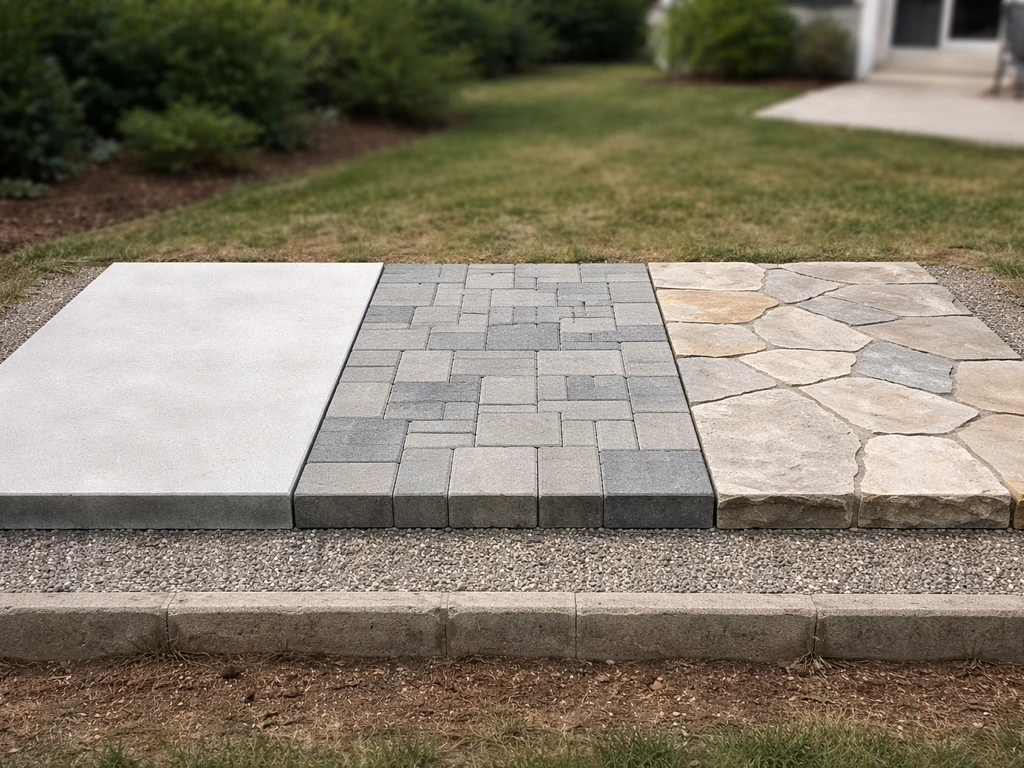
How Much Should I Expect to Pay for a Patio
Patio cost guide with real price ranges by size and material, full line-item budget, DIY vs install, and quote checklist
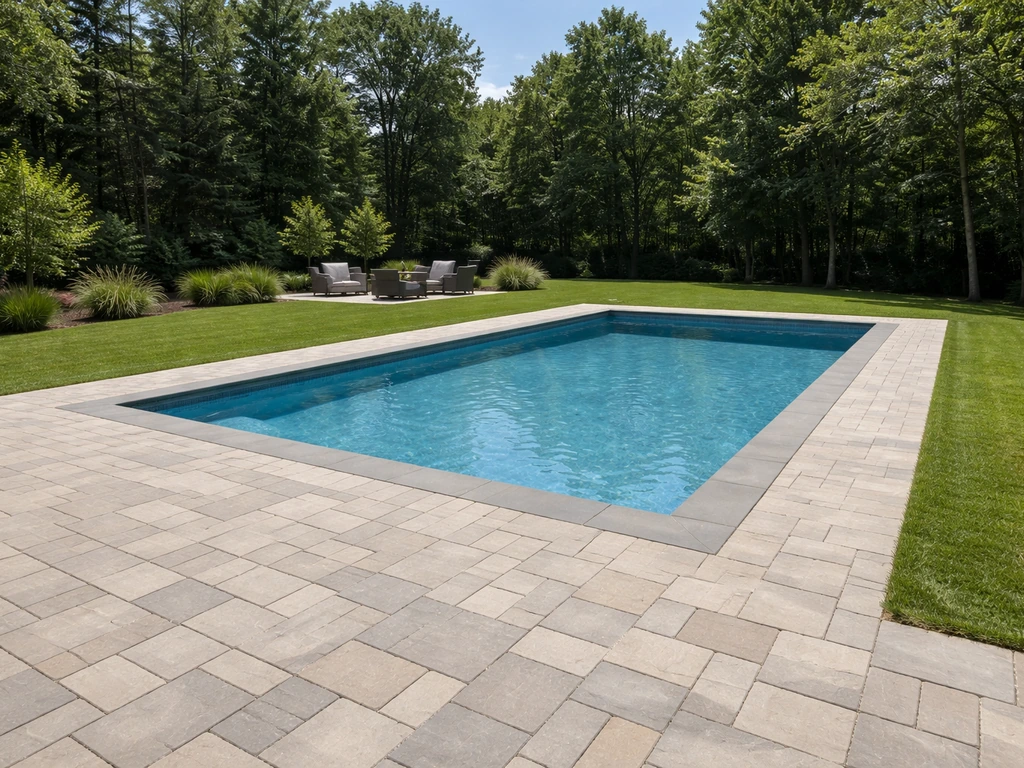
How Much Patio Around Pool: Cost, Size, and Budget Guide
Learn how much patio around a pool costs and how to size square feet, materials, extras, and get real bid line items.
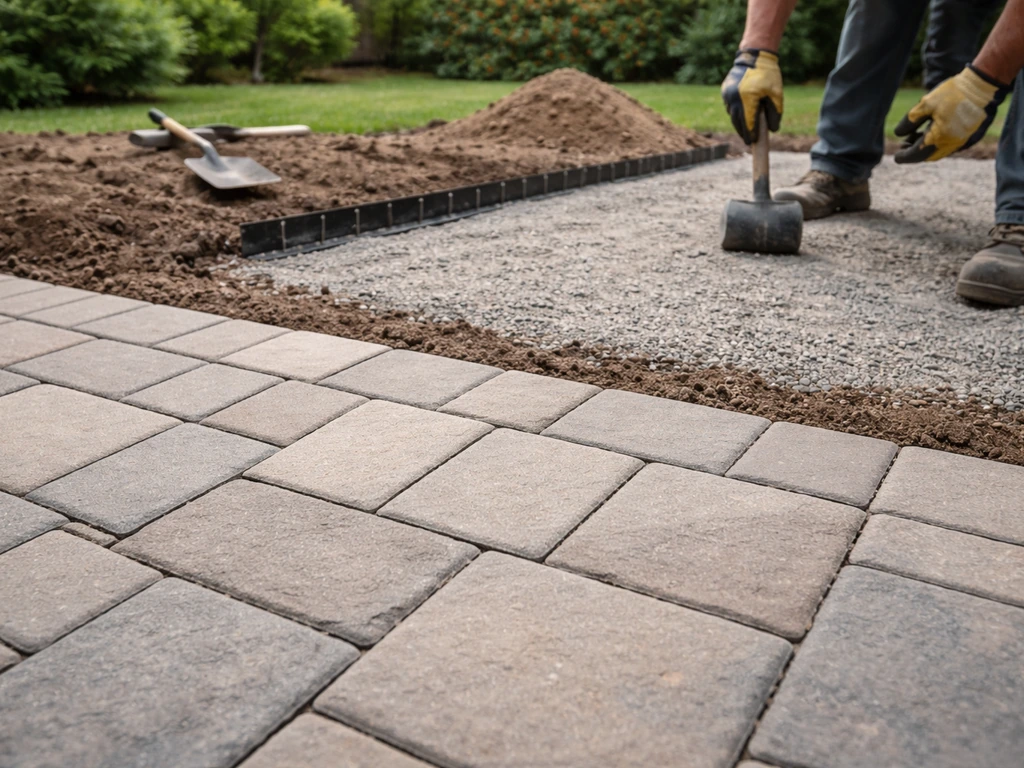
How Much Are Patios? Cost Ranges by Size and Material
Patio cost estimates by size and material with labor, base, add-ons, DIY vs contractor, and quote planning tips.