
Pouring a concrete patio costs most homeowners between $1,917 and $5,394, with a national average right around $3,550 to $3,650 for a typical backyard slab. That works out to roughly $6 to $20 per square foot installed, depending on the size, thickness, finish, and how much prep work your yard needs. A plain broom-finish slab runs $6 to $9 per square foot. Stamped or stained concrete pushes that to $8 to $16 per square foot or more. If your site needs grading or excavation, tack on another $1,000 to $3,200 before you even mix concrete.
How Much Does It Cost to Pour a Cement Patio? 2026 Guide

Felix Carver
5 May 2026
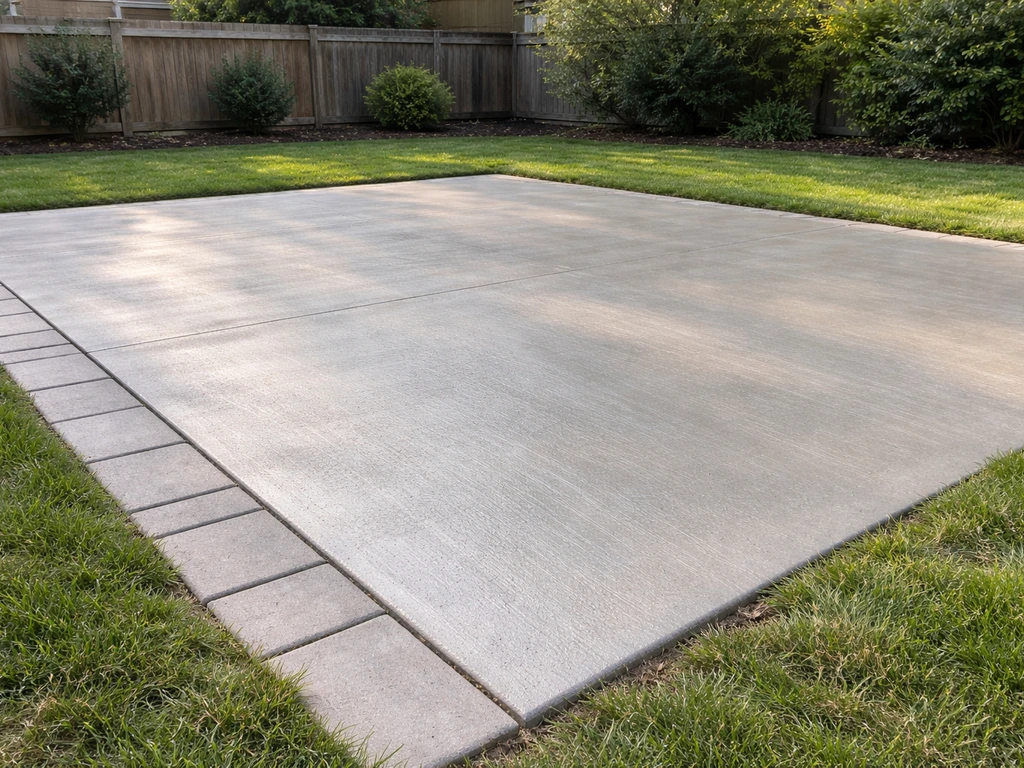
What a concrete patio costs by size
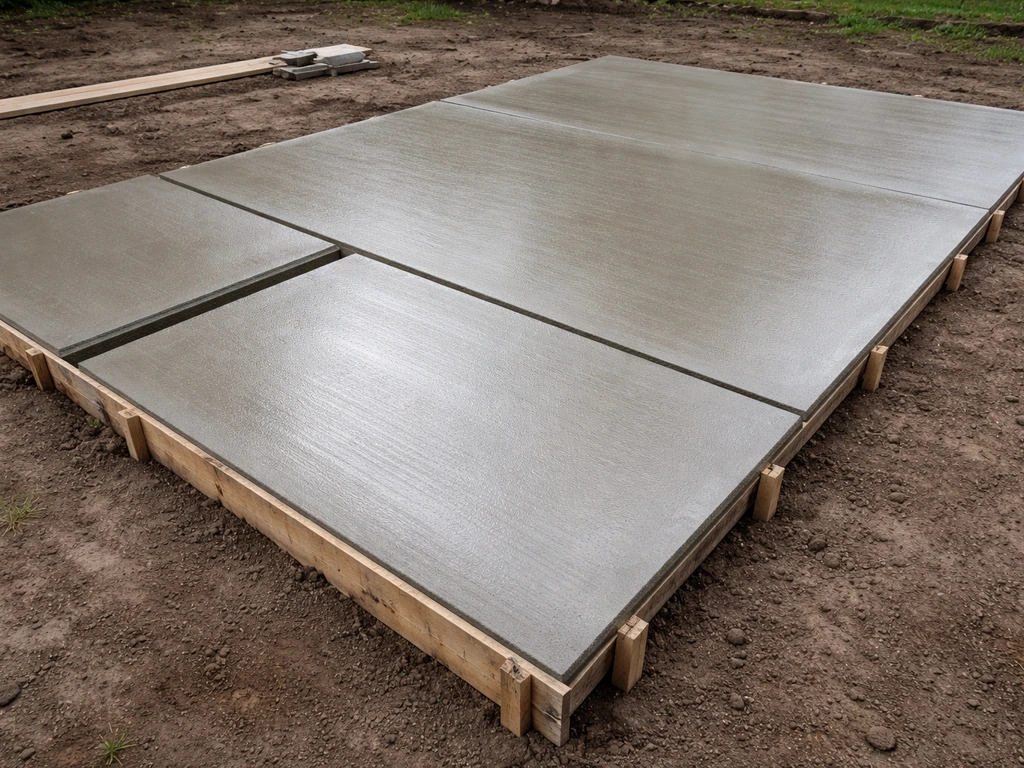
Size is the biggest single lever on your total bill. Here are real-world price ranges for the most common patio dimensions, based on a standard 4-inch slab with a basic broom finish and professional installation.
| Patio Size | Square Footage | Concrete Needed (cu yds) | Estimated Total Cost (installed) |
|---|---|---|---|
| 10 x 10 ft | 100 sq ft | ~1.23 cu yds | $600 – $2,000 |
| 12 x 12 ft | 144 sq ft | ~1.78 cu yds | $865 – $2,900 |
| 16 x 16 ft | 256 sq ft | ~3.16 cu yds | $1,536 – $5,120 |
| 20 x 20 ft | 400 sq ft | ~4.94 cu yds | $2,400 – $8,000 |
| 24 x 24 ft | 576 sq ft | ~7.11 cu yds | $3,456 – $11,520 |
The lower end of each range assumes a flat, easy-access site with minimal prep and a plain finish. The upper end reflects tougher site conditions, a decorative finish, or a thicker slab. A typical suburban backyard patio in the 300 to 400 square foot range tends to land in that $2,463 to $3,479 sweet spot that pricing data from contractors nationally consistently shows.
Where your money actually goes: the cost breakdown
Most contractors bundle everything into a per-square-foot price, but it helps to understand what's inside that number. A realistic cost breakdown for a mid-size patio looks like this:
| Cost Category | Typical Range | Notes |
|---|---|---|
| Concrete materials | $3.50 – $6.00/sq ft | Ready-mix or bagged; includes waste buffer of 10–15% |
| Labor | $3.00 – $5.00/sq ft | Pouring, screeding, finishing, joints |
| Excavation and grading | $400 – $3,200 (flat fee) | Depends on slope, soil, depth needed |
| Forming (lumber) | $200 – $400 | 2x4 or 2x6 boards to frame the slab |
| Gravel sub-base | $150 – $400 | 4–6 inches of compacted gravel under slab |
| Rebar or wire mesh | $0.50 – $1.00/sq ft | Wire mesh is cheaper; rebar adds strength |
| Permits | $100 – $400 | Required in many municipalities |
| Sealer (first coat) | $100 – $250 | Often quoted as an add-on |
If you add up the fixed costs alone (excavation, forming, gravel, permit, sealer), you're often looking at $1,000 to $1,300 before a drop of concrete is poured. That's why small patios don't save you as much money as you'd expect. The fixed cost pool gets divided across fewer square feet, which is why a 10x10 slab can cost $10 to $15 per square foot while a 20x20 might drop to $7 to $9 per square foot.
Thickness: where a small change makes a big difference
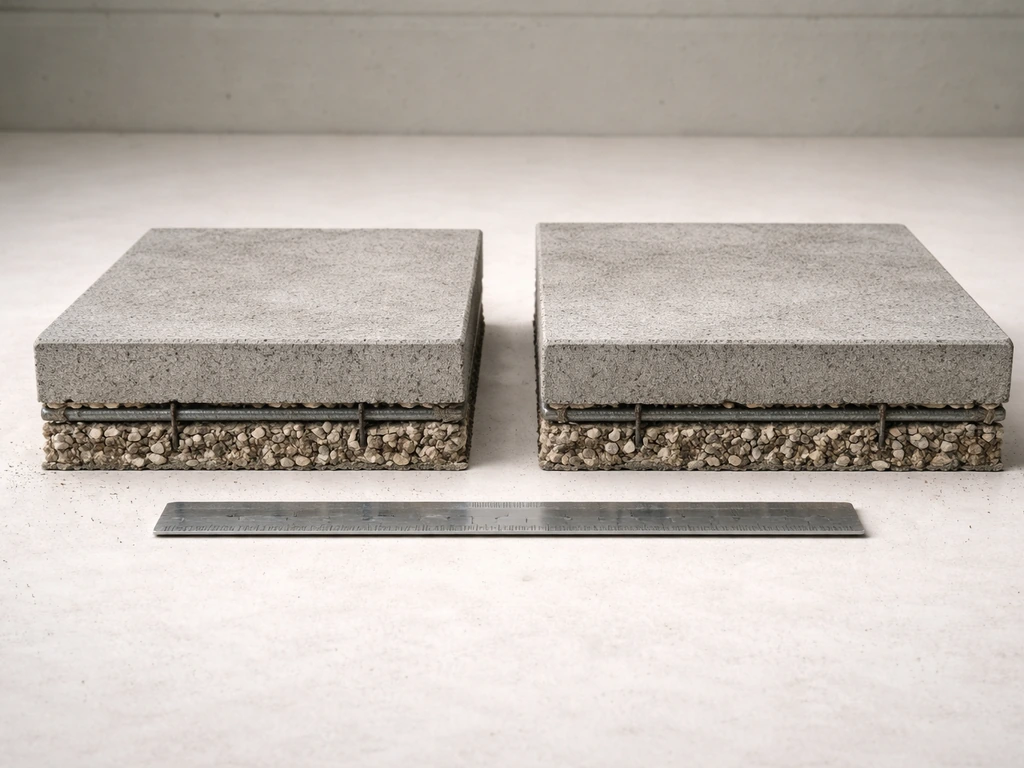
Most residential patios are poured at 4 inches thick, which is the minimum most building codes allow (technically 3.5 inches in some areas). That thickness handles foot traffic, patio furniture, and even a grill with no problem. If you're putting a hot tub, outdoor fireplace, or golf cart on it, go to 5 or 6 inches and check your local code. That extra inch adds roughly 25% more concrete volume and materials cost, so for a 20x20 patio you'd go from about 4.94 cubic yards to over 6 cubic yards. It's not a huge dollar jump on materials, but contractors may charge extra for the additional pour time.
DIY vs. hiring a contractor: honest comparison
DIY concrete work sounds appealing when you see labor quoted at $3 to $5 per square foot. On a 400-square-foot patio, that's $1,200 to $2,000 in potential savings. But this is one of those projects where the savings evaporate fast if you're not experienced. Concrete doesn't wait for you to figure things out. Once it starts setting up, you have a narrow window to screed, finish, and cut joints. Miss it and you have a rough, cracked slab.
Here's what the DIY cost picture actually looks like for a 12x12 patio:
| Expense | DIY Cost | Contractor Includes This? |
|---|---|---|
| Ready-mix concrete (1.96 cu yds with 10% waste) | $350 – $550 | Yes |
| Gravel sub-base (materials) | $80 – $150 | Yes |
| Plate compactor rental (1 day) | $65 | Yes |
| Concrete mixer rental (if using bagged mix) | $95/day | Yes (owns equipment) |
| Lumber for forms | $40 – $80 | Yes |
| Wire mesh or rebar | $50 – $100 | Yes |
| Concrete saw rental (for control joints) | $70 – $110/day | Yes |
| Finishing tools (bull float, edger, groover) | $50 – $120 to buy | Yes |
| Sealer | $50 – $80 | Sometimes extra |
| Disposal of excavated material | $150 – $300 | Usually included |
| Total DIY estimate | $950 – $1,605 | — |
| Total contractor estimate (12x12) | $865 – $2,900 | — |
For a small 12x12 patio, DIY can genuinely save you money, especially at the lower end where contractor quotes can reach $2,500 to $3,000. But the math flips if you make a mistake. A bad pour on a 20x20 patio that needs to be demoed and redone could cost you $1,000 to $2,000 just in removal, plus you're starting over on materials. Speaking of removal, that's a separate budget line if you have an existing slab to tear out first. If you have an existing concrete patio, removal and disposal is the first cost line to budget for before any new slab work begins existing slab to tear out first.
DIY makes sense if you have experience with flatwork, a helper (you really need two people minimum), and a smaller patio under about 200 square feet. For anything bigger, or if the pour timing is tight due to heat or humidity, hire a crew. A bad slab isn't like a bad paint job. You can't just redo it over a weekend.
Regional pricing and site factors that shift the number
Labor rates alone can swing your project cost by 30% to 50% depending on where you live. High cost-of-living metros like San Francisco, Seattle, or New York City push contractor rates toward $15 to $25 per square foot for a standard slab. In the Midwest and Southeast, you're more likely to find quotes in the $7 to $12 range. Rural areas can go lower, but you may pay a travel surcharge if contractors have to drive significant distance.
Beyond geography, your specific site conditions play a big role:
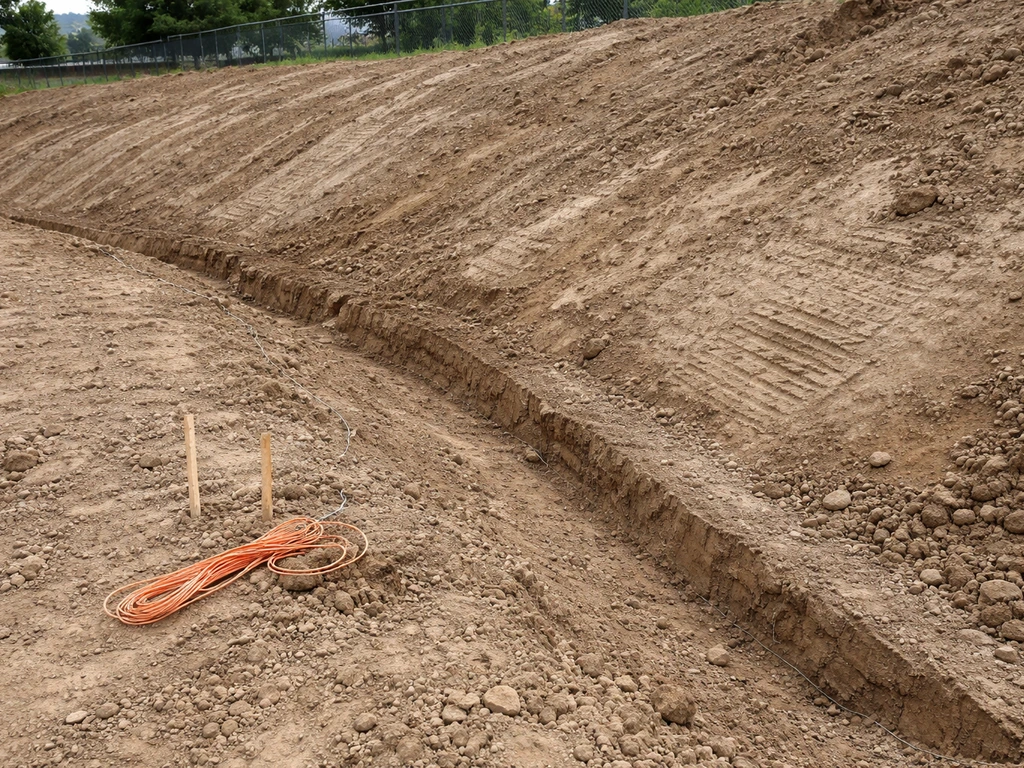
- Slope and grading: A flat yard is the baseline. Anything with noticeable slope adds excavation and fill costs, potentially $1,000 to $3,200 more.
- Soil type: Expansive clay soils require deeper excavation and thicker gravel base to prevent heaving and cracking. Sandy or rocky soil has its own challenges.
- Access: If a ready-mix truck can't get close to your pour site, you'll pay extra for wheelbarrow relays or a concrete pump (pump rental runs $500 to $1,000 or more).
- Tree roots: Roots under or near the pour zone need to be addressed, or they'll crack the slab within a few years.
- Existing concrete removal: If there's an old patio to demo first, budget $1 to $3 per square foot extra for breaking up and hauling away the old slab.
- Frost depth: In cold climates, the sub-base may need to be deeper to get below the frost line, adding gravel and labor costs.
Add-ons that bump the budget
A basic broom-finish slab is the cheapest way to go. But most homeowners add at least one or two upgrades that push the price up. Here's what common add-ons cost:
| Add-On | Cost Range | Notes |
|---|---|---|
| Stamped concrete pattern | $8 – $14/sq ft total | Replaces basic finish; adds mold and release agent costs |
| Staining (acid or water-based) | $9 – $16/sq ft total | Color variation; requires sealer on top |
| Custom multi-color stamped design | $15 – $30/sq ft total | High-end decorative; best left to specialists |
| Exposed aggregate finish | $7 – $12/sq ft total | Reveals stone texture; good for slip resistance |
| Concrete sealer | $0.50 – $1.50/sq ft | Protects surface; should be reapplied every 2–3 years |
| Expansion/control joints (saw-cut) | $1 – $2 per linear foot | Critical for crack prevention; required by code on larger slabs |
| Edging or border treatment | $2 – $5 per linear foot | Brick, stone, or formed concrete border |
| Drainage channel or slope grading | $300 – $800 | Needed if water pools near house foundation |
| Concrete pump (access issue) | $500 – $1,000+ | Required when truck can't reach pour zone |
One thing people consistently underestimate: control joints. On a 4-inch slab, the standard spacing is every 8 to 12 feet. That means a 20x20 patio needs joints running both directions across the slab. Skipping them to save money almost always leads to random cracking within the first year. Saw-cutting control joints costs a little extra, but it's one of the most cost-effective things you can do to protect your investment.
If you're weighing whether to go with a decorative finish, keep this in mind: a stamped or stained patio can look great and adds curb appeal, but it also costs more to repair if a section cracks or chips later. Plain concrete is cheaper to patch and match.
How to estimate your patio and get quotes you can actually compare
Getting three quotes is the standard advice, but what matters just as much is making sure those quotes are covering the same scope of work. Here's how to set yourself up before calling contractors:
Step 1: Measure and document your site
- Measure the exact dimensions of the patio area you want (length x width in feet).
- Note any slopes, drainage issues, or obstacles (trees, downspouts, steps).
- Check whether there's existing concrete, pavers, or landscaping that needs removal.
- Measure the distance from the nearest road or driveway access point to your pour site (this matters for truck access).
- Look up whether your municipality requires a permit for concrete flatwork (many do once the slab exceeds 200 square feet or is attached to the house).
Step 2: Calculate your concrete volume
The math is straightforward. Multiply length (ft) x width (ft) x thickness (ft), then divide by 27 to get cubic yards. For a 4-inch slab, thickness in feet is 0.333. So a 12x12 patio: 12 x 12 x 0.333 = 47.95 cubic feet, divided by 27 = 1.78 cubic yards. Add 10 to 15% for waste, so you'd order about 1.96 to 2.05 cubic yards. Use this number to sanity-check contractor quotes, since concrete volume directly informs material cost.
Step 3: What to ask every contractor
- Is site prep (excavation, grading, gravel sub-base) included in your quote, or is it a separate line item?
- What thickness are you quoting: 4 inches or something else?
- Does the price include wire mesh or rebar reinforcement?
- Are control/expansion joints included, and will they be saw-cut or tooled?
- What finish is included: broom, stamped, exposed aggregate?
- Is concrete sealer included or an add-on?
- Who pulls the permit and pays the permit fee?
- Is disposal of excavated material and concrete waste included?
- What is your concrete mix design (PSI rating)? Most residential patios use 3,000 to 4,000 PSI.
- What is the payment schedule and what does your warranty cover?
When you compare quotes side by side, you'll often find one contractor includes gravel sub-base and another doesn't. That's a $150 to $400 difference hiding in the fine print. A low quote that excludes excavation, permits, and sealing can end up costing more than a higher all-in quote once you account for everything.
Timeline, curing, and how scheduling affects your costs
A concrete patio is typically poured and finished in a single day for most residential sizes, but the project isn't done when the crew leaves. If you are dealing with spalling, cracking, or uneven spots on an existing patio, the cost to resurface concrete patio is usually priced per square foot and depends on prep and the finish you want. Concrete needs to cure properly, and rushing that process causes long-term problems.
Here's the basic curing timeline to plan around: you can walk on the slab after about 48 hours. blank" rel="noopener noreferrer">Light furniture can go on after 3 to 4 days. Full pedestrian use is typically fine at 7 days. If you're putting a vehicle on it (or a heavy piece of outdoor furniture like a stone table or hot tub), wait the full 7 to 10 days minimum, and longer in cold weather. blank" rel="noopener noreferrer">Per ACI guidance, concrete flatwork should cure for a minimum of 7 days at temperatures above 50°F, either with plastic sheeting, water curing, or a curing compound.
Scheduling affects your budget in a few real ways. First, concrete work is seasonal in cold climates. Pouring in winter requires heated enclosures, insulating blankets, or accelerating admixtures, all of which add cost. In extreme heat (above 90°F), contractors work early morning and charge accordingly because the concrete sets up faster. If you're flexible on timing and can schedule the work in spring or fall, you're more likely to get competitive pricing and an unhurried pour.
Second, contractor availability affects price. In peak spring and summer season, good crews book out 4 to 8 weeks. If you need the work done fast, you're either paying a rush premium or settling for whoever's available. Planning ahead and getting quotes in late winter typically gets you better pricing and your pick of contractors.
One last scheduling note: if you're thinking about expanding the patio later, it's worth planning the full footprint now and just pouring the section you need. Adding concrete to an existing slab later (whether through extension or resurfacing) always costs more per square foot than doing it all at once, and matching the finish can be tricky expanding the patio later. Adding concrete to an existing slab later (whether through extension or resurfacing) always costs more per square foot than doing it all at once, and matching the finish can be tricky. A little upfront planning can save you real money down the road.
FAQ
What’s the cheapest way to keep the cost down when I pour a cement patio?
Choose a simple broom finish and avoid decorative overlays, reduce the number of edges and transitions (like stairs or curved borders), and make sure the site is as flat and accessible as possible before the crew arrives. The biggest savings usually come from minimizing prep and keeping the thickness at code-required levels for your use case.
How much does a cement patio cost if the yard needs heavy excavation or removal of topsoil?
If contractors have to strip and haul off deeper material, expect excavation to climb beyond the typical $1,000 to $3,200 range. Ask for a line item that specifies depth of excavation and disposal, because “excavation included” can mean different amounts depending on soil conditions.
Do I need a permit, and does it change the total price a lot?
Many cities require permits for new slabs, and sometimes also for drainage-related changes. Even if permit fees are modest, permit delays can affect scheduling, which may indirectly increase cost if your contractor charges a tighter timeline or rush premium.
How do I estimate how much concrete I’ll need for my patio thickness if it’s not 4 inches?
Use the same method from the article: cubic yards = (length x width x thickness in feet) / 27, then add 10 to 15% waste. For example, 5 inches is 0.417 feet, so a 20x20 patio is about (20 x 20 x 0.417)/27 ≈ 6.17 cubic yards before waste.
Why do quotes for the same patio sometimes vary a lot even when the square footage matches?
Common reasons are missing base layers (gravel sub-base), different reinforcement plans, or different finish and joint details. A good comparison is to ask each contractor to list whether they include gravel thickness, edging, vapor barrier (if used), saw-cut joints, and sealer.
What control joints spacing should I expect, and what happens if they’re missed?
For typical 4-inch slabs, joints are often spaced about every 8 to 12 feet in each direction, which means a 20x20 usually needs multiple joint runs. Skipping or poorly planned joints often leads to random cracking, and repairs are usually cosmetic only unless the crack is addressed before it propagates.
If I want a stamped or stained look, is it worth it compared with plain concrete?
It can be, especially for curb appeal, but plan for higher repair sensitivity. If you add decorative work, ask how they match the color if a section needs patching later, because patch-and-match is harder and more noticeable with stains and stamps.
How long should I wait before placing furniture, grill, or a hot tub?
You can typically walk on it around 48 hours, place light furniture after 3 to 4 days, and count on full pedestrian use around 7 days. For vehicles, hot tubs, and heavy loads, wait 7 to 10 days minimum, and in cold weather longer, because early loading can compromise surface strength and lead to premature damage.
Does curing method change cost or durability?
It can. If contractors use a curing compound or sheeting, it adds materials but often reduces the risk of surface issues from drying too fast. Ask what curing method they plan to use and whether it’s included in the bid, since skipped curing is a frequent reason patios deteriorate faster.
Is DIY always cheaper for small patios, or are there hidden costs that can wipe out savings?
DIY can save money under about 200 square feet if you have experience, flatwork help, and a clear plan for finishing before the concrete sets. Hidden costs include renting tools (screed, finishing tools, saw for joints), disposal for removed material, and the cost of redoing a slab if finishing, joints, or grading are off.
Should I plan joints and edging differently if my patio connects to a house or driveway?
Yes. Ask the contractor about expansion joints or isolation where the patio meets the house or any slab that moves differently. Without proper detailing, cracking can happen at the connection line even when the rest of the slab is correctly installed.
What’s a realistic total budget if I also want to add steps, a perimeter border, or a raised edge?
Any change that increases forming, transitions, or decorative borders usually adds both labor and materials on top of the per-square-foot rate. Get a separate line item for steps and edging, because these are not always fully included in “flat patio slab” pricing.
Can I expand the patio later to save money now?
You can, but it often costs more per square foot later and matching the finish is difficult. If you think you’ll expand, plan the full layout and consider only pouring the initial section now, then extending later once you’re ready, but confirm your contractor’s plan for joint placement and surface match.
Next Articles
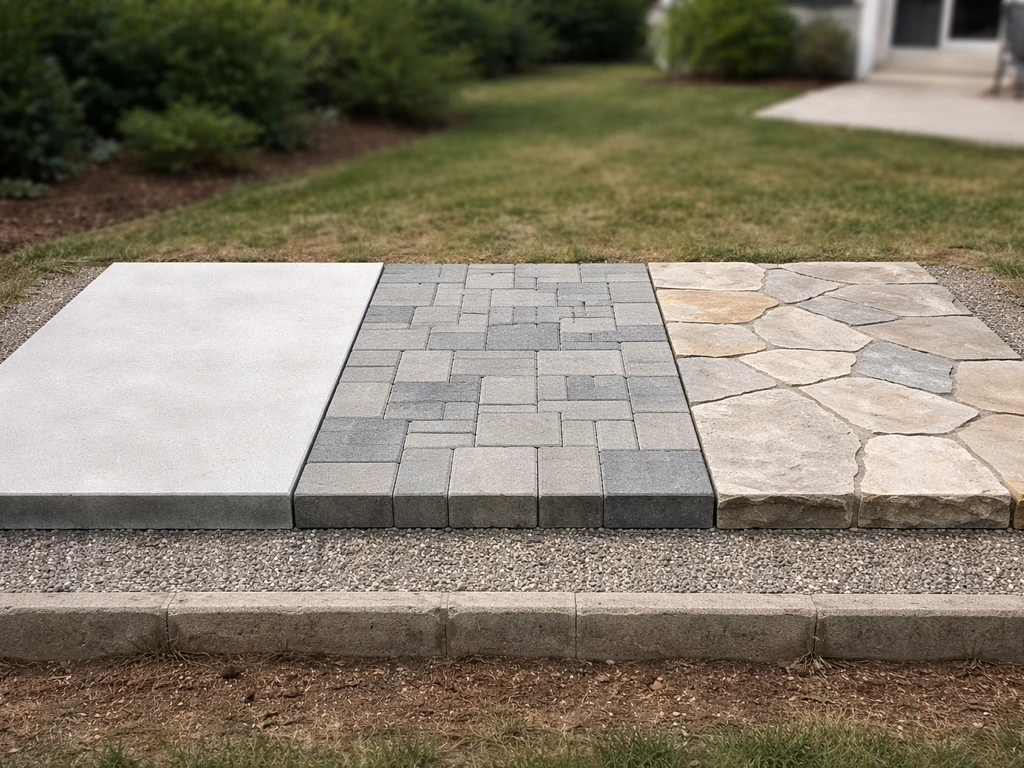
How Much Should I Expect to Pay for a Patio
Patio cost guide with real price ranges by size and material, full line-item budget, DIY vs install, and quote checklist
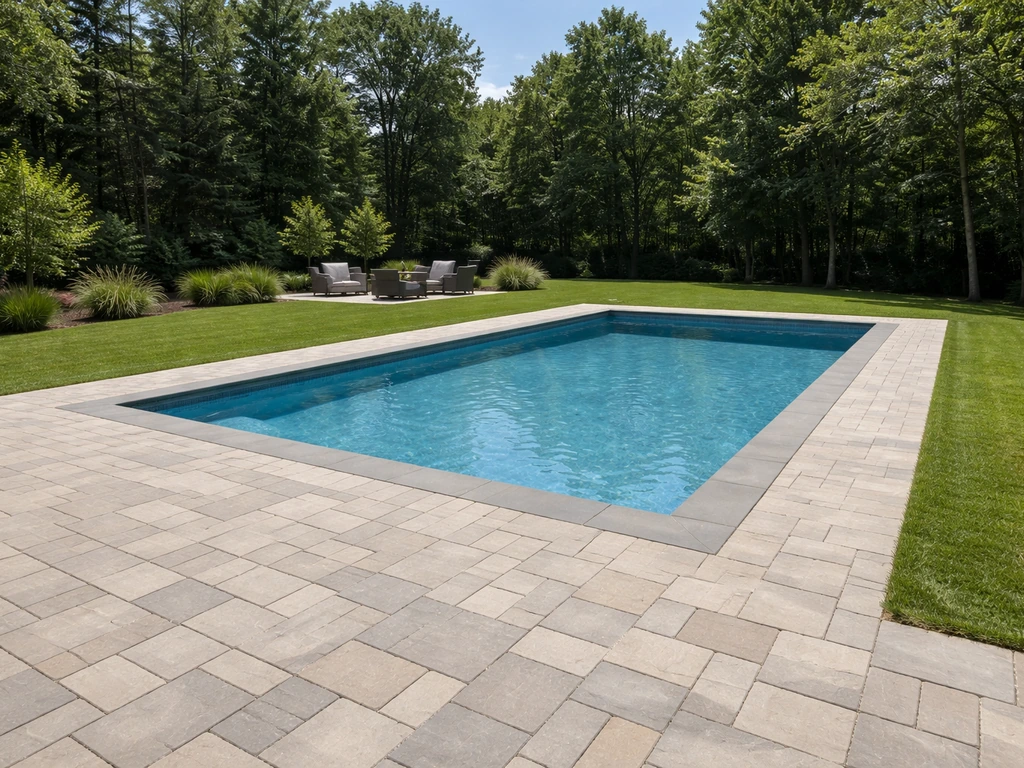
How Much Patio Around Pool: Cost, Size, and Budget Guide
Learn how much patio around a pool costs and how to size square feet, materials, extras, and get real bid line items.
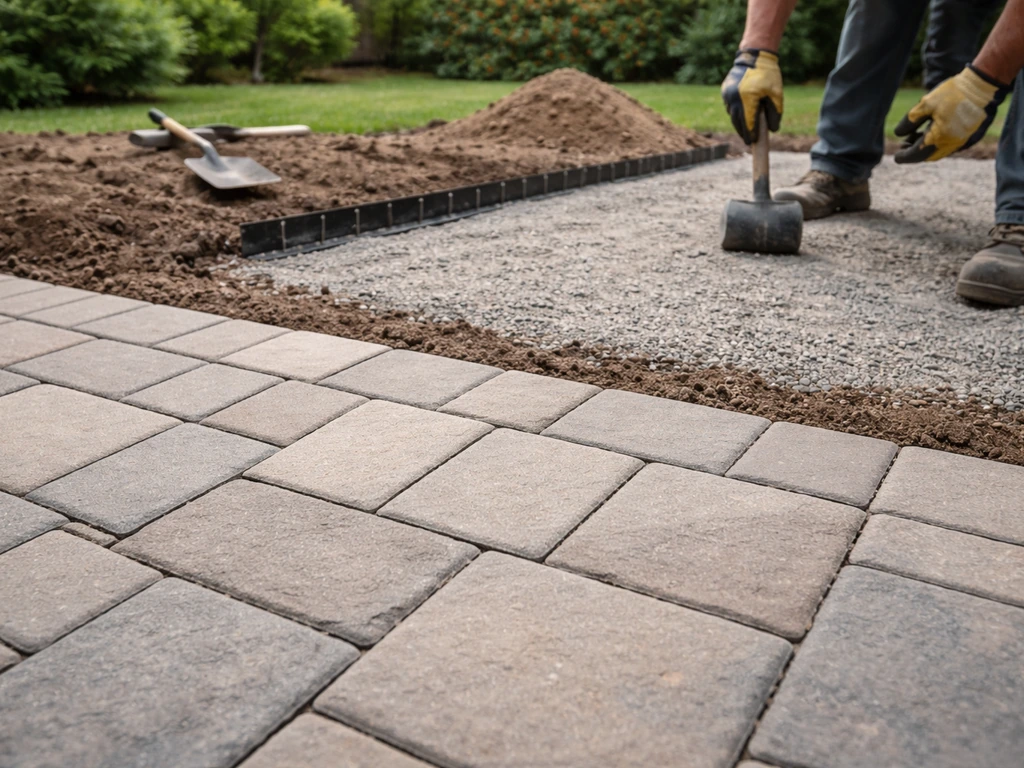
How Much Are Patios? Cost Ranges by Size and Material
Patio cost estimates by size and material with labor, base, add-ons, DIY vs contractor, and quote planning tips.