
Building a patio typically costs between $5 and $35 per square foot installed, which works out to roughly $2,000 to $14,000 for a 20x20 patio depending on the material and how much site prep your yard needs. If you’re wondering how much does an outdoor patio cost, your best starting point is the installed price per square foot plus the amount of site prep required. Basic poured concrete sits at the low end ($4–$12 per square foot), while natural flagstone or high-end pavers can push past $30 per square foot. If you go DIY, you can cut 30–50% off the total by eliminating labor, but you'll still pay for base materials, tool rentals, and your own time.
How Much Will It Cost to Build a Patio? Prices by Size

Felix Carver
3 May 2026

What a patio costs by size
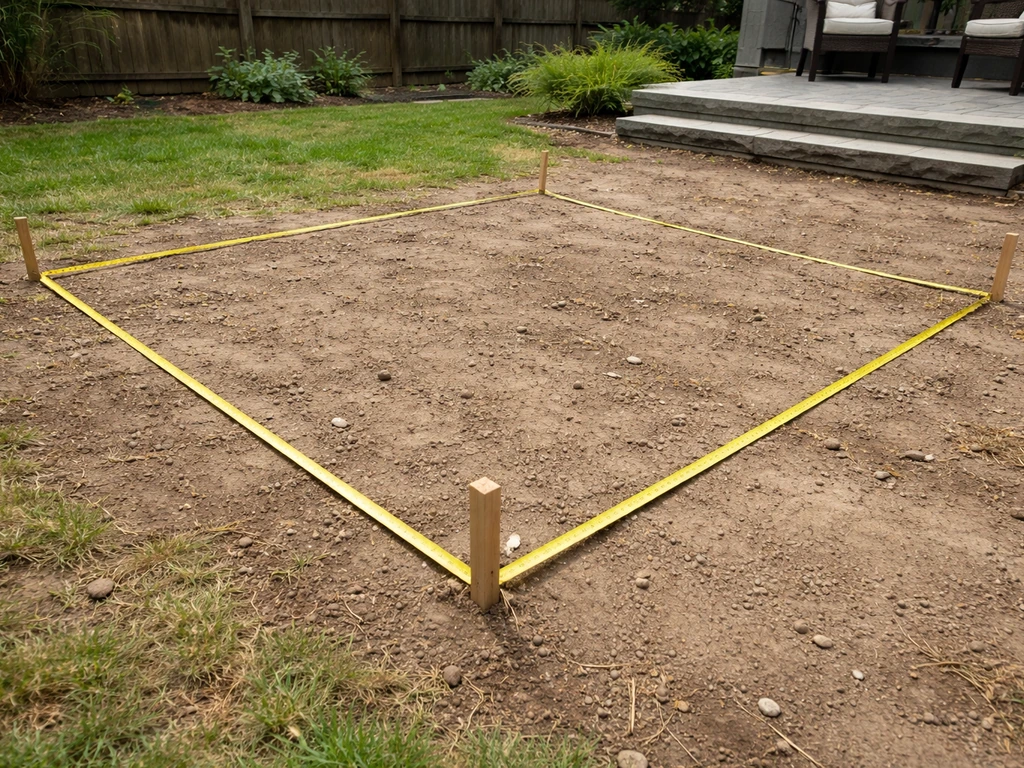
Before diving into materials, it helps to anchor your budget to real square footage. If you want a more specific figure for your situation, review patio costs by size to compare how the total changes with square footage, which is closely aligned with how much does a back patio cost. The table below uses a mid-range estimate across common materials to give you a ballpark for popular patio sizes. These are installed costs, meaning contractor labor is included.
| Patio Size | Square Footage | Low Estimate | Mid Estimate | High Estimate |
|---|---|---|---|---|
| 10x10 | 100 sq ft | $500 | $1,500 | $3,500 |
| 10x20 | 200 sq ft | $1,000 | $3,000 | $7,000 |
| 12x12 | 144 sq ft | $720 | $2,200 | $5,000 |
| 16x16 | 256 sq ft | $1,280 | $4,000 | $8,960 |
| 20x20 | 400 sq ft | $2,000 | $6,000 | $14,000 |
| 24x24 | 576 sq ft | $2,880 | $8,600 | $20,000 |
The low end assumes basic concrete or simple dry-laid pavers on a reasonably flat, accessible lot. The high end reflects natural stone, stamped or colored concrete, or anything involving significant grading, drainage work, or removal of an existing surface. Your number will land somewhere in between based on the factors covered below.
Price ranges by material type
Material choice is probably the single biggest lever on your final cost. Here is how the main options stack up in 2026, based on current installed pricing data.
| Material | Installed Cost (per sq ft) | Notes |
|---|---|---|
| Poured concrete (basic) | $4–$12 | Most affordable; functional and durable |
| Poured concrete (stamped/colored) | $12–$20+ | Decorative finish adds labor and materials |
| Concrete pavers | $12–$19 | Modular, easy repairs, wide style range |
| Brick pavers | $10–$25 | Classic look; higher labor if custom patterns |
| Natural stone pavers | $15–$30 | Slate, travertine, bluestone; premium pricing |
| Flagstone (dry-laid) | $15–$32 | Irregular cuts; variable labor intensity |
| Flagstone (concrete-set) | $35–$45 | Wet-laid into concrete base; most expensive |
Poured concrete
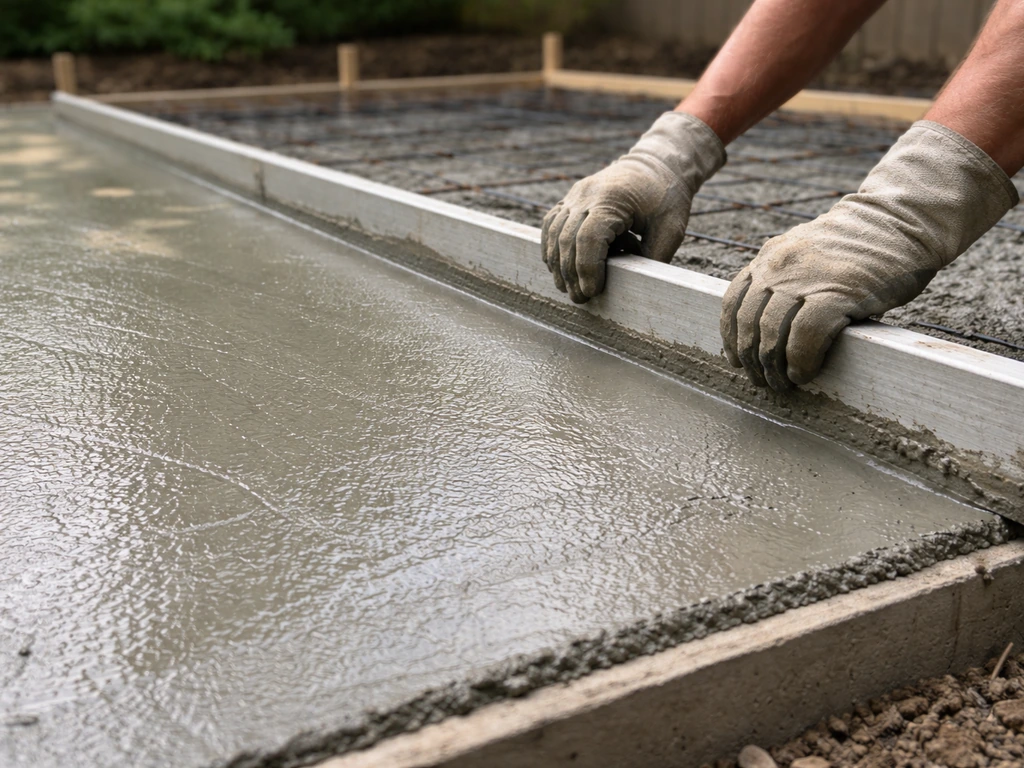
A standard 3. 5 to 4-inch thick concrete patio runs about $10 per square foot installed, according to Angi, with basic designs starting around $4–$6 and stamped or colored options reaching $12–$20 or more. For a concrete patio, Angi estimates that a 3. 5 to 4-inch thick slab costs around $10 per square foot installed, with design upgrades like stamped or colored finishes changing the total [3.
5 to 4-inch thick concrete patio runs about $10 per square foot installed](https://www. angi. com/articles/how-much-does-concrete-patio-cost-square-foot. htm/).
Forbes Home puts the installed slab range at $6–$11 per square foot including labor. For poured concrete patio slabs, Forbes Home lists an installed range of about $6 to $11 per square foot (including labor), and notes that stamped finishes typically raise the cost.
For a 400-square-foot (20x20) concrete patio, you're looking at $2,400 to $4,400 for a plain slab, or $4,800 to $8,000 for stamped. Concrete is the budget-friendly workhorse, but if it cracks it can be harder to patch invisibly than unit pavers.
Concrete and brick pavers
Paver patios typically cost $10–$17 per square foot installed for concrete pavers, with HomeGuide citing labor alone at $6.25–$10.90 per square foot. Angi puts professional paver installer labor at $50–$80 per hour, or about $4–$11 per square foot depending on the complexity of the layout. Brick pavers follow a similar range but can climb toward $25 per square foot for intricate herringbone or basket-weave patterns. For a 400-square-foot paver patio, Houzz cites a real-world average of around $5,600 total. The upside of pavers is repairability: if one settles or cracks, you pull it, re-level, and reset it without patching the whole surface.
Flagstone and natural stone
Flagstone is where costs jump fast. Dry-laid flagstone typically runs $15–$32 per square foot, while concrete-set (wet-laid into a mortar bed over a concrete base) can hit $35–$45 per square foot. Forbes Home puts the average installed range at $15–$27 per square foot. The labor intensity of cutting, fitting, and leveling irregular stone is what drives the premium. If you want natural stone on a tight budget, dry-laid over compacted gravel is the more accessible path, though it requires occasional re-leveling over the years.
What you're actually paying for: the cost breakdown
A patio isn't just the surface material. The total price includes several layers of work, and this is where a lot of homeowners get surprised by quotes that seem higher than expected.
Base preparation
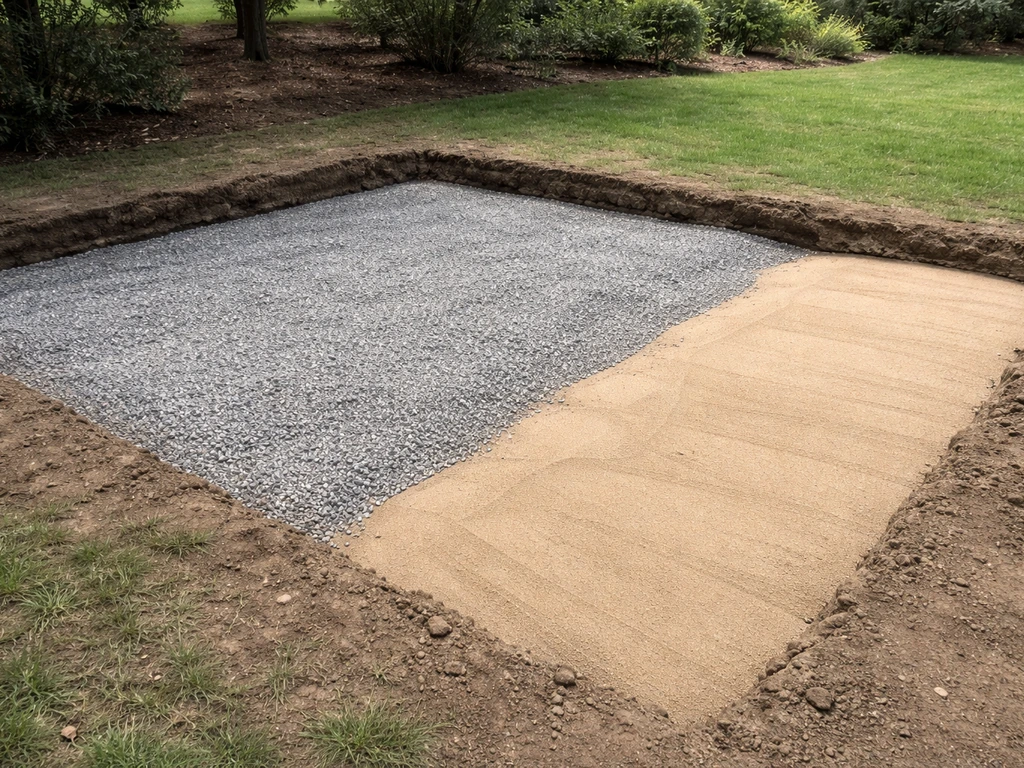
Every patio starts with excavation and a compacted gravel base. For pavers, the standard install calls for about 4 inches of compacted gravel base plus about 1 inch of bedding sand before the pavers go down. HomeGuide prices base materials (gravel, geotextile fabric, edging, bedding sand, joint sand) at $1.40–$2.20 per square foot, but the installed gravel foundation itself can cost $2–$5 per square foot when labor is included. Skipping or shortcutting the base is the most common reason patios settle, shift, or heave within a few years.
Excavation and grading
If your yard is level and has easy equipment access, excavation costs are modest. If the ground slopes significantly, you'll pay for either grading or building up on one side, plus potential retaining work. Angi notes that slopes and demolition of existing surfaces are among the biggest quote drivers. Haul-off of excavated material also adds cost, typically $150–$500 depending on volume and your area.
Surface materials and finishing
The surface material is what most people price first, but finishing steps add up too. For concrete, that includes reinforcement (rebar or wire mesh), forming, pour, and finish. For pavers, it includes the units themselves plus polymeric joint sand and compaction with a plate compactor for locking everything in place. Sealing, which extends patio life and color, typically adds $0.50–$2.00 per square foot and isn't always included in base quotes, so ask specifically.
Labor
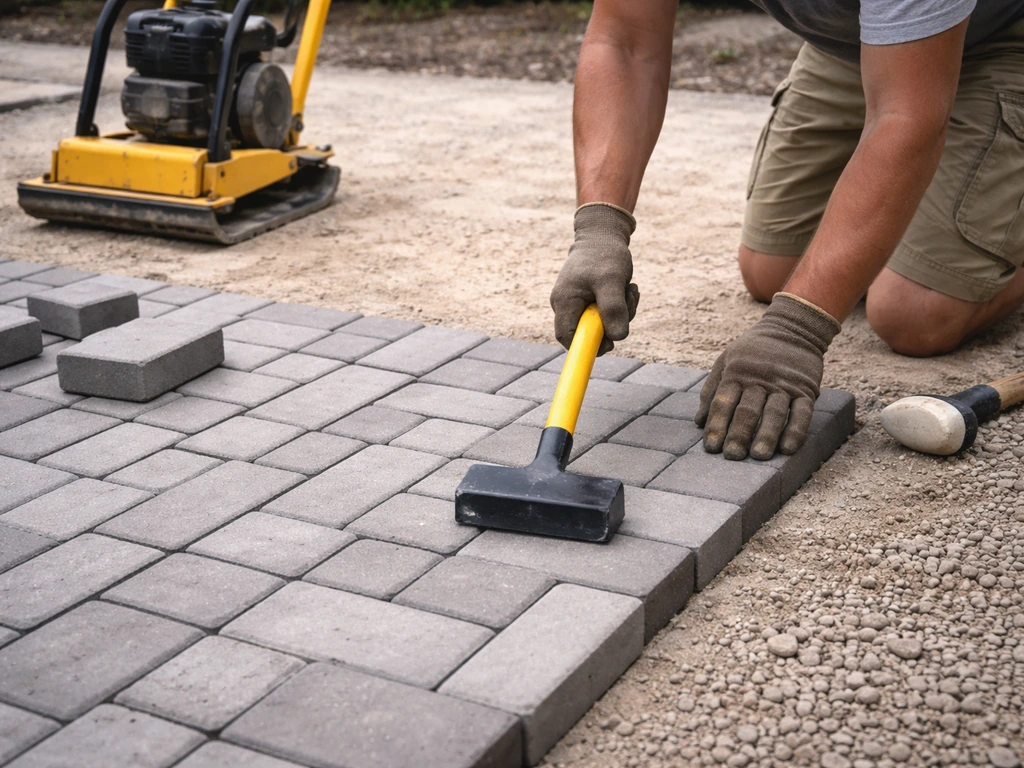
Labor commonly makes up 40–60% of your total project cost. For pavers, professional installers charge $50–$80 per hour or $4–$11 per square foot in labor. For concrete, forming and pouring labor typically accounts for $3–$6 per square foot on a standard slab. On a 400-square-foot project, labor alone can range from $1,200 to $4,400 depending on complexity and your region.
Permits
Many homeowners skip this until a contractor brings it up. An open patio permit typically costs $100–$400. Not all municipalities require a permit for a ground-level slab, but many do once you hit roughly 200–400 square feet or if the patio affects drainage patterns. Covered patios and patio roofs almost always require a permit, so if you're planning an add-on structure, budget for it. Covered patios also have extra costs for the structure and roofing, so planning for permits and framing is important when you estimate your total. Ask your contractor who pulls the permit and get it in writing.
DIY vs. hiring a contractor
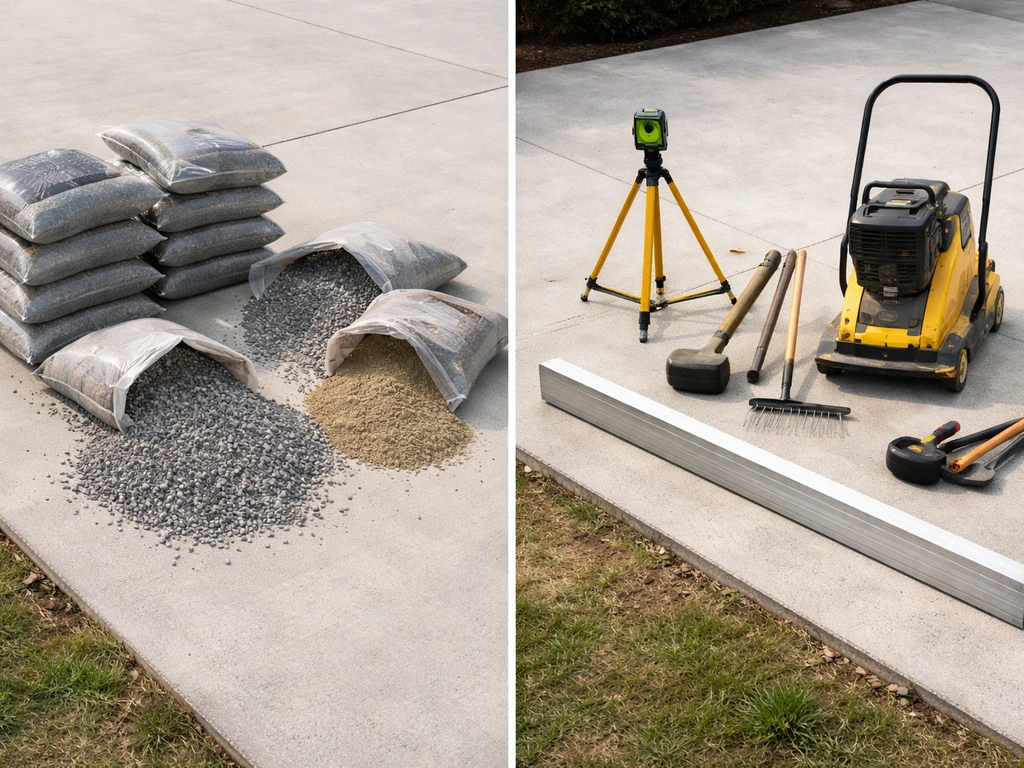
Going DIY can save you $1,500 to $5,000 on a mid-size patio, but the savings aren't as clean as they look at first glance. Here's what actually changes and what stays the same.
| Cost Item | Hiring a Pro | DIY |
|---|---|---|
| Labor | $1,200–$4,400 (included in quote) | $0 (your time) |
| Gravel base material | Included in quote | $1.40–$2.20/sq ft (you buy it) |
| Surface material (e.g., pavers) | Included in quote | $3–$15/sq ft depending on type |
| Plate compactor rental | Contractor owns/provides | $70–$150/day or $250–$450/week |
| Other tool rentals (saw, tamper) | Contractor provides | $50–$200 depending on tools needed |
| Permit | Contractor often pulls it (you pay fee) | You pull it ($100–$400) |
| Mistakes and re-work | Contractor's responsibility | Your cost |
The biggest DIY gotcha is base prep. Renting a vibratory plate compactor runs $60 for a 4-hour rental up to $100 for a full day. You'll also need to haul or arrange delivery of gravel, edge restraints, and sand, which adds coordination time. Concrete is actually harder to DIY than pavers because forming, pouring, and finishing concrete correctly is a skill that takes experience. If you want a DIY-friendly entry point, dry-laid pavers over a properly prepared base are far more forgiving and repairable than a self-poured slab.
One thing that doesn't change going DIY: material costs still follow market rates. You're not going to buy pavers or gravel at contractor pricing unless you have a trade account. Budget the same material costs as a pro would use, then subtract labor.
What will push your price up (or down)
A few variables can shift your quote by thousands of dollars, and most of them have nothing to do with the patio material you pick.
- Site slope and grading: Significant slope means excavation, fill, or retaining work. Even 12 inches of slope across a 20-foot run can add $500–$2,000 to a project.
- Soil type: Rocky soil or clay that holds water adds excavation time and may require deeper base preparation or drainage solutions.
- Drainage: If your patio will direct water toward your foundation or sit in a low spot, you'll need drainage channels or a French drain, which adds $800–$2,500 depending on scope.
- Demolition of existing surfaces: Removing an old concrete slab typically costs $1–$2 per square foot for the demo plus haul-off fees.
- Access: A backyard only reachable through a narrow gate limits equipment access and raises labor costs. Hand-moving materials adds time fast.
- Pattern and cuts: Intricate paver layouts or irregular stone fitting requires more cuts and more labor hours. A running bond is cheaper than a herringbone; pre-cut rectangular pavers are cheaper than hand-fitted flagstone.
- Sealing and finishing: Patio sealers add cost upfront but protect the surface and can cut long-term maintenance. Usually priced separately from the base install.
- Region: Labor rates vary significantly. Expect costs in the Northeast, California, and major metros to run 20–40% above national averages, while rural Midwest or South markets can be 15–25% lower.
- Add-ons: A covered patio or patio roof structure adds substantially to the budget, often bringing the total scope to $10,000–$22,000 or more for a mid-size project. That's a separate budgeting exercise from the slab or paver surface itself.
How to estimate your project and get accurate quotes
A vague quote leads to surprises mid-project. The best thing you can do before calling a contractor is to define your project clearly so every bid is based on the same scope, which makes them actually comparable.
Before you call anyone, nail down these details
- Measure the exact dimensions you want, not a rough guess. Know your square footage.
- Decide on your preferred material (even if it's tentative). Asking for a paver quote and a concrete quote from the same contractor gives you an apples-to-apples comparison.
- Note any obvious site issues: slope, existing concrete to remove, low drainage areas, narrow access points.
- Check with your local building department whether a permit is required for your size and type of patio. Some jurisdictions post this online in minutes.
- Decide if you want sealing, lighting conduit, or built-in edging included, and include those in your scope when asking for quotes.
Questions to ask every contractor you quote
- Is your quote itemized? Ask to see line items for excavation, base material, surface material, labor, and finishing separately.
- What base depth and materials are you using? A contractor who can't answer this is cutting corners.
- Does this price include permit pulling, and who is responsible for obtaining it?
- What is the warranty on your work, and what does it cover specifically?
- How do you handle change orders if unexpected site conditions (rock, drainage issues) come up?
- Are you licensed and insured for this type of work in this state?
- What is your payment schedule? Avoid paying more than 10–20% upfront before work begins.
- Who will actually be doing the work, you or a subcontractor?
Get at least three written, itemized quotes. Not ballpark numbers over the phone, but actual written estimates you can compare line by line. The cheapest bid is not always the best value, especially if it omits base prep steps or uses thinner gravel than standard. Review scope, timeline, warranty, and payment terms before signing anything. A contractor who skips a written contract on a $5,000 job is a red flag.
A quick self-estimate formula
If you want a fast sanity-check number before getting quotes, use this: multiply your square footage by $8 for a basic concrete floor, $13 for standard pavers, or $22 for natural stone. That gets you close to a mid-range installed estimate for a flat lot with no demo. Then add $500–$1,500 if you have any slope or drainage concerns, and another $200–$400 if a permit is required. The resulting number should be reasonably close to what your first contractor quotes. If a bid comes in 40% below that estimate, ask specifically what's not included.
One last thing worth saying directly: patio costs are notably lower than deck costs for comparable square footage in most markets, which is one reason patios are popular budget additions. But if you're also thinking about adding a roof over the patio, that changes the equation significantly, and covered patio builds carry their own pricing logic separate from the slab or paver surface underneath.
FAQ
What will it cost if I’m starting from dirt versus tearing out an existing surface?
If the patio is on bare soil or grass, expect excavation plus base work to dominate the early costs. For a flat, accessible yard, total installed pricing often lands near the midpoint of the $5 to $35 per square foot range. If there is existing concrete, pavers, or a badly sloped grade, removal, haul-off, and regrading can push your effective cost closer to the high end even if you choose a cheaper surface.
Do I need a permit to build a patio, and how much should I budget for it?
Not always. Many places require permits when the patio changes drainage, is large enough (often in the 200 to 400 square foot neighborhood), or includes a covered structure. Covered patios and any roof typically trigger permitting more consistently, so you should confirm with your city before locking a budget.
Will sealing be included in my patio quote, and what should I ask the contractor?
Sealing costs and schedules depend on the surface. Concrete and some pavers benefit from a sealer to protect from stains and weathering, and the article notes sealing is commonly extra (about $0.50 to $2.00 per square foot) and sometimes left out of quotes. Ask whether the quote includes a specific sealer brand, number of coats, and whether it covers the first application only.
Why do two patios with the same square footage end up costing very different amounts?
The biggest quote mismatch usually comes from the scope of base prep, drainage, and edging. Make sure every bid includes the same gravel base thickness, geotextile (if used), bedding sand, edging restraints, and joint sand (for pavers). If those details are missing or vague, you may get a low price that rises during the job.
What concrete details should I confirm so I don’t get an incomplete or substandard bid?
There is a big difference between a slab that is simply poured and one that is properly reinforced. For concrete, reinforcement (rebar or wire mesh) is part of what contractors price into the finish steps. If your bid does not specify thickness, reinforcement type, and whether joints or control cuts are included, you should request those details before comparing prices.
How do weather and scheduling affect the overall patio cost?
Weather can affect both price and timeline, especially for concrete curing and for outdoor work dependent on dry conditions. Ask about the concrete curing window, whether they allow for rain delays, and how they protect freshly finished surfaces. In many markets, schedule constraints can raise the labor component even if the per-square-foot material cost stays the same.
Do intricate shapes or borders change the price, even if the total square footage is the same?
Yes. Your effective cost per square foot can rise if the layout is complex (frequent cuts, odd dimensions, borders, or multiple levels). The article notes paver labor depends on layout complexity, and similar complexity raises concrete forming and finishing difficulty. If your design includes steps, planters, or tight boundaries, get quotes that reflect that geometry rather than assuming a simple rectangle.
If I DIY it, what’s the most common way people end up spending more later?
DIY can lower labor costs, but the article highlights that base prep is the common DIY failure point. If you skip or under-do compaction, drainage slope, or edging restraints, the patio can shift or heave. If you do DIY, plan for the right equipment (like a plate compactor) and build the base to the same spec a pro would use.
How can site conditions (slope, drainage, access) change the total cost?
Your cost is highly sensitive to the lot conditions. The article calls out slopes, grading, demolition of an existing surface, and haul-off as major drivers. Before pricing, consider having a quick site walk for slope, drainage, and access, because those items can add hundreds to thousands regardless of whether you choose concrete, pavers, or flagstone.
Is there a quick way to sanity-check contractor quotes before I sign anything?
A useful pre-quote check is to estimate using a mid-range multiplier, then add for site and administrative items. The article suggests multiplying square footage by about $8 for basic concrete, $13 for standard pavers, or $22 for natural stone, then adding roughly $500 to $1,500 for slope or drainage concerns and $200 to $400 if a permit is needed. Use this to spot bids that seem too low and ask what is excluded.
Next Articles
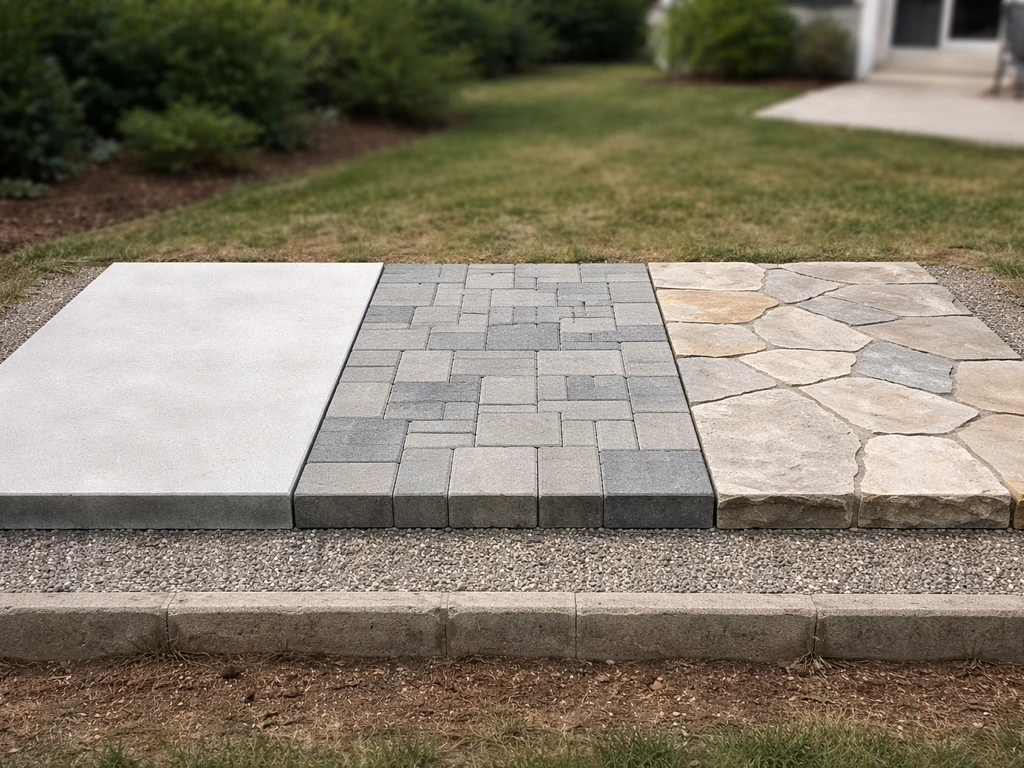
How Much Should I Expect to Pay for a Patio
Patio cost guide with real price ranges by size and material, full line-item budget, DIY vs install, and quote checklist
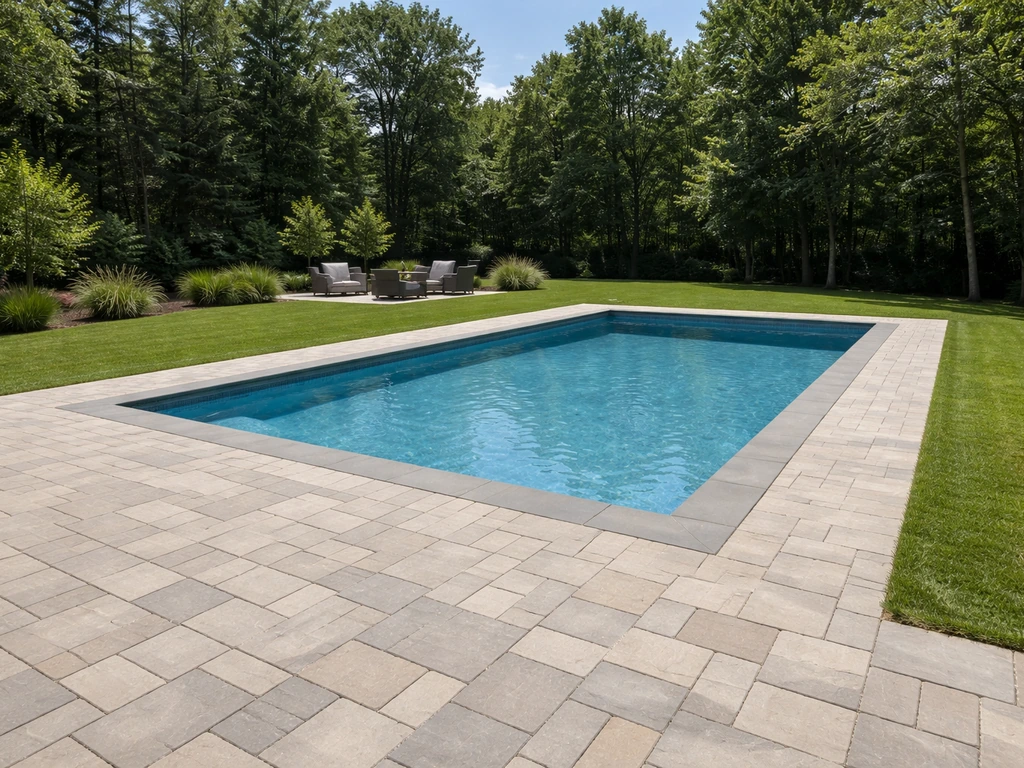
How Much Patio Around Pool: Cost, Size, and Budget Guide
Learn how much patio around a pool costs and how to size square feet, materials, extras, and get real bid line items.
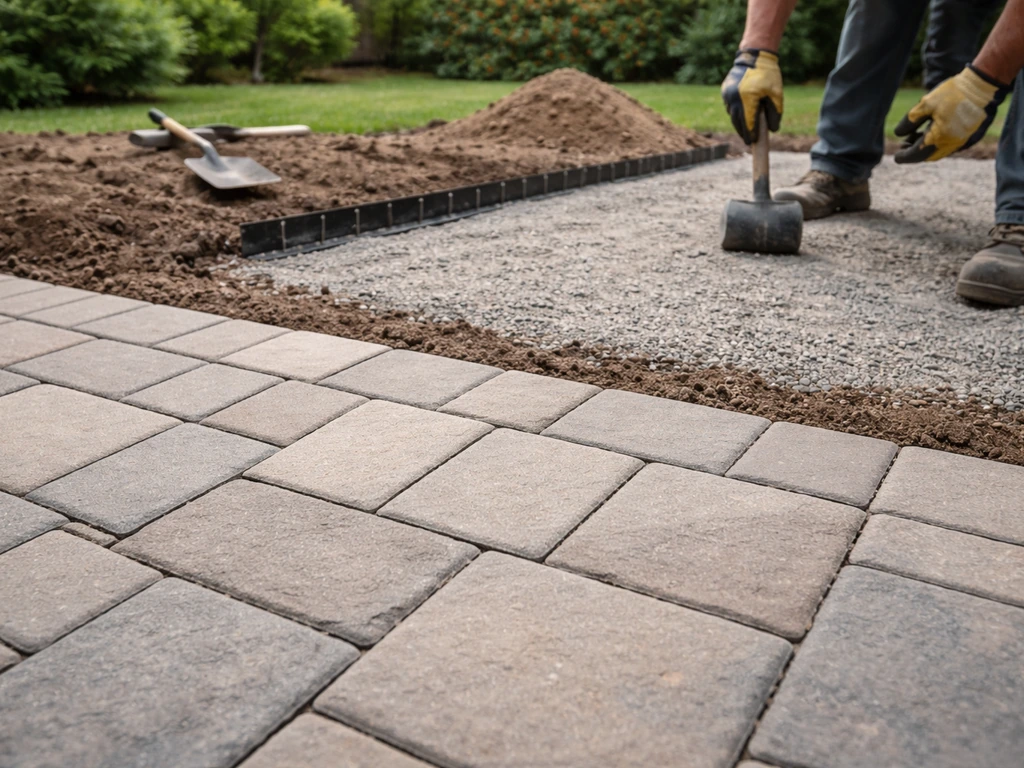
How Much Are Patios? Cost Ranges by Size and Material
Patio cost estimates by size and material with labor, base, add-ons, DIY vs contractor, and quote planning tips.