
A professionally installed 12x12 concrete patio (144 square feet) typically costs between $1,500 and $5,200 in 2026, with most homeowners landing somewhere around $1,900 to $3,500 for a standard broom-finished slab at 4 inches thick. If you go with stamped or decorative concrete, that range climbs to roughly $2,500 to $7,500 or more depending on the finish complexity and your location. EstimateConcrete.com’s 2026 patio cost guide reports that the average installed 12x12-style patio total typically falls within a broader $1,500 to $8,000 range depending on finish and site conditions. The wide spread isn't random, it comes down to a handful of spec decisions and site conditions that every contractor prices differently.
How Much Does a 12x12 Concrete Patio Cost in 2026?

Felix Carver
16 May 2026
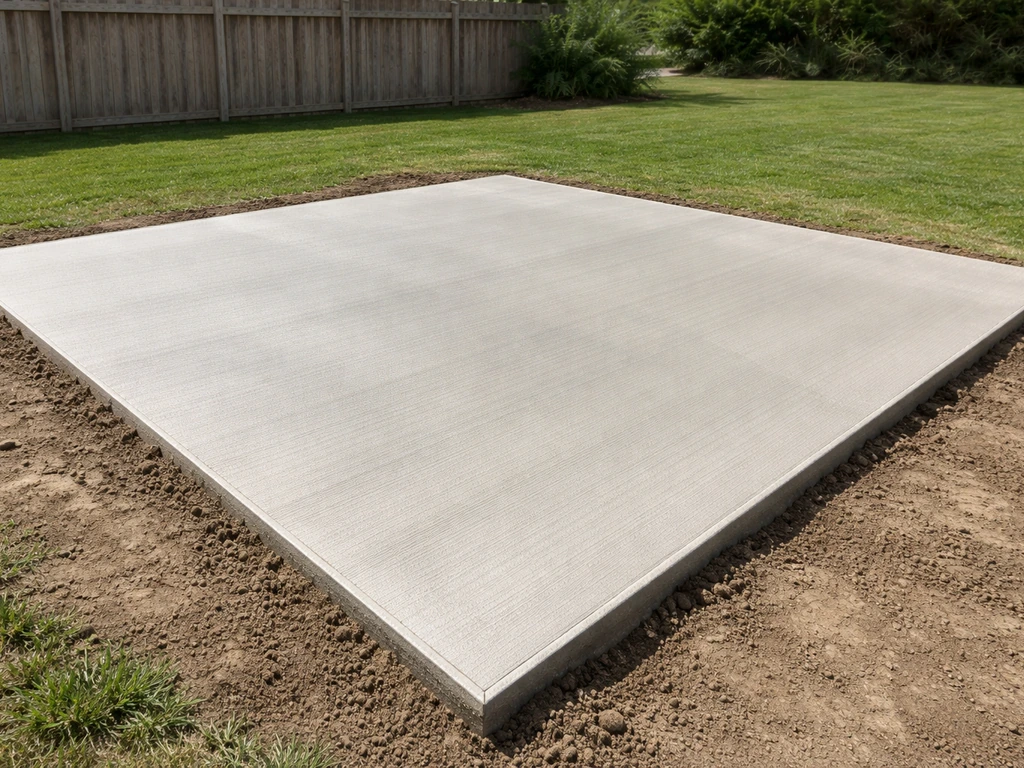
What you're actually paying for: the full cost breakdown
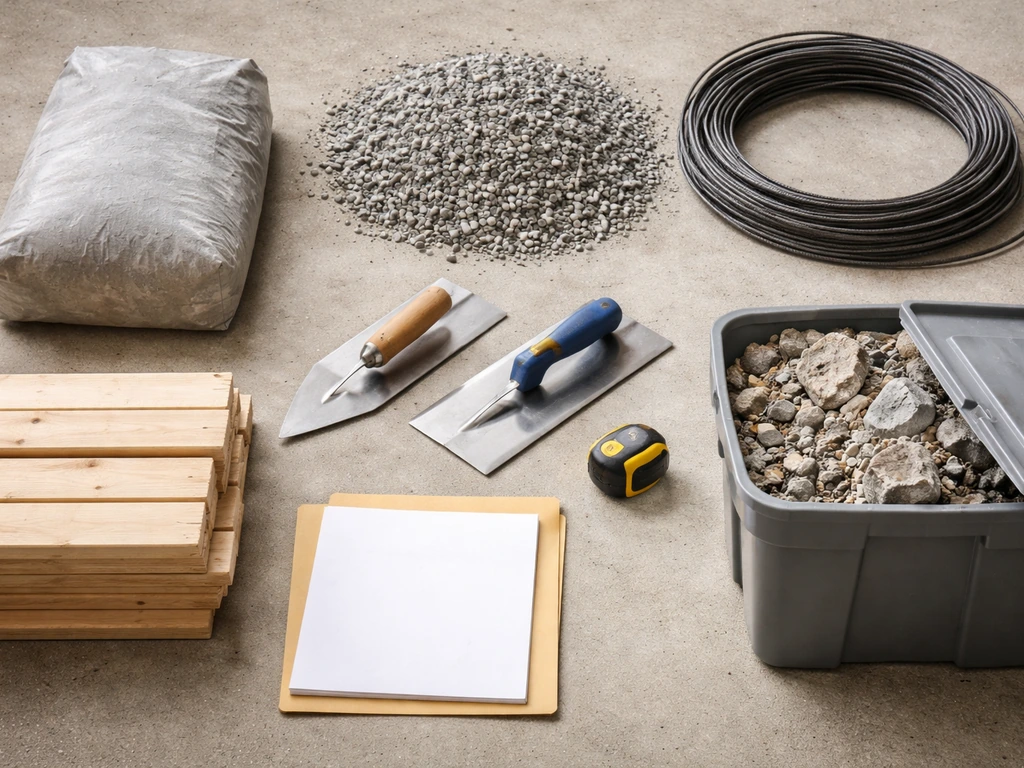
A concrete patio quote isn't just 'concrete plus labor.' It stacks up several distinct line items, and knowing them helps you figure out whether a bid is thorough or suspiciously light. Here's how the cost typically breaks down for a plain broom-finished 12x12 slab:
| Cost Component | Typical Range (12x12) | Notes |
|---|---|---|
| Concrete materials (4" slab) | $200–$400 | Roughly 1.5–2 cubic yards for a 12x12 at 4" |
| Excavation and grading | $145–$430 | ~$1–$3 per sq ft depending on soil and slope |
| Gravel base (4–6" compacted) | $70–$215 | ~$0.50–$1.50 per sq ft |
| Compaction | $35–$110 | ~$0.25–$0.75 per sq ft |
| Reinforcement (wire mesh or rebar) | $300–$500 | Project-level cost; rebar costs more than mesh |
| Forms and labor setup | $100–$250 | Included in some labor quotes, separate in others |
| Pour and finishing labor | $400–$900 | Largest variable; finish type affects time |
| Expansion/control joints | $50–$150 | Often cut same day or shortly after pour |
| Sealing (first coat) | $75–$200 | Sometimes quoted separately; requires 28-day cure |
| Total installed estimate | $1,375–$3,155 | Plain broom finish, typical site conditions |
That total lines up with real-world quotes for a straightforward job on a flat site with easy access. The number grows fast when your site has complications, more on that below. Also note that sealing is sometimes left out of initial bids entirely, since concrete needs a minimum 28-day cure before it's ready to seal. Always ask whether the quote includes a return trip to seal.
The factors that make bids vary by hundreds (or thousands) of dollars
Thickness and mix design
Four inches is the standard for a residential patio. Some contractors quote 3.5 inches to shave cost, which is workable but leaves less margin for error. If you're placing a hot tub, heavy planter, or outdoor kitchen on part of the slab, that section should be poured at 5 to 6 inches with continuous rebar through it, and that costs more. Always ask what thickness is included in the bid and whether any thickened-edge or turn-down sections are accounted for.
Reinforcement: wire mesh vs. rebar
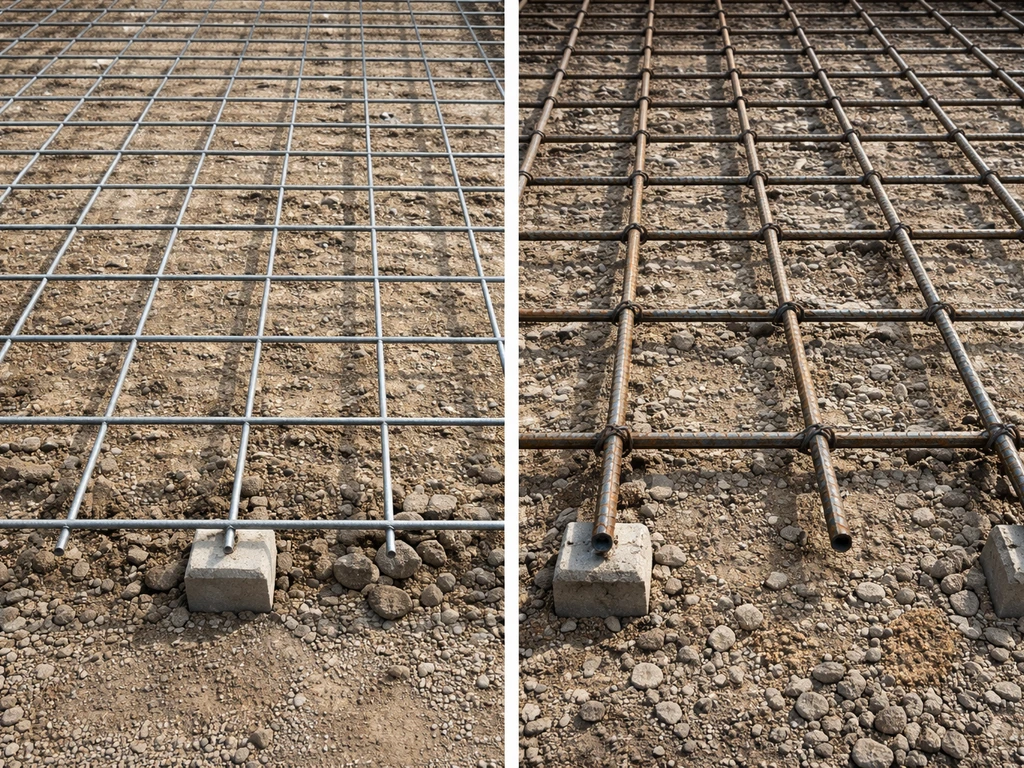
A lot of basic quotes include welded wire mesh (something like 6x6 W1.4/W1.4 on chairs at mid-depth), which is fine for most patios. Rebar adds material and labor cost but gives you a stronger slab, worth it if you have clay soil, a freeze-thaw climate, or anything heavier than patio furniture going on top. Some contractors skip reinforcement entirely on small pours, which saves maybe $200 up front but increases cracking risk. Ask specifically what's included.
Site prep: the hidden cost driver
Site prep is where bids diverge the most on jobs that look identical on paper. If you're trying to estimate how much it costs to build a 12x12 patio, start by budgeting for site prep because it can vary the most between quotes how much does it cost to build a 12x12 patio. Excavation alone runs $1 to $3 per square foot, that's $145 to $430 just to dig out a 12x12 footprint. Add gravel base ($0.
50 to $1. 50/sq ft) and compaction ($0. 25 to $0. 75/sq ft) and you're at $125 to $320 more before a single bag of concrete is mixed.
If your site needs grading, has existing concrete or pavers to demo, or requires extra haul-off, those costs stack on top.
Expansion and control joints
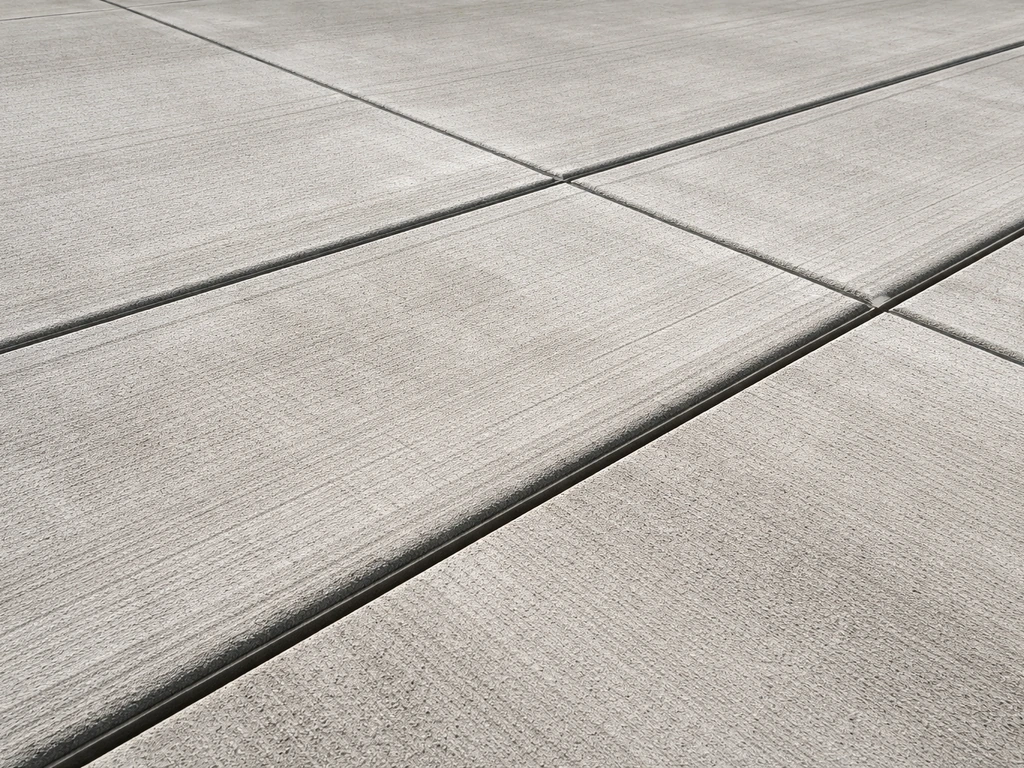
Concrete cracks, the question is whether it cracks where you want it to (at planned control joints) or randomly across the slab. Control joints are typically cut or tooled into the surface shortly after the pour and should be spaced no more than 10 to 12 feet apart. On a 12x12, you'll usually see one or two interior joints. Skipping them saves a contractor maybe $50 to $100, but it's a common reason patios look rough after a few winters. Make sure the quote mentions joint cutting.
Drainage slope
Proper drainage isn't optional, it's probably the most important part of the install. The slab needs to slope away from your house at a minimum of 1/8 inch per foot (some guidelines recommend up to 1/4 inch per foot for better drainage). On a site that's already relatively flat and sloped away from the structure, this is easy. On a site that slopes toward the house or is dead level, the contractor has to do more grading work, and that cost goes into the bid.
Plain concrete vs. stamped, stained, and colored: what each finish actually costs
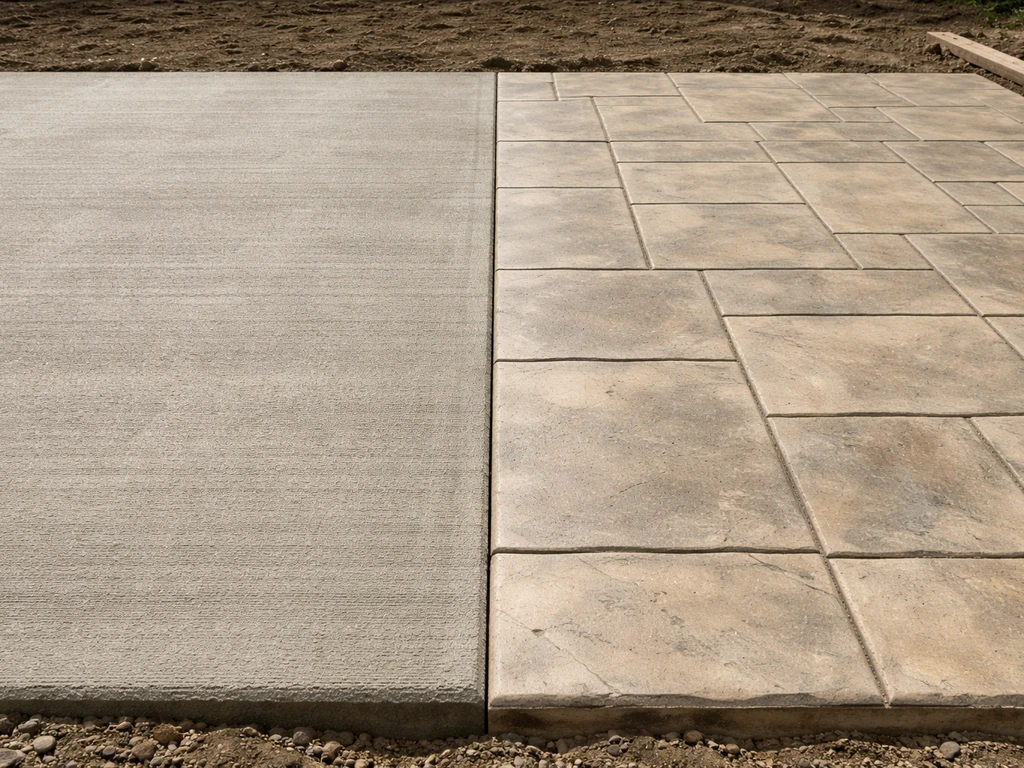
Finish choice is the biggest single lever on your total cost. Here's what each option typically adds to a 12x12 pour:
| Finish Type | Installed Cost (per sq ft) | 12x12 Total Estimate | What you're paying for |
|---|---|---|---|
| Broom finish (plain) | $4–$8 | $575–$1,150 | Textured surface for traction; the standard residential finish |
| Broom + integral color | $7–$12 | $1,000–$1,730 | Pigment mixed into the concrete before pour |
| Acid stain or water-based stain | $7–$13 | $1,000–$1,870 | Applied after cure; adds color variation and depth |
| Stamped concrete (single pattern) | $12–$18 | $1,730–$2,590 | Texture/pattern pressed in before concrete sets |
| Stamped + colored + sealer | $16–$28+ | $2,300–$4,030+ | Full decorative treatment; most labor-intensive |
These per-square-foot numbers are for the finish work on top of the base slab cost, so add them to your site prep and materials. Decorative finishes can genuinely double or triple the plain-concrete price, and that's before sealing. Sealing a stamped or stained patio adds roughly $2 to $4 per square foot and is not optional if you want the finish to last, concrete needs to be re-sealed every one to three years regardless of finish type.
One thing worth knowing: staining existing concrete costs less than stamping new concrete, so if you already have a plain slab you want to upgrade, staining is the more budget-friendly path. Stamping has to happen at pour time, you can't add it later.
Regional pricing and site-specific variables
Labor is the biggest regional variable. Concrete contractor labor rates in the Southeast or Midwest are meaningfully lower than in the Pacific Northwest, New England, or California. A job that costs $2,200 in rural Ohio might cost $3,800 for the same specs in the Bay Area. Materials fluctuate too, concrete is a local commodity, and ready-mix prices vary by region and season.
Permits are another regional wildcard. Many municipalities don't require a permit for a ground-level concrete patio under a certain size. Others do, and permit fees typically run $50 to $200. Some jurisdictions also require inspections, which can delay the pour. Ask your contractor whether a permit is needed in your area before signing anything, this should not be a surprise item on the final invoice.
Climate affects your material specs too. In freeze-thaw climates (most of the Midwest, Northeast, and mountain regions), concrete needs air entrainment, tiny air bubbles worked into the mix that give water room to expand when it freezes, reducing surface scaling and cracking. Contractors in those regions factor this into their mix design; contractors in Florida or Arizona generally don't. If you're getting bids in a northern climate, confirm that the mix includes air entrainment.
Site access also matters more than most homeowners expect. If your contractor can back a ready-mix truck directly to the pour site, cost stays down. If there's a fence to remove, a narrow side yard to navigate, or a significant distance from the truck to the forms, they'll either pump the concrete (adding $400 to $800 to the job) or charge more for wheelbarrow labor.
DIY vs. hiring a pro: be honest about the tradeoffs
Concrete work is absolutely DIY-able, but a 12x12 slab is not a beginner project. You're mixing, moving, and screeding about 1.5 to 2 cubic yards of concrete that starts setting the moment it's poured. Mistakes in forming, leveling, or finishing are not fixable after the fact, and replacing a damaged patio can cost nearly as much as the original installation. That's not a reason to always hire out, but it's why the DIY decision needs to be honest.
DIY makes the most sense when: your site is flat and easy to access, you've done flatwork before (or have someone helping who has), there's no complicated drainage work needed, and the patio isn't directly adjacent to your foundation where grading errors matter more. On a basic pour with a rented mixer or a small ready-mix delivery, you can realistically bring a 12x12 broom-finished patio in under $700 to $900 in materials and equipment rental. That's a real saving.
Hire a pro when: your site slopes toward the house, the ground needs significant grading, you want stamped or decorative work (timing is unforgiving), or this is your first concrete pour. A sloped site that drains toward your foundation is the classic case where DIY savings get wiped out by foundation drainage problems years later. EstimateConcrete.com puts the DIY threshold around 200 square feet of complexity, a simple 12x12 on a cooperative site is below that, but specs and site conditions matter more than square footage.
How to get accurate quotes and compare your options
Get at least three quotes, and make sure you're comparing the same scope. The most common mistake homeowners make is comparing a bare-bones bid against a complete one and thinking the cheaper contractor is just more competitive. Here's what to ask every contractor to spell out in the quote:
- Thickness of the slab (confirm 4 inches minimum for a patio)
- Type of reinforcement included (wire mesh, rebar, or none)
- What site prep is included (excavation depth, gravel base thickness, compaction)
- Whether haul-off of excavated material is included
- Finish type and any color or stamp charges
- Whether control/expansion joints are included and how they'll be cut
- Whether sealing is included, or if it's a separate return visit (and whether it's budgeted)
- Drainage slope — confirm it drains away from the structure
- Permit responsibility — who pulls it and who pays for it
- Payment schedule and what warranty or guarantee they offer on the work
If a quote is significantly lower than others, it almost always means something from that list is missing. Ask which items are excluded before you decide it's the better deal.
Concrete vs. other patio materials: the quick comparison
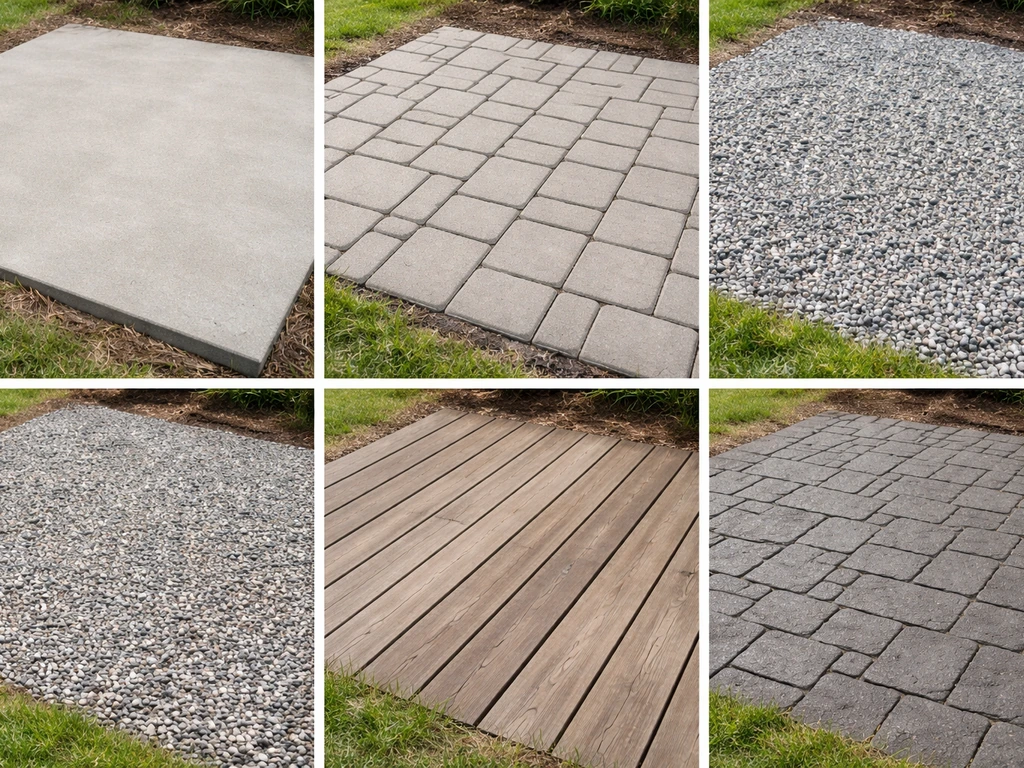
Concrete is typically the most cost-effective hard surface for a 12x12 patio, but it's worth knowing how it stacks up against the alternatives. Paver patios tend to run $10 to $20 per square foot installed, making them 30 to 60 percent more expensive than plain concrete, but they're easier to repair (swap individual pavers vs. breaking out and re-pouring concrete) and don't develop visible cracks. Natural stone patios cost even more, often $20 to $30 per square foot or higher for premium materials. Brick is in the paver range. Flagstone sits between pavers and natural stone depending on the type.
For most homeowners on a budget who want a durable, low-maintenance surface, plain or broom-finished concrete wins on cost. If aesthetics matter more and budget allows, stamped concrete can get you close to a paver look at a lower price than actual pavers, though it requires periodic resealing to stay looking good. If longevity with minimal maintenance is the priority, pavers and natural stone hold up better over decades without the cracking risk that concrete carries, especially in freeze-thaw climates.
The bottom line: for a 12x12 patio, budget $1,900 to $3,500 for a solid professionally installed broom-finished concrete slab, $2,500 to $5,000 for stamped or colored work, and get three itemized quotes before you commit to anything. For a 12x20 concrete patio, the same factors apply, but the total cost is driven mainly by the larger square footage 12x12 patio.
A natural stone patio is usually priced more than concrete, so use this as a baseline when you compare contractors’ stone options how much does a 12x12 stone patio cost. Know what's in each bid, confirm the drainage slope and reinforcement specs, and ask about sealing. That homework alone will save you from surprises and help you spot the bid that's actually a good deal versus the one that's just cheap on paper.
If you want a quick ballpark, the total cost of a 12x12 patio usually comes down to finish choice, site prep, and installation details.
FAQ
Does the quoted range for how much a 12x12 concrete patio costs usually include sealing and control joints?
Ask whether the $1,500 to $5,200 range includes the base slab only or also covers reinforcement, joint cutting, finishing, and sealing (sealing often requires waiting at least 28 days). If the bid is itemized, confirm each line item matches your desired finish and thickness, otherwise the low total may be misleading.
Will a 12x12 patio pour be one uniform slab, or can parts be thicker and reinforced?
For a 12x12, a contractor typically pours as one continuous slab, but the joint pattern and any thickened areas should be planned for your loads. If you need a hot tub, grill pad, or thickened edge, insist the bid calls out where extra thickness and reinforcement apply, so that area is not treated like a standard broom-finished section.
How does removing old concrete or pavers affect the total cost of a 12x12 patio?
If the site has existing concrete or pavers to remove, cost can change a lot due to demo, disposal, and disposal fees. A good quote specifies what is being demolished (full depth vs. thin removal), whether haul-off is included, and whether you must bring in new base material afterward.
What should I watch for if a contractor offers a 3.5-inch thick slab to reduce the price?
If you see a bid with “3.5 inches included,” confirm it is truly thickened for any areas with heavier use and that reinforcement details (mesh or rebar type, spacing, and chairs) are included. Thin slabs can be workable on light-use patios, but they reduce tolerance for settling or minor base issues.
What happens to cost if my yard is flat or slopes toward my house?
Most bids assume a specified slope away from the house, but if your yard is nearly level or slopes toward the home, the contractor may need extra grading and possibly revised drainage plans. Ask for the proposed slope (1/8 inch per foot minimum) and whether grading affects adjacent steps, doors, or landscaping.
How does truck access or distance from the street change the cost of a 12x12 concrete patio?
If the ready-mix truck cannot reach the forms directly, you may pay for pumping or extended wheelbarrow carry time. Ask the contractor to state the pour method, the expected distance to the forms, and whether pumping is assumed, since pumping commonly adds several hundred dollars to the project.
Are stamped or decorative finishes more sensitive to weather and mix design than broom-finished concrete?
Stamped and stained concrete can look more consistent when the contractor has a clear plan for release agents, curing timing, and weather conditions. Ask how they handle hot, windy, or rainy days, and whether they include an air-entrained mix appropriate for freeze-thaw climates.
How many control joints should be included for a typical 12x12 patio?
Control joints are usually cut or tooled soon after finishing, and spacing matters to reduce random cracking. Ask how many joints are planned for a 12x12 and whether they will be cut at the right intervals, because skipping joint cutting can lower the bid but often hurts appearance after a few winters.
What line items should I confirm regarding excavation, haul-off, and disposal for a 12x12 patio?
Some contractors include an allowance for disposal, while others do not. Make sure the quote clarifies whether excavation spoils are hauled away, whether dump fees are included, and where materials will be staged during the job.
Do I need a permit for a 12x12 patio, and should that be included in the contractor’s price?
Permit requirements vary by municipality and sometimes by patio size, location relative to structures, or how close it is to property lines. Ask your contractor to confirm whether a permit is required and whether they include permit fees and inspection scheduling in the quote.
What exact details should I compare across three quotes to make sure they are truly apples-to-apples?
To compare bids fairly, request the same scope wording: slab thickness, reinforcement type, joint cutting approach, drainage slope target, finish (broom vs stamped vs colored), and whether sealing is included and at what timing. If one contractor omits sealing or reinforcement, their price will likely look cheaper without being comparable.
If I DIY a 12x12 patio, what are the most common failure points that lead to expensive rework?
DIY can reduce costs mainly by avoiding labor and using equipment efficiently, but the real risk is redoing the slab if forming, screeding, or finishing is off. If you do DIY, plan for fast workflow because concrete begins setting immediately, and do not assume that a small mistake is fixable without full repair or replacement.
Next Articles
How Much Does a 12x12 Paver Patio Cost? Full Budget Guide
Get a real cost range for a 12x12 paver patio, with line-item materials, labor, add-ons, and DIY vs contractor tips.
How Much Should I Expect to Pay for a Patio
Patio cost guide with real price ranges by size and material, full line-item budget, DIY vs install, and quote checklist
How Much Patio Around Pool: Cost, Size, and Budget Guide
Learn how much patio around a pool costs and how to size square feet, materials, extras, and get real bid line items.