
Installing a patio typically costs between $6 and $35 per square foot, all-in. For a common 12x12 patio (144 sq ft), that works out to roughly blank" rel="noopener noreferrer">$900 on the low end for basic concrete up to $4,600 or more for flagstone or stamped concrete. A 20x20 patio (400 sq ft) runs anywhere from $2,400 for plain poured concrete to $12,800 or more for natural stone. Where your project lands in that range depends almost entirely on three things: the material you pick, how much site prep your yard needs, and where you live. Resin patio costs vary by size, but you can estimate pricing using the same per-square-foot factors that affect most installed patios.
How Much Does a Patio Cost to Install? Pricing by Type

Felix Carver
23 May 2026
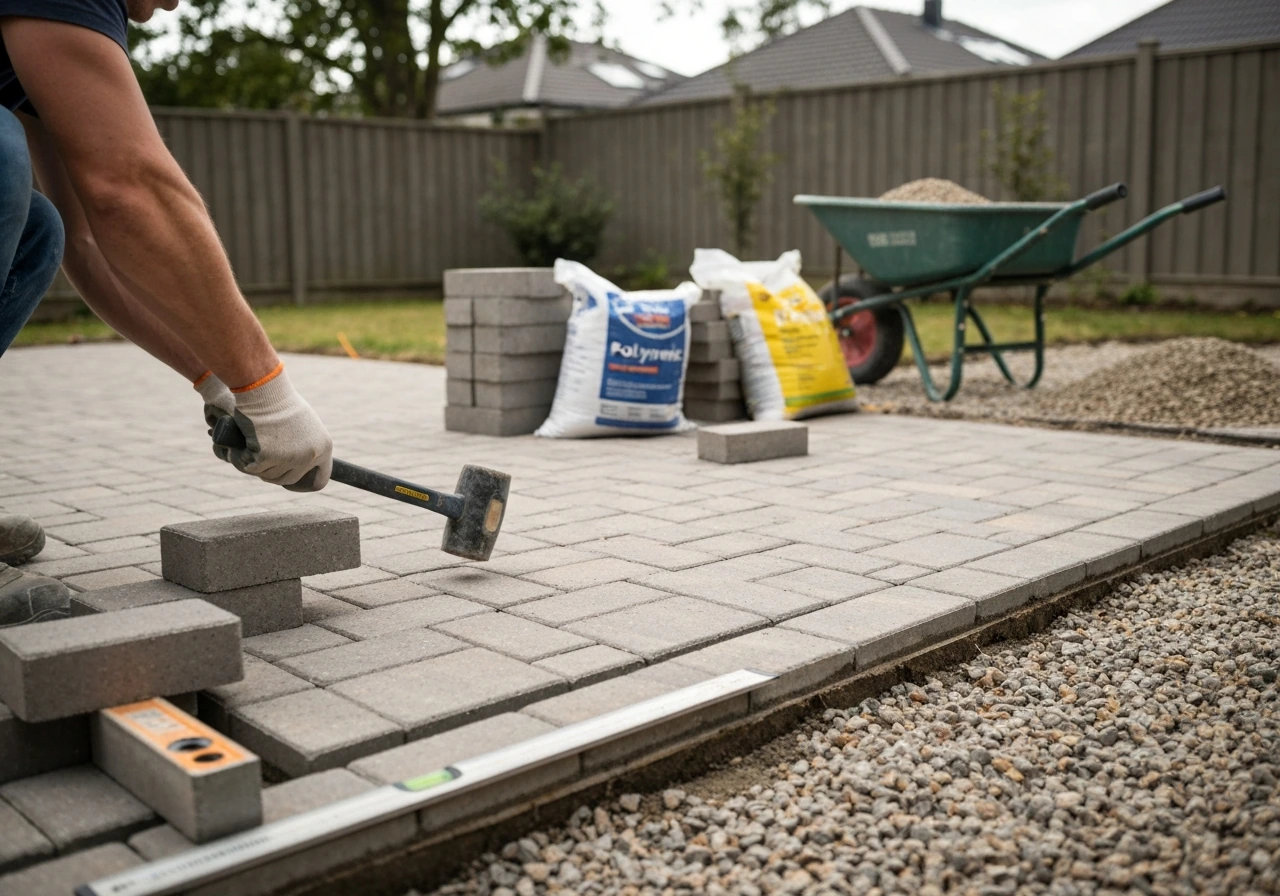
What each patio type actually costs installed
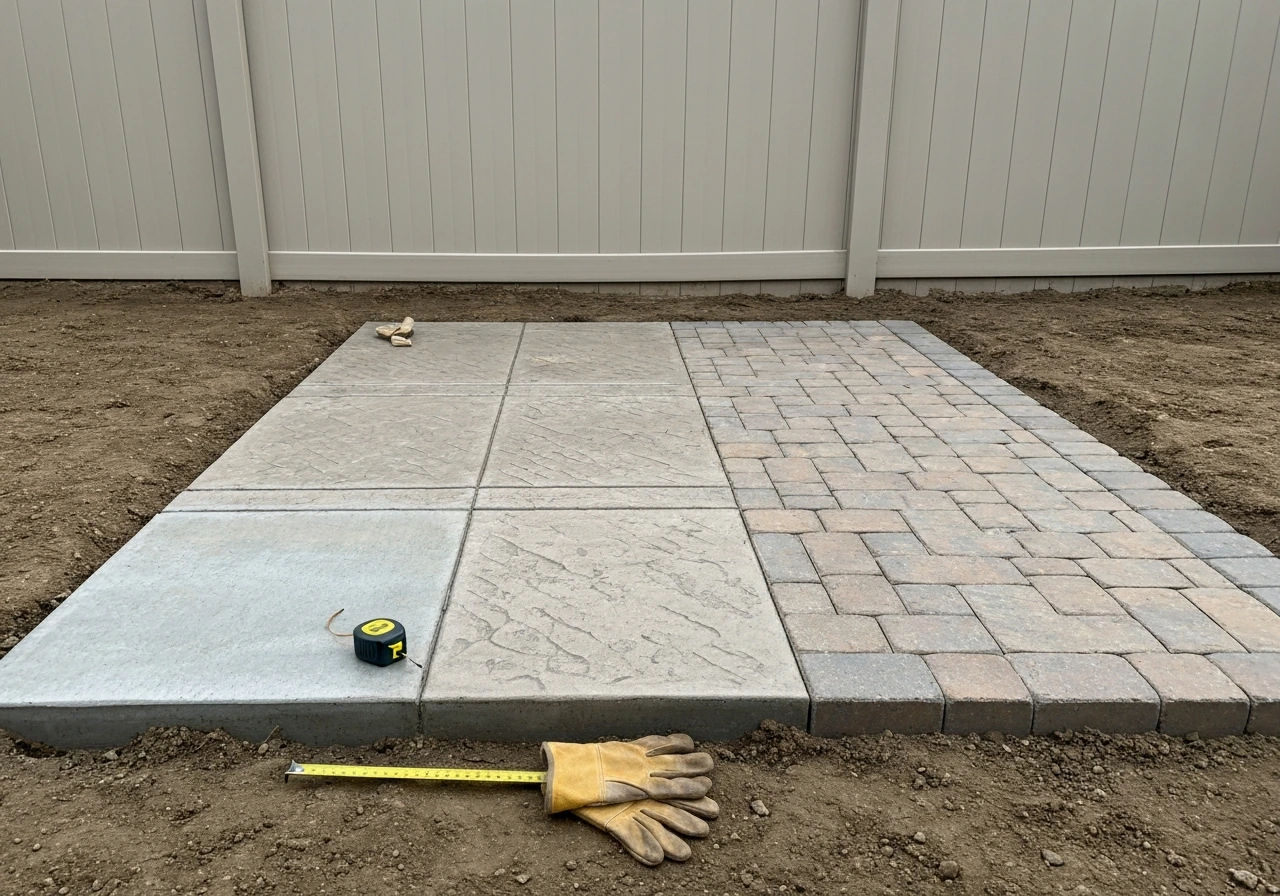
These are full installed prices, meaning materials plus labor plus a standard base prep. They are not material-only numbers.
| Patio Type | Installed Cost (per sq ft) | Notes |
|---|---|---|
| Poured concrete (plain) | $5–$15 | Most affordable; durable if properly reinforced |
| Stamped concrete | $8–$19 | More for custom patterns, multiple colors, or borders |
| Concrete pavers | $12–$25 | Price varies by paver style and base complexity |
| Brick pavers | $12–$25 | Similar to concrete pavers; classic look |
| Flagstone (dry-set) | $15–$30 | Stone type and size affect cost significantly |
| Flagstone (mortar-set) | $20–$32 | Higher labor cost; more durable long-term |
| Natural/bluestone/slate | $20–$35 | Top of the range; material cost drives price |
Plain poured concrete is the budget-friendly baseline and the most common choice. Stamped concrete gives you the look of stone or brick without the full cost jump, landing roughly in the middle of the range. Pavers and brick cost more upfront but are easier to repair individually if something shifts or cracks. Resin patio surfaces are another option, but they can be expensive depending on the system, prep work, and how much coverage you need.
Flagstone and natural stone are the most expensive because the material itself costs more and the labor to fit irregular pieces is slower and more skilled. If you're comparing porcelain or resin-bound finishes, those tend to fall at or above the flagstone range on a per-square-foot basis.
What common patio sizes actually cost
Per-square-foot pricing is useful for comparison, but most homeowners want to know the total check they'll write. Patio bra costs typically depend on your patio size, materials, and how much site preparation is needed, so the most accurate numbers come from detailed quotes total check they'll write. A good way to estimate how much does a new patio cost is to start with the total square footage and then factor in material, site prep, and your local labor rates total check they'll write. Here are realistic total project ranges for the sizes people most commonly build.
| Patio Size | Square Feet | Plain Concrete | Stamped Concrete | Pavers | Flagstone |
|---|---|---|---|---|---|
| 10x10 | 100 sq ft | $500–$1,500 | $800–$1,900 | $1,200–$2,500 | $1,500–$3,200 |
| 12x12 | 144 sq ft | $720–$2,160 | $1,150–$2,740 | $1,730–$3,600 | $2,160–$4,600 |
| 16x16 | 256 sq ft | $1,280–$3,840 | $2,050–$4,865 | $3,070–$6,400 | $3,840–$8,200 |
| 20x20 | 400 sq ft | $2,000–$6,000 | $3,200–$7,600 | $4,800–$10,000 | $6,000–$12,800 |
| 20x30 | 600 sq ft | $3,000–$9,000 | $4,800–$11,400 | $7,200–$15,000 | $9,000–$19,200 |
A 10x10 is really just a landing or small seating nook. Most families with a table and a few chairs need at least a 12x12, and a 16x16 or 20x20 is the sweet spot for outdoor dining with room to move. A patio set cost depends on the size, material, and whether you’re buying a full dining or lounge set. Keep in mind the ranges above assume a typical, reasonably flat yard with normal access. If your site has serious slope, poor soil, or difficult access, labor costs rise noticeably.
What actually drives the price up (or down)
The material cost is the obvious variable, but it's often not the biggest surprise on a final invoice. Here's where money actually goes and where quotes can quietly hide costs.
Materials
Material cost alone can range from under $2 per square foot for basic concrete mix to $10 or more per square foot for premium flagstone or bluestone. Porcelain patio tiles are typically priced based on the tile material and installation factors like subbase prep, so getting a detailed quote is key to estimating total costs porcelain patio costs. Pavers vary widely depending on whether you're using standard concrete pavers, tumbled or textured styles, or natural stone versions. Always ask your contractor to list material costs separately from labor so you can comparison shop.
Labor
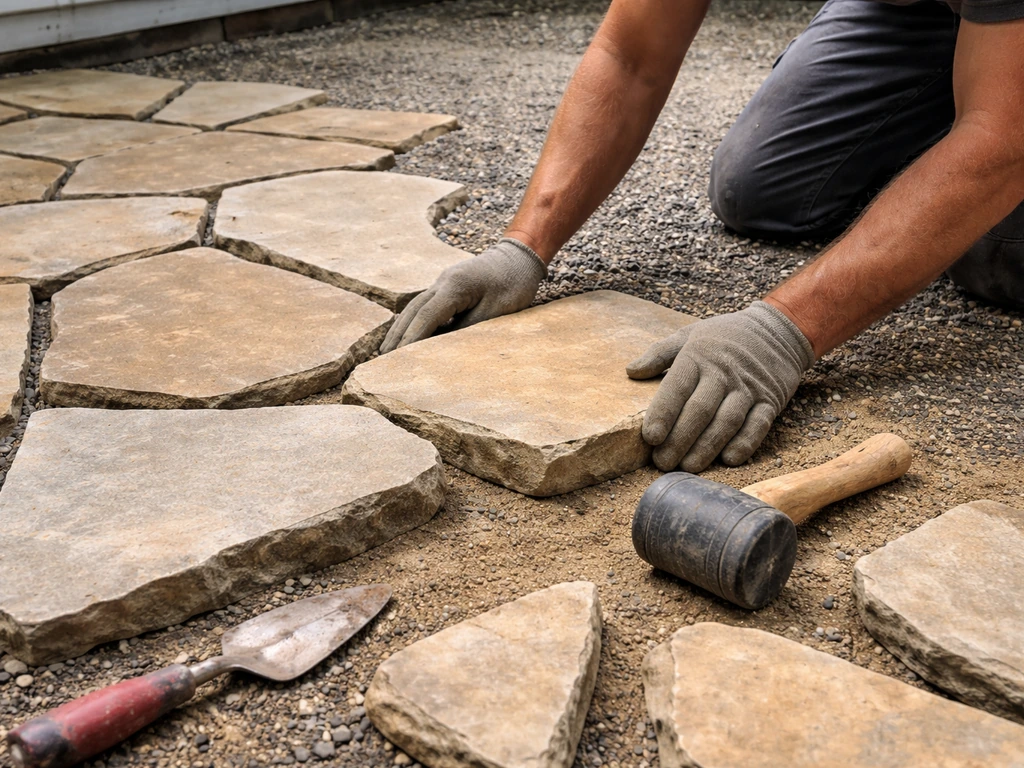
Labor runs roughly $5–$10 per square foot for most patio types. Intricate work, like hand-fitting irregular flagstone pieces or doing custom stamped concrete borders, can push labor alone to $15–$25 per square foot. A standard rectangular patio costs less than a curved or L-shaped layout for the same material.
Site prep, excavation, and base
This is where under-scoped bids hide. A proper patio installation requires excavating 6–12 inches of soil (sometimes more in cold climates), hauling the spoil away, compacting the subgrade, and laying a gravel base. For pavers, that base typically includes a compacted aggregate layer, blank" rel="noopener noreferrer">a geotextile fabric to prevent mixing of soil and gravel, a bedding sand layer, edge restraints, and polymeric sand swept into the joints. Skipping or thinning any of these layers saves money upfront and creates settling, heaving, and drainage problems within a few years. Always ask how deep the base will be and what it includes.
Drainage
A patio needs a slope of at least 1/8 to 1/4 inch per foot away from the house for water to shed properly. If your yard is flat or slopes toward the house, the contractor may need to regrade or add a drainage channel, which adds to the bill. This isn't optional. Poor drainage is the number one reason patios and nearby foundations develop problems.
Extras that add up fast
- Old patio removal and disposal: $1–$3 per square foot extra
- Permits: $50–$500 depending on your municipality (required in many areas for permanent structures)
- Retaining walls or steps: often priced separately and can add $1,000–$5,000+
- Outdoor lighting or electrical rough-in: $500–$2,000+
- Complex shapes, curves, or decorative borders: adds 10–30% to labor
- Custom colors or multiple stamps on stamped concrete: $1–$5 per square foot extra
DIY vs hiring a pro: what you actually save (and risk)
Going DIY can save you the $5–$10 per square foot in labor costs, which on a 200 sq ft patio is a real $1,000–$2,000. For a plain concrete patio, that's a significant chunk. For pavers, a motivated DIYer can absolutely do this, but the base prep is hard physical work and requires renting a plate compactor (around $150–$250/day). The ICPI-spec way to do it involves compacted aggregate base, bedding sand screeded flat, edge restraints pinned every 12 inches, and polymeric sand swept in after vibration. If any of those steps are rushed or skipped, the patio will shift and settle unevenly within a few seasons.
Concrete is harder to DIY well. Pouring, screeding, and finishing concrete on anything bigger than about 100 square feet is genuinely difficult without experience, and mistakes are permanent (or very expensive to fix). Stamped concrete is even less forgiving because timing matters: the stamps go in while the concrete is in a specific window of cure. Most homeowners who attempt DIY stamped concrete end up with disappointing results. Stick to hiring a pro for concrete unless you have real experience.
Flagstone dry-set is actually one of the more DIY-friendly options if you're comfortable with the physical labor. You still need proper base prep, but fitting the stones doesn't require specialized tools. Mortar-set flagstone is trickier and more unforgiving, and worth hiring out.
| Patio Type | DIY Feasibility | Realistic DIY Savings | Main Risk |
|---|---|---|---|
| Plain concrete | Low (hard to finish well) | $500–$2,000 | Cracking, poor finish, drainage issues |
| Stamped concrete | Very low | $800–$3,000 | Timing errors ruin the finish permanently |
| Concrete/brick pavers | Moderate to high | $1,000–$4,000 | Settling if base is under-prepped |
| Flagstone (dry-set) | Moderate | $800–$3,000 | Uneven surface if base is off |
| Flagstone (mortar-set) | Low | $1,000–$3,500 | Cracked mortar, poor bond without experience |
How to get accurate quotes and compare bids
Getting three quotes is the standard advice, and it's good advice. But comparing three quotes that aren't scoped the same way is useless. Here's how to make sure you're comparing apples to apples.
- Ask every contractor to list the same line items: excavation depth, base material type and depth, bedding sand, edge restraint type, joint sand (and whether it's polymeric), and whether spoil hauling is included.
- Confirm the drainage slope plan. Ask how they'll ensure water runs away from the house, and whether any regrading is included.
- Ask whether permits are included in the quote or billed separately.
- Get the square footage written down and verify it matches your measurements. A 20x20 patio is 400 sq ft, not 20 sq ft.
- Ask what happens if they hit unexpected issues during excavation, like roots, old concrete, or soft soil. Will there be a change order, and how is it priced?
- Confirm the warranty. Most contractors offer 1–2 years on labor; ask specifically what's covered.
- Check that the contractor is licensed and insured in your state. Ask for proof of general liability coverage.
- Request references for at least two completed patio projects of a similar material and size.
The lowest bid is almost never the best value. A bid that's 30–40% below the others usually means something was left out: thinner base, no edge restraints, no polymeric sand, or no spoil hauling. Ask the cheap bidder to show you exactly what's different. Sometimes it's legitimate (they're more efficient or have lower overhead), but often you're looking at a cut-corner install that'll need repairs in three to five years.
Regional cost variation and how to budget realistically
Labor rates vary significantly by region, and that directly affects your total. As a rough rule, expect to pay 25–40% more than the national average if you're in California, the New York metro area, or other high cost-of-living markets. The Midwest and South tend to come in at or below the national average. Material costs also vary because stone, in particular, is expensive to ship, and locally quarried flagstone can cost far less than the same stone brought in from across the country.
For budgeting purposes, use the mid-range of the estimates for your material type and size, then add a 15–20% contingency buffer. That buffer almost always gets used, whether it's unexpected drainage work, a tree root in the excavation zone, or a change to the layout after demo starts. If your contractor gives you a fixed-price contract with a clear scope, the contingency can be smaller. If it's a time-and-materials bid, keep 20–25% in reserve.
One practical tip: get your quotes in late winter or early spring if you can. Contractors are less slammed and more likely to have schedule flexibility. Summer is peak season and you may wait months for an appointment plus pay more for the work.
Finally, know what you're getting before you sign anything. A clear scope of work, a written material spec, a payment schedule tied to milestones (not just dates), and a defined process for change orders will protect you more than any amount of negotiating on the per-square-foot price. The contractor who puts all of that in writing is usually the one you want doing your patio.
FAQ
Are patio installation prices really all-in, or are there common add-ons that increase the total?
Yes, but you need to confirm what the contractor means by “all-in.” Many quotes include standard base prep only, so features like removing an old patio, adding a walkway tie-in, building steps, or installing a pergola-ready base are often priced separately. Ask whether demo, haul-away, and any new subbase depth are included, and request a line item for “site prep” so you do not get surprised later.
Does the per-square-foot cost go down for larger patios, or is it the same price?
Large patios often cost less per square foot only when the design is straightforward and access is easy. If a big job requires significant regrading, retaining edging, or long haul distances for spoil, the per-square-foot advantage can shrink. A 400 sq ft patio is usually cheaper per square foot than a 100 sq ft patio, but the total can still be higher once you add drainage work and steps.
How much does removing an old patio typically affect the final price?
If there is an existing concrete slab or pavers, removal can be one of the biggest swings in price because you may pay for breaking up, hauling debris, and disposal fees. Some contractors can build over certain surfaces only in limited cases, but improper conditions lead to settling and uneven drainage. Ask whether you are doing full demo or partial modification, and whether the base prep will match your chosen patio type.
What if my yard is flat or slopes toward the house, will that change the patio cost?
It depends on the drainage situation, but you should assume drainage is mandatory to verify. If your yard slopes toward the house, you may need regrading, a French drain, or a channel to move water away, which can add both materials and labor. Make sure your quote includes the required slope away from the home (at least 1/8 to 1/4 inch per foot), and ask where runoff will go after it leaves the patio.
Do curved or custom-shaped patios cost more than square or rectangular ones?
Yes, geometry and layout can change pricing even with the same patio square footage. Curves, complex borders, multiple levels, and anything requiring frequent cutting usually increases labor compared with a simple rectangle. If you have plants, utilities, or a spot where you want an inlay, ask the contractor to quote your exact layout rather than a “close enough” square-foot estimate.
What site conditions most often increase the cost after the excavation starts?
It can. A contractor may include a base design that works for typical soil and normal traffic, but if you have clay, poor drainage, tree root issues, or frost heave risk, you may need deeper excavation and better base layers. Ask whether they will perform subgrade evaluation and what happens if they uncover unsuitable soil, because that often triggers change orders and higher costs.
Why do resin patio prices vary so much, and what should I ask for in a quote?
Resin-bound systems can vary widely by brand and coverage method, and some systems are more sensitive to prep and base quality. If the quote mentions resin but not the specific system details, you may be comparing apples to oranges. Ask for the product name, color options, thickness, number of coats or coverage rate, and the total area coverage, including any allowance for waste.
What questions should I ask before accepting a stamped concrete patio bid?
Yes. “Stamped concrete” can look similar across contractors, but the materials and process differ, especially for borders, patterns, and release agents. Ask whether the quote includes rebar or reinforcement, slab thickness, subbase specs, and what the finish includes around edges and any drains. Timing requirements also mean weather planning, so confirm how they handle temperature and curing.
Is DIY worth it for a patio, and what steps are hardest to get right?
DIY is most feasible when the work is limited and you are using an easier assembly method, like dry-set flagstone or pavers with proper base layers. For any option, you still need correct compaction, correct slope, and the right bedding and joint materials, which are hard to “eyeball.” Also ask yourself whether you can handle equipment (like a plate compactor) and cleanup, because missing those steps usually costs more than the labor you saved.
Will adding features like lighting, outlets, or a built-in fire pit increase the patio installation cost?
Typically, yes, but only if the contractor accounts for it in the bid. If you want lighting, outdoor outlets, or hardwired features near the patio, you should ask whether electrical rough-in is included or requires a separate licensed electrician. Likewise, if you plan gas for a grill or water access nearby, clarify how contractors will run lines and how the patio base will accommodate them without compromising drainage.
How can I make sure I am comparing contractor bids fairly and avoid hidden costs?
A good way is to demand a written scope of work plus a payment schedule tied to milestones (demo complete, base installed, pavers or concrete poured, final clean and seal, and punch list). If a contractor only quotes per square foot with vague scope, you are more likely to get change orders for “extras” like thicker base, extra materials for edges, or drainage corrections. Before signing, require a written material specification and a defined change-order process.
Next Articles
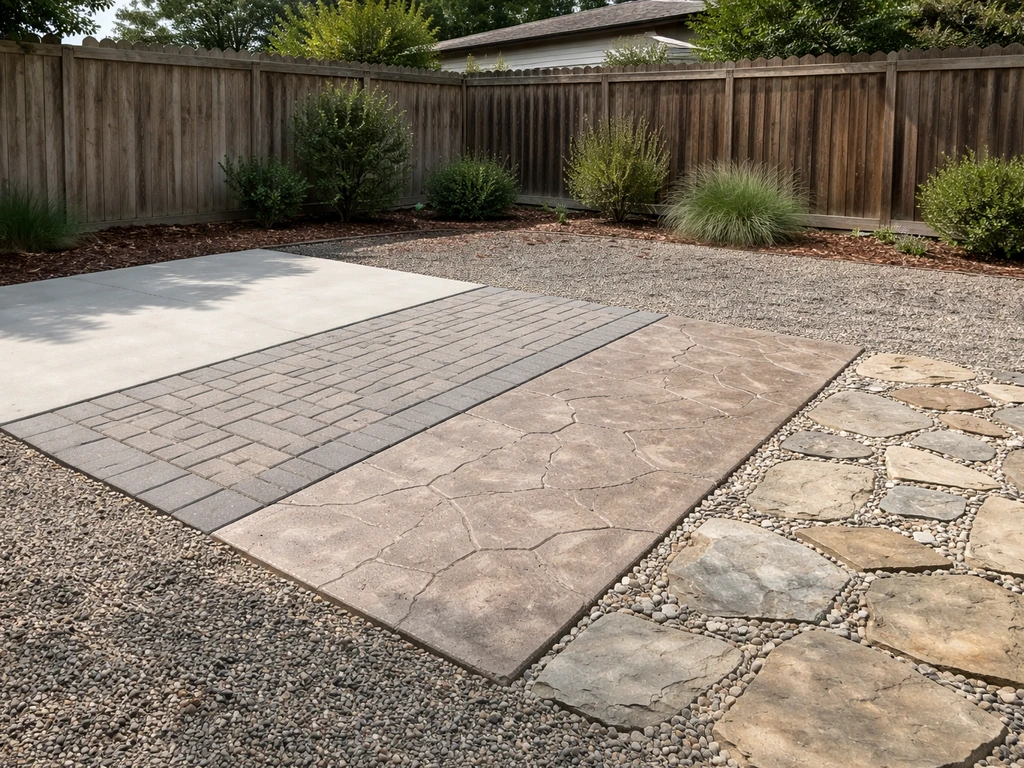
How Much Does a Patio Cost? Prices by Type and Size
Patio cost ranges by type and size, plus DIY vs installed pricing and a step-by-step estimate checklist.
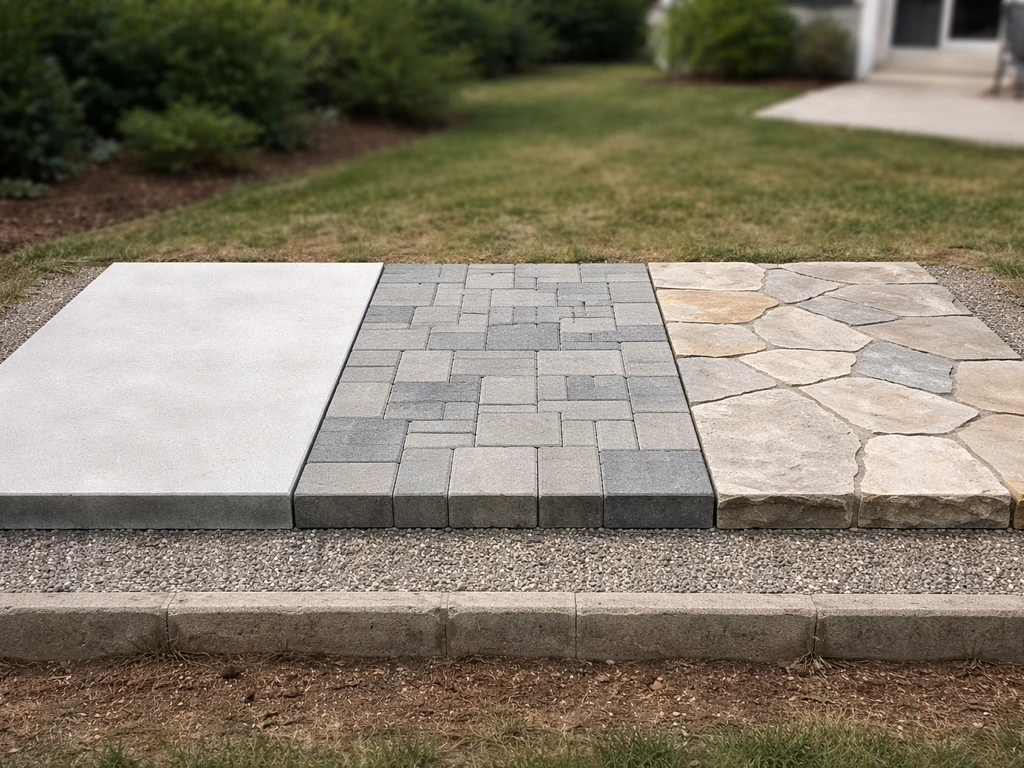
How Much Should I Expect to Pay for a Patio
Patio cost guide with real price ranges by size and material, full line-item budget, DIY vs install, and quote checklist
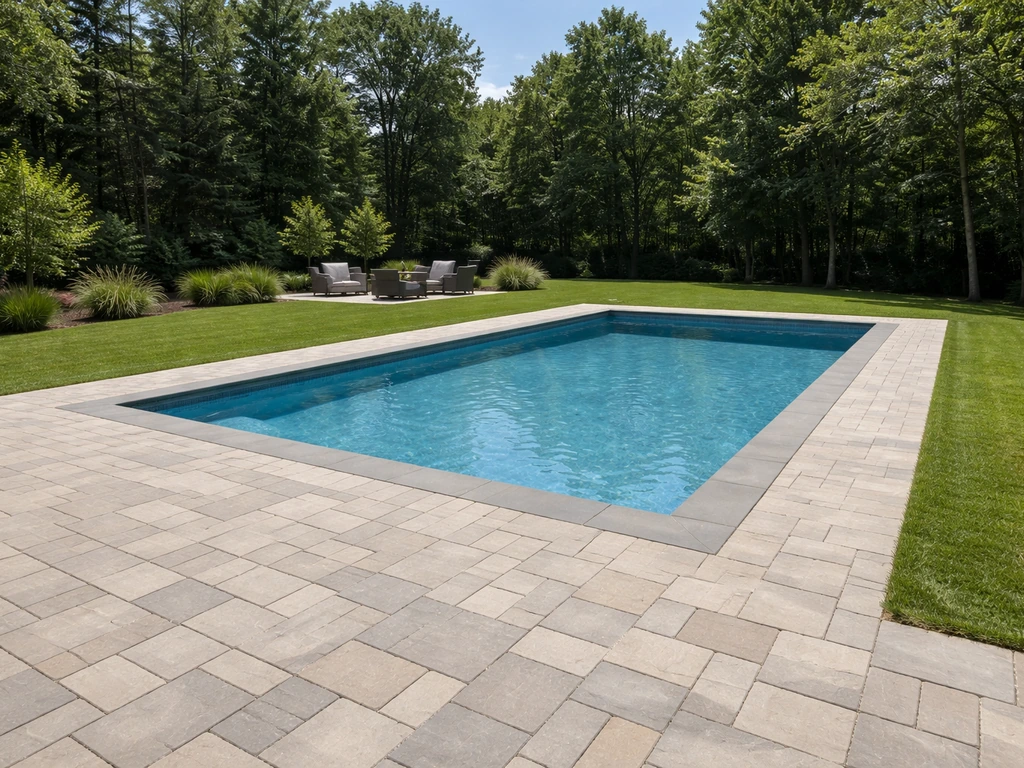
How Much Patio Around Pool: Cost, Size, and Budget Guide
Learn how much patio around a pool costs and how to size square feet, materials, extras, and get real bid line items.