
A large patio typically runs $2,000 to $14,000 installed for a 20x20 foot space (400 sq ft), depending on material and site conditions. Plain concrete sits at the low end ($6–$10 per sq ft), while natural flagstone or high-end pavers can push $25–$30 per sq ft. For a 12x12 patio (144 sq ft) with basic pavers, expect $1,400–$2,500 all-in from a contractor. Those per-square-foot numbers are a starting point, but your final bill is driven by what's under the patio just as much as what's on top of it. To estimate how much for a backyard patio, you can use per-square-foot material ranges plus site prep and add-ons to narrow down your contractor quote.
How Much Does a Large Patio Cost? 2026 Price Guide

Felix Carver
11 May 2026
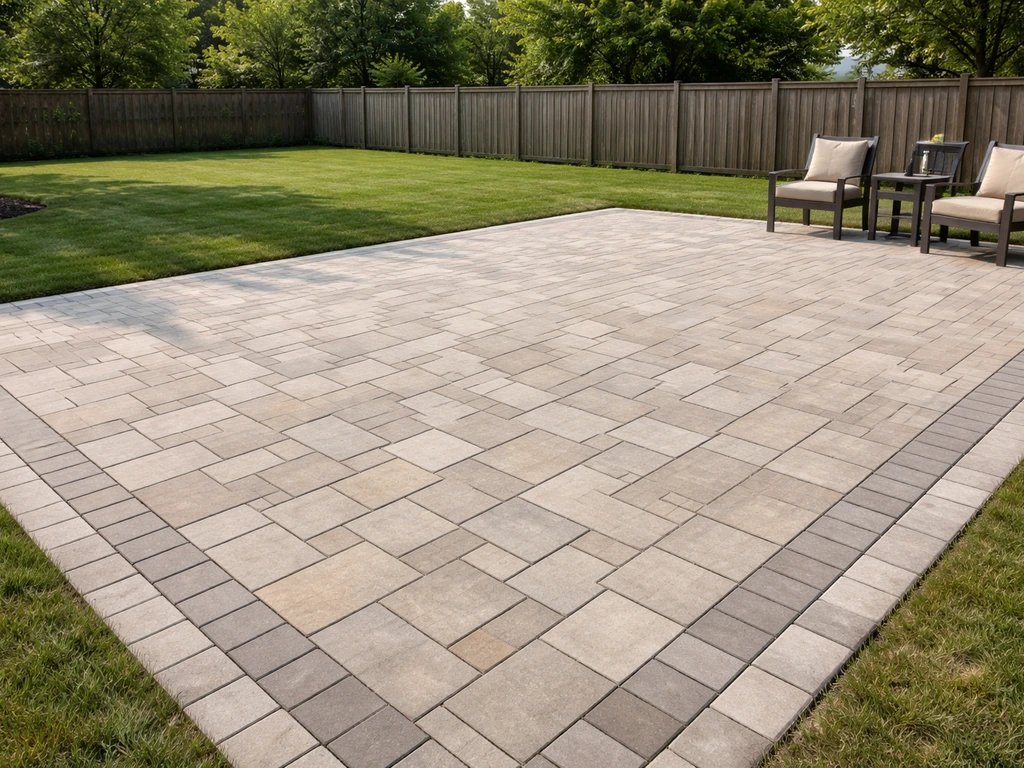
What counts as a 'large' patio?
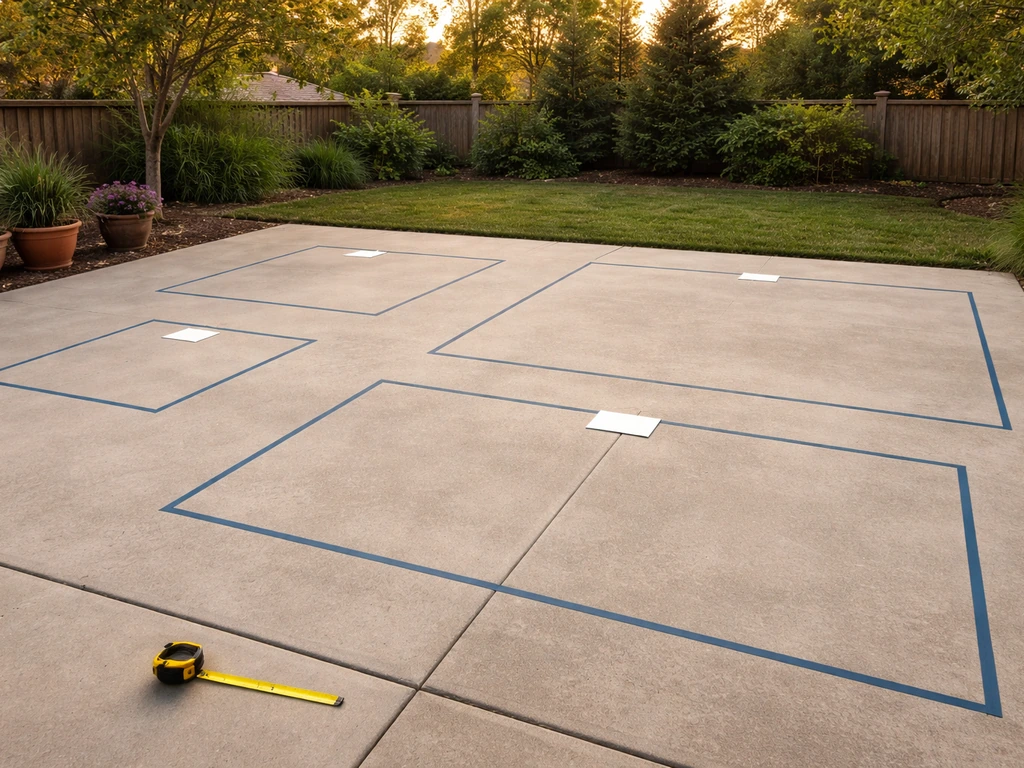
There's no hard industry rule, but most contractors and cost guides treat anything above roughly 200 square feet as a large patio. In practice, that shakes out to sizes like 12x12 (144 sq ft, borderline), 16x16 (256 sq ft), 20x20 (400 sq ft), and 20x30 (600 sq ft). The 20x20 is the benchmark most commonly used to compare large patio pricing, so you'll see that size referenced throughout this article. Below 200 sq ft you often pay a higher per-square-foot rate because contractors price in a minimum job cost regardless of size, which is why a small patio can feel disproportionately expensive. Once you get into large territory, that per-square-foot rate typically drops.
| Patio Size | Square Feet | Size Category |
|---|---|---|
| 10x10 | 100 sq ft | Small |
| 12x12 | 144 sq ft | Small–Medium |
| 16x16 | 256 sq ft | Medium–Large |
| 20x20 | 400 sq ft | Large |
| 20x30 | 600 sq ft | Large |
| 25x25 | 625 sq ft | Large–XL |
Cost by material: real ranges for large patios
Material choice is the biggest lever you have on cost. Here's how the major options break down at installed contractor rates, with real dollar totals for a 20x20 (400 sq ft) patio as a reference point.
| Material | Installed Cost per Sq Ft | 20x20 Total (400 sq ft) | 12x12 Total (144 sq ft) |
|---|---|---|---|
| Plain poured concrete | $6–$10 | $2,400–$4,000 | $865–$1,440 |
| Stamped concrete | $12–$20 | $4,800–$8,000 | $1,730–$2,880 |
| Concrete pavers | $10–$17 | $4,000–$6,800 | $1,440–$2,450 |
| Brick | $10–$30 | $4,000–$12,000 | $1,440–$4,320 |
| Flagstone / sandstone | $15–$30 | $6,000–$12,000 | $2,160–$4,320 |
| Bluestone (natural) | $13–$30 | $5,200–$12,000 | $1,870–$4,320 |
Plain and stamped concrete
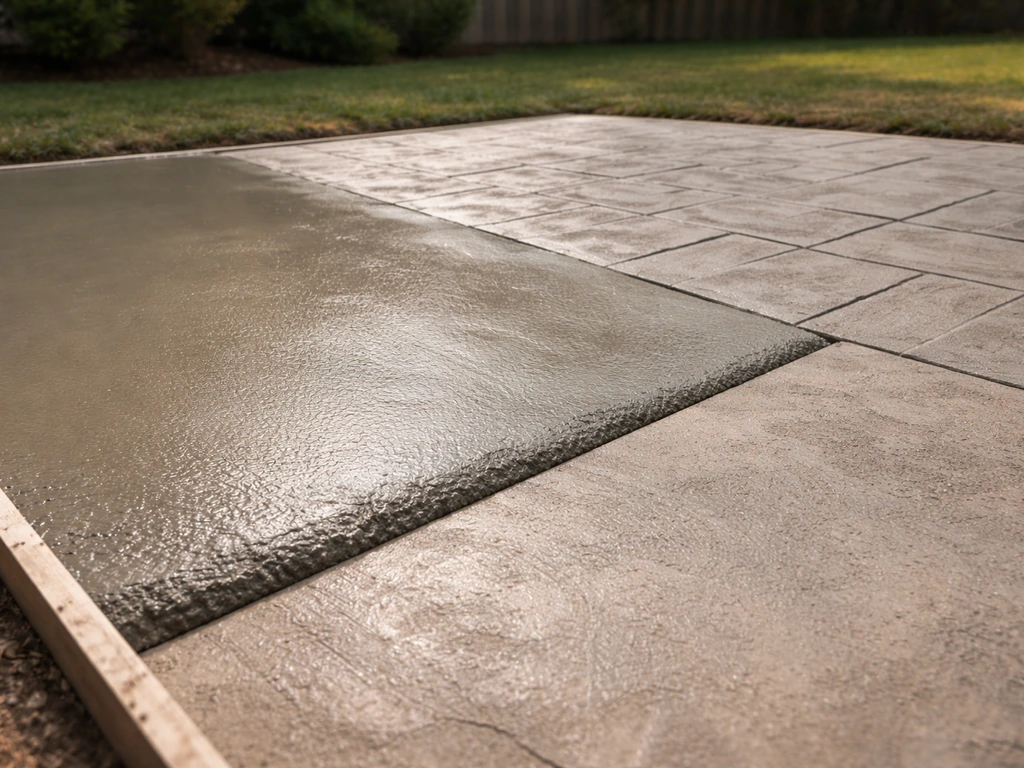
Poured concrete is the most budget-friendly option at $6–$10 per sq ft installed. It's fast to pour, low-maintenance, and holds up well in most climates. Stamped concrete layers in a texture and color to mimic stone or brick, pushing the price to $12–$20 per sq ft. The pattern complexity, number of colors, and whether decorative borders are included all move the needle.
One thing to know: new concrete needs about 28 days to fully cure before sealer can be applied, so factor that into your timeline. A study on sealant and epoxy overlay performance emphasizes that concrete cure time, including commonly used intervals like about 28 days, can affect how well these surface treatments perform [concrete needs about 28 days to fully cure](https://files. wmich. edu/s3fs-public/attachments/u56/2024/Effects%20of%20Concrete%20Cure%20Time%20on%20Epoxy%20Overlay%20and%20Sealant%20Performance.
pdf). Resealing every few years is a recurring cost that plain concrete shares with stamped.
Concrete pavers
Concrete pavers run $10–$17 per sq ft installed and are one of the most popular large patio choices for good reason. Individual pavers can be replaced if one cracks or shifts, which is a real long-term advantage over poured concrete. The base system is more labor-intensive (more on that below), but the finished product handles freeze-thaw cycles well. A standard 12x12 paver patio installed by a contractor typically lands in the $1,400–$2,500 range, which aligns with what you'd expect given those per-square-foot rates.
Brick
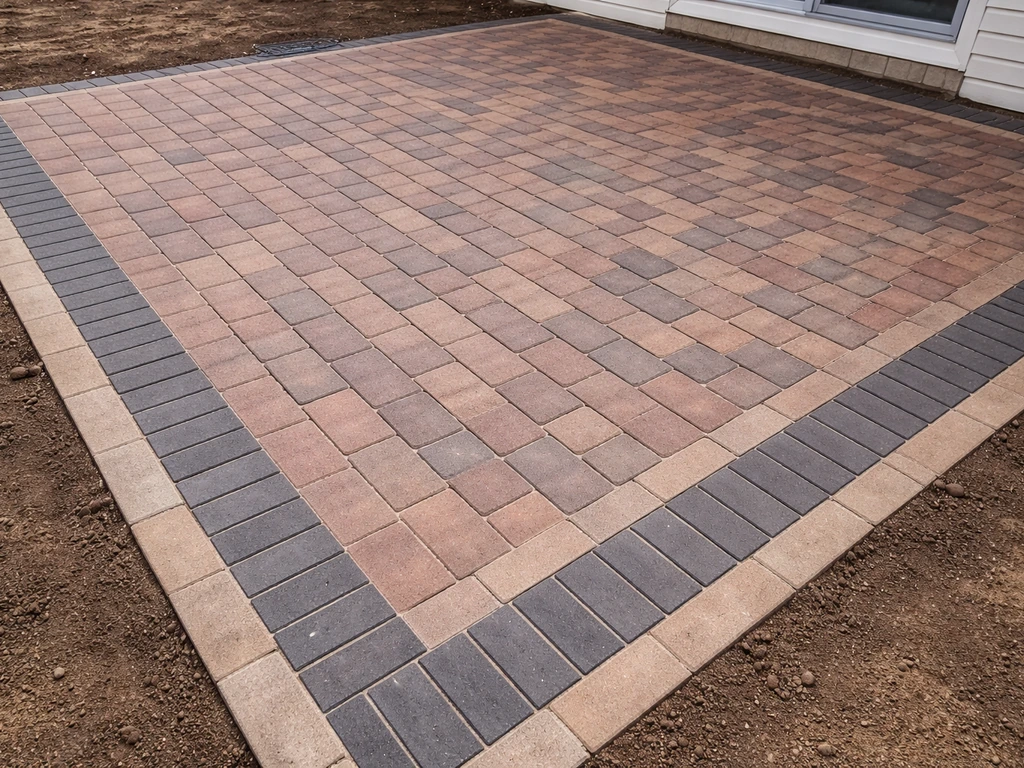
Brick runs $10–$30 per sq ft installed, with a wide range tied almost entirely to the pattern complexity and how much excavation the site needs. A simple running-bond brick patio in good soil sits at the low end. Herringbone or basket-weave patterns, curved edges, or decorative soldier courses push the price significantly higher because of the labor required to cut and fit pieces. For a 20x20 brick patio, HomeGuide puts the realistic total at $4,000–$12,000 installed.
Flagstone and natural stone
Natural flagstone and bluestone are the premium tier, running $13–$30 per sq ft installed. The material itself costs more, it's heavier to transport and handle, and dry-laid flagstone requires a skilled eye to fit irregular pieces together. Wet-set flagstone (set in mortar over a concrete slab) costs even more but is more stable long-term. If you're pricing flagstone, get quotes that specify whether the installation is dry-laid or wet-set, because the labor and base requirements differ significantly.
What actually drives the price up or down
Every quote you get will have line items that go beyond just 'material x labor.' These are the factors that separate a $4,000 patio from a $9,000 patio on the same 20x20 footprint.
Site prep and excavation
Most patio installations require removing existing grass, soil, or old concrete. Excavation depth depends on material: a paver patio typically needs 6–8 inches of total depth to accommodate the compacted gravel base (4–6 inches for good soil, 8–12 inches in soft or clay-heavy conditions), the 1-inch bedding sand layer, and the pavers themselves. If your yard has heavy clay, poor drainage, or significant slope, excavation costs climb fast. Rocky soil that requires breaking up can add hundreds to thousands to a project. Proper slope is also non-negotiable: patios need at least 1/8 inch of drop per foot of run to shed water away from the house.
Base and subbase preparation
The base is what separates a patio that lasts 20 years from one that starts heaving and settling in five. For pavers and brick, a compacted gravel aggregate base is essential, and it must be compacted in lifts (layers), not all at once. Clay subgrades especially need thorough mechanical compaction with a plate compactor or rammer. Skimping on base depth is one of the most common DIY mistakes and the most common reason patios fail. This step is expensive precisely because it's labor-intensive and material-heavy, and a reputable contractor won't cut corners here.
Drainage
If water pools anywhere on or around your future patio, you'll need drainage solutions built in. Options include channel drains, French drains, or sloping the grade to direct runoff. A simple channel drain might add $200–$600 to a project. Regrading an entire yard to address drainage issues can add several thousand dollars. If your slope exceeds about 1 inch per foot, regrading isn't optional.
Edging, borders, and pattern complexity
A basic rectangular patio in a standard running-bond pattern is the cheapest to install. Add a decorative border in a contrasting material, switch to herringbone or circular patterns, or request curved edges, and your labor cost goes up substantially. Soldier-course edging in brick, for example, requires cutting and fitting individual pieces precisely. On large patios, these design upgrades can add $1,000–$3,000 to the total.
Polymeric sand and sealing
For paver and brick installs, the final step is sweeping joint sand into the gaps between units. Polymeric sand (which hardens when wet) is worth the slight premium over standard sand because it resists washout, inhibits weed growth, and keeps joints tighter longer. Sealing concrete or pavers adds $1–$3 per sq ft and is usually a separate line item or follow-up service. On a 400 sq ft patio, sealing runs $400–$1,200 depending on material and coat count.
Permits and inspections
Many municipalities require a permit for patios over a certain size or those attached to the house. Permit costs vary widely: $50–$400 is common, but some jurisdictions charge based on project value. Beyond the fee, permits add timeline. If you're in an HOA, add approval time on top of that. Always ask your contractor whether a permit is required in your area and who pulls it. Some contractors include permit costs in their quote; others don't.
DIY vs. professional installation vs. hybrid approach
Going DIY on a large patio can save meaningful money, but it only works for certain materials and certain skill levels. Here's an honest breakdown.
What you can realistically DIY
Concrete pavers and brick are the most DIY-friendly patio materials, assuming the site is relatively flat and the soil is stable. Renting a plate compactor, doing your own excavation, and laying pavers yourself is within reach for a determined homeowner with a free weekend and a couple of helpers. Material-only costs for a paver patio run roughly $4–$8 per sq ft, meaning a 20x20 DIY paver patio might cost $1,600–$3,200 in materials versus $4,000–$6,800 fully installed. That's a real savings, but budget 2–3 weekends of hard physical labor and rent costs for equipment ($150–$400 per day for a compactor and possibly a skid steer).
What you probably shouldn't DIY
Poured concrete and stamped concrete are genuinely difficult to DIY at a quality level that holds up. Concrete has a short working window, and mistakes in pouring, leveling, or finishing are essentially permanent. Stamped concrete requires specialized stamps, release agents, and timing that most homeowners can't pull off on a first attempt. Natural flagstone installation, especially wet-set, also requires experience to get level and stable. The cost of doing one of these wrong and having to hire someone to fix it often exceeds what you would have paid a professional upfront.
The hybrid approach
The sweet spot for many homeowners is handling the demolition and basic excavation yourself, then hiring a contractor for the base prep and installation. Demolition and hauling old concrete or sod can cost $500–$2,000 when done by a contractor, and it's one of the more straightforward tasks you can tackle with a rented dumpster and a few weekends. Just be honest with the contractor about what you've done so they can assess whether the prep meets their standards before they start.
| Approach | Typical 20x20 Cost | Best For | Main Risk |
|---|---|---|---|
| Full DIY (pavers) | $1,600–$3,500 | Hands-on homeowners, flat sites | Poor base prep leading to settling |
| Hybrid (DIY demo + pro install) | $2,500–$5,500 | Budget-conscious, willing to do grunt work | Contractor rejects your prep work |
| Full professional install | $4,000–$14,000 | All materials, complex sites, concrete | Getting lowball quotes that cut base corners |
Hidden costs: site prep, add-ons, and what quotes often leave out
When you get a quote that seems low, these are the line items that are probably missing. Always ask your contractor to confirm each is included.
- Demolition and hauling of existing concrete or sod: $500–$2,000
- Grading and regrading for slope/drainage: $500–$3,000+
- French drain or channel drain installation: $500–$2,500
- Gravel base material and delivery: $200–$800 for a 20x20 patio
- Permit fees: $50–$400 depending on municipality
- Polymeric sand for paver joints: $50–$200 in material
- Sealing (concrete or pavers): $400–$1,200 for a 400 sq ft surface
- Edging and restraints (plastic or aluminum paver edging): $100–$400
- Steps or transitions to the house or yard: $500–$2,000 per step section
- Lighting or electrical rough-in: $500–$2,500 if planned now
A realistic contingency budget is 10–15% of your total project estimate. On a $6,000 patio, that's $600–$900 held back for surprises. The most common surprises are poor soil conditions discovered during excavation, buried debris or old concrete, and drainage problems that weren't obvious before digging started.
Regional pricing: why two identical patios cost different amounts
Labor rates vary dramatically by region, and they're the single biggest reason a patio that costs $8,000 in one city costs $12,000 in another. Major metro areas on the coasts (San Francisco, New York, Boston) run 30–60% higher than mid-size Midwest or Southern cities. Rural areas can run cheaper but may have fewer contractors, which limits competitive bidding.
Material costs also shift regionally. Bluestone is more readily available and cheaper in the Northeast. Flagstone from local quarries is less expensive in areas near those quarries. Concrete is relatively consistent but still varies with regional aggregate and delivery costs. In short, national per-square-foot averages give you a starting framework, but they won't tell you what your specific patio will cost in your zip code.
Getting apples-to-apples quotes
Getting three quotes is the standard advice, but getting three comparable quotes is harder than it sounds. Contractors bid differently: one might include base prep and sealing, another might not. Use this checklist when comparing quotes side by side.
- Confirm the total square footage quoted matches your measurements
- Ask specifically whether excavation and hauling are included
- Ask what depth the gravel base will be compacted to
- Confirm whether polymeric sand or standard sand is used for paver joints
- Ask whether sealing is included or is a separate quote
- Confirm who pulls the permit and whether permit fees are in the quote
- Ask about their warranty on labor (one year is common; three is better)
- Get a payment schedule in writing: never pay more than 10–30% upfront
If one quote is 40% lower than the others, don't assume you found a deal. Ask what's different. More often than not, the low bidder is cutting the base depth, skipping drainage, or planning to use standard sand instead of polymeric. Those shortcuts cost you money in repairs within a few years.
Patio vs. deck: what the budget decision actually looks like
If you're weighing a large patio against a deck, the cost comparison is fairly clear-cut: wood decks run $25–$50 per sq ft installed, while a paver patio runs $10–$17 per sq ft and poured concrete runs $5–$15 per sq ft. On a 20x20 footprint, that's a $10,000–$20,000 wood deck versus a $2,400–$6,800 patio. Composite decking pushes even higher. That's a meaningful difference.
But cost isn't the only variable. Decks make more sense when your yard slopes significantly (building a deck over uneven ground is often cheaper than regrading for a patio), when you need to connect to a raised first floor, or when you want a clear separation between indoor and outdoor living levels. Patios are lower-maintenance, last longer before major repairs are needed, and don't require the annual or biennial upkeep that wood decks demand. Concrete and pavers, for example, can go 20–30 years with minimal intervention if the base was done right.
From a pure budget standpoint, if your yard is relatively flat and you don't have a structural reason to elevate, a patio almost always delivers more square footage per dollar. The main exception is if you're in a region with extremely difficult soil or high water tables, where getting a properly drained patio base can close the cost gap considerably.
Your practical next steps before calling a contractor
Before you reach out for quotes, a little homework makes the whole process faster and gets you more accurate numbers.
- Measure your intended patio area precisely. Write down length and width. Calculate square footage (length x width). This is the number every contractor will use.
- Assess your site honestly. Is the ground flat or sloped? Does water pool there after rain? Is there existing concrete, sod, or landscaping to remove? These answers determine what prep costs you're facing.
- Pick a material tier. If budget is the priority, plain or stamped concrete. If repairability and looks matter more, pavers. If you want premium aesthetics, flagstone or bluestone. Don't ask contractors to bid all materials on the same call unless you genuinely haven't decided.
- Set a realistic budget range with 10–15% contingency. For a 20x20 patio, a conservative starting budget for a mid-range paver install is $5,000–$8,000 including prep and sealing.
- Contact at least three licensed, insured contractors. Ask for itemized quotes using the checklist above. Specify the same material, size, and scope for each.
- Compare quotes line by line, not just the total. The lowest total often means something important is excluded.
- Ask about timeline and seasonality. In cold climates, concrete and paver installs done in late fall or winter carry more risk. Spring and summer scheduling may add wait time but produce better results.
If you're still deciding between a large patio and a smaller footprint, or comparing costs for a basic backyard install versus a more premium setup, those are genuinely different budgeting conversations. A large patio's economics shift meaningfully once you pass that 200 sq ft threshold, both in per-square-foot pricing and in the scale of site prep involved.
If you're trying to estimate how much for small patio, keep in mind the same pricing drivers apply, but the small-job minimums and smaller footprint can push your per-square-foot cost up. For a small patio, the pricing dynamics can differ because contractors often apply a minimum job cost and site-prep requirements still factor in 200 sq ft threshold. Getting clear on your size first will make every other decision easier.
FAQ
How much does a large patio cost if I already have a concrete slab in place?
If there is an existing, sound slab, costs can drop because you may be able to skip major excavation and base construction. Pavers over concrete are sometimes done with a thin-bed or leveling system, but many installers still recommend checking flatness, drainage away from the house, and whether you need a spacer or bonding approach. Expect a smaller reduction for materials like flagstone that typically require a thicker, more stable substrate.
What is the cheapest way to build a large patio without lowering quality?
The budget sweet spot is usually plain concrete on a properly prepared base, or a simple rectangular paver layout with straight edges and a standard pattern. Decorative borders, curved cuts, and complex patterns are among the biggest adders, and skipping them can save more than switching between mid-range paver brands. Also confirm the contractor includes compaction testing and the right base thickness for your soil type.
Do I need to pay for concrete removal and hauling even if the old patio is cracked?
Often yes, but it depends on thickness, subgrade condition, and what you plan to install. Reusing unsuitable base material can lead to movement and uneven settling, which is common when people try to overlay pavers or resurface concrete over deteriorated concrete. A contractor will typically evaluate for spalling, undermining, and drainage issues, and then recommend removal if the slab is failing.
How much does drainage add to a large patio cost, and when is it unavoidable?
Drainage can range from a small channel drain to full-yard regrading, and it becomes a must when water pools near the foundation or the patio slope would otherwise send runoff toward the house. If your site is flatter than recommended, or your soil holds water, contractors may treat drainage as part of “base quality,” not an optional upgrade. Ask how runoff will be managed during and after installation.
What should I ask to make sure two contractor quotes are truly comparable?
Request a breakdown that matches the same scope: excavation depth and base layers, underlayment materials, edge restraints, drainage provisions, joint sand type (standard vs polymeric), and whether sealing is included for your selected material. Also ask whether the quote assumes disposal of debris, number of workers, and whether patterns with cuts and borders are priced as labor hours or included as a flat line item.
Why is my per-square-foot quote higher for a large patio than my neighbor’s even though the size is similar?
Per-square-foot pricing usually changes with site difficulty more than with footprint size. Examples include a thicker excavation requirement for clay soils, rocky excavation that needs breaking, poor access that increases labor time and delivery costs, and additional drainage or retaining work. Even the finish quality target, like tighter tolerances on paver leveling, can shift the rate.
How much should I budget for extra costs like stairs, ramps, or turning a patio into a walkway?
Add-ons for elevation changes are commonly priced separately because they affect base depth, edging, and the amount of cutting. If you need steps, a landing, or a ramp grade, confirm the contractor is including the correct slope and any required structural base. These elements can raise totals quickly compared with a flat, level patio footprint.
Will patio sealing or polymeric sand always be needed, and what’s the typical cost impact?
Not every material requires sealing, but polymeric sand is commonly used for paver and brick joint stabilization when the installer wants longer joint integrity. Sealing costs are usually per square foot and depend on number of coats and whether the finish is matte, gloss, or penetrating sealer. If the quote does not mention sealing, ask whether that line item is optional or intentionally excluded.
How long does a large patio project usually take, and does weather affect the timeline?
Concrete work and finishing are time-sensitive, and concrete typically needs about a month for full cure before sealing, which can extend the “ready for sealing” portion of the timeline. For pavers, you may still be affected by rain because base compaction and setting bedding layers require stable moisture conditions. Ask the contractor what rain plan they use and when they expect each phase to complete.
What contingency should I set aside, and what surprises are most common for large patios?
A practical contingency is commonly 10 to 15 percent, because larger jobs usually expose more hidden variables. Frequent surprises include buried debris or old footings, subgrade that must be stabilized or reworked, drainage failures that become obvious only after excavation starts, and access issues that increase labor for hauling or delivery.
Is it worth paying more for a higher-end material like bluestone or flagstone versus a mid-range paver?
It can be, if you prioritize visual appearance and want a material that holds up well with correct installation. The main cost trade-off is that stone is heavier, more labor-intensive to fit, and more dependent on whether it’s dry-laid or wet-set. Ask for quotes that specify the installation method, not just the stone type, because the substrate requirements can change the total by thousands.
Next Articles
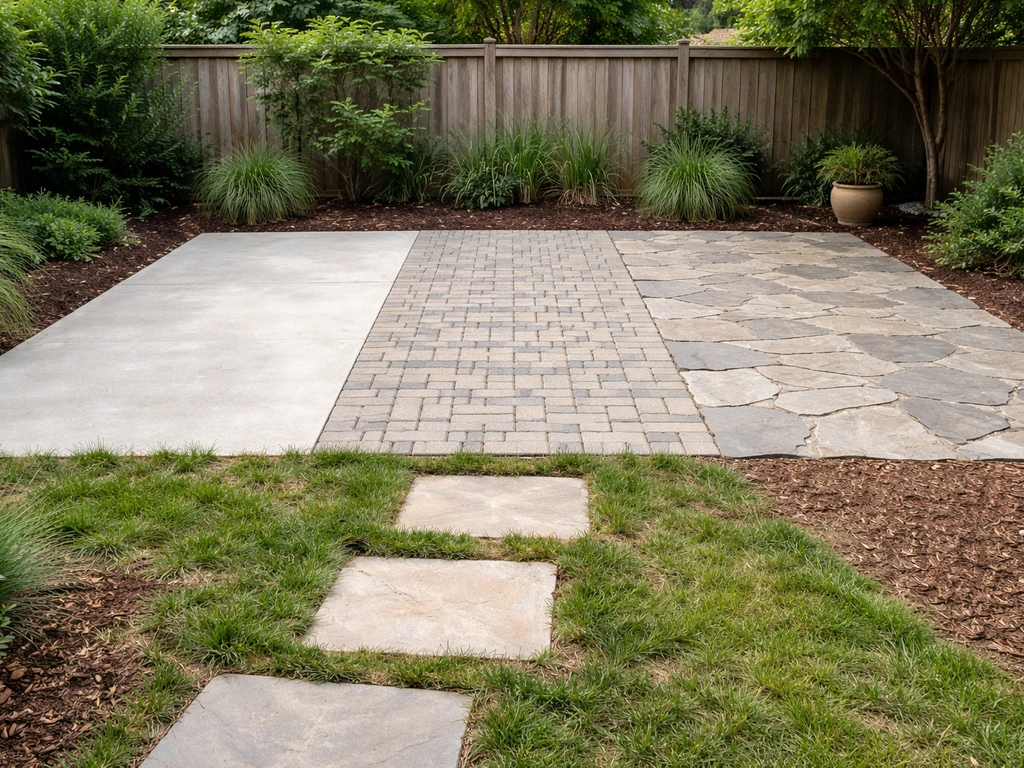
How Much for a Small Patio? Cost by Material and Size
Get small patio costs by size and material, DIY vs installed, plus a quote checklist to estimate today.
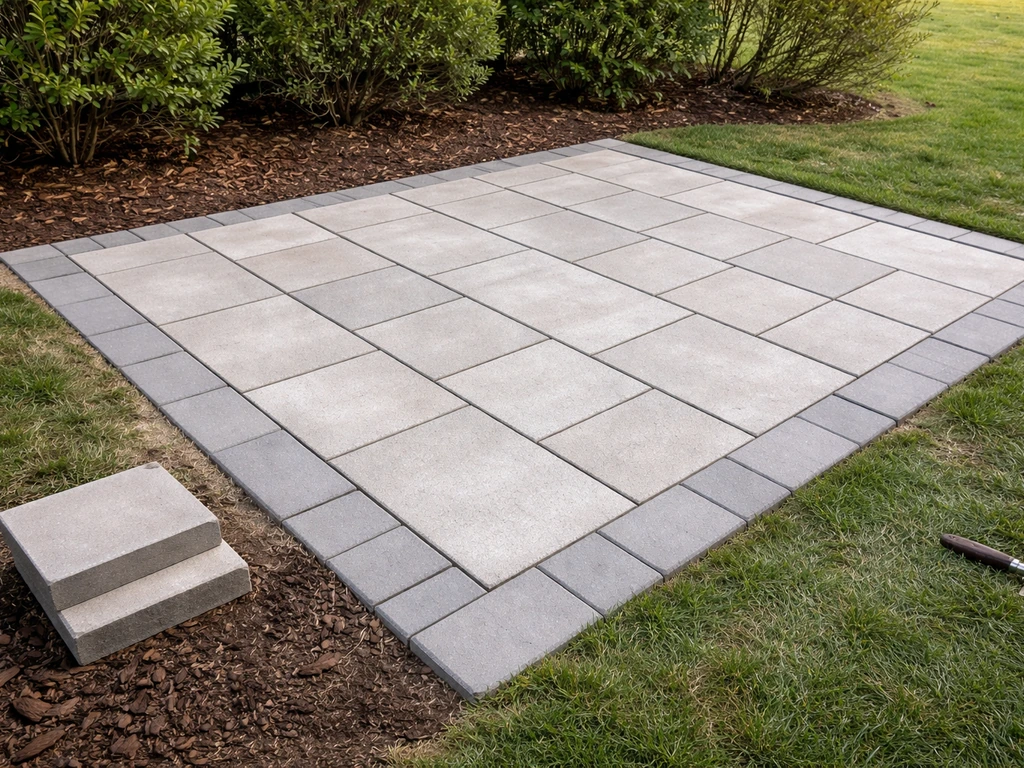
How Much Does a Small Patio Cost? Prices by Type
Budget for a small patio cost by type, size, and labor vs materials, plus estimating checklist and quote tips.
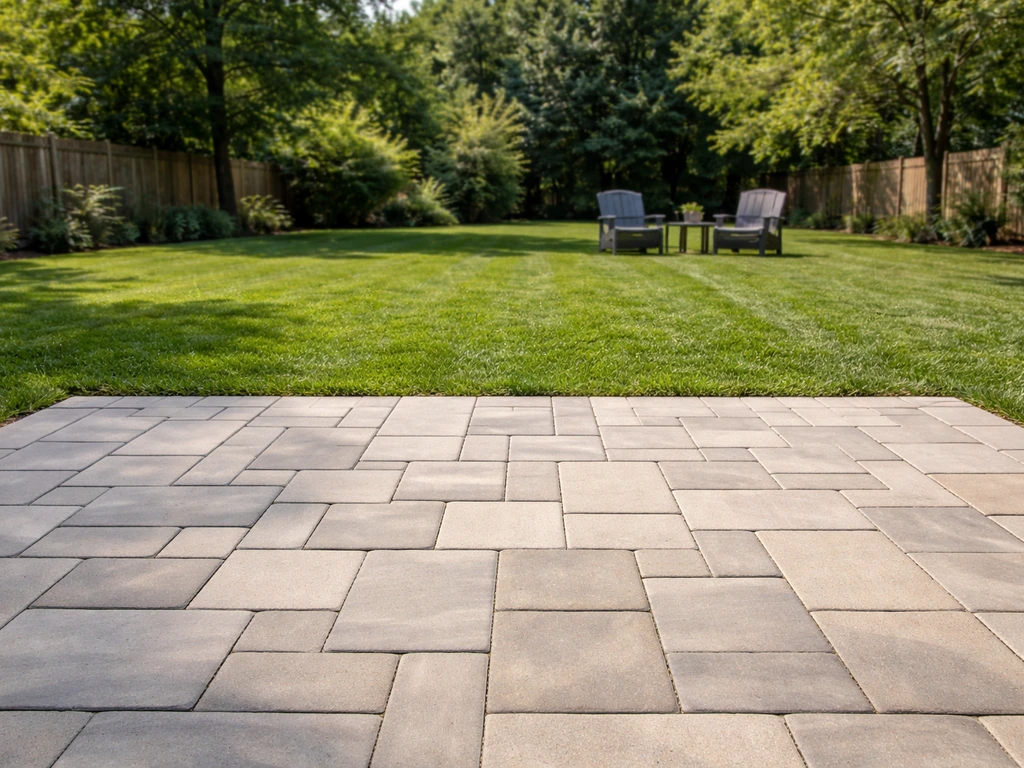
How Much for Backyard Patio Cost by Type and Size
Backyard patio costs by type and size, incl labor vs materials, add-ons, and DIY vs contractor budgeting tips.