
A small patio typically runs between $600 and $3,500 installed, depending on the material you choose and how much site prep your yard needs. A basic 10x10 concrete pad (100 sq ft) can come in around $500–$1,200, while the same footprint in pavers lands closer to $1,000–$2,000, and natural flagstone can push $3,000 or more. The size, material, and your local labor market are the three biggest levers on price, and knowing all three before you call a contractor will save you a lot of back-and-forth. If you are trying to pin down a budget quickly, use the same per-square-foot approach behind how much for backyard patio and then scale to your exact small-patio footprint how much for backyard patio (related cost guide). If you want a rough estimate, start with your patio size and multiply by the installed cost per square foot for your chosen material how much to put a patio in backyard. For a larger patio, you can use the same per-square-foot method but expect a wider range depending on materials and site prep how much does a large patio cost.
How Much Does a Small Patio Cost? Prices by Type

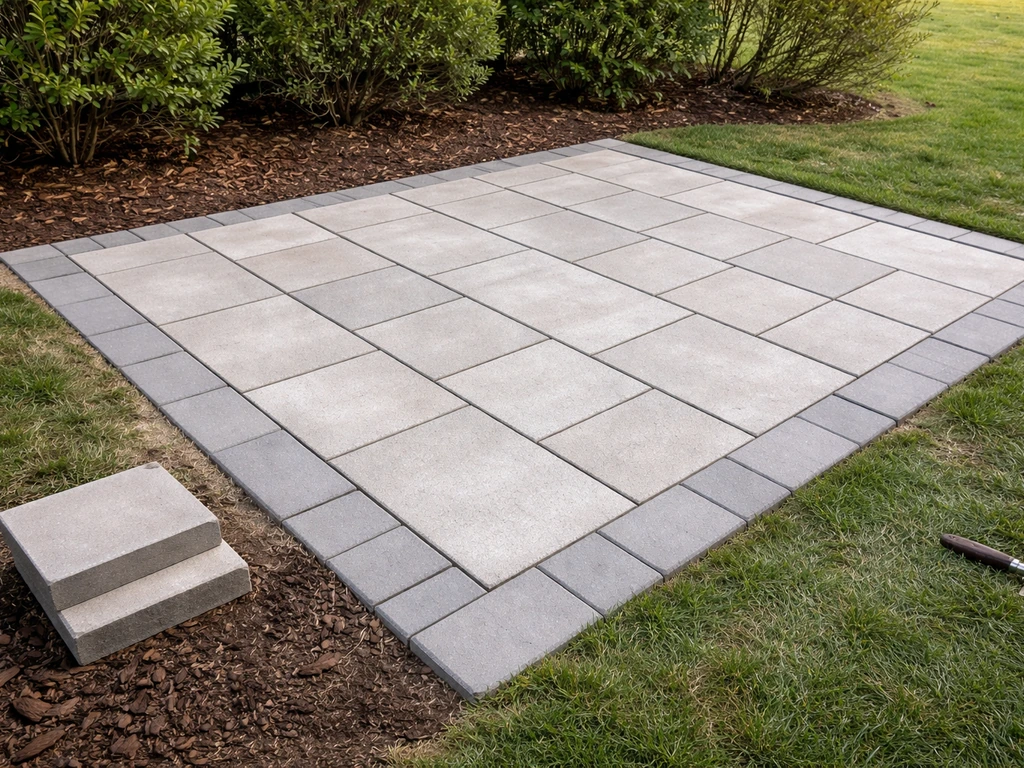
What counts as a "small" patio?
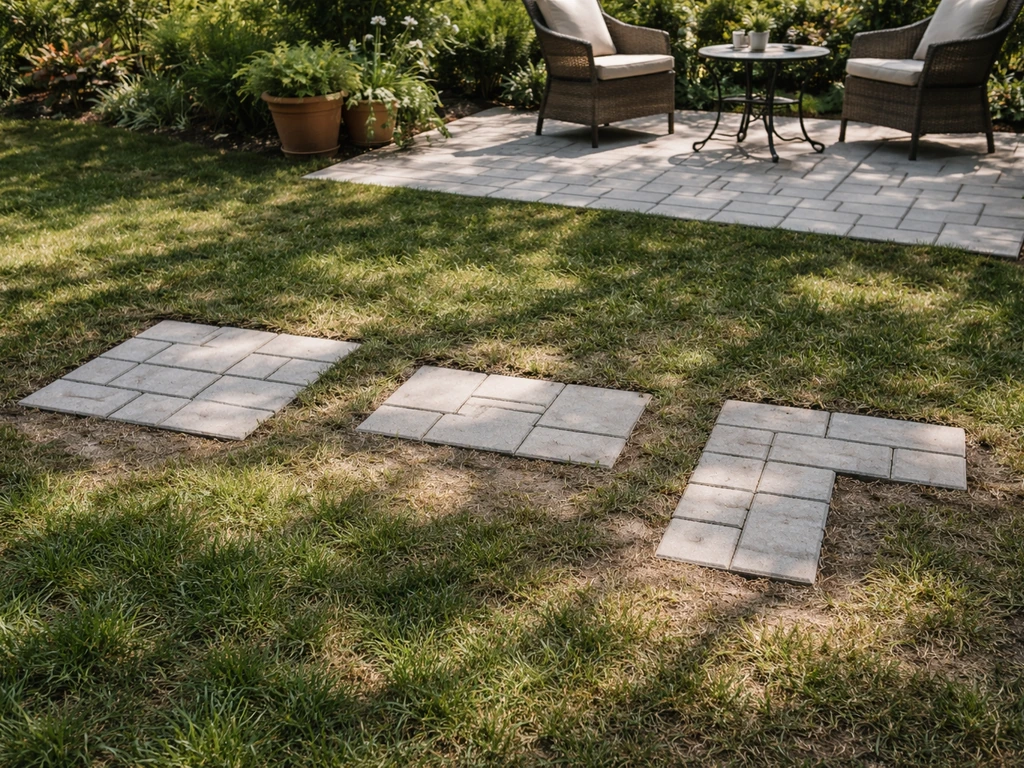
There's no official cutoff, but most contractors and homeowners think of a small patio as anything under about 200 square feet. Common small footprints include a 7x7 bistro pad (49 sq ft), an 8x10 seating area (80 sq ft), a 10x10 patio (100 sq ft), and a 12x12 space (144 sq ft). A 10x12 or 12x12 is probably the most common "starter" patio size, big enough for a table, four chairs, and a small grill, but not so large that it breaks the budget. Once you get above 200 sq ft, you're moving into medium-patio territory where per-square-foot savings from economies of scale start to kick in. If you're also budgeting for a larger outdoor space, the cost math changes considerably.
Cost ranges by material type
Material choice is the single biggest pricing variable on a small patio. Here's what to expect per square foot installed, and what that works out to on a 100 sq ft (10x10) and 144 sq ft (12x12) footprint.
| Material | Installed Cost (per sq ft) | 10x10 (100 sq ft) Total | 12x12 (144 sq ft) Total |
|---|---|---|---|
| Basic concrete (plain) | $4–$12 | $400–$1,200 | $576–$1,728 |
| Stamped/stained concrete | $15–$30 | $1,500–$3,000 | $2,160–$4,320 |
| Concrete pavers | $8–$20 | $800–$2,000 | $1,152–$2,880 |
| Brick pavers | $10–$17 | $1,000–$1,700 | $1,440–$2,448 |
| Natural flagstone | $25–$50+ | $2,500–$5,000+ | $3,600–$7,200+ |
Plain poured concrete is the budget-friendly baseline. A standard gray slab can come in around $5 per sq ft on the low end, while a decoratively stamped and stained version can hit $30 per sq ft. Pavers (both concrete and brick) sit in the middle of the range and are popular because they're durable, easy to repair individually, and look sharp without requiring premium pricing. Natural flagstone and cut stone are the premium tier, beautiful, but the material and labor costs add up fast, especially on complex patterns.
Where the money actually goes: labor, materials, and site prep
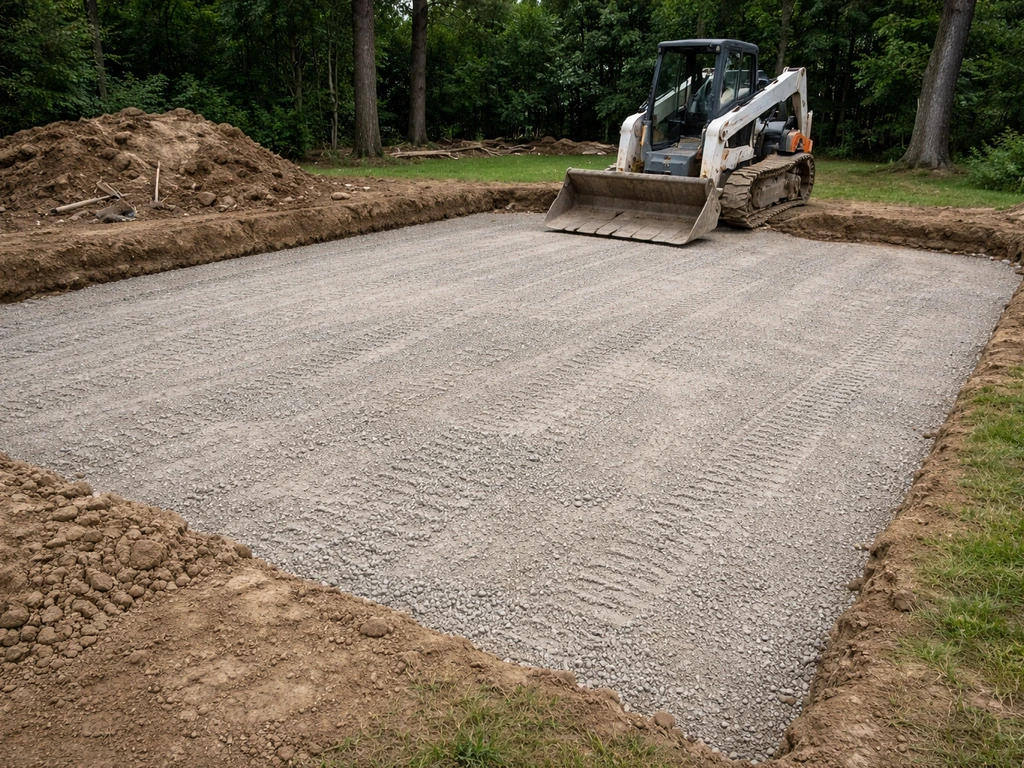
On a typical contractor-installed patio, expect the bill to split roughly half labor, half materials. For a paver patio specifically, labor alone runs about $4–$11 per sq ft (or $50–$80 per hour for the crew). Site prep and base work is where a lot of homeowners get surprised, it's not glamorous, but it's what keeps your patio from sinking, cracking, or pooling water after the first rain.
Breaking down a typical paver patio installation
- Excavation and grading: removing 6–8 inches of soil, shaping the subgrade to slope away from the house (about 1/4 inch per foot for drainage), and hauling off debris
- Base materials: 4–6 inches of compacted crushed stone or gravel, plus geotextile fabric to keep soil from migrating up into the base layer — this base layer adds roughly $1–$3 per sq ft
- Bedding sand: a 1 to 1.5-inch layer of coarse sand on top of the base, screeded flat before pavers are set
- Pavers/surface material: the biggest materials cost line item
- Edge restraints: plastic or metal borders spiked into the ground to keep pavers from spreading outward over time
- Compaction and jointing sand: mechanical plate compaction and polymeric sand swept into joints to lock everything in place
- Labor: installation crew time, typically priced per sq ft or by the hour
For a basic poured concrete slab, the breakdown looks a bit different. Forbes Home puts the average installed concrete patio cost at around $12.50 per sq ft including labor and materials when the site is flat and access is easy. Site prep is minimal in that scenario, but if your yard has slopes, tree roots, or an old surface to demo, that number climbs quickly.
DIY vs. hiring a contractor
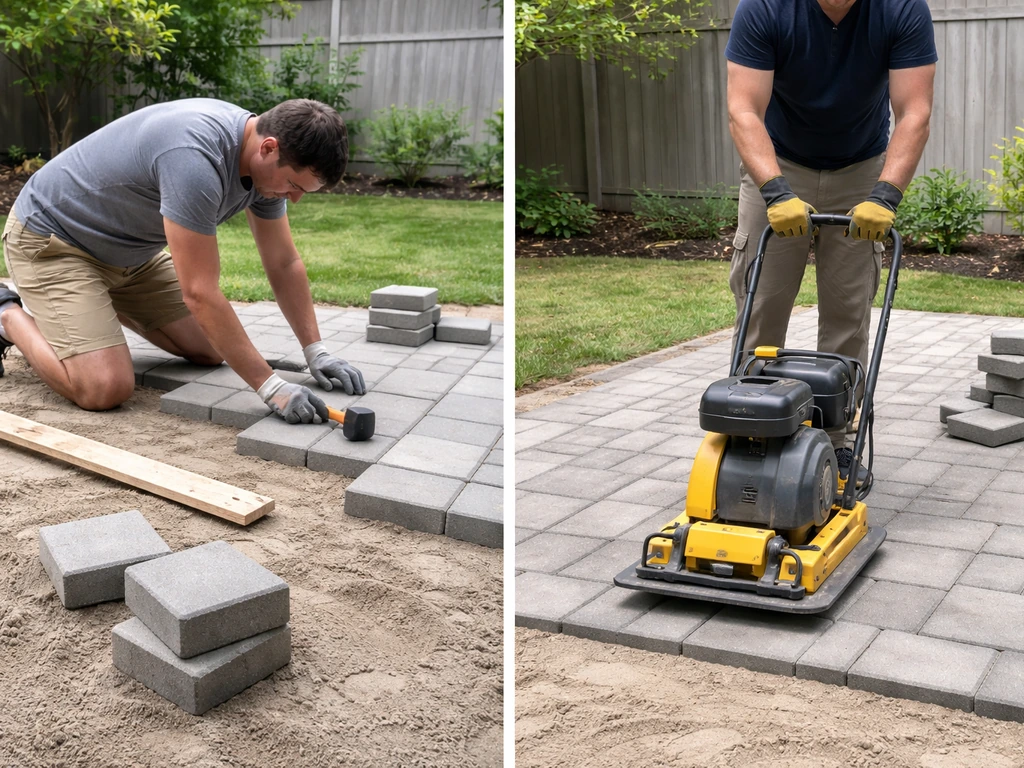
Going DIY can cut your total cost nearly in half since you're eliminating labor, which, remember, is roughly 50% of the bill. On a 100 sq ft paver patio, a contractor might quote $1,200–$2,000. Doing it yourself, you might spend $500–$900 on materials and rent equipment for another $100–$200. That's a real savings, but there are legitimate trade-offs to weigh.
| Factor | DIY | Contractor |
|---|---|---|
| Typical cost (100 sq ft pavers) | $600–$1,100 | $1,200–$2,000 |
| Time required | 2–4 weekends | 1–3 days |
| Tools needed | Plate compactor (rent ~$100–$200/day), hand tools | Contractor supplies all equipment |
| Skill risk | High — base prep errors cause settling and drainage issues | Low — experienced crews do this daily |
| Warranty/guarantee | None — you own the result | Most contractors offer 1–2 year workmanship warranty |
| Material waste risk | Higher — measure carefully, buy 10% extra | Contractor accounts for this in quote |
The honest take: DIY is very doable for a small, simple square or rectangular patio on a flat yard. The risky part isn't laying the pavers, it's getting the base right. If the base isn't compacted properly, or if the slope is off and water pools toward your foundation, you'll be pulling up pavers in two years to fix it. Drainage needs to fall away from the house, targeting at least a 1/4 inch per foot slope. If you're confident with a level, a plate compactor, and careful measuring, go for it. If your yard has slopes, tight access (the crew would have to wheel everything through a narrow gate), or you want stamped concrete (which really does require a pro with the right tools and timing), hire it out.
What drives the price up or down
Beyond size and material, several factors can shift your final price significantly in either direction.
Things that raise your cost
- Complex shapes: curves, angles, and irregular layouts require more cutting and planning time vs. a simple rectangle
- Poor drainage or sloped sites: more excavation, fill material, or grading work is needed to get the slope right
- Tight access: if the crew has to wheelbarrow everything through a side gate instead of driving equipment in, expect a 10–25% labor premium
- Demolition of an existing surface: breaking up and hauling away an old concrete slab or patio adds $1–$3 per sq ft to the job
- Permits: many municipalities require a permit for hardscaping; fees vary but typically run $50–$200 for a small patio
- Decorative upgrades: stamping, staining, inlaid borders, or mixing materials all add cost
- Drainage features: if you need a French drain or channel drain added, budget $500–$1,500 extra depending on scope
Things that lower your cost
- Flat, open yard with good vehicle access
- Simple square or rectangular layout with no cuts needed
- Choosing basic concrete or simple pavers over premium stone
- Off-season scheduling: many contractors offer better rates in late fall or early spring when demand is lower
- DIY prep work: doing your own excavation and hauling before the contractor arrives can knock labor off the quote
Regional pricing and how to get accurate local quotes
Where you live can swing patio pricing by 20–40% compared to the national averages quoted above. RSMeans City Cost Index (CCI) is designed to help adjust construction estimates for local labor, materials, and equipment rates rather than relying only on national benchmarks blank" rel="noopener noreferrer">swing patio pricing by 20–40% compared to the national averages quoted above. High cost-of-living markets like the Northeast, California, and the Pacific Northwest tend to run at the top of labor ranges. The South, Midwest, and rural areas generally come in lower. RSMeans' City Cost Index, which accounts for local labor, materials, and equipment rates, confirms that localized costs can differ substantially from national benchmarks depending on your zip code.
To get an accurate quote for your specific project, do the following before you call anyone:
- Measure your intended patio area (length x width in feet) and note any irregular shapes or features
- Take photos of the site, including any slopes, drainage issues, trees nearby, and access points
- Decide on your material preference (concrete, pavers, stone) so contractors bid apples-to-apples
- Note whether there's an existing surface that needs demolition
- Ask each contractor for an itemized quote that separates materials, labor, base/site prep, and any disposal fees
- Get at least three quotes — pricing can vary by 30–50% between contractors for the same job
- Ask specifically whether the quote includes excavation, base material, edge restraints, and cleanup, since some low-ball quotes leave these out
A couple of quick ways to sanity-check a bid: take your patio area in square feet, multiply by the per-sq-ft ranges in the table above for your chosen material, and compare that number to what you're quoted. If a quote comes in dramatically lower than the material-cost floor alone, something is missing from the scope. If it's way above the top of the range, ask them to walk you through why.
Patio vs. deck: which one actually fits your budget?
If you're weighing whether to build a patio or a deck, the patio almost always wins on initial cost. A poured concrete or paver patio runs roughly $5–$20 per sq ft installed. How much you’ll pay for a backyard patio depends on the size you want and the material you choose how much for backyard patio. A pressure-treated lumber deck typically runs $25–$43 per sq ft installed, that's two to four times more for the same footprint. On a 12x12 space, a basic patio might cost $800–$2,000 while the equivalent deck could run $3,600–$6,200.
That said, a deck is sometimes the only practical option. If your yard slopes sharply away from the back door, building a grade-level patio means a lot of fill or grading work that can erode that cost advantage fast. A deck on posts solves the elevation problem more elegantly. Patios also require solid, level ground and good drainage by design, if your site is complex, get quotes for both and compare the actual numbers for your specific yard. For most flat or gently sloped backyards though, a patio is the more budget-friendly choice and requires less long-term maintenance than wood decking.
FAQ
What exactly is included in the quoted “installed” patio cost?
Expect to pay for more than just the surface. In most quotes, “installed” includes excavation, base materials (gravel or crushed stone), edging, and leveling, but extras like hauling, removing an old slab, and utility/landscaping protection are often line items. Ask the contractor to itemize what they include so you can compare bids on the same scope.
Why does my small patio quote seem high per square foot compared to the average?
Yes, small projects can cost more per square foot because crews have mobilization and setup costs that do not scale down. If your patio is under about 100 sq ft, make sure the bid reflects a realistic minimum crew time, and consider increasing size slightly if it only costs you marginal extra area but saves on fixed labor.
How do drainage and grading impact the cost of a small patio?
You should plan for slope and drainage details even if the yard looks level. Aim for water to drain away from the house at about 1/4 inch per foot, confirm the sub-base thickness your contractor will use, and make sure you have a plan for where runoff goes. If you are near a foundation or downspouts, include that in the discussion before work starts.
Will removing an old patio or dealing with roots increase the price a lot?
Old surfaces and landscaping can quickly add cost. Demo and disposal of existing concrete, removing shrubs or roots, and replacing damaged irrigation or drainage systems can add hours or days. Get a clear “before” survey and include debris haul-away in the scope if you do not want surprise charges.
How does access to my backyard affect how much a small patio costs?
Yes. Narrow gates, long walks to the backyard, or steep steps can increase labor because materials may need hand-carrying, additional equipment, or multiple trips. Tell bidders your access details (gate width, path length, and any stairs) and ask if they changed their equipment plan based on access.
Do steps, borders, or a curved design change the per-square-foot pricing?
Yes, especially with pavers and stone. Most installers quote the unit square footage of the patio area, but specialty edges, borders, steps, or a curved layout can add cutting waste and extra labor. Ask how they price borders and whether they include the cost for leveling and maintaining consistent height around doors or adjoining surfaces.
What is the biggest reason DIY patios end up costing more later?
DIY can be cheaper, but the risk is mainly in base preparation and drainage. If you skip proper compaction, do not keep the correct slope, or fail to account for thickness differences between materials, you may see settlement or pooling water. If you DIY, prioritize renting a plate compactor, using a quality level and measuring method, and budgeting extra materials for mistakes.
Is stamped concrete a simple upgrade, or should I expect extra cost and complexity?
In many areas, stamped concrete or colored finishes require tighter scheduling, correct curing conditions, and the right crew tools. If you want a high-end look like stamping, ask whether the contractor is doing it as a full production process (forms, timing, and cure plan) or treating it as a “basic slab” add-on. That helps you avoid under-scoped bids.
Do small patios usually require permits, and does that change the total cost?
Factor in permits, inspections, and any HOA requirements if applicable, especially if you will alter drainage, grade, or bring in electrical hookups for lighting. Ask the contractor whether permits are included and who is responsible for submitting paperwork. Even when permits are minor, they can affect timelines and total cost.
How can I sanity-check a patio quote before I sign?
Use a quick reality check. For a given material, multiply your patio square footage by the installed per-square-foot range, then add a contingency (often 10 to 20%) for site prep surprises like uneven ground, minor demo, or additional base thickness. If a bid is far below the material cost floor without explaining inclusions, request a line-item breakdown before committing.
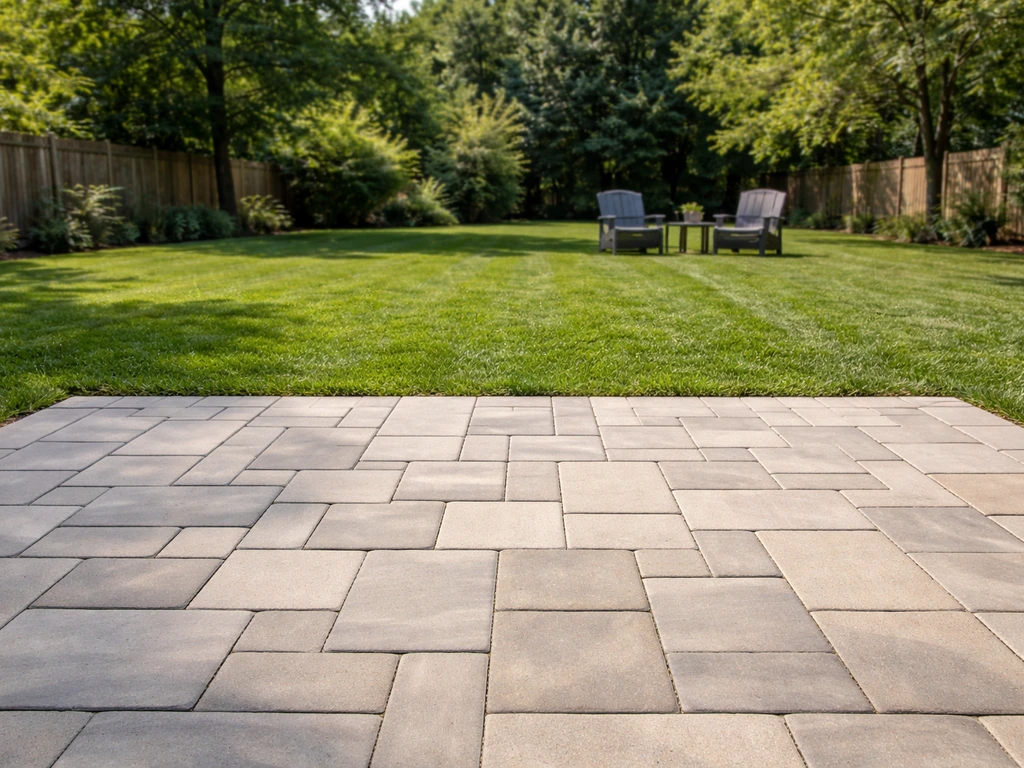
Backyard patio costs by type and size, incl labor vs materials, add-ons, and DIY vs contractor budgeting tips.
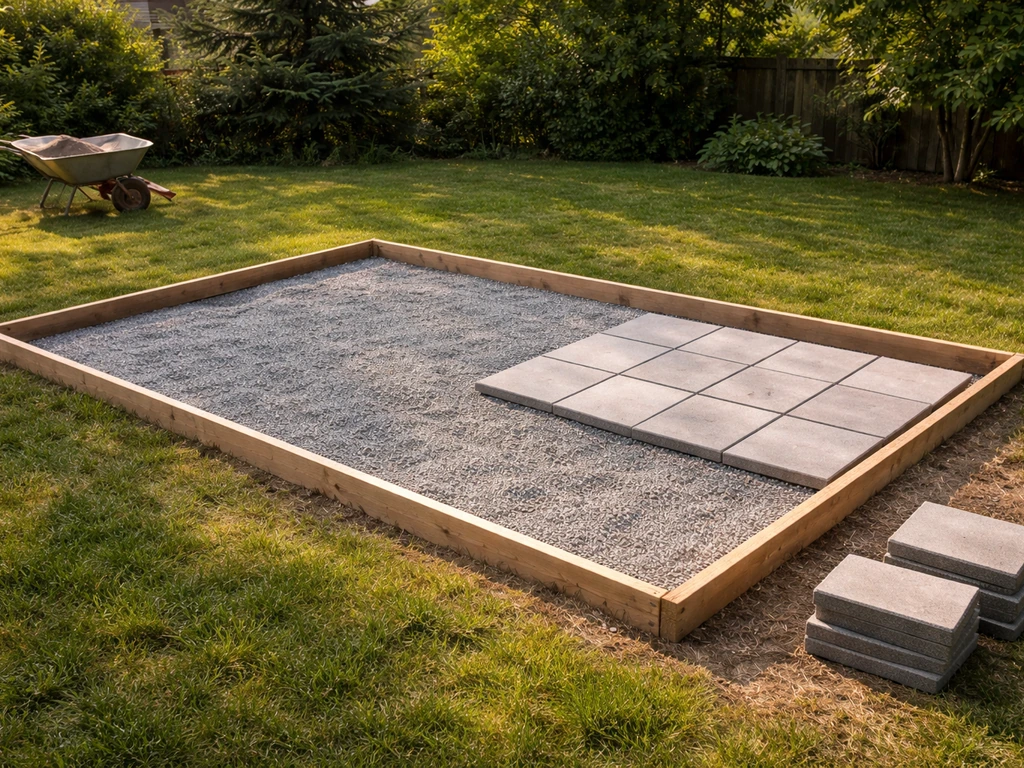
Patio cost guide with real ranges, cost per sq ft, material options, and DIY vs pro budgeting steps.
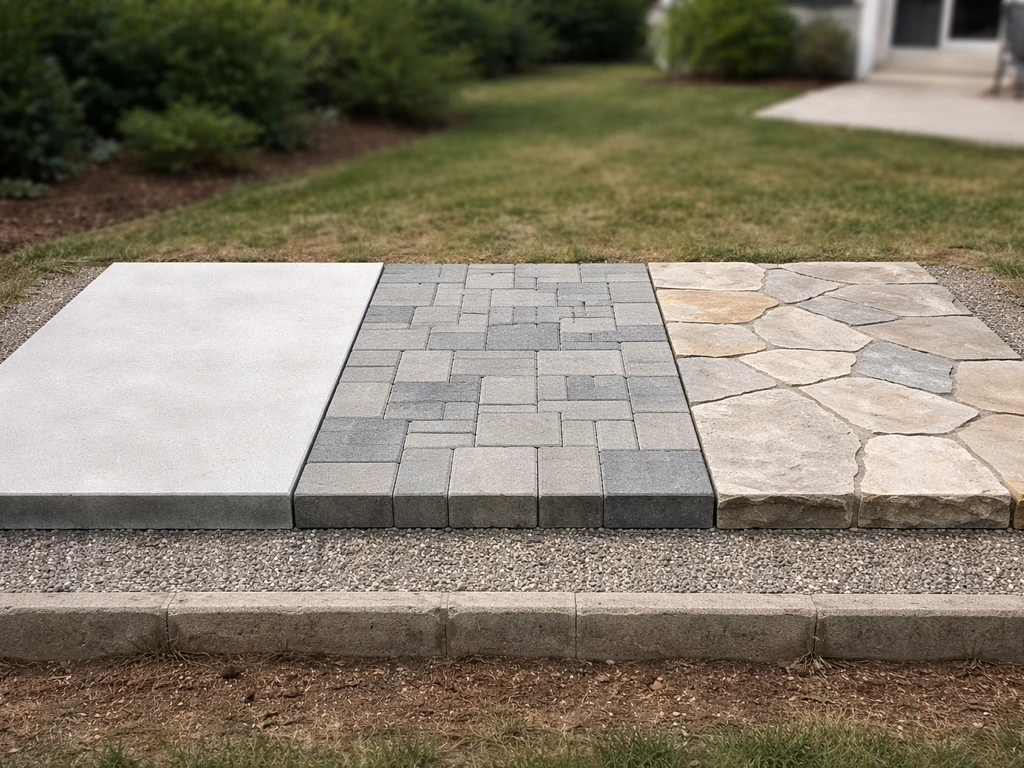
Patio cost guide with real price ranges by size and material, full line-item budget, DIY vs install, and quote checklist