
Most homeowners pay somewhere between $2,100 and $10,000 to have a patio pergola professionally installed, with the national average sitting close to $4,200. Smaller 10x10 wood or vinyl units land nearer the $1,500–$5,000 range, mid-size 12x12 builds typically run $3,000–$6,500, and a 20x20 pergola with engineered footings or motorized louvers can push $15,000–$20,000 or more. If you want the quick version: budget at least $4,000–$6,000 for a decent mid-size installed pergola, and plan for more if you want anything motorized or fully weather-adaptive.
How Much Does a Patio Pergola Cost: Size, Materials & Tips

Felix Carver
25 Jul 2026
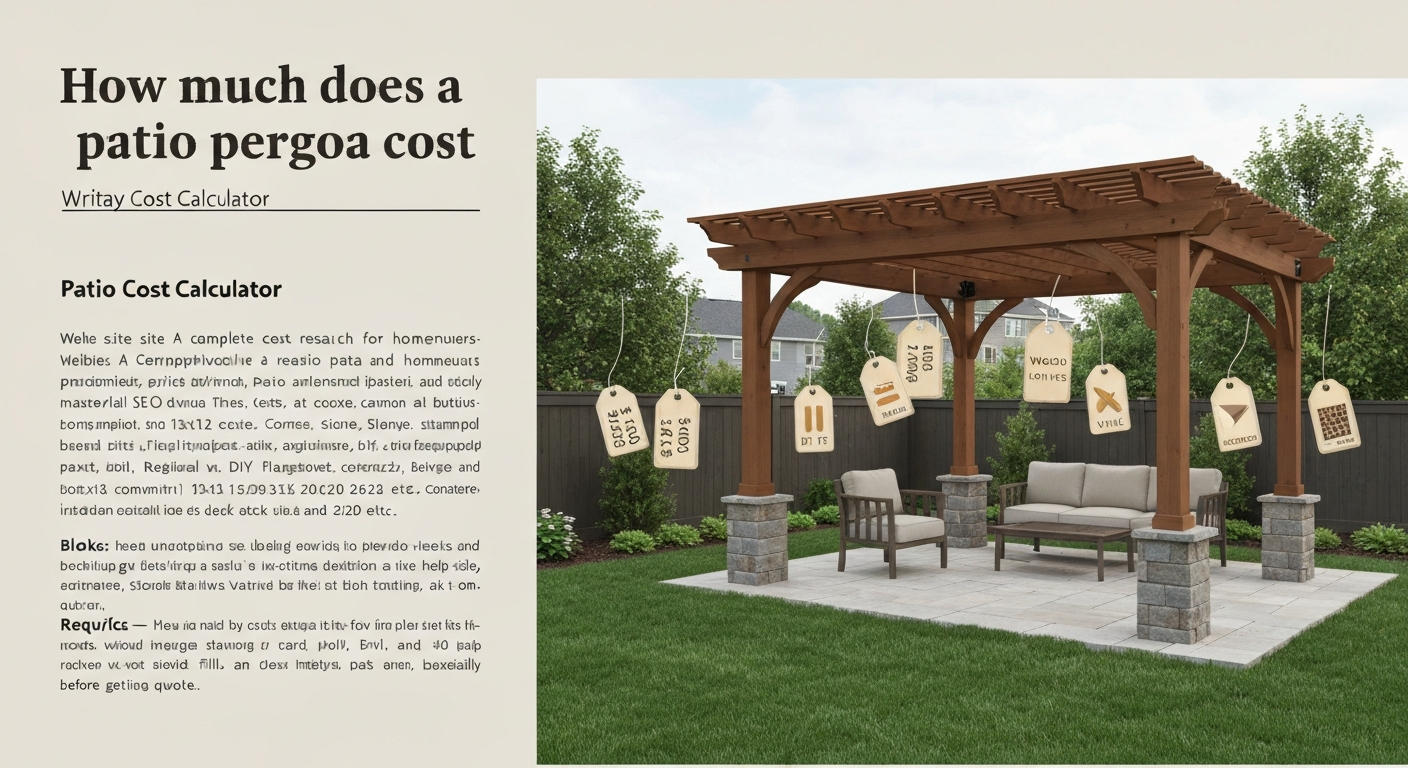
Who this guide is for and what it covers
If you are pricing a pergola for the first time, you have probably already noticed how wildly the numbers vary online. This guide is written for homeowners who want honest, specific numbers before they call a contractor or order a kit. I will walk you through cost by size, cost by material, the louvered vs. open pergola decision, how DIY stacks up against professional installation, regional price differences (including a Las Vegas example), and the add-ons and permits that catch most buyers off guard. I will also compare pergolas against related alternatives like patio covers, overhangs, and roofed structures so you can decide which product actually fits your budget and use case.
Ballpark cost range at a glance
National aggregator data for 2026 puts the typical installed pergola range at $2,118 to $6,435, with a midpoint near $4,200. That range covers standard open-roof wood and vinyl structures on prepared ground. Retail kit-only prices (no installation) start much lower: basic steel kits can be found for $300–$500, and vinyl or aluminum DIY kits for a 10x10 to 12x12 footprint commonly run $800–$2,000 at big-box stores. On the other end, motorized bioclimatic louvered systems from brands like StruXure or Azenco typically start in the low five figures and can run $40,000 or more for large, multi-zone configurations. So the true range, from a budget steel kit you assemble yourself to a fully motorized architectural structure, is roughly $300 to $40,000+. Most homeowners land in the $3,000–$10,000 installed window.
Cost by size: 10x10, 12x12, and 20x20
Size is one of the biggest cost levers because it drives both material quantity and labor time. Here are realistic installed price bands for the three most commonly requested sizes, based on current national data.
| Size | Square Footage | Typical Installed Range | Notes |
|---|---|---|---|
| 10x10 | 100 sq ft | $1,500 – $5,000 | Most affordable entry point; kit installs possible in one day |
| 12x12 | 144 sq ft | $3,000 – $6,500 | Most popular residential size; mid-range wood or vinyl |
| 20x20 | 400 sq ft | $6,000 – $20,000+ | Engineered footings often required; louver upgrades push top end higher |
The jump from a 12x12 to a 20x20 is not just a size change. Larger structures often trigger engineering requirements (stamped drawings, deeper footings), require more crew hours, and are more likely to need a permit. A 20x20 with basic open rafters and pressure-treated lumber can stay near $6,000–$8,000, but add cedar, a motorized louvered roof, and powder-coated aluminum posts and you are realistically at $15,000–$20,000 before any electrical work.
Cost by material: what you choose to build with matters a lot
Material choice affects both upfront cost and long-term maintenance. The per-square-foot installed figures below come from regional estimator data and should be read as installed (labor included) price bands, not material-only costs.
| Material | Installed Cost (per sq ft) | Typical 12x12 Installed Total | Lifespan (maintained) | Maintenance Level |
|---|---|---|---|---|
| Pressure-treated wood | $38 – $52 | $5,500 – $7,500 | 15–25 years | Moderate (annual staining/sealing) |
| Western red cedar | $55 – $74 | $7,900 – $10,700 | 20–30 years | Moderate (sealing every 2–3 years) |
| Redwood | $60 – $80 | $8,600 – $11,500 | 20–30 years | Low-moderate (naturally rot-resistant) |
| Vinyl / cellular PVC | $48 – $66 | $6,900 – $9,500 | 25–30+ years | Very low (wash occasionally) |
| Aluminum (powder-coated) | $58 – $82 | $8,400 – $11,800 | 30+ years | Very low (no rot, no paint) |
Pressure-treated wood: the budget-friendly starting point
Pressure-treated (PT) lumber is the most affordable structural option and is widely available everywhere. At $38–$52 per square foot installed, a 12x12 PT pergola can land around $5,500–$7,500. The trade-off is appearance and maintenance: PT wood tends to warp and check as it dries, and it needs regular staining to look presentable. It is a solid choice if you are on a tighter budget and willing to do some upkeep.
Cedar and redwood: the classic upgrade
Western red cedar and redwood are the go-to premium wood options. They are naturally rot and insect resistant, they look beautiful, and they hold stain better than PT lumber. Cedar runs $55–$74 per square foot installed and redwood slightly more. A 12x12 cedar pergola typically lands between $7,900 and $10,700 installed. Manufacturer kit pricing (like Horizon Structures) shows 10x10 cedar kits at approximately $8,065 for materials alone, which illustrates how quickly cedar adds up when installation labor is also factored in.
Vinyl: low maintenance at a mid-range price
Vinyl and cellular PVC pergolas are popular for homeowners who want the look of painted wood without the upkeep. Installed costs run $48–$66 per square foot, putting a 12x12 in the $6,900–$9,500 range. The same Horizon Structures dealer price sheet shows a cellular PVC 10x10 kit at around $14,565 (materials only, at dealer pricing), which is a notable jump over their cedar equivalent. Vinyl does not rot, warp, or need painting, but it can look less substantial than real wood and may yellow slightly over decades of UV exposure.
Aluminum: the longest-lasting option
Powder-coated aluminum is the premium material choice for longevity and low maintenance. At $58–$82 per square foot installed, a 12x12 comes in at $8,400–$11,800. Aluminum does not rot, rust (with proper coating), or require painting. It is also the standard structural material for most motorized louvered systems. If you are in a wet or salty coastal environment, aluminum is worth the premium.
Louvered vs. open pergolas: cost differences and what you actually get
An open-roof pergola (traditional parallel rafters with gaps) is what most people picture, and it is the cheapest configuration. A louvered pergola has tilting slats that let you adjust sun and airflow. A motorized bioclimatic louvered pergola has automated, weather-sensing slats that close automatically in rain and adjust based on sun angle. These are genuinely different products in terms of cost, complexity, and what they deliver.
| Type | Installed Price Range | Rain Protection | Requires Electrical | Best For |
|---|---|---|---|---|
| Open (fixed rafters) | $1,500 – $10,000 | None | No (unless add-ons) | Shade, aesthetics, budget projects |
| Manual louvered | $3,000 – $12,000 | Partial (when closed) | No | Shade control without automation |
| Motorized louvered (bioclimatic) | $10,000 – $40,000+ | Full (when closed) | Yes (low-voltage typical) | Year-round outdoor living, premium spaces |
The price gap between a basic open pergola and a motorized louvered system is enormous. Major brands like StruXure, LouvreTec, and Azenco price their motorized systems starting in the low five figures with larger or multi-zone installations commonly reaching $20,000–$40,000+. These systems use integrated low-voltage motors (often Somfy-class actuators) and in some configurations do not require a hard-wired high-voltage connection, though that depends on the specific model and your local electrical code. An electrician will still likely be involved, and that cost is on top of the structure itself.
For most homeowners who just want shade and aesthetics, an open pergola does the job at a fraction of the cost. If you want genuine rain protection and year-round usability, a motorized louvered system earns its premium. The manual louvered middle ground gives you some weather adjustment capability without the automation cost, but it is worth noting that many contractors see limited demand for manual-only louver systems since the price difference to motorized is often not as large as buyers expect once you are already spending $8,000–$10,000.
How pergolas compare to patio covers, overhangs, and other alternatives
A pergola is not the only option for creating a covered outdoor space, and it is worth understanding where it sits in the spectrum before you commit. A patio cover typically refers to a solid or lattice roof attached to the house, often at a lower price point for basic versions. If you want specific pricing for a vinyl option, see guidance on how much is a vinyl patio cover to compare costs and maintenance. For local pricing, see our guide on how much does a patio cover cost in Las Vegas. A patio overhang is an extension of the roofline, which is more of a construction project tied to your home's existing structure. For a detailed breakdown of expenses and factors specific to attached roofline extensions, see how much does a patio overhang cost. A wood patio cover and a vinyl patio cover are material-specific versions of attached shade structures that often compete directly with freestanding pergola kits. If you want specific pricing for attached wooden covers, see a focused breakdown on how much does a wood patio cover cost for material, labor, and permitting estimates.
| Structure Type | Typical Installed Range | Rain Protection | Attached or Freestanding | Best For |
|---|---|---|---|---|
| Open pergola | $1,500 – $10,000 | None | Either | Shade, aesthetics, garden framing |
| Patio cover (solid) | $3,000 – $15,000+ | Full | Attached | Full coverage, outdoor dining |
| Patio overhang (roofline ext.) | $5,000 – $20,000+ | Full | Attached | Seamless home extension, high-end look |
| Wood patio cover | $2,500 – $12,000 | Partial to full | Either | Natural aesthetic, budget flexibility |
| Vinyl patio cover | $2,000 – $10,000 | Partial to full | Either | Low maintenance, clean look |
If your primary goal is keeping rain off your outdoor furniture, an attached patio cover or a solid-roof louvered pergola will outperform an open pergola every time. If aesthetics and airflow matter more than full weather protection, a traditional open pergola is hard to beat for the price. Wood and vinyl patio covers (attached structures) are worth comparing directly with pergola kits if you want solid coverage without the motorized system price tag.
DIY vs. professional installation: what you actually save (and risk)
Labor costs and contractor rates
Professional installation for a typical pergola kit runs $500–$2,500 in labor depending on size, crew size, and your region. For example, Cost To Install a Pergola, The Home Depot (services page) lists a sample installed 10×12 “Deluxe” package at $6,994, showing big‑box install bundles can approach contractor pricing once installation is included For example, Cost To Install a Pergola — The Home Depot (services page) lists a sample installed 10×12 “Deluxe” package at $6,994, showing big‑box install bundles can approach contractor pricing once installation is included.. Contractors and landscape pros typically charge $50–$100 per hour per worker; a two-person crew installing a mid-size aluminum or vinyl kit on a prepared site commonly finishes in 4–8 hours. That works out to roughly $400–$1,600 in labor for a standard kit install. Custom wood pergolas built from dimensional lumber on-site take longer (one to three days) and cost more: $1,500–$3,500 in labor is typical for a custom 12x12 to 16x16 wood structure.
DIY realistic costs and timelines
Kit manufacturers typically quote 3–6 hours for two people to assemble a standard aluminum kit on a prepared surface. That is realistic for flat, pre-drilled kits on an existing patio slab. The harder part is footings: digging, forming, and pouring six concrete tube footings (typical for a 12x12 or larger) adds a full day of labor and about $400–$600 in materials (Sonotubes, fast-set concrete bags, rebar, post bases). Factor in concrete curing time (24–48 hours minimum before post-setting), and a DIY pergola is realistically a two-weekend project for most homeowners.
The honest DIY savings on a $5,000 professionally installed pergola is typically $800–$2,000 in labor, depending on how much site prep is already done. That is real money, but it comes with the trade-off of your time, the risk of mistakes, and in some jurisdictions, the possibility that unpermitted work affects your homeowner's insurance or home sale down the road.
Questions to ask a contractor before signing anything
- Does your quote include footing excavation and concrete, or just the structure assembly?
- Are permits included or is that a separate line item?
- What is your warranty on labor versus the manufacturer's warranty on the kit?
- Is electrical rough-in included if I want lighting or a fan?
- Will you provide a lien waiver and proof of liability insurance before starting?
- How do you handle changes to scope once work has started?
Regional cost variation: how location moves the numbers
Labor markets, permit fees, and material availability vary meaningfully by region. In high-cost metros like the San Francisco Bay Area, Seattle, or New York, labor rates can push installed pergola costs 20–40% above national averages. In lower-cost Midwest or rural Southeast markets, you can often come in 10–20% below the national mid-range. The type of climate also drives what you buy: in rainy Pacific Northwest markets, motorized louvered pergolas see higher demand (and dealers charge accordingly), while in the desert Southwest, open pergolas are popular because rain is rare.
Las Vegas as an illustrative example
Las Vegas is a useful case study because it combines a hot, dry desert climate with a busy residential construction market. The Clark County Building Department requires permits for pergolas that are attached to a structure or exceed certain size thresholds (typically 200 square feet or any structure requiring footings). Permit fees in Las Vegas commonly run $150–$500 for a residential pergola, depending on valuation. Because the desert heat is intense but rain is infrequent, Las Vegas homeowners often prioritize shade over rain protection, which makes open and louvered-for-shade pergolas very popular. However, the summer heat also drives demand for optional misting systems and ceiling fans, which add $500–$2,000 to the project depending on the number of heads and whether new electrical circuits are needed. Las Vegas contractor rates for pergola installation are roughly in line with national averages (the city has a large trade workforce), but material costs can run slightly higher due to freight from lumber-producing regions. Budget an extra $300–$700 for permitting and inspections in the Las Vegas metro compared to a straightforward rural project.
The permitting process in Las Vegas (and most jurisdictions) typically involves submitting a site plan showing setbacks, a structural drawing or manufacturer's engineering letter, and the permit application itself. Inspections happen at footing stage (before concrete pour) and at final completion. If you hire a licensed contractor, they usually pull the permit themselves. If you are DIYing, you apply as the homeowner-builder. Either way, budget 2–4 weeks for permit approval in a busy market like Las Vegas.
Hidden costs and add-ons most buyers miss
Site prep and foundation
If your yard is not already level or you do not have an existing patio slab, site prep adds cost fast. Grading an uneven backyard can run $500–$2,000 depending on slope and area. If you want a poured concrete slab as your base rather than isolated footings, a basic 4-inch slab costs roughly $4–$12 per square foot installed (often $6/sq ft on average), meaning a 10x10 slab adds $600–$1,200 and a 20x20 slab adds $2,400–$4,800 to your project total.
Electrical, lighting, and heating
Adding a ceiling fan, string lights hardwired to a switch, or an infrared patio heater all require electrical work. Residential electricians charge $50–$150 per hour nationally, and small outdoor jobs (one new GFCI outlet, a single light circuit) typically run $100–$400 installed as a flat-fee service call plus one to three hours of work. A more involved setup (dedicated circuit for a heater, multiple junction boxes, in-wall switch) can run $600–$1,500. Budget $300–$800 for a basic fan and lighting circuit if you are starting from scratch with no nearby outdoor panel or junction box.
Other add-ons to budget for
- Privacy curtain hardware and fabric: $200–$800 depending on number of panels and material
- Shade sails or retractable canopy inserts: $300–$1,500 installed
- Misting system (desert/warm climates): $500–$2,000 for a simple line system
- Staining or sealing wood post-install: $200–$600 for a typical 12x12 structure
- Permit fees: $100–$500 depending on jurisdiction
- HOA approval (if applicable): free to low cost, but factor in 2–6 weeks for approval
Lifespan and maintenance: what to expect over time
Pressure-treated wood pergolas, if sealed and maintained, last 15–25 years. Cedar and redwood can reach 20–30 years with periodic sealing every two to three years. Vinyl and aluminum structures are the lowest-maintenance options and realistically last 25–30+ years with little more than an occasional wash. The maintenance cost gap matters over a 20-year horizon: a PT wood pergola might need $150–$300 in sealant and labor every two to three years, while an aluminum structure has near-zero ongoing maintenance cost. When you factor in lifecycle cost rather than just purchase price, aluminum and vinyl close a significant portion of their premium over PT wood.
Cost-saving tips that actually work
- Buy a kit and hire a local handyman or landscaper for assembly instead of a full pergola contractor. You get professional installation at lower labor rates for a straightforward kit job.
- Choose pressure-treated wood and plan to upgrade later. A solid PT pergola built now can be a foundation for future shade sails or a polycarbonate roof panel insert.
- Get quotes in the off-season (October through February in most regions). Contractors are less busy and more willing to negotiate.
- Pull the permit yourself if you are going the DIY route. Contractor permit markup can be 10–20% above actual permit fee cost.
- Skip the concrete slab if you already have a paver or stamped concrete patio. Surface-mount post anchors into an existing slab are often structurally adequate for small to mid-size pergolas.
- Compare big-box kit pricing directly against local dealer quotes. Home Depot and Lowe's stock cedar, vinyl, and metal kits in the $1,200–$4,000 range that are often structurally equivalent to dealer-priced products at a meaningful discount.
- If you want a louvered pergola, get quotes from at least three dealers. Louvered system pricing has significant dealer markup, and dealer-to-dealer variation on the same brand can be $3,000–$8,000 on a single job.
Quick decision checklist before you get quotes
- Measure your available space and identify your target size (10x10, 12x12, 20x20, or custom)
- Decide whether you need full rain protection or shade-only coverage
- Determine if the structure will be freestanding or attached to the house
- Check with your HOA (if applicable) about approved materials and colors
- Call your local building department to confirm permit requirements for your structure size
- Decide on material based on your budget and maintenance tolerance
- Set your total budget including site prep, footings, permits, and at least one electrical circuit
- Get three quotes: one from a specialty pergola contractor, one from a general landscaping/outdoor living contractor, and one big-box kit price for DIY comparison
What a realistic budget looks like end to end
| Budget Scenario | Structure | Size | Included | Realistic Total |
|---|---|---|---|---|
| Budget DIY | Steel or aluminum kit (big-box) | 10x10 | Kit + DIY labor + surface-mount anchors | $600 – $2,000 |
| Mid-range DIY | Cedar or vinyl kit | 12x12 | Kit + concrete footings + DIY assembly | $4,000 – $7,000 |
| Mid-range professional | PT wood or vinyl, pro installed | 12x12 | Structure + footings + permit + basic lighting | $5,500 – $9,000 |
| Premium professional | Cedar or aluminum, pro installed | 16x20 | Structure + engineered footings + permit + electrical | $10,000 – $16,000 |
| Motorized louvered system | Aluminum bioclimatic, pro installed | 12x20 | Full system + electrical + permit | $15,000 – $35,000+ |
These totals assume a reasonably level site with an existing or minimal prep surface. Add $1,000–$5,000 for grading, drainage, or a new concrete slab if your site needs significant prep work.
Next steps: getting your own accurate estimate
The numbers in this guide are solid national benchmarks, but your actual cost depends on your zip code, the specific product, your site conditions, and the contractor you choose. The best way to pressure-test any quote is to understand the components: structure materials, footings, labor, permits, and add-ons. Once you know what each line item should cost, you can spot a quote that is padded or one that is suspiciously cheap (which usually means something is left out). Use a cost calculator to enter your specific size and material to get a tailored starting range before you call your first contractor. It takes 60 seconds and gives you a number to anchor your conversations.
FAQ
How much does a patio pergola cost overall (installed)?
Typical installed pergola costs nationally range roughly $2,118–$6,435, with an average near $4,200. Small DIY kits can start under $1,000; full custom or premium installs (large or bioclimatic louvered systems) commonly exceed $10,000 and can reach $20,000–$40,000+.
What are realistic installed price ranges by size (10×10, 12×12, 20×20)?
10×10: about $1,500–$5,000 installed for common wood, vinyl, or aluminum options; very basic kits can be <$1,000 and high‑end dealer builds >$8,000. 12×12 (~144 ft²): roughly $3,000–$10,000 installed for typical materials. 20×20: larger builds commonly run ~$6,000–$20,000+, depending on engineered footings, materials, and automation.
How do costs vary by material (pressure‑treated wood, cedar/redwood, vinyl, aluminum)?
Installed per‑sq‑ft bands (approx): pressure‑treated wood ~$38–$52/ft²; Western red cedar ~$55–$74/ft²; vinyl ~$48–$66/ft²; aluminum/powder‑coated ~$58–$82/ft². Retail kit pricing is lower (steel/entry kits $300–$800; vinyl/aluminum kits $800–$2,000 for small sizes). Manufacturer/dealer custom pricing can be substantially higher.
How much extra do louvered (bioclimatic) or motorized pergolas cost?
Motorized/louvered systems carry a large premium. Small louvered systems often start in the low five figures; common installed ranges are $10,000–$40,000+ depending on size, zones, sensors, and dealer/installation margins. Motor and automation hardware add material and electrical labor costs.
DIY vs professional installation: labor cost differences and typical times
DIY can save significant labor costs: small aluminum or kit installs often take 3–6 hours for two people; professional crews typically finish a prefabricated kit on a prepared site in one day (4–8 crew hours). Expect contractor labor rates or service bundles to raise installed price; electrician or concrete work may still require pros.
What contractor pricing guidance and hourly rates should I expect?
General trades: residential electricians often charge $50–$150/hour. Pergola installers or carpenters may quote flat project prices or hourly rates influenced by region and complexity. Always get multiple bids and ask for labor hours, markups, and change‑order policies.
Next Articles
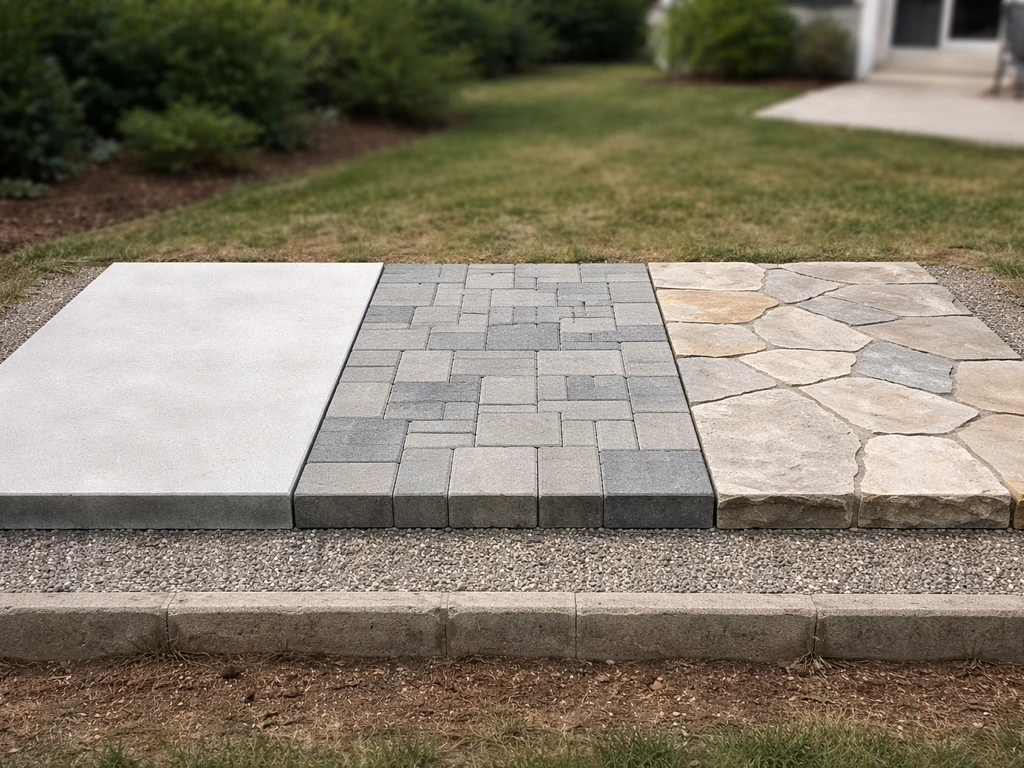
How Much Should I Expect to Pay for a Patio
Patio cost guide with real price ranges by size and material, full line-item budget, DIY vs install, and quote checklist
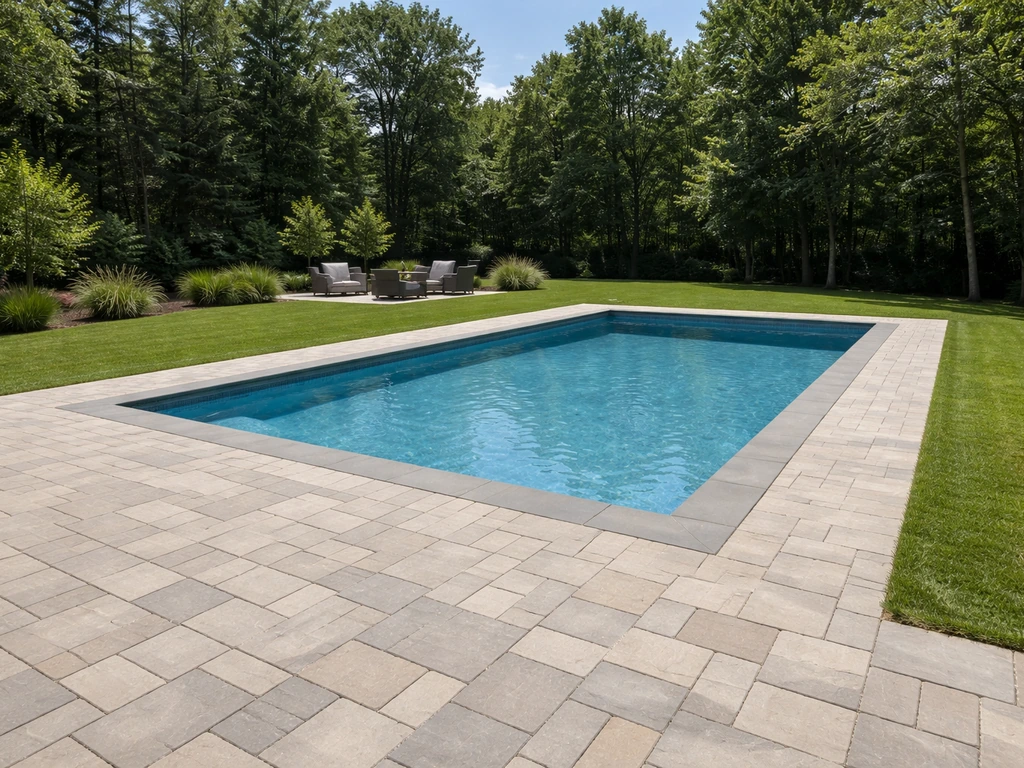
How Much Patio Around Pool: Cost, Size, and Budget Guide
Learn how much patio around a pool costs and how to size square feet, materials, extras, and get real bid line items.
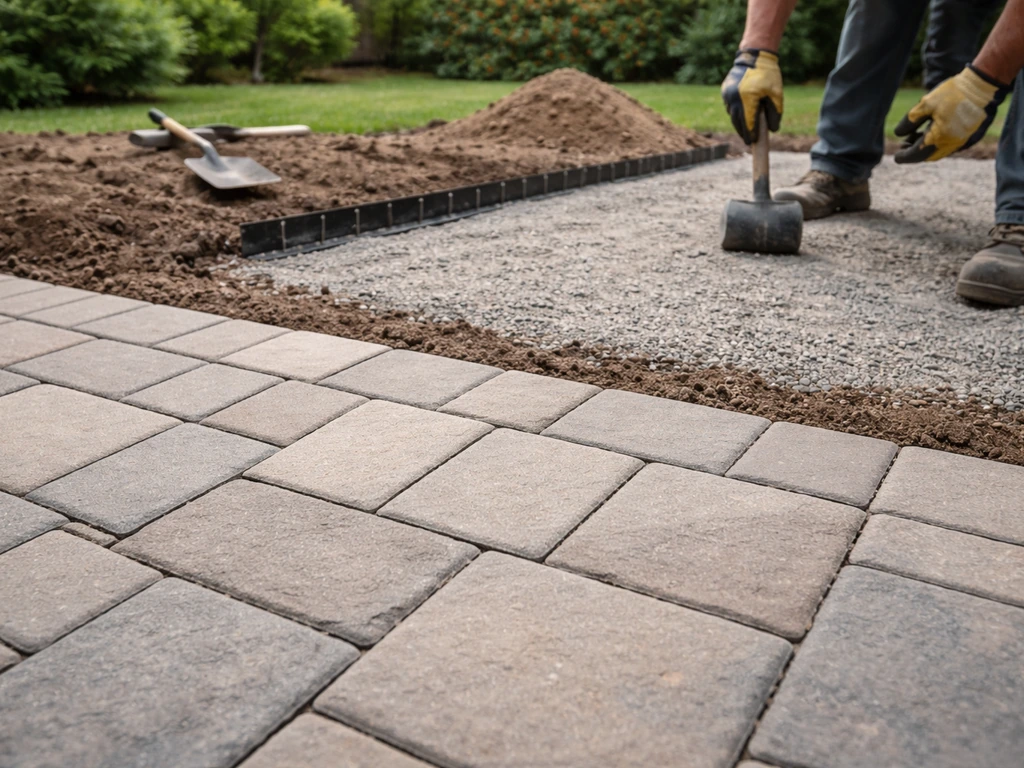
How Much Are Patios? Cost Ranges by Size and Material
Patio cost estimates by size and material with labor, base, add-ons, DIY vs contractor, and quote planning tips.