
Decking a patio typically costs between $4 and $90 per square foot installed, depending on whether you are pouring a concrete slab, laying pavers, or building a wood or composite deck. For the most common project sizes, that works out to roughly $1,600 to $9,000 for a 10x10 area on the low end, and $36,000 or more for a 20x20 composite deck with railings and stairs on the high end. The single biggest factor is what you mean by 'deck a patio': a plain concrete pour, a paver install, and a framed composite deck are three completely different projects with almost nothing in common on cost. For detailed pricing guidance, see our guide on how much does it cost to build a patio deck.
How Much to Deck a Patio: Cost per Sq Ft & Size Estimates Guide

Felix Carver
13 Jul 2026
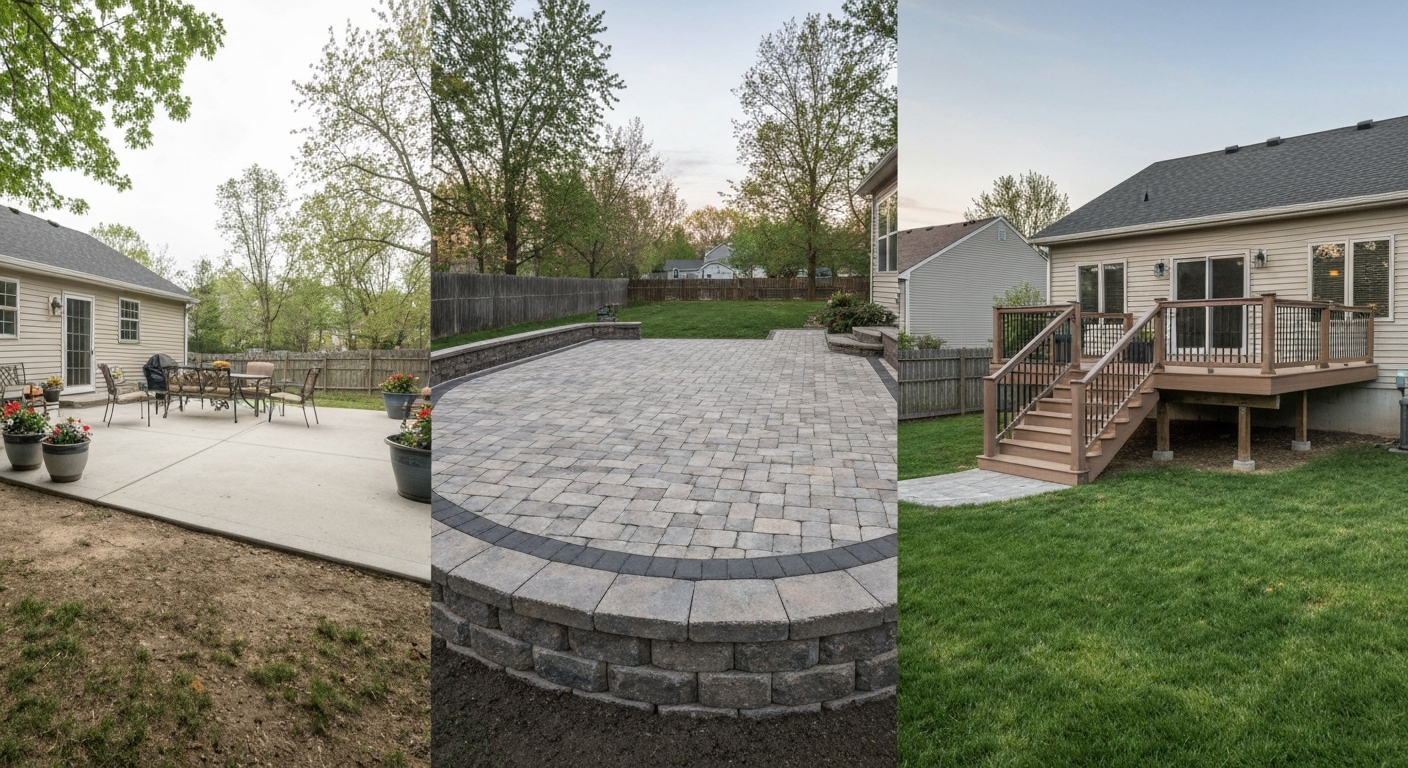
What 'deck a patio' actually means
Homeowners use this phrase in three distinct ways, and which one applies to you changes the budget dramatically.
- Build a new freestanding deck: A framed, elevated (or grade-level) structure with joists, posts, decking boards, railing, and often stairs. This is a carpentry and structural project that requires footings, fasteners, and usually a permit.
- Install decking material over an existing patio slab: Laying composite, PVC, or hardwood deck tiles or boards directly on a concrete patio, either with a sleeper system or a pedestal grid. This avoids new footings but only works if the slab is in good shape.
- Build a combined deck-and-patio area: A larger outdoor space where a poured or paver patio sits at grade level and a raised deck section connects to the house. These hybrid projects cost the most because both scopes are in play.
If you are comparing decking versus a traditional patio surface as competing options for the same space, that is a slightly different question, one that comes up often when homeowners are weighing whether it is cheaper to lay a patio or go with decking. For a direct comparison of costs and trade-offs, see the guide titled "Is it cheaper to lay a patio or decking" (internal reference 6b830abf-f114-40e9-b102-d7701db00c18). If you want a direct comparison of costs, see is it cheaper to build a deck or paver patio for a concise cost-by-option breakdown and decision guidance. The short version: patio surfaces start cheaper per square foot, but an elevated deck over sloped ground can be more cost-effective than building up a level patio with fill and retaining walls. For a quick guide to the least expensive patio options, see what is the cheapest patio to build.
Cost at a glance, per square foot and by project size
The table below gives you installed cost ranges per square foot for the most common decking and patio surface options. 'Installed' means materials, labor, and basic prep, but not permits, demolition of an existing surface, or premium add-ons like built-in lighting or a pergola.
| Surface / Material | Installed Cost per Sq Ft | Notes |
|---|---|---|
| Broom-finish concrete | $4 – $12 | Most affordable patio surface; limited design options |
| Stamped / colored concrete | $8 – $25 | Better curb appeal; requires sealing every 2–3 years |
| Concrete pavers | $15 – $40 | Repair-friendly; wide style range; higher base-prep cost |
| Brick pavers | $15 – $35 | Classic look; durable; regional supply affects price |
| Natural flagstone / bluestone | $25 – $55+ | Premium aesthetic; labor-intensive to set properly |
| Pressure-treated wood deck | $25 – $45 | Most affordable framed deck; requires staining/sealing |
| Cedar deck | $35 – $55 | Better natural rot resistance than PT; still needs upkeep |
| Composite deck (mid-range) | $40 – $65 | Low maintenance; Trex / TimberTech entry-to-mid lines |
| Composite deck (premium) | $65 – $90+ | TimberTech AZEK, Trex Transcend; 25–30 yr warranties |
| PVC deck boards | $50 – $90+ | Fully synthetic; best for wet climates; highest materials cost |
The sample project costs below use the national installed averages above and round to realistic contractor quotes. They assume a flat, accessible site with no demolition needed.
| Project Size | Sq Ft | Concrete (broom) | Pavers | PT Wood Deck | Composite Deck (mid) |
|---|---|---|---|---|---|
| 10 x 10 | 100 | $400 – $1,200 | $1,500 – $4,000 | $2,500 – $4,500 | $4,000 – $6,500 |
| 12 x 12 | 144 | $576 – $1,728 | $2,160 – $5,760 | $3,600 – $6,480 | $5,760 – $9,360 |
| 12 x 16 | 192 | $768 – $2,304 | $2,880 – $7,680 | $4,800 – $8,640 | $7,680 – $12,480 |
| 14 x 14 | 196 | $784 – $2,352 | $2,940 – $7,840 | $4,900 – $8,820 | $7,840 – $12,740 |
| 20 x 20 | 400 | $1,600 – $4,800 | $6,000 – $16,000 | $10,000 – $18,000 | $16,000 – $36,000 |
To put those deck numbers in context: Remodeling Magazine's 2025 Cost vs. Value report put the national median for a wood deck addition at about $18,263 and a composite deck addition at about $25,096 for a typical midsize project. Those medians land squarely inside the ranges above once you factor in rail systems, stairs, and permit fees that are often excluded from bare per-square-foot quotes.
Decking material costs, broken down
These are the four decking board types you will encounter most often, plus what they actually cost once a contractor prices materials and labor together.
Pressure-treated (PT) wood
PT lumber is still the most common decking choice because it is the cheapest way to build a structurally sound deck. Installed costs run roughly $25 to $45 per square foot including framing, decking boards, basic post-and-rail, and fasteners. Materials alone for the surface boards run $2 to $5 per square foot at big-box retail. The catch: PT wood needs to be stained and sealed every 2 to 3 years or it will gray, crack, and warp. Over 15 years, those maintenance costs add up and narrow the gap with composite. PT is also heavier and more prone to splintering than composite, which matters if you have kids or pets using the space barefoot.
Cedar
Cedar costs more upfront than PT, installed prices typically run $35 to $55 per square foot, but it has natural oils that resist rot and insects better than untreated pine. It is lighter, easier to work with, and holds stain well. The main downside is supply: cedar pricing is more volatile than PT and is noticeably more expensive in regions east of the Rockies because most of it ships from the Pacific Northwest and Canada.
Composite decking
Composite boards are a wood-plastic blend, typically 50 to 70 percent recycled wood fiber and plastic. Entry-level composite lines (think Trex Select, TimberTech Terrain) cost around $3 to $8 per square foot for materials only at big-box stores. Premium lines like Trex Transcend and TimberTech AZEK Vintage run $14 to $24 per square foot for materials alone at dealer pricing. Installed totals including framing, fasteners, and basic railing land at $40 to $65 per square foot for mid-range and $65 to $90-plus for premium. The trade-off is low maintenance: no staining, no sealing, just an occasional wash. Most premium composite lines carry 25 to 30-year warranties.
PVC decking
PVC boards are fully synthetic, no wood fiber at all, which makes them the best choice for very wet climates, pool decks, or anywhere standing moisture is a concern. They will not absorb water, rot, or mold. The downside is cost: installed PVC decks commonly run $50 to $90-plus per square foot, and some premium profiles push higher. PVC also expands and contracts noticeably with temperature swings, so hidden fastener systems and proper gapping are non-negotiable, a DIY mistake here leads to buckled boards.
Patio surface material costs, broken down
Broom-finish (standard) concrete
Plain poured concrete remains the cheapest patio surface you can professionally install. A standard 4-inch broom-finish slab runs roughly $4 to $12 per square foot installed depending on your region, thickness, and whether the site needs grading. A 400 square foot slab in a straightforward suburban yard will commonly come in at $2,400 to $6,000 total in contractor quotes. It is not glamorous, but it is durable, low-maintenance (seal every few years), and a solid base if you ever want to add pavers or tile on top later. If you're wondering what is the cheapest patio to install, a basic broom-finish concrete slab is usually the most economical option.
Stamped and colored concrete
Stamped concrete uses texture mats and integral or broadcast color to mimic stone, brick, or wood grain. Installed costs run $8 to $25 per square foot depending on pattern complexity and the number of colors involved. Multi-color, multi-pattern work with saw-cut borders pushes toward the top of that range. The gotcha most homeowners miss: stamped concrete looks great for the first few years, but surface sealers need reapplication every 2 to 3 years or the color fades and the surface becomes slippery when wet. Repair is also tricky, matching an existing color and texture after a crack repair is never perfect.
Concrete pavers
Manufactured concrete pavers (brands like Belgard, Techo-Bloc, EP Henry) typically cost $15 to $40 per square foot installed. The wide range reflects paver thickness, pattern complexity (running bond is cheaper than herringbone or a multi-piece pattern), and the amount of base prep required. HomeAdvisor reports installed paver patios commonly cost about $15–$40 per sq ft, with labor typically ~$5–$10 per sq ft blank" rel="noopener noreferrer">HomeAdvisor reports installed paver patios commonly cost about $15–$40 per sq ft, with labor typically ~$5–$10 per sq ft.. Labor alone for paver installation runs roughly $5 to $10 per square foot, base compaction, edge restraints, sand bedding, and joint sand all take real time. blank" rel="noopener noreferrer">Paver-install labor is commonly estimated at roughly $2.50–$10.00 per sq ft (labor only) depending on base/excavation, with many contractor sources citing typical labor bands around $3.50–$6.50/sq ft for straightforward installs. The big advantage over poured concrete: if a section heaves or cracks, you pull up individual pavers and reset them rather than cutting and patching a slab.
Brick pavers
Traditional clay brick pavers run $15 to $35 per square foot installed. They are harder and more scratch-resistant than concrete pavers and hold color better over decades because the color goes all the way through. Regional supply matters here: brick is cheaper in the Midwest and Southeast where most clay brick manufacturing happens, and noticeably pricier on the West Coast and in northern New England.
Flagstone and natural stone
Natural flagstone, bluestone, slate, and limestone are the premium end of the patio market. Installed costs commonly run $25 to $55 per square foot and can push higher for rare stone or intricate dry-set patterns. The stone itself is expensive, but labor is the other big driver: irregular pieces take significantly longer to set than uniform pavers, and a skilled mason who knows how to read and cut natural stone charges accordingly. If budget is a concern, this is where you are most likely to get quoted a number that is double what you expected.
Labor, site prep, and the hidden costs that blow budgets
This is the section most homeowners skip when budgeting, and it is exactly why so many projects come in over estimate. The per-square-foot numbers above assume a clean, flat, accessible site with no existing surface to remove. Reality is rarely that clean.
| Cost Item | Typical Range | Notes |
|---|---|---|
| Demolition (existing concrete slab) | $500 – $2,500 | Depends on thickness, size, and reinforcement |
| Demolition (existing deck) | $500 – $4,000 | Larger or elevated decks with rot or structural issues cost more |
| Excavation / grading | $1.50 – $6.50/sq ft or $75–$200/hr | Machine time; disposal fees are separate |
| Soil disposal / hauling | $50 – $200+ per load | Regional dump fees vary widely |
| Soil correction (clay/unstable subgrade) | $500 – $3,000+ | Gravel import, geotextile fabric, compaction |
| Concrete footings (deck posts) | $50 – $200 per footing | Frost-depth requirements add cost in cold climates |
| Ledger board / house attachment | $200 – $800 | Requires flashing, waterproofing, and structural fasteners |
| Building permit | $200 – $1,500+ | Varies by municipality; most decks 200+ sq ft require one |
| Drainage / French drain | $1,000 – $6,000 | Needed when grading directs water toward the house |
| Utility relocation / marking | $0 – $500+ | Always call 811; gas/electric near dig areas adds cost |
| Railing system (deck) | $35 – $120/linear ft installed | Cable rail and glass rail are on the high end |
| Stairs (deck) | $800 – $3,000 per stair section | More steps, wider width = higher cost |
| Lighting (post caps, step lights) | $200 – $2,000+ | Low-voltage systems are DIY-friendly; line voltage requires electrician |
A few of these deserve extra emphasis. Permits are not optional on most decks, skipping one creates problems when you sell the house and may require tear-down if discovered. Ledger attachment to the house is one of the most structurally critical parts of any attached deck, and flashing it incorrectly leads to rot inside your rim joist and wall sheathing, sometimes years before it is visible. If a contractor proposes attaching a ledger without discussing flashing and waterproofing, that is a red flag. Frost-depth footings are required in cold climates (roughly USDA zones 4 through 6), and digging to 36 to 48 inches adds real cost compared to a ground-level post system in Florida or Southern California.
What contractors actually charge, and how region changes everything
Labor is where the real regional spread lives. BLS wage data from May 2025 puts mean hourly wages at roughly $31.55 for carpenters, $28.87 for cement masons and concrete finishers, and $25.02 for general construction laborers nationally. But those are mean wages, what a contractor charges per hour is typically 2 to 3 times the crew wage to cover overhead, insurance, equipment, and profit. That is before material markup.
Angi's regional pages show deck labor-only rates often running $11 to $32 per square foot depending on metro and project complexity. RSMeans City Cost Index data shows construction labor running meaningfully higher in high-cost metros, San Francisco, New York City, Boston, and Seattle routinely index 30 to 60 percent above the national baseline. Meanwhile, markets like Birmingham, Tulsa, and Memphis often index 15 to 25 percent below the national baseline. That same $40-per-square-foot composite deck that costs $16,000 installed in a Midwest suburb could cost $22,000 to $26,000 in metro Boston or Seattle, and RSMeans noted construction labor wages rose approximately 4.6 percent year-over-year in their 2026 data, which means quotes you got two years ago are likely stale.
| Region / Market Type | Cost Adjustment vs. National Average | Example Impact on $15,000 Project |
|---|---|---|
| San Francisco Bay Area | +40% to +60% | $21,000 – $24,000 |
| New York City metro | +30% to +55% | $19,500 – $23,250 |
| Boston / Seattle | +25% to +45% | $18,750 – $21,750 |
| Chicago / Denver | +5% to +20% | $15,750 – $18,000 |
| National average baseline | Baseline | $15,000 |
| Atlanta / Phoenix | -5% to +10% | $14,250 – $16,500 |
| Birmingham / Tulsa | -15% to -25% | $11,250 – $12,750 |
When you are getting contractor quotes, always get at least three bids, and make sure each one specifies the same scope: same square footage, same decking product line, same railing style, same number of stair treads, permit included or not. A quote that looks 20 percent cheaper often has those items stripped out of the scope. Ask each contractor specifically what is and is not included, whether the permit is pulled in their name (it should be), and what happens if they hit unexpected conditions like poor soil or a rotted ledger.
DIY vs. hiring a pro, honest cost and time comparison
DIY can save you 30 to 50 percent on a deck or patio project, but that savings is not free, you are trading it for your time, physical effort, the risk of code violations, and in some cases your personal safety. Here is how the math actually works.
What you actually save
Labor typically accounts for 40 to 60 percent of a deck installation quote. On a $20,000 contractor quote for a 300 square foot composite deck, that is $8,000 to $12,000 in labor. A competent DIYer buying the same materials at retail (without contractor discount) might spend $10,000 to $13,000 on materials alone. So you save real money, but you may not save as much as you think, because contractors get material pricing you do not have access to.
Time and skill required
A ground-level 200 to 300 square foot pressure-treated deck with basic railing takes a professional crew roughly 3 to 5 days. As a DIYer working weekends with a helper, plan for 3 to 6 weekends minimum, longer if you hit permit delays or have to redo work. Composite decking takes longer than PT because hidden fastener systems require more precision and manufacturer installation specs are strict, a mistake here voids the warranty. Required tools include a circular saw, miter saw, drill, impact driver, post-hole digger or auger, level, and various measuring and layout tools. Renting the auger and compactor runs $100 to $300 per day.
Code and safety considerations
Most jurisdictions require a building permit for decks over 200 square feet or any deck attached to the house regardless of size. The permit process exists to protect you: an inspector will verify footing depth, joist sizing, ledger attachment, and railing height (typically 36 to 42 inches required depending on deck height). DIY homeowners can pull their own permit in most places, just make sure you do pull one. Unpermitted decks are a liability when selling, and some insurers will not cover injuries on unpermitted structures. Electrical work for lighting and any gas work for outdoor kitchens must be done by licensed tradespeople in virtually every jurisdiction.
When to always hire a professional
- Elevated decks (more than 30 inches above grade): fall risk during construction and structural complexity both increase sharply
- Ledger attachment to the house: improper flashing causes rot and structural failure — the most common cause of deck collapses
- Poor or unstable soil: if your site has fill, clay, or evidence of previous drainage problems, an engineer and experienced contractor are worth every dollar
- Concrete work: pouring and finishing a slab correctly is harder than it looks; a bad pour cracks within a few years
- Projects requiring an engineer-stamped plan: required in some jurisdictions for elevated or large decks
- Any electrical or gas connections for outdoor kitchens, lighting panels, or spa hookups
DIY vs. pro cost comparison, 12x16 composite deck example
| Cost Category | Hired Contractor | DIY |
|---|---|---|
| Decking boards (192 sq ft, mid composite) | $2,300 – $3,800 (contractor pricing) | $3,000 – $4,500 (retail pricing) |
| Framing lumber, hardware, fasteners | Included in contractor quote | $1,200 – $2,000 |
| Concrete / footings | Included | $300 – $600 |
| Railing system | $2,000 – $4,500 installed | $1,200 – $2,800 (materials only) |
| Permit | $300 – $800 | $300 – $800 (same cost) |
| Labor | $4,500 – $8,000 | $0 (your time: ~8–16 weekend days) |
| Tool rental | Included | $300 – $600 |
| Total estimate | $12,000 – $20,000 | $6,300 – $11,300 |
The DIY savings on this example are roughly $6,000 to $9,000, meaningful money, but earned across 8 to 16 weekend days of physical work. Whether that trade is worth it depends entirely on your skills, your free time, and your risk tolerance for code issues. For a simple ground-level patio, especially a concrete slab, the complexity is lower and DIY is more accessible for a homeowner comfortable with basic grading and form-setting. For a natural stone or large paver patio, the base-prep work is more demanding than most people expect, and a poor base shows up as shifting and heaving within a few winters.
Budgeting checklist before you get quotes
Use this as a working checklist before you contact a single contractor. The more clearly you can define your project, the more comparable the quotes you get back will be.
- Measure your space accurately and decide on a target square footage — even a rough rectangle gives contractors something to work from
- Identify whether the site is flat or sloped; a slope of more than 6 inches over 10 feet adds cost regardless of material
- Check if an existing surface needs demolition and disposal — get that scoped as a separate line item, not bundled into a per-square-foot rate
- Research permit requirements in your municipality before asking contractors (city/county building department website usually has this)
- Decide on your primary material before getting quotes so you are comparing apples to apples across bids
- Ask each contractor: Is the permit included and pulled in your name? What is the railing spec? How many stair treads are included? Is drainage addressed in scope?
- Add a 10 to 15 percent contingency to any budget for hidden site conditions — especially on older properties or sites with unknown fill
- Ask for references for at least one project of similar scope and visit it if possible; composite decking and paver patios both show quality differences in person that photos hide
- Confirm timeline: when can work start, and what is the realistic completion window given current contractor backlogs in your area
- If going DIY, price out materials at both big-box retail and a local lumber yard or deck supplier — dealer pricing on composite boards is sometimes competitive with big-box on larger orders
FAQ
Short answer: How much does it cost to "deck a patio" (build a deck, install decking over a patio, or make a combined deck-and-patio area)?
Headline answer: Expect roughly $15–$90 per sq ft installed depending on approach and materials. Broad ranges by scenario: - Build a new wood deck: $25–$55/sq ft installed (pressure-treated at low end, cedar mid). - Build a composite or PVC deck: $40–$90/sq ft installed (brand and rail/stairs drive cost). - Install decking over an existing concrete patio (floating/over-deck systems or sleepers): $20–$65/sq ft installed (depends on leveling, moisture mitigation, framing). - Build or upgrade a patio surface: concrete broom-finish $4–$12/sq ft; stamped concrete $8–$25/sq ft; pavers $15–$40/sq ft; natural stone/flagstone $25–$55+/sq ft. Major drivers: material selection, structural framing/footings, site prep (grading, demo), stairs/railings, drainage/permits, and regional labor costs.
Per-size sample cost ranges (common sizes like 10x10, 12x12, 20x20, 20x30)
Sample installed cost ranges (rounded, inclusive of materials + typical labor; excludes large-site remediation and high-end custom features): - 10x10 (100 sq ft): $1,500–$9,000. - 12x12 (144 sq ft): $2,200–$12,960. - 14x14 (196 sq ft): $2,900–$17,640. - 20x20 (400 sq ft): $6,000–$36,000. - 20x30 (600 sq ft): $9,000–$54,000. Example interpretation: a 400 sq ft pressure-treated deck at $30/sq ft ≈ $12,000; a 400 sq ft composite deck at $65/sq ft ≈ $26,000; a 400 sq ft broom-finish concrete patio at $8/sq ft ≈ $3,200.
Material-by-material breakdown for decking (installed price per sq ft ranges and what drives cost)
Installed decking ranges (typical): - Pressure-treated wood: $25–$45/sq ft. Pros: lowest installed cost, easy to source. Cons: maintenance (staining/sealing), shorter lifespan. - Cedar/redwood: $35–$55/sq ft. Pros: natural resistance to rot, good appearance. Cons: higher material cost and maintenance. - Composite (mid-tier): $40–$75/sq ft. Pros: lower maintenance, long life. Cons: higher upfront cost; color/pattern choice matters. - Premium composite/PVC (TimberTech/AZEK etc.): $60–$90+/sq ft. Pros: best low-maintenance, warranty; Cons: highest upfront cost and possible heat retention. Cost drivers: board profile and price, hidden fasteners or spline systems, manufacturer installation requirements, railing/stair complexity, and warranty labor requirements.
Material-by-material breakdown for common patio surfaces (installed price per sq ft ranges)
Patio surface ranges (installed): - Plain broom-finish concrete slab: $4–$12/sq ft. - Stamped or colored concrete: $8–$25/sq ft. - Concrete pavers: $15–$40/sq ft (pattern, base depth affect cost). - Brick pavers: similar to concrete pavers, often $18–$45/sq ft. - Natural stone / flagstone / bluestone: $25–$55+/sq ft (stone type, cut and install complexity increase cost). Drivers: base preparation, edge restraint, pattern labor, drainage, and sealing/finish.
Hidden and site-preparation costs to budget separately
Common hidden-site costs and typical ranges: - Demolition and removal of an existing patio/deck: $500–$4,000+ depending on size and access. - Excavation/grading and base prep: $1.50–$6.50 per sq ft (or machine rates $75–$200/hr). - Soil disposal and hauling: depends on volume; often billed per cubic yard. - Engineered footings or piers (poor soil or high deck): $300–$1,000+ per footing. - Drainage solutions / French drains / retaining walls: a few hundred to several thousand dollars. - Ledger repairs, flashing and waterproofing (when attaching to a house): $200–$3,000+ depending on repairs. - Permits and inspections: $50–$1,000+ depending on jurisdiction and project scope. - Utility locating and rework: variable. These items can add 10–40% (or more) to a simple surface-cost estimate.
Labor and contractor rate guidance (national typical rates and productivity signals)
Labor signals and common contractor ranges: - Carpenter hourly wages (national mean ~ $31.50/hr) and contractor billing rates vary by region; labor often accounts for a large share of deck cost. - Typical installed labor-only bands: decks ~$11–$32/sq ft (simple to complex); paver patio labor-only ~$3–$10/sq ft depending on base prep and pattern. - Example productivity: a simple 200–300 sq ft pressure-treated deck often requires ~3–5 crew-days; a comparable composite deck ~4–8 crew-days. Regional cost indices (RSMeans/City Index) can move these numbers up or down—expect coastal and high-cost metros to be 10–40% higher than national median.
Next Articles

How Much Does It Cost to Build a Patio Deck in 2026
2026 cost ranges to build a patio deck by size and materials, with labor, site prep, and quote tips for accurate budgeti
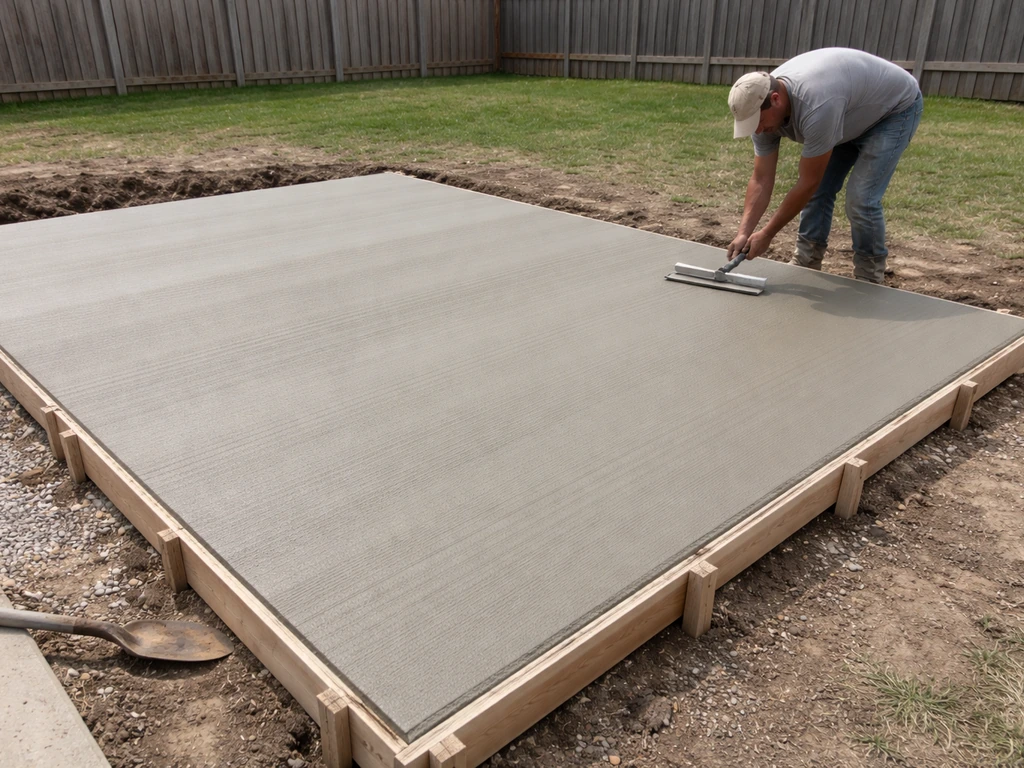
What Is the Cheapest Patio to Build? Costs by Type
Compare cheapest patio types by cost breakdown, price ranges, and size examples plus tips to cut prep and labor.
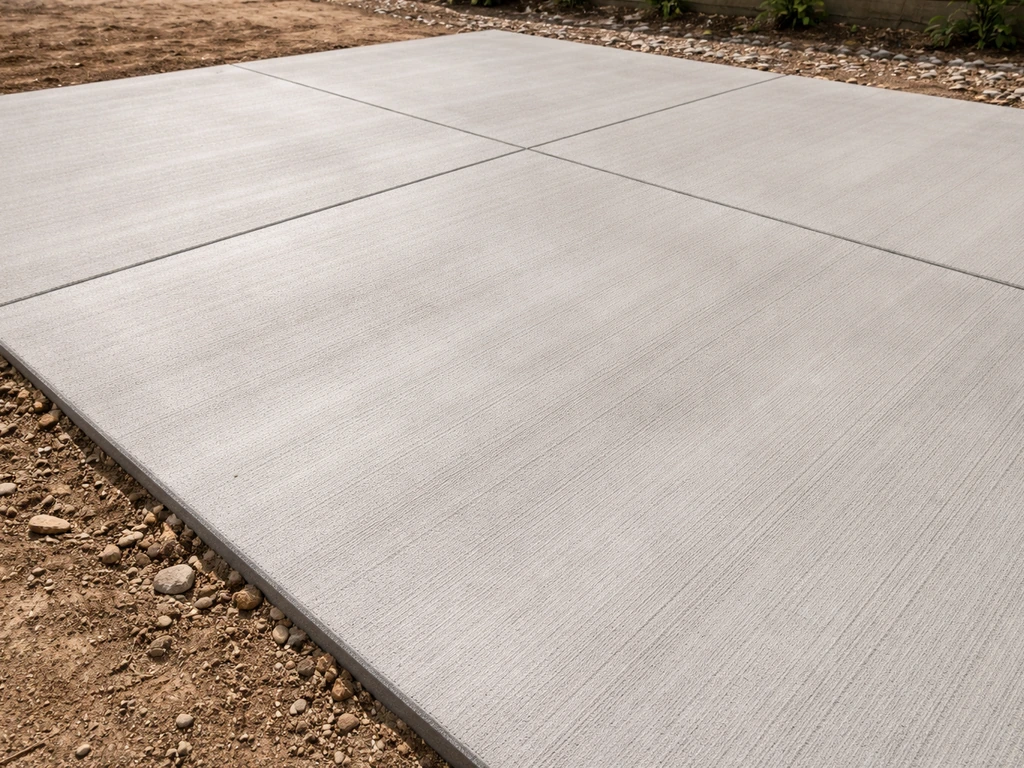
Cheapest Way to Do a Patio: Costs, DIY vs Pros
Compare patio materials and DIY vs pros, with per-sq-ft costs for concrete, pavers, stone, brick, flagstone