
Building a patio deck in the U.S. typically runs between $4,000 and $20,000 for most homeowners, with the sweet spot landing around $6,000–$12,000 for a mid-size project using standard materials. A small 10x10 pressure-treated deck or basic paver patio can come in under $5,000, while a 20x20 composite deck with railing, stairs, and lighting can push $25,000–$30,000. The wide range isn't vague, it's real, and it's driven by a handful of very specific choices: what material you pick, how big you go, what your site looks like, and where you live.
How Much Does It Cost to Build a Patio Deck in 2026

Felix Carver
8 Jun 2026

What 'patio deck' actually means (and why it matters for your budget)
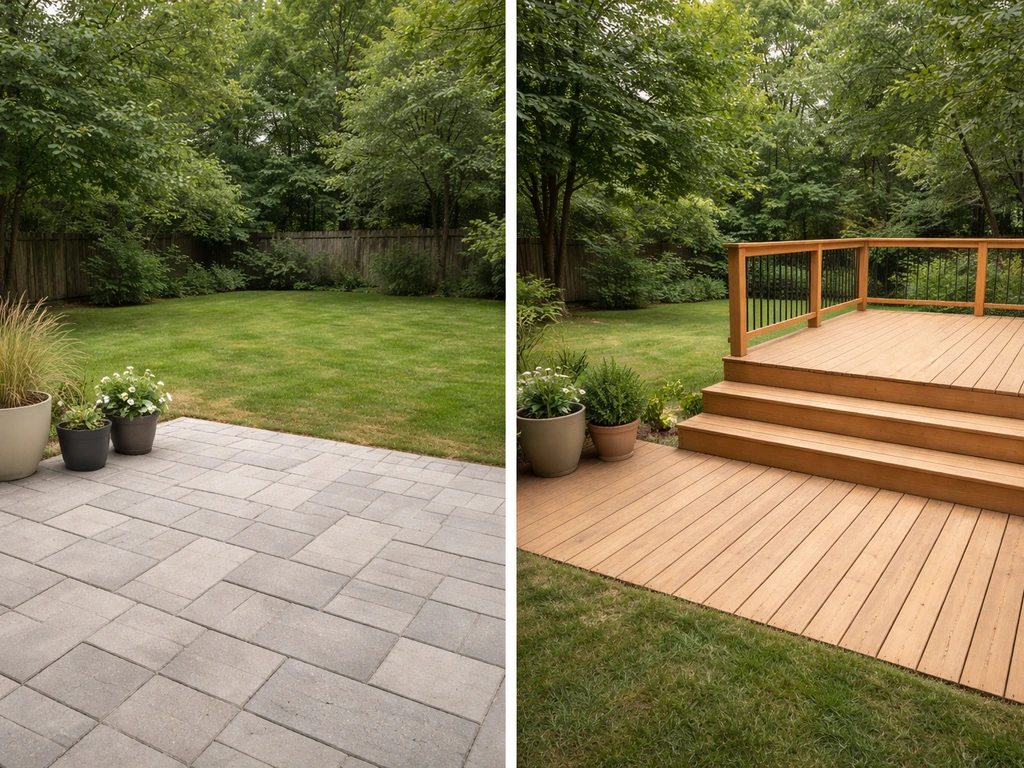
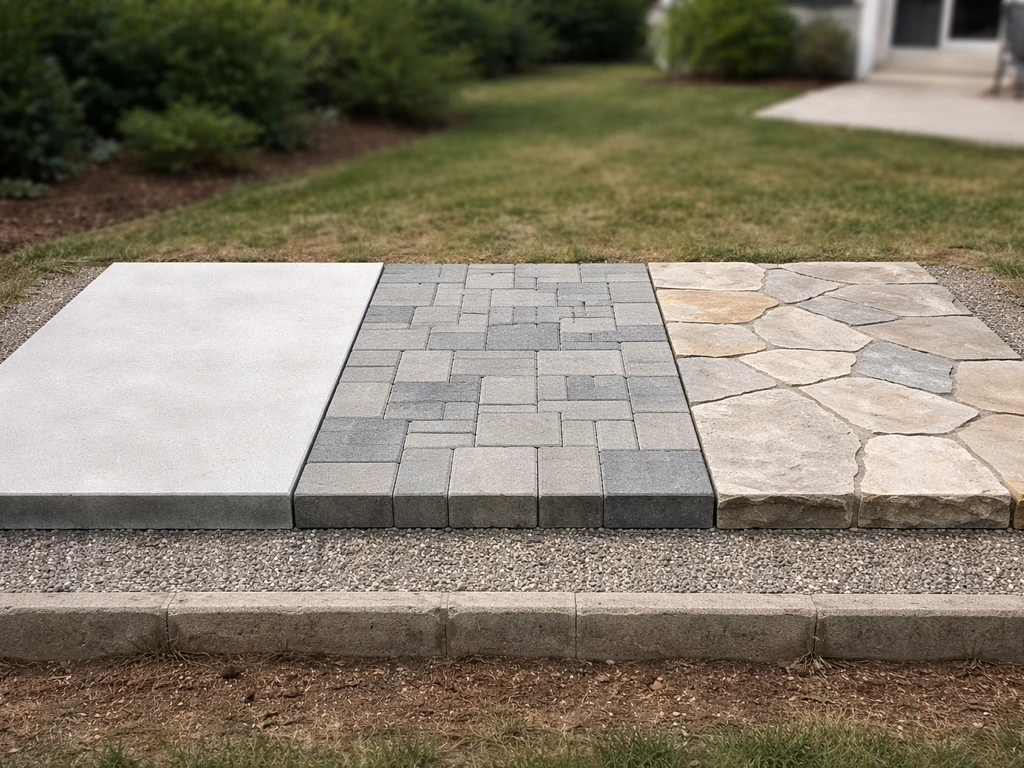
People use 'patio deck' to mean a few different things, and it genuinely affects what you'll spend. Some people mean a ground-level deck that functions like a patio. Others mean a raised deck attached to the house. And some mean a patio-style surface, concrete, pavers, stone, that serves the same purpose. This article covers all three interpretations because the cost logic is similar: you're paying for a usable outdoor surface, and the variables (material, size, site prep, labor) are what separate a $4,000 project from a $25,000 one.
Typical costs by size and material
Here's where most homeowners should start: pick a size and a material, and you'll have a working budget range before you ever call a contractor. The numbers below are installed costs, materials plus labor, based on current 2025–2026 pricing data.
| Size | Pressure-Treated Deck | Composite Deck | Paver Patio | Concrete Slab Patio |
|---|---|---|---|---|
| 10x10 (100 sq ft) | $2,500–$4,500 | $4,000–$7,500 | $800–$2,500 | $700–$2,000 |
| 12x12 (144 sq ft) | $4,000–$7,000 | $5,800–$10,800 | $1,150–$3,600 | $1,000–$2,900 |
| 12x16 (192 sq ft) | $4,800–$8,600 | $7,700–$14,400 | $1,500–$4,800 | $1,300–$3,800 |
| 16x20 (320 sq ft) | $8,000–$14,400 | $12,800–$24,000 | $2,550–$8,000 | $2,200–$6,400 |
| 20x20 (400 sq ft) | $10,000–$18,000 | $16,000–$30,000 | $3,200–$10,000 | $2,800–$8,000 |
Pressure-treated lumber runs roughly $25–$45 per sq. ft installed. Composite (Trex and similar) runs $40–$75 per sq. ft installed. Paver patios generally land at $8–$25 per sq. ft installed, and a standard concrete slab comes in at roughly $7–$20 per sq. ft depending on thickness and finish. These ranges assume a contractor does the work and include a basic railing where required, but not major extras like built-in lighting, pergolas, or significant grading.
Cost breakdown: materials, labor, site prep, and finishes

One of the biggest mistakes homeowners make is budgeting only for the decking boards or pavers themselves. The surface is just one piece of the bill. Here's what a realistic cost breakdown looks like for a mid-size deck or patio project.
Materials
Pressure-treated lumber for decking boards runs about $2–$5 per sq. ft in materials only. Composite decking materials are $10–$22 per sq. A Trex/composite deck cost PDF also frames composite board material as roughly $10, $15 per square foot and provides context for installation and total project costs Composite decking materials are $10–$22 per sq.. ft depending on the brand and line. Paver materials range from $3–$15 per sq. ft depending on whether you're using basic concrete pavers, brick, or natural stone like bluestone or flagstone. Flagstone and bluestone top out at $15–$30 per sq. ft just for the stone. A rough rule of thumb for basic deck builds: budget about one dollar on labor for every dollar you spend on materials.
Site prep and base work
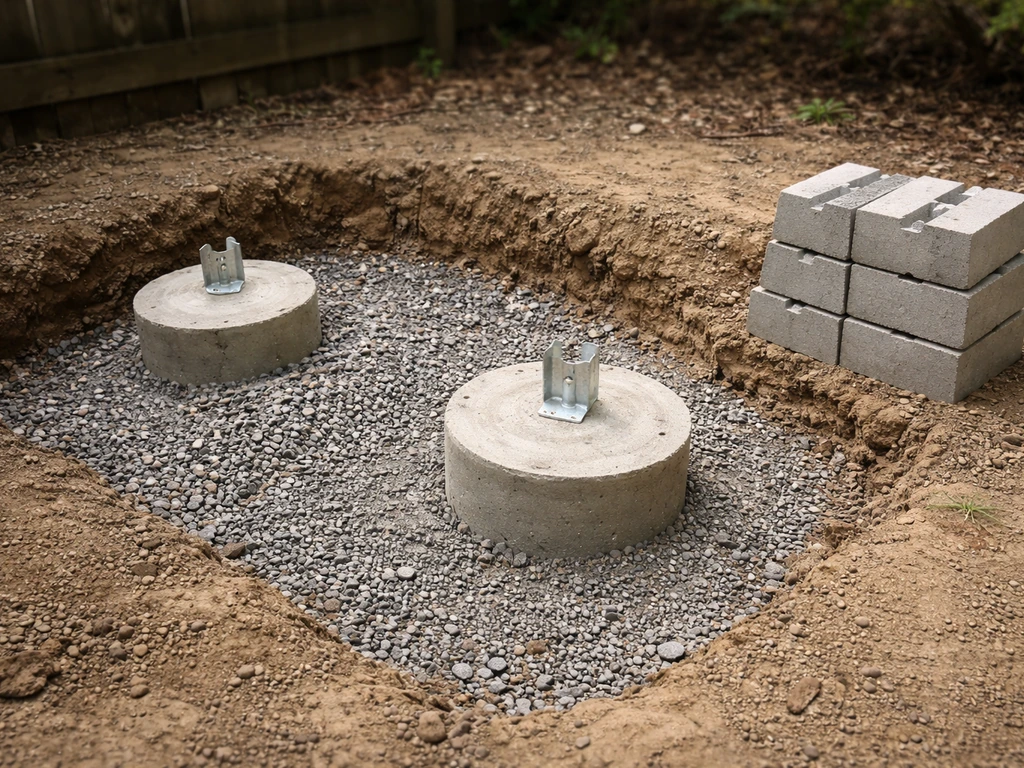
This is where projects get expensive fast if you're not prepared. For a raised deck, footings and piers run $400–$500 per footing, and you typically need one at each corner plus intermediary support depending on span. A ledger board (if the deck attaches to your house) adds $200–$250 in materials and requires proper fastening per IRC code, improper ledger attachment is one of the leading causes of deck collapses, so this is not a place to cut corners. For paver and concrete patios, proper base prep means at least 4–6 inches of compacted gravel plus a 1-inch sand bedding layer. Cold climates often require deeper bases. Skipping or skimping on base prep is the number-one reason patios settle, heave, and need to be re-done in five years.
Structural framing
For a raised deck, you're also paying for joists, beams, posts, and hardware. This framing work is typically included in contractor per-square-foot quotes, but ask specifically, some quotes cover just the decking surface and railing, not the full substructure. Ground-level decks and patio surfaces skip most of this, which is part of why they cost less.
Railing, stairs, and finishes
Railing is a major line item that surprises a lot of people. Aluminum railing runs $40–$70 per linear foot installed. Composite railing runs $15–$30 per linear foot installed. A 12x12 deck with railing on three sides (about 36 linear feet) could add $540–$2,520 to your budget depending on material. IRC code requires guardrails when the deck surface is elevated above grade, minimum 36 inches high, measured from the deck surface to the top of the rail. Stairs are typically $300–$500 for a basic set. Permits run $300–$400 in most areas but can be more in high-cost markets or for complex projects.
Sample cost breakdown for a 12x16 pressure-treated deck
| Cost Component | Estimated Range |
|---|---|
| Decking boards (PT lumber) | $380–$960 |
| Framing/joists/hardware | $600–$1,200 |
| Footings/piers (4) | $1,600–$2,000 |
| Ledger board | $200–$250 |
| Railing (40 linear ft, composite) | $600–$1,200 |
| Stairs (one set) | $300–$500 |
| Labor | $1,500–$3,500 |
| Permits | $300–$400 |
| Total estimate | $5,500–$10,000 |
Regional price factors and what drives cost up or down
Where you live can shift your quote by 30–50% compared to the national average. Thumbtack reports a national average deck-build cost of about $6,700, with a typical national cost range around $3,059 to $14,659 based on installed deck projects. Labor rates in Seattle, Boston, or the San Francisco Bay Area are meaningfully higher than in the Midwest or rural Southeast. A composite deck that runs $50/sq. ft installed in Kansas City might run $65–$75/sq. ft installed in coastal California. Beyond regional labor, here are the specific factors that push costs up or down on any given project.
- Slope and grading: A sloped yard means more excavation, taller posts, and more complex framing. Budget an extra $500–$2,000 for significant slope.
- Soil conditions: Expansive clay or poor-draining soil requires deeper base work for patios and deeper footings for decks. Cold climates require footings below the frost line — that depth varies by location and can add hundreds per footing.
- Access difficulty: A backyard that's hard to reach with equipment adds labor time. Narrow side gates, fences that need temporary removal, and tight spaces all add cost.
- Drainage requirements: Poor natural drainage may require French drains or grading work before or alongside the project — $500–$3,000 depending on scope.
- Demolition and disposal: If you're replacing an old patio or deck, demo and haul-away typically adds $500–$1,500.
- Permit complexity: Simple patio slabs often don't require permits. Raised decks almost always do. Check your municipality before assuming.
- Custom features: Built-in lighting, pergolas, built-in seating, and fire pit cutouts are all extra — often $1,000–$5,000+ depending on scope.
Patio deck vs. deck vs. patio: how to choose and compare budgets
Here's a comparison that genuinely helps: a raised wood or composite deck typically costs more per square foot than a ground-level patio, but a raised deck is often the only practical option when your yard is sloped or when you want direct door access from an elevated first floor. A paver or concrete patio is cheaper per square foot on flat ground, requires less structural engineering, and is generally more DIY-accessible. If you're trying to decide between the two, the terrain of your yard should drive that decision more than price alone.
| Option | Typical Installed Cost (per sq ft) | Best For | Main Downside |
|---|---|---|---|
| Pressure-treated deck | $25–$45 | Sloped yards, elevated entry access | Maintenance, susceptibility to rot over time |
| Composite deck | $40–$75 | Low-maintenance preference, longevity | Higher upfront cost |
| Paver patio | $8–$25 | Flat ground, DIY-friendly, flexible design | Can shift/settle without proper base |
| Concrete slab patio | $7–$20 | Budget-conscious, durable surface | Cracks over time, limited design options |
| Flagstone/natural stone patio | $15–$30 | Aesthetic appeal, natural look | Highest material cost in patio category |
| Combined deck + patio | $15,000–$40,000+ total | Maximizing outdoor space at multiple levels | Complexity and cost add up quickly |
If you're considering a combined deck-plus-patio layout, say, a raised deck off the back door stepping down to a paver patio at grade, budget those as two separate projects and add them together. The structural work for the deck doesn't reduce the site prep cost for the patio below. These are worth comparing independently when evaluating whether pavers vs. decking make more financial sense for your specific outdoor space.
DIY vs. hiring a contractor: realistic scenarios and added risks
DIY can cut labor costs by 40–60% on a deck or patio project, but the savings are not guaranteed and the risks are real. Here's an honest breakdown of where it makes sense and where it doesn't.
Where DIY works well
Paver patios on flat ground are the most DIY-friendly outdoor hardscape project. If you can rent a plate compactor, follow the three-layer base system (6 inches compacted gravel, 1 inch bedding sand, then pavers), and keep proper 2% drainage slope away from the house, you can realistically save $1,500–$4,000 on a 200–400 sq. ft project. Simple ground-level decks using pressure-treated lumber are also manageable for someone with basic carpentry skills and the right tools.
Where DIY gets risky
Raised decks, especially those attached to the house, are where DIY risk jumps significantly. Ledger attachment is the most critical structural connection on an attached deck, and improper fastening is consistently cited by building departments as a leading cause of deck collapses. Getting this wrong isn't just a code issue, it's a safety issue. If your project requires footings at specific frost-depth requirements, multi-level framing, or structural engineering sign-off, hire a licensed contractor. Paying $1,500–$3,500 in labor for the framing and structural work while doing the finish work yourself is a reasonable middle-ground approach.
Hidden DIY costs people forget
- Tool rental: Plate compactor, post hole digger, saw, and levels can add $200–$600 if you don't already own them.
- Permit and inspection fees: DIY projects still need permits in most jurisdictions. Some municipalities won't allow homeowner-pulled permits on structural deck work.
- Mistakes and re-dos: A shifted paver base or improperly set footing can cost more to fix than it would have to hire it done correctly from the start.
- Time: A project a contractor finishes in 3–5 days can take a DIYer several weekends, and weather delays add up.
Getting accurate quotes: specs, questions to ask, and budgeting ranges
The single most important thing you can do before getting quotes is write down a clear scope of work. Contractors who are quoting vague projects will give you vague prices, and you won't be comparing apples to apples when estimates come back. Here's how to get quotes that are actually useful.
- Specify the exact size: Write down the dimensions — 12x16, 20x20, etc. Don't let contractors guess.
- Choose your material tier before quoting: Decide between pressure-treated, composite, pavers, or concrete before you call. You can always ask contractors to quote multiple materials, but give them a starting point.
- Describe your site conditions: Mention slope, soil type (clay, sand, rock), existing structures to remove, and access constraints. These directly affect labor cost.
- Ask for line-item estimates: Request that quotes break out materials, labor, site prep, footings/base, railing, stairs, and permits separately. A lump-sum quote makes it impossible to compare bids or identify where one contractor is cutting corners.
- Ask about permit handling: Who pulls the permit? Who is present for inspections? This should be included in the contractor's scope, not an afterthought.
- Get at least three bids: On any project over $5,000, three bids is the minimum. The range between low and high bids is often 20–30%, and that spread tells you a lot about what's being included.
- Clarify what's NOT included: Ask each contractor explicitly what's excluded — drainage work, demo of existing structure, furniture removal, final grading and seeding. These additions can add $500–$3,000 after the fact.
A practical budgeting framework: take your target size, multiply by the midpoint per-square-foot cost for your chosen material, then add 15–20% as a contingency buffer for site-specific surprises. For a 16x20 composite deck at $57/sq. ft (midpoint of the $40–$75 range), that's roughly $18,200 plus a $2,700–$3,600 buffer, putting your working budget at $21,000–$22,000 before any premium add-ons. That's a realistic number to bring to a contractor conversation, and it'll help you evaluate whether quotes are in the right ballpark or something's being left out.
One last thing worth knowing: patio projects generally offer better cost-per-square-foot value than raised decks when your yard is flat and you're not married to wood. In general, paver patios can be cheaper than a raised deck when you have a relatively flat yard and want to avoid the added framing, railing, and stair costs is it cheaper to build a deck or paver patio. If budget is your primary concern, a paver or concrete patio on flat ground is consistently the cheapest way to add functional outdoor space, sometimes at less than half the cost of a composite deck of the same size. That trade-off is worth understanding before you commit to a specific direction.
FAQ
How much does it cost per square foot to build a patio deck, if I want a realistic planning number?
Use installed midpoints rather than the low end. For planning, pressure-treated lumber decks often pencil out around the low-to-mid range of the $25–$45/sq. ft band, composite around the middle of $40–$75/sq. ft, and pavers around the middle of $8–$25/sq. ft. Then add a 15–20% contingency because site prep and hardware tend to land above the lowest estimates.
Do I need a permit for a patio deck, and will it change the cost a lot?
Many jurisdictions require permits for raised decks, decks attached to a house, and decks with stairs or guardrails. Even when permits are similar everywhere, complex sites, setbacks, or structural modifications can push permit and plan-review fees higher, so ask your contractor whether engineering or stamped drawings are included in the quote.
What costs should I expect beyond the deck or patio surface itself?
Common add-ons include railings (especially for elevated decks), stairs, ledger and flashing details for attached decks, and drainage work for patios. Also ask about haul-off, base preparation (gravel and sand), and any needed leveling, because those are frequently not included when quotes only itemize the surface materials.
Why do deck quotes sometimes look cheaper than patio quotes even when the deck is smaller?
Deck quotes can be lower if they omit the structural scope, like joists, beams, posts, or permit-related work. Some contractors price only the decking and railing and then charge extra for substructure, footings, or ledger components, so confirm whether the quote is “full build” or “surface only.”
How much extra will railings and stairs add to a raised deck?
Railing often becomes one of the largest surprises. Aluminum can cost roughly double the per-foot price of composite railing, and the total depends on how many sides need protection. Stairs are another swing factor, because landing height, number of steps, and handrail requirements can change the labor and material cost quickly.
Does the cost change if my deck is attached to the house versus freestanding?
Yes. Attached decks usually require a ledger board connection, which includes specific fastening and flashing details. That connection is both safety-critical and code-sensitive, so it can add cost compared with freestanding decks where the structure is supported entirely on posts and footings.
What site conditions most increase the price of a patio deck?
Steep slopes, poor drainage, rocky soil, and limited access for equipment can all increase costs. Expect higher costs if extensive grading is needed, if there are frost-depth considerations for footings, or if debris removal and hauling become significant due to excavation volume.
Is DIY realistic for a patio deck, or will it cost more later?
Flat paver patios are the most DIY-friendly because the work is largely ground prep and surface installation. Raised decks are where DIY risk increases, especially around ledger attachment and structural connections. A common “DIY cost trap” is redoing base or drainage after settling or heaving, so for patios, prioritize correct layer thickness and compaction.
How do I avoid the biggest budgeting mistake people make?
Don’t budget only for boards, pavers, or concrete. Set aside money for supporting work (footings, framing, or subbase), code-required items (guardrails, stairs, permits), and site prep (grading, gravel, and bedding). A practical way is to start with installed per-square-foot pricing, then add the 15–20% contingency buffer.
If I combine a deck with a patio, should I budget them together or as one project?
Budget them as two scopes. Even when built adjacent, deck structural work does not reduce the patio’s excavation and base prep needs. A helpful approach is to get separate line items or at least separate totals for deck and patio so you can compare quotes without hidden overlaps.
How do I estimate labor labor costs if I’m comparing materials like pressure-treated vs composite?
A simple planning heuristic is that labor often scales roughly with materials, but it is not identical across systems. Composite can raise both material and labor because of hidden hardware, framing complexity, and finishing details, while pressure-treated decks may be less expensive in materials but can still require careful installation for longevity and warranty compliance.
What should I ask contractors to include so my quotes are apples-to-apples?
Ask for a scope list that names the foundation or base system (footings or subbase layers), the railing type and linear footage, whether stairs and landings are included, and whether permits and inspections are covered. Also confirm who handles excavation, hauling, and grading, since these are frequent omissions that change the final cost.
Next Articles
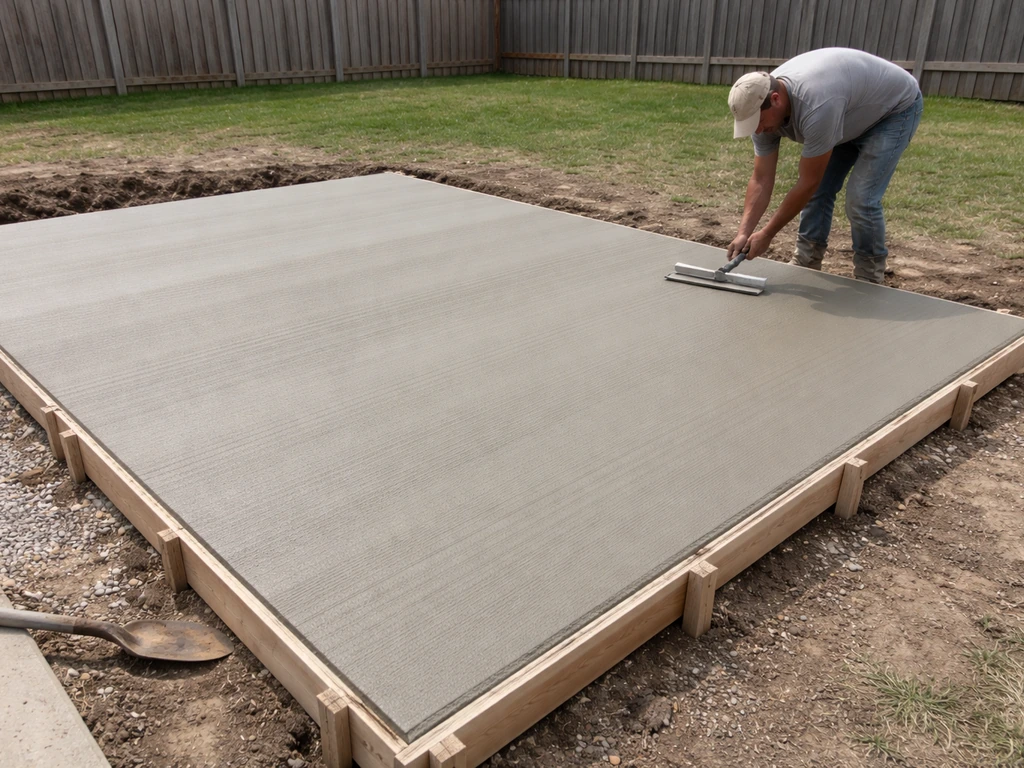
What Is the Cheapest Patio to Build? Costs by Type
Compare cheapest patio types by cost breakdown, price ranges, and size examples plus tips to cut prep and labor.
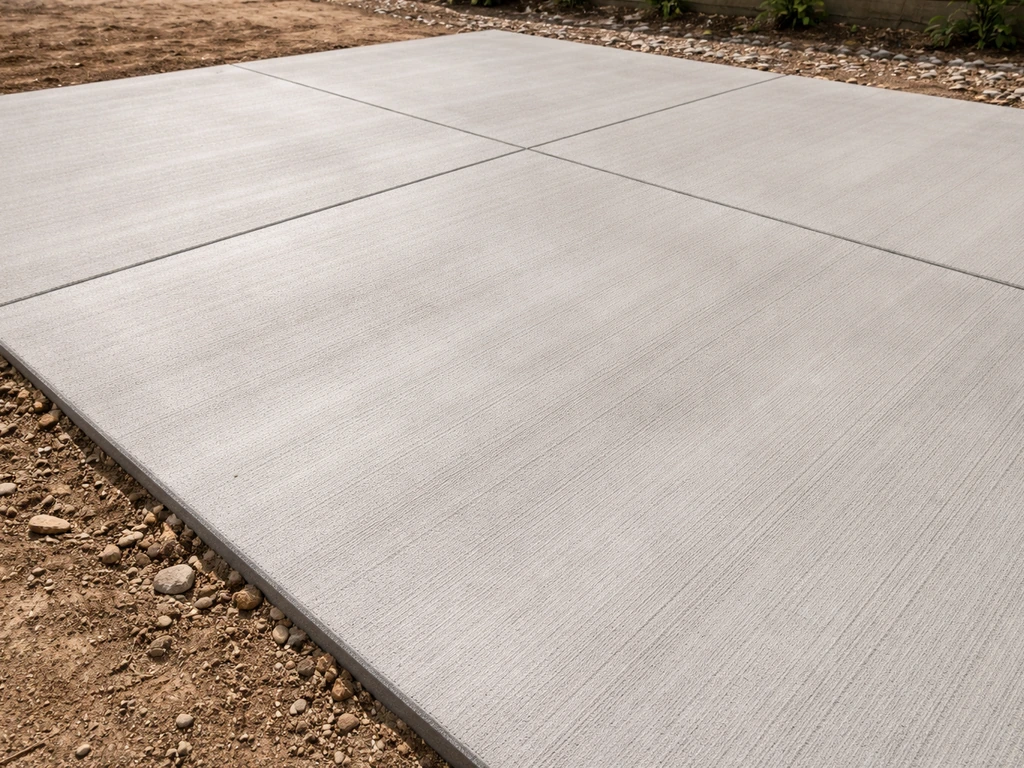
Cheapest Way to Do a Patio: Costs, DIY vs Pros
Compare patio materials and DIY vs pros, with per-sq-ft costs for concrete, pavers, stone, brick, flagstone
How Much Should I Expect to Pay for a Patio
Patio cost guide with real price ranges by size and material, full line-item budget, DIY vs install, and quote checklist