
Pationing a garden typically costs between $5 and $35 per square foot installed, depending on the material you choose and how much site prep is involved. For a common 12x12 patio (144 sq ft), most homeowners spend $720 to $2,500 for basic concrete or simple pavers, and $2,000 to $5,000 or more for natural stone or stamped concrete. Glass-in patio costs depend on the size of the enclosure, the type of glass panels, and local labor rates, so quotes can vary significantly. A larger 20x20 patio (400 sq ft) runs $2,000 to $14,000 for most finishes. These are real installed numbers, not material-only quotes, and they assume proper base prep, compaction, and edging.
How Much to Patio Garden: Costs by Size and Materials

Felix Carver
8 Jul 2026
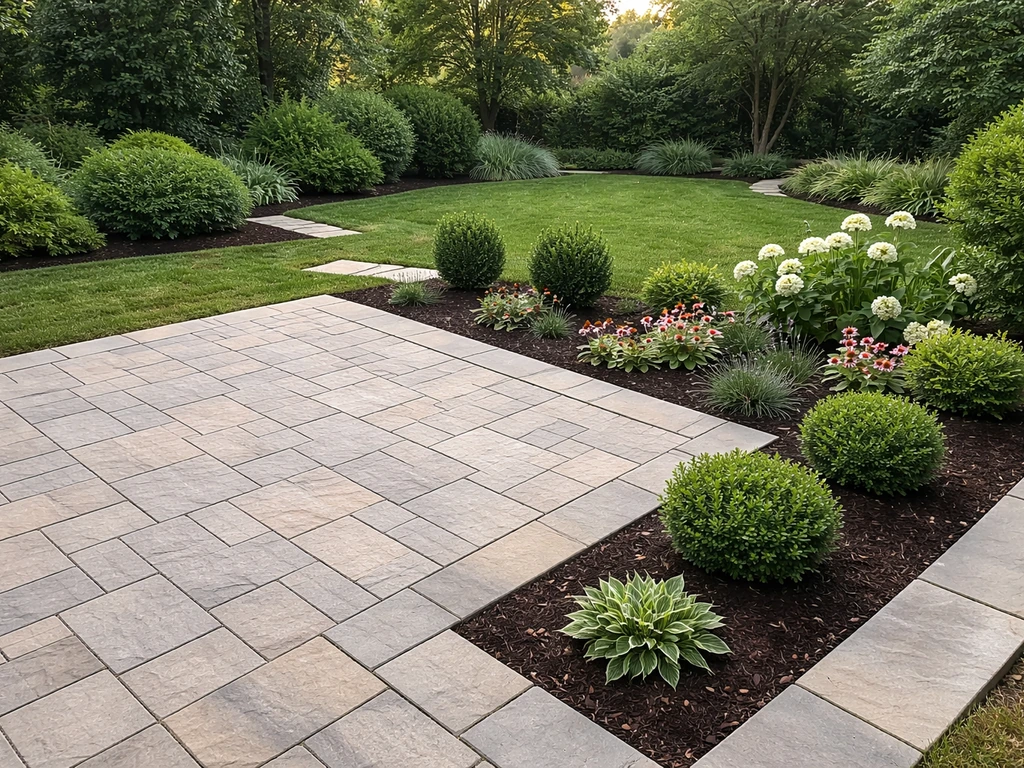
Typical patio garden costs by size
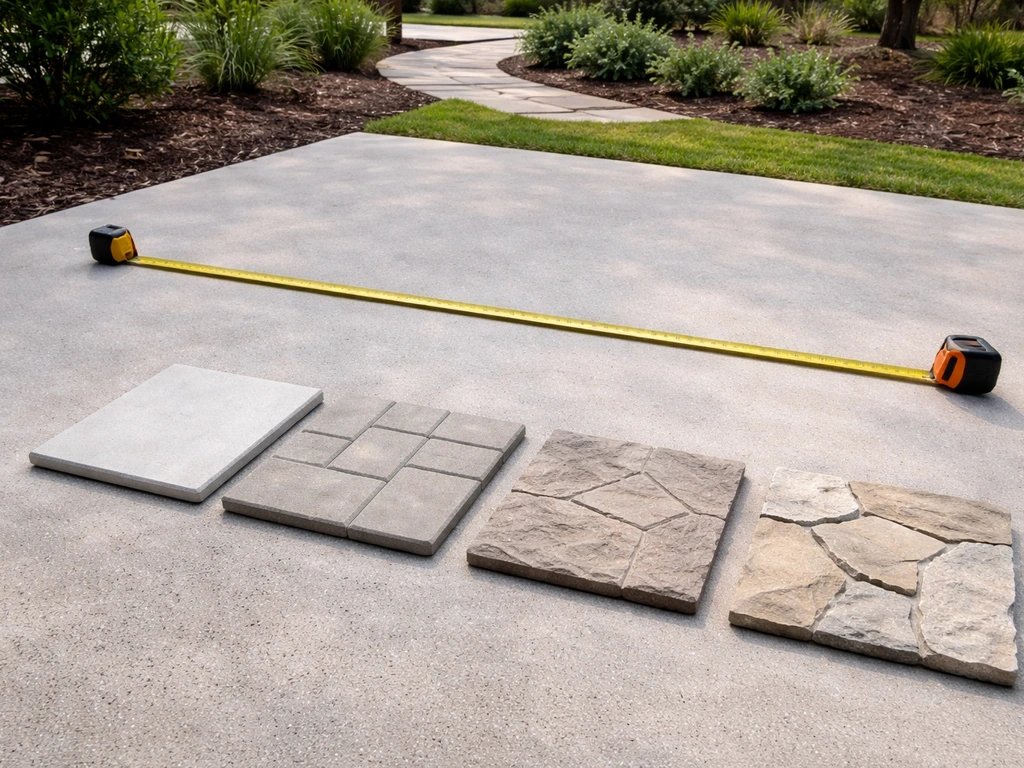
The single biggest variable in your budget is square footage, so let's start there. The per-square-foot price doesn't usually drop dramatically with size, but the total adds up fast. Below are realistic installed cost ranges for three common patio sizes, broken down by material type. These include base prep, compaction, bedding, edging, and labor, which is what a real contractor quote will reflect.
| Patio Size | Sq Ft | Basic Concrete | Concrete Pavers | Stamped Concrete | Natural Stone / Flagstone |
|---|---|---|---|---|---|
| 10x10 | 100 sq ft | $400–$1,200 | $1,000–$1,700 | $900–$3,000 | $1,500–$2,700 |
| 12x12 | 144 sq ft | $580–$1,730 | $1,440–$2,450 | $1,300–$4,320 | $2,160–$3,890 |
| 16x16 | 256 sq ft | $1,025–$3,070 | $2,560–$4,350 | $2,300–$7,680 | $3,840–$6,910 |
| 20x20 | 400 sq ft | $1,600–$4,800 | $4,000–$6,800 | $3,600–$12,000 | $6,000–$10,800 |
These ranges assume a relatively flat, accessible backyard garden space. If your site has a slope, existing concrete to remove, or poor drainage, your actual cost will land toward the higher end or beyond. Budget at least 15 to 20 percent on top of your material estimate for the base, compaction, and edging work that holds everything together long-term.
Cost breakdown: materials, base, and site prep
Most homeowners get blindsided because they price just the surface material and forget everything underneath it. A proper patio build has several layers, and each one costs money. Here's what a complete patio project actually includes.
- Site preparation and grading: Clearing vegetation, tilling, regrading for drainage, and removing existing concrete or hardscape. Demolition of an old patio slab can add $500 to $2,000+ depending on thickness and access.
- Compacted aggregate base: Typically 4 inches of crushed stone or gravel, compacted in layers. This alone runs $3.40 to $6.20 per square foot in materials and is non-negotiable for a patio that won't shift or sink.
- Bedding sand: A 1-inch-deep layer spread evenly over the compacted base. Standard practice per ICPI (Interlocking Concrete Pavement Institute) specs and required for paver installs.
- Surface material: The pavers, concrete, stone, or brick itself. This is the number most quotes lead with, but it's only part of the total.
- Edge restraints: Plastic, aluminum, or concrete edging that keeps pavers from migrating outward over time. Budget $1 to $3 per linear foot installed.
- Joint sand and finishing: Polymeric sand swept into paver joints to lock them in place and resist weeds. Typical cost is $0.50 to $1.50 per square foot.
- Drainage slope: A properly built patio needs a minimum pitch of about 1/4 inch per foot (roughly 2%) to move water away from your home. If your site doesn't naturally slope correctly, there's grading labor involved.
Pavestone's budget planning guidance puts it plainly: your finished patio will typically run 15 to 30 percent higher than the paver-only price once base material, compaction, and edging are factored in. That's a useful rule of thumb when you're comparing quotes. If someone gives you a number based only on surface material cost, add at least 20 percent before you compare it to a full-build quote.
Options and price ranges: concrete, pavers, stone, stamped, and brick
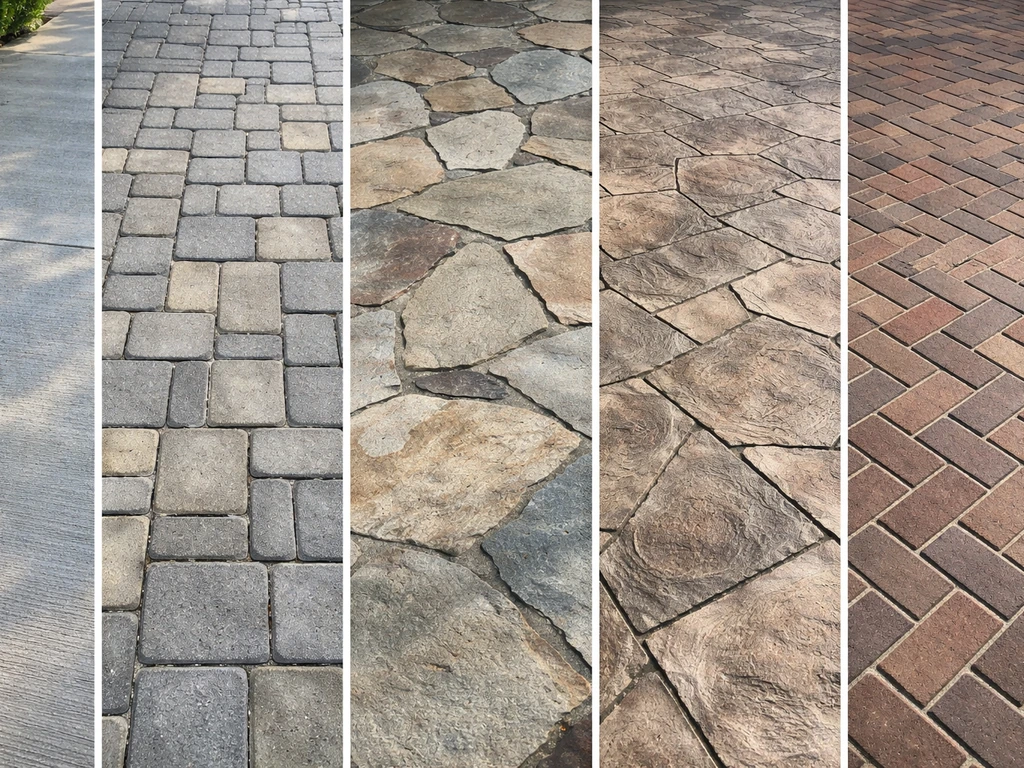
Not all patio materials cost the same, and the gap between budget and premium finishes is significant. Here's how each major option stacks up on installed cost per square foot.
| Material | Installed Cost (per sq ft) | Pros | Best For |
|---|---|---|---|
| Basic poured concrete | $4–$12 | Lowest cost, durable, easy to maintain | Budget builds, simple garden patios |
| Stamped concrete | $9–$30 | Decorative look at mid-range price, low maintenance | Homeowners who want stone/brick aesthetics without the cost |
| Concrete pavers | $10–$17 | Durable, repairable, wide design options | Most versatile choice for DIY or pro install |
| Brick pavers | $10–$17 | Classic look, very durable | Traditional garden aesthetics |
| Natural flagstone | $15–$27 | Unique appearance, premium feel | Garden focal points, irregular layouts |
| High-end options (slate, granite, porcelain) | $20–$35+ | Premium aesthetics, long lifespan | Luxury garden spaces |
Basic poured concrete is your cheapest installed option at $4 to $12 per square foot. It's not flashy, but it's solid and pairs well with raised garden beds, planters, and garden furniture. blank" rel="noopener noreferrer">Stamped concrete closes a lot of the gap with natural stone visually while coming in significantly cheaper, typically $9 to $30 per square foot installed. Concrete pavers and brick pavers fall in a similar middle range of $10 to $17 per square foot and have a big advantage: if a section gets damaged, you can pull up individual pavers and replace them without redoing the whole surface. Flagstone and natural stone look beautiful in garden settings but come at a real premium, $15 to $27 per square foot installed according to Forbes, and they require skilled setting to look right and drain properly. To estimate how much a garden glass patio costs, start with the installed price per square foot and then add site prep, base, and drainage based on your yard conditions.
DIY vs hiring a contractor
If you're reasonably handy and have time, a DIY paver patio is genuinely doable. The labor for a professional paver install runs roughly $6.25 to $10.90 per square foot, so on a 200-square-foot patio you could theoretically save $1,250 to $2,180. That's real money. But you need to be honest about what doing it yourself actually costs.
- Plate compactor rental: About $75 per day. You'll likely need it for two days minimum on any patio larger than 100 square feet.
- Other tool rentals: Wet saw for cutting pavers, wheelbarrow, hand tamper, level, string lines, and a screed board. Budget $150 to $300 total for a weekend rental package.
- Your time: A 12x12 patio takes an experienced DIYer a full weekend. If it's your first time, plan for two full weekends, plus potential do-overs if grading or leveling goes wrong.
- Risk of a failed base: If you skip proper compaction or don't get the drainage slope right, pavers will shift and sink within a season or two. Fixing it costs nearly as much as starting over.
The honest answer is that DIY saves money on simple, flat, small patios with easy access. A 10x10 or 12x12 square patio on level ground is a reasonable weekend project if you're willing to do the research and rent the right tools. Anything irregular, sloped, or larger than about 16x16 is where most first-timers run into trouble, and a botched base will cost you more to fix than you saved. Concrete patios are generally harder to DIY because pouring and finishing concrete correctly requires more skill and the window to work is short.
Regional and site-specific cost factors
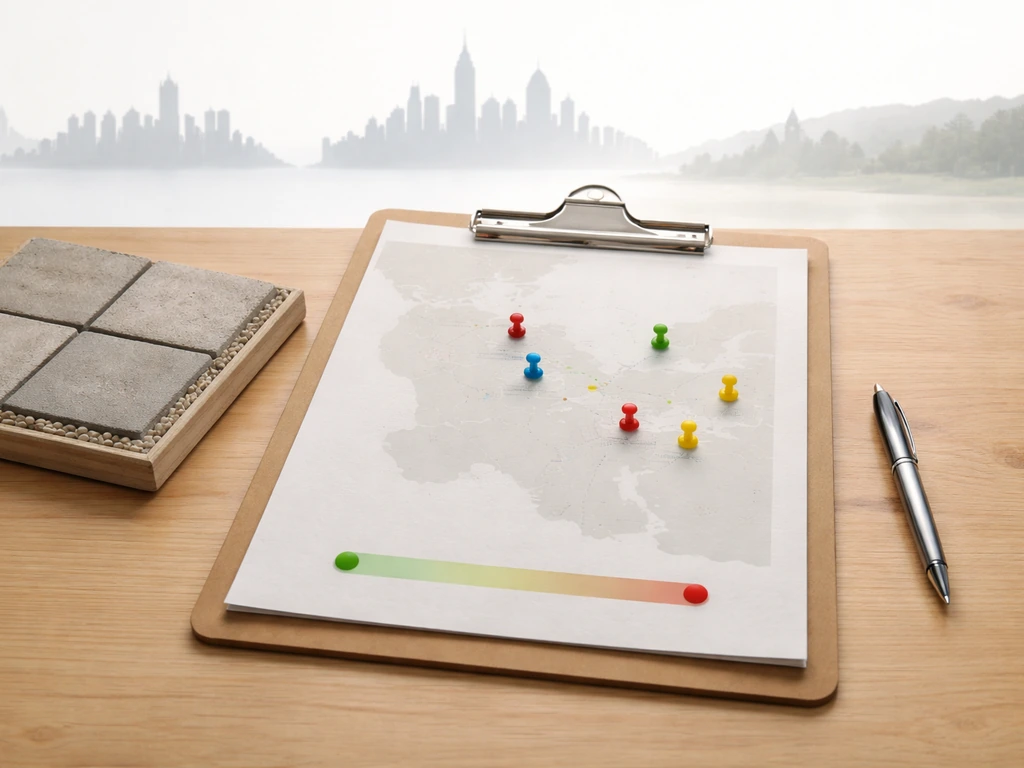
Where you live and what your site looks like can move your final number by 30 to 50 percent in either direction. Here are the factors that matter most.
Region and labor market
Labor rates in high-cost-of-living metros like San Francisco, New York, or Boston push installed patio costs toward the upper end of every range. Rural areas and lower-cost-of-living regions can come in 20 to 30 percent cheaper on labor. If you're budgeting for a patio in the UK, the ranges are broadly similar in per-square-metre terms: concrete slabs run about £60 to £120 per m² installed, and block paving runs £70 to £120 per m² or more, with higher-end materials like Indian sandstone or porcelain pushing well past that. Ireland projects tend to run roughly €100 to €250 per square metre for a fully installed finish. If you want a quick Ireland-specific estimate, check both the per-square-metre rate and the site preparation costs described above how much does a patio cost ireland.
Soil conditions and drainage
Clay-heavy soil drains poorly and can require deeper excavation or additional drainage solutions, which adds cost. Sandy, well-draining soil is easier and cheaper to work with. If your yard has any history of standing water, mention it to every contractor you get a quote from. A drainage system or French drain added to a patio project can add $1,000 to $3,000 depending on scope. Ignoring it and then having water pool under your patio is a very common and expensive mistake.
Slope and grading
A flat yard needs minimal grading. A sloped yard may need fill dirt brought in, significant excavation, or even a retaining wall to create a level patio surface. For reliable surface drainage performance, drainage around the patio should follow a recommended minimum pitch of about 1/4 inch per foot (around 2%), per ICPI Technical Guidance create a level patio surface. Retaining walls are a major cost adder, typically $25 to $75 per square foot of wall face, so a sloped site can easily add $2,000 to $8,000 to a project.
Access and site constraints
If your contractor can't get a skid steer or wheelbarrow through a gate easily, material hauling becomes manual labor, and that takes more time and costs more money. Tight access, obstacles like tree roots, or proximity to a foundation all add labor hours.
Permits and HOA rules
Most rear-garden patios don't require a building permit in the US, but it varies by municipality and some HOAs have rules about hardscape coverage or material types. In the UK, if you're paving more than 5 square metres of a front garden, you'll generally need to use a permeable surface or obtain planning permission. Always check with your local authority or HOA before breaking ground, especially in front garden situations.
How to budget accurately and get useful quotes
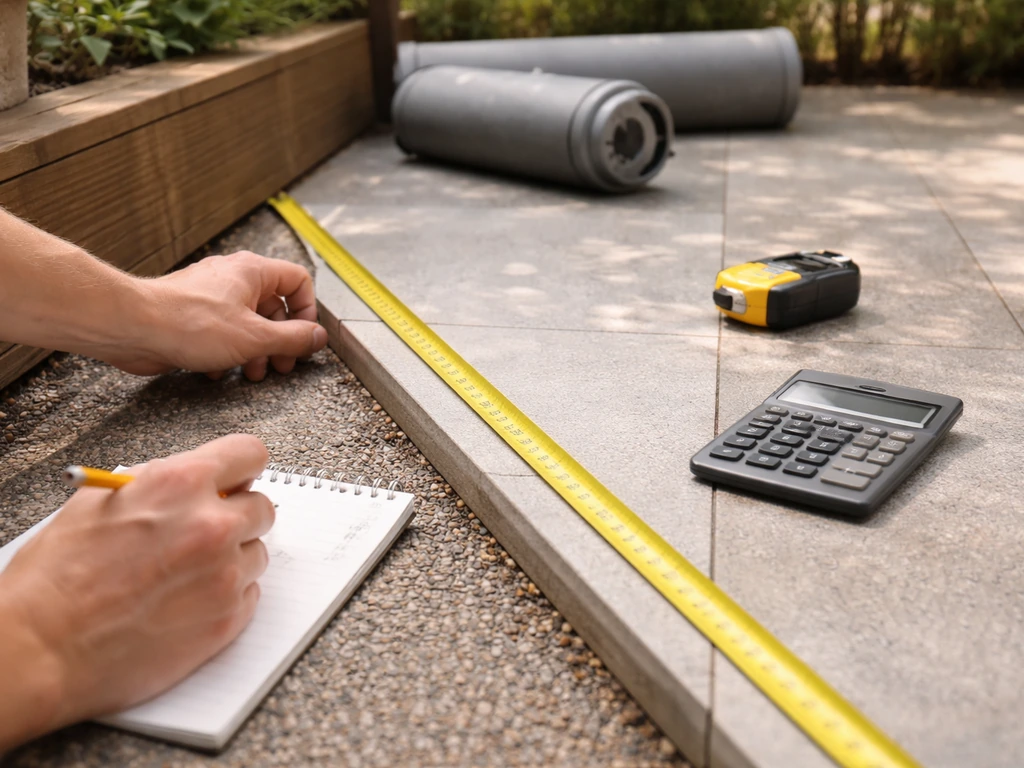
Getting three quotes is standard advice. Getting three useful quotes requires a bit more preparation on your end. Here's how to set yourself up for accurate bids. If you want to know how to price a patio, start by estimating square footage and then price the full build, not just the surface material.
- Measure your space precisely. Give contractors the exact dimensions, including any irregular shapes or cutouts for garden beds. Don't estimate, measure twice.
- Describe the site honestly. Note slope, existing surface (grass, old concrete, pavers), any drainage issues, and how accessible the yard is. This information changes the quote significantly.
- Ask for a line-item breakdown. A good quote should separate excavation/site prep, base material and compaction, surface material cost, labor for installation, edging and finishing, and any drainage work. If a contractor just hands you one number, ask them to break it out.
- Specify the material and finish you want. Don't let the contractor guess. If you want natural flagstone, say so. If you're open to stamped concrete as a cheaper alternative, mention that.
- Add a 15 to 20 percent contingency. Unexpected finds during excavation (tree roots, buried debris, poor soil) are common. Build the buffer into your budget upfront so you're not surprised.
- Ask about base depth and compaction specs. A contractor who plans to lay pavers on a 2-inch base is not the same as one who specs 4 inches of compacted gravel per ICPI standards. The cheap quote is often cheap because the base is undersized.
- Confirm what's NOT included. Disposal of excavated material, plants moved or replanted, and haul-away of old concrete are often extra. Confirm these line items before signing.
If you're getting quotes in the UK, the same logic applies. If you're trying to work out how much to patio a garden in the UK, ask for per-square-metre breakdowns and confirm whether VAT is included UK patio costs. Ask for per-square-metre breakdowns and confirm whether VAT is included. Labour costs in the UK typically run £30 to £60 per m², and the full installed cost including materials should be itemized separately so you can compare quotes on an apples-to-apples basis.
Deck vs patio: which makes more sense for your garden?
This question comes up constantly when people are planning outdoor garden spaces, and the cost difference is real and worth understanding before you commit.
| Option | Installed Cost (per sq ft) | Lifespan | Maintenance | Best When |
|---|---|---|---|---|
| Poured concrete patio | $4–$12 | 25–50 years | Very low | Flat grade, budget-focused |
| Paver patio | $10–$17 | 25–40 years | Low (occasional re-sanding) | Want repairs to be easy, garden aesthetic |
| Natural stone patio | $15–$27 | 30–50+ years | Low to moderate | Premium garden spaces, irregular layouts |
| Pressure-treated wood deck | $25–$45 | 15–25 years | Moderate (staining/sealing) | Elevated grade, need height off ground |
| Composite deck | $40–$75 | 25–30 years | Low | Elevated grade, low-maintenance priority |
Patios almost always win on upfront cost. A paver patio at $10 to $17 per square foot is significantly cheaper than even a basic pressure-treated wood deck at $25 to $45 per square foot. For a 20x20 space, that's roughly $4,000 to $6,800 for pavers versus $10,000 to $18,000 for a pressure-treated deck, and composite decking pushes that even higher at $40 to $75 per square foot. The deck cost advantage comes in only when your site forces it: if your garden is on a slope, if you need to be elevated above grade for structural reasons, or if code requires it. On a flat garden space, a well-built patio will outlast most wood decks, cost less upfront, and require very little maintenance. The decision framework is simple: if your ground is flat or can be graded flat at reasonable cost, go with a patio. If you're dealing with significant elevation changes or need to clear drainage issues below the structure, a deck may be your only practical option.
Your next steps: estimate, choose, and get ready to quote
Here's how to move from research to an actual budget. Measure your space and calculate the square footage. Then pick two or three material options from the table above that fit your target budget range and write them down. Use the per-square-foot ranges to build a rough cost estimate, then add 20 percent for base, edging, and site prep, and another 15 percent contingency on top of that. A good patio cost estimate should also reflect how much square footage you have, since that drives the total price. That's your realistic budget before you talk to anyone. Next, describe your site honestly: slope, drainage, access, and what's currently on the ground. Then request three itemized quotes from licensed contractors, specifying the material, the base depth you expect (4 inches compacted aggregate minimum), and that you want separate line items for prep, base, surface, and finishing. Compare quotes on those line items, not just the bottom line. If you're a capable DIYer with a simple, flat site under 200 square feet, pricing out a paver kit plus equipment rentals is worth doing. For anything larger or more complex, the contractor math tends to work out better once you factor in your time and the risk of a base failure.
If you're based in the UK or Ireland, the same framework applies but in local units and pricing. In the UK, the rough total patio cost is usually estimated per square metre, with labor and base prep making up a significant share of the final figure. The cost-per-square-metre structure for UK patio projects and Ireland patio costs follow broadly similar patterns to the US model, with labor and material costs adjusted for local markets. The one extra check worth doing in the UK is confirming permeable surfacing rules if any part of your project touches a front garden.
FAQ
How much does a patio garden cost if I already have a flat base ready?
If you truly have a properly compacted aggregate base, correct grading, and edging points already set, many contractors can reduce the quote by skipping part of prep and base layers. Ask for a quote that explicitly breaks out excavation/hauling, compaction, bedding, and edging separately, because “existing ground is level” still often needs a new base for long-term stability.
What base depth should I budget for under patio pavers or stone?
Budget for at least a 4-inch compacted aggregate base for typical paver patios, plus the bedding layer the contractor uses for final leveling. If a contractor proposes a thinner base, ask what soil conditions they’re assuming and whether they will still meet compaction and settlement expectations, since weak bases are a common reason patios fail early.
Should I include drainage and slope even if my yard looks flat?
Yes. Even “flat” yards need a slight grade away from the home and proper surface drainage. Mention any history of pooling, damp basements, or gutters discharging toward the patio, and ask whether they plan to set fall, add a French drain, or adjust base thickness to prevent water from collecting under the surface.
How much extra should I budget for removing existing concrete or old pavers?
Removal and disposal can add substantial labor and dump fees, especially if there’s thick concrete or you need to haul debris through tight access. Get an itemized line for demo, disposal, and any rebuild of base depth after removal, rather than assuming the “installed per square foot” rate includes demo.
Do I need a contractor or can I DIY if I want a small patio garden?
DIY tends to work best for small, simple shapes on level ground with good access. If your patio includes cuts around posts, irregular borders, steps, or a complex drainage plan, the risk of an uneven base is higher. Ask yourself if you can meet compaction quality (not just “it feels solid”), because correcting a settled patio often costs more than the original DIY savings.
What can make my final cost higher even if my square footage matches the estimate?
Access and site conditions are the biggest surprises. If a contractor can’t bring equipment close to the work area, you may pay for manual hauling. Also expect higher costs for thick materials, tight joints, specialty edges, or locations near foundations where excavation is more careful and slower.
How do I compare quotes fairly when contractors use different material specs?
Ask for comparable thicknesses, jointing products, and base composition in addition to labor. For pavers, confirm the paver thickness and what bedding sand they plan to use. For stone or flagstone, confirm whether they’re using true set stone with appropriate drainage, and request a per-line-item breakdown (prep, base, bedding, surface, edging, and finishing).
Will a patio garden increase home value, and is it worth the cost?
Patios often improve outdoor usability and can be a good investment when they match the home and landscape. But value impact depends on finish choice, drainage correctness, and longevity. If your site has drainage issues, paying to solve them usually matters more for long-term value than upgrading the surface material.
Are there permit or HOA rules I should check before budgeting for a patio garden?
Yes, rules can affect both cost and design, especially for front yard paving, coverage limits, or required permeable surfaces. Even when rear patios often avoid permits in the US, you should still confirm local requirements and HOA constraints before finalizing materials and elevations.
How much do steps, raised sections, or a retaining wall add to patio garden costs?
Vertical changes are major cost drivers. If you need a retaining wall, budget more than the patio surface price alone, and ask for wall face square footage and wall height in the estimate. For steps or elevated landings, request separate line items for excavation, concrete footings, and the step finish, because these are not proportional to patio area.
Next Articles
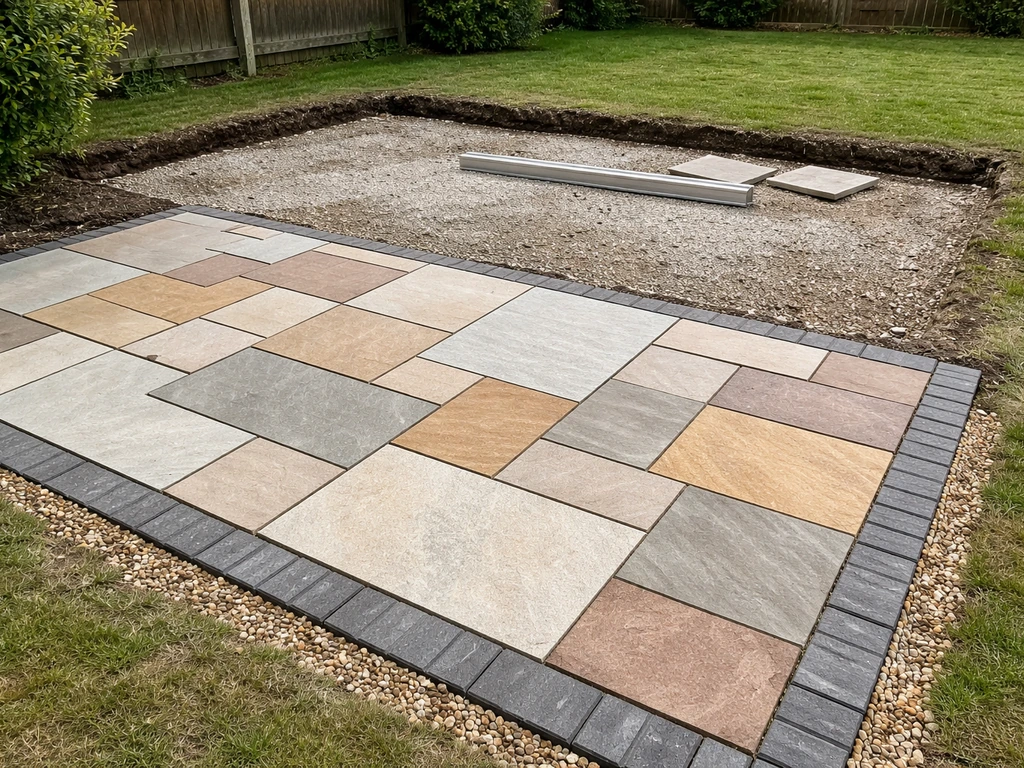
How Much to Patio a Garden in the UK? Costs and Breakdown
UK patio cost guide with per m² prices, example totals, and material breakdown for concrete, paving, stone, brick
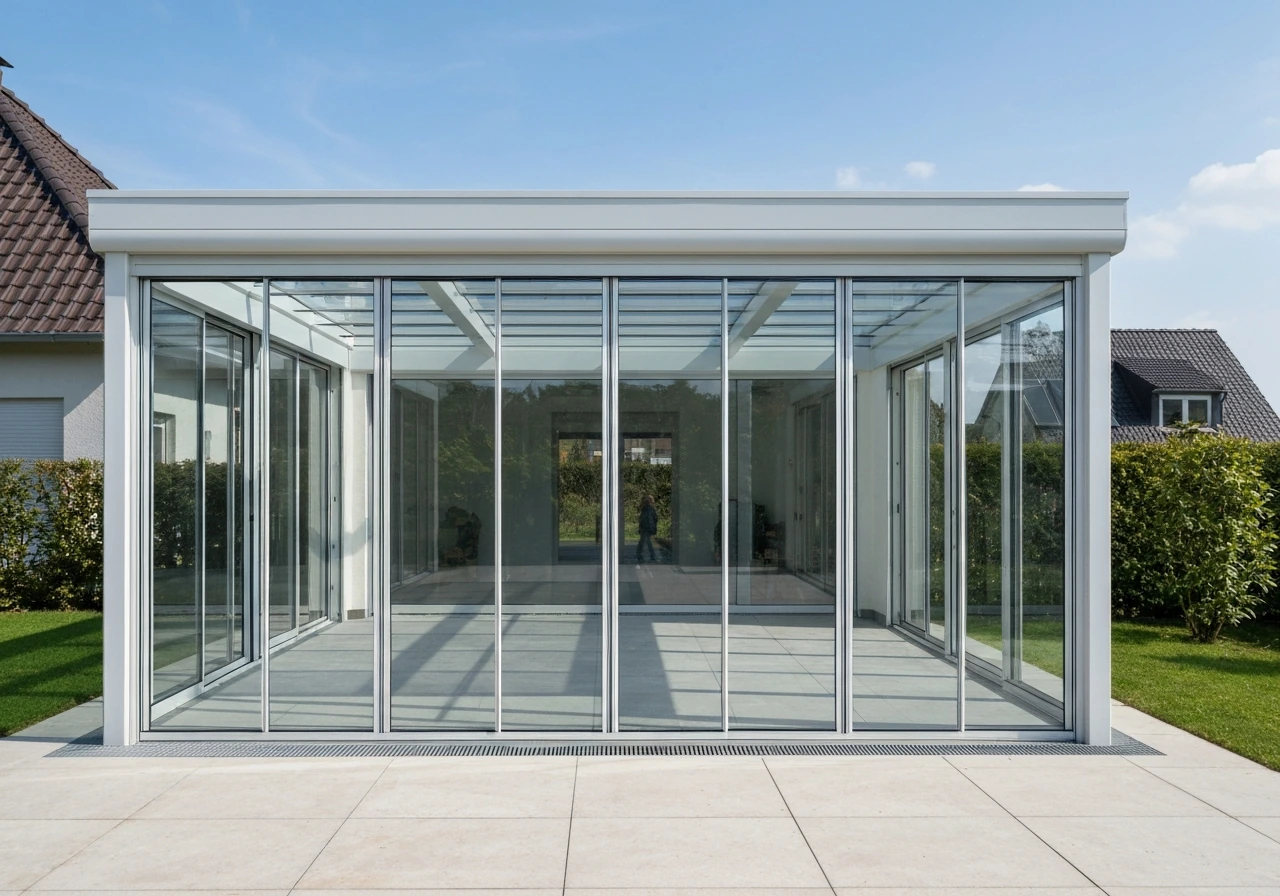
How Much Does It Cost to Glass in a Patio? Prices
Get patio glass cost ranges per sq ft and example totals, plus price drivers and a quote-ready checklist.
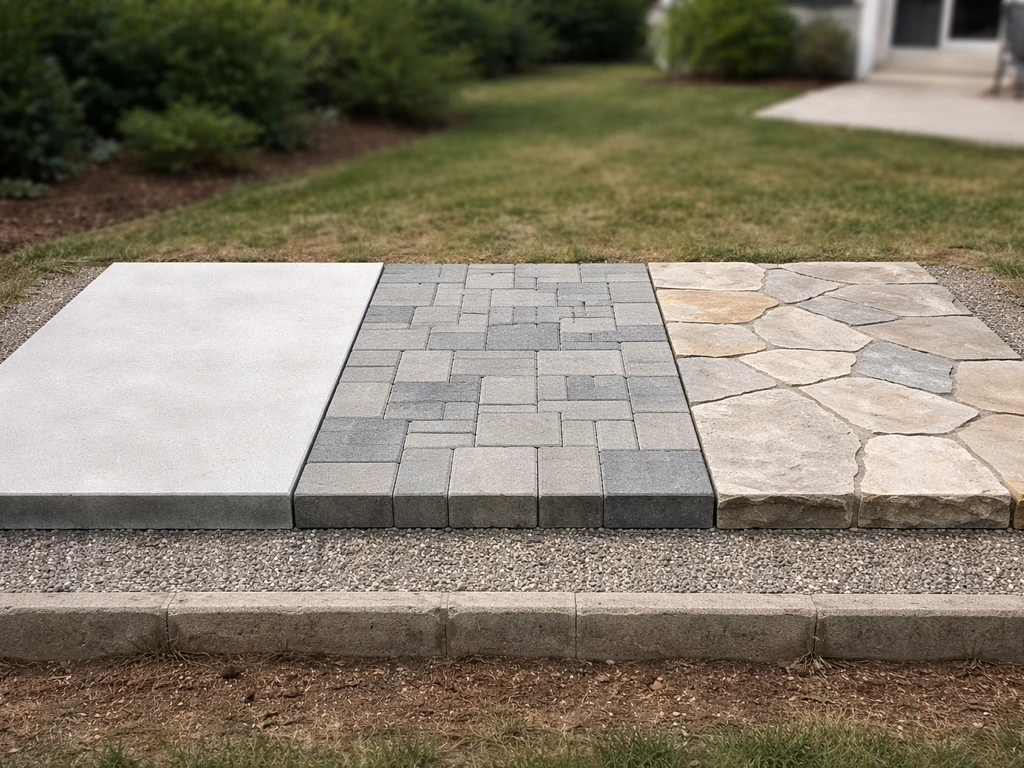
How Much Should I Expect to Pay for a Patio
Patio cost guide with real price ranges by size and material, full line-item budget, DIY vs install, and quote checklist