
Glassing in a patio in the UK typically costs between £8,500 and £32,000 fully installed, depending on size, frame material, glazing spec, and how much foundation or groundwork is needed. For a modest 10x10 ft (roughly 9 m²) enclosure with uPVC frames and standard double glazing, you're realistically looking at £8,500–£14,000. Step up to a mid-size aluminium-framed glass room around 4m x 4m and budget £15,000–£22,000. A larger premium build at 5m x 4m or more, with a glass roof and upgraded glazing, runs £22,000–£32,000. In Ireland, comparable garden-room and glass-canopy projects follow similar per-square-metre logic, with small canopy structures starting from around €2,700–€3,500 for basic covered footprints and full glass rooms tracking close to UK pricing.
How Much Does It Cost to Glass in a Patio? Prices

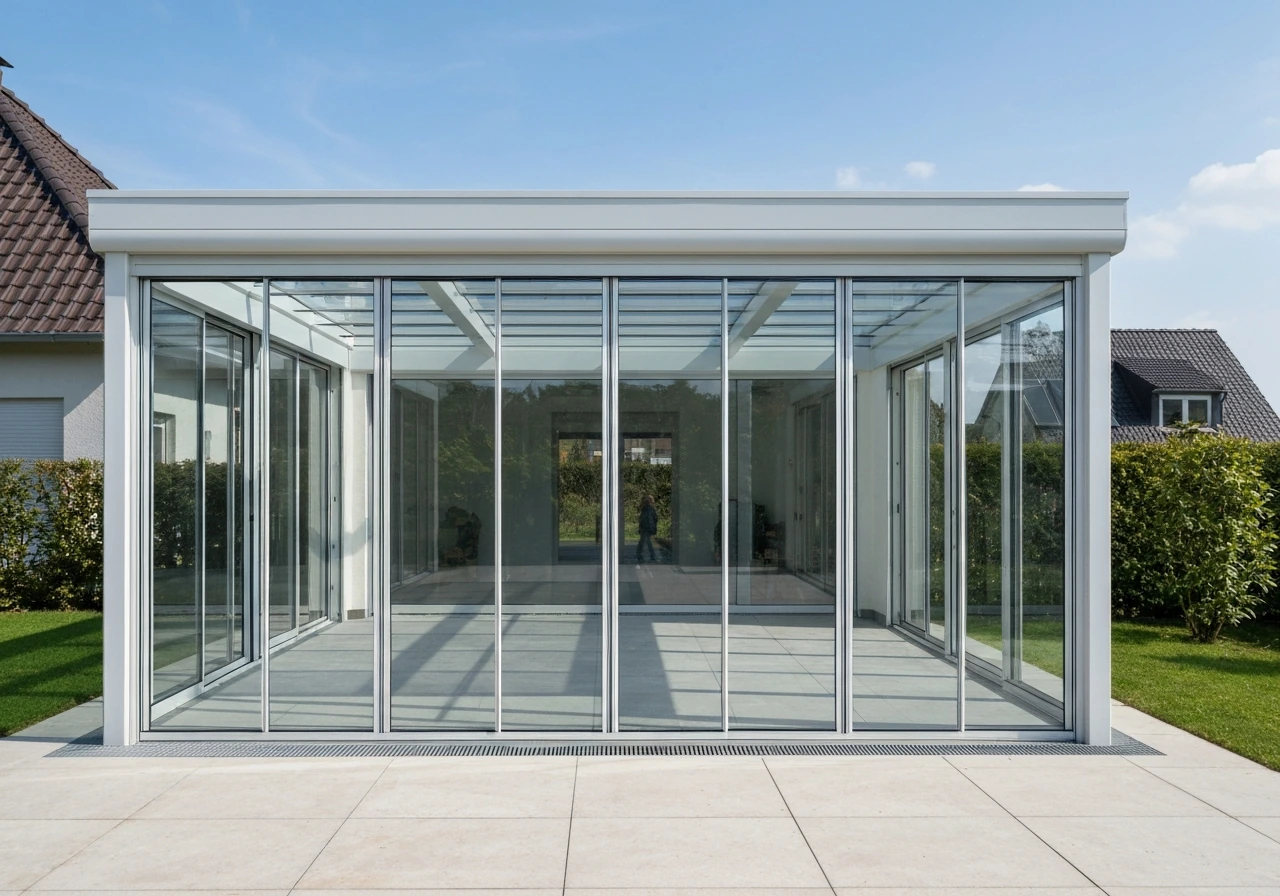
What 'glassing in a patio' actually means
The phrase covers a range of projects, and the type you choose has the biggest single impact on your budget. At the affordable end, a glass veranda or canopy adds a glazed roof over your patio with minimal side enclosure. A step up is a partially enclosed glass room, where one or two sides get fixed or sliding glass panels while other sides stay open or screened. At the full end of the spectrum, you're essentially building a conservatory, sunroom, or orangery: four glazed walls, a roof, a proper floor, and often heating and electrics. The pricing research in this guide focuses on that full glass enclosure, since that's what most people mean when they want to 'glass in' a patio rather than just add shade.
- Glass veranda or canopy: glazed roof only, minimal side enclosure, most affordable option
- Partially enclosed glass room: fixed or sliding glass panels on some sides, open or screened on others
- Full glass enclosure (sunroom/conservatory style): four glazed walls, glazed or solid roof, insulated and weather-tight
- Retractable glass systems: motorised or manual panels that fold or slide away, premium price tier
- Orangery: structural brick or render pillars with glazed sections and a solid or glass roof, closest to a full extension
It's worth knowing upfront that a conservatory and a sunroom are often used interchangeably, but technically a conservatory has a glazed roof while a sunroom typically has a solid insulated roof with glazed walls. That distinction matters for cost because a full glass roof is heavier, needs stronger supports, and costs more to glaze. If you're comparing costs across related guides on this site, those definitions help you compare apples to apples.
Cost ranges by patio size
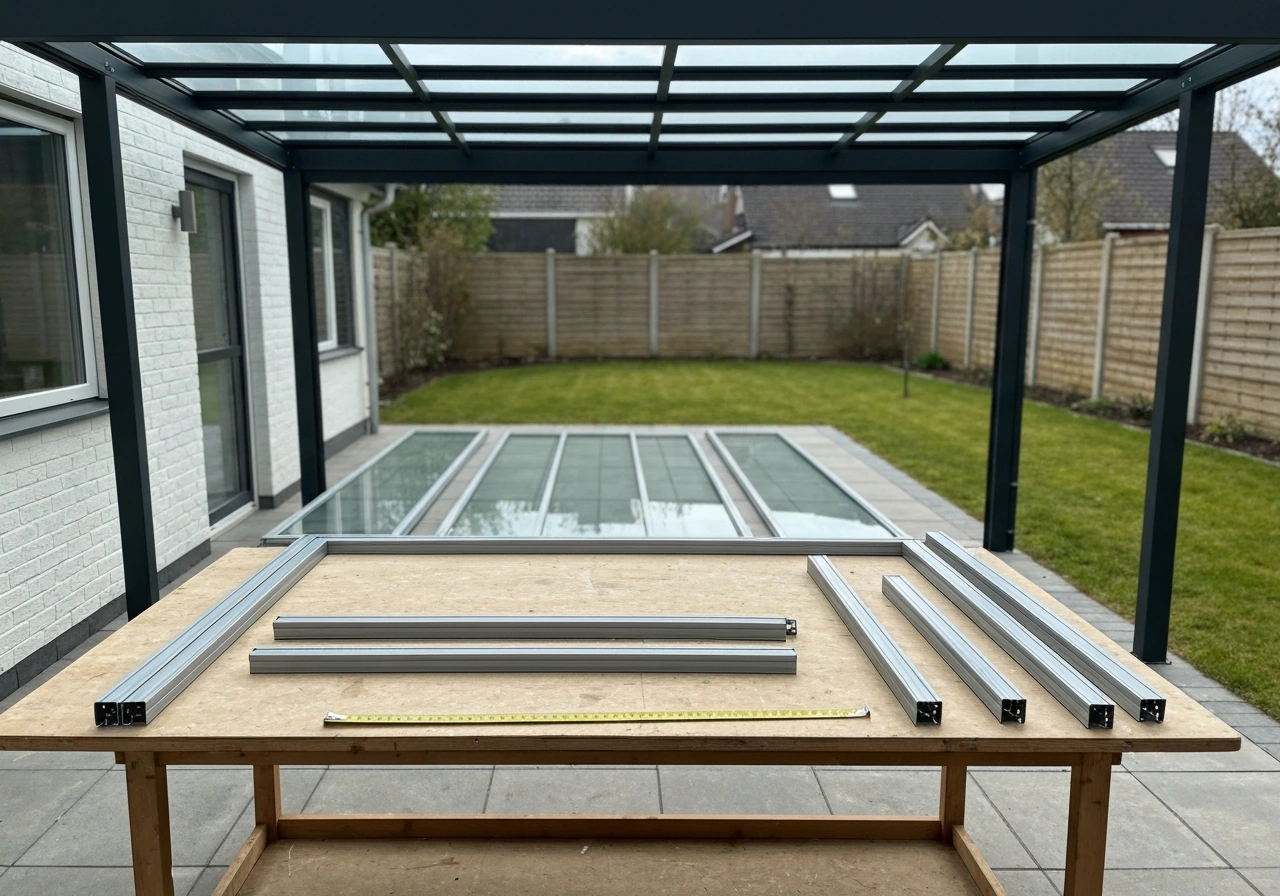
Here are realistic all-in fitted costs for common patio sizes, covering supply and installation of frames, glazing, a basic roof, and standard groundworks on a reasonably level site. If you want a quick answer to how much does a patio cost in the UK, use the size ranges below as your starting point Here are realistic all-in fitted costs. These assume aluminium or uPVC frames with standard double glazing and do not include heating, electrics, or premium glass upgrades.
| Patio Size | Approx. m² | uPVC / Budget Build | Mid-Range Aluminium | Premium Aluminium / Glass Roof |
|---|---|---|---|---|
| 10x10 ft (3m x 3m) | ~9 m² | £8,500–£12,000 | £12,000–£16,000 | £16,000–£20,000 |
| 12x12 ft (3.6m x 3.6m) | ~13 m² | £10,000–£14,000 | £14,000–£19,000 | £19,000–£24,000 |
| 4m x 4m | 16 m² | £11,000–£14,000 | £15,000–£22,000 | £22,000–£28,000 |
| 20x20 ft (6m x 6m) | ~36 m² | £18,000–£24,000 | £24,000–£30,000 | £30,000–£38,000 |
| 5m x 4m+ | 20+ m² | £14,000–£18,000 | £18,000–£26,000 | £22,000–£32,000 |
These ranges reflect 2026 UK market pricing. For Ireland, expect figures within roughly 5–10% of UK costs when converted, with Dublin and other urban areas sitting at the higher end. If you want a quick guide to how much a patio costs in Ireland, you can use these Ireland conversion ranges as your starting point For Ireland. A glass box extension (essentially four glass walls with a structural frame, more like an architectural statement than a standard conservatory) is priced differently, with industry estimates around £3,800 per m² as an average for that build type, so a modest 9 m² version alone approaches £34,000.
Where your money actually goes: the cost breakdown
Frames
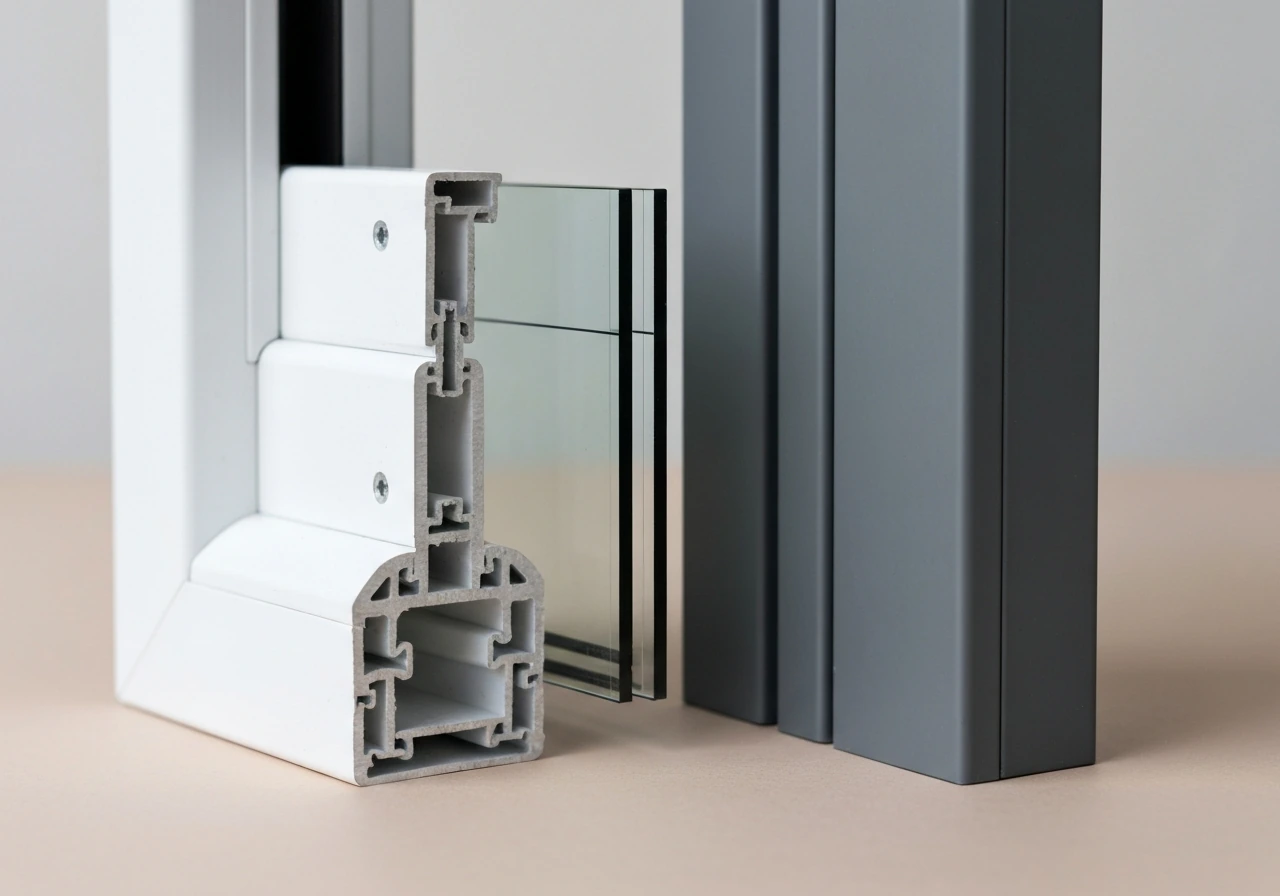
Frame material is one of the two biggest levers on total cost. uPVC is the cheapest and most common option: it insulates well, needs little maintenance, and keeps overall project costs down. Aluminium frames cost noticeably more but look sleeker, allow slimmer sightlines, and are preferred for contemporary designs. Frame material can account for up to a 50% variation in window and panel costs. As a rule of thumb, budget aluminium frames at roughly 30–40% more than equivalent uPVC for the same glass area.
Glazing
Standard double glazing is the baseline for any new glass enclosure and meets UK building requirements in most scenarios. A standard double-glazed sealed unit runs roughly £350–£600 per window installed, or £70–£150 if you're only replacing the sealed unit inside an existing frame. Upgrading to low-E coated glass adds approximately £40–£80 per m² on top of double glazing, or roughly 10–20% on the glass cost. Triple glazing can push glass costs 30–50% higher than equivalent double glazing. For a full glass roof (on a conservatory rather than a sunroom), complex shapes like Victorian or P-shaped roofs cost 15–30% more than a simple lean-to or square shape because of bespoke cuts and the extra ridge detailing involved.
Labour
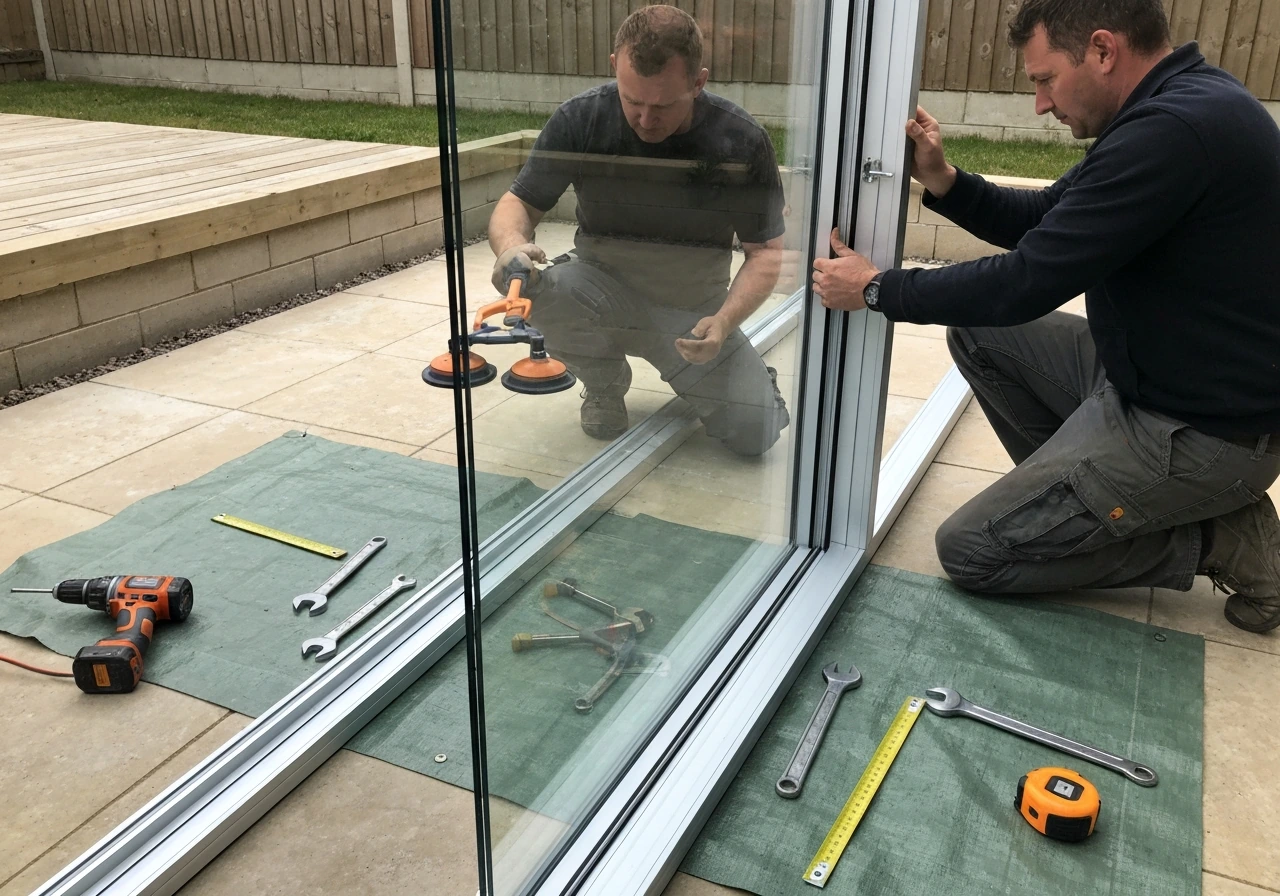
Labour typically accounts for 40–50% of a fitted glass room project. For a standard conservatory or glass room build, that means labour costs of roughly £4,000–£12,000 on most residential projects, with the higher end applying to larger footprints, more complex roof configurations, or sites that need significant preparation. Specialist glazing labour is skilled and relatively expensive, especially for curved or bespoke panel configurations.
Site prep and groundworks
If your existing patio is level, solid, and structurally sound, groundworks might be minimal. But if you need new concrete footings, a DPC (damp-proof course), or the existing patio surface is uneven or cracked, this adds cost fast. Expect to budget £1,000–£3,500 for basic groundworks on a straightforward site, and up to £5,000–£8,000+ if new strip footings or significant levelling is required. To estimate how much a garden patio costs to glass in, add these groundworks to the frame, glazing, and roof prices for your chosen size. blank" rel="noopener noreferrer">Glass-roofed structures are heavier than polycarbonate ones and need stronger supports, so if you're upgrading an existing conservatory roof, get a structural check before assuming the current base and frame can take the load.
The big price drivers you need to understand
Beyond size and frame choice, several factors can push a quote from the bottom to the top of any range:
- Panel style: fixed panels are cheapest; sliding or bi-fold panels add mechanical complexity and cost more; retractable motorised systems are the most expensive option per m²
- Glass spec: standard double glazing is the baseline; self-cleaning glass, solar-control coatings, and low-E glass all add cost but can reduce ongoing energy or maintenance bills
- Insulation and thermal performance: low-E glass and argon-filled units improve U-values but cost more upfront; if you want to use the space year-round, the upgrade is usually worth it
- Roof type: a solid insulated roof (sunroom style) is typically cheaper to build than a full glazed conservatory roof; glass roofs also need stronger structural support
- Electrical and HVAC: basic lighting might add £500–£1,500; a dedicated heating circuit or underfloor heating can add £2,000–£5,000+; air conditioning adds similar
- Planning permission: most conservatory or glass-room additions fall under permitted development if they meet dimension caps (single storey, specific eaves and overall height limits), but if yours doesn't qualify, add planning application fees and timeline
Add-on costs and surprises people often miss
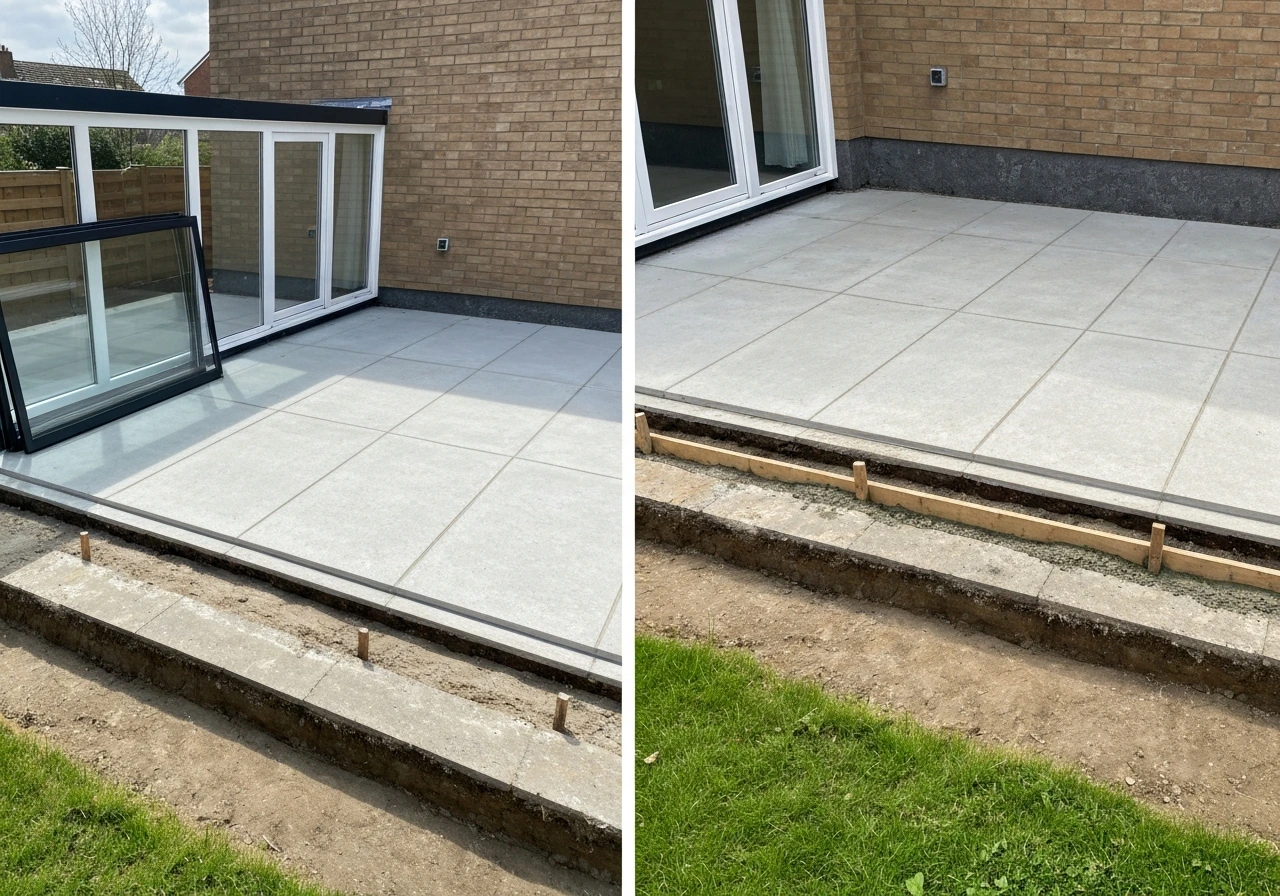
Quotes for glass enclosures often look cleaner than the final invoice, because certain line items only emerge once work starts. Here's what to watch for:
- Footings and foundations: if the ground needs strip footings rather than just a concrete slab, costs can jump by £2,000–£5,000 depending on soil type and depth required
- Levelling an existing patio: an uneven or sloped base needs to be corrected before frame installation; budget £500–£2,000 depending on how much work is involved
- Removing an existing structure: demolishing an old lean-to, pergola, or existing conservatory adds £500–£2,500 in labour and skip hire costs
- Doors and locking hardware: bi-fold or French doors with proper multi-point locks are not always included in base quotes; a quality door set adds £800–£2,500
- Guttering and drainage: a new glazed roof needs gutters connected to your drainage system; this is sometimes omitted from base quotes and costs £200–£800 to add
- Internal finishes: plastering, flooring, skirting boards, and blinds are rarely included in a frame-and-glass quote but are needed to make the space usable
- LED or feature lighting: add-on electrical options like spotlights, drivers, and remote receivers are priced per unit by many suppliers and add up quickly
- Building Regulations compliance: if your project triggers Building Regs (for example, because it's over a certain size or includes heating), a Building Control inspection fee of £300–£800 may apply
DIY vs hiring a contractor
Honestly, glassing in a patio is not a realistic DIY project for most homeowners. If you're wondering how to price a patio glass enclosure, the key is to estimate the full build scope, glazing type, and frame materials before getting quotes. The glazing work itself requires specialist handling equipment and skills, frames need to be installed plumb and square to be weathertight, and glass roofs in particular add structural load that has to be calculated and built correctly. There are cases on forums where homeowners have upgraded polycarbonate conservatory roofs themselves and found mid-project that the existing frame and pillars couldn't support the extra weight of glass, effectively requiring a full rebuild at greater cost than hiring a professional from the start.
Where DIY does make sense is on the peripheral work: clearing the site, removing old garden furniture or decking, painting internal walls after installation, or fitting blinds and flooring once the structure is complete. Doing those parts yourself can realistically save £500–£2,000.
How to compare contractor quotes properly
Get at least three quotes and make sure each one covers the same scope. The easiest way to get misled is to accept a low quote that simply excludes the groundworks or electrical work that competitors have included. When reviewing quotes, check each one for these items specifically:
- Frame material and finish (uPVC, powder-coated aluminium, colour choice)
- Glazing spec: double or triple glazed, low-E coating, gas fill (argon vs air), U-value stated
- Roof type: glazed, solid/insulated, or polycarbonate (and if glazed, what glass spec)
- Groundworks: what's included and what's explicitly excluded
- Door specification: how many doors, type (French, bi-fold, sliding), and locking system
- Guttering and drainage connection
- Electrical first-fix: is any cabling included, and are lighting points in scope
- Waste removal and site clearance
- Warranty on glazing units and on installation workmanship, separately
Ask each contractor to state the U-value of the glazing units they're quoting. This is a single number that tells you the thermal performance of the glass, and comparing U-values across quotes quickly shows you whether two apparently similar quotes are actually using different glass specs.
Regional cost variation and how to build your budget
London and the South East consistently command the highest prices for this kind of work, with some London-area contractors charging £2,500–£4,000 per m² for premium glass room builds. That gap has widened slightly since 2025 due to material cost inflation. The North of England, Scotland, Wales, and Northern Ireland tend to run 15–25% cheaper for similar specifications, mostly driven by lower labour rates. Ireland sits broadly in line with UK mid-range pricing, though Dublin adds a similar urban premium to London.
For budgeting before you get quotes, use this process: measure your patio accurately in metres and calculate the floor area. Multiply by £1,000–£1,400 per m² for a budget uPVC build, £1,400–£1,800 per m² for a mid-range aluminium build, or £1,800–£2,500+ per m² for premium aluminium with a glass roof. Add a 10–15% contingency for groundworks surprises and site-specific issues. That gives you a realistic ballpark to take into conversations with contractors. If you want a clearer ballpark for how much to patio a garden in the UK, this same size and specification approach is what most quotes end up following.
On planning, most standard conservatory and glass room additions to a rear garden qualify under permitted development in England, as long as they're single storey, don't exceed specific eaves and overall height thresholds, and don't cover more than a set proportion of the original garden. For a 2026 permitted-development check, Axiom Eco Homes summarizes the typical eaves and overall height limits and notes that the guidance is based on GOV.UK requirements single storey, don't exceed specific eaves and overall height thresholds. Always verify against your specific property and local authority, especially if you're in a conservation area, have an unusual plot shape, or are in a flat or listed building. Factor in 8–12 weeks for a planning application if you do need one.
Your pre-quote checklist
Before you call a single contractor, work through this checklist to save yourself time and get more accurate quotes from the start:
- Measure your patio floor area accurately (length x width in metres) and note any level changes or slopes
- Decide on your enclosure type: veranda/canopy, partial glass room, or full glass enclosure
- Choose a frame material preference: uPVC for budget, aluminium for premium look
- Decide on roof type: solid insulated roof (sunroom) or glazed conservatory roof
- Check your permitted development rights using the government's planning portal or your local council's pre-application advice service
- Confirm whether your existing patio base is structurally sound enough to build on (a structural engineer can advise for £200–£500 if you're unsure)
- Set your contingency: add 10–15% on top of any quote for unexpected groundworks or structural issues
- Get three quotes, ensure they cover identical scope, and compare glazing U-values and warranties directly
If you're also weighing up whether a glass patio enclosure is the right move versus a different kind of garden investment, the overall cost of a garden patio or a full garden renovation can vary significantly depending on materials and finish, and those comparisons are worth reviewing alongside this guide to make sure you're spending your budget in the right place. If you’re specifically planning a patio garden or patio garden landscaping, costs vary by size, materials, drainage, and level of hardscaping and planting.
FAQ
What is the typical cost per square metre when people quote for “glassing in” a full patio enclosure in the UK?
Most fitted projects in the guide effectively land in roughly £1,000 to £2,500+ per m² depending on frame (uPVC versus aluminium), glazing spec, and whether the roof is a full glass conservatory. Use that range only as a budgeting yardstick, then verify the quote includes the same items (roof, floors, drainage/groundworks if needed).
Are floors included in the price, or do I need to budget separately?
Many quotes include a basic floor suitable for a conservatory-style enclosure, but not always. Ask whether they include sub-base preparation, final paving or tiling, edging, thresholds, and any required floor insulation, because floors can add cost if your patio base is not already appropriate for a glazed room.
How much do heating and electrics add if I want it to be usable year-round?
Heating and electrics are not included in the ranges in the guide, and the add-on can be substantial depending on whether you want radiators, underfloor heating, or electrics only. A practical next step is to request a separate line-item quote for electrics (consumer unit modifications, sockets, lighting) and for the heating approach you prefer, so you can compare total installed comfort rather than frame and glazing alone.
Do I need planning permission for all glass patio enclosures?
Not always, but the article notes England permitted development is common for single-storey rear additions within height and coverage limits. You should still confirm with your specific local authority if you are in a conservation area, have a listed building, face unusual plot constraints, or plan anything beyond standard conservatory proportions, because the “allowed” outcome depends heavily on your exact dimensions and design.
If my patio is uneven, will it automatically mean expensive footings?
Not automatically. Minor leveling can often be handled with screed or local make-good, but cracked, moving, or structurally unsound patio areas may require rework and deeper foundations. Ask contractors to describe what they will do for the patio base (scan/level, make-good, rebuild, or new footings) and include that in writing, since this is where many low quotes expand later.
How can I tell whether two quotes are comparing like-for-like glazing quality?
Ask for the U-value of the glazing units (as the article suggests) and also check the glass type beyond “double glazing” such as low-E coatings, any solar control coating, and whether the specification includes toughened glass or laminated glass for roof areas. This prevents you from paying for a higher-performing glass package without realizing one quote uses a weaker thermal or safety grade.
Do glass roofs cost more than polycarbonate, and can I reuse my existing structure?
Yes, upgrading to a full glass roof generally increases both material and structural requirements because glass is heavier and needs stronger supports. If you are converting an existing conservatory roof, ask for a structural assessment of the current frame, pillars, and base before assuming a straight swap, because in some cases it leads to major rebuild costs.
What extra charges should I watch for that are not obvious at the start of quoting?
Common “emerge later” items include additional groundworks if levels are off, structural modifications for the roof load, new DPC details, waste removal, and electrical works for lighting and sockets. Request a detailed breakdown and confirm whether they include access, scaffolding, waste disposal, and any making-good to adjacent walls or decking.
Is it cheaper to go with a glass veranda or a partially enclosed room instead of a full enclosure?
Generally yes. A veranda or canopy (with less side enclosure) usually costs less because it uses less glazing and typically has lighter structural demands than a full four-wall glass room. If your goal is shade and light rather than year-round use, ask contractors to price both “roof-only” and “half-wall or sliding panel” options so you can choose the cheapest solution that meets your actual use case.
What is the most cost-sensitive decision I can make before requesting quotes?
Frame material and roof type are the biggest levers. Decide early between uPVC and aluminium, and decide whether you truly need a full glass roof (conservatory style) versus a solid insulated roof (sunroom style). After that, focus on glazing spec (U-value target) and site access, because those choices can shift pricing within the same size range.
How do local area prices typically change the budget?
The article indicates higher pricing in London and the South East and lower costs in much of the rest of the UK, roughly 15 to 25% lower in many northern areas for similar specifications. If you are comparing contractor quotes, normalize for scope and then treat location as a modifier, not an excuse for mismatched inclusions like groundworks or electrics.
What should a good quote include to avoid underpricing mistakes?
A good quote should specify scope line by line: frame type and finish, glazing unit type (including U-value and coatings), roof design and any bespoke roof detailing, floor treatment, drainage or base works, and whether electrics and any structural assessments are included or excluded. Also confirm payment schedule, start date assumptions (site readiness), and what happens if groundworks uncover issues.
When does DIY save money, and what parts should I not DIY?
DIY can make sense for peripheral tasks such as clearing the site, removing old decking, painting internal surfaces after installation, and fitting blinds or flooring after the structure is complete. Avoid DIY for the glazing installation, frame alignment, and any glass roof structural work, because these require specialist equipment and can create safety and weathertightness risks.
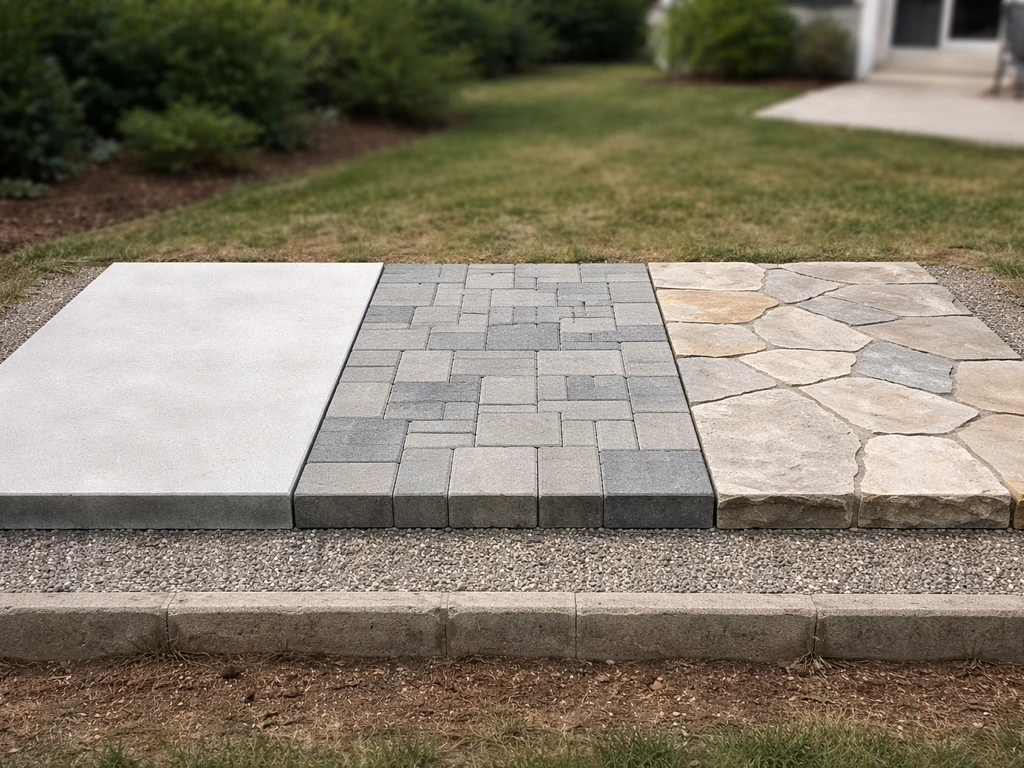
Patio cost guide with real price ranges by size and material, full line-item budget, DIY vs install, and quote checklist
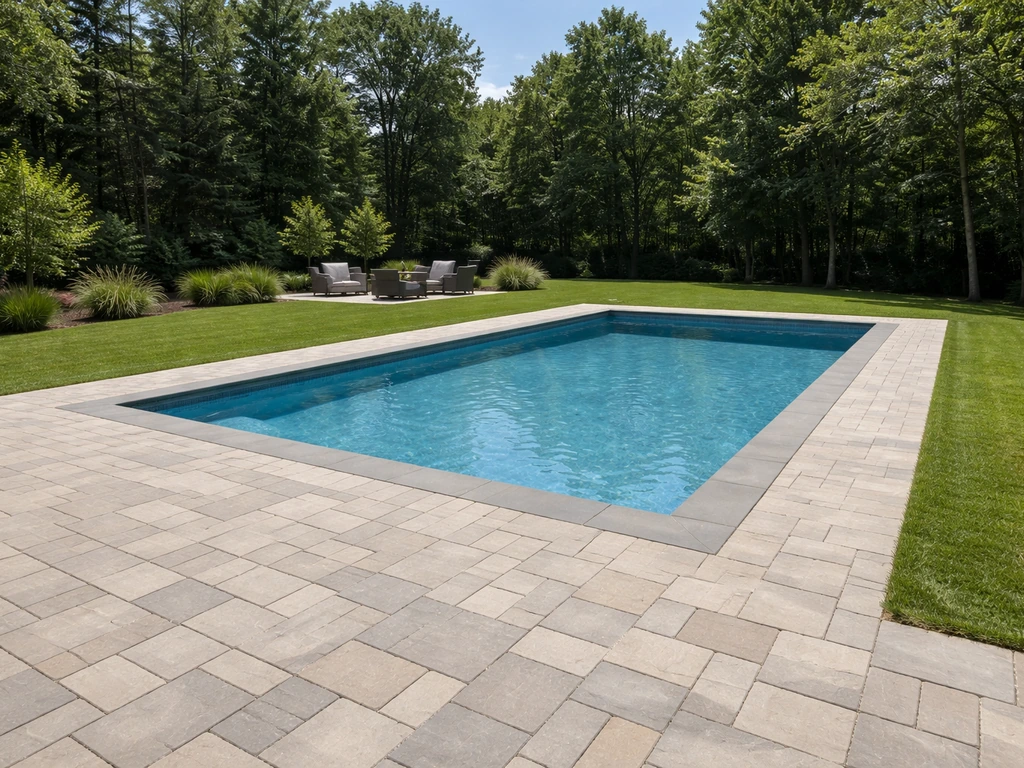
Learn how much patio around a pool costs and how to size square feet, materials, extras, and get real bid line items.
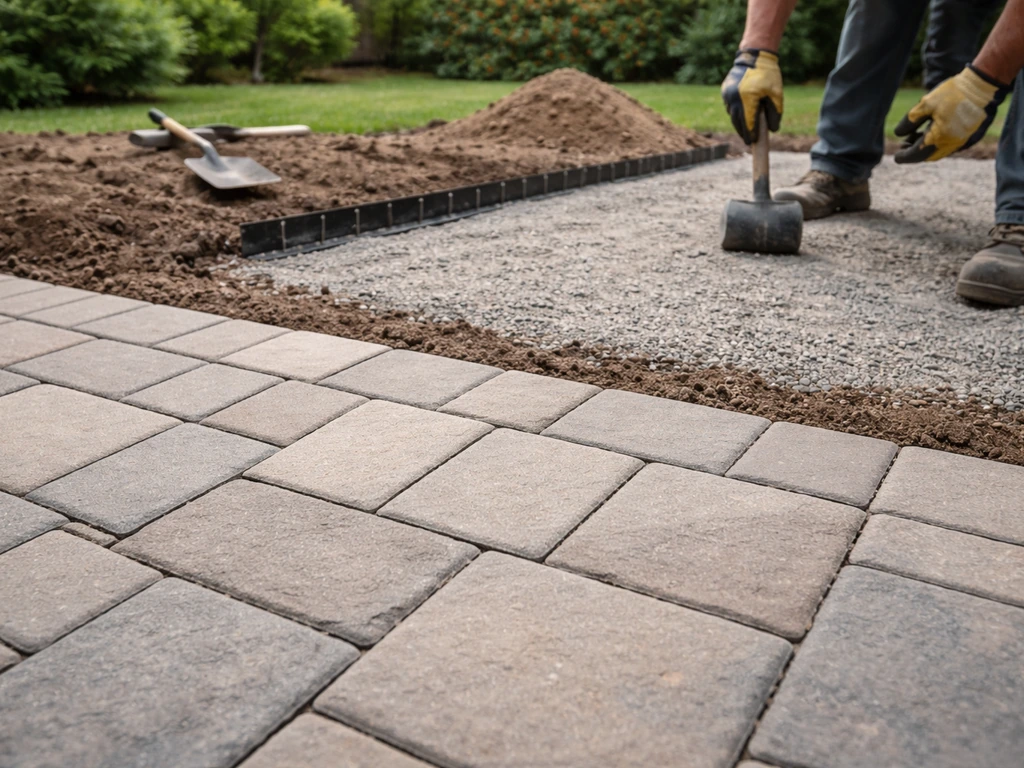
Patio cost estimates by size and material with labor, base, add-ons, DIY vs contractor, and quote planning tips.