
A 1,000 sq ft paver patio will run you roughly $10,000 to $25,000 installed in 2026, with most homeowners landing somewhere between $12,000 and $20,000 for a standard concrete or brick paver job with proper base prep. If you go with natural stone or flagstone, that ceiling pushes closer to $30,000 or more. The wide range isn't a dodge, it's real, and it comes down to about five things: what paver you pick, how much base work your site needs, your region, the pattern complexity, and whether you hire a pro or do it yourself.
How Much Does a 1000 Sq Ft Paver Patio Cost?

Felix Carver
8 Jul 2026
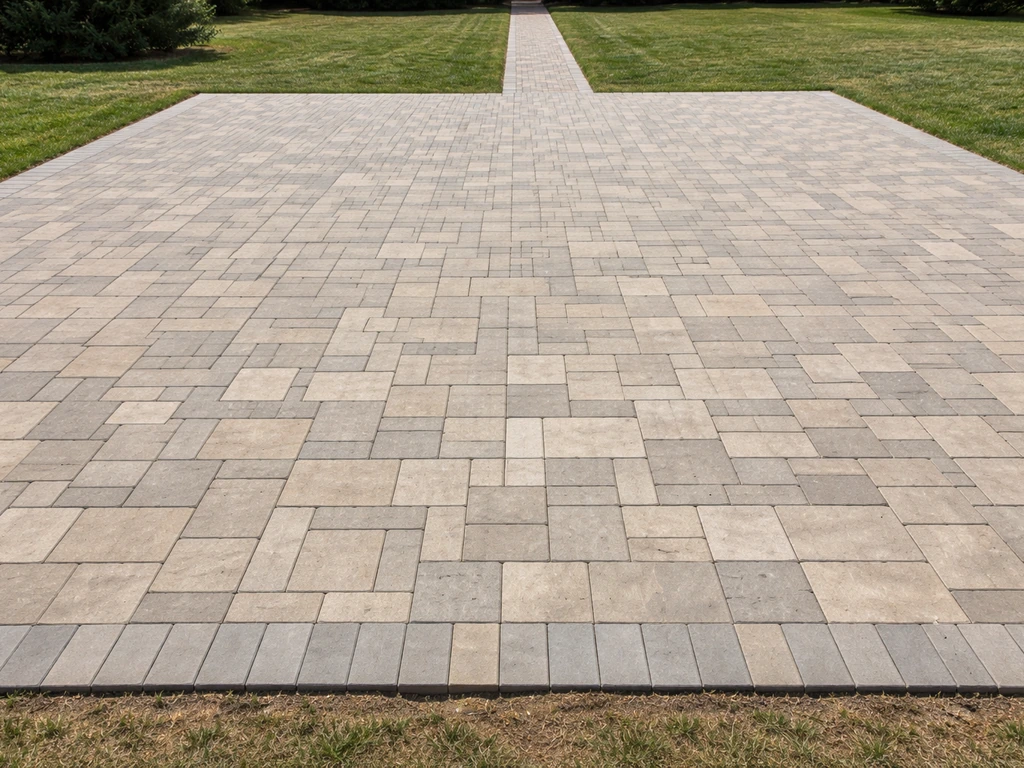
Typical all-in costs for a 1,000 sq ft paver patio
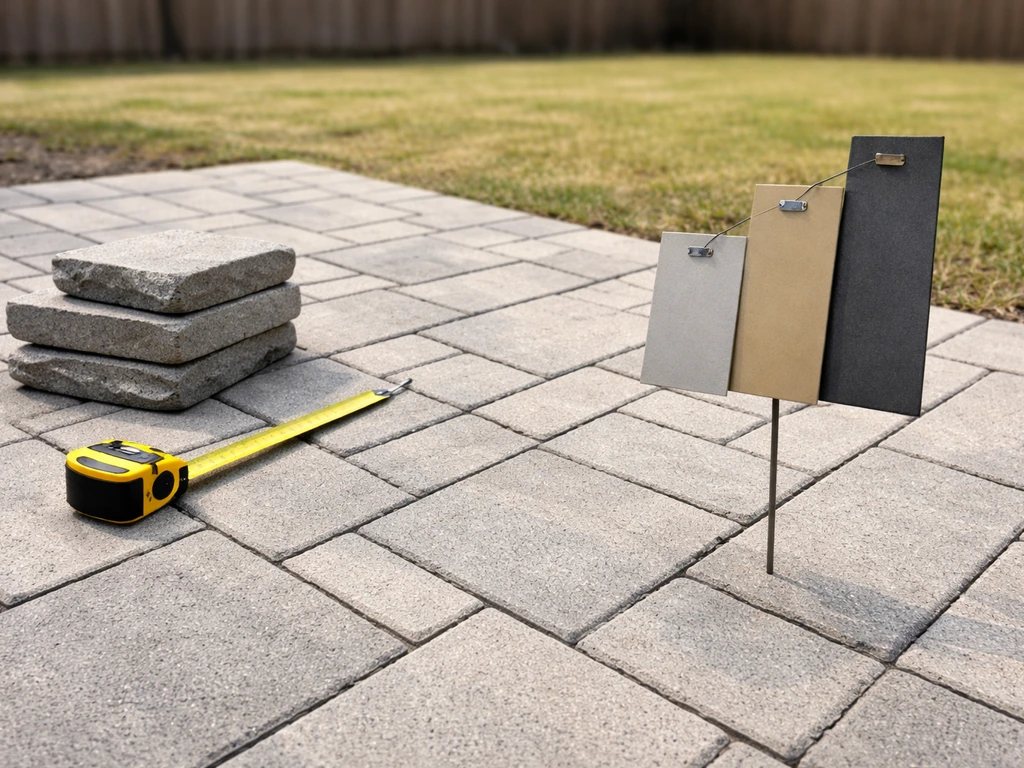
The installed price range most contractors quote for a 1,000 sq ft paver patio in 2026 sits between $10 and $30 per square foot, all-in. If you want a quick benchmark for how much does a paver patio cost per sq ft, this $10 to $30 per square foot all-in range is a good starting point to compare contractor quotes. That means your realistic budget window is $10,000 on the low end (basic concrete pavers, flat site, simple pattern) to $30,000 on the high end (natural stone, poor drainage, complex design). The sweet spot for a mid-grade concrete or brick paver patio with a proper 4–6 inch compacted gravel base, polymeric sand, and basic edging is roughly $15,000 to $22,000.
To put that in perspective: HomeAdvisor data shows the average paver patio install runs about $3,800 for a 280 sq ft area, which is roughly $13.57 per sq ft. Scale that to 1,000 sq ft and you're looking at $13,500 to $14,000 at that mid-tier rate, but a larger project also means more labor hours, more material delivery, and often more complex prep, so per-sq-ft costs don't always drop the way you'd hope. LandscapioAI pegs the 2026 installed range at $8–$25 per sq ft as a general benchmark, while UseCalcPro's data pushes that to $10–$30 for most real-world installs.
| Project Tier | Paver Type | Estimated Total Cost (1,000 sq ft) |
|---|---|---|
| Budget | Basic concrete pavers, simple pattern | $10,000 – $14,000 |
| Mid-range | Brick or quality concrete pavers, standard base | $14,000 – $20,000 |
| Upper mid | Tumbled concrete, complex pattern or border | $20,000 – $25,000 |
| Premium | Natural stone, travertine, or flagstone | $25,000 – $35,000+ |
Where the money actually goes: cost breakdown
Most homeowners think the pavers are the biggest cost. They're not always. On a 1,000 sq ft project, base preparation and labor often make up 50–60% of the total bill. Here's a realistic line-item breakdown for a mid-grade install:
| Line Item | Typical Cost (1,000 sq ft) | Notes |
|---|---|---|
| Pavers (materials) | $3,000 – $12,000 | Depends heavily on paver type; see section below |
| Gravel/crushed stone base | $800 – $2,000 | 4–8 inches deep; more for poor soil |
| Leveling sand (bedding layer) | $200 – $500 | 1 inch of coarse sand under pavers |
| Excavation and haul-off | $1,000 – $3,000 | Deeper cuts or heavy clay add cost |
| Compaction (plate compactor) | $300 – $700 | Often included in labor quote |
| Edging (metal, resin, or brick) | $400 – $1,200 | Linear feet driven; 1,000 sq ft = ~130 LF perimeter |
| Polymeric sand (joint fill) | $300 – $700 | Budget about $0.30–$0.70/sq ft |
| Labor | $4,000 – $11,000 | $4–$11/sq ft; varies by region and complexity |
| Delivery and equipment | $300 – $800 | Forklift delivery, skid steer rental if needed |
Labor is quoted by Angi at $50–$80 per hour for professional paver installers, which works out to $4–$11 per square foot depending on complexity. A flat, straightforward 1,000 sq ft job with a running bond pattern might come in at $4,000–$6,000 in labor. Add a herringbone or basket-weave pattern, steps, or a curved edge, and you're looking at $8,000–$11,000 in labor alone.
Paver material prices by type, thickness, and style
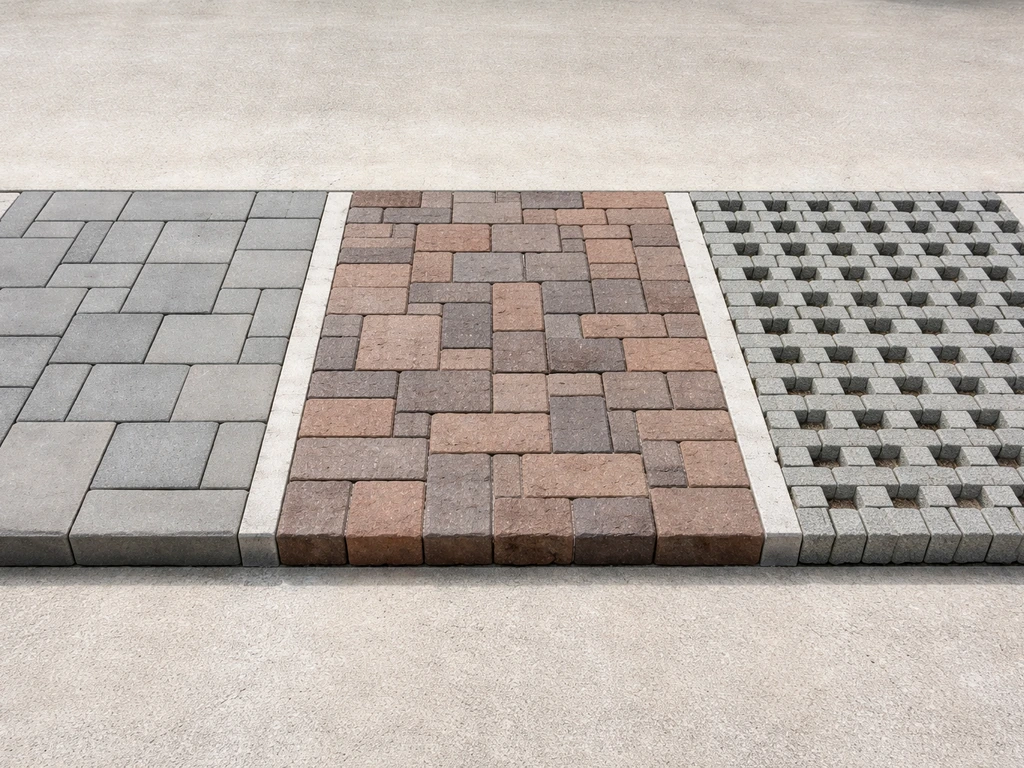
The paver you choose swings the material cost more than almost anything else. UseCalcPro also reports that its 2026 index estimates typical installed paver patio ranges around $10 to $30 per square foot, with premium natural-stone builds stretching higher paver you choose swings the material cost more than almost anything else. Here's what you're actually paying per square foot for materials only, not including installation:
| Paver Type | Material Cost (per sq ft) | Best For |
|---|---|---|
| Standard concrete pavers | $2 – $5 | Budget builds, clean modern look |
| Brick pavers | $3 – $7 | Traditional look, very durable |
| Tumbled/textured concrete | $4 – $8 | Old-world style, slip resistance |
| Travertine | $5 – $15 | Upscale look, stays cool underfoot |
| Bluestone | $8 – $18 | High-end natural look, very durable |
| Flagstone (irregular) | $10 – $20 | Natural/organic style, labor-intensive install |
| Porcelain pavers | $6 – $14 | Modern look, low maintenance, slippery when wet |
Thickness matters too. Standard residential pavers are 2 3/8 inches thick, which is fine for foot traffic and light furniture. If you're parking a vehicle on any part of the patio or the area connects to a driveway, you want 3 1/8 inch pavers, which cost about 15–25% more. Slip-resistant or tumbled-edge options also cost a bit more but are worth it around pools or in wet climates. UseCalcPro's index data shows mid-tier brick paver installs running $20–$26 per sq ft all-in, which lines up with my experience for a quality job.
What changes the installation scope and price
This is where quotes can vary wildly for the same 1,000 sq ft job. Site conditions and design choices can easily add $3,000–$8,000 to an otherwise standard install. Here are the main variables:
Base depth and soil conditions
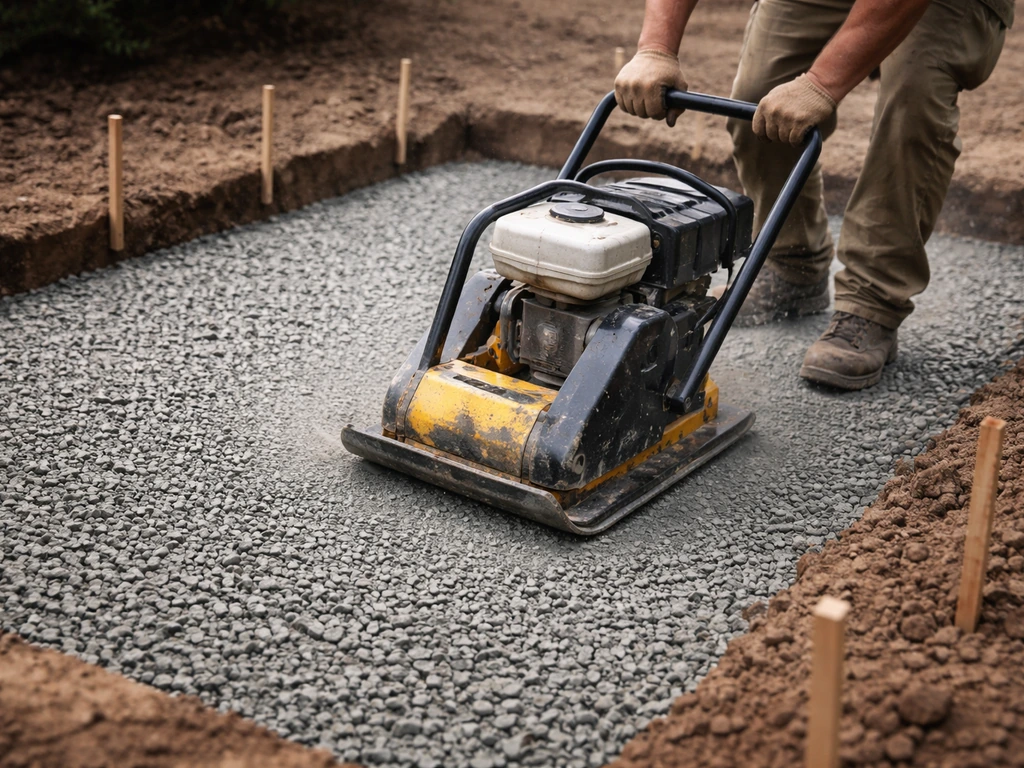
A standard patio base uses 4–6 inches of compacted crushed stone. But if you have clay-heavy soil, poor drainage, or a frost-prone region (like the Midwest or Northeast), contractors often go 8–12 inches deep to prevent heaving and settling. That extra excavation and gravel adds $1,500–$3,000 for a 1,000 sq ft job. Don't let a contractor skip this step to save money, it's the single biggest cause of sunken, uneven patios five years later.
Drainage and grading
If your yard slopes toward the house or sits in a low spot, you need proper grading and possibly a drainage channel or French drain built in. That can add $500–$2,500 depending on how bad the problem is. Good contractors slope the patio away from the house at a 1–2% grade minimum, if a quote doesn't mention drainage, ask about it specifically.
Demo and removal of existing surfaces
Tearing out an old concrete slab or existing patio surface adds $1,000–$3,000 to a 1,000 sq ft job depending on thickness and haul-off distance. Old cracked concrete can actually be crushed and used as base fill in some cases, which saves money, worth asking your contractor about.
Pattern complexity
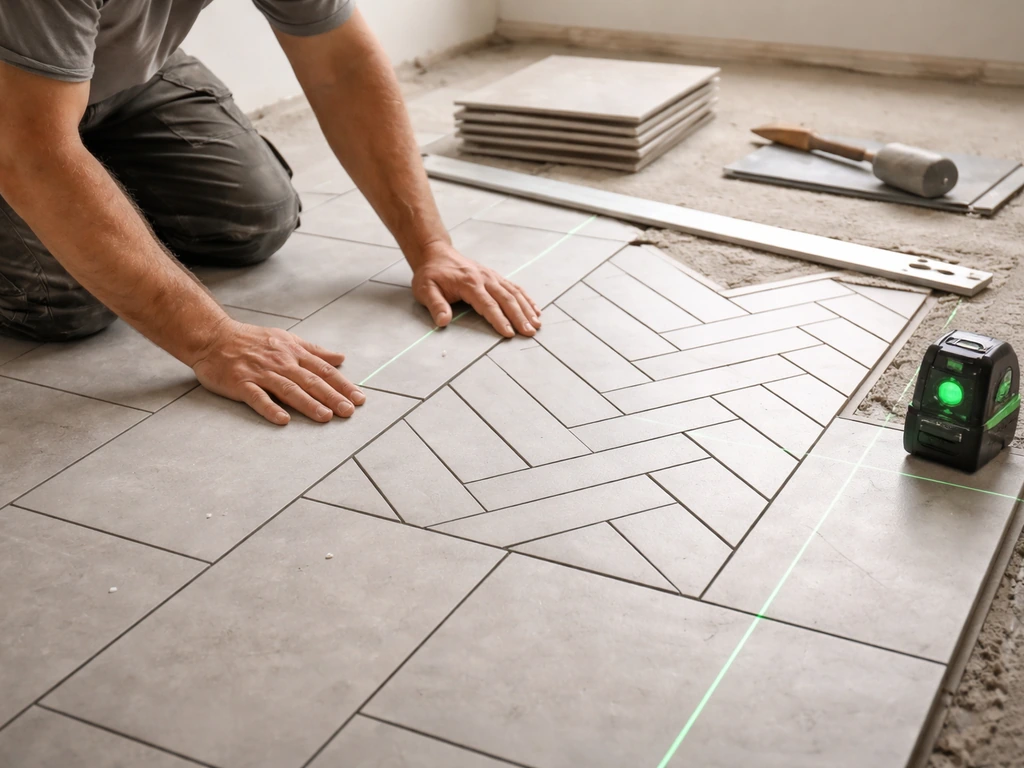
A simple running bond or stacked pattern is the fastest to install. Herringbone (45 or 90 degree) requires more cuts and more precision, adding roughly $1–$2 per sq ft in labor. Circular patterns, custom borders, or inlaid designs with contrasting pavers can push labor up another $2–$4 per sq ft. For a 1,000 sq ft patio, a complex pattern could mean $2,000–$4,000 more in labor compared to a basic layout.
DIY vs. hiring a contractor
On paper, DIY looks great. Material costs for a mid-range concrete paver patio run $5,000–$9,000 for 1,000 sq ft, versus a fully installed quote of $14,000–$22,000. If you're trying to budget, it's helpful to know how much are patio pavers when you compare material-only pricing to a fully installed quote. That's a potential savings of $7,000–$13,000. But let's be real about what that actually means before you commit.
The time and equipment reality
A 1,000 sq ft paver patio is a serious project. Expect 60–120 hours of physical labor for a fit, experienced DIYer, more if it's your first time. You'll need to rent a plate compactor ($150–$250 per day), a wet saw or masonry saw ($80–$150 per day), and possibly a mini excavator if excavating more than a few inches ($300–$600 per day). Tool rentals can easily add $800–$2,000 to a multi-day project. And mistakes on the base layer, uneven compaction, wrong slope, inconsistent gravel depth, show up months later as sunken or tilted pavers that are expensive to fix.
Where DIY makes sense (and where it doesn't)
DIY works well if you have a flat site with good soil, you're comfortable with heavy physical work, and you're willing to spend a full week on it. If your site has drainage issues, significant slope, or requires demo of existing concrete, hire a pro, the base work is where DIY projects typically fail. A contractor's work also usually comes with a warranty (commonly 1–3 years on labor), and quality installers use polymeric sand and proper edging that holds up long-term. If you're budgeting, consider a hybrid: hire a crew for excavation and base prep, then lay the pavers yourself.
| Factor | DIY | Professional Install |
|---|---|---|
| Total cost (1,000 sq ft) | $6,000 – $11,000 | $12,000 – $25,000 |
| Labor time | 60–120+ hours | 3–5 days (crew of 3–4) |
| Tool/equipment rental | $800 – $2,000 | Included in quote |
| Risk of base failure | Moderate to high (first-timers) | Low (with reputable contractor) |
| Warranty | None | 1–3 years typical |
| Quality ceiling | Good if done right | High with experienced crew |
Regional pricing, site conditions, and how to compare quotes
Where you live has a meaningful impact on what you'll pay. Labor markets in the Northeast and West Coast (Boston, New York, Seattle, San Francisco) run 20–40% higher than national averages. Midwest and Southeast markets tend to be 10–20% below average. Here's a rough regional picture for a 1,000 sq ft mid-grade paver patio:
- Northeast/West Coast: $18,000 – $28,000
- Midwest: $12,000 – $18,000
- Southeast/Southwest: $11,000 – $17,000
- Mountain West: $13,000 – $20,000
When you get quotes, the single most important thing is making sure every contractor is bidding the same scope. A quote for $11,000 might look great compared to one for $17,000, until you realize the cheaper one uses a 2-inch base instead of 6 inches and skips polymeric sand. Before signing anything, ask each contractor to confirm: base depth and gravel type, paver brand and thickness, edging material, joint sand type (polymeric vs. regular), whether demo and haul-off are included, and what the warranty covers.
Get at least three quotes. If one is significantly lower than the others, ask specifically what they're doing differently on the base, that's almost always where corners get cut. A trustworthy contractor will hand you a written spec sheet without hesitation. If they can't explain their base prep in detail, walk away.
Permits, design choices, and add-ons that affect your budget
Permits
Many municipalities require a permit for patio installations over a certain size, typically 200–500 sq ft depending on local codes. At 1,000 sq ft, you almost certainly need one. Permits typically run $100–$500, and some jurisdictions require a plot plan or site drawing. Skipping a permit can cause problems when you sell the home. Ask your contractor if they handle permitting, most experienced pros do, sometimes for a small fee.
Steps and grade changes
If your patio connects to the house with a step down, or if there's a grade change across the patio area, you'll need paver steps or a retaining edge. A single step typically costs $300–$800 depending on width and material. A full set of three steps can run $900–$2,500.
Borders and design accents
A contrasting border in a different paver color or style adds $2–$5 per linear foot in material and labor. On a 1,000 sq ft patio with a standard perimeter, that might be $500–$1,500 extra. It's one of the best visual upgrades for the money if the budget allows.
Lighting
In-ground or step lighting is easiest and cheapest to install during construction. Low-voltage LED paver lights run $20–$60 each, and a transformer and wiring kit adds $150–$400. Budget $500–$2,000 for a well-lit patio, depending on how many fixtures you want. Adding lighting after the fact means lifting pavers and running wire under them, which costs significantly more.
Fire pits and outdoor features
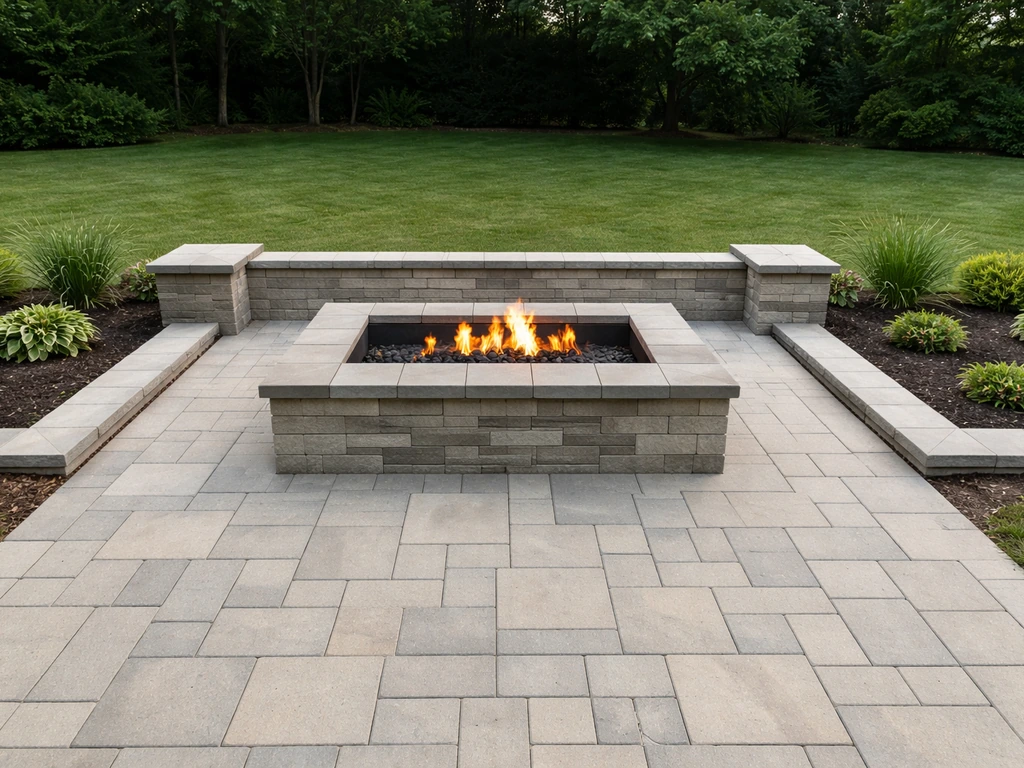
A built-in paver fire pit adds $1,500–$5,000 depending on size, gas vs. wood-burning, and materials. Seating walls around the perimeter run $50–$100 per linear foot installed. If you're planning any of these features, mention them before the quote, it changes the layout, base engineering, and sometimes requires a gas line permit. You can find a deeper look at fire pit cost considerations in our guide on paver patio with fire pit costs.
Your pre-quote checklist
Before you call a single contractor, get clear on these numbers and questions. It'll make every conversation more productive and your comparisons accurate:
- Confirm your exact square footage (measure twice — errors inflate material costs fast at this size)
- Decide on a paver style and budget range: concrete, brick, or natural stone
- Check local permit requirements with your municipality or HOA
- Note any drainage issues, slope, or existing surfaces that need demo
- Ask every contractor for the same spec: base depth, paver brand/thickness, edging type, sand type, and warranty
- Get at least three itemized quotes — not just a total number
- Budget a 10–15% contingency on top of your quote for surprises (unexpected soil issues, delivery fees, permits)
- If adding lighting, steps, or a fire feature, include it in the initial quote rather than as a change order
At 1,000 sq ft, you're making a real investment. The difference between a patio that looks great for 20 years and one that starts sinking or shifting in three years almost always comes down to the base, not the pavers on top. Spend your money on a contractor who can show you how deep they go and why, and you'll be happy with the result for decades.
FAQ
What does a 1,000 sq ft paver patio cost if I only want basic rectangular pavers with no stairs or borders?
Expect to land near the mid-to-low end of the typical $10 to $25 per sq ft installed range (so roughly $10,000 to $20,000). The easiest way to keep it in budget is to keep the pattern as a running bond, use standard 2 3/8 inch pavers, and limit any raised edges or special trims that increase cutting and base complexity.
Do prices change if the patio is 1,000 sq ft but not fully “flat” (like a backyard slope)?
Yes. Even if the area measures 1,000 sq ft, slope can increase excavation depth, require more base material, and add grading labor. A contractor should explain the target drainage slope (typically 1 to 2 percent away from the house), whether they will use additional base depth in low areas, and if you need a drainage outlet or French drain.
Are paver patio costs higher if I’m in an area with freezing winters and freeze-thaw cycles?
Often, yes. Freeze-prone regions usually require deeper excavation, more robust base thickness, and careful attention to drainage so water does not pool beneath the patio. If a quote does not clearly address base depth and compaction plan, it is a red flag because freeze-thaw failure commonly shows up as heaving or rocking pavers.
How much should I budget for removing an old patio or cracked concrete slab?
A common allowance is $1,000 to $3,000 for a 1,000 sq ft area, but it can be higher if the slab is thick, reinforced, or access is difficult for hauling. When you get quotes, ask whether “haul-off included” means full removal to a disposal site, and whether they will crush and reuse old concrete as base fill (where allowed).
What should I look for in a quote to make sure contractors are comparing the same scope?
Ask each contractor to list base depth (inches), crushed stone type and thickness, edging type, and the joint sand spec (polymeric vs regular). Also confirm demo and haul-off, the paver thickness and brand, and what is included under warranty (labor coverage, paver replacement, and whether it covers settling or only material defects).
Is polymeric sand required, and how does it affect the total cost?
Polymeric sand is often the difference between stable joints and sand erosion, especially in wet climates or areas with heavy foot traffic. It typically increases material cost a bit, but most of the budget impact is still overall labor and base quality, so the real question is whether the quote specifies polymeric sand by name and includes it in the full installed price.
Will the patio need a permit at 1,000 sq ft, and what could happen if I skip it?
In many municipalities, 1,000 sq ft is above common thresholds (often 200 to 500 sq ft), so a permit is likely. Skipping a permit can complicate inspections now and cause problems when selling later, especially if the work does not match a permitted site plan or if drainage requirements were triggered.
How much extra does a curved or custom border pattern add to a 1,000 sq ft patio?
Curves and inlaid designs usually increase cutting, layout time, and sometimes base shaping. A practical budget increase is roughly $2 to $4 per sq ft for more complex layouts compared with a simple running bond, which can mean $2,000 to $4,000 more labor on a 1,000 sq ft patio.
What’s a realistic DIY “all-in” budget for 1,000 sq ft if I already own basic tools?
Even with some owned tools, plan for rentals and critical equipment you might not have, like a plate compactor and a masonry saw or wet saw. Materials-only mid-grade pavers are often around $5,000 to $9,000 for 1,000 sq ft, but if you factor compactor rental, saw rental, and sundries, the all-in DIY budget commonly rises by $800 to $2,000 before you include your labor time.
Can I reduce cost by doing a hybrid install (pro base, DIY pavers)?
Yes, this can be one of the best cost-control strategies if the base is truly built to spec. Have the pro complete excavation, base depth, compaction, and edging, then inspect the grade and slope before you start paver work. Be sure you can maintain alignment and joint sand requirements, since DIY issues often show up as uneven joints or shifting pavers.
What is the biggest cost-saving option that still protects the patio from sinking later?
Do not cut base prep. The safest “saving” is to simplify the design (basic pattern, fewer steps, minimal custom borders) rather than reducing base thickness or skipping drainage. Quotes can look close, but a shallow or poorly compacted base is the most common reason patios start settling within a few years.
Should I budget extra for lighting or a fire pit if I want them built-in?
Yes. Lighting commonly runs $500 to $2,000 for low-voltage LED setups, because wiring and fixture placement need to be planned during installation. A built-in fire pit can add $1,500 to $5,000, and if it is gas, it can require permitting and additional planning for the gas line.
Next Articles
How Much Does a Paver Patio Cost Per Sq Ft?
Typical installed paver patio pricing per sq ft, material vs labor, add-ons, and how to budget by size and region.
How Much Does a Paver Patio With Fire Pit Cost?
Real cost ranges for paver patios with fire pits by size, plus full breakdowns of pavers, base, labor, and fire pit type
How Much Are Patio Pavers Cost Breakdown by Size and Pallet
Patio paver cost ranges by size and pallet, plus DIY vs installed pricing and material-only budgeting tips.