
A professionally installed 10x10 paver patio (100 square feet) typically costs between $800 and $2,500, with most homeowners landing somewhere in the $1,200 to $1,800 range for a straightforward install. That works out to roughly $8 to $25 per square foot all-in, covering materials, base prep, and labor. If you're doing most of the work yourself, you can cut that to $400 to $900 depending on paver choice and what tools you already own.
How Much Does a 10x10 Paver Patio Cost? Price Breakdown

Felix Carver
3 Jun 2026
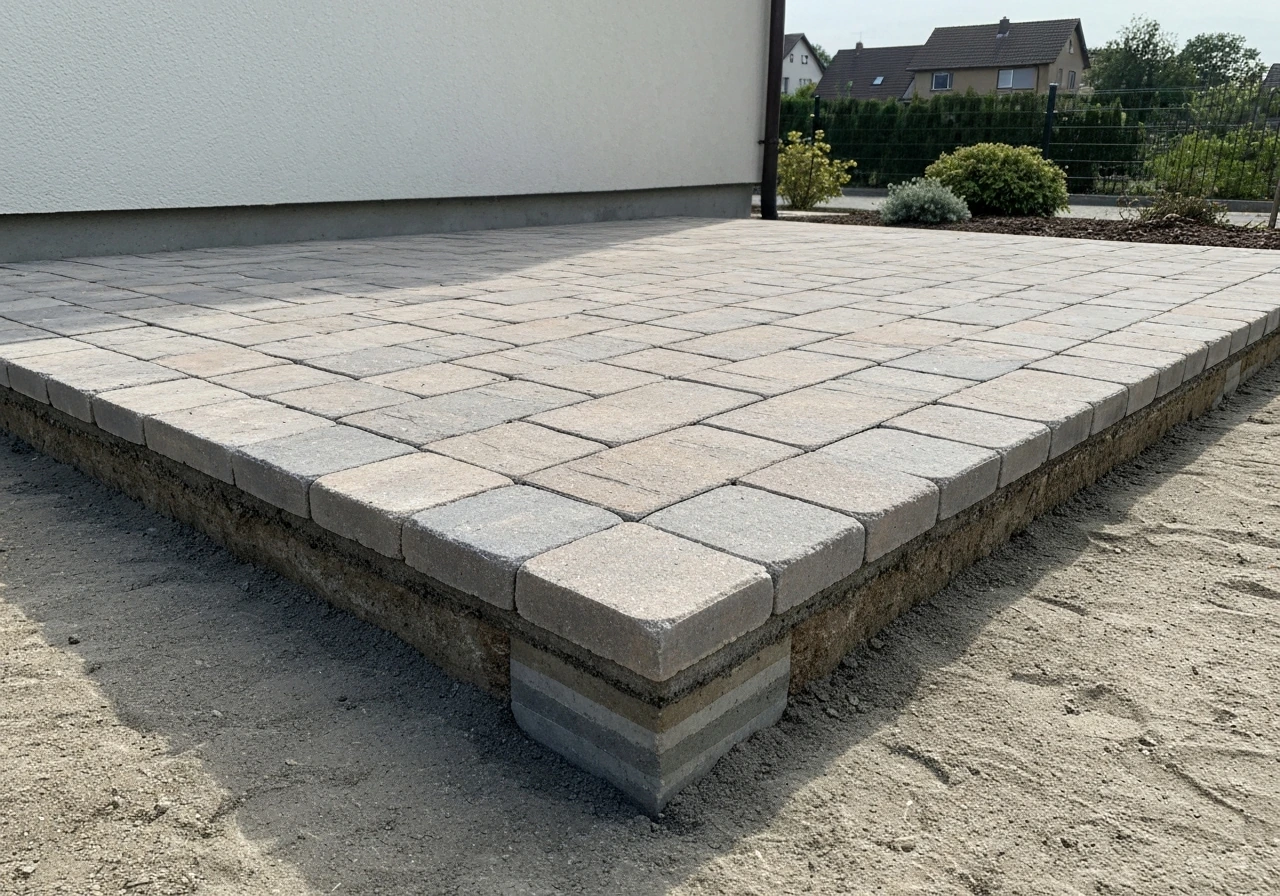
What a realistic 10x10 paver patio costs right now
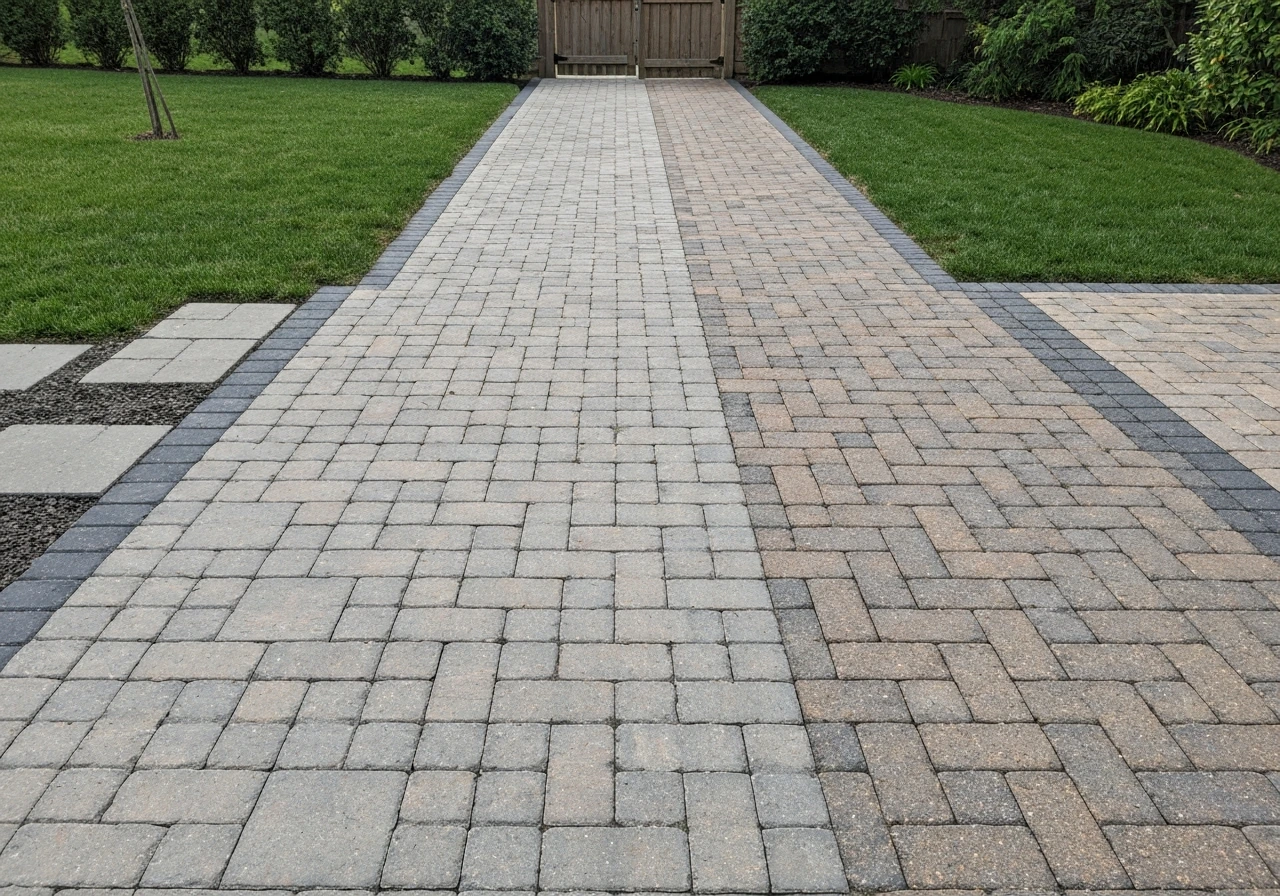
The $8 to $25 per square foot range is cited consistently across HomeAdvisor, Angi, and Fixr for 2025 and 2026 data. On the low end, you're getting basic concrete pavers, standard rectangular layout, flat site, no drainage issues. On the high end, you're looking at natural stone or premium manufactured pavers, a herringbone or fan pattern, slight elevation change, and a contractor in a high-labor-cost market. Most plain suburban installs with decent soil and concrete pavers fall between $12 and $18 per square foot installed. If you want a ballpark for a 10x12 concrete patio specifically, the cost per square foot and any prep work are the main drivers how much does a 10x12 concrete patio cost.
One thing worth knowing before you read any further: a 10x10 patio is small by contractor standards, and that hurts you on price per square foot. Setup time, equipment hauling, and cleanup don't scale down the same way the square footage does. You'll often pay a small-job premium that can push your per-square-foot cost closer to the top of the range even for basic work. If you're thinking about going a bit bigger, the pricing math gets more favorable, a 10x20 paver patio, for example, spreads those fixed costs over twice the area. For a 10x20 paver patio, you can expect the total to be higher than a 10x10, but the per-square-foot cost usually comes down.
Cost breakdown by line item
Here's how a typical 10x10 paver patio budget breaks down. These are rough per-square-foot ranges that add up to your total, and they're roughly what a contractor's quote should reflect when you look at it line by line.
| Line Item | Cost per Sq Ft | Total for 100 Sq Ft | Notes |
|---|---|---|---|
| Pavers (materials) | $1.50 – $8.00 | $150 – $800 | Concrete pavers on the low end; natural stone or premium on the high end |
| Gravel base (4–6 in) | $0.75 – $2.00 | $75 – $200 | More for clay or poor-draining soil (6–8 in depth required) |
| Leveling sand (1 in) | $0.25 – $0.75 | $25 – $75 | Separate from base gravel; used for screeding before paver placement |
| Polymeric joint sand | $0.25 – $0.50 | $25 – $50 | Roughly 1–2 bags per 100 sq ft at 1/8 in joints |
| Plastic edging/restraints | $0.50 – $1.50 | $50 – $150 | Required to hold pavers in place along the perimeter |
| Labor (excavation + install) | $6 – $11 | $600 – $1,100 | Varies by pattern complexity, grading, and regional rates |
| Cleanup and haul-away | $0.50 – $1.50 | $50 – $150 | Often bundled into labor but sometimes a separate line item |
| Sealing (optional) | $0.75 – $2.00 | $75 – $200 | Not required at install but extends paver life and color |
Soil conditions can quietly blow up the base prep cost. On sandy or gravelly soil, a 4 to 6 inch compacted gravel base is standard. Techo-Bloc’s installation guide also specifies a minimum granular foundation depth of 4, 6 inches for sandy or gravelly soil [On sandy or gravelly soil, a 4 to 6 inch compacted gravel base is standard. ](https://www.
techo-bloc. com/assets/40/d4/40d41671-3a3e-4527-8075-12a02e3b49c1/PAVERS_Installation-guide-EN. pdf). On clay or silty soil, you're looking at 6 to 8 inches minimum, and some contractors will add a geotextile fabric layer underneath to prevent the base from mixing with the subgrade.
That adds material cost and excavation depth, which means more labor and more spoil to haul away. If your yard has poor drainage or gets soggy after rain, budget toward the higher end of these ranges.
Simple vs. upgraded install: what you actually pay
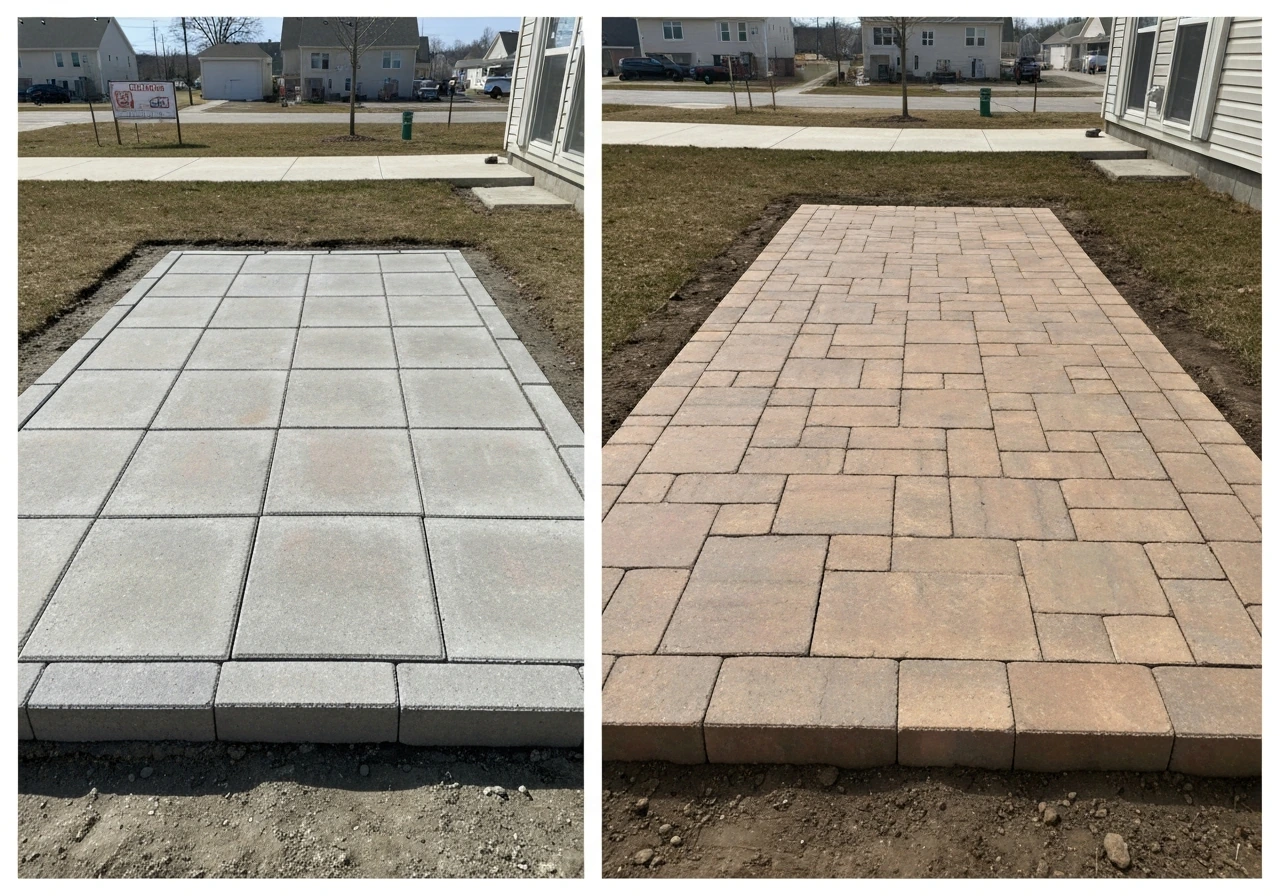
Here's what two real-world 10x10 paver patios might cost from start to finish, to give you a sanity check on quotes you'll get.
| Scenario | Details | Estimated Total |
|---|---|---|
| Basic install | Standard concrete pavers ($1.50–$2.50/sq ft), flat site with good soil, running bond pattern, plastic edging, no sealing | $900 – $1,300 |
| Mid-range install | Mid-grade concrete or manufactured pavers ($3–$5/sq ft), slight slope, herringbone or basketweave pattern, polymeric sand, sealing included | $1,400 – $1,900 |
| Upgraded install | Premium pavers or natural stone ($6–$10/sq ft), elevation change or steps, complex pattern, drainage modifications, full sealing | $2,000 – $2,800+ |
Steps are a common upgrade that can add $200 to $600 to any of these totals depending on height and material. Drainage modifications like a dry creek bed or channel drain nearby can add another $300 to $800 if the site needs it. Sealing isn't mandatory at install but most contractors offer it as an add-on; expect to pay $75 to $200 for a 100 sq ft patio if you want it done right away.
DIY vs. hiring a contractor: where the real cost difference is
Labor typically makes up 50 to 70 percent of the total installed cost on most paver patio jobs. That means going DIY on a 10x10 patio can theoretically save you $600 to $1,100. In practice, the savings are real but come with some important trade-offs.
The materials side of a DIY 10x10 paver patio runs roughly $400 to $900 for concrete pavers, gravel base, leveling sand, polymeric joint sand, and plastic edging. That's your floor. On top of that, you'll need equipment. A plate compactor rental runs $75 to $175 per day depending on your market. If you need to cut pavers for borders or patterns, a wet saw rental adds another $50 to $100 for the day. If you don't already own a tamper, hand tools, and a screed setup, factor in another $50 to $100 in supplies.
Where DIY goes wrong most often is base prep. Skimping on compaction, not getting the gravel layer deep enough, or not sloping away from the house (aim for about 1/8 inch of drop per foot) leads to pavers shifting, sinking, and draining toward your foundation. Those repairs can cost more than the original contractor quote. If you're doing it yourself, the base work is where you can't cut corners.
| Cost Category | DIY | Contractor |
|---|---|---|
| Materials (pavers, base, sand, edging) | $400 – $900 | $400 – $900 (built into quote) |
| Labor | $0 (your time) | $600 – $1,100 |
| Equipment rental | $100 – $300 | Included in labor rate |
| Risk of redo/repair | Higher | Lower (contractor warranty) |
| Total estimated cost | $500 – $1,200 | $1,000 – $2,000+ |
If you're comfortable with physical work and willing to take a full weekend (and maybe a second day), DIY is legitimate on a 10x10 patio. It's small enough to be manageable. But if your site has a slope, clay soil, or drainage challenges, hiring a contractor is almost always the smarter call. The complexity of getting the base right on a difficult site takes experience that's hard to fake.
Price per square foot: what changes the number and why it varies by region
The $8 to $25 per square foot range for installed paver patios is wide for a reason. Labor rates in metro areas like New York, Boston, or San Francisco run 30 to 50 percent higher than in smaller Midwestern or Southern markets. A job that costs $14 per square foot in Charlotte or Kansas City might run $20 per square foot in suburban New Jersey or Seattle. Fixr puts labor at $5 to $10 per square foot for most patio installs, but HomeGuide data puts it at $6 to $11 per square foot once you factor in grading and site-specific variables.
Pattern complexity also moves the number. A simple running bond layout (straight rows) is fast to install and sits at the low end of labor rates. A herringbone or circular fan pattern requires more cuts, more time positioning each paver, and more waste material. Expect a $1 to $3 per square foot premium for complex patterns. For a 10x10 patio, that's an extra $100 to $300 on the labor bill.
Design elevation changes matter too. A patio that's on grade (level with your yard) is straightforward. A patio that requires building up or cutting into a slope adds excavation cost, retaining edge work, and sometimes compacted fill, which can add $200 to $600 to a small patio project.
If you're comparing prices across patio sizes to sanity-check the math, a 10x10 paver patio sits at 100 square feet, which puts it at the smaller end of typical patio projects. For most people wondering how much is a 10x10 patio, these per-square-foot ranges help you estimate a total budget before you get quotes. The per-square-foot cost tends to be higher here than for a larger patio because setup, mobilization, and cleanup are relatively fixed costs.
For a quick estimate, you can start with the typical $8 to $25 per square foot installed range and multiply it by the 100 square feet in a 10x10 patio. Larger projects like a 10x20 paver patio get a better per-square-foot rate simply because those overhead costs are spread over more area. If you're specifically pricing a 10x20 concrete patio, the bigger footprint usually changes the total cost and per-square-foot rate how much does a 10x20 concrete patio cost.
How to get contractor quotes and actually compare them
Getting three quotes is the standard advice, and it's right. But how you evaluate those quotes matters more than just comparing the bottom-line number. A low quote that skips proper base prep is going to cost you more in repairs within a few years.
Here's what to ask each contractor before you agree to anything:
- How deep will you excavate, and what base depth are you planning to use? (You want at least 4 inches of compacted gravel on good soil; 6 to 8 inches on clay.)
- What specific pavers are you pricing, and what is the cost per square foot for materials vs. labor separately?
- Does the quote include edging/restraints, jointing sand, and cleanup and haul-away?
- Will the base be compacted with a plate compactor, or hand-tamped? (Plate compaction only, for anything serious.)
- What is the drainage slope you'll build in, and how will runoff be directed?
- Is sealing included, and if not, what does it cost to add?
- What is the payment schedule, and do you offer any warranty on the installation?
When you get the quotes back, line them up by component rather than total. If one contractor is $400 cheaper but isn't including haul-away, edging, or polymeric sand, the real price gap disappears fast. A well-itemized quote is also a sign of a contractor who knows what they're doing and isn't going to surprise you with change orders once the dig starts.
Before calling anyone, measure your space carefully. For a 10x10 patio, that's 100 square feet, but if your space is irregular (an L-shape or diagonal border), sketch it out and measure each section. For a 10x20 concrete patio, the size doubles to 200 square feet, which is why your total cost usually increases significantly a 10x10 patio, that's 100 square feet. Having accurate square footage before you call means you'll get accurate quotes rather than ballpark guesses the contractor has to revise later. Also check whether your area requires a permit for a paved patio surface; some municipalities do, especially if you're within a certain distance of a property line or drainage easement.
Once you've narrowed it down, don't just pick the cheapest. Pick the contractor who gave you a clear, itemized quote, asked questions about your site conditions, and can show you examples of recent installs. A properly built 10x10 paver patio should last 20 to 30 years with minimal maintenance. Saving $200 upfront on a contractor who doesn't compact the base properly is almost never worth it.
FAQ
Is the $800 to $2,500 range for a 10x10 paver patio really “all-in,” or could there be extra charges later?
It’s usually all-in for the patio footprint, but common add-ons can change the total, especially if the quote assumes you already have disposal handled or if it doesn’t include hauling off excavated soil. Ask whether the price includes spoil removal, permits, and any concrete/landscape edging beyond the paver border.
Do paver patio costs differ for a 10x10 installed on a slope?
Yes. If the patio footprint is on a grade, contractors may need additional excavation, compacted fill, or retaining edge work to maintain the required drainage fall away from the house. Even a modest slope can shift labor and base depth, pushing the job toward the upper part of the range.
How much should I budget if my yard is clay or stays wet after rain?
Plan on higher base prep. Clay and poor-draining soils often require deeper, more engineered base (sometimes with geotextile fabric) to prevent the base from mixing with subgrade. This can add excavation depth, extra materials, and more labor to haul away spoil.
What does “polymeric joint sand” change in the total cost?
Polymeric sand is typically priced in the same broad “materials” bucket, but it can affect both longevity and labor because it must be installed correctly (proper spreading, then controlled wetting). If it’s missing from a quote, ask why, because it’s a frequent reason for early weed growth or joint failure on smaller patios.
Will sealing a 10x10 paver patio be necessary, and what if I delay it?
Sealing is optional at install, but many homeowners choose it soon after because it can improve stain resistance and reduce the appearance of fading. If you delay, you may still be able to seal later, but you might need surface cleaning or degreasing first to get an even finish.
What’s the real cost difference between basic running bond and a herringbone pattern on a 10x10?
Expect a noticeable labor premium because herringbone involves more cutting and careful alignment, plus higher waste. In practice, that pattern-related increase often shows up as both more time and higher paver overage (so your material order may be larger than you expect for 100 square feet.
Do I need a permit for a 10x10 paver patio?
It depends on your municipality and site situation. Some areas require permits or review if the patio affects drainage, is near property lines, or falls within regulated setbacks or easements. Confirm before you start, because permit requirements can also affect scheduling and inspection steps.
How do I compare contractor quotes so I don’t miss a “hidden” cost?
Compare line items, not totals. Specifically check whether the quote includes base depth, compaction, geotextile (if needed), edging type and height, polymeric sand, and spoil/haul-away. Also ask whether a slope away from the house is guaranteed in writing, since drainage issues are a common source of callbacks.
If I DIY a 10x10 patio, what is the most common mistake that increases cost later?
Under-compacting the base or installing an inadequate drainage fall (the slight slope away from the house). Those issues can cause settlement, pavers to shift, and water to pool, which then means re-lifting, re-leveling, and sometimes redoing sections.
What equipment costs should I actually plan for if I’m DIYing?
Beyond pavers and base materials, most DIYers need rentals for compaction (plate compactor) and often a wet saw for cutting border pieces or patterns. Also budget for hand tools and setup supplies, such as a screed/leveling aids and plastic edging, because skipping them can lead to wavy lines and extra rework.
Next Articles
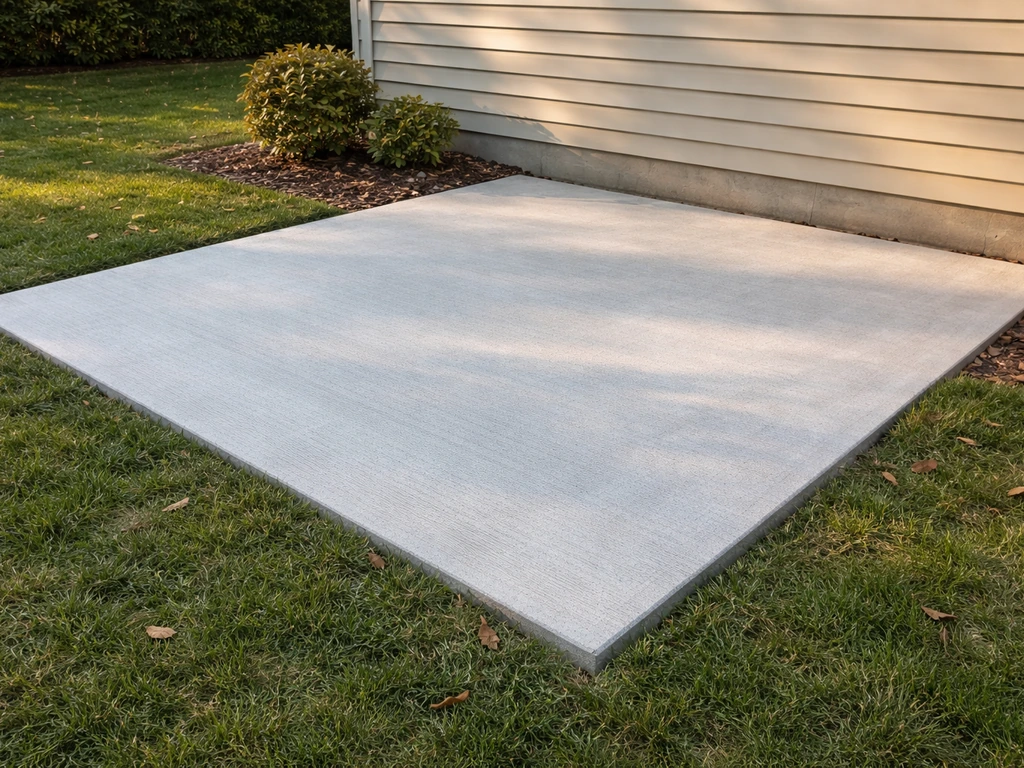
How Much Does a 10x10 Concrete Patio Cost in 2026?
2026 price ranges for a 10x10 concrete patio, itemized costs, key adders, DIY vs hiring, and quote specs to request.
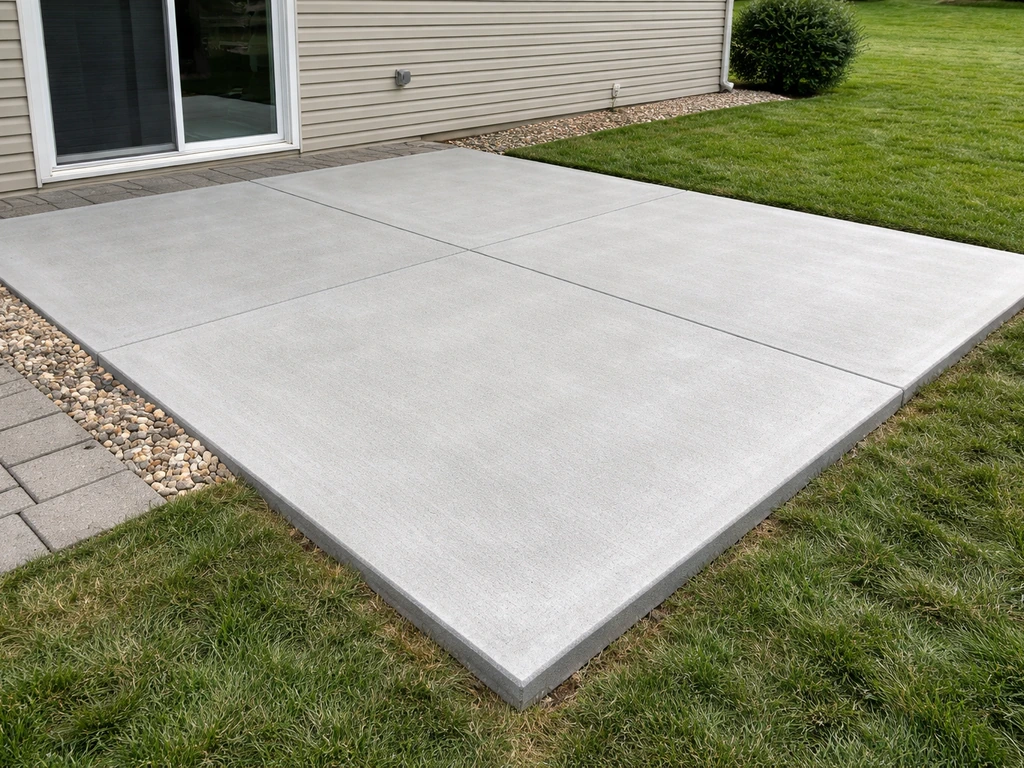
How Much Does a 10x20 Concrete Patio Cost in 2026?
Installed cost range for a 10x20 concrete patio, plus what changes price, DIY vs contractor, and quote checklist.
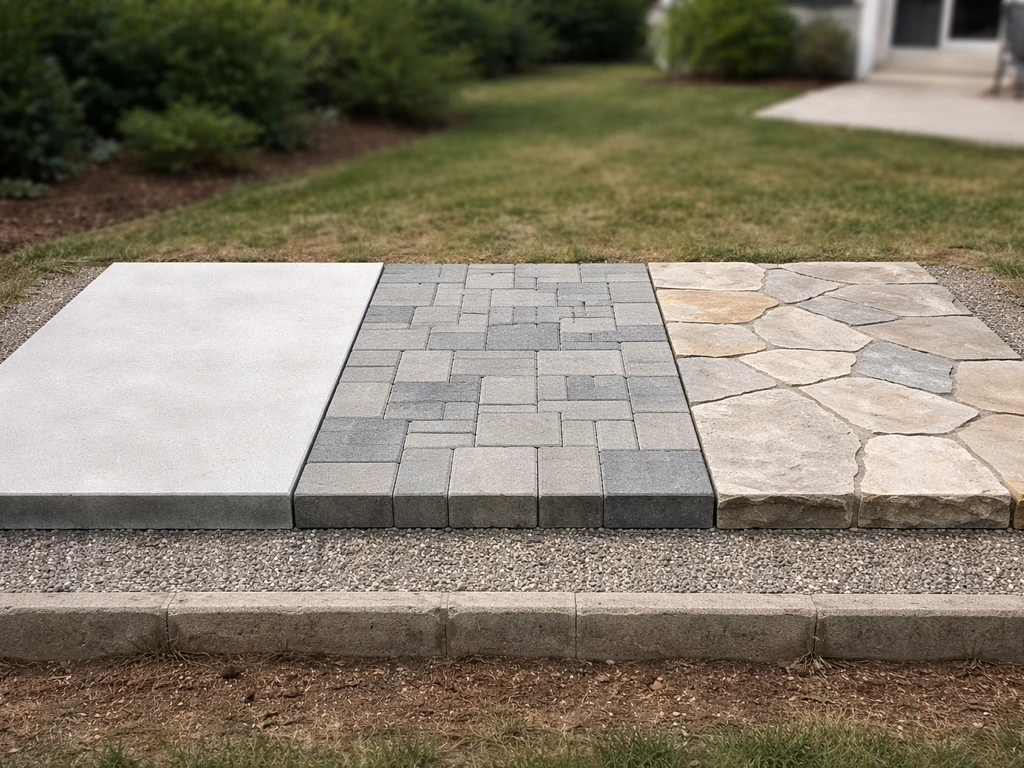
How Much Should I Expect to Pay for a Patio
Patio cost guide with real price ranges by size and material, full line-item budget, DIY vs install, and quote checklist