
A professionally installed 12x12 patio (144 square feet) will run you somewhere between $850 and $4,300 for basic concrete, and anywhere from $1,150 to $4,600 for pavers, depending on material, your region, and how much site prep the job needs. Most homeowners land in the $1,500 to $3,500 range for a straightforward install. That's the honest ballpark before you start dialing in material choices and getting real quotes.
How Much Does a 12x12 Patio Cost? Complete Pricing Guide

Felix Carver
20 Jun 2026
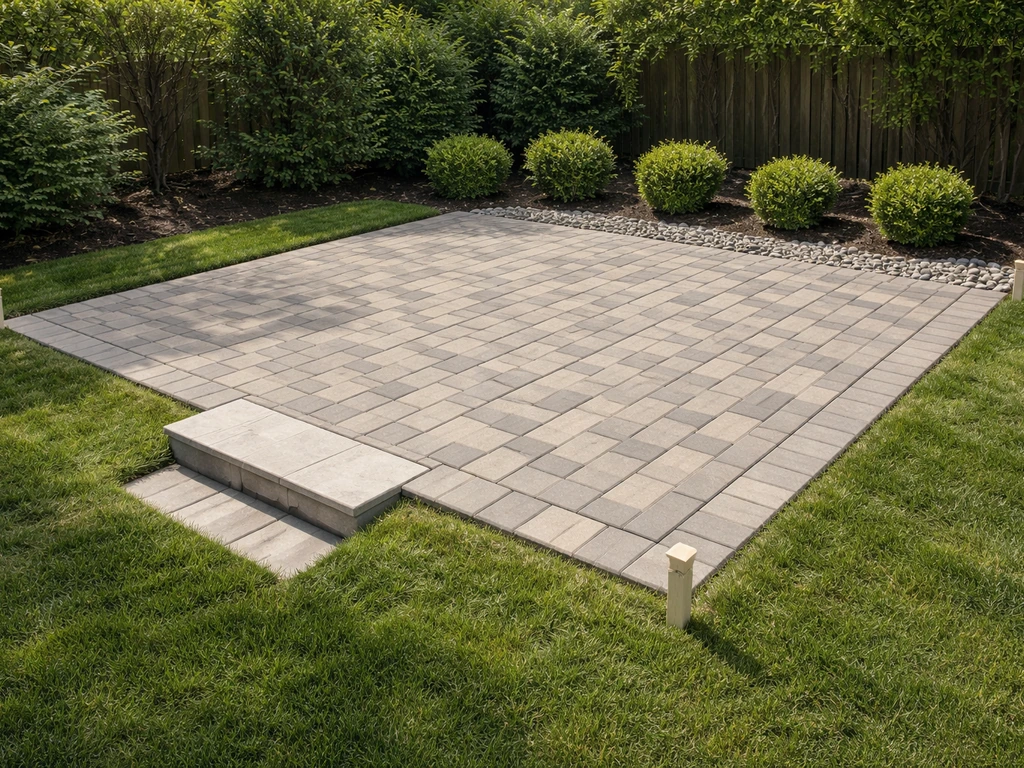
What a 12x12 patio typically costs all-in
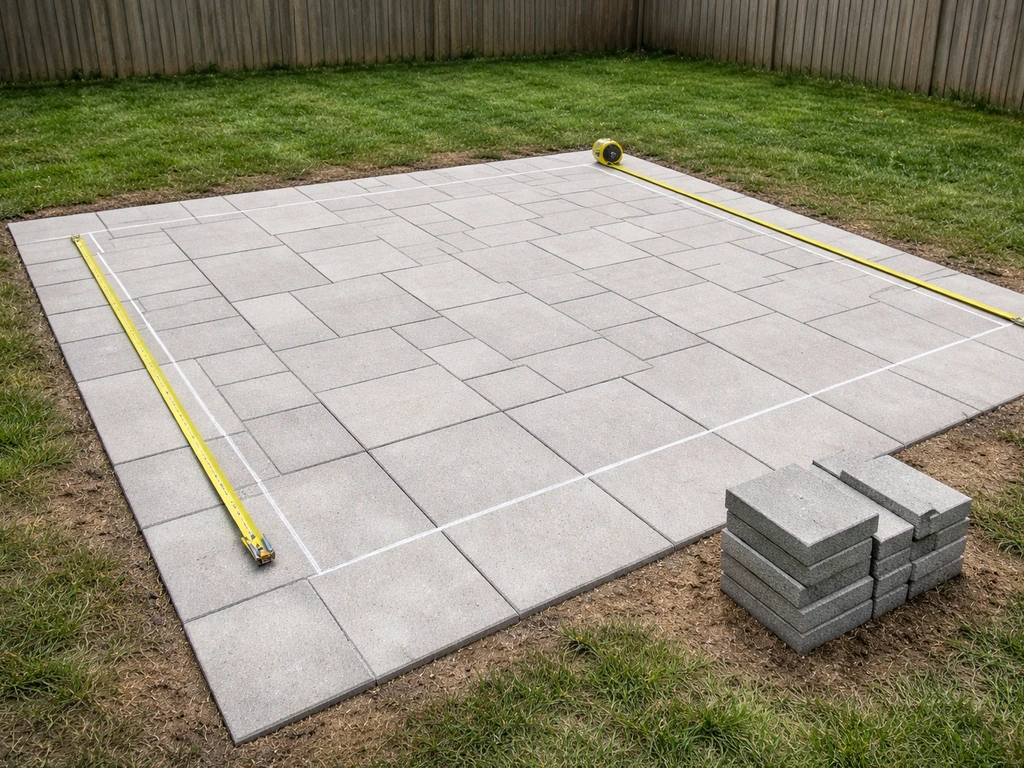
At 144 square feet, a 12x12 is one of the most common starter patio sizes, and it's small enough that you might assume it's cheap. It can be, but there are fixed costs in every patio job (mobilization, excavation, base material, edging) that don't shrink proportionally with the size. A concrete patio at $6 to $10 per sq ft puts you at roughly $865 to $1,440 just for material and basic labor on a clean, flat site. Add site prep, grading, permits, and any design complexity, and the real all-in number for most homeowners is $1,200 to $3,000 for plain concrete and up to $4,300 or more for stamped or decorative finishes.
The per-square-foot number is the right way to think about patio pricing because it scales cleanly across materials and regions. But don't let it fool you into thinking a 144 sq ft job is just 144 times a single number. There's overhead baked into every estimate, and a contractor who quotes $8/sq ft for a 500 sq ft patio will often quote $12 to $14/sq ft for a 144 sq ft job because the fixed costs get spread over fewer square feet.
Cost by material: what each surface will run you
Here's a side-by-side look at what each major patio surface costs installed for a 12x12 (144 sq ft), using current 2026 pricing data. These are all-in ranges assuming professional installation on a reasonably flat site with standard site prep.
| Material | Per Sq Ft (Installed) | 12x12 Total Range | Notes |
|---|---|---|---|
| Plain Concrete | $4–$12 | $575–$1,730 | Best value; durable but plain |
| Stamped/Decorative Concrete | $8–$30 | $1,150–$4,320 | Looks premium; can crack over time |
| Concrete Pavers | $8–$25 | $1,150–$3,600 | Flexible, repairable, popular choice |
| Brick Pavers | $10–$17 | $1,440–$2,450 | Classic look; mid-range cost |
| Flagstone (Dry-Laid) | $15–$32 | $2,160–$4,610 | Natural stone feel; labor-intensive |
| Flagstone (Mortared) | $42–$45 | $6,050–$6,480 | Premium finish; professional only |
| Natural Stone (General) | $15–$32 | $2,160–$4,610 | Similar to flagstone; varies by stone type |
Plain concrete
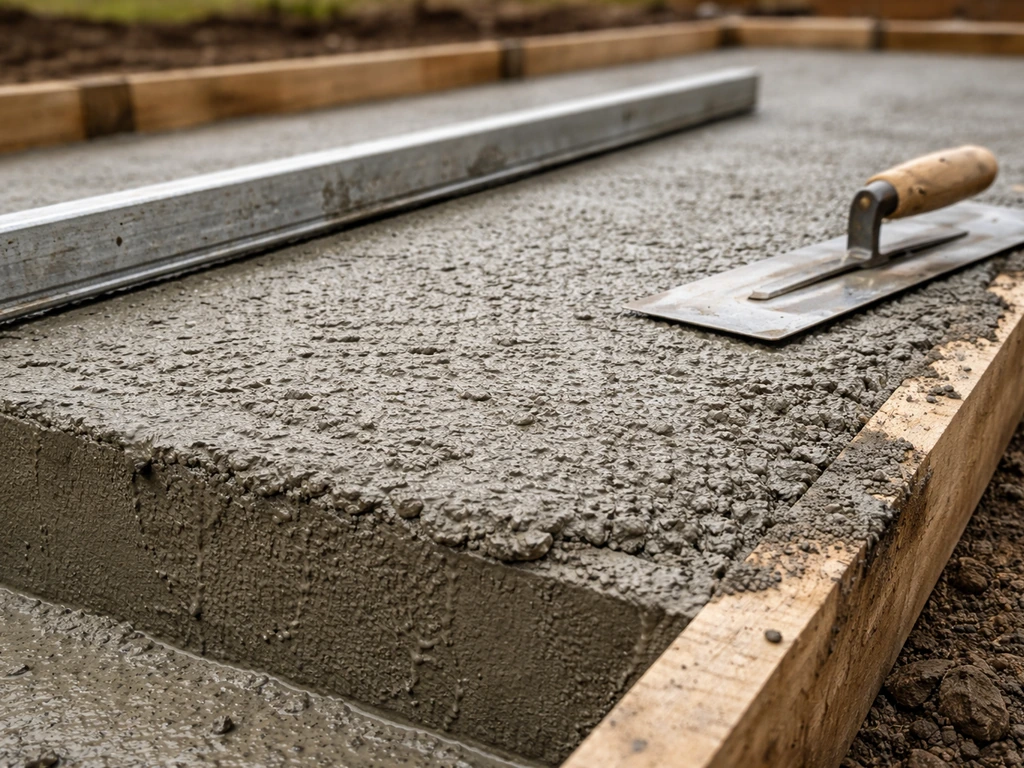
Plain poured concrete is the budget anchor for patio pricing. At $4 to $12 per sq ft installed, a 12x12 runs roughly $575 to $1,730. A full breakdown can help you estimate how much it costs for a 12x12 concrete patio in your area $575 to $1,730. Most mid-range quotes for a clean site come in around $800 to $1,200. It's not glamorous, but it's durable, low-maintenance, and holds up well in most climates. If you want to keep costs down, this is your baseline.
Stamped and decorative concrete
Stamped concrete mimics the look of pavers or stone at a lower material cost, but the labor to apply patterns, color, and sealer pushes the price up significantly. Expect $8 to $30 per sq ft, or $1,150 to $4,320 for a 12x12. To ballpark how much for a 12x12 patio in stamped concrete, use the $8 to $30 per square foot range as a starting point. The wide range reflects pattern complexity, the number of colors, and regional labor rates. One thing to keep in mind: stamped concrete is harder to repair than pavers if it cracks, and it does crack eventually.
Concrete and brick pavers
Pavers are the most popular upgrade from plain concrete. If you're choosing between materials like concrete pavers and natural stone, it's still useful to check how much does a 12x12 stone patio cost for a realistic apples-to-apples budget. Concrete pavers run $8 to $25 per sq ft installed ($1,150 to $3,600 for a 12x12), while brick pavers are a bit more predictable at $10 to $17 per sq ft ($1,440 to $2,450). Pavers are worth the extra cost over plain concrete for one big reason: if a section settles or a paver cracks, you pull it up and replace it. You can't do that with a poured slab.
Flagstone and natural stone
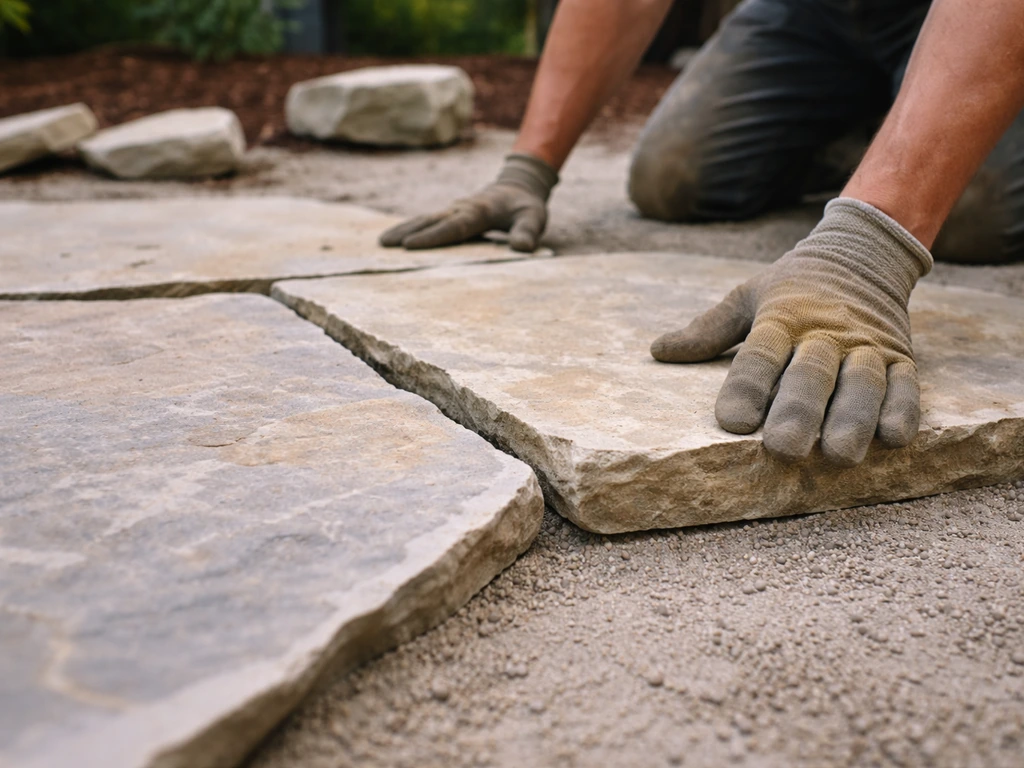
Flagstone is where costs climb fast. Dry-laid flagstone runs $15 to $32 per sq ft installed, putting a 12x12 at $2,160 to $4,610. Mortared flagstone jumps to $42 to $45 per sq ft, or $6,050 to $6,480 for this size. The labor involved in cutting, fitting, and setting irregular stone pieces is significant, and this is a job where a bad DIY attempt shows immediately. If you love the look of natural stone but want to manage costs, dry-laid with a compacted gravel base is the more budget-friendly route.
What actually drives the labor and installation cost
The material is only part of the equation. Labor and site prep can easily represent 40 to 60 percent of a total patio quote, especially on small projects like a 12x12 where fixed costs dominate. A big factor in how much it costs to build a 12x12 patio is how much labor and site prep your contractor includes. Here are the factors that move the number most:
- Excavation and grading: If your yard isn't level, you're paying for grading. Removing 4 to 6 inches of soil across 144 sq ft is a standard part of the job, but rocky soil, tree roots, or a significant slope adds time and cost.
- Base and subbase: A proper patio needs 4 to 6 inches of compacted gravel base (more in cold climates). Skimping here is the number one cause of patio failure. Expect this to add $1 to $2 per sq ft to a paver or flagstone job.
- Demolition of existing slab: If you're replacing an old concrete patio, add $500 to $1,500 for a 12x12 job just for demo and haul-away. This is frequently left off initial quotes.
- Drainage: Patios need to slope away from the house at roughly 1/8 inch per foot. Poor drainage planning leads to pooling water and eventual base erosion. If your site needs extra drainage work, budget $200 to $600 more.
- Edging and restraints: Paver and flagstone patios need edge restraints to keep the field from shifting. This is often included in quotes, but confirm it's there.
- Geotextile fabric: Landscape fabric between the subbase and base layer prevents weed intrusion and helps stabilize the base. A small add-on (under $100 for this size) but worth confirming.
- Number of crew and project days: A 12x12 paver patio typically takes 1 to 2 days for a 2-person crew. Concrete pours can be done in a day. More complex stone work may take 2 to 3 days. More days means higher labor cost.
- Accessibility: If equipment can't reach your backyard easily, manual labor goes up. A tight side gate or fenced yard can add $200 to $500 to the job.
How a 12x12 compares to other common patio sizes
It helps to see how 12x12 fits into the broader size spectrum, both for setting expectations and for deciding if you should go a little bigger while you're at it. A 10x10 (100 sq ft) will save you a few hundred dollars in material but usually not much in labor, since the fixed costs stay the same. A 20x20 (400 sq ft) costs nearly three times the material but may only be 1.5 to 2 times the labor of a 12x12, which makes the per-square-foot cost on larger patios meaningfully lower.
| Patio Size | Square Feet | Plain Concrete (Installed) | Concrete Pavers (Installed) |
|---|---|---|---|
| 10x10 | 100 sq ft | $400–$1,200 | $800–$2,500 |
| 12x12 | 144 sq ft | $575–$1,730 | $1,150–$3,600 |
| 12x20 | 240 sq ft | $960–$2,880 | $1,920–$6,000 |
| 20x20 | 400 sq ft | $1,600–$4,800 | $3,200–$10,000 |
The practical takeaway here: if you're already paying for mobilization, excavation, and base work on a 12x12, seriously consider whether bumping to a 12x16 or 12x20 fits your budget. For a 12x20 patio, you can use the same per-square-foot approach, but expect fixed costs like mobilization and base work to spread out over a larger area how much does a 12 x 20 concrete patio cost. The marginal cost per additional square foot is lower once those fixed costs are covered, and the usable space difference is significant for furniture and entertaining.
DIY vs. hiring a contractor
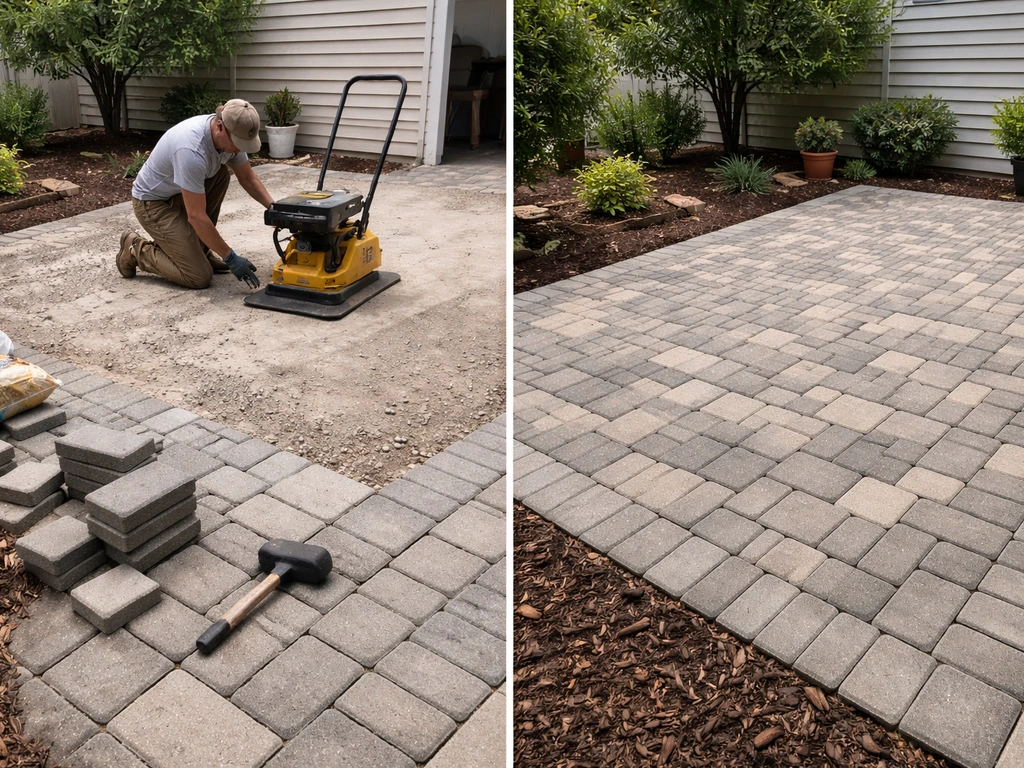
For pavers, DIY is genuinely feasible for a competent homeowner willing to rent a plate compactor and spend a weekend on it. DIY paver patio costs run $5 to $10 per sq ft in materials, versus $8 to $25 per sq ft professionally installed. On a 12x12, that's $720 to $1,440 DIY compared to $1,150 to $3,600 professionally done. You're potentially saving $500 to $1,500 on labor, which is real money.
That said, there are situations where DIY doesn't make sense and can actually cost more in the long run:
- Concrete pours: Mixing and pouring concrete on a deadline is unforgiving. If the mix is wrong, the timing is off, or the base isn't properly compacted, you end up with a cracked slab in two years. This is genuinely a hire-a-pro job for most homeowners.
- Flagstone and mortared stone: Cutting and fitting irregular stone to a level, stable surface requires experience. A poorly laid flagstone patio looks exactly like a poorly laid flagstone patio.
- Drainage and grading issues: If your yard has water management problems, a professional can catch and address them during install. A DIYer often misses this until water starts pooling against the house foundation.
- Material ordering: Underordering pavers or stone means delays and potential dye-lot mismatches. Overordering wastes money. Contractors know how to order correctly with the right overage.
For a basic paver patio on a flat site, DIY is a reasonable weekend project if you're comfortable with physical labor and renting equipment. For concrete, stamped concrete, or any mortared stone work, hire a pro and factor the labor into your budget from the start.
Regional costs, permits, and the extras that sneak into the budget
Labor rates vary meaningfully by region. In the Northeast and West Coast (especially California, New York, and the Pacific Northwest), professional patio installation runs 20 to 40 percent higher than national averages. The Southeast and Midwest tend to come in at or below average. A $1,500 paver patio quote in Tennessee might be $2,100 for the same job in Connecticut.
Permits are something most homeowners don't think to ask about. Many municipalities require a permit for patio installation, especially if it's attached to the house or over a certain size. Permit costs typically run $50 to $200 for a small residential patio, but skipping a required permit can cause problems at resale. Ask your contractor upfront whether a permit is needed in your jurisdiction and who pulls it.
Here are the add-ons that commonly get left off initial quotes and show up later as change orders:
- Demolition and haul-away of an existing slab: $500 to $1,500 for a 12x12
- Extra grading or fill for uneven sites: $200 to $800 depending on severity
- Drainage improvements (French drain, swale): $300 to $1,000
- Permit fees: $50 to $200
- Sealing (for concrete, stamped concrete, or brick): $100 to $300 for this size; often not included in base quotes
- Steps or transitions to the house: $300 to $800 per step depending on material
- Lighting or outlet rough-in: $150 to $500 if added during the job
How to get accurate quotes and compare bids
Getting three quotes is standard advice, but the more important thing is making sure all three quotes are for the exact same scope of work. Contractors will often leave line items out to make their number look lower, and you end up comparing apples to oranges. Here's how to get quotes that are actually comparable.
Questions to ask every contractor
- Is excavation and grading included, and to what depth?
- What base material are you using, and how deep will it be compacted?
- Does the quote include demolition and haul-away of anything existing?
- Is sealing included, or is that a separate line item?
- Who pulls the permit, and is the permit fee in this number?
- What does the drainage plan look like, and is any drainage work included?
- What's the warranty on labor and materials?
- Will you use edge restraints, and what type?
Your pre-quote cost checklist
Before you call anyone, write down the answers to these questions so every contractor is quoting the same job:
- Exact dimensions (12x12 = 144 sq ft, confirm with a tape measure)
- Material preference and any specific product or color choices
- Whether there's an existing surface to demo
- Site condition: flat, sloped, soft soil, clay, rocky, restricted access
- Whether you need steps or a transition to the house or yard
- Whether you want the patio sealed at completion
- Your local permit requirements (call your city or county building department if you're not sure)
- Timeline expectations, especially if you have outdoor events planned
Once you have three itemized quotes covering the same scope, the comparison is straightforward. If one quote is significantly lower, it usually means something is missing, not that the contractor is more efficient. Push for a line-item breakdown and match it against your checklist before deciding. The goal isn't the cheapest quote, it's the most accurate quote, so you don't get surprised mid-project.
FAQ
What’s a realistic “all-in” budget for a 12x12 patio if I don’t know the material yet?
If you want a single number to start shopping, plan on about $1,500 to $3,500 for a straightforward install. That range assumes typical site prep on a reasonably flat yard and standard finishes, not premium stone or high-end stamped patterns.
How much does a 12x12 patio cost more if the yard is not level or needs major grading?
Uneven ground usually pushes up the base and excavation portion of the quote. As a rule of thumb, the most variable line item on small patios is the amount of base material and rework needed to achieve proper slope and drainage, so you may see a noticeable jump even if the patio footprint stays the same.
Do permits and inspections affect the price of a 12x12 patio, and who pays for them?
Yes, permits can add $50 to $200 for many small residential jobs, and some cities require additional inspection steps. Often the contractor pulls the permit and includes it in the estimate, but you should confirm in writing whether permit costs are included or paid separately.
Why are small patios (like 12x12) sometimes priced higher per square foot than larger ones?
Because fixed costs like mobilization, excavation, and edging don’t shrink with area. The contractor spreads those fixed costs across fewer square feet, so per-square-foot pricing usually looks worse on 144 sq ft than on 400 sq ft or larger patios.
What’s the difference between “installed price” and the cost of materials only for a 12x12 patio?
Installed price includes labor and essential prep work like excavation, base installation, leveling, and typically edging. If a quote only lists material pricing, you should ask for a full scope itemization, since labor and base work can be a large share of the total on a small patio.
How do I compare contractor quotes without accidentally getting different scopes of work?
Make sure each quote includes the same patio thickness, the same base build-up (type and depth), the same edge restraint system, and whether disposal and dump fees are included. If one quote omits any of those, the “lower” price usually comes with missing work rather than better efficiency.
Is DIY reasonable for a 12x12 patio, and when should I hire a pro?
DIY is most feasible for basic paver patios on a flat site, especially if you can rent a plate compactor and you’re comfortable with precise base prep. For concrete, stamped concrete, or mortared stone, hiring a pro is usually cheaper long term because mistakes are hard to correct without demolition.
How do paver and concrete repairability differences affect long-term costs?
Pavers are generally easier to fix because you can lift and replace a single section if it settles or a unit cracks. Poured slabs and many stamped concrete finishes usually require more invasive repairs, which can increase long-term maintenance costs even if the original install was cheaper.
Will adding a border, steps, or a walkway around a 12x12 patio change the cost a lot?
Yes, because features like steps, retaining transitions, and decorative borders often require extra excavation, additional materials, and more specialized labor. These items frequently show up as change orders if they are not explicitly included in the initial scope.
Can I reduce the cost by choosing a smaller patio like 10x10 instead of 12x12?
You may save some money, but labor often doesn’t drop proportionally because mobilization and prep are still required. The savings are usually more noticeable in materials than in labor, so confirm how your contractor prices fixed setup work.
What’s the biggest mistake that makes a 12x12 patio end up costing more than expected?
The most common issue is under-scoping site prep and drainage. If the quote doesn’t clearly specify base thickness, compaction requirements, slope, and edge restraint, you can end up paying for extra material and rework after the contractor discovers conditions that weren’t accounted for.
How should climate and freeze-thaw conditions influence my material choice and cost?
In freeze-thaw regions, the base quality and drainage matter as much as the surface material. Some finishes and installations perform better when the base and jointing system are built to handle expansion and water movement, so it can be worth spending on prep even if it nudges your material cost up.
If I’m in a high-cost region, what can I expect for a 12x12 patio cost compared to the national average?
Labor-heavy installs can run 20 to 40 percent higher in places like parts of the Northeast and West Coast. That difference is often enough to shift you to the top end of the budget range, especially for pavers and decorative finishes.
Next Articles
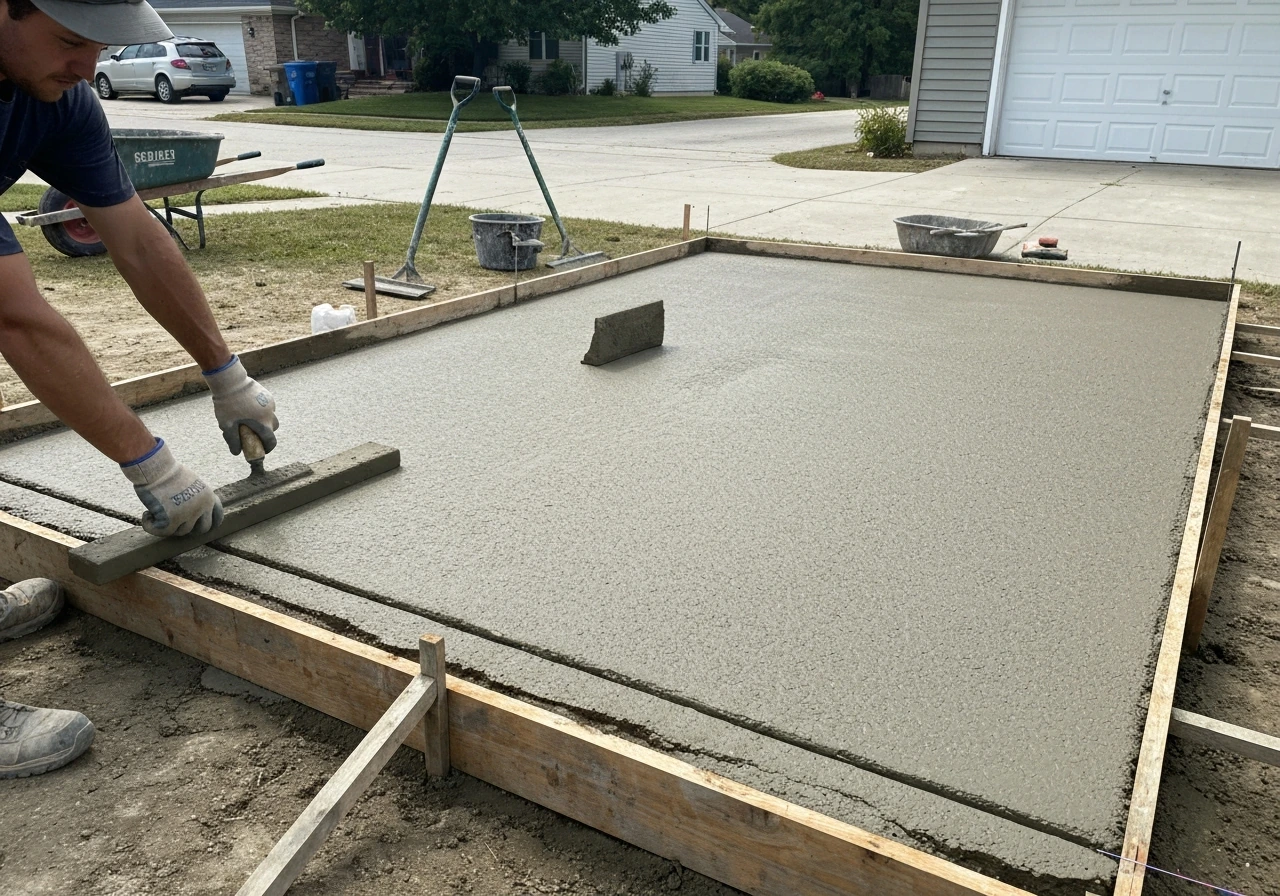
How Much Does a 12 x 20 Concrete Patio Cost? Installed Price
12x20 concrete patio cost estimate with installed price ranges, line-item breakdown, and budgeting factors for 240 sq ft
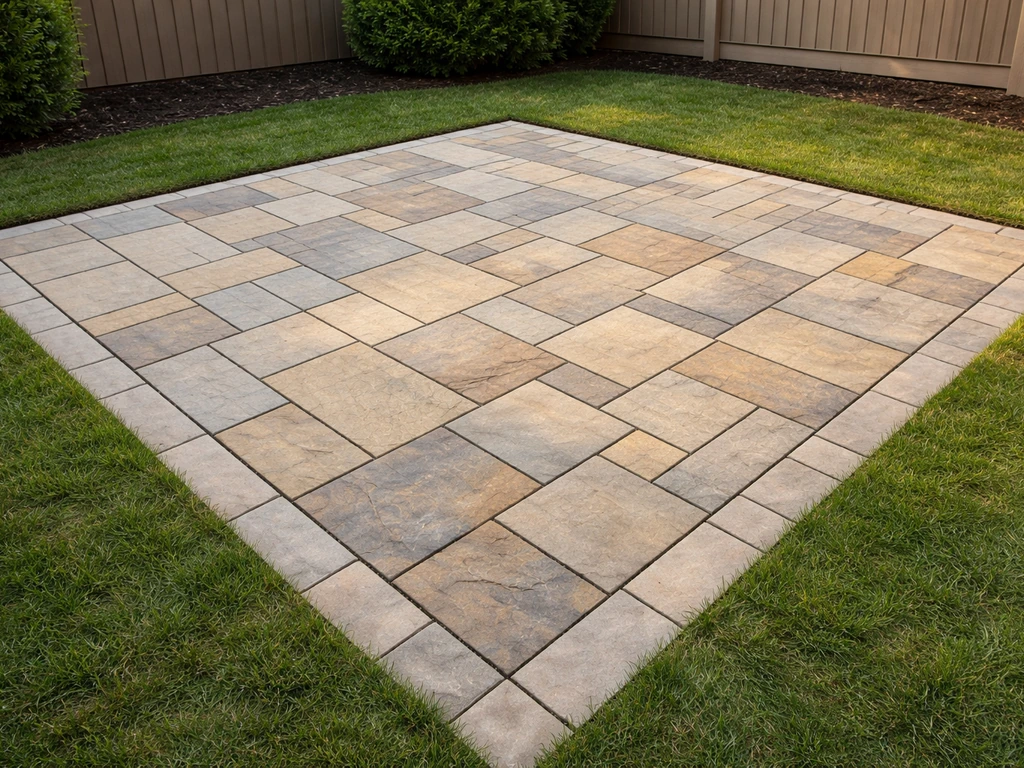
How Much Does a 12x12 Stone Patio Cost? 2026 Guide
2026 cost ranges to build a 12x12 stone patio, with per-sq-ft pricing, line items, and DIY vs installed budgets.
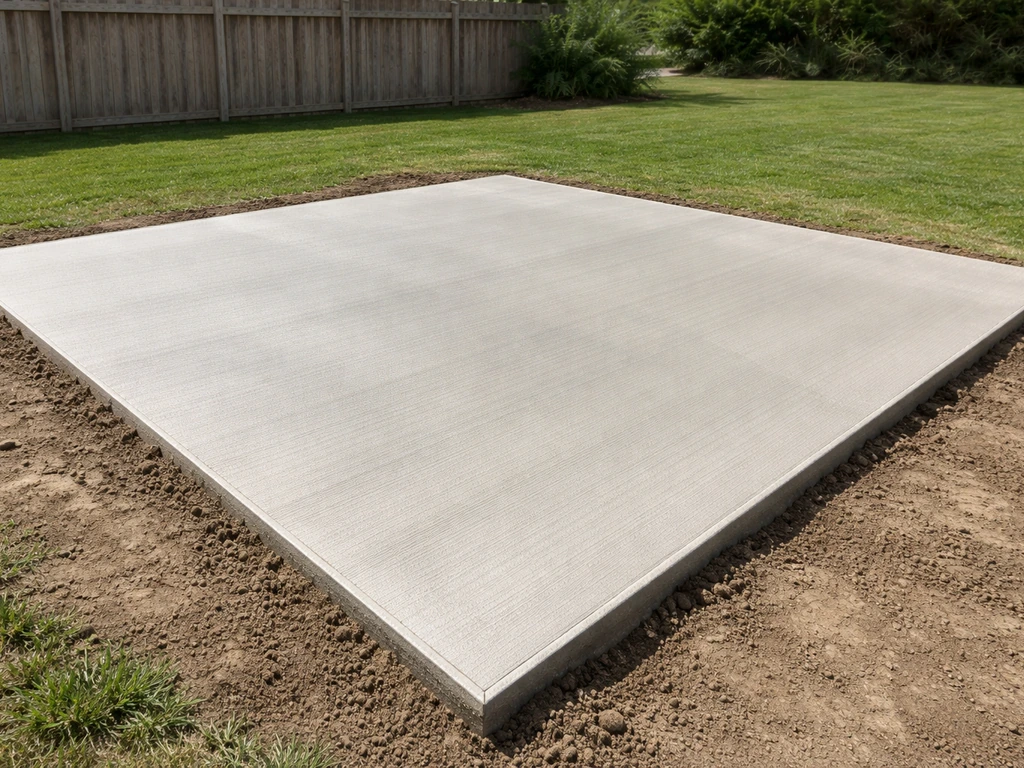
How Much Does a 12x12 Concrete Patio Cost in 2026?
Get a real budget range for a 12x12 concrete patio in 2026, plus cost drivers, quote checklist, and DIY vs pro tips.