
A professionally installed 12x12 stone patio (144 square feet) typically runs between $2,150 and $11,500 depending on the stone you choose, your site conditions, and what your contractor includes in the quote. If you also need help figuring out the full scope, our guide on how much it costs to build a 12x12 patio walks through typical ranges and line items.
How Much Does a 12x12 Stone Patio Cost? 2026 Guide

Felix Carver
14 Jun 2026
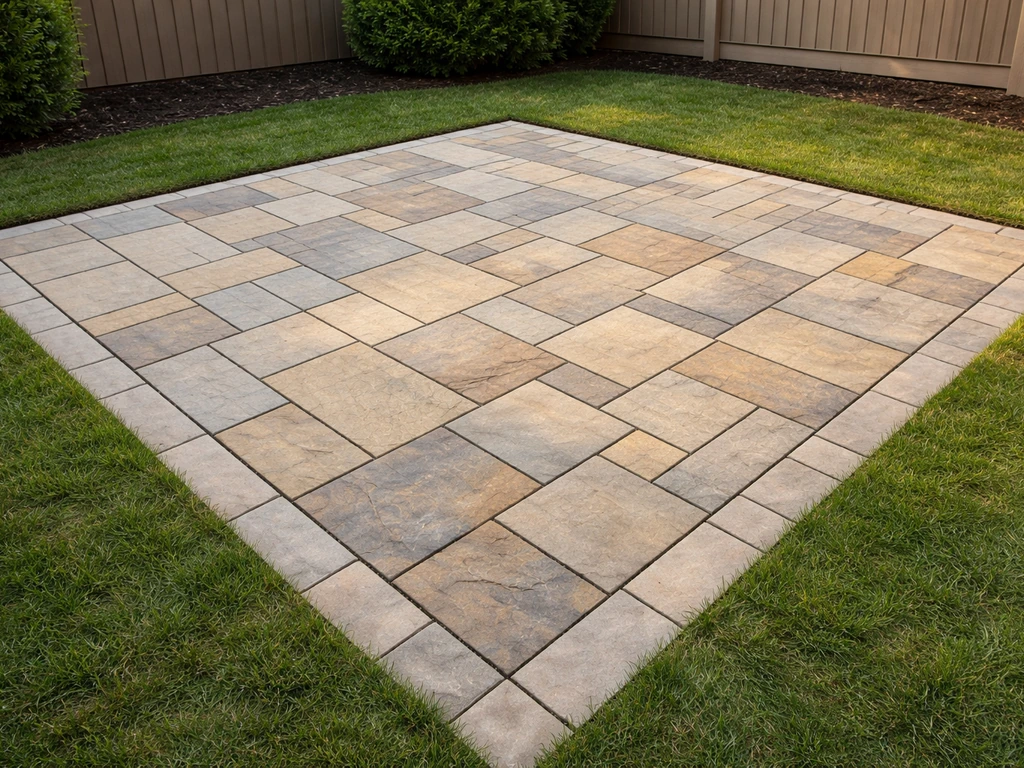
That wide range exists because "stone patio" covers everything from budget-friendly irregular flagstone to premium cut bluestone or granite. At a per-square-foot level, expect $15 to $30 per sq ft installed for most natural stone work. If you're doing it yourself, materials alone can drop the bill to roughly $800 to $3,500 for a 12x12, though you'll still need to budget for base materials and tools.
Typical total cost for a 12x12 stone patio
The most realistic installed range for a 12x12 stone patio in 2026 is $2,150 to $11,500 total, with most homeowners landing somewhere in the $3,500 to $7,500 zone when going with a mid-range natural stone like flagstone or bluestone. Angi's 2026 data puts the broader stone patio market at $6,250 to $11,500 for typical projects, though that skews toward larger patios and premium materials. Forbes Home's flagstone-specific data puts a 12x12 flagstone patio at $2,150 to $3,900 installed, which tracks well for basic irregular flagstone set in sand or gravel.
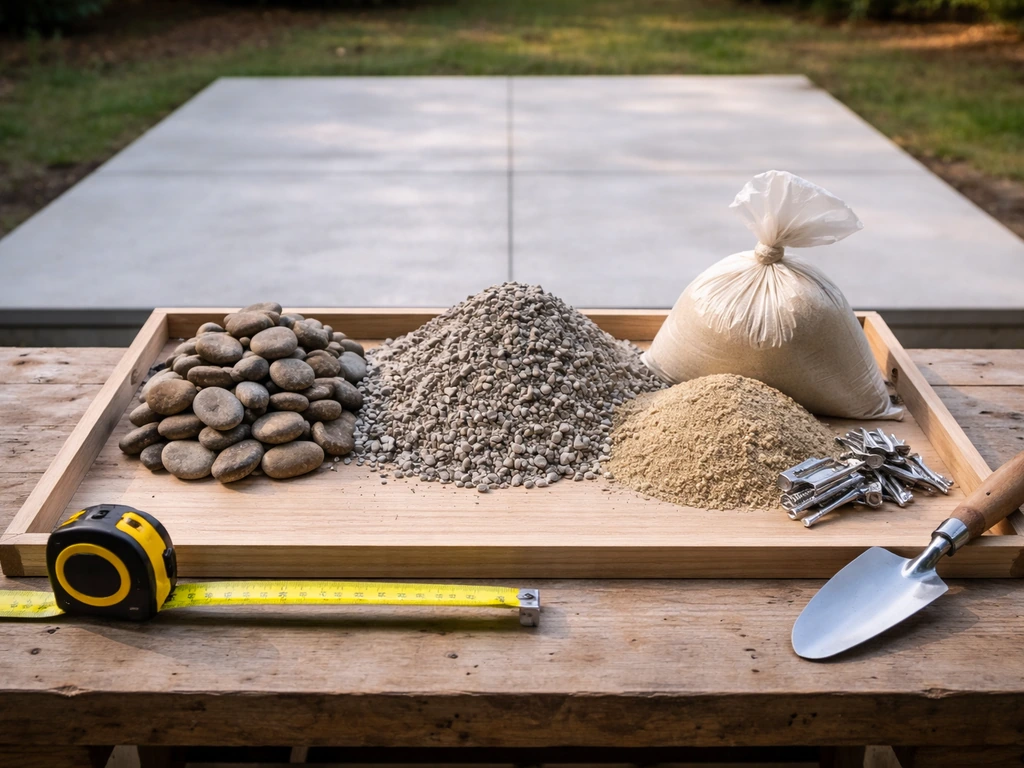
If you go DIY, you can cut the total significantly since labor is the biggest line item. A reasonable DIY budget for a 12x12 stone patio is $800 to $3,500 in materials, depending on stone type and thickness. That said, natural stone is genuinely harder to work with than pavers or poured concrete. Flagstone in particular takes patience to fit, level, and set correctly. If this is your first patio project, budget a full weekend (or two) and factor in tool rentals like a plate compactor ($60 to $100/day) and possibly a wet saw for cutting stone ($80 to $150/day).
| Approach | Estimated Total Cost (12x12) | Per Sq Ft |
|---|---|---|
| DIY (materials only) | $800 – $3,500 | $6 – $24 |
| Professional install, basic flagstone | $2,150 – $3,900 | $15 – $27 |
| Professional install, mid-range stone | $3,500 – $7,500 | $24 – $52 |
| Professional install, premium cut stone | $6,250 – $11,500+ | $43 – $80+ |
Stone material options and what they cost per square foot
Stone type is the single biggest variable in your budget. Here's a realistic look at common options and their material-only costs per square foot at the time of purchase. Remember: delivery, waste factor (usually 10 to 15%), and thickness all affect your final material bill.
| Stone Type | Material Cost (per sq ft) | Notes |
|---|---|---|
| Irregular flagstone (limestone, sandstone) | $2 – $6 | Budget-friendly; requires more fitting and cutting |
| Bluestone (irregular) | $4 – $8 | Popular, durable, attractive gray-blue tone |
| Bluestone (cut/thermal) | $8 – $15 | Cleaner look, easier to set, higher cost |
| Travertine | $5 – $12 | Warm tone, porous; needs sealing in freeze climates |
| Slate | $4 – $10 | Distinctive layered look; can chip if thin |
| Granite (cut) | $10 – $20+ | Extremely durable; premium price |
| Fieldstone / ledgestone | $3 – $7 | Rustic look; fitting is labor-intensive |
For a 12x12 (144 sq ft) patio, add a 10 to 15% waste buffer, so you're buying materials for roughly 158 to 166 sq ft. At $4 per sq ft for basic flagstone, that's around $630 to $665 in stone alone before delivery. At $12 per sq ft for cut travertine, you're looking at $1,900 to $2,000 just in stone. Delivery charges for stone, which is heavy, often run $75 to $200 depending on distance and load size.
Cost breakdown: what you're actually paying for
One of the most common mistakes I see is people comparing quotes without knowing what's actually included. A $2,500 quote and a $4,500 quote for the same 12x12 patio might be totally different scopes of work. Here's how a typical installed stone patio breaks down by line item.
Excavation and base prep
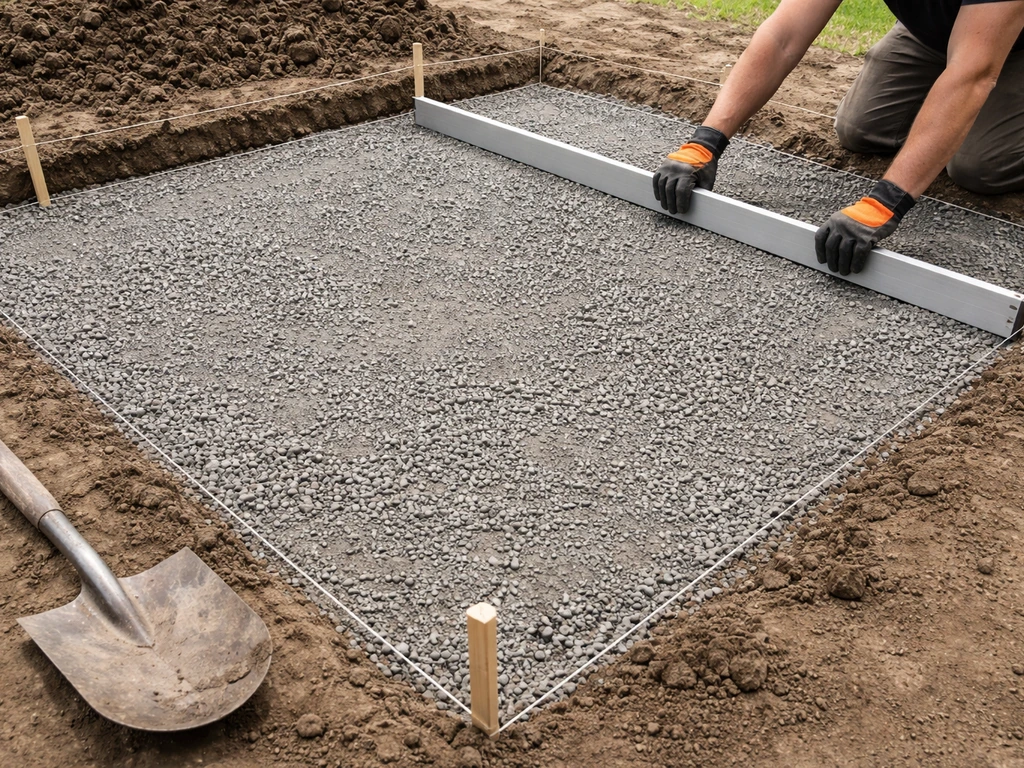
This is the foundation of a patio that won't heave, sink, or shift in five years. For a 12x12, you need to excavate 6 to 8 inches deep (more in freeze-thaw climates), then build up a compacted gravel base (typically 4 to 6 inches of crushed stone or gravel), plus a sand or setting bed layer on top.
Excavation and base prep typically costs $300 to $800 for a 12x12, depending on soil conditions and whether debris needs to be hauled away. Rocky or clay-heavy soil can push this higher. If you have an old concrete slab to demo first, add another $500 to $1,500 depending on thickness and access.
If you're comparing that to a concrete option, you can use similar factors like excavation, thickness, and finishing to estimate how much it costs for a 12x12 concrete patio.
Setting materials
How stone gets set depends on the look and use. Dry-set (stone laid on compacted sand or gravel, with polymeric sand in joints) is the most common DIY-friendly approach and costs less. Mortar-set (stones bedded in a concrete mix with mortared joints) is more durable in wet climates and heavy-use areas but adds cost. Setting materials for a 12x12 typically run $100 to $400, including gravel base, sand layer, and joint material (polymeric sand runs $25 to $40 per bag and you'll likely need 1 to 3 bags for a 12x12).
Edging and borders
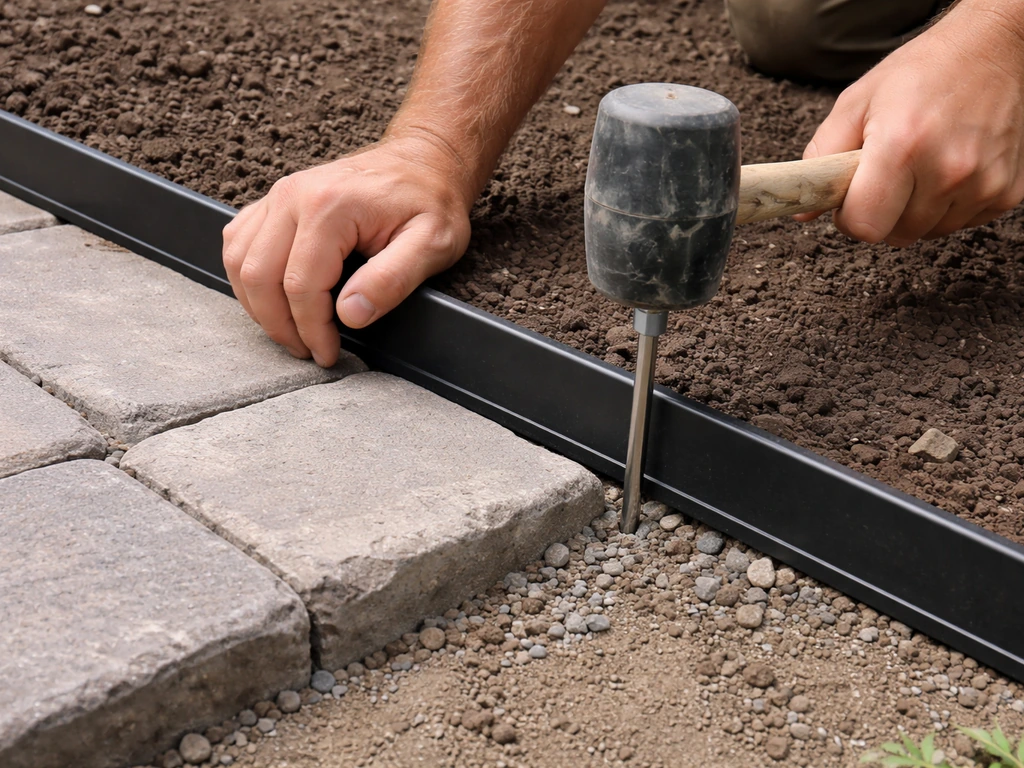
Plastic or steel landscape edging to hold the base in place costs $50 to $150 installed for a 12x12. If you want a stone border, mortared soldier course, or concrete curb, budget $200 to $600 more depending on material and detail. Many budget quotes skip this entirely, which leads to shifting stones along the edges within a few years.
Finishing, sealing, and other add-ons
Sealing is optional but strongly recommended for porous stones like travertine, sandstone, or limestone. A professional sealing application for 144 sq ft typically runs $100 to $250. If you do it yourself, a quality penetrating stone sealer costs $30 to $80 for enough to cover a 12x12. Other often-forgotten costs include drainage solutions ($150 to $500 if grading is needed), permits ($50 to $200 depending on your municipality), and landscaping cleanup or replanting around the new patio ($100 to $500).
| Line Item | Typical Cost Range (12x12) |
|---|---|
| Stone materials | $630 – $3,000+ |
| Excavation and base prep | $300 – $800 |
| Setting materials (sand, gravel, polymeric sand) | $100 – $400 |
| Edging/borders | $50 – $600 |
| Labor (installation) | $1,300 – $2,450 |
| Sealing | $100 – $250 |
| Delivery | $75 – $200 |
| Demo of old slab (if needed) | $500 – $1,500 |
| Permits | $50 – $200 |
Labor vs. materials: how complexity changes the price
For a 12x12 stone patio, labor typically makes up 40 to 60% of the total installed cost. blank" rel="noopener noreferrer">HomeGuide's 2026 data puts natural stone installation labor at $9 to $17 per sq ft, which works out to roughly $1,300 to $2,450 in labor alone for 144 square feet. Compare that to basic concrete or brick paver work, which runs $6 to $11 per sq ft in labor, and you can see why stone patios cost more: cutting, fitting, and leveling irregular natural stone is skilled, time-consuming work. If you’re specifically comparing concrete instead of stone, check how much does a 12x12 concrete patio cost before you choose a material poured concrete.
Complexity pushes labor cost up fast. A simple sand-set flagstone patio on flat ground with no obstacles is the cheapest scenario. Add any of the following and expect your quote to climb: a slope requiring grading or retaining, a mortar-set installation, custom stone cutting for a specific pattern (like a herringbone or running bond with natural stone), steps leading down to the patio, or integration with an existing structure like a house foundation or wall. A complex 12x12 project can easily hit the top end of the $6,250 to $11,500 range even though the footprint is small.
Regional and site-condition factors that shift your quote
Where you live matters a lot. Labor costs in the Northeast, Pacific Coast, and major metro areas (Boston, Seattle, New York, San Francisco) run 20 to 40% higher than in the Midwest or South. Material costs shift too, since stone is heavy and shipping distance from quarries adds to the delivered price. Bluestone is cheap in the Mid-Atlantic states where it's quarried; it costs more in Texas or the Mountain West where it has to travel.
Site conditions can also swing your number significantly. A flat, accessible backyard with good drainage is the ideal scenario. A hillside lot, heavy clay soil that needs extra base depth, a backyard accessible only through a narrow gate (making equipment delivery harder), or a project that requires tearing out an old concrete slab will each add real cost. Contractors price risk, so anything that makes the job harder adds to your quote. Always tell potential contractors about these conditions upfront so you get accurate bids rather than surprises mid-project.
- High-cost regions (Northeast, Pacific Coast, major metros): add 20 to 40% to labor estimates
- Clay or rocky soil: expect $100 to $400 more in excavation and base prep
- Sloped yard requiring grading: add $300 to $1,000+
- Tight access (narrow gate, fenced yard): expect a 10 to 20% labor premium
- Cold climates with freeze-thaw cycles: require deeper base (6 to 8 inches vs. 4 inches), adding material cost
- High-humidity or wet climates: mortar-set recommended over dry-set, which adds $2 to $5 per sq ft in labor
How to get accurate quotes and compare bids
Get at least three quotes for any stone patio project. If you want the quick answer first, check how much does a 12x12 patio cost based on size, materials, and site conditions. The range between the lowest and highest bid can easily be 50% or more, and the cheapest quote is often not the best value. To get a more accurate estimate, make sure you compare bids based on the same materials, base depth, and labor scope for your 12x12 patio. Here's what to look for when comparing bids.
First, make sure every quote specifies the same scope. Ask each contractor to itemize: stone material type and thickness, base depth and material (gravel type and depth), setting method (dry-set or mortar-set), whether edging is included, whether sealing is included, and how they handle disposal of excavated soil. A quote that's $1,000 lower might simply be skipping the gravel base or leaving out polymeric sand, which will cost you in shifting and weeds within a few years.
- Ask for itemized quotes, not just a single total number
- Confirm stone type, thickness, and source (local quarry vs. imported)
- Verify base prep depth: minimum 4 inches of compacted gravel, 6 to 8 inches in freeze-thaw climates
- Ask if delivery, demo of old material, and haul-away are included
- Check whether a permit is needed in your municipality and who pulls it
- Ask about the warranty: good contractors typically offer 1 to 2 years on workmanship
- Request references or photos of similar stone patio projects
Timing can affect price too. Angi's data notes that stone material costs vary by time of year, with late fall and winter often offering better pricing on both materials and contractor availability. If you're not in a rush, getting quotes in November or December and scheduling work for early spring can save 10 to 15%.
Stone patio maintenance and long-term costs
One area people consistently underestimate is the ongoing cost of keeping a stone patio looking good. The good news: natural stone is durable and low-maintenance compared to wood decking. The realistic news: it's not zero-maintenance.
For dry-set stone with polymeric sand joints, plan on re-sanding every 3 to 5 years as the joint material breaks down from weather and foot traffic. Re-sanding a 12x12 patio yourself costs $25 to $75 in polymeric sand plus a few hours of work. Professionally done, expect $50 to $150. Sealing porous stone (travertine, sandstone, limestone) every 3 to 4 years protects it from staining and moisture penetration. A DIY seal job on 144 sq ft takes about an hour and costs $30 to $80 in sealer. Professionally sealed, budget $100 to $250.
Occasional stone repairs are normal, especially in climates with harsh freeze-thaw cycles. A shifted or cracked flagstone can usually be releveled or replaced for $50 to $200 per stone depending on the repair. Over a 10-year window, a well-installed natural stone patio's maintenance costs are typically modest, around $300 to $800 total for sealing and re-sanding, far less than the refinishing costs of a wood deck or the cracking repairs common in plain concrete.
Stone vs. pavers vs. concrete vs. brick: which makes sense for your budget
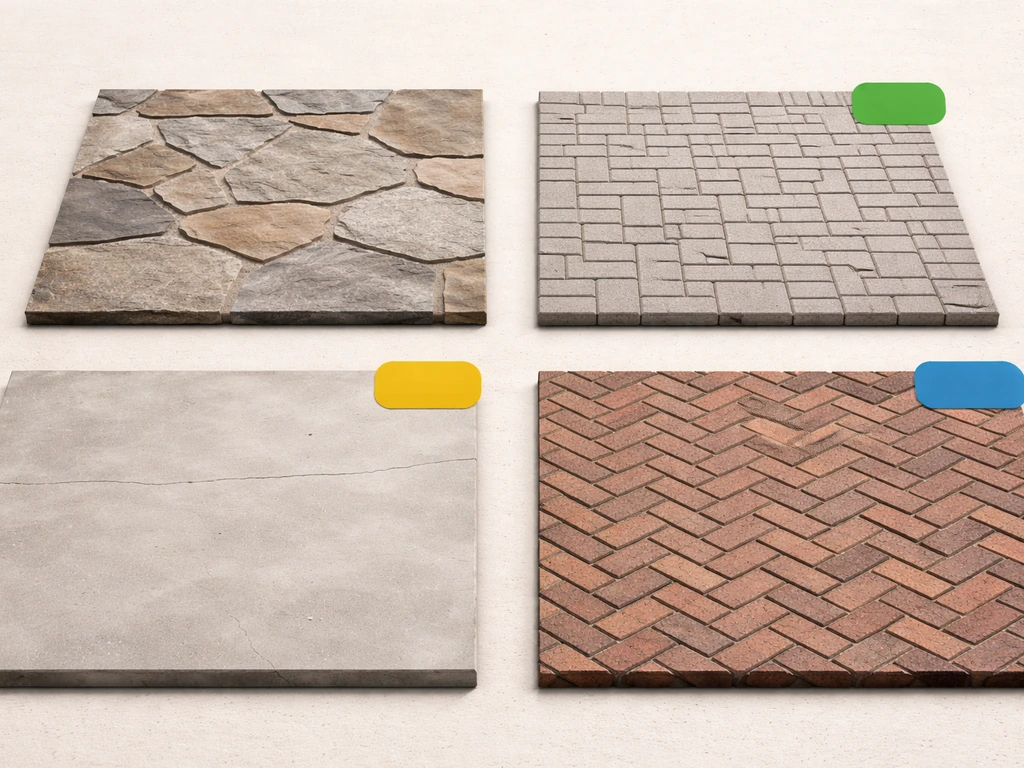
If you're torn between stone and other patio materials, here's an honest comparison. The other 12x12 patio types covered on this site give you good reference points: a 12x12 paver patio typically runs $1,500 to $5,000 installed (pavers are more uniform, easier to set, and often cheaper to labor-install than natural stone), while a 12x12 concrete patio comes in at $700 to $2,000 for a basic slab. Stamped concrete sits in the middle at $1,500 to $4,500 for a 12x12, giving you stone-like aesthetics at a lower cost but with some trade-offs in repairability. If you’re pricing a concrete patio instead of stone, your total can land differently because labor and material costs vary by build details Stamped concrete.
| Material | 12x12 Installed Cost | Durability | Repairability | Aesthetics |
|---|---|---|---|---|
| Natural stone (flagstone/bluestone) | $2,150 – $11,500 | Excellent | Good (individual stones) | High-end, natural look |
| Concrete pavers | $1,500 – $5,000 | Very good | Excellent (swap individual pavers) | Clean, modern or traditional |
| Poured concrete (basic) | $700 – $2,000 | Good | Fair (cracks require patching) | Utilitarian |
| Stamped concrete | $1,500 – $4,500 | Good | Poor (hard to patch invisibly) | Stone-like look, lower cost |
| Brick | $2,000 – $5,500 | Very good | Good | Classic, warm look |
| Wood/composite deck (12x12) | $3,000 – $11,000+ | Fair–Good | Moderate | Elevated, flexible use |
My honest take: if budget is the primary concern, concrete or basic pavers win on price. If you want the look of natural stone but want to keep costs down, irregular flagstone dry-set in sand is the most budget-friendly way to get there, especially as a DIY project.
If you're investing in a home where the patio will be a major outdoor living feature and you want it to look premium and last 30-plus years with minimal issues, natural cut stone (bluestone, granite) is worth the premium. Stamped concrete is tempting on price but harder to repair invisibly if it cracks, which it often does. Pavers sit in a sweet spot of affordability, repairability, and good looks, so they're worth comparing directly to stone if you're undecided.
A deck vs. patio comparison is worth a quick mention too. A 12x12 wood or composite deck often costs $3,000 to $11,000 or more installed, putting it in similar territory to a premium stone patio. Decks make sense for sloped yards or elevated access situations. On flat ground, a stone patio is almost always the lower-maintenance, longer-lasting option over a 20-plus year horizon.
What to do before you call a contractor
Before you reach out for quotes, do a little homework. Measure your space carefully (a 12x12 is 144 sq ft, but confirm that's the size you actually want). Look at reference photos to identify which stone type appeals to you, since walking in with "I like that bluestone look" saves you time. Check your municipality's permit requirements for patio construction; many areas require permits for patios above a certain size or those attached to the house.
And if you have an old patio or concrete slab to remove, get a separate demo quote so you can see that cost clearly rather than buried in a combined bid. Going into the process informed means you'll ask better questions, catch scope gaps, and end up with a patio that actually holds up long-term.
FAQ
Is $15 to $30 per sq ft for a 12x12 stone patio a realistic all-in price?
It is a practical installed target for many natural stone jobs, but only if your quote includes full base prep (excavation, compacted gravel, and a setting bed), edging, and joint material. If those items are missing, the per-square-foot number can look low while the total climbs after the fact.
How much extra should I budget if my yard isn’t perfectly level?
Expect higher costs if you have a slope, poor drainage, or require grading. A good rule is to ask contractors whether they will add retaining solutions or deepen the base in low spots, and to request a line item for grading or drainage corrections, because those are often the difference between the middle and the top of the range.
What stone thickness should I request for a 12x12 patio?
Ask for the stone thickness in the bid, not just the stone name. Thin stone can require a different base and more careful setting to avoid cracking or rocking, so the cheapest-looking materials sometimes cost more overall once base depth and labor are adjusted.
Do I need mortar-set instead of dry-set, and does that change the price a lot?
Mortar-set is usually chosen for wet climates, heavy traffic, or when you want maximum stability, but it typically increases labor because each stone is bedded more deliberately. Before paying the premium, confirm your contractor’s installation method for your climate and whether they’re still using proper base compaction and edging.
How do I compare quotes so I’m sure they cover the same scope?
Require each quote to break out: stone type and thickness, excavation depth, base material and depth, setting method (dry or mortar), edging, joint material (including how many bags of polymeric sand), sealing, and disposal of excavated soil. If any contractor won’t itemize these, assume you are not comparing like-for-like.
What happens if a quote omits edging or border work?
Without edging, stones can migrate over time, especially along the perimeter where people step and water flows. Even if the patio looks fine initially, you may see gaps, weeds, and shifting within a few seasons, so treat edging and any border detail as part of the core price.
How much waste should I plan for if I want a specific pattern?
For a simple field of stone, many bids use a 10 to 15% waste buffer. If you want a tight, intricate pattern or lots of cutting around irregular edges, ask the contractor to use a higher waste allowance and to specify how they handle stone breakage and trimming.
Will sealing cost be included in the installation price?
Not always. Ask whether sealing is included in the installed total, which stones it covers, and how often resealing is recommended in your climate. Porous stones like travertine and limestone often need a penetrating sealer, and skipping it can lead to staining that later costs more to correct.
Is DIY cheaper in the real world, or do I risk extra spending?
DIY can be cheaper on materials, but you still need correct base depth, compaction, and the right tools. If you skip rentals like a plate compactor or a wet saw, you can end up with a patio that settles or rocks, which often forces expensive rework. If it’s your first natural stone job, plan for extra time and consider renting equipment longer than the minimum day count.
Do I need permits for a 12x12 patio?
Sometimes, depending on your municipality and whether the patio is attached to the house or changes drainage. Ask the contractor or your local building department about permit thresholds and required inspections, and get clarity on whether the contractor handles permits or you do.
How much should I set aside for maintenance over 10 years?
Even when installation is solid, plan on periodic joint maintenance for dry-set patios using polymeric sand (often every few years) and occasional re-sealing for porous stones. Ask your contractor what joint product they recommend and whether their installation includes joint compaction and proper dusting, because that affects how long the joints last.
What should I expect for repair costs if stones shift?
Repairs are usually stone-by-stone, but the total depends on whether you have access and how much base was disturbed. Ask for an estimate for releveled or replacement stones and confirm whether they would recompact the area and reset joints, since patchwork without base attention can fail again.
What are the most common reasons a patio ends up costing more than the quote?
The biggest causes are incomplete site info (hidden clay or drainage problems), missing scope items (base depth, edging, joint material, sealing), and unexpected demo or access issues. To reduce surprises, share photos of the full yard, confirm gate widths for equipment delivery, and ask for a separate demo allowance if you have an old slab or patio to remove.
Next Articles
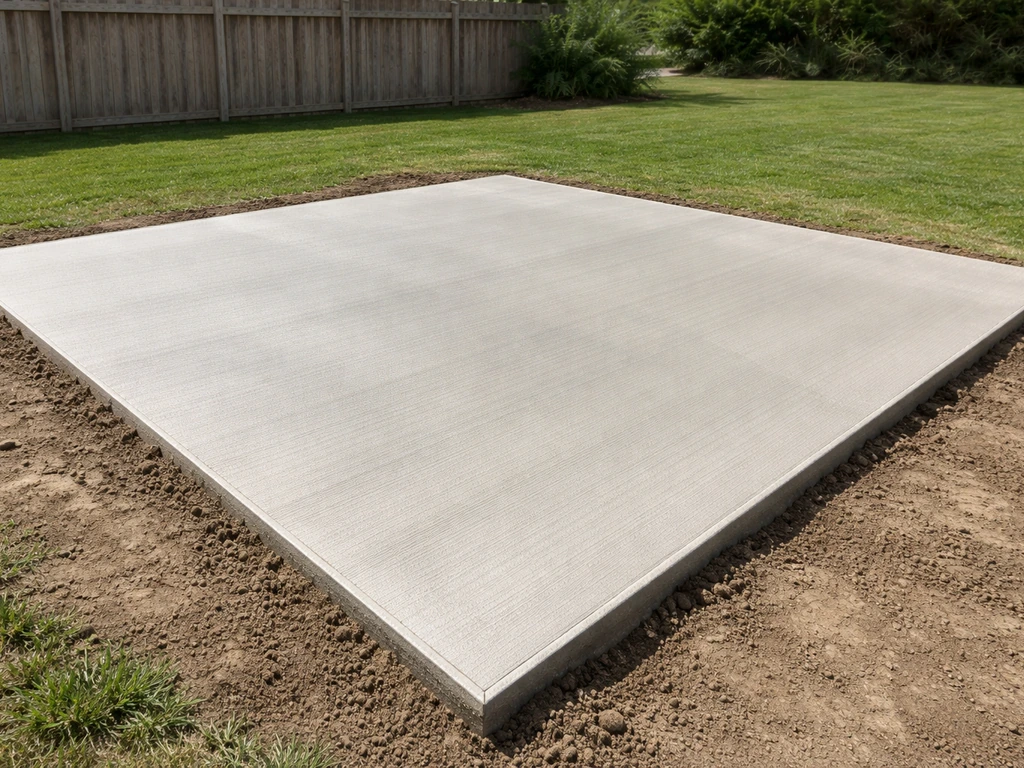
How Much Does a 12x12 Concrete Patio Cost in 2026?
Get a real budget range for a 12x12 concrete patio in 2026, plus cost drivers, quote checklist, and DIY vs pro tips.
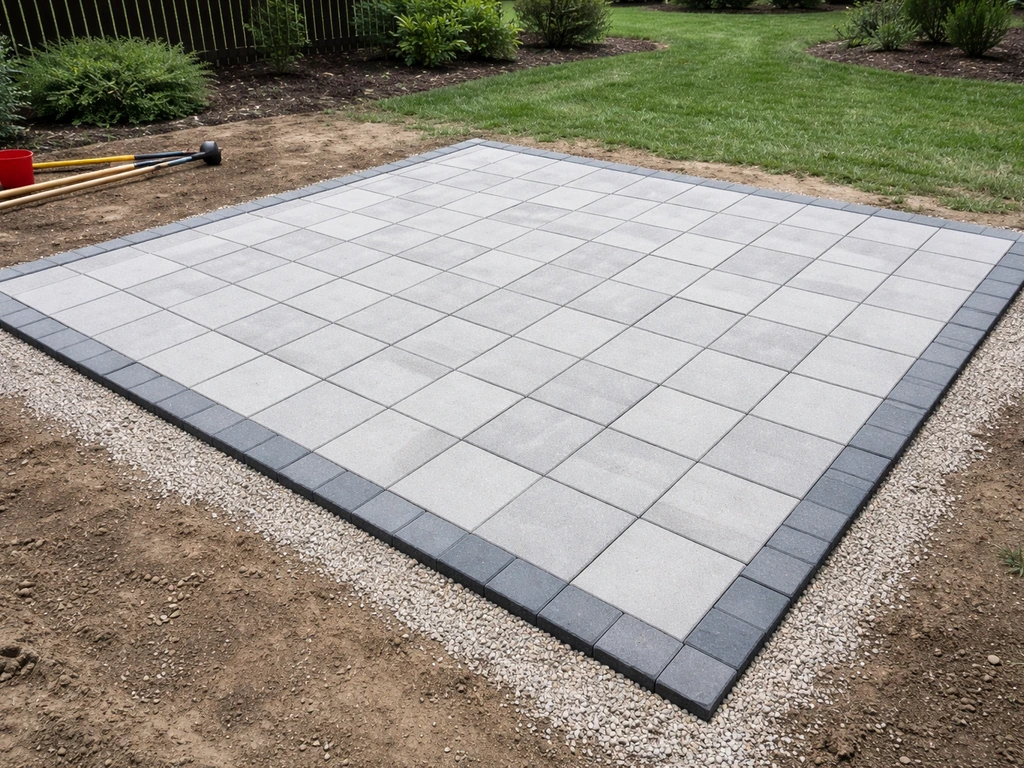
How Much Does a 12x12 Paver Patio Cost? Full Budget Guide
Get a real cost range for a 12x12 paver patio, with line-item materials, labor, add-ons, and DIY vs contractor tips.
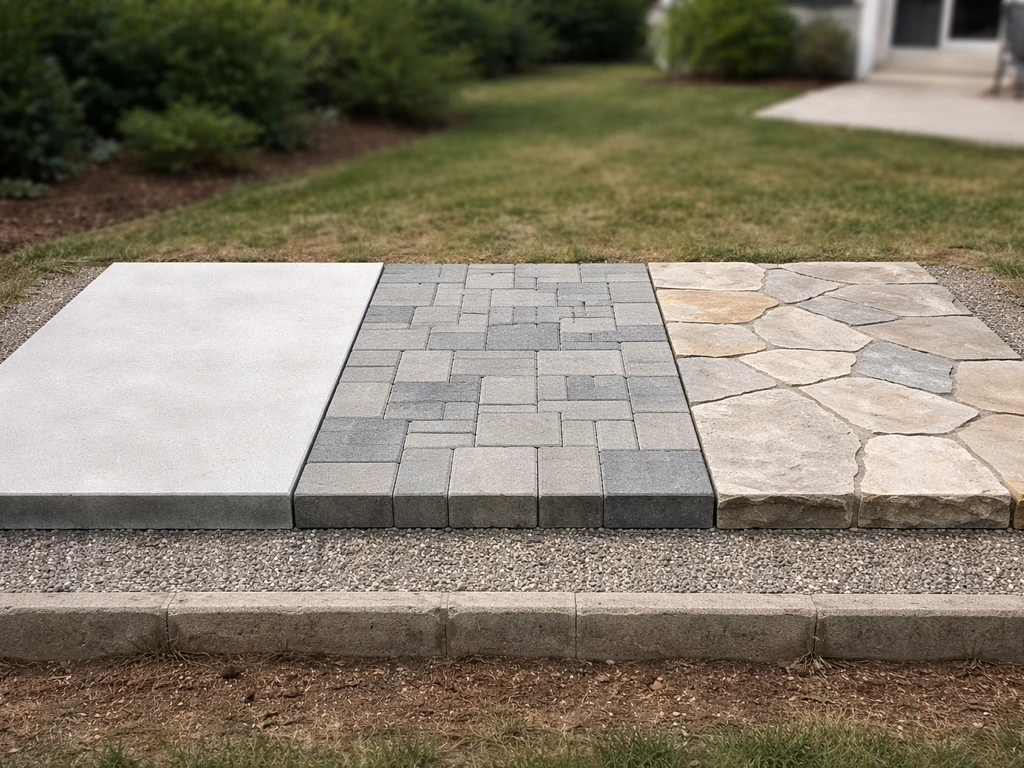
How Much Should I Expect to Pay for a Patio
Patio cost guide with real price ranges by size and material, full line-item budget, DIY vs install, and quote checklist