
Most homeowners pay between $8 and $20 per square foot for a professionally installed back patio in 2026, which puts a common 12x12 patio somewhere between $1,150 and $2,900 for plain concrete, and $2,200 to $7,000+ for pavers or natural stone. The exact number depends heavily on your material choice, your site conditions, and where you live. If you're wondering how much does an outdoor patio cost, use these material and site factors to estimate a realistic installed range before you request quotes. If your yard is dead flat and needs no drainage work, you'll land near the low end. If you have clay soil, a slope, or you want a complex stamped pattern, budget toward the top.
How Much Does a Back Patio Cost in 2026? Prices by Type

Felix Carver
10 Jun 2026
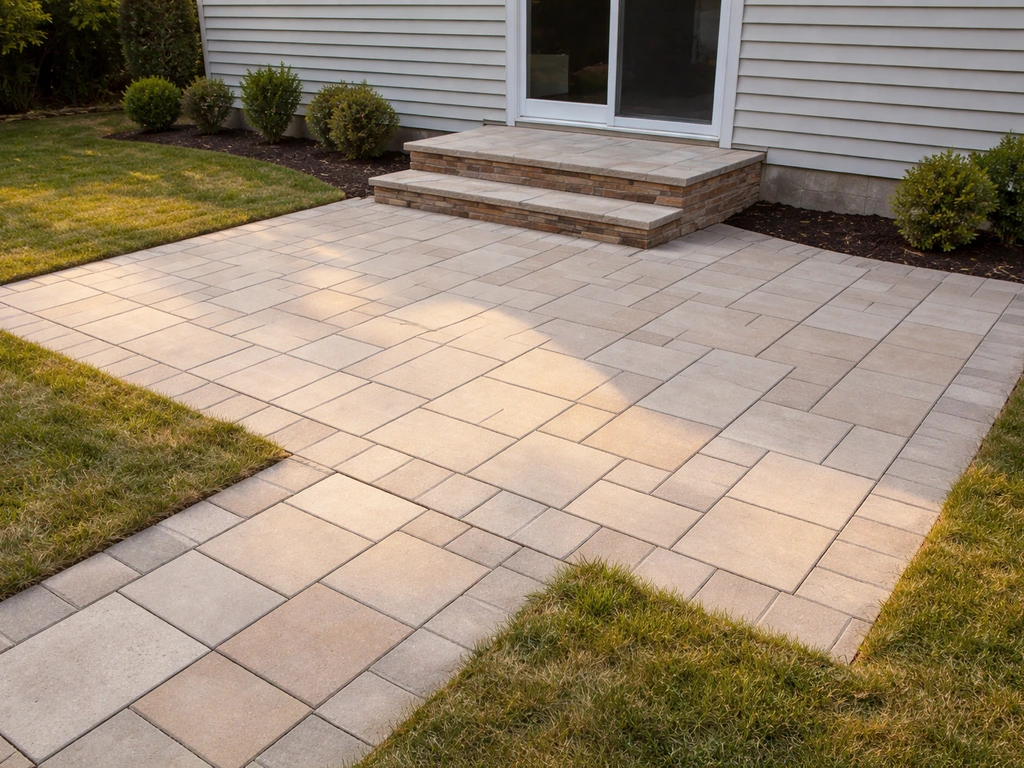
Typical back patio costs by size and finish
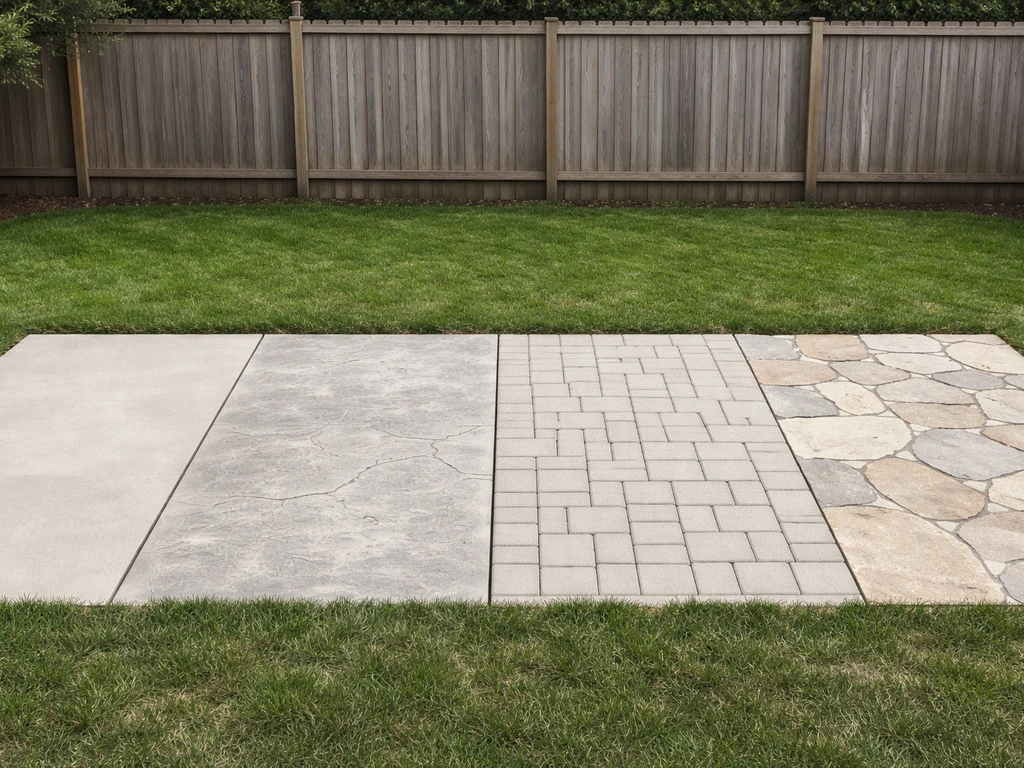
Before diving into material breakdowns, here's a quick reference for what real installed projects cost at common sizes. These ranges assume professional installation, standard site prep, and no major grading or drainage work. They cover the most popular finishes so you can see at a glance where your project lands.
| Patio Size | Plain Concrete | Stamped Concrete | Pavers | Flagstone / Natural Stone |
|---|---|---|---|---|
| 10x10 (100 sq ft) | $400 – $1,200 | $800 – $3,000 | $1,400 – $2,200 | $1,500 – $3,000 |
| 12x12 (144 sq ft) | $575 – $1,730 | $1,150 – $4,320 | $2,000 – $3,170 | $2,160 – $4,320 |
| 16x16 (256 sq ft) | $1,025 – $3,070 | $2,050 – $7,680 | $3,580 – $5,630 | $3,840 – $7,680 |
| 20x20 (400 sq ft) | $1,600 – $4,800 | $3,200 – $12,000 | $5,600 – $8,800 | $6,000 – $12,000 |
| 20x30 (600 sq ft) | $2,400 – $7,200 | $4,800 – $18,000 | $8,400 – $13,200 | $9,000 – $18,000 |
These are installed totals, not just material costs. They include labor, base prep, and standard edging. They do not include covered roofs, pergolas, outdoor lighting, or built-in steps, which all add cost on top. If your project includes any of those, treat this table as your starting floor.
Cost by patio material: what each surface actually runs
Plain concrete
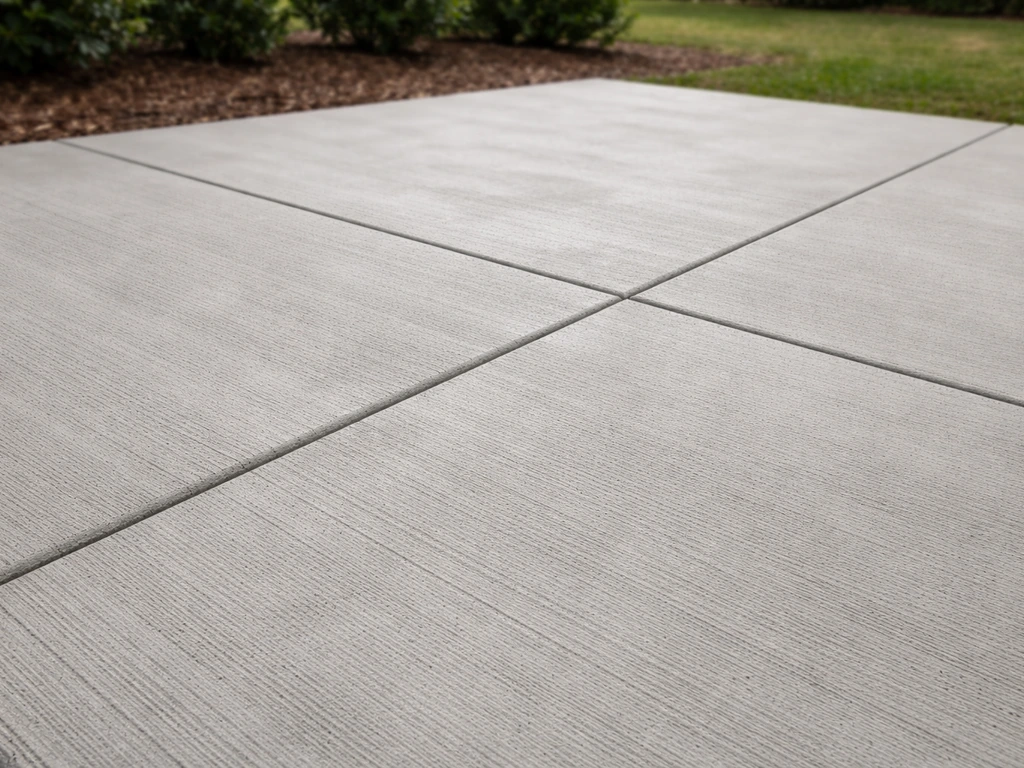
Plain poured concrete is the most budget-friendly hard surface you can get installed. HomeAdvisor puts the average at around $10 per square foot, with a full range of $4 to $30 per square foot depending on thickness, reinforcement, and finish. HomeGuide narrows plain concrete to $4 to $12 per square foot installed, which is more representative for a standard 4-inch slab with rebar or wire mesh. A broom finish (the most basic option) sits at the low end. A smooth or exposed-aggregate finish adds a dollar or two per square foot. Plain concrete is durable, low-maintenance, and resaleable, just not especially exciting to look at.
Stamped concrete
Stamped concrete gives you the look of stone or pavers at a lower material cost, but the labor is more specialized and the pricing reflects that. Angi puts the range at $5 to $15 per square foot, with a project average around $7,700. HomeGuide extends the decorative concrete range up to $30 per square foot for high-complexity work with multiple colors, custom borders, and intricate patterns. A single-color, single-pattern job is much closer to $8 to $12 per square foot. Where stamped concrete trips people up: it needs to be sealed every two to three years (add $1 to $3 per square foot each time), and if it cracks, repairs are visible and expensive because matching the color and pattern is difficult.
Concrete pavers
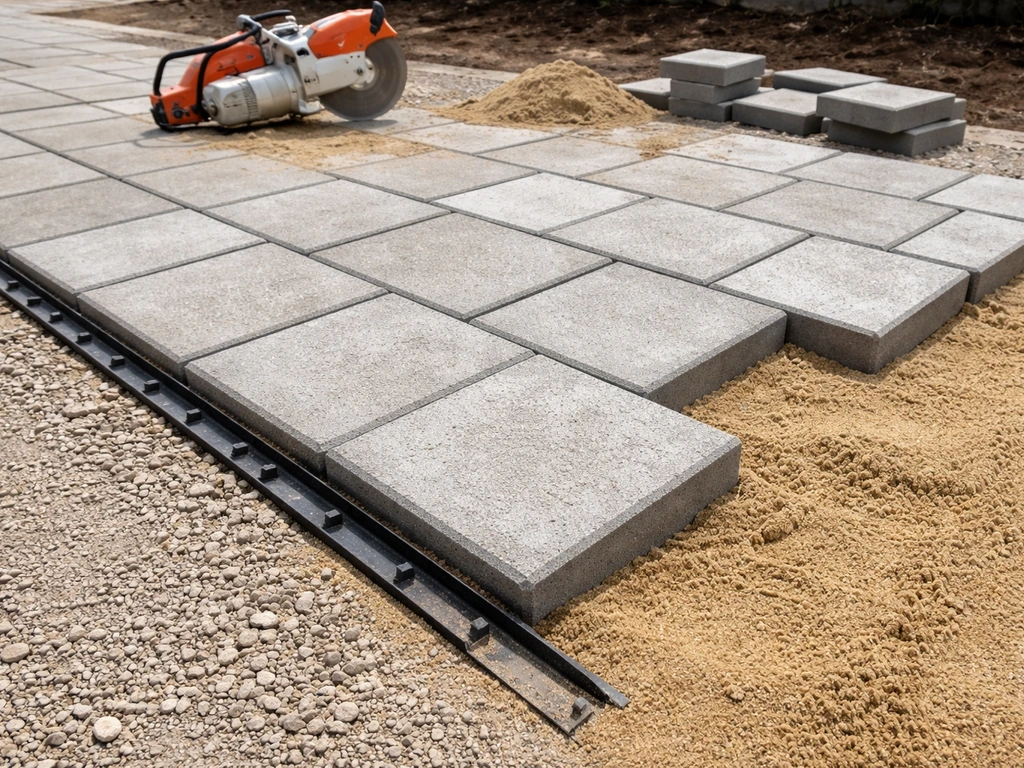
Concrete pavers (the manufactured kind, like Belgard or Unilock) run $14 to $22 per square foot installed on average, though simpler patterns with standard pavers can come in closer to $12. Angi reports professional paver installation labor alone at $4 to $11 per square foot, so material quality is what drives the rest of the cost. Pavers are popular because they're durable, individual units can be replaced if one cracks, and they handle freeze-thaw cycles better than a poured slab. The downside is that weeds can creep through joints over time, and cheap polymeric sand needs to be refreshed every few years.
Brick pavers
Genuine clay brick pavers cost a bit more than concrete pavers, typically $14 to $25 per square foot installed. They're extremely durable (they were used in roads for a reason), and the color runs all the way through, so they don't fade the way surface-colored concrete can. They're heavier and slightly harder to cut, which adds a little to labor. If you want a classic, traditional look that holds up for 50+ years with minimal maintenance, brick is hard to beat.
Flagstone
Flagstone is one of the more expensive options, with HomeAdvisor putting the professional installed range at $15 to $30 per square foot. The stone itself (Pennsylvania bluestone, travertine, Tennessee crab orchard, etc.) costs $4 to $6 per square foot for DIY buyers, but the cutting, fitting, and labor for irregular natural stone takes significantly more time than laying uniform pavers. Mortared flagstone on a concrete base sits at the high end of that range. Dry-laid flagstone on compacted gravel is cheaper to install but shifts more over time. Flagstone looks stunning and ages beautifully, but it is a premium product.
Natural stone (bluestone, travertine, slate)
Cut or gauged natural stone (uniform thickness, sawn edges) is easier to install than irregular flagstone but still expensive. Bluestone in cut form runs $20 to $35 per square foot installed. Travertine is popular in warmer climates and runs $15 to $30 per square foot. Slate is at the lower end of natural stone, around $15 to $25 per square foot installed. All natural stone requires sealing and some maintenance, but the look and longevity justify the price for a lot of homeowners.
| Material | Installed Cost Range (per sq ft) | DIY Material Cost (per sq ft) | Maintenance Level | Best For |
|---|---|---|---|---|
| Plain Concrete | $4 – $12 | $1 – $3 | Low | Budget builds, clean modern look |
| Stamped Concrete | $8 – $30 | $2 – $5 (+ rental tools) | Medium (sealing needed) | Stone/paver look on a budget |
| Concrete Pavers | $12 – $22 | $3 – $7 | Low-Medium | Flexible design, easy repairs |
| Brick Pavers | $14 – $25 | $4 – $8 | Low | Classic look, extreme durability |
| Flagstone | $15 – $30 | $4 – $6 | Medium | Natural, organic aesthetic |
| Cut Natural Stone | $15 – $35 | $6 – $12 | Medium | Premium finish, high resale appeal |
DIY vs. hiring a pro: what you actually save (and where it backfires)
On paper, DIY looks attractive. Labor is typically 40 to 60 percent of a patio installation cost, so if you're paying $18 per square foot to have pavers installed, roughly $4 to $11 of that is labor. On a 400 square foot patio, that's $1,600 to $4,400 in potential savings. In reality, most homeowners who go full DIY on a patio end up saving 20 to 35 percent at best, not 50 percent, because the hidden costs stack up fast.
Here's what DIYers consistently underestimate: base material (4 to 6 inches of compactable gravel or crushed stone) costs $25 to $45 per ton delivered and you need more than you think. A plate compactor rental runs $80 to $150 per day and you'll likely need it for two days. Edging restraints, polymeric sand, landscape fabric, and stakes add another $1 to $2 per square foot. And if you skip or rush any of these steps, you'll have a patio that settles unevenly, heaves in winter, or grows weeds through every joint within two seasons.
Concrete is the most unforgiving DIY choice. Pouring and finishing a concrete slab is genuinely skilled work. If you don't get the form level, the slope right, and the pour done before the concrete starts setting, you end up with a slab that pools water or has surface defects you can't fix. Stamped concrete is even harder because the stamping has to happen in a tight window. Most DIYers who attempt stamped concrete for the first time end up with a result that looks amateur. Pavers are the most DIY-friendly option, especially if your site is reasonably flat. Flagstone on a sand or gravel base is also manageable for a patient homeowner.
Where DIY realistically makes sense
- Laying concrete or natural stone pavers on a pre-prepped or flat site: savings of $4 to $10 per square foot are realistic
- Small patios under 200 square feet where the learning curve doesn't multiply across a huge area
- Dry-laid flagstone on gravel, where mistakes are fixable and no pour timing is involved
- Homeowners with prior landscaping or masonry experience who already own or can borrow tools
Where DIY consistently backfires
- Any pour of concrete larger than about 100 square feet, unless you've done it before
- Stamped concrete (the timing window is unforgiving and color matching requires experience)
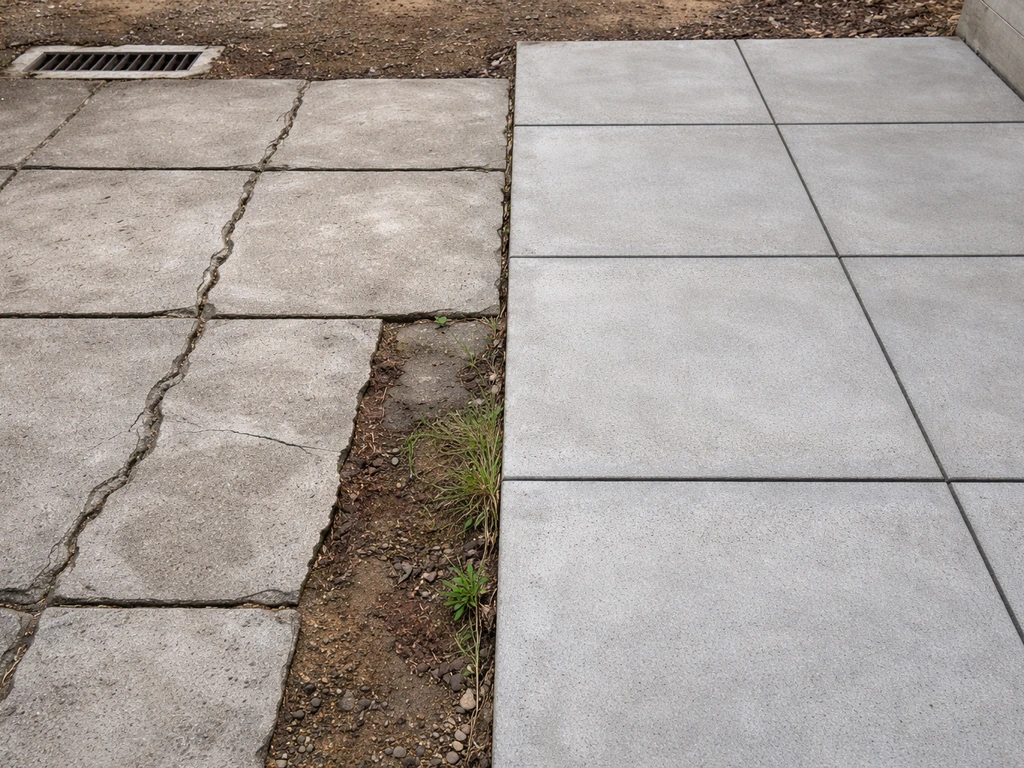
- Patios with slopes, drainage issues, or soil problems that need engineering and grading
- Mortared flagstone or natural stone, which requires mixing, timing, and consistent joint work
- Projects in cold climates where base thickness and drainage are critical to prevent frost heave
What actually drives your price up or down
The per-square-foot numbers are just a starting point. These are the specific factors that move your quote significantly from the average, and knowing them helps you understand why two bids for the 'same patio' can differ by thousands of dollars.
Site prep and grading
If your backyard is flat and has existing, well-drained soil, site prep is minimal and cheap. If you have a slope, clay soil, or standing water after rain, you're looking at grading, possibly retaining walls, and drainage solutions that can add $1,000 to $5,000 or more to the project before a single paver is laid. Never skip a conversation about drainage with your contractor. A patio that pools water is worse than no patio.
Base thickness and materials
A proper paver or stone base requires 4 to 6 inches of compactable gravel (more in freeze-thaw climates, sometimes 8 inches in northern states) plus 1 inch of bedding sand. Contractors who quote low often use a thinner base or skip the compaction steps. This saves money upfront and costs you a sunken, uneven patio in three to five years. Ask every contractor what their base spec is. It's a fast way to distinguish quality bids from cheap ones.
Old surface removal
Replacing an old concrete patio or wood deck? Demolition and disposal typically adds $1 to $3 per square foot, or $500 to $2,000 for most residential projects. Concrete disposal is heavier and more expensive than wood. Some contractors build this into their bid automatically; others quote it separately. Always ask.
Patterns, colors, and complexity
For stamped concrete, a single color with one basic pattern (like an ashlar slate) costs much less than a multi-color, multi-border, custom design. Each additional color or accent can add $1 to $3 per square foot. For pavers and brick, running-bond patterns are the cheapest to lay. Herringbone, basket weave, or mixed patterns with cut borders take more time and produce more waste, which adds $1 to $4 per square foot in labor and material.
Steps, edging, and built-in features
Steps from the back door down to the patio are one of the most common add-ons, and they're not cheap. Expect $300 to $700 per step for professionally built masonry steps. A two-step landing to a patio can add $600 to $1,400 to your project. Decorative edging (soldier-course brick, contrasting paver border, stone edging) adds another $5 to $15 per linear foot. These line items are often separated in contractor bids, so make sure you're comparing apples to apples when you get multiple quotes.
Permits
Many municipalities require permits for patios above a certain size, especially if they're attached to the house or include any drainage work. Permit costs vary widely, from $50 to $500. More importantly, unpermitted work can cause problems when you sell. Ask your contractor whether a permit is needed and who pulls it.
Regional pricing: how to adjust national averages for your area
National averages are useful starting points, but labor rates and material costs vary enough by region that the same patio can cost 30 to 50 percent more in one city than another. Here's a general framework for adjusting the numbers in this article to your local market.
| Region | Cost Adjustment vs. National Average | Notes |
|---|---|---|
| Northeast (NY, NJ, MA, CT) | +25% to +50% | High labor costs, union markets, expensive disposal fees |
| Mid-Atlantic (DC, MD, VA, PA) | +15% to +30% | Competitive market but higher material transport costs |
| Southeast (FL, GA, SC, NC) | -5% to +10% | Near national average; Florida has travertine advantages |
| Midwest (OH, IN, IL, MN) | -5% to +15% | Lower labor rates but thicker base required for freeze-thaw |
| South Central (TX, OK, TN) | -10% to +5% | Lower labor rates; heat and clay soil can add prep costs |
| Mountain West (CO, UT, AZ) | +5% to +20% | Material transport adds cost; desert soil prep can vary |
| Pacific Coast (CA, OR, WA) | +20% to +45% | Very high labor costs, strict permitting, high disposal fees |
The best way to pressure-test your regional adjustment is simple: get three local quotes. If two out of three quotes are clustering around the same number, that's your local market rate. If one is dramatically lower, ask why in detail. A contractor who comes in 30 percent below everyone else is either missing scope items, planning to use inferior base materials, or planning to subcontract to less experienced crews.
Climate also affects what type of patio makes sense regionally, not just what it costs. In northern states with hard freeze-thaw cycles, concrete pavers and natural stone with a thick gravel base outperform poured concrete, which tends to crack more. In hot, dry climates, concrete holds up very well and stamped concrete is especially popular. In rainy climates like the Pacific Northwest, drainage and slope are critical to prevent settling and erosion.
How to compare contractor quotes and budget accurately
Getting three quotes is the baseline, but just comparing the bottom-line number tells you almost nothing. Two quotes can be $4,000 apart for what looks like 'the same patio' because one contractor is using 4 inches of base and the other is using 6 inches, or because one includes edging restraints and disposal and the other doesn't. Here's how to make quotes actually comparable.
What to ask every contractor to specify in writing
- Total square footage being quoted and exact dimensions
- Base specification: depth, material (crushed stone, Class II base, etc.), and whether it includes compaction
- Bedding layer: sand type and thickness for pavers or stone
- Specific material brand, grade, and product name (not just 'pavers' or 'flagstone')
- Whether demolition and disposal of existing surfaces is included
- Drainage plan if your site has any slope or water issues
- Edging restraint type and whether it's included
- Whether joint sand (and what type) is included for pavers
- Number of steps, if any, and cost per step
- Sealing, if applicable, and whether it's included or quoted separately
- Permit responsibility and cost
- Payment schedule and what triggers each payment
- Warranty on labor and expected warranty on materials
How to sanity-check a bid using the numbers in this article
Take the quoted total, subtract any line items for demolition, steps, or extras, and divide by the square footage. That gives you the per-square-foot installed rate for the core patio. Compare that number against the ranges in the material table above, adjusted for your region. If a stamped concrete bid comes in at $6 per square foot installed in Boston, something is missing from the scope. If a plain concrete bid in rural Texas comes in at $22 per square foot, you're being overcharged or there's significant site prep you haven't accounted for.
A reasonable budget buffer is 10 to 15 percent above the quoted price for most projects. That covers minor scope changes, unexpected soil conditions, or a slight material overage. If your contractor asks for more than 30 percent upfront as a deposit, that's unusual for a residential patio job and worth questioning. A typical structure is 10 to 30 percent down, with progress payments tied to milestones, and the final 10 to 15 percent held until you're satisfied with the finished work.
Back patio vs. deck: a quick cost comparison
If you're still deciding between a patio and a deck, the cost comparison is closer than most people think. A ground-level wood deck runs $15 to $35 per square foot installed, and a composite deck runs $25 to $60 per square foot. That means a mid-range paver patio ($14 to $22 per square foot) is often cheaper than even a basic composite deck, and it's lower maintenance over the long term. Decks make more sense when your backyard has significant grade change (a raised deck is easier than retaining walls) or when you need a specific height to match a door threshold. For flat or gently sloping yards, a patio almost always wins on cost and longevity.
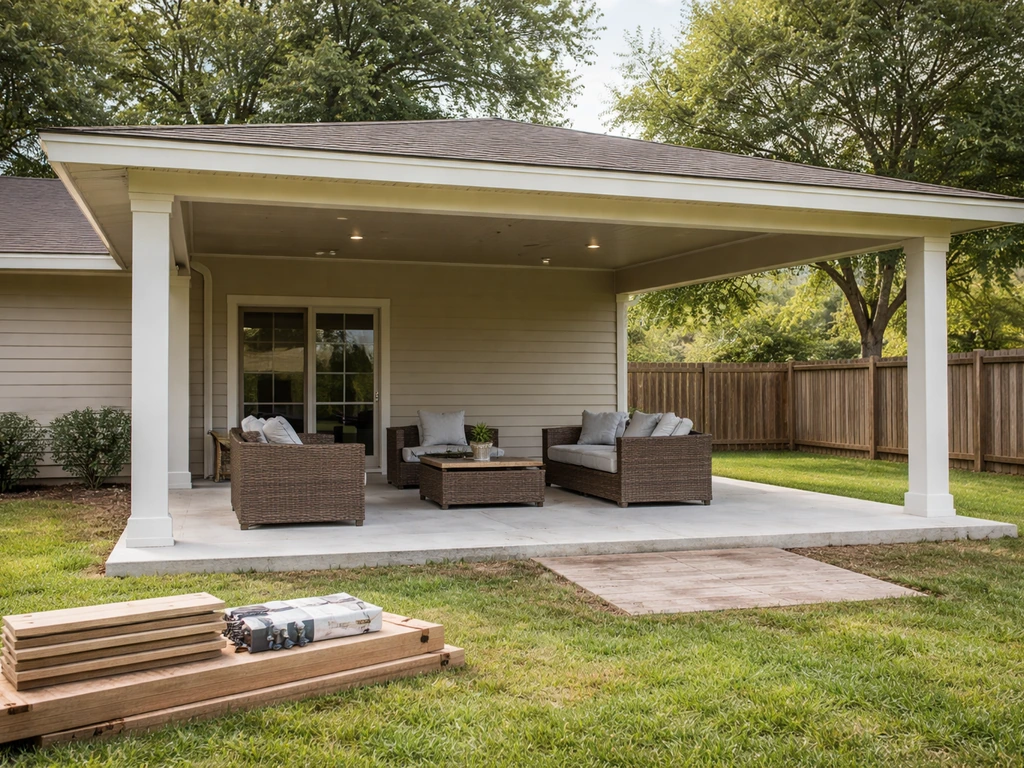
If you're also thinking about adding a roof or pergola over your patio, or a covered structure, those costs are a separate category entirely and layer on top of the patio installation itself. A patio roof is usually priced per square foot and depends on the roofing material, size, and whether posts are needed how much does it cost to build a patio roof. Covered patios can run significantly more than an uncovered patio, so budget for the roof structure separately from the patio surface and base covered structure. The same goes for outdoor kitchens, fire pits, or lighting circuits. Scope those as add-ons once you have a firm patio baseline number, rather than bundling everything into one vague estimate.
Your next steps before getting quotes
- Measure your desired patio area and sketch the shape, including any steps or transitions to the yard
- Walk the site after a heavy rain and note where water pools or drains, so you can describe it to contractors
- Pick two or three materials you're genuinely considering using the cost table above to narrow your budget range
- Get at least three itemized quotes from licensed local contractors, not just ballpark numbers over the phone
- Ask each contractor for two or three local references for completed patios in the same material you're considering, and actually call them
- Use the per-square-foot sanity check to compare bids on an equal footing before making a decision
FAQ
Why can two quotes for the same-size back patio differ so much?
Assume a similar per-square-foot rate only if the patio is truly the same size and finish. If your contractor plans to install pavers or stone over a thick base, add a different number of steps, or include drainage, the “extra” can be several thousand dollars even on a patio that looks identical from 10 feet away. Ask for the base thickness, edging type, and whether disposal is included.
How do I tell whether I’m comparing comparable patio bids?
They can both be correct, but they are usually pricing different scope. The quickest check is to compare the thickness of the base (for example, 4 to 6 inches vs. a thinner base), whether compaction is specified, and what is included for edging and drainage. If one bid excludes permits, demolition, or hauling, you are not comparing apples to apples.
How much does soil quality or drainage affect how much a back patio costs?
Your cost estimate can change dramatically if you are on expansive clay or if the ground holds water after rain. In those cases, you may need additional excavation, subgrade stabilization, or a drainage plan, which is often priced as a separate line item. Before signing, ask the contractor how they handle slope, runoff direction, and standing water within the patio footprint.
Do I need to worry about patio movement or separation from the house?
If your patio is attached to the house, ask whether the contractor is installing a proper separation joint or using a method to manage differential movement. Without that detail, concrete and pavers can crack or settle near the foundation, and repairs tend to be localized but costly. This is especially important on freeze-thaw sites.
When do back patio permits actually apply, and who should handle them?
A permit may be required based on patio size, attachment to the structure, grading, or drainage work, and the rules vary by city or county. Even if the contractor says it is not needed, ask who is responsible for checking requirements and whether they will pull the permit. Unpermitted work can complicate resale or inspections later.
What should I expect to pay if I’m replacing an old patio or deck?
If you have an existing concrete slab or deck, demolition and hauling can add meaningfully to the total, and sometimes the removal method changes the price. Concrete disposal is typically more expensive than wood, and some contractors include it while others charge separately. Get clarity on what is being removed, how thick it is, and how debris is hauled away.
What hidden or ongoing maintenance costs can change the total back patio cost?
Yes, especially for materials that require sealing or special upkeep. Stamped concrete typically needs resealing every few years, and natural stone often needs sealing too, which adds ongoing cost beyond the initial installation. Ask for the recommended re-seal interval for your specific finish, and include that in your 5-year budget.
What details do homeowners usually underestimate that drive DIY or low bids up?
Budget extra for the “hard to see” labor items: accurate grading, compaction passes, and finishing details like joints and edging restraints. Also, waste can be higher with complex patterns (for example, herringbone layouts) or when cuts are frequent. If a bid is unusually low, ask what pattern, base thickness, and waste allowance they are assuming.
How much do steps and landings add to a back patio budget?
If you want steps from the back door, cost can rise quickly because steps are both labor-intensive and tied to code-like alignment and drainage away from the house. Ask whether the bid includes landings, riser heights, treads, and whether the steps connect to the base and edging spec. Missing step details can make the patio surface look right but still create an expensive mismatch.
What deposit or payment terms are typical for patio installation?
Most contractors expect a deposit for scheduling and materials, but a very large upfront payment can be a red flag. A common residential structure is a portion down, payments by milestones, and a final holdback until completion. If they request more than about 30% upfront, ask what costs justify it and consider asking for a payment schedule in writing.
Next Articles

How Much Does It Cost to Build a Patio Roof
Patio roof cost ranges by size and material, plus pricing factors, labor vs materials, and DIY vs contractor budgeting.
How Much to Build a Covered Patio Cost Per Sq Ft Guide
Budget ranges and per-sq-ft costs to build or add a covered patio cover, comparing wood vs other materials and DIY vs in

How Much Will It Cost to Build a Patio? Prices by Size
Patio cost by size and material with contractor vs DIY breakdown, price ranges for common projects, and quote tips.