
A stone patio runs about $16 to $35 per square foot installed in 2026, materials and labor combined. HomeGuide reports installed stone patio pricing of $16, $35 per square foot (all-in materials plus installation) blank" rel="noopener noreferrer">$16–$35 per square foot. That puts a 12x12 patio somewhere between $2,300 and $5,000, and a 20x20 patio between $6,400 and $14,000, depending on the stone you choose, your base conditions, and who you hire. The wide range is real and not a cop-out: natural flagstone laid in mortar on a freshly excavated site costs dramatically more than dry-laid stepping stone on a flat yard with easy access. AskDoss (2026) notes patio installations often fall around $6 to $35 per square foot depending on materials, with flagstone tending toward the upper end based on method blank" rel="noopener noreferrer">natural flagstone laid in mortar on a freshly excavated site costs dramatically more. Below, I'll break down exactly what moves the needle so you can narrow that range for your specific project. To get a more precise estimate, measure your patio size and multiply the total square footage by the installed per-square-foot rate discussed above narrow that range.
How Much Does a Stone Patio Cost Per Square Foot?

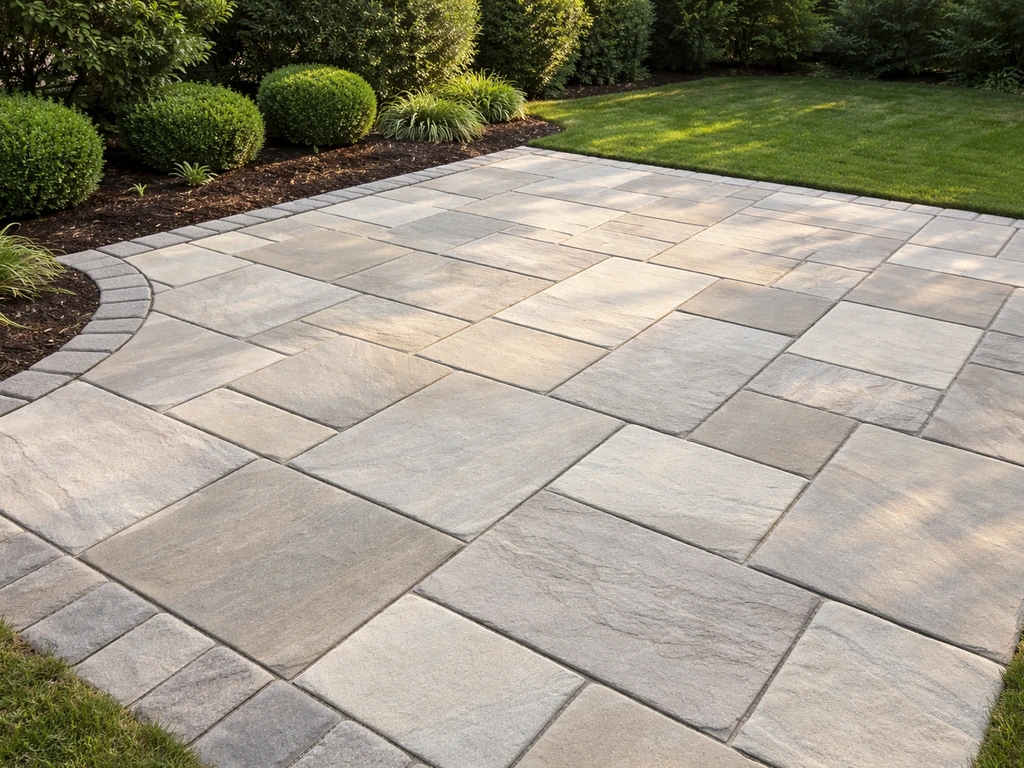
Typical stone patio cost per square foot (materials + labor)
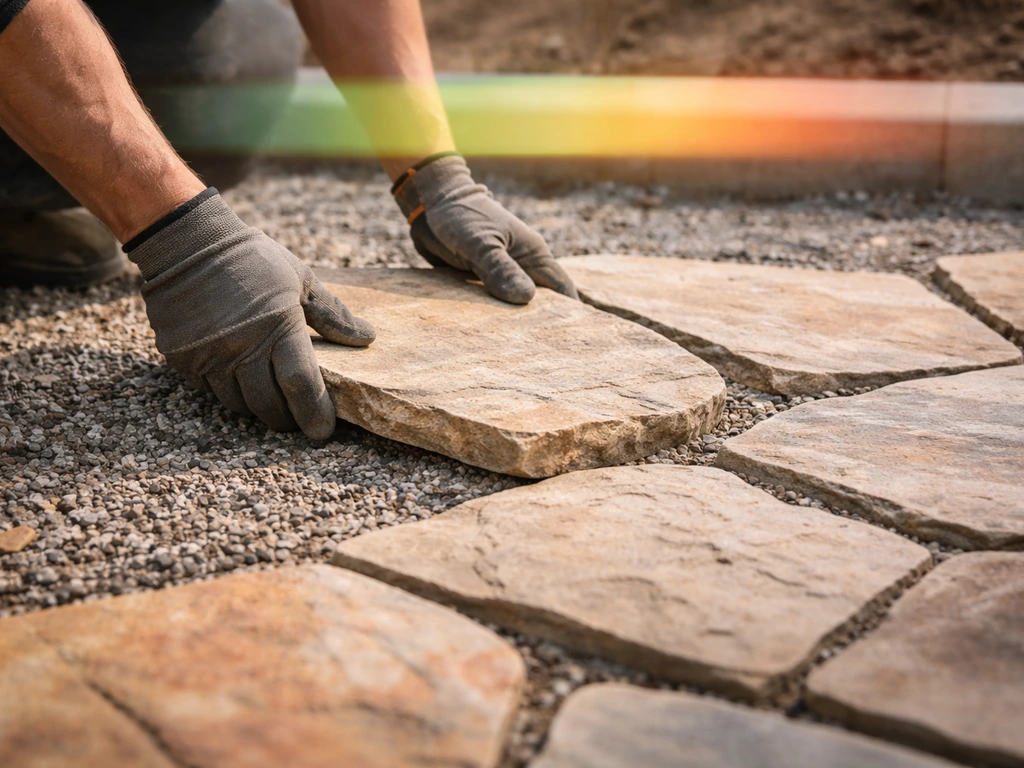
The most consistent data for 2026 puts all-in stone patio installation at $16 to $35 per square foot. HomeAdvisor puts a 300-square-foot natural stone patio at roughly $9,000 on average, with a realistic range of $6,250 to $11,500. Labor alone typically adds $3 to $17 per square foot depending on complexity. On the low end, you're looking at simple dry-laid fieldstone with a straightforward base. On the high end, you're dealing with premium cut bluestone, mortar setting, a full excavation, drainage, and edging. Most standard backyard projects with mid-range stone land in the $20 to $27 per square foot range after all costs are included.
One thing worth understanding: contractors price stone patios differently than they price concrete or pavers. With stone, there's more hand-fitting, more waste from cutting irregular pieces, and more variability in base depth based on the stone's thickness. That's why labor costs swing so widely from one quote to another, even for the same square footage.
What drives the price difference between stone patio quotes
Stone type and thickness
The stone itself is the single biggest variable. Irregular fieldstone and basic slate are on the cheaper end. Bluestone, travertine, and marble push costs up fast, with marble installations running $15 to $35 per square foot for the material alone before anyone picks up a shovel. Bluestone patios often cost more than the mid-range per-square-foot figures because of the stone type, thickness, and installation details. Cut rectangular bluestone (usually about 1.5 inches thick) costs more than irregular fieldstone but installs faster and looks more finished. Thicker stone requires deeper excavation, more base material, and more careful handling, all of which add to labor time.
Dry-laid vs. mortar-set installation
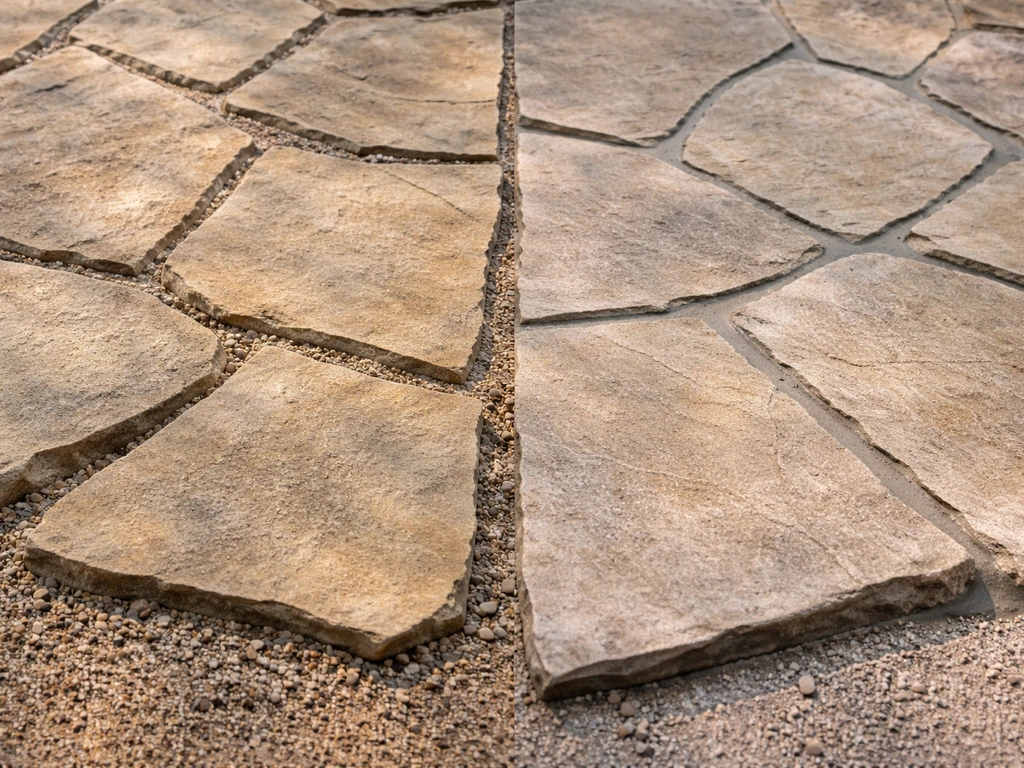
Dry-laid flagstone sits in a sand or gravel bed without mortar. It's cheaper to install (less labor, no mortar material cost) and easier to repair if a stone shifts later. Mortar-set or wet-laid stone gets bedded in mortar over a concrete base, which is more permanent, more level, and better for high-traffic areas, but it costs noticeably more. Forbes Home puts flagstone at $15 to $27 per square foot installed, with wet-laid at the top of that range. If you already have an existing concrete slab, mortar-setting flagstone over it costs less overall since you skip excavation and base prep.
Site conditions and access
Difficult access is a hidden cost a lot of homeowners don't think about. If a contractor can't get a skid steer or wheelbarrow to the back yard easily, they're hauling material by hand. That adds hours to the job. Sloped yards, wet soil, tree roots, or tight spaces around fences all drive up labor. This is one of the biggest reasons two quotes for the same square footage can be $3,000 apart.
Pattern and design complexity
A simple rectangular patio with consistent stone cuts is the cheapest to install. Curved edges, intricate patterns, multiple stone types, or a mosaic layout require more time cutting and fitting, which means more labor cost. If you want a custom design with inlaid borders or a mix of stone sizes, budget toward the upper end of that $35 per square foot range.
Local labor rates
Landscaping and hardscape labor rates run $50 to $120 per hour nationally in 2026. Contractors in the Northeast, West Coast, and major metro areas charge significantly more than those in rural Midwest or Southeast markets. A project that costs $18,000 in Boston might run $11,000 for the same work in rural Tennessee.
Full cost breakdown by line item
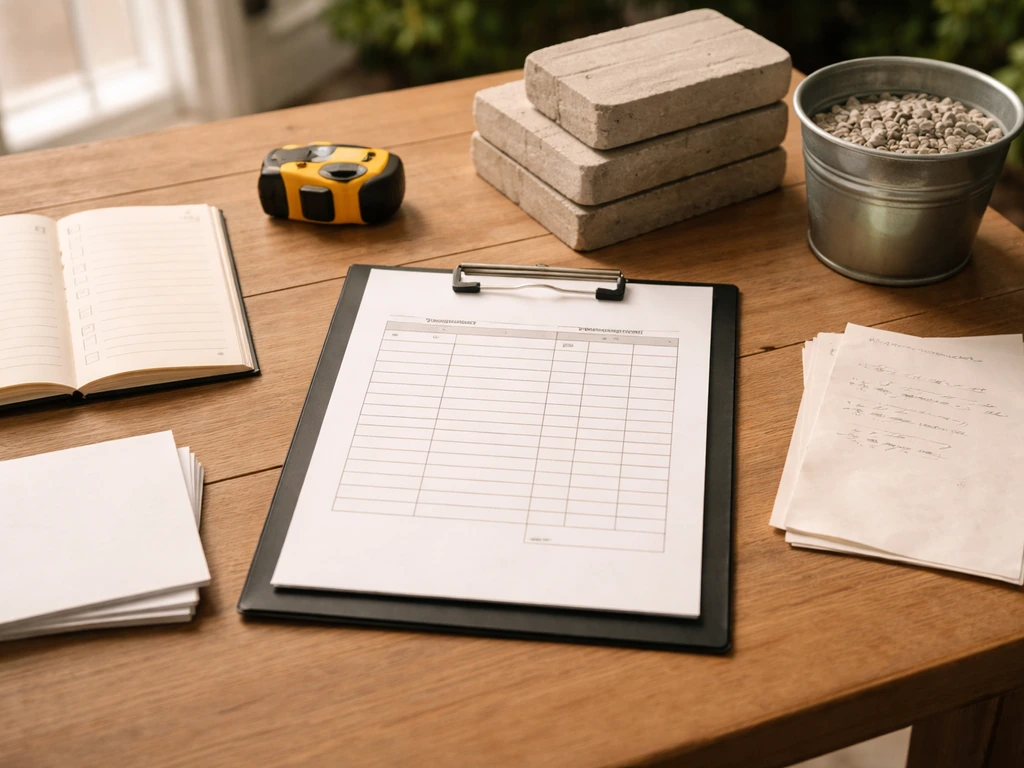
When you get a quote, here's what you should expect to see itemized. Cheap bids often leave these out, which is how you end up with surprise costs mid-project.
- Stone material: Typically $5 to $20+ per square foot depending on type. This is the biggest single cost and varies most by stone selection.
- Excavation and grading: Digging out 6.5 to 9.5 inches of soil in non-frost climates, more in frost-prone areas. Usually billed as a flat fee or per hour.
- Base aggregate: 4 to 6 inches of compacted gravel or crushed stone base is standard. Budget $1 to $3 per square foot for material.
- Bedding sand or mortar: About 1 inch of sand for dry-laid or a mortar bed for wet-laid. Small cost but must be in the quote.
- Geotextile/landscape fabric: Filter fabric between soil and base prevents migration of fines into the base over time. Often missing from budget bids.
- Edging and edge restraints: Keeps stone from migrating outward over time. Metal or plastic edging typically adds $1 to $2 per linear foot.
- Drainage: Grading away from the house is non-negotiable. Additional drainage solutions (French drains, catch basins) add $500 to $2,000+ depending on site.
- Joint fill: Polymeric sand for dry-laid stone resists weeds, washout, and insects. Regular sand is cheaper but needs more maintenance.
- Debris hauling and disposal: Excavated soil has to go somewhere. Some contractors include this, others charge extra.
Drainage and base prep together are the most commonly underquoted line items. If two bids have a $2,000 gap and one doesn't mention drainage or geotextile, that cheaper bid will likely cost you more later in repairs.
Stone patio costs for common sizes
Here are realistic all-in installed totals for the most common patio sizes, using the $16 to $35 per square foot range as the baseline. The low end reflects dry-laid fieldstone with straightforward site conditions; the high end reflects premium cut stone, mortar installation, and moderate site complexity.
| Patio Size | Square Footage | Low Estimate | High Estimate | Midpoint |
|---|---|---|---|---|
| 10x10 | 100 sq ft | $1,600 | $3,500 | $2,550 |
| 12x12 | 144 sq ft | $2,300 | $5,040 | $3,670 |
| 16x16 | 256 sq ft | $4,096 | $8,960 | $6,528 |
| 20x20 | 400 sq ft | $6,400 | $14,000 | $10,200 |
| 20x30 | 600 sq ft | $9,600 | $21,000 | $15,300 |
The 300-square-foot average HomeAdvisor reports ($6,250 to $11,500) lines up well with this range. Keep in mind that per-square-foot costs often drop slightly on larger projects because setup, mobilization, and base equipment costs are spread over more square footage. A 10x10 may actually cost more per square foot than a 20x20 from the same contractor.
DIY vs. hiring a contractor
Going DIY on a stone patio can save you $3 to $17 per square foot in labor, which on a 200-square-foot project is potentially $600 to $3,400 back in your pocket. That's real money. But there are things DIY often misses that end up costing more later. If you are estimating total pricing, start with your square footage and then add base prep, drainage, and edging to get closer to the real number of how much to build a stone patio.
The most common DIY failure point is base prep. A 4-inch minimum base depth is necessary to prevent frost heave and settling. Many first-timers skimp on base thickness or skip the geotextile fabric, and within two winters the patio is uneven, stones are rocking, and joints have weeds growing through them. Polymeric sand sounds easy to apply but requires proper joint width, dry conditions, and correct tamping to activate correctly. Wrong joint widths or premature wetting leads to washout or a gummy surface that attracts debris.
DIY also tends to miss proper drainage grading. Water needs to slope away from the house foundation, typically 1 inch of drop per 8 feet. Mess that up and you're directing runoff toward your basement. That's a much bigger problem than an uneven stone.
Where DIY makes the most sense: simple dry-laid fieldstone or stepping stone projects on flat, accessible ground where you're comfortable renting a plate compactor and doing the base work correctly. Where it gets risky: mortar-set stone, steep grades, large areas, or anywhere near the foundation. If you're unsure, at minimum hire a contractor to handle excavation and base prep, then set the stone yourself. That hybrid approach can save $1,500 to $3,000 while keeping the critical structural work professional.
How stone stacks up against other patio options
Natural stone is one of the more expensive patio materials you can choose. Here's how it compares to the main alternatives so you can decide if the premium is worth it for your situation.
| Patio Type | Installed Cost (per sq ft) | Durability | Maintenance | Best For |
|---|---|---|---|---|
| Natural stone (flagstone, bluestone) | $16–$35 | Excellent | Low–moderate (joints need attention) | Premium look, long-term investment |
| Brick pavers | $10–$17 | Very good | Low | Classic look, budget-friendly premium |
| Concrete pavers | $10–$17 | Very good | Low | Uniform look, DIY-friendly |
| Stamped concrete | $8–$19 | Good | Low–moderate (sealing needed) | Budget-conscious, decorative |
| Basic concrete slab | $6–$12 | Good | Very low | Lowest cost, utilitarian |
| Flagstone (dry-laid) | $15–$27 | Good–excellent | Moderate (weeds in joints) | Natural aesthetic, lower budget |
If you want the look and longevity of natural stone but need to keep costs down, dry-laid flagstone is often the best middle ground, landing closer to $15 to $20 per square foot. Brick patios offer a similar classic aesthetic at lower installed costs, and concrete pavers give you the most flexibility for DIY work. Brick patios are often priced on the same per-square-foot basis, so if you're wondering how much is a brick patio per square foot, you can use your patio area and compare labor and base prep line items. Stamped concrete can mimic stone patterns at roughly half the price, though it doesn't have the same feel underfoot and needs periodic resealing to maintain appearance.
One comparison worth flagging: if your yard has significant grade changes or drainage issues, some of those lower-cost options (especially stamped concrete) can crack and fail sooner than natural stone, which can be releveled and repaired piece by piece. The long-term math sometimes favors stone even if upfront costs are higher.
It's also worth comparing a patio to a deck if you're still in the planning phase. Pressure-treated wood decks start around $15 to $25 per square foot, putting them in a similar range to mid-grade stone. Composite decks run $25 to $45 per square foot. Decks make more sense on sloped lots where grading a flat patio would require significant excavation or retaining walls.
How to budget accurately and get useful quotes
Before you call anyone, measure your space and sketch the shape. Know your approximate square footage and whether you want dry-laid or mortar-set. That one question alone will change every number in the conversation.
Get at least three quotes, and ask each contractor to provide an itemized breakdown, not a single lump sum. If a contractor won't itemize, move on. You need to see stone material cost, base aggregate depth and material, excavation, edging, drainage plan, joint fill type, and hauling separately. That's the only way to compare quotes apples to apples.
Specific questions to ask every contractor:
- What is the base depth you're planning, and what material are you using?
- Are you including geotextile fabric between the subgrade and base?
- How are you handling drainage? What is the finished slope away from the house?
- What type of edge restraint are you using, and is it included in the quote?
- What joint fill product are you using (polymeric sand or regular sand)?
- Is excavated soil hauling and disposal included?
- What stone are you quoting, and can I see samples or a spec sheet?
- What does your warranty cover, and for how long?
A quick way to sanity-check a quote: multiply your square footage by $20 for a mid-range estimate. If a quote comes in significantly below that, ask what's missing. If it's well above $30 per square foot, ask what's driving the premium. Legitimate reasons include premium stone, difficult access, significant drainage work, or mortar installation. Vague answers are a red flag.
For budgeting purposes, add a 10 to 15 percent contingency to whatever total you're planning for. Excavation almost always turns up surprises, stone waste on irregular cuts is real, and if drainage issues are discovered mid-project, addressing them properly costs money. Better to budget for it upfront than to cut corners on base prep to save a few hundred dollars.
FAQ
Does the per-square-foot price assume the patio’s finished area, or total excavation size?
Most quotes are based on usable patio area, but some contractors price using “up to” dimensions and charge for irregular cut-offs as additional stone. Ask whether the price includes waste allowance (often 10% to 20%) and whether they measure the patio net size (between finished edges) or gross footprint (including border pieces).
How do wet-laid (mortar-set) and dry-laid patios affect cost per square foot?
Yes, but it changes the math. Wet-laid (mortar set) usually requires a more engineered base, and it often includes a concrete slab or a thicker, compacted aggregate layer plus drainage and edging. Dry-laid typically uses a sand or gravel bed and joint fill, so request the specified base thickness for each method.
Why might a smaller patio cost more per square foot than a larger one?
Relatively small patios can cost more per square foot because mobilization, equipment setup, and minimum labor hours get spread across fewer tiles. A 10x10 project often won’t be the same unit price as a 20x20 even with the same stone and layout.
What design details most commonly increase labor and waste even if square footage stays the same?
Cut-throughs for patterns, borders, and fitting around posts or plantings can raise material waste and labor. In your quote request, ask for the expected stone cutting approach (wet saw vs manual cuts) and whether border stones are counted separately as an add-on line item.
Can I lower the price if I already have an existing concrete slab?
Yes. If you have an existing concrete slab, you may be able to skip excavation, but the contractor may still require grinding or leveling, a separation membrane, and verified drainage falls. Ask whether they are bonding to concrete, installing over it with an appropriate base, or requiring slab replacement.
Does the type of joint fill (sand, polymeric sand, mortar) change the quote?
Joint fill type can materially change the end cost. Ask whether joints will be sand, polymeric sand, or mortar, and confirm the required joint width range and what conditions trigger reapplication (for example, rain timing during curing).
Are demolition and disposal costs typically included in the per-square-foot rate?
Expect differences if you need new edging, but also if you need removal of landscaping, old pavers, or haul-away of debris. Ask for a line item that separates demolition and disposal, because “installation” quotes sometimes assume the area is already bare.
How should limited backyard access affect my estimate?
Hauling can be a hidden driver when access is limited, but it is often misrepresented as “labor.” Ask how materials will be moved (skid steer delivery vs wheelbarrow hand carry) and whether that access constraint changes the base depth or drainage scope.
Does timing of the project (season or weather) impact how much a stone patio costs?
Yes, region and season matter. Labor rates vary by market, and in winter climates contractors may pause or charge more for excavation and drainage work due to soil conditions and freeze risk. Ask whether pricing changes based on when work starts and the current weather-related constraints.
What drainage items should be explicitly listed in an itemized patio quote?
If drainage is missing from the scope, you can see later costs for lifting, re-leveling, or repairs. Require a drainage plan line item that states where water goes, the proposed slope, and whether geotextile and proper base drainage layers are included.
Are permits or inspections ever included, and when might they be required?
Get clarity on whether the contractor includes permits, inspections, or engineering for complex drainage. If the patio ties into a retaining wall, is near a foundation, or changes runoff paths, those approvals can add time and cost. Ask who pulls permits and what is excluded.
If I DIY part of the job, what tasks are worth paying a contractor for to avoid expensive rework?
For DIY, base prep and drainage grading are the biggest risk areas that can destroy value later. If you go hybrid, many homeowners save money by hiring excavation, base leveling, and drainage, then doing dry-lay placement and final joint filling themselves (if the contractor permits that division of scope).
What should I ask if one quote is significantly cheaper per square foot than the others?
A good sanity check is to compare to mid-range installed pricing, but you should also verify scope matches. If a quote is far below typical per-square-foot pricing, ask what stone grade is included, whether it includes base thickness and geotextile, and whether it includes edging and hauling.
What information should be itemized so I can compare quotes apples to apples?
A better question than “what is the cost per square foot” is “what exactly is included per square foot.” Ask for a breakdown listing stone type and thickness, base aggregate depth, compaction requirements, edging type, drainage components, joint fill method, and waste allowance.
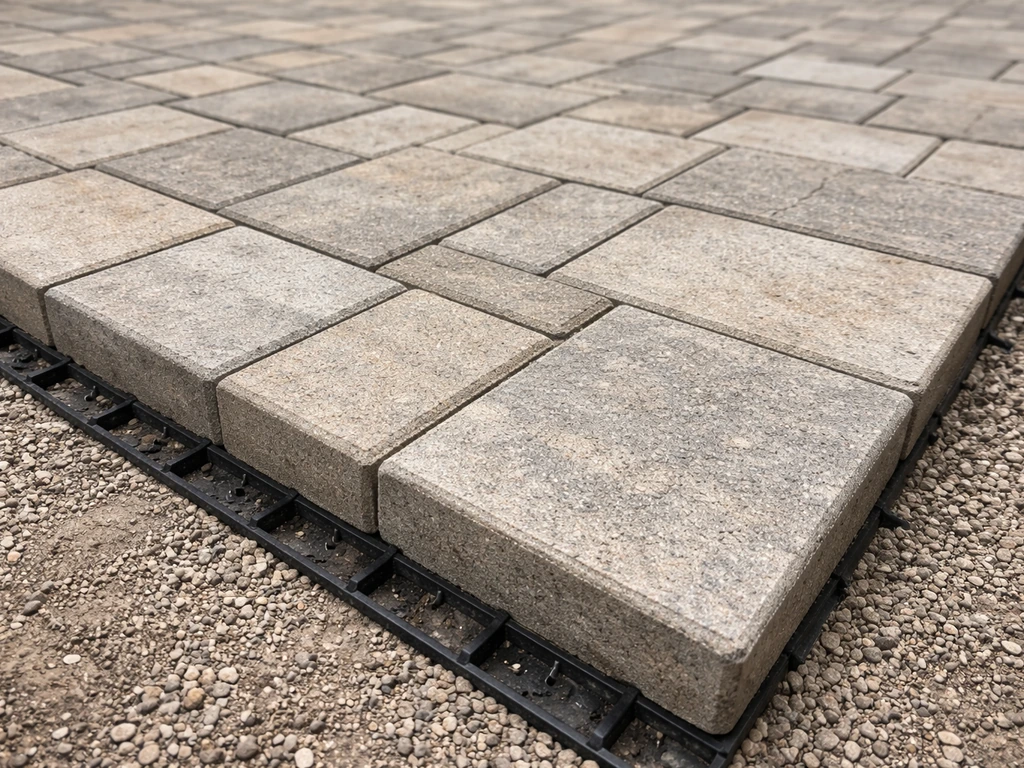
Patio block prices by material and size, plus DIY vs pro costs, budgeting tips, and what affects total installation.
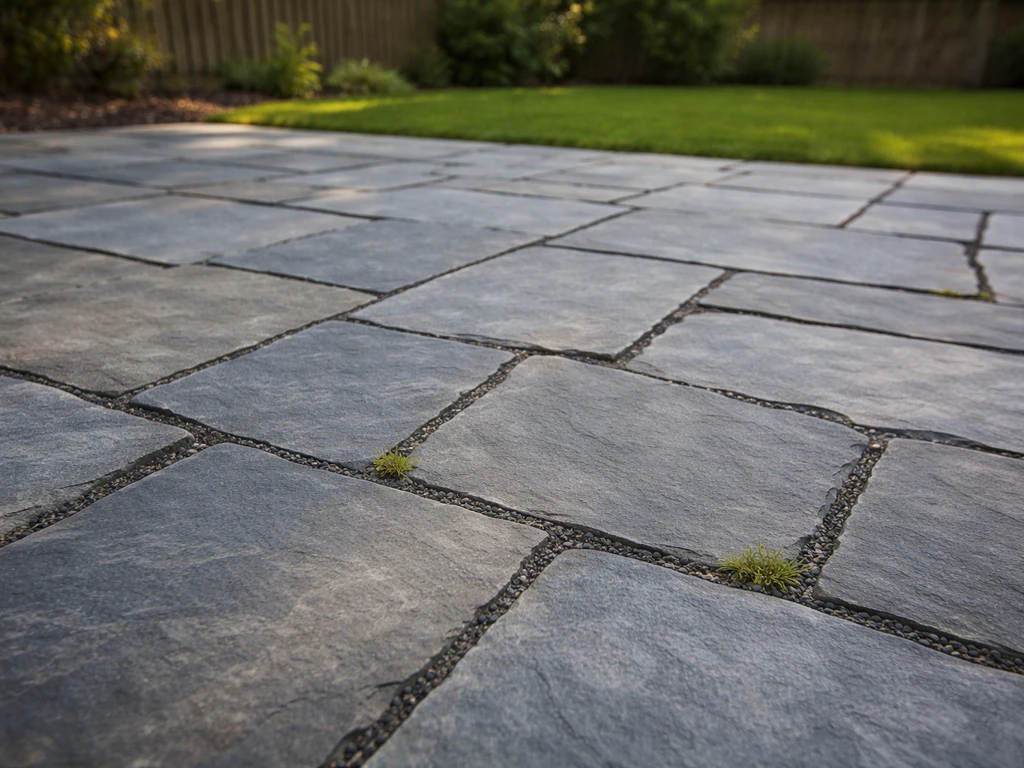
Bluestone patio cost breakdown with installed pricing ranges, per sq ft math, and example totals for common patio sizes.
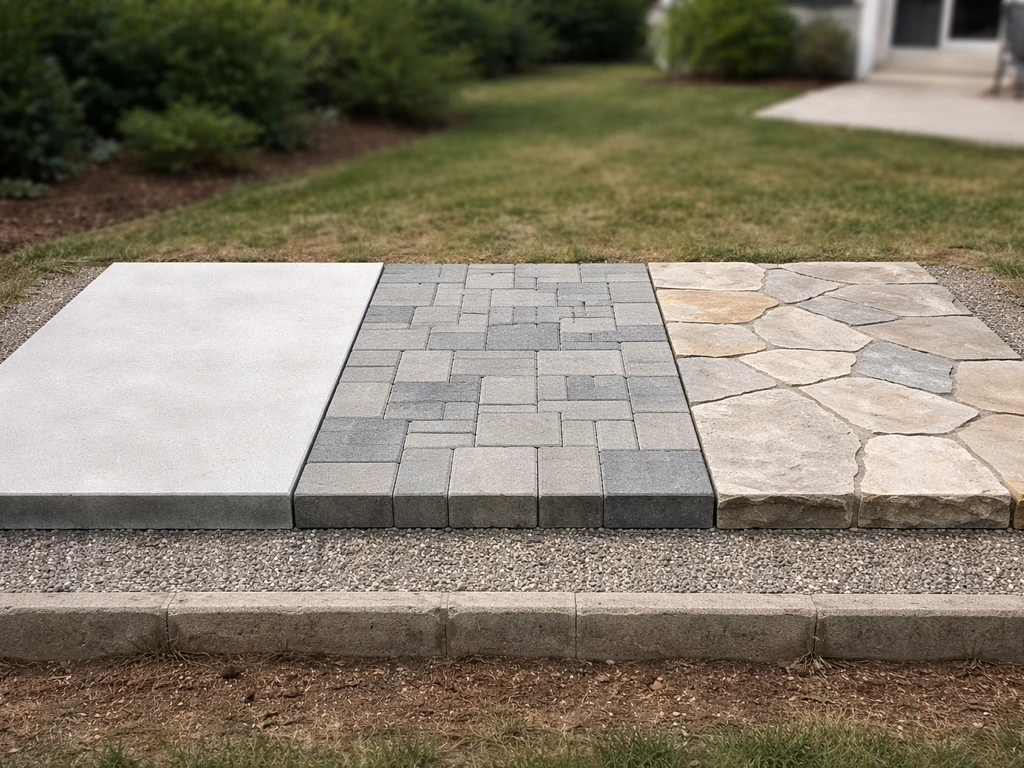
Patio cost guide with real price ranges by size and material, full line-item budget, DIY vs install, and quote checklist