
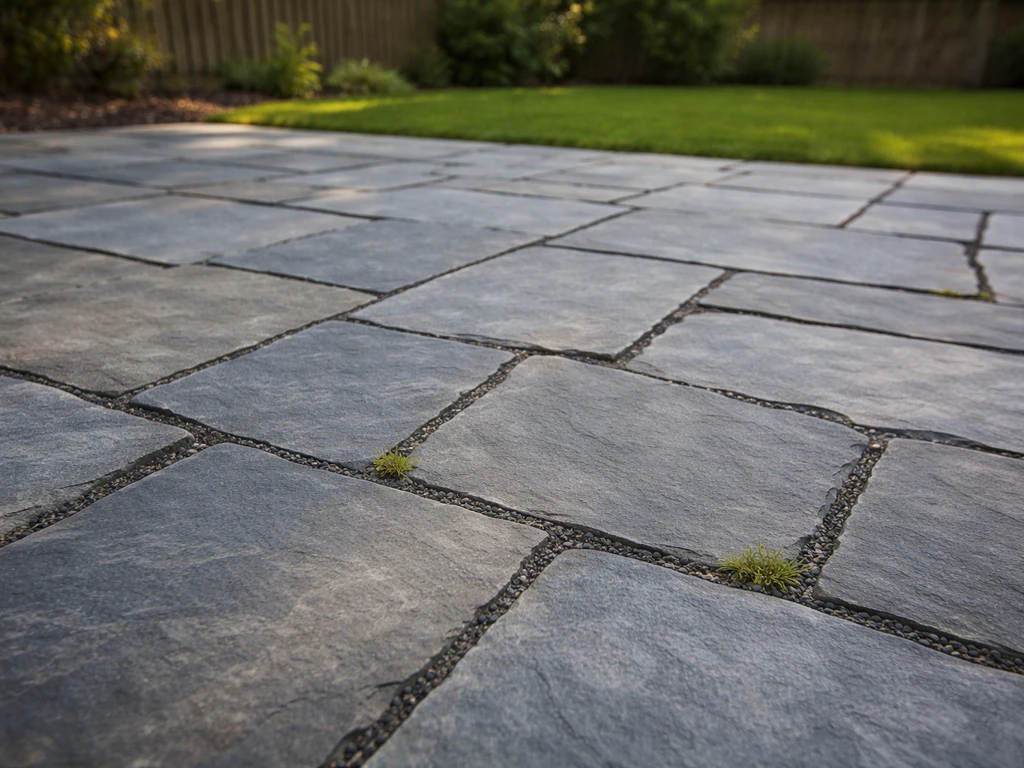
A professionally installed bluestone patio typically runs $17 to $30 per square foot all-in, which puts a 200-square-foot patio somewhere between $3,400 and $6,000 and a larger 400-square-foot project between $6,800 and $12,000. Most homeowners land around $18 to $25 per square foot for a straightforward install on reasonably flat ground with good drainage. If your site needs extra excavation, difficult grading, or a complex pattern, you'll be pushing toward the top of that range or past it.
How Much Does a Bluestone Patio Cost? Installed Pricing
Felix Carver
8 Jun 2026
What a bluestone patio actually costs installed
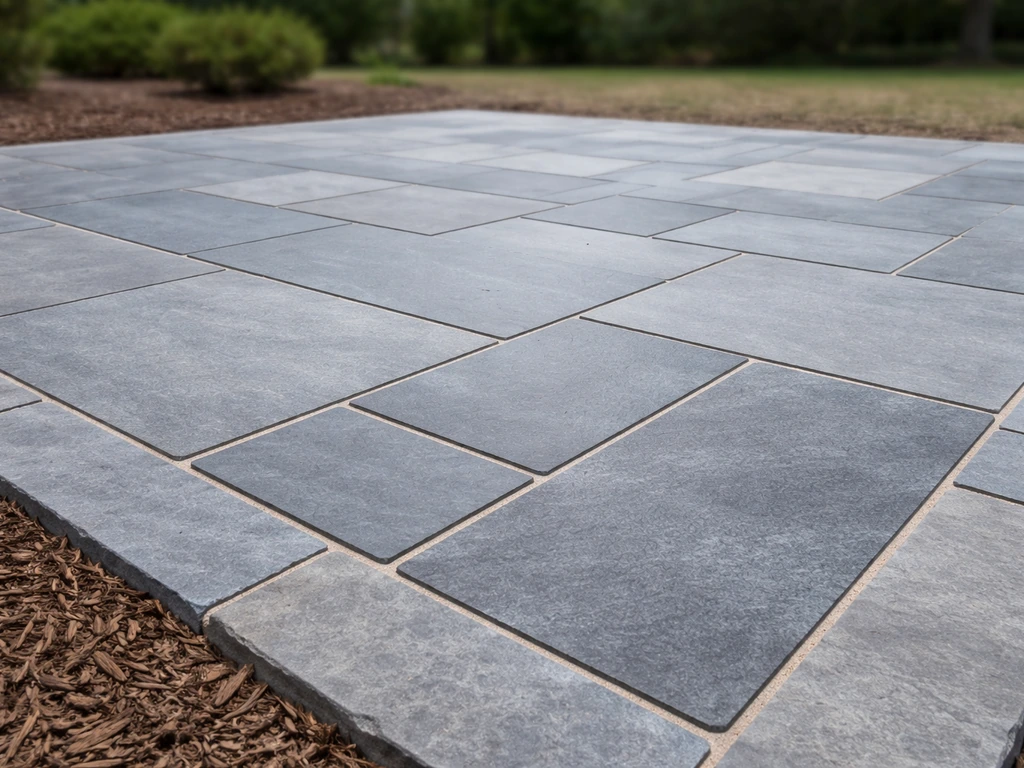
Aggregated pricing from multiple estimating sources for 2025-2026 consistently clusters in the $17 to $30 per square foot range for a fully installed bluestone patio. Angi pegs the average project around $3,500 with a typical range of $2,700 to $4,200, which reflects a modest-sized patio on a manageable site. HomeAdvisor and HomeGuide both land on $16 to $25 per square foot as the installed norm, while Fixr pushes the ceiling to $30 per square foot for more complex jobs. That spread isn't random: it reflects real differences in site prep, stone grade, pattern complexity, and regional labor costs.
Bluestone costs more than poured concrete and most concrete pavers, but it's in the same ballpark as other natural stone options. If you're also comparing against a brick patio or flagstone patio, bluestone tends to run a bit higher per square foot than brick but is comparable to quality flagstone. The premium is mostly in the stone itself and the skill required to cut and set irregular or dimensional pieces properly.
Bluestone material costs per square foot
Material-only pricing for bluestone runs roughly $5 to $12 per square foot depending on the grade, cut, and where you buy it. Pennsylvania bluestone from a stone yard can run as low as $8.50 to $10.44 per square foot for standard options, or up to $12.50 per square foot for premium color selections. New York bluestone (sometimes called 'true blue' for its richer color) is generally at the top of that range. Tumbled or irregular flagging styles are often less expensive than precisely cut dimensional pieces because less fabrication is involved.
Thickness matters too. Most residential patio bluestone comes in 1-inch to 1.5-inch slabs. Thicker stone costs more per square foot and weighs more, which also affects delivery and handling costs. Any special treatments like sealing or brushing can add another $1 to $2 per square foot to material costs. For DIY budgeting, use $5 to $12 per square foot as your baseline for the stone itself before adding anything else.
Full cost breakdown: what you're actually paying for
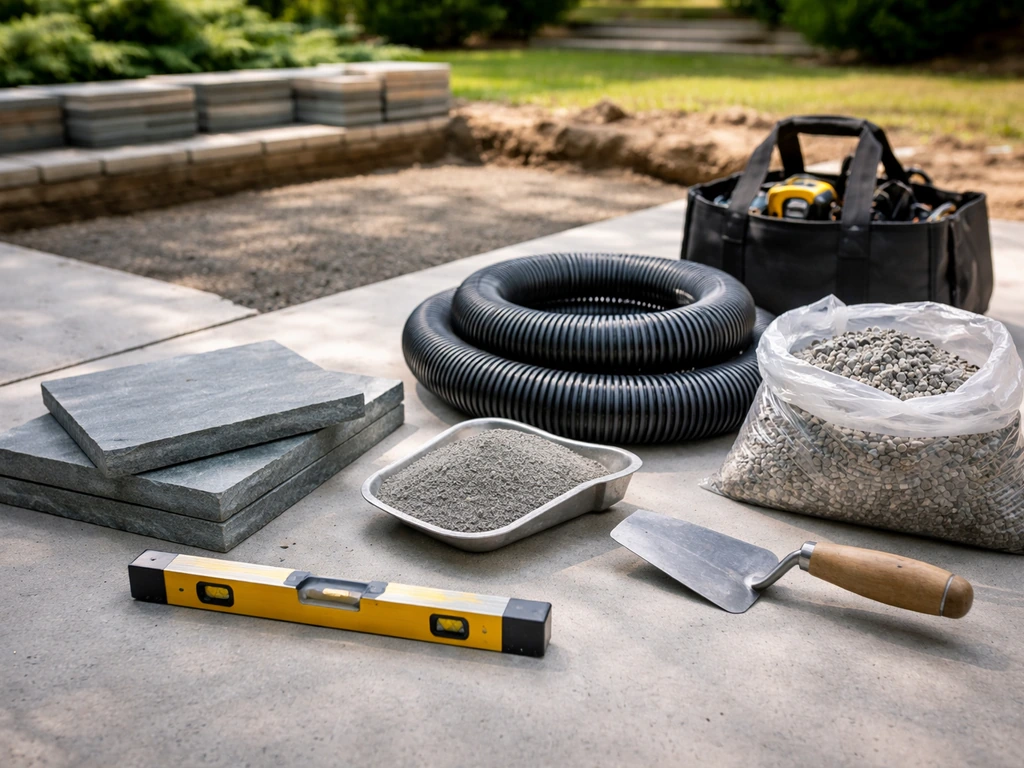
When a contractor quotes you a total number, that price is covering several distinct cost buckets. Understanding them helps you spot low bids that are skipping important steps.
| Cost Component | Typical Range (per sq ft) | Notes |
|---|---|---|
| Bluestone materials | $5 – $12 | Grade, thickness, and cut type affect this most |
| Base materials (gravel, sand, geotextile) | $1.40 – $2.20 | Includes road base, bedding sand, joint sand, and fabric |
| Labor (installation) | $11 – $13 | More for complex patterns or tight cuts |
| Excavation and site prep | $1 – $3+ | Deeper digs or sloped sites cost more |
| Edge restraints | $1 – $2 | Sometimes bundled into base material cost |
| Polymeric sand (joints) | Included or $0.50 – $1 | Often part of labor quote; confirm it's included |
| Sealing (optional) | $2.20 – $3.25 | Worthwhile for longevity; sometimes quoted separately |
| Old patio removal | $1 – $5 | Only if replacing an existing surface |
| Base removal (if needed) | Up to $10 | If existing base is compromised and must be dug out |
Adding those line items up for a typical install: $8 to $12 for stone, $1.40 to $2.20 for base materials, and $11 to $13 for labor gets you to roughly $20 to $27 per square foot before any site-specific complications. That lines up closely with the $17 to $30 range you see across estimating sources. HomeGuide estimates the nationwide average cost of a bluestone patio at $17 to $25 per square foot (installed) $17 to $30 range you see across estimating sources. The outlier on the low end usually means simpler stone or a smaller premium cut; the outlier on the high end usually means complex site conditions or a decorative pattern.
How much for common patio sizes
Here's what those per-square-foot numbers look like translated into real project budgets at common patio sizes. These use $17 per square foot as the low end (simple install, standard grade stone) and $30 per square foot as the high end (premium stone, complex layout, difficult site).
| Patio Size | Square Footage | Low Estimate ($17/sq ft) | Mid Estimate ($22/sq ft) | High Estimate ($30/sq ft) |
|---|---|---|---|---|
| 10 x 10 | 100 sq ft | $1,700 | $2,200 | $3,000 |
| 12 x 12 | 144 sq ft | $2,448 | $3,168 | $4,320 |
| 12 x 16 | 192 sq ft | $3,264 | $4,224 | $5,760 |
| 16 x 16 | 256 sq ft | $4,352 | $5,632 | $7,680 |
| 20 x 20 | 400 sq ft | $6,800 | $8,800 | $12,000 |
| 20 x 30 | 600 sq ft | $10,200 | $13,200 | $18,000 |
Most families with a typical backyard patio project land in the 200 to 400 square foot range, which puts a realistic all-in budget somewhere between $4,000 and $10,000. If you're getting quotes significantly below $4,000 for a 200-square-foot patio, ask exactly what base prep is included, because that's usually where corners get cut.
What drives the price up or down
Site conditions and excavation

The biggest variable most people don't see coming is what's underground. A standard patio install calls for digging down about 6 inches to create room for a compacted gravel base and a 1-inch sand bedding layer before the stone goes in. If your yard is sloped, has clay soil, poor drainage, or roots in the way, that excavation gets more expensive fast. Removing an existing patio base that's compromised can add up to $10 per square foot on its own.
Stone grade, thickness, and pattern
A simple running-bond or random flagstone layout in standard-grade Pennsylvania bluestone costs far less than a custom geometric pattern using premium true-blue New York stone cut to tight tolerances. Pattern complexity drives up labor hours significantly, and thicker 1.5-inch stone costs more in both materials and handling. If budget is tight, a tumbled or irregular style is the most affordable option and still looks great.
Drainage and grading
Any contractor doing this correctly will slope the patio away from your house at a minimum 1 to 2 percent grade for drainage. If your site needs a French drain, channel drain, or regrading to handle runoff, that adds cost but is not optional in freeze-thaw climates where water pooling causes heaving and cracking. Budget at least a few hundred dollars extra if your yard has known drainage issues.
Skipped steps that look like savings
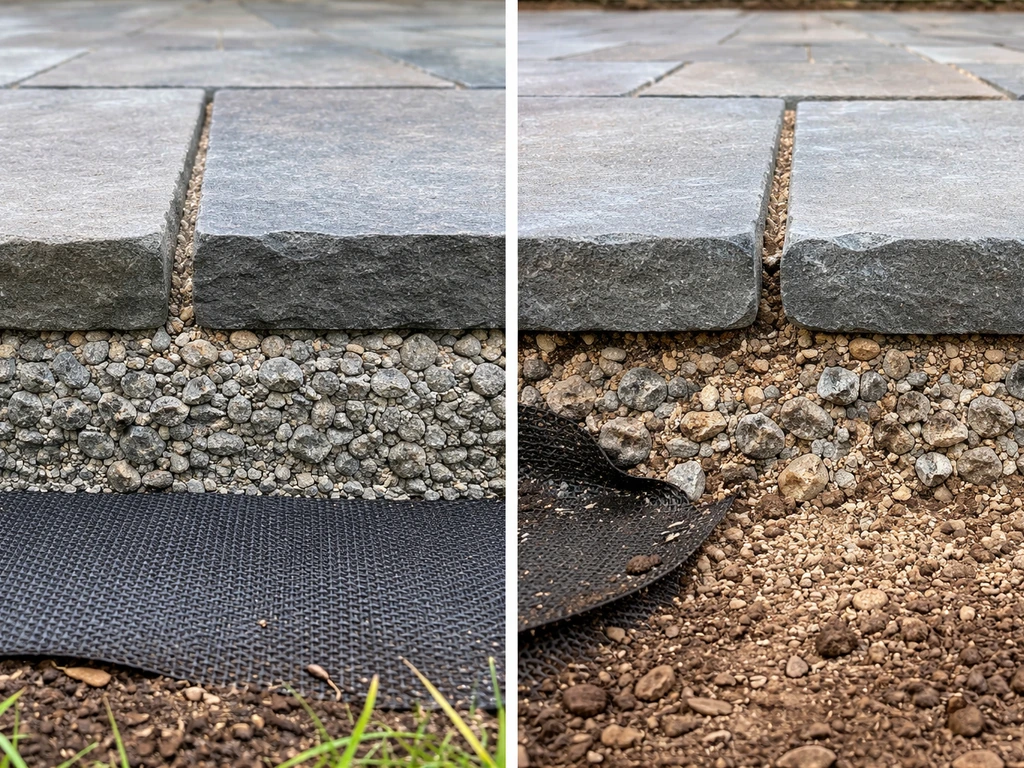
Geotextile fabric, proper compaction, polymeric jointing sand, and edge restraints are the items that low bids often leave out. Geotextile adds roughly $150 to $500 for a typical patio but prevents base contamination over time. Polymeric sand hardens into joints to resist weeds and displacement, and it's a genuine long-term value. These aren't upsells, they're standard practice. If a bid doesn't include them, ask why.
Regional labor rates
Contractor labor for bluestone patio work runs about $50 to $80 per hour, or roughly $11 to $13 per square foot installed. That range looks similar nationwide, but in high-cost markets like the Northeast or coastal California, you'll hit the top of that range more often. In the mid-Atlantic and New England states where Pennsylvania and New York bluestone is quarried locally, you sometimes get a break on material shipping costs that offsets higher labor rates.
DIY vs. hiring a contractor
DIY is genuinely viable for bluestone patio work if you're comfortable with physical labor, have access to a plate compactor (rental runs about $75 to $150 per day), and are laying a relatively flat area without complicated cuts or drainage work. Your material cost for the stone alone will be $5 to $12 per square foot, plus base materials at around $1.50 to $2 per square foot, plus equipment rental and sand. A realistic DIY budget for a 200-square-foot patio might land around $1,500 to $3,000 in materials and rentals, compared to $3,400 to $6,000 professionally installed. That's real savings.
But there are pitfalls. The base prep is where most DIY patios fail. Inadequate compaction, wrong gravel depth, or improper drainage grading leads to settling, cracking, and frost heave within a few winters. Cutting bluestone cleanly also requires either a wet saw or careful scoring, and irregular flagstone requires an eye for pattern layout that takes time to develop. Polymeric sand installation has its own gotchas: you need to apply it in the right conditions and keep rain off it for at least 24 hours after installation, or it won't harden correctly.
The honest recommendation: if your site is flat, the area is under 200 square feet, and you have a free weekend plus patience, DIY can work well. For anything larger, sloped, or near the house foundation where drainage is critical, hire a pro. The savings on a large complex project aren't worth the risk of a failed base.
How bluestone compares to other patio materials
Bluestone is a premium natural stone option. Here's a quick sense of how it stacks up against common alternatives on installed cost. If you need a benchmark for budgeting, stone patio costs per square foot is a helpful comparison point alongside the bluestone-specific numbers above. If you want to dig deeper into any of these, stone patio costs per square foot, brick patio pricing, and patio block costs are all worth exploring as you narrow down your material choice.
If you are also budgeting for a different material, brick patio pricing per square foot is a useful comparison point for what you might pay. If you're trying to estimate your total budget, start with how much to build a stone patio based on square footage and site prep. If you're comparing materials, patio block costs can change the total price a lot depending on the style and thickness you choose.
| Material | Installed Cost (per sq ft) | Durability | Maintenance |
|---|---|---|---|
| Bluestone | $17 – $30 | Excellent | Seal every 2-3 years |
| Concrete pavers | $10 – $20 | Very good | Seal periodically |
| Brick | $14 – $24 | Very good | Low; occasional re-sanding |
| Flagstone (other) | $15 – $30 | Excellent | Seal every 2-3 years |
| Poured concrete | $6 – $17 | Good | Seal; can crack over time |
| Stamped concrete | $12 – $22 | Good | Seal regularly; cracks harder to fix |
Bluestone's cost is justified if you want a natural, high-end look with excellent longevity. If budget is the primary concern, concrete pavers give you the most square footage for the money and still look sharp. If you love the natural stone aesthetic but want to explore all the options, compare quotes for bluestone and other flagstone types at the same time, since the difference can be surprisingly small depending on your region and what's available locally.
How to get accurate quotes and compare bids
Getting three quotes is the standard advice, but the real trick is making sure those three quotes are actually covering the same scope. A low quote that skips base prep, geotextile, and polymeric sand isn't comparable to a full-spec quote, and the difference can easily be $3 to $5 per square foot.
When you reach out to contractors, give them the same information: patio dimensions, your preferred stone type if you have one, and any known site issues (slope, drainage, existing surface to remove). Then ask each of them the same set of questions so you can compare line by line.
- What is the base depth you're installing, and what compaction method do you use?
- Is geotextile fabric included in the quote?
- What type of jointing material are you using, and is polymeric sand included?
- Are edge restraints included, and what type?
- What is the grading/drainage plan, and does the quote include any drainage work?
- Is excavation and soil removal included, or is that a separate line item?
- What bluestone grade and thickness is the quote based on?
- Is cleanup and haul-away included?
- What does the warranty cover, and for how long?
If a contractor can't or won't answer these questions in detail, that tells you something. A good hardscape contractor will walk you through every line item without hesitation. Also ask about how they handle scope changes: if they hit unexpected soil conditions or buried debris, do they charge by the hour or give you a change order before proceeding? Get that answer in writing before work starts.
As a sanity check on any quote: a legitimate installed bluestone patio should rarely come in under $15 per square foot for a full-spec job with proper base prep. If someone quotes you $10 per square foot installed, ask exactly what's included, because something is almost certainly missing. Use the ranges in this article as your reference point, factor in your region's labor costs, and you'll be well-equipped to evaluate bids before committing to any contractor.
FAQ
What’s the cheapest realistic way to get to a lower bluestone patio price per square foot?
To drive the price down, choose a simpler pattern (running bond or basic random), standard grade stone, and a thinner consistent slab (around 1 inch). Also ask for a straight shot installation area, avoid removing more than one existing layer if possible, and confirm the quote includes the full base system plus geotextile and polymeric sand, since skipping those often creates the illusion of a bargain.
How does patio shape and cuts change the total cost, even if the square footage is the same?
Complex edges, curves, and corners usually add labor because more stone must be cut and more edge restraints must be built. A quoted “per square foot” price can still rise if you need frequent saw cuts, stair steps, or tight borders next to posts, planters, or foundation walls.
Are there extra costs I should expect if my patio is near a doorway or garage slope?
Yes. If the patio needs to tie into existing thresholds or match finished grades at doors, contractors may require additional excavation, adjustment of the base, or reworking drainage to maintain that 1 to 2 percent slope away from the house. This kind of “grade matching” is often priced as site-specific prep rather than standard install.
Does bluestone pricing change if I want a pool deck or patio that gets heavy vehicle loads?
It can. Areas that may see vehicle or equipment traffic typically require a stronger subbase design and sometimes thicker stone, which increases material and labor. Ask the contractor whether their base thickness and compaction method is designed for the intended loading, not just normal foot traffic.
What should be included in the base and bedding so I can compare quotes fairly?
Look for explicit quantities for compacted gravel base depth, sand bedding thickness, and whether geotextile fabric is installed between subbase and bedding. Also confirm polymeric joint sand and edge restraints are part of the scope, plus the method for compaction and finishing tolerances.
How much does it typically cost to remove an old patio, and what should I ask before agreeing?
Removal can materially change the budget, especially if the old base is compromised. Ask whether they include haul-off and dump fees, whether they break up reinforced concrete or compacted pavers, and whether they’ll re-excavate to the correct depth afterward, not just “level the top.”
Do sealing or brushing options affect the long-term cost, and what’s the real tradeoff?
Sealing can add cost (and time) upfront, but it may help reduce staining and water absorption depending on the finish. If you plan to use polymeric sand, confirm the contractor’s schedule because joint sand needs proper curing time before the surface is treated.
What’s a good way to sanity-check a contractor quote beyond the per-square-foot number?
Request the quote as line items and verify it includes base materials, stone quantity based on coverage plus waste, labor, geotextile, polymeric sand, and edge restraints. Then ask for the drainage plan statement (1 to 2 percent slope away from the house, and any French or channel drain if needed) so you’re not comparing vague totals.
If a bid is under $15 per square foot installed, what’s most likely missing?
The most common omissions are insufficient base prep, no geotextile, no polymeric joint sand, minimal edge restraint, or unclear excavation depth. Sometimes the stone grade or pattern spec is also downgraded. Ask the contractor to list what’s included and provide a detailed takeoff for stone and base.
Can I install bluestone on top of existing concrete or pavers to save money?
Often, no. Many installs require excavation to achieve correct depth for the gravel base, sand bedding, and drainage slope. If a contractor proposes “overlay” work, ask how they handle height transitions and whether they still achieve compaction and proper joint behavior to prevent settling and cracking.
How long should I expect the patio to take, and does timeline affect the cost?
For a typical small-to-mid size patio, installation often takes several days because base prep and compaction usually can’t be rushed. Weather and cure time for joint sand also matter, so ask about scheduling and whether rain delays are included or trigger additional charges.
What questions should I ask about change orders before work starts?
Ask how they price unexpected soil conditions, buried debris, or differences in excavation depth. Also ask whether they require written approval before proceeding, and whether pricing is hourly or per square foot for added work, then insist that process is in writing.
Next Articles
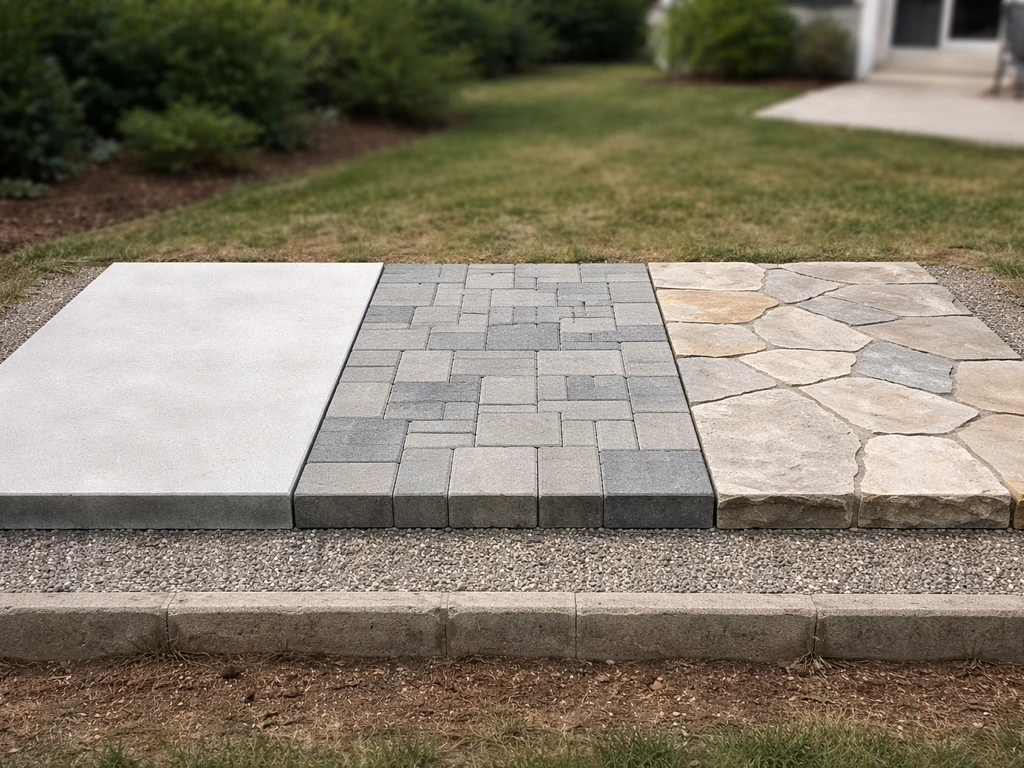
How Much Should I Expect to Pay for a Patio
Patio cost guide with real price ranges by size and material, full line-item budget, DIY vs install, and quote checklist
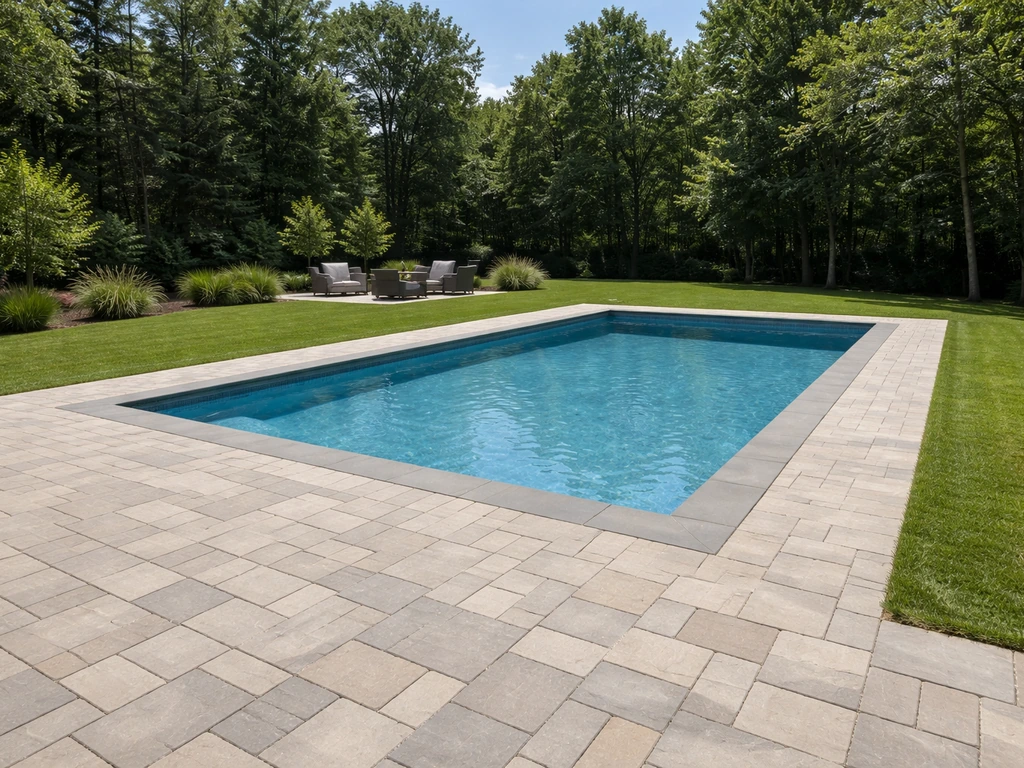
How Much Patio Around Pool: Cost, Size, and Budget Guide
Learn how much patio around a pool costs and how to size square feet, materials, extras, and get real bid line items.
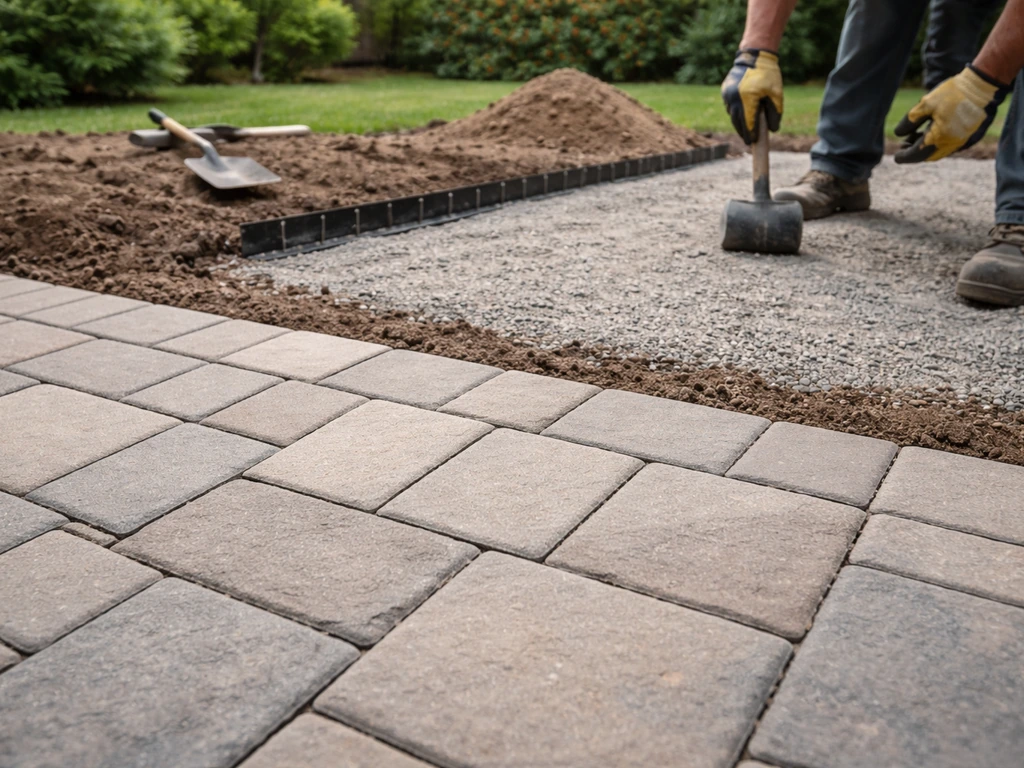
How Much Are Patios? Cost Ranges by Size and Material
Patio cost estimates by size and material with labor, base, add-ons, DIY vs contractor, and quote planning tips.