
Closing in a patio typically costs anywhere from $2,000 to $10,000 for a screened enclosure, or $15,000 to $70,000+ for a fully enclosed glass room, depending on size, materials, and how much structural work is involved. A basic screened-in patio runs about $10 to $25 per square foot installed, while a three-season room lands closer to $40 to $75 per square foot, and a true four-season insulated room can hit $200 to $450 per square foot.
How Much Does It Cost to Close in a Patio? Budget Guide

Felix Carver
29 Apr 2026
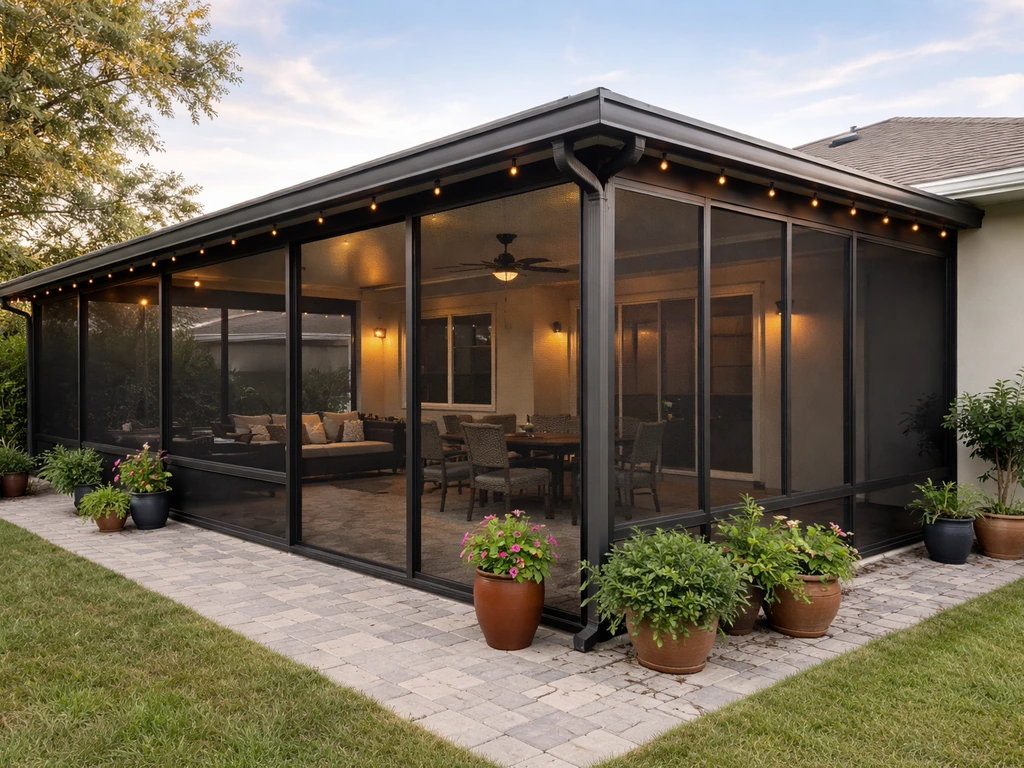
HomeGuide also notes that screened-in porch costs vary based on whether you add screens to an existing porch or build from scratch, with estimates of about $5 to $20 per square foot for screening an existing structure versus about $25 to $120 per square foot for building a new screened-in porch A basic screened-in patio runs about $10 to $25 per square foot installed.
HomeAdvisor’s 2025 cost guide similarly reports that building a new screened-in porch typically averages about $25 to $120 per square foot, while screening an existing porch runs roughly $5 to $20 per square foot installed, while a three-season room lands closer to $40 to $75 per square foot. The gap is huge because those projects are genuinely different animals.
What 'closing in a patio' actually means
This phrase gets used to describe at least three very different projects, and the price difference between them is enormous. It is worth pinning down which one you actually want before you start getting quotes.
- Screened enclosure: Lightweight aluminum or wood framing with fiberglass or aluminum screen panels. Keeps bugs and debris out, lets air flow through. No insulation, no HVAC, minimal permits. This is the most affordable option.
- Three-season room: Hard walls, real windows or glass panels, and a solid roof, but not insulated or climate-controlled. Usable spring through fall in most climates. Mid-range cost.
- Four-season (fully enclosed) room: Insulated walls and glazing, tied into your home's HVAC system or fitted with a mini-split, weatherproof year-round. Closest to adding a real room. Most expensive by far.
Most people searching for how to close in a patio are picturing either a screened room or a three-season glass enclosure. Full four-season rooms start overlapping with sunroom additions and bump into serious permitting, engineering, and foundation work. If you want year-round comfort, that is a great goal, but go in knowing the budget is in a different tier. Related to this, enclosing a patio is slightly different from fully replacing or rebuilding it, and the existing condition of your patio slab or base will affect your quote.
Quick budget by patio size
Here are realistic installed cost ranges for the three main enclosure types across the most common patio sizes. These numbers assume an existing concrete or paver slab in decent shape, no major roof tie-in complications, and average labor rates. Adjust upward for complex rooflines, premium glass, or high-cost metros.
| Patio Size | Screened Enclosure | Three-Season Room | Four-Season Room |
|---|---|---|---|
| 10x10 (100 sq ft) | $1,000 – $2,500 | $4,000 – $7,500 | $20,000 – $45,000 |
| 12x12 (144 sq ft) | $1,440 – $3,600 | $5,760 – $10,800 | $28,800 – $64,800 |
| 16x20 (320 sq ft) | $3,200 – $8,000 | $12,800 – $24,000 | $64,000 – $144,000 |
| 20x20 (400 sq ft) | $4,000 – $10,000 | $16,000 – $30,000 | $80,000 – $180,000 |
The four-season numbers look alarming at the large end, and honestly they are. A 20x20 four-season room is essentially a 400-square-foot home addition with windows, insulation, a roof, and HVAC. That is why most people doing full enclosures stick to smaller footprints like 10x12 or 12x16. For screened rooms, even a large 20x20 space is very manageable at under $10,000, which is why screened enclosures remain the most popular upgrade.
Where the money actually goes: full cost breakdown
Materials
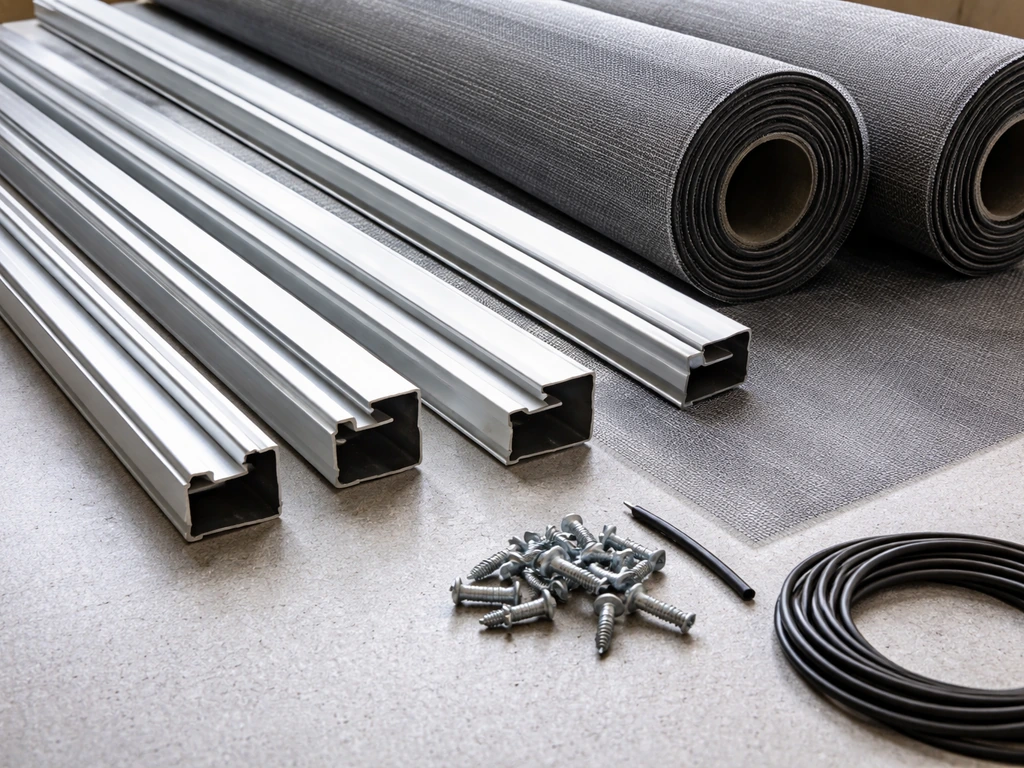
For a screened enclosure, materials are mostly framing lumber or aluminum extrusions and screen mesh. Aluminum framing is low-maintenance and preferred by most contractors. Screen mesh runs about $0.10 to $0.50 per square foot, but framing and fasteners make up the bulk. For glass rooms, the glazing alone can run $800 to $3,000 per sliding or patio door, and individual windows add up fast. Insulated low-E glass costs significantly more than basic tempered panels but pays back in comfort and energy bills.
Labor
Labor for a screened enclosure is straightforward carpentry. For a 3-season or 4-season enclosure, expect to pay $3,000 to $15,000 in labor alone, and that range swings based on your local market and how complex the roof connection is. If a contractor has to reframe part of the existing roof overhang to properly tie in the new room, labor climbs fast. Plan on labor being 40 to 60 percent of total project cost for most enclosed room projects.
Permits and engineering
Screened enclosures often require a simple building permit costing $200 to $500. Once you add glass walls, a conditioned room, or structural changes to the roofline, most jurisdictions require a full building permit plus separate electrical permits. Projects involving footings or foundation work may also need an engineering review. Budget $200 to $800 for permits on a screened room and $500 to $1,500 or more for a glass enclosure, especially if it is attached to the home's structure.
Site prep and demolition
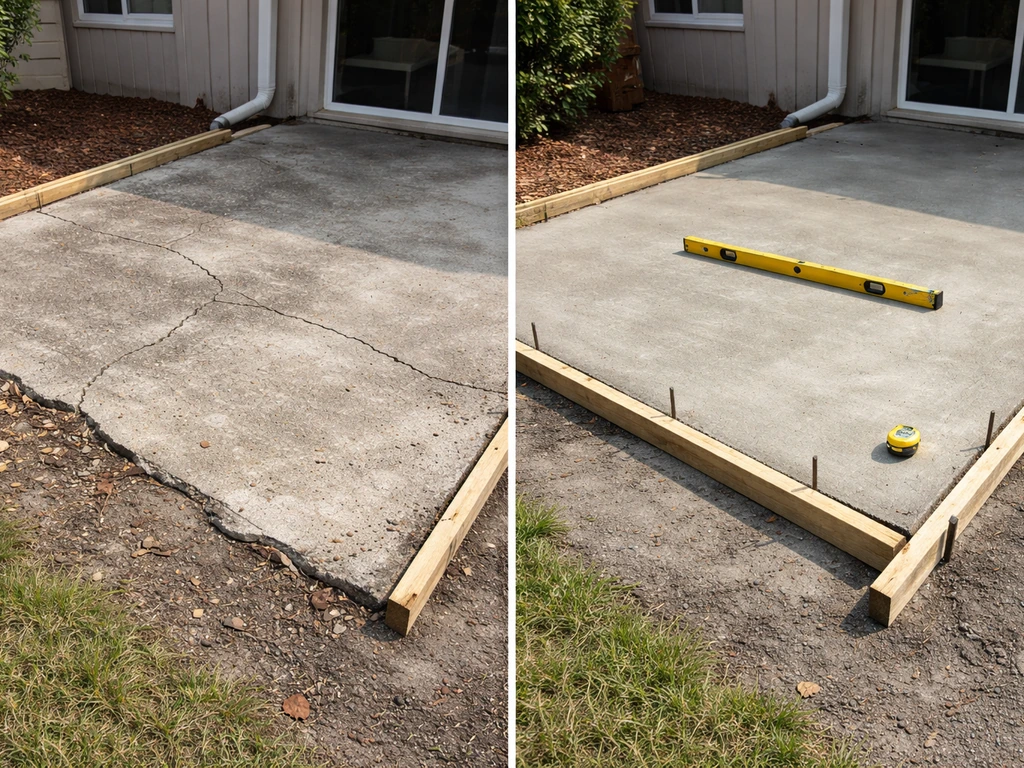
If your existing patio slab is cracked, uneven, or not level enough for a proper enclosure, you are looking at repair or partial demo before framing even starts. Minor concrete patching runs $200 to $500. A full slab tear-out and repour for a larger space can add $1,500 to $5,000 to the project. If you have an old screen room or pergola that needs to come down first, factor in $500 to $2,000 for demo and haul-away. Contractors should include site prep in their bid, but always ask explicitly so it is not a surprise change order.
What pushes the price up or down
A few factors consistently separate the $8,000 quotes from the $25,000 quotes for the same patio size.
- Roof tie-in complexity: Attaching a new enclosure to an existing roofline is one of the biggest variables. A simple, flat overhang is easy. A hip roof or complex pitch may require a structural carpenter and custom flashing, adding $2,000 to $6,000.
- Doors and windows: Every door and operable window is a labor and material line item. Sliding patio doors run $800 to $3,000 installed. A screened door is more like $150 to $500. More doors equal more cost.
- Electrical work: Adding lighting, ceiling fan rough-in, or outlet circuits typically costs $300 to $800 to connect to the home's panel and run wiring. Conditioned rooms with a mini-split HVAC unit add another $1,500 to $4,000 just for the HVAC equipment and installation.
- Framing material: Pressure-treated wood framing is cheaper upfront but requires more maintenance. Aluminum framing costs more initially but holds up longer and is often the better long-term value.
- Regional labor rates: Contractor rates in the Northeast and West Coast run 20 to 40 percent higher than Midwest and Southeast markets for the same scope. Get local quotes because national averages can mislead your budget.
- Glass and glazing upgrades: Single-pane tempered glass versus insulated low-E double-pane can double the material cost for the glazing portion of the project.
Screened-in vs. fully enclosed: which is right for your budget and goals
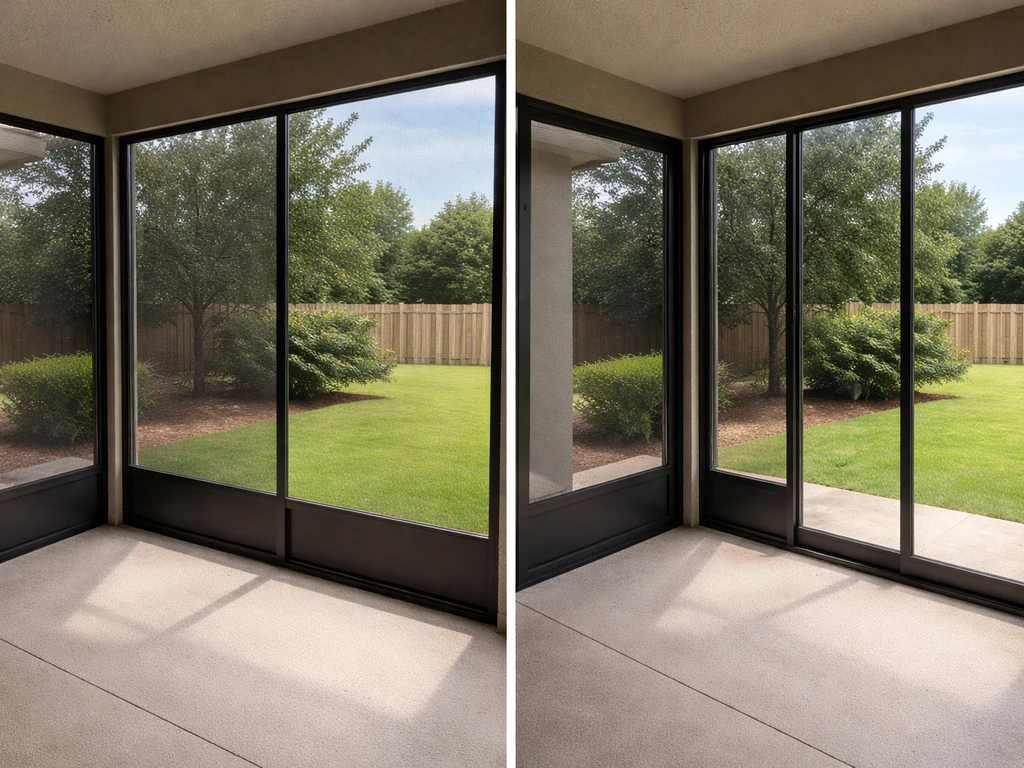
If your main goal is bug-free outdoor living, shade, and a covered space you can use on most nice days, a screened enclosure is the obvious choice. It costs a fraction of a glass room, is faster to build, needs fewer permits, and gives you a genuinely useful outdoor space. The trade-off is that it is still outdoors: when it is cold, rainy, or very hot, you are not going to be comfortable out there.
A three-season glass enclosure solves the mild-weather problem. You get a proper room with hard walls and windows for spring, summer, and fall use. But it is not insulated and does not have climate control, so winter use in cold climates is still limited. This is the sweet spot for many homeowners who want more than screens but are not ready for the full home-addition budget of a four-season room.
A four-season fully enclosed room is a real room addition. It adds conditioned square footage, can increase your home's value, and is livable year-round. But it also costs like a room addition, requires the same permitting rigor, and needs to be tied into your HVAC system. If you are comparing a full enclosure to other patio upgrades like stamped concrete or a new paver patio, the enclosure will cost more but serves a fundamentally different purpose. If year-round comfort and added home value are the goal, a full enclosure is worth evaluating seriously.
| Feature | Screened Enclosure | Three-Season Room | Four-Season Room |
|---|---|---|---|
| Typical cost per sq ft | $10 – $25 | $40 – $75 | $200 – $450 |
| Permits required | Usually basic building permit | Building + possibly electrical | Building, electrical, possibly structural/HVAC |
| HVAC needed | No | No | Yes |
| Year-round use | No | No (3 seasons) | Yes |
| Best for | Bug-free outdoor living | Extended season use | Year-round conditioned space |
| Adds home value | Modest | Moderate | Significant |
DIY vs. hiring a contractor
Screened enclosures are one of the more DIY-friendly patio projects. Screen panel kits from suppliers like Screeneze or Sun Coast are designed for homeowner installation. A motivated DIYer can screen in a 12x16 patio for $1,500 to $3,000 in materials versus $4,000 to $6,000 installed, saving $2,000 to $3,000. The catch is that the framing still needs to be square, level, and properly anchored, or the panels will not sit right and screens will sag or tear prematurely.
Glass and fully enclosed rooms are a different story. Cutting corners on framing, roofline connections, glazing installation, or weatherproofing causes leaks, structural problems, and expensive repairs down the road. Electrical work almost always needs a licensed electrician to pass inspection. Most homeowners are better off hiring a contractor for anything beyond basic screening. The permit process for enclosed rooms also typically requires contractor involvement for inspections anyway.
The honest DIY-vs-hire answer: screen the room yourself if you are handy and have a weekend. Hire out everything else. The savings from DIY on a glass enclosure rarely justify the risk when you factor in permits, inspections, and the cost of fixing mistakes.
How to get accurate quotes and what to ask
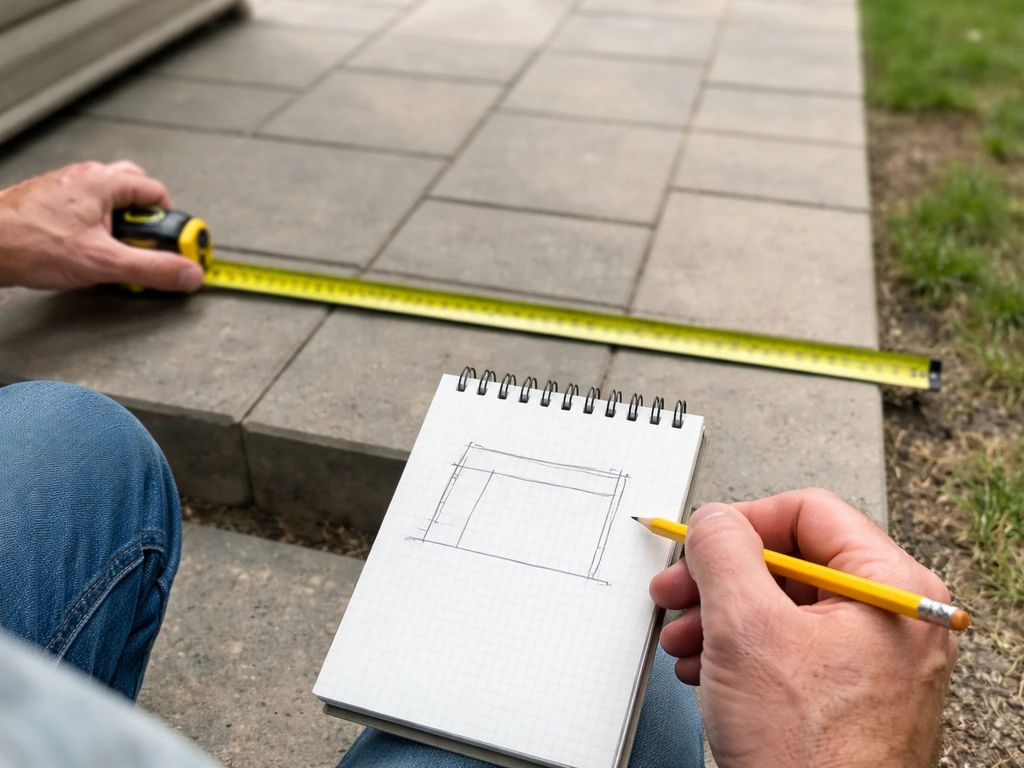
Getting a useful contractor quote comes down to how specific you are upfront. The more clearly you define the scope, the closer the bid will be to what you actually pay. If you want a ballpark for Stratco patio pricing in Australia, include enclosure type, dimensions, and whether any structural work is required so you can compare like for like.
- Measure your patio accurately before calling anyone. Get the length, width, and ceiling or soffit height. Know whether you have a concrete slab, pavers, or another base.
- Decide your enclosure level. Tell the contractor whether you want screens only, a three-season glass room, or a fully conditioned four-season room. This single decision determines everything else about the quote.
- Note the roof situation. Does your patio have an existing covered roof, a pergola, or is it fully open? Contractors need to know what they are tying into.
- List every feature you want. Count the doors (and what kind: hinged screen door, sliding glass, French doors), whether you want ceiling fans or lighting, and whether you need any floor work done.
- Get at least three bids. Patio enclosure pricing varies more than almost any other home project. Three bids on the same scope will tell you if any quote is wildly off.
- Ask each contractor these specific questions: Is the permit fee included in your bid? Does your bid include site prep and debris removal? How are you handling the roof tie-in? What framing material are you using and why? What is the glazing spec (tempered, insulated, low-E)? What is your payment schedule and estimated timeline?
One thing that trips people up is getting quotes at different enclosure levels without realizing it. Make sure every contractor you call is bidding the exact same scope. A screened enclosure quote and a three-season room quote are not comparable, and it is easy for the conversation to drift. Write down your scope in plain English, share it with every contractor, and ask them to confirm they are bidding to that spec. If you are wondering how much it costs to replace a patio screen, ask contractors to include screen mesh, framing repairs, and installation in the same line items.
If you are still deciding between a screened room and a fully enclosed option, or comparing this project against other patio upgrades, get preliminary quotes for both enclosure types from the same contractor. If you are trying to budget, the best next step is to estimate how much it will cost to enclose your patio based on size, materials, and permit requirements estimate how much it will cost to enclose a patio.
If you are in Australia, the typical price range will depend on whether you choose a screened enclosure, a three-season room, or a full four-season glass build how much it will cost to enclose your patio. If you are looking for a more specific estimate, compare Stratco patio enclosure pricing in Australia before you request quotes how much it will cost to enclose your patio.
If you are comparing sizes, use a cost estimate that fits your patio dimensions to get a realistic number for adding a screened-in patio. A quick way to estimate your budget is to calculate your patio’s square footage and then compare screened-in patio cost ranges adding a screened-in patio. The side-by-side number will make the decision much clearer than any cost guide can. If you are deciding between enclosure options, make sure your quote includes the replacement of damaged screens when needed how much does it cost to replace a patio screen.
FAQ
What should I confirm in a contractor quote so I do not get surprise change orders?
Ask whether the quote includes roof connection work (flashing, sealing, gutters/downspouts adjustments) and whether the contractor is reusing or replacing any existing roof panels. This is one of the biggest “it wasn’t in the bid” causes of cost jumps.
How does my existing patio slab condition change the cost to enclose it?
Most enclosures need level, square framing. If your patio slab is out of level or has cracks that affect anchoring, expect either shimming and targeted repairs (minor) or a partial demo and repour (major), which can add thousands depending on how much base work is required.
Can enclosing a patio sometimes require more permits than I expect?
Yes, but it depends on whether you are changing the building envelope. Adding screens to an existing roof may be treated differently than adding glass walls or extending conditioned space, so your permit scope can shift from simple to full building review, even for the same patio size.
If I want to use it year-round, what hidden cost items should I plan for?
If you plan to use the space in colder months, budget for HVAC or at least electrical conditioning. Adding heat sources, upgrading to insulated glazing, and possibly extending ductwork can raise a “three-season” budget toward a “four-season” outcome.
Is DIY realistically cheaper for all patio enclosure types, or only screened rooms?
Typical DIY savings are realistic mainly for screened enclosures. For glass rooms, the cost of fixing leaks, misaligned frames, and poor weatherproofing usually outweighs material savings, especially once permits, inspections, and labor scheduling are included.
What electrical items are most often overlooked when planning a patio enclosure?
Electrical is a common add-on, especially for fans, outlets, lighting, and heaters. Even if you can run basic wiring yourself, inspections often require a licensed electrician, so include outlet locations and fixture counts in your project scope.
Do wind or structural requirements in my area affect the price?
If the enclosure is attached to the house, the wall tie-in, lateral bracing, and wind loads matter. Contractors may need engineering sign-off or stronger posts and connections in higher-wind areas, which can push costs beyond the standard per-square-foot ranges.
How much do doors and glass options swing the total cost?
Yes. Premium hardware, track systems, and higher-performance glass increase cost, and so does choosing motorized screens or retractable walls. If you compare quotes, separate the base enclosure price from door upgrades and any specialty glazing packages.
Should I expect separate charges for removing an existing pergola or old screen structure?
Before signing, request a line item for demo and haul-away if you have an old pergola, screen room, or damaged framing. If removal is not included, contractors may treat it as a separate mobilization cost.
What details should I put in writing so multiple quotes are truly comparable?
To avoid comparing apples to oranges, insist each quote states enclosure type (screen, three-season, or four-season), total square footage, roof material, door count, glazing type, and whether the base and anchoring are included. If they do not list these, ask for clarification.
What site-prep issues most often increase the enclosure cost?
Many “cheap” bids assume an existing patio base is ready. If you need level correction, drainage improvements, or replacing pavers due to water pooling, expect extra work that can add both materials and labor.
Next Articles
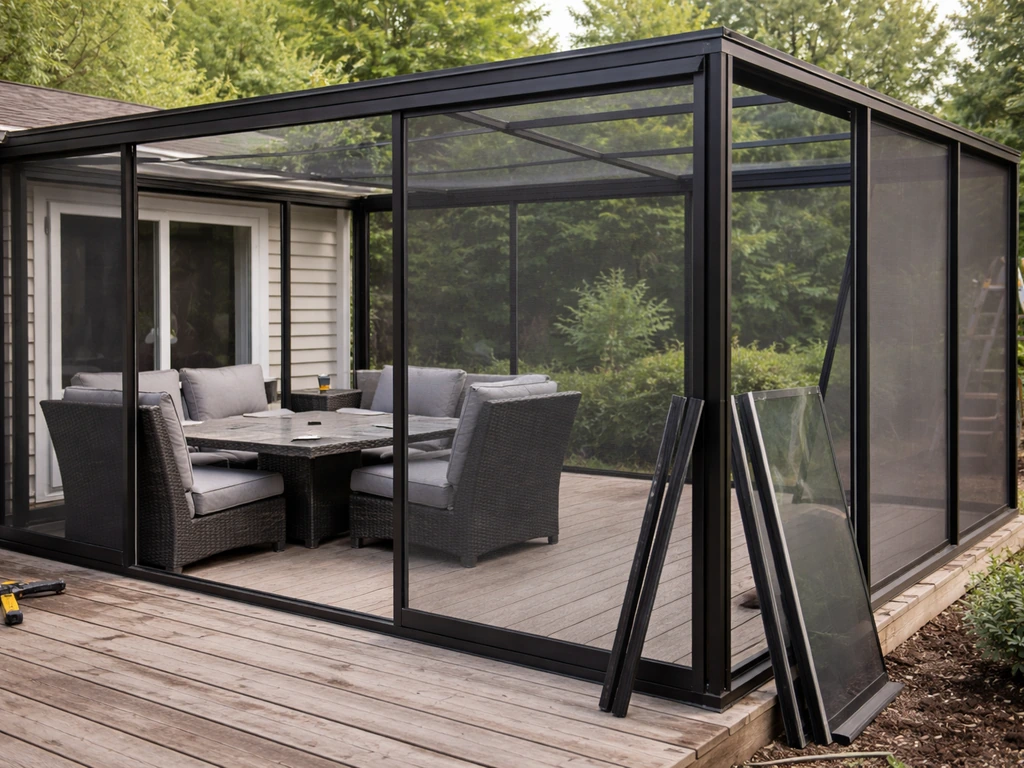
How Much to Enclose a Patio Cost Guide by Size
Ballpark costs to enclose a patio by size, scope, and materials, plus DIY vs contractor and quote checklists.
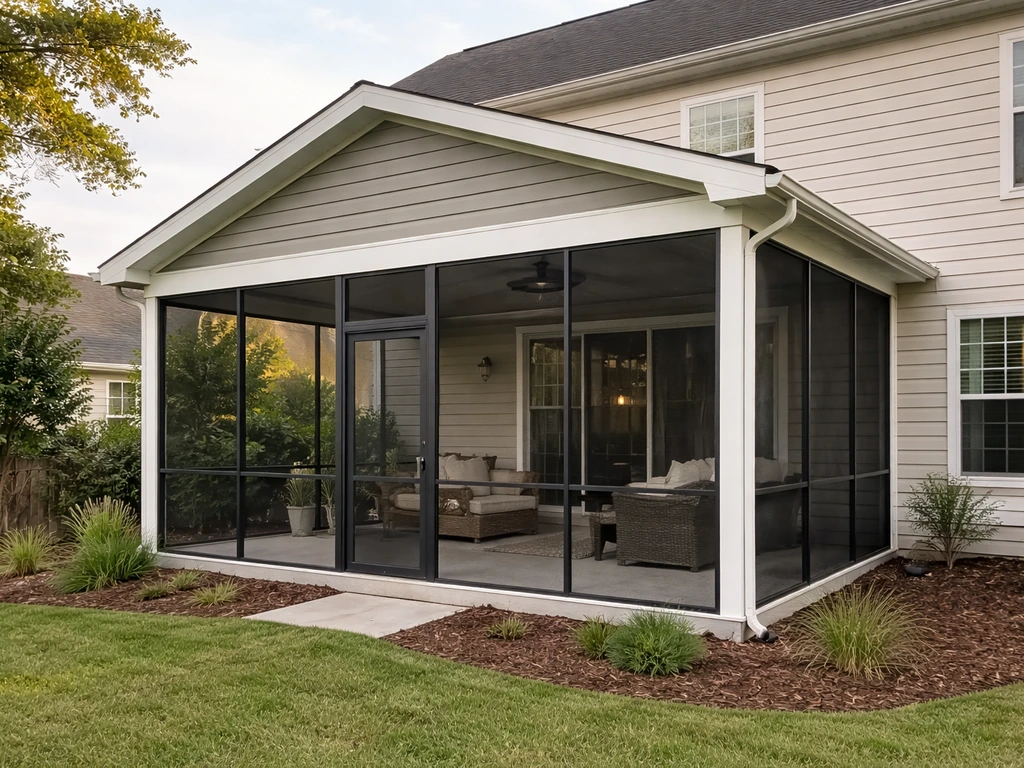
How Much to Add a Screened-In Patio Cost Breakdown
Get real cost ranges to add a screened-in patio by size, materials, roof and doors, plus DIY vs contractor budgeting ste
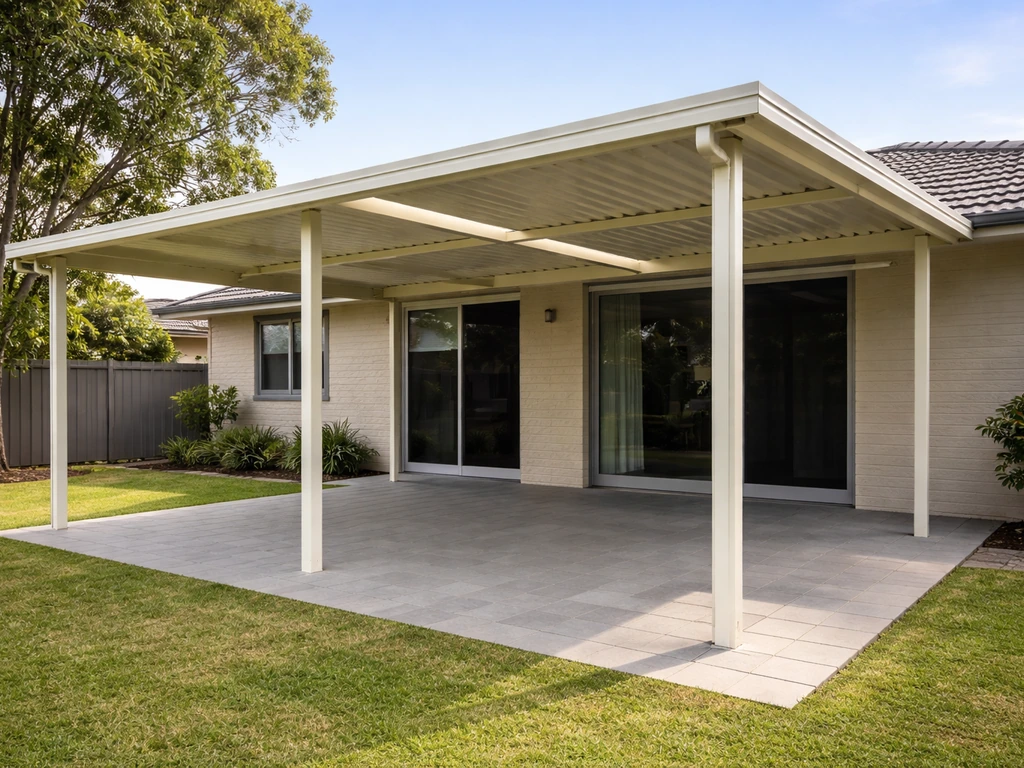
How Much Does a Stratco Patio Cost in Australia? 2026 Guide
2026 cost ranges for Stratco patios in Australia, installed vs supply, plus quote checklist and hidden extras to expect