
Replacing a patio screen typically runs $7 to $9 per square foot installed for a full rescreen, or $25 to $65 per panel for smaller patch jobs. On a 10x10 screened patio (100 sq. ft. of screen area), expect to pay roughly $700 to $900 for a professional rescreen with materials and labor included. A 12x12 space lands around $1,000 to $1,300. Full structural replacement, where the frame and hardware get swapped out too, can push costs to $25 to $35 per square foot depending on complexity and materials.
How Much Does It Cost to Replace a Patio Screen

Felix Carver
29 Apr 2026
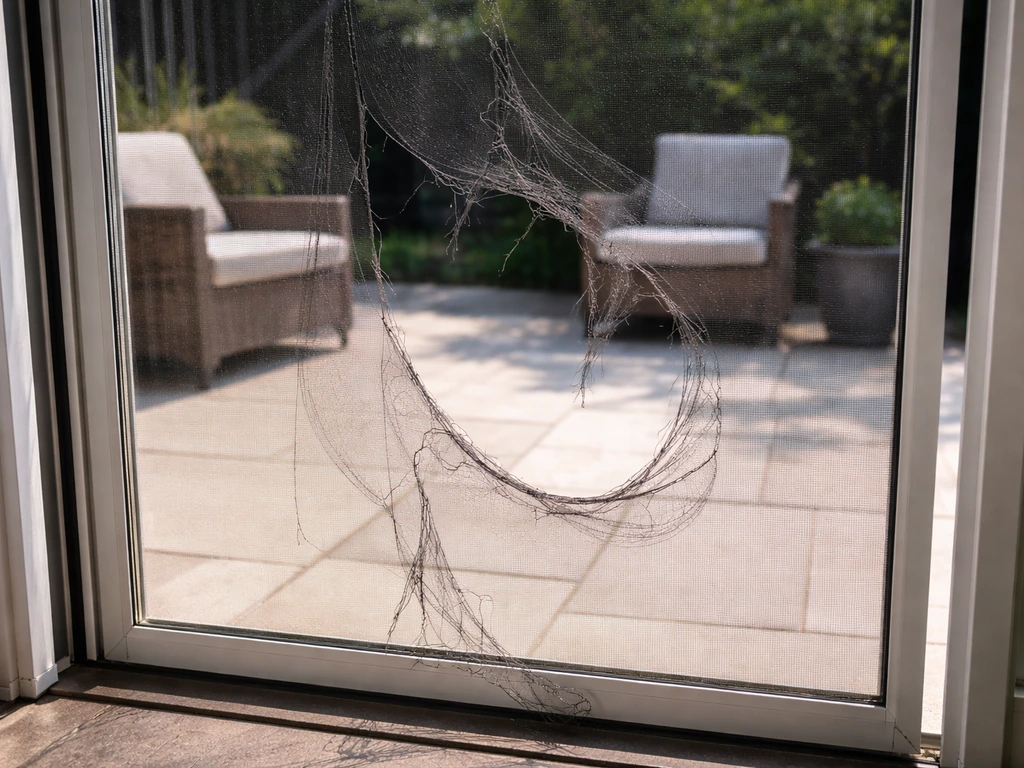
What actually counts as a 'patio screen' replacement
The term "patio screen" covers more than just the mesh. When someone says they need to replace a patio screen, they could mean any combination of the following: the screen mesh panels themselves (the woven material stretched across the openings), the frame that holds each panel, the spline (the flexible rubber cord that locks mesh into the frame groove), door hardware including rollers, tracks, and wheels on a sliding screen door, or in some cases, the entire enclosure structure if the frame has bent or corroded beyond repair.
For most homeowners, the project is a rescreen: you keep the existing aluminum frame and just replace the mesh and spline. This is the cheapest and most common scope. If your frames are bent, the tracks are warped, or the rollers on your sliding screen door are broken, those add cost. Door roller brackets, for example, sometimes need to be fully removed and replaced rather than just left in place during a mesh swap, which adds labor time.
- Screen mesh panels: the woven material (fiberglass, aluminum, or heavy-duty polyester)
- Spline: the rubber cord pressed into the frame groove to hold the mesh taut
- Frame sections: aluminum or vinyl channels that border each panel
- Sliding screen door: frame, mesh, rollers, wheels, and track hardware
- Spline channel repair: fixing or replacing the grooved channel the spline sits in
- Full enclosure frame: structural aluminum skeleton (pool cage or patio enclosure style)
Repair vs. full replacement: what the costs actually look like
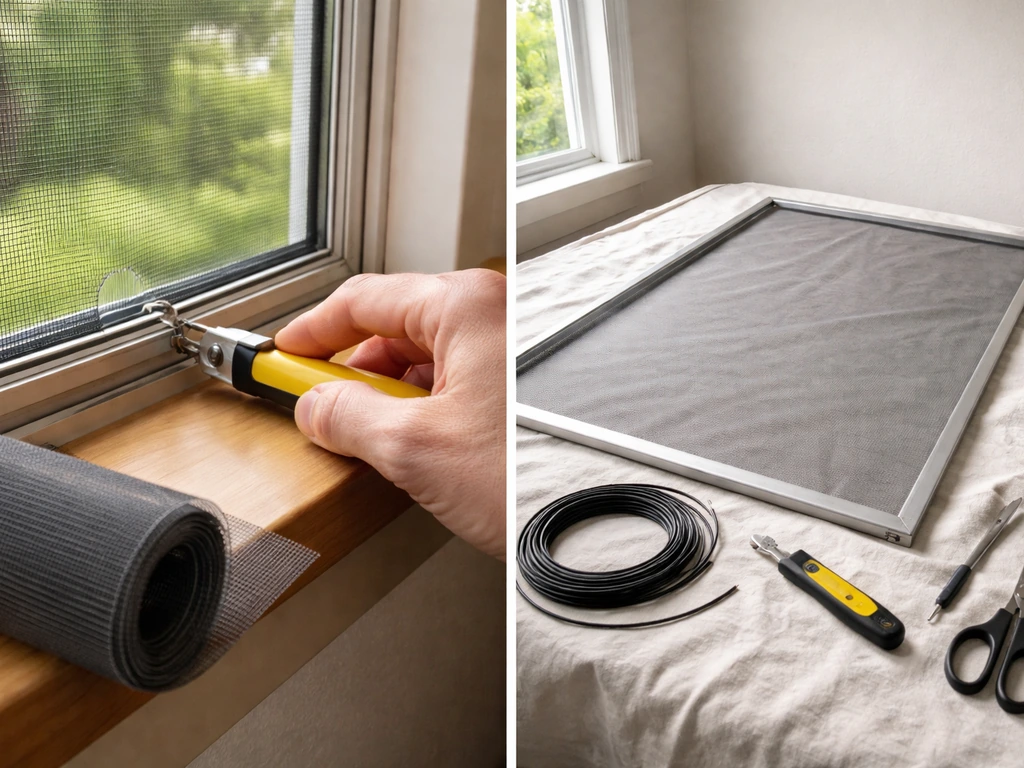
Small repairs, like patching one torn panel or fixing a single door, cost far less than a full rescreen. A single panel runs $25 to $65 if you hire someone, or under $15 in materials if you DIY. Spline channel repairs run $3 to $8 per linear foot. Where costs jump is when you have multiple damaged panels across a large enclosure, or when the frame itself needs work.
| Scope of Work | DIY Cost | Professional Cost |
|---|---|---|
| Single panel patch | $5–$15 materials | $25–$65 per panel |
| Spline channel repair | $10–$20 materials | $3–$8 per linear foot (labor + materials) |
| Full rescreen (mesh + spline only) | $0.75–$1.50/sq. ft. materials | $7–$9/sq. ft. installed |
| Screen door replacement (mesh + hardware) | $50–$150 materials | $150–$400 installed |
| Full enclosure rescreen (large structure) | $1.50–$3/sq. ft. materials | $7–$20/sq. ft. installed |
| Full structural replacement (frame + mesh) | Not recommended DIY | $25–$35/sq. ft. installed |
The average homeowner spending on screen enclosure repairs, according to aggregated data, falls between $296 and $1,588 with a midpoint around $923. That range reflects the difference between fixing two torn panels and doing a full rescreen on a mid-size patio enclosure. If your quote comes in above $1,600 for a simple rescreen, ask the contractor to break out materials versus labor line items so you can see where the cost is going.
Materials and labor: where the money goes
Screen mesh types and their costs
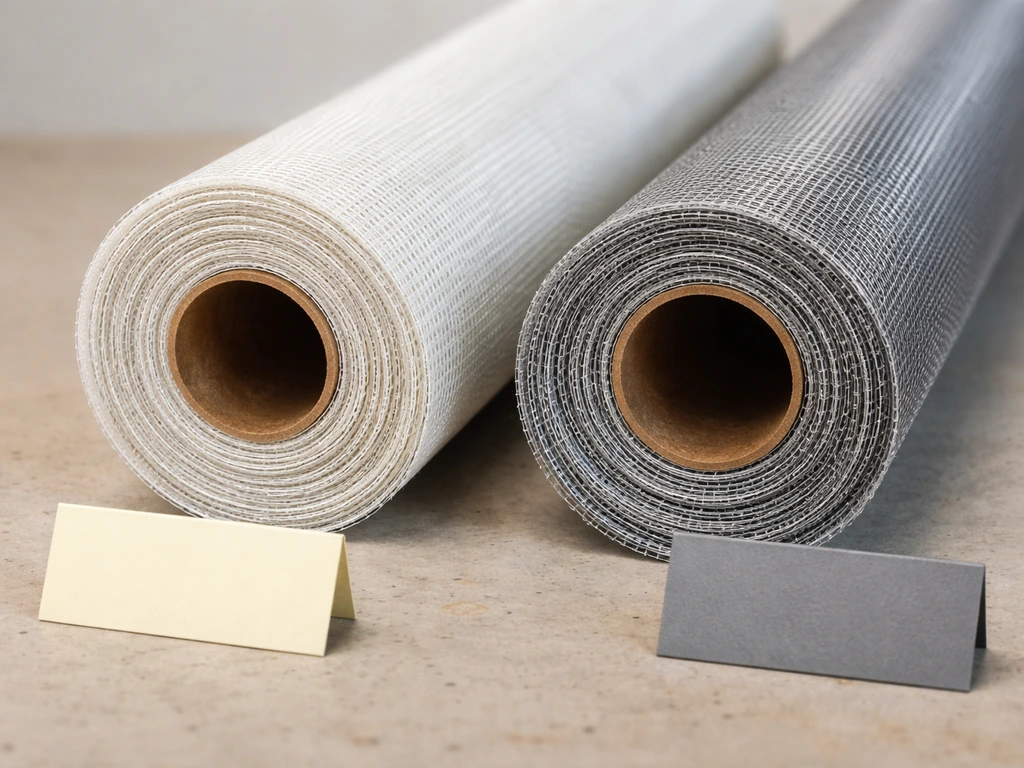
Standard fiberglass mesh is the cheapest and most common option, typically priced into that $0. 75 to $1. 50 per square foot materials range. Aluminum mesh costs a bit more but holds up better to impacts.
The big upgrade is heavy-duty polyester mesh like Phifer's TuffScreen, a vinyl-coated polyester product built to resist pets, punctures, and tears. Pet screen or heavy-duty mesh can run 2 to 3 times the cost of standard fiberglass per roll but is worth it if you have dogs or kids who push against the screen regularly.
A 96-inch by 50-foot roll of Phifer pet screen at a home improvement store costs roughly $80 to $120, which covers a substantial area but prices the premium over standard mesh clearly.
Frame materials
Most patio screen frames are aluminum, which is lightweight, rust-resistant, and affordable. Vinyl frames are also used, particularly on lower-cost enclosures. If you are replacing frame sections rather than just the mesh, aluminum extrusions are priced by the linear foot and add meaningfully to the total. A contractor replacing damaged frame sections will typically charge more per square foot than a simple rescreen because it involves cutting, fitting, and fastening new frame material.
Hardware: spline, rollers, and tracks
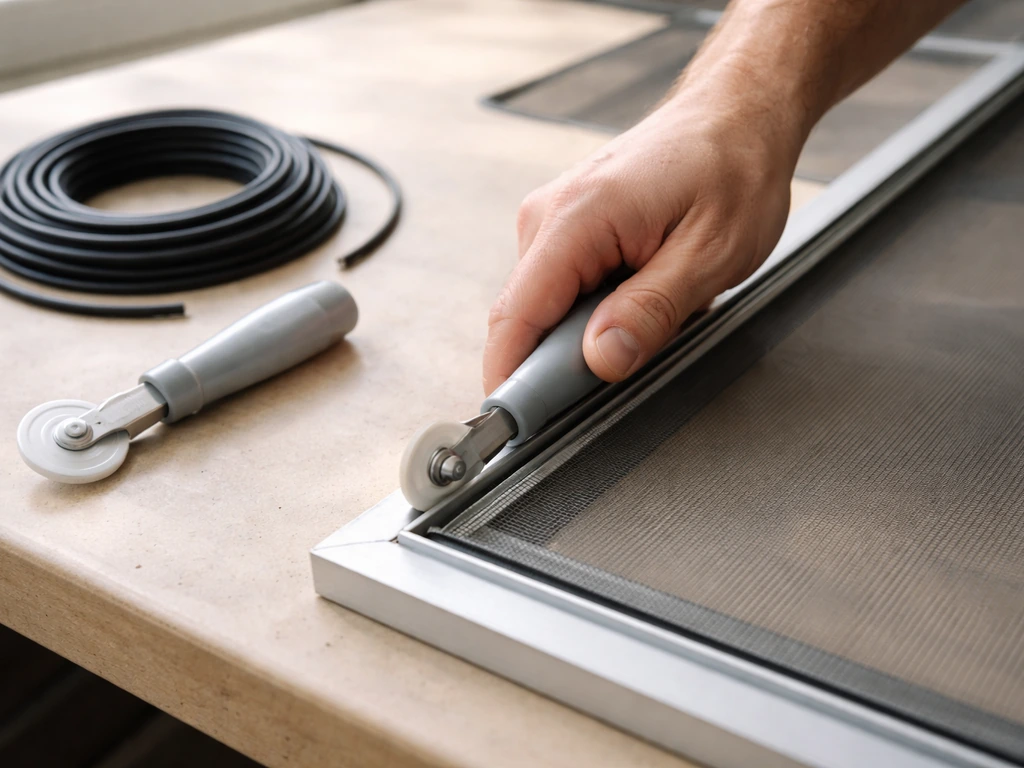
Spline is cheap on its own, usually a few dollars for a roll at a hardware store, but the labor to remove old spline, press in new mesh, and re-roll the spline correctly is where professional cost adds up. Spline groove sizing varies by frame type, which is why Phifer explicitly recommends measuring the spline channel before buying replacement spline. Get this wrong on a DIY job and the mesh won't stay seated properly.
Rollers and wheels for sliding screen doors are another hidden cost. If the roller brackets are undamaged, they can stay in the track when you install new mesh or a new door, saving labor. But if they are cracked or broken, removing and replacing them adds $30 to $75 in parts plus extra labor time.
Labor rates
Expect professional labor to make up roughly 40 to 60 percent of a typical rescreen project cost. HomeGuide estimates that porch or patio screen replacement labor typically runs about $1.80 to $3.00 per square foot (labor only) professional labor to make up roughly 40 to 60 percent of a typical rescreen project cost. On a $800 rescreen job, that is $320 to $480 in labor. Contractors often price rescreening by the square foot to keep the estimate simple, with the material type (standard vs. pet-resistant vs. solar) baked into the rate. Ask for a separate materials line if you want to understand exactly what mesh you are getting.
How patio size affects the total price
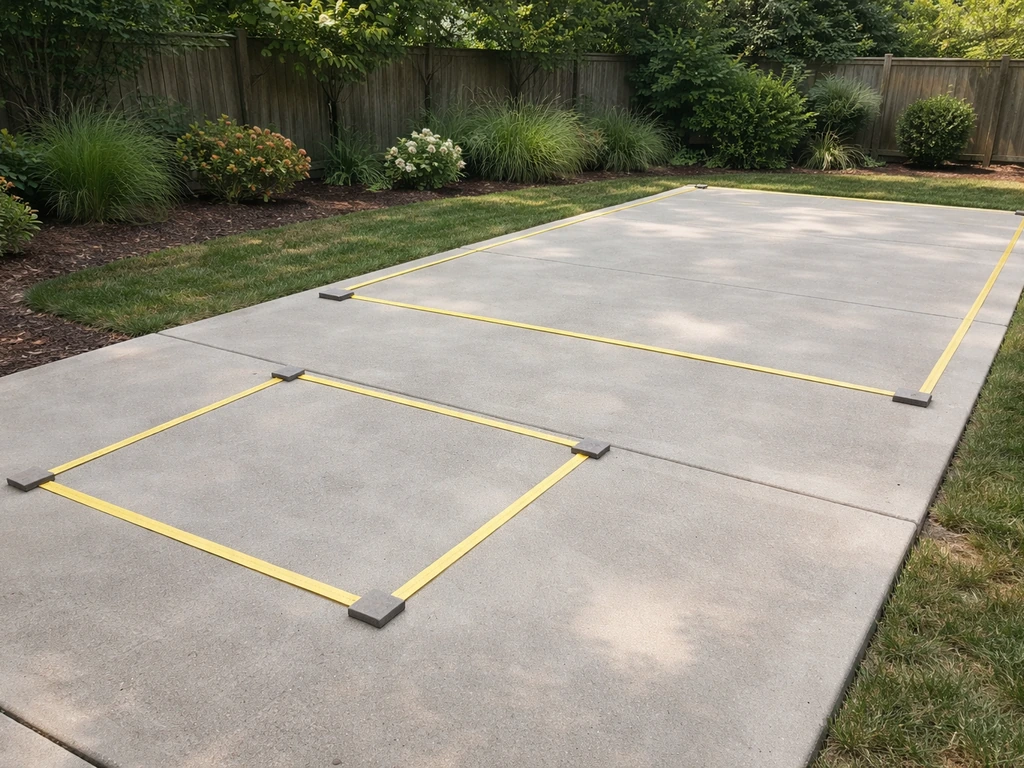
Screen replacement costs scale roughly linearly with area, though there is usually a minimum charge. A 10x10 patio (100 sq. ft.) at $7 to $9 per square foot installed comes out to $700 to $900. Angi reports that professional rescreening for a porch or sunroom enclosure typically costs about $862 to $7,028 per square foot depending on the screen material you choose professional rescreening for a porch or sunroom enclosure costs about $862 to $7,028 per square foot. A 12x12 (144 sq. ft.) runs $1,000 to $1,300. Larger patios or pool enclosures with 400 to 600 square feet of screen area can range from $2,800 to $5,400 at those same rates, though large-volume jobs sometimes get a per-square-foot discount.
| Patio Size | Screen Area (approx.) | Rescreen Cost (Professional) | DIY Materials Only |
|---|---|---|---|
| 10x10 | 100 sq. ft. | $700–$900 | $75–$150 |
| 12x12 | 144 sq. ft. | $1,000–$1,300 | $110–$215 |
| 16x20 | 320 sq. ft. | $2,240–$2,880 | $240–$480 |
| 20x20 | 400 sq. ft. | $2,800–$3,600 | $300–$600 |
| Large enclosure (600 sq. ft.) | 600 sq. ft. | $4,200–$5,400 | $450–$900 |
Complexity also matters beyond raw square footage. A simple flat-wall enclosure with standard rectangular panels is the cheapest to rescreen. Add a curved roof section, a gable end with triangular panels, or multiple screen doors, and labor cost increases. Contractors charge more per square foot for awkward angles, high ceilings that require ladders or scaffolding, and screens near water (pool decks require more careful setup and cleanup).
If your patio is part of a larger enclosed structure, that project starts to overlap with the broader scope of enclosing a patio, which carries its own cost considerations. Because enclosing a patio changes the frame and materials scope, it often has a different cost range than a standard rescreen.
For a screened patio enclosure, the total cost is typically driven by your patio size, the type of mesh, and how much framing or door hardware work is needed enclosing a patio. If you are estimating how much a Stratco patio costs in Australia, use your patio measurements to map the screen area and expected framing or hardware changes enclosing a patio.
If you are trying to estimate how much to add a screened in patio, start by figuring out your total screen area and the scope of any framing or door hardware changes.
DIY vs. hiring a pro: which makes sense for your situation
DIY rescreening is genuinely doable for a handy homeowner replacing a few flat panels. The tools you need are basic: a spline roller (sometimes called a screen mouse), a utility knife, and a flat work surface. RiteScreen's assembly instructions specifically note that the roller tool is often supplied with the kit and that keeping the mesh reasonably taut during installation is the main technique to get right. If you mess up and the mesh wrinkles or the spline pops out at a corner, you pull it out and redo it. Materials for a 100 sq. ft. DIY rescreen run roughly $75 to $150, compared to $700 to $900 professionally installed, so the savings are real.
Where DIY gets risky: screen door replacement on tracks with rollers, frame repair or replacement, and any work on a large enclosure with roof sections. Measuring for a replacement sliding screen door is more involved than it looks. You need the exact height from the top of the bottom track into the top U-channel, the width edge-to-edge of the door frame, and you need to account for whether an upstand is present. Get it wrong and your custom door will not fit. For anything beyond flat panel replacement, most homeowners save time and frustration by hiring a pro.
| Scenario | DIY or Pro? | Why |
|---|---|---|
| 1–3 torn flat panels | DIY | Simple, cheap materials, forgiving process |
| Full rescreen of small patio (under 150 sq. ft.) | Either | DIY saves $500+, but takes a few hours and patience |
| Sliding screen door replacement | Pro preferred | Measuring and track fitting is precise work |
| Damaged spline channel or frame sections | Pro | Requires cutting/fitting aluminum correctly |
| Large enclosure (300+ sq. ft.) | Pro | Ladder work, volume of material, faster turnaround |
| Structural frame replacement | Pro only | Requires permits in some areas, structural knowledge |
How to get an accurate quote before you call anyone
The single biggest thing you can do before calling a screen contractor is measure your screen area accurately. Walk your patio and measure each opening: width times height for every panel section. Add them up for total square footage. Also note the number of screen doors, whether any sections have angled or curved tops, and the approximate height of the tallest point of the enclosure. Contractors quote by square foot, and if you show up with accurate measurements, you get a faster, more accurate estimate.
- Measure every screen panel opening: width x height in inches, then convert to square feet
- Count the number of screen doors and note if they are sliding or hinged
- Note the frame material (aluminum, vinyl, wood) and its condition
- Check if the spline channels are intact or cracked, and whether any frame sections are bent
- Photograph damaged areas before the contractor arrives
- Ask for the quote to break out materials (mesh type and grade) separately from labor
- Ask whether the price includes screen door hardware (rollers, tracks) or only mesh replacement
- Confirm whether debris cleanup and disposal of old screen material is included
- Get at least two quotes, especially for jobs over $500
When you call a contractor, be specific about what mesh grade you want. If you just say "replace the screen," most contractors will install standard fiberglass, which is fine but not ideal for households with pets or heavy weather exposure. If you want TuffScreen or a solar/privacy mesh, say so upfront because it changes the materials cost and some contractors will not volunteer the upgrade unless asked. Also ask whether roller brackets need to be removed or can stay in place for door work, since that affects labor time.
Regional cost differences and building a realistic budget
Where you live affects both labor rates and material availability. Florida and other Southeast states have a mature screen enclosure industry with lots of competition, which tends to keep rescreening prices at the lower end of the range ($7 to $9 per square foot installed). A Tampa-area 2025 price guide shows rescreening running $2.50 to $8.00 per square foot depending on the job, with spline channel work at $3 to $8 per linear foot, reflecting a competitive local market. In contrast, a Colorado Springs pricing guide frames screen projects as notably higher in cost because labor rates are higher and there are fewer specialized contractors.
As a general rule, expect to pay 20 to 30 percent more in high cost-of-living metros (think Seattle, Boston, or Denver) versus Sun Belt markets where screen enclosures are more common and contractors are more numerous. At the higher end, professional full rescreening can reach $25 to $35 per square foot in premium markets or for premium materials and structural complexity. That said, even in expensive markets, basic single-panel repairs and small DIY rescreens keep material costs the same since you are buying standard rolls of mesh from any hardware store.
To build a realistic budget: start with your measured square footage, multiply by $7 to $9 for a mid-range professional rescreen estimate, then add 15 to 20 percent as a contingency for door hardware, unexpected frame damage, or premium mesh upgrades. If your patio is part of a larger project, such as converting an open patio to a fully screened enclosure or adding a screened patio from scratch, the costs are substantially higher and involve structural framing work that sits in a different budget category entirely. If you are wondering how much a Stratco patio costs in Australia, your final price will depend on the enclosure size, the screen or panel system, and whether you are budgeting for full installation. For those broader projects, the total scope and cost look quite different from a simple screen replacement.
FAQ
What’s usually included in a “per square foot” patio rescreen quote?
Ask whether the quoted per-square-foot price includes spline, mesh, removal of old screen, and disposal. Some bids price mesh per area but add separate line items for spline, tack strips, or cleaning, which can make a “$7 to $9” estimate climb quickly.
Should I estimate using the patio’s overall dimensions or the actual screen area?
Yes. Many contractors use the screen opening area, not the patio footprint. Two patios with the same outer dimensions can have different screen area if frames overlap, there are kick plates, or sections include angled or curved geometry.
Can I keep my existing frame and only replace the mesh and spline?
In most cases, yes, but it depends on what failed. If only the mesh and spline are damaged, plan on reusing the frame if it is straight and sound. If the frame is twisted, the tracks are warped, or rollers are cracked, the pro should document why parts need replacement before changing the scope.
How do I avoid measurement mistakes that cause the wrong materials or door size?
Take measurements in at least two places per opening (top and bottom widths), then provide the total count of panels and door openings. For sliding door replacements, you also need the height from the top of the bottom track to the top U-channel and confirm whether an upstand is present.
Is upgrading to pet-resistant or heavy-duty mesh worth the extra cost?
If you have pets or frequent impacts, upgrading often pays off in fewer repeat repairs. Heavy-duty polyester or pet-resistant mesh typically costs 2 to 3 times fiberglass, but it can be worth it if your current mesh fails repeatedly at corners or near doorways.
Why is spline size such a big deal for getting the mesh to stay in?
Spline channel sizing varies by frame system, so do not buy “generic” spline. Measure the groove or confirm the spline type your frame uses. If spline is too small, mesh can pop out; if too large, it may be hard to seat and can damage the frame groove.
What should I ask about sliding screen door rollers and brackets in the estimate?
Get specifics on door hardware separately: rollers, wheels, tracks, and any roller brackets. If brackets are damaged, leaving them “as-is” may lead to poor alignment, rubbing, and early failure, which is not obvious until the door is installed.
Why does a small screen repair cost more per square foot than a full rescreen?
Many pros charge a minimum service fee, so small jobs can feel expensive per square foot. If you only need one panel, ask whether the quote can bundle adjacent panel work to reduce the minimum charge.
How can I confirm I’m getting the mesh type and quality I paid for?
Opt for a separate materials breakdown so you can verify the mesh grade and whether solar, privacy, or standard fiberglass is being used. If you do not specify the mesh type, many contractors default to standard fiberglass without asking, even if your environment (pets, wind, sun) suggests a better fit.
Does location, like near a pool, change the real cost beyond the material and labor rates?
After-hours or weather-dependent work can change scheduling and cleanup requirements, especially for pool enclosures where overspray or debris cleanup matters. Ask about how they protect landscaping and whether they handle post-install vacuuming or hose-down, since that can affect labor time.
How much should I set aside for surprises during a screen replacement?
Budget a contingency specifically for frame and door issues, not just general “unexpected costs.” A common approach is adding 15 to 20 percent, then requiring the contractor to get approval before replacing frame sections, track components, or additional hardware.
When does DIY rescreening stop being a good idea?
DIY can work well for flat-panel mesh replacement, but switching to DIY is riskier when you must remove/replace door hardware, repair framing, or handle enclosure sections with roof geometry. If the work involves anything beyond straight panels, compare the time and likelihood of redo cost versus pro labor.
Next Articles
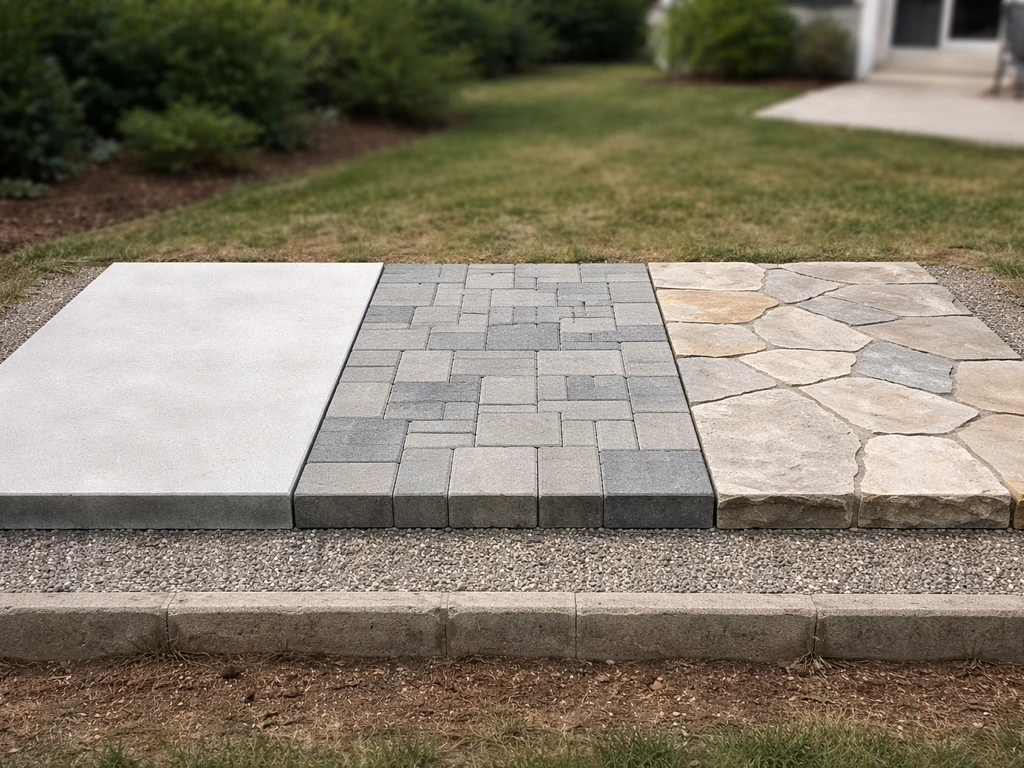
How Much Should I Expect to Pay for a Patio
Patio cost guide with real price ranges by size and material, full line-item budget, DIY vs install, and quote checklist
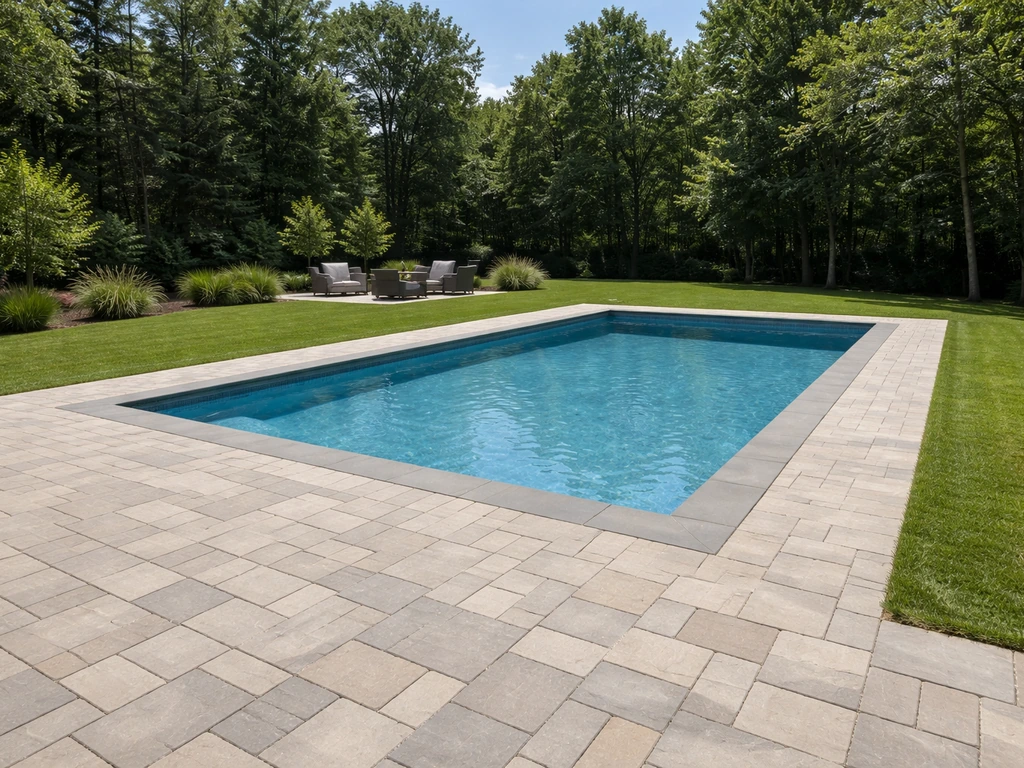
How Much Patio Around Pool: Cost, Size, and Budget Guide
Learn how much patio around a pool costs and how to size square feet, materials, extras, and get real bid line items.
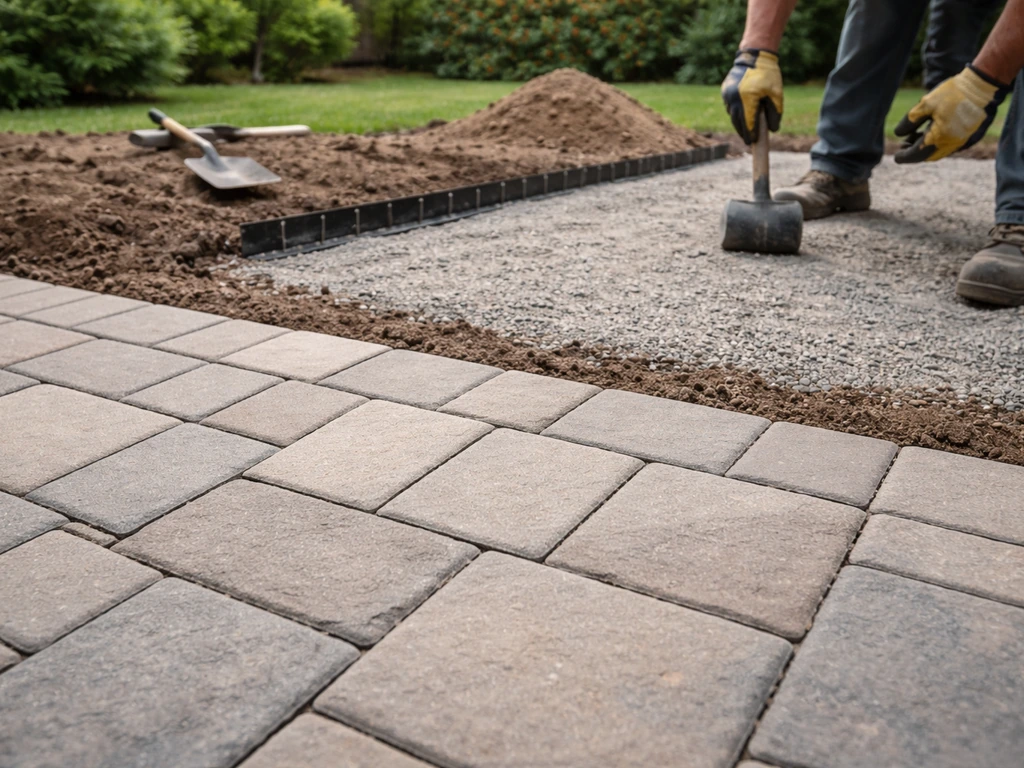
How Much Are Patios? Cost Ranges by Size and Material
Patio cost estimates by size and material with labor, base, add-ons, DIY vs contractor, and quote planning tips.