
Enclosing a patio in Australia typically costs between $5,000 and $40,000 installed, depending on how fully you enclose it and what materials you use. Enclosing a patio in Australia typically costs between $5,000 and $40,000 installed, depending on how fully you enclose it and what materials you use how much does it cost to close in a patio. A basic blind or screen enclosure on an existing slab sits at the lower end, around $3,000 to $8,000.
How Much Does It Cost to Enclose a Patio in Australia

Felix Carver
29 Apr 2026
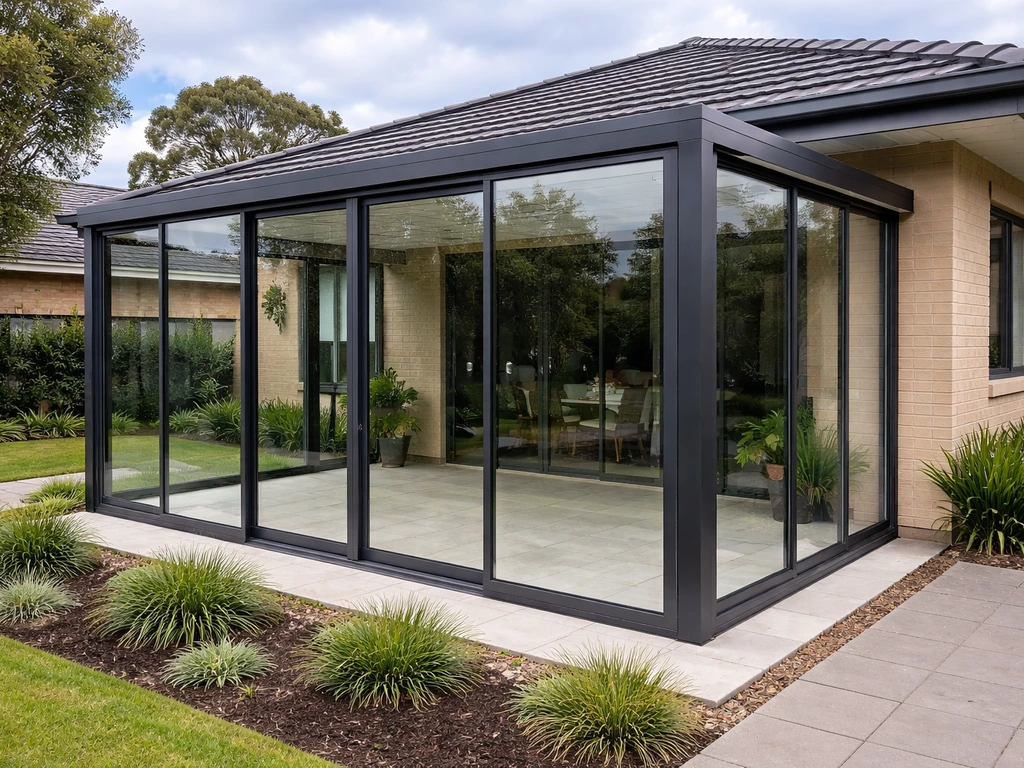
If you are replacing a patio screen rather than building new, the price will depend on the screen type, measurements, and whether you are swapping frames or just the mesh panels. If you're budgeting for a screened-in patio, the next step is to decide how much coverage you need and whether you’re starting from an existing slab or adding structure how much to add a screened in patio.
A fully enclosed aluminium-framed glass or louvre room on a larger patio can push well past $25,000. The most common mid-range project, a partial enclosure with track-guided blinds or polycarbonate panels on a modest 15–20 m² patio, lands somewhere between $8,000 and $18,000 all-in.
What different enclosure types actually cost
The single biggest cost variable is the type of enclosure you choose. A Ziptrak-style blind system is a very different product (and price) compared to a fully glazed aluminium room. Here is a realistic breakdown of the main options Australian homeowners use:
| Enclosure Type | Typical Installed Cost | Notes |
|---|---|---|
| Track-guided blinds (e.g. Ziptrak / eZip) | $600–$900 per linear metre OR $1,200–$1,500 per blind | Manual; motorised adds cost; does not require DA in most states |
| Café blinds / PVC screen enclosure | $3,000–$8,000 (average patio) | Low permanence; usually no permit needed |
| Polycarbonate roof + aluminium frame | $5,000–$15,000+ | $250–$400 per m² installed depending on spec |
| Insulated Colorbond / panel roof with screen walls | $8,000–$20,000+ | Varies heavily by roof span and wall infill |
| Aluminium-framed glass enclosure (full room) | $15,000–$40,000+ | Engineering, glazing compliance, permits typically required |
| Louvre roof system (e.g. Louvretec) | $10,000–$30,000+ | Dealer-installed; wind rating affects price significantly |
The numbers above assume the slab is already in place and in good condition. If you need a new concrete slab or significant site prep, add that to your budget separately (more on that below).
Cost by patio size: real examples
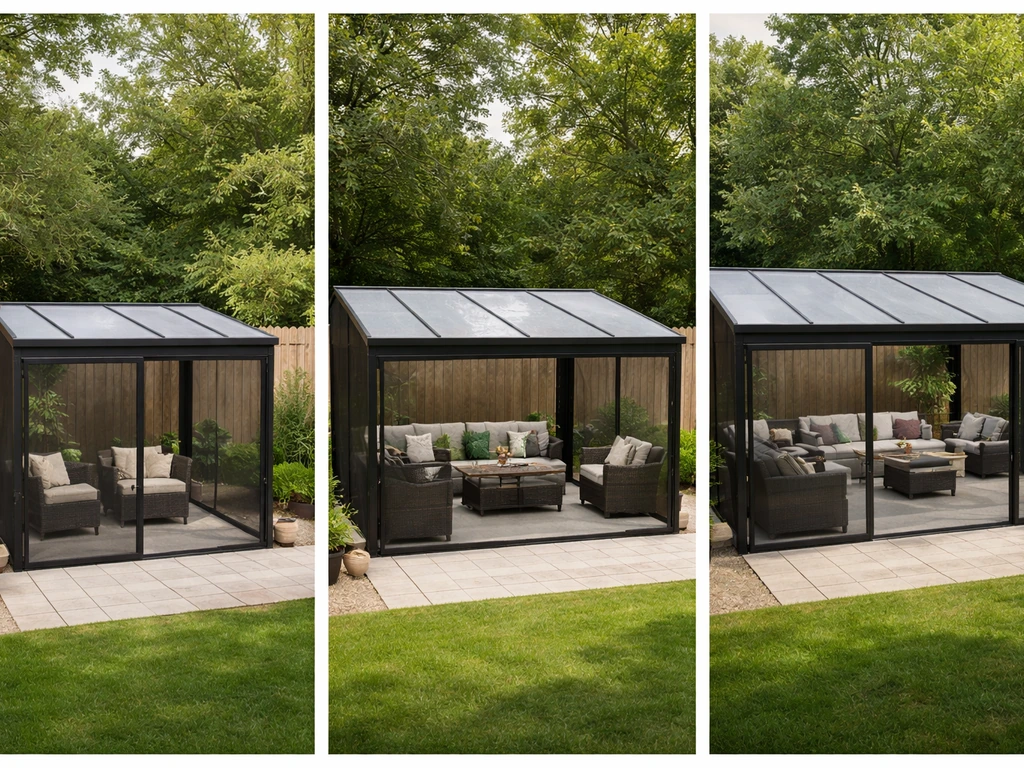
Size matters a lot, but not always in a straight-line way. Labour and overhead costs mean small jobs are proportionally more expensive per square metre than large ones. Here are ballpark totals for three common patio sizes, using a mid-range polycarbonate-and-aluminium partial enclosure as a baseline:
| Patio Size | Approx. Area | Basic Blind/Screen Enclosure | Mid-Range Polycarbonate + Aluminium | Full Glass Room |
|---|---|---|---|---|
| 10 x 10 ft (3 x 3 m) | ~9 m² | $3,000–$5,000 | $6,000–$10,000 | $12,000–$20,000 |
| 12 x 12 ft (3.6 x 3.6 m) | ~13 m² | $4,000–$7,000 | $8,000–$14,000 | $18,000–$28,000 |
| 20 x 20 ft (6 x 6 m) | ~36 m² | $8,000–$14,000 | $18,000–$30,000 | $35,000–$55,000+ |
These are rough starting points, not quotes. A 20x20 ft (roughly 36 m²) glass enclosure on a complex site with engineering, drainage, and electrical could easily exceed $60,000. Use these numbers to sanity-check quotes, not to set a fixed budget before you have spoken to anyone. To estimate how much to enclose a patio, use these figures as a starting point and ask for an itemised breakdown of materials, labour, and approvals sanity-check quotes.
Which materials and systems suit which budgets
Aluminium framing
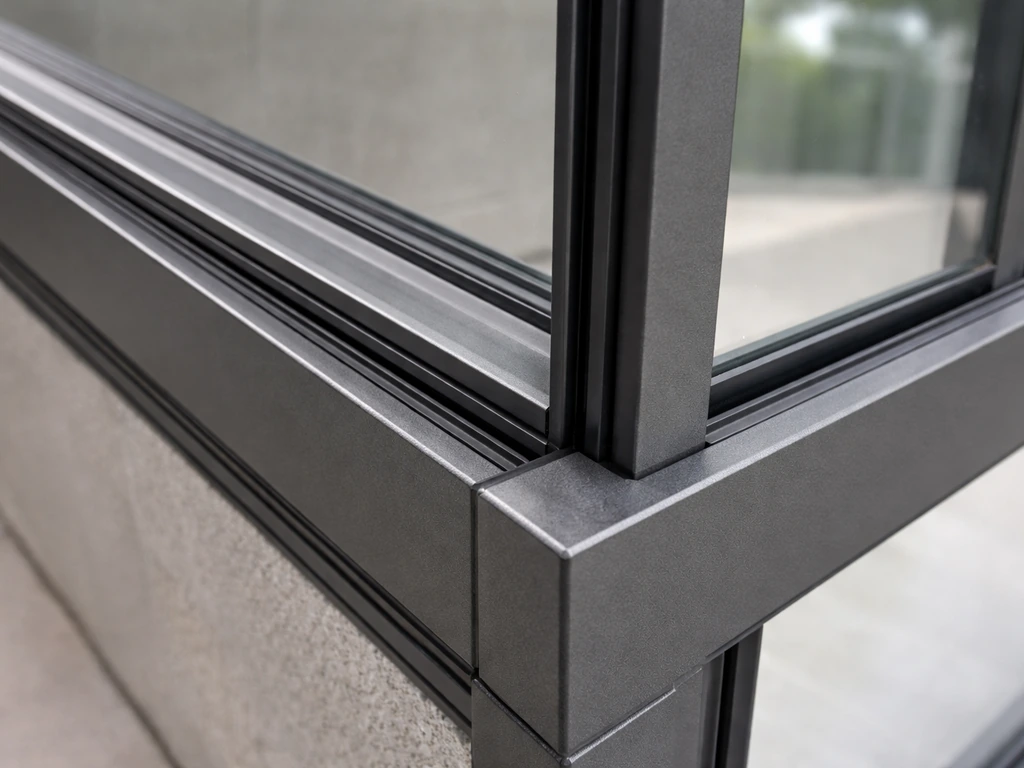
Aluminium is the dominant frame material for patio enclosures in Australia. It handles the climate well, doesn't rust, and comes in a wide range of powder-coat colours to match existing structures. Standard powdercoat colours from most suppliers are included in the base price. Custom powder-coating (matching a specific Colorbond or heritage colour) adds cost, so if your home has an unusual colour scheme, budget for that upcharge.
Glass panels and glazing
Glass enclosures look great and last decades, but they come with compliance obligations. Glass thickness and type must be selected according to AS 1288, which accounts for wind load, pane size, and height. AS 1288:2021 is the current Australian standard for glass selection and installation, including update and adoption timing aligned with NCC 2022. If your property is in a bushfire-prone area with a Bushfire Attack Level (BAL) rating, you may need BAL-rated glazing under AS 3959, which significantly increases material costs. Always ask your glazier to confirm compliance requirements before pricing up.
Louvre systems
Adjustable louvre roofs (like those from Louvretec and similar brands) are popular because they give you a semi-open feel when you want it and full weather protection when you need it. They are sold and installed through authorised dealer networks, which means the price includes a structural and compliance review as part of the process. That is actually a positive: the engineering is built in. Budget $10,000 to $30,000 for a standard residential louvre roof system, with larger spans and motorisation pushing toward the higher end.
Polycarbonate
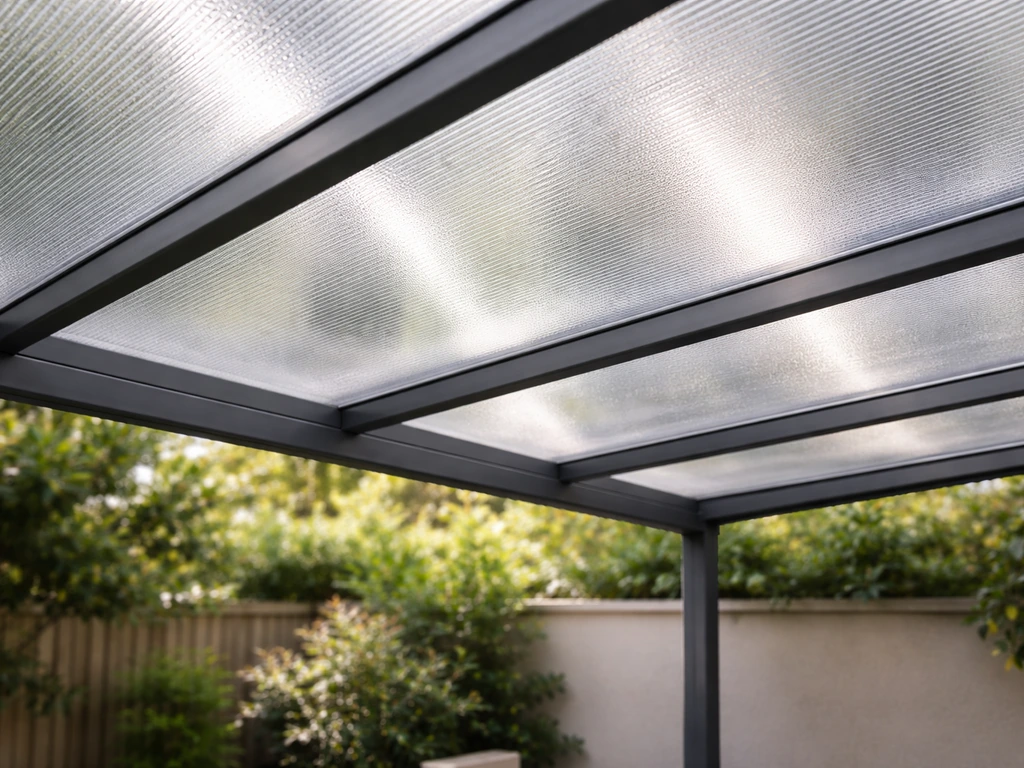
Polycarbonate roofing panels are a cost-effective alternative to glass for roof sections. Installed polycarbonate roofing typically costs $250 to $400 per m², which sits between basic Colorbond and insulated panels. The spec of the polycarbonate sheet matters: multi-wall polycarbonate (like STRATCO's SmartPIU product) provides better thermal performance and light diffusion than single-skin corrugated sheets. UV-protective layers and correct installation orientation are required, so cheap supply-only panels installed incorrectly will yellow and crack faster.
Track-guided blinds and café blinds
If full enclosure is more than you need or can afford right now, track-guided blind systems like Ziptrak are a practical partial solution. Ziptrak’s own pricing guidance notes that Ziptrak blinds are custom-made and that factors like the system type (outdoor vs interior) and installation complexity affect the final price [Ziptrak are a practical partial solution](https://www. ziptrak. com.
au/faq/ziptrak-blinds-price/). Installed cost typically starts at $1,200 to $1,500 per blind for standard sizes, or roughly $600 to $900 per linear metre for a continuous run. Café blinds (clear PVC drop curtains) are cheaper but less weather-tight and less durable. One major practical advantage: blind and screen systems generally do not require development approval in most Australian states, because they don't permanently change the enclosed volume of the structure.
What actually drives the final price up
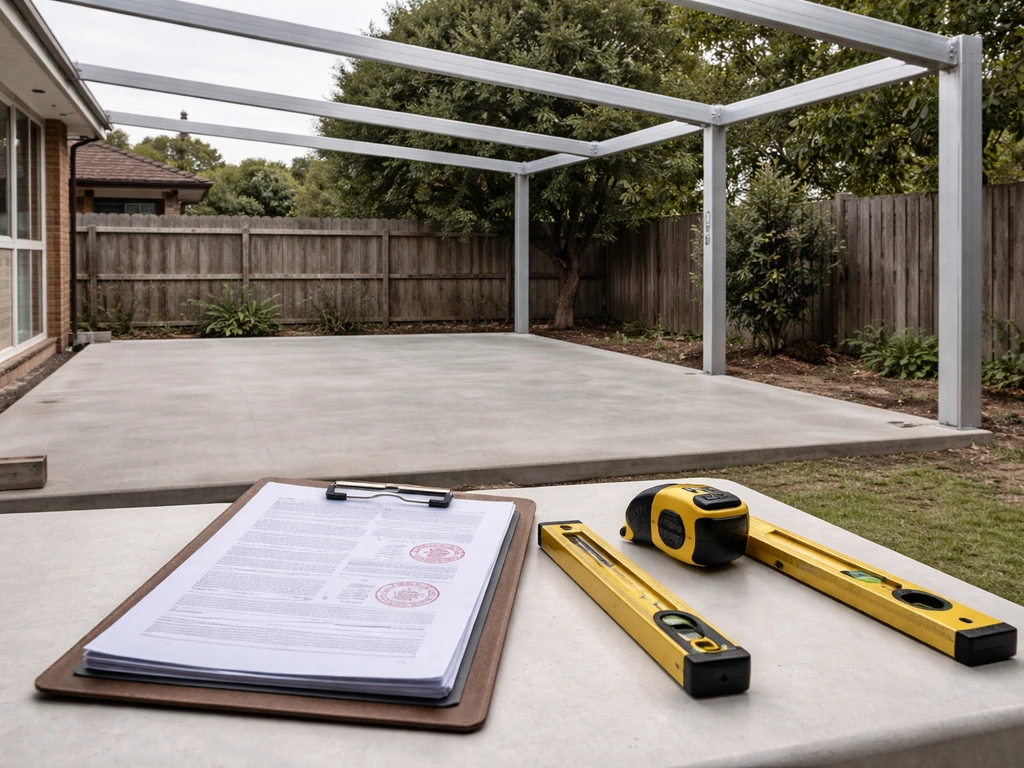
Two quotes for what sounds like the same job can differ by $10,000 or more. These are the most common reasons:
- Permits and approvals: Building permits are required for most permanent patio enclosures in Australia. The City of Karratha (WA) is explicit that a building permit is required for all patios and verandahs, and many other councils take the same position. Permit fees vary by council and by project value, often ranging from $300 to $1,500+. If a structural engineer is required to sign off on the design (common in cyclone or high-wind zones), add $500 to $2,000 for that.
- Foundations and slab work: If your existing slab isn't suitable (wrong thickness, no footings, cracked), it needs remediation before anything goes on top of it. New footings or a new slab for an average patio enclosure can add $2,000 to $8,000.
- Wind rating requirements: Properties in cyclone-prone areas (much of WA's north, NT, QLD coastal areas) require structures engineered to higher wind ratings. This affects both material specs and engineering costs.
- Drainage: Enclosing a patio changes where water goes. If the existing slab drains onto garden beds, enclosing it may require new stormwater drainage connections, which can add $500 to $2,500 depending on complexity.
- Flooring upgrades: Some homeowners use the enclosure project as a chance to tile or resurface the slab. Tiling a 20 m² area adds $2,000 to $5,000+.
- Electrical: Lighting, ceiling fans, and heating/cooling all require a licensed electrician. Budget $500 to $3,000 depending on how much electrical work is involved.
- Bushfire zones: BAL-rated glazing and compliant products in BAL zones add meaningfully to material costs.
- Site access and demolition: If there is an existing pergola, shade sail, or structure to remove first, add $500 to $2,000 for demolition and disposal.
DIY vs hiring a contractor: what's realistic
It is worth being honest about what DIY actually saves here. For simple blind systems on an existing pergola frame, DIY supply-and-install is genuinely feasible for a handy person. Café blind kits, roller blind hardware, and even some polycarbonate roofing systems can be sourced and installed without a trade licence. The savings on labour for a basic blind setup could be $800 to $2,500.
However, anything involving a permanent structure, structural posts, footings, or glazing is a different story. Most councils require a licensed builder to pull and certify a building permit for permanent enclosures. Getting that wrong (unpermitted structure, non-compliant glazing, inadequate footings) creates serious problems at resale and with home insurance. The cost of pulling down and redoing non-compliant work almost always exceeds what you saved on labour.
Some councils, like Meander Valley in Tasmania, do allow certain low-risk small porch and verandah work without building approval if specific criteria are met, but even those exemptions come with planning and plumbing approval caveats. The realistic DIY zone is: blind systems, basic shade sails, PVC café curtain installations, and cosmetic flooring on existing slabs. Structural aluminium frames, glazed enclosures, and louvre systems: get a licensed contractor.
| Task | DIY Realistic? | Approx. Saving | Key Risk |
|---|---|---|---|
| Café blinds / PVC drop curtains | Yes | $500–$1,500 | Low — mainly quality of install |
| Track-guided blind systems (Ziptrak type) | Possibly (with experience) | $500–$2,000 | Warranty may require professional install |
| Polycarbonate roof panels on existing frame | Possibly | $1,000–$3,000 | Correct UV orientation, flashing, sealing required |
| Aluminium frame construction | No (generally) | N/A | Permit and licensed builder typically required |
| Glass / glazed enclosure | No | N/A | AS 1288 compliance, permit, licensing required |
| Louvre roof system | No | N/A | Dealer-installed; engineering is part of the product |
| Electrical (lighting, fans, heating) | No | N/A | Licensed electrician required by law |
How costs vary across Australian states
Labour rates, material freight costs, and approval requirements all differ by state and even by council. Shoalhaven City Council also notes that some minor works may be categorised as exempt development, with council determination pathways differing depending on the type of works such as decks, patios, and verandahs. Here is what to expect regionally:
- Western Australia: Generally one of the more expensive states for patio work. The Quote Yard's 2026 WA pricing data puts standard residential patio structures at $200–$600 per m², with the total project range typically $5,000–$25,000. Perth metro labour rates are higher than regional WA, but regional areas (especially the north) may have freight premiums on materials.
- Queensland: High demand for patio enclosures given the climate. Cyclone-rated structures in coastal and northern QLD add meaningfully to costs. SEQ prices are broadly comparable to Perth metro.
- NSW and ACT: Sydney metro labour rates are high. Complying Development (CDC) can streamline approvals in some cases, but council-specific rules still apply. ACT has its own development approval process.
- Victoria: Melbourne and surrounds are competitive with multiple installers in the market, which can help on price. Wind loads are generally lower than northern states, reducing structural costs.
- South Australia: SA approvals are generally straightforward for standard enclosures. Blind and screen systems typically do not require development approval in SA.
- Tasmania: Some low-risk small structures can proceed without building approval if they meet specific criteria, but planning approval may still apply.
- NT: Darwin and surrounds require cyclone-rated construction. This is non-negotiable and adds significantly to structural and glazing costs compared with southern states.
As a rough rule: if you are in a cyclone zone, add 20 to 40 percent to any southern-state estimate you see online. If you are in a bushfire-prone area (BAL 12.5 or higher), confirm glazing requirements with your installer before accepting any quote.
Getting quotes you can actually compare
The biggest mistake homeowners make is collecting three quotes and comparing just the bottom-line number. One quote might include the slab, permits, and electrical. Another might be supply-and-install of the frame only. They are not the same job. Before you call anyone, get clear on what you actually want quoted, and then ask every contractor the same questions.
Your pre-quote checklist
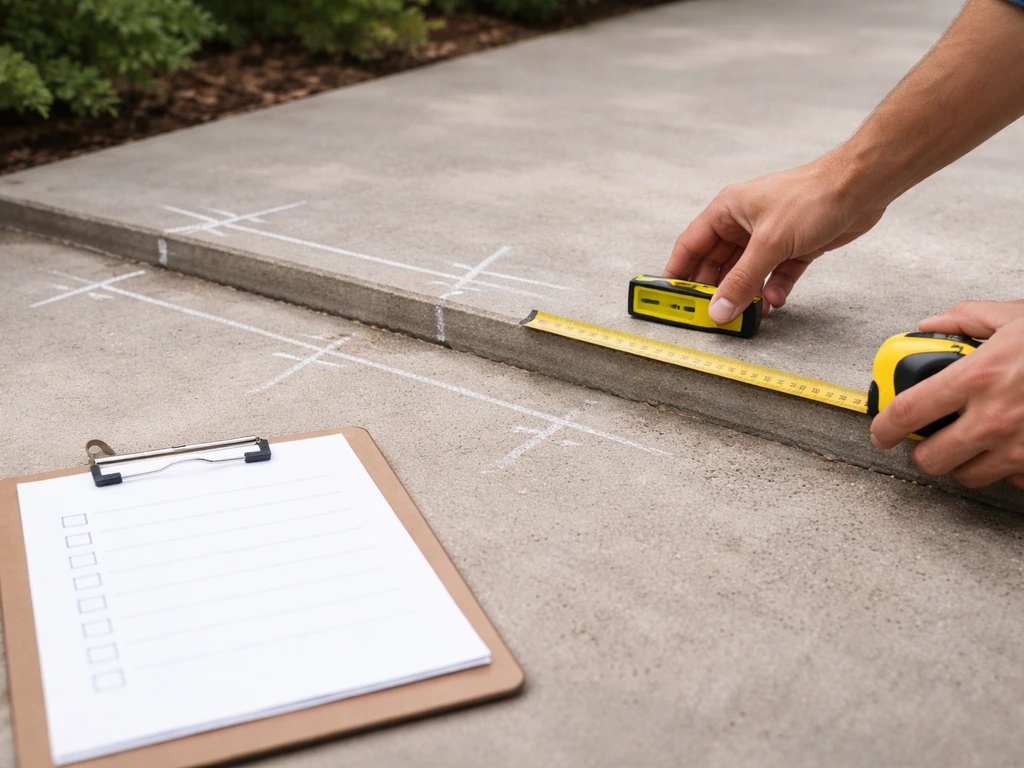
- Measure your patio accurately: length, width, and ceiling/beam height if there is an existing structure.
- Note the condition of the slab: any cracks, uneven surfaces, or drainage issues.
- Know your postcode: this affects wind rating requirements, BAL zoning, and permit processes.
- Decide on enclosure type before calling: full glass room, louvre roof, blinds only, or a combination.
- Ask each contractor: does this quote include the building permit application and fees?
- Ask: is this supply-and-install, or supply only? Who organises delivery?
- Ask: does this include slab prep, footing work, and drainage modifications if needed?
- Ask: does this include electrical rough-in for lighting or fans, or is that a separate contractor?
- Ask: what is the product warranty and what does the installation warranty cover?
- Ask: what is the expected lead time from deposit to installation, and how weather-dependent is the install?
- Get all inclusions and exclusions in writing before signing anything.
For most mid-size projects ($10,000 to $25,000), getting three quotes is the right move. For smaller blind-only installations, two quotes from reputable local suppliers is usually enough. If you are comparing a Stratco-supplied system against a local fabricator, also check whether the Stratco quote is through a dealer (supply-and-install) or a supply-only arrangement, since that changes who is responsible if something goes wrong.
Red flags to watch for
- A quote with no mention of permits or approvals for a permanent structure.
- A very low price that does not include site prep, footings, or drainage.
- No written specification of materials (e.g., just 'aluminium frame' with no gauge, finish, or brand).
- A contractor who cannot provide a builder's licence number or public liability insurance details.
- Large upfront deposits (above 10–20 percent) before any materials are ordered or work scheduled.
Once you have two or three comparable, itemised quotes in hand, you are in a strong position to negotiate. Small jobs often have more flexibility on price than large structural ones, where material costs dominate. If budget is tight, asking about a staged approach (blinds now, full enclosure later) is a legitimate conversation to have with a good contractor.
FAQ
Does the $5,000 to $40,000 range include building permits, electrical work, and the slab, or are those extra?
That range generally assumes an existing slab and good site conditions. Permits, any required electrical (for lighting, motors, or power points), and sometimes engineering checks can be add-ons depending on your council and the product type, so confirm whether each quote includes approvals, electrical supply and installation, and any slab verification or remediation.
How much should I budget for a concrete slab if my patio base is not already there?
If you need a new slab, budgeting separately is sensible, because slab cost can swing widely with thickness, reinforcement, access, and whether drainage needs changes. Ask your contractor for a line item that states slab size, thickness, reinforcement, and whether they include surface preparation and removal of existing paving if applicable.
What’s the real difference in cost between partially enclosing a patio with blinds or polycarbonate and fully enclosing with glass or a louvre room?
Partial systems usually cost less because they rely on lightweight walling and roof infill, often using existing frames. Full enclosures typically require structural posts, deeper engineering considerations, and higher-spec glazing or louvre assemblies, which is why the jump in price can be large even for similar patio floor area.
Are Ziptrak or other track-guided blinds considered enclosed enough to require approvals?
In many cases they are treated as non-permanent shade or screening rather than creating a permanently enclosed habitable volume. However, “most states” is not “every council,” so confirm the product’s classification and whether you need development or building approval based on your specific facade changes and how the area is used.
What should I look for in a quote to avoid a $10,000 mismatch between two “similar” projects?
Request itemised scope details for frame type, panels or glass type, roof coverage, number of bays, tracks or hardware included, motorisation, seals and flashing, and whether the slab, footings, permits, and electrical are included. Also ask what is excluded (demo, waste removal, access equipment, re-coating, any engineering reports) because exclusions drive the biggest gaps.
Can I combine enclosures, for example blinds on the sides now and a roof upgrade later?
Yes, staged builds are common, but you need to ensure the existing structure is sized for the future load and that flashing, seals, and attachment points are planned from the start. Ask your installer to confirm the future roof or infill fastening method so you are not paying to remove and redo hardware later.
If I’m in a bushfire-prone area, do I always need BAL-rated glazing?
Not always, but if your site has a BAL requirement (for example BAL 12.5 or higher), the enclosure must comply with the applicable standard. The key is to confirm your BAL level and glazing classification with the installer before pricing, because compliant materials and engineering steps can increase costs significantly.
Do colour matching and custom finishes change the price a lot?
They can. Standard powder-coat colours are often included, but custom matching to an exact heritage or Colorbond tone can add an upcharge. Ask whether the quote includes the exact colour code you want and whether touch-ups are included if damage occurs during installation.
Is multi-wall polycarbonate always better than single-skin, and is it worth the extra cost?
Usually multi-wall polycarbonate performs better for insulation and light diffusion, and it tends to hold up better than cheaper single-skin sheets when installed correctly. It is worth it if you want year-round comfort, but you still need correct UV-protection and correct orientation, so confirm the spec and warranty terms, not only the per-square-metre rate.
What’s the cost impact of motorising blinds or louvre roofs?
Motorisation typically adds both hardware cost and electrical work, and it can also affect installation complexity. Get a quote that specifies motor type, number of motors, control method, and whether cabling and power points are included, because some suppliers separate electrical allowances.
How do I estimate price per square metre more accurately for my patio?
Instead of using a simple per-square-metre figure, break it into bay count (length and height), roof coverage area, and the enclosure type per section (blinds versus fixed panels versus glazing). Ask for the quote to show material and labour for roof, vertical elements, and any structural additions, then you can compare apples to apples between contractors.
Is DIY ever a smart option, and where is the boundary with risks?
DIY can make sense for supply-and-install blind systems on existing, sound structures, and for basic non-structural items on an existing slab. Avoid DIY for structural aluminium frames, glazing, footings, or anything that changes the building envelope permanently, because unpermitted or non-compliant work can fail during resale or when insurers assess the property.
What regional factors should affect my budget beyond normal state-to-state differences?
Cyclone regions can require extra allowances for wind loading, so an additional contingency on top of southern estimates may be appropriate. For bushfire areas, compliance requirements can override typical material pricing, so always confirm local risk conditions (BAL) before locking in a quote.
Next Articles
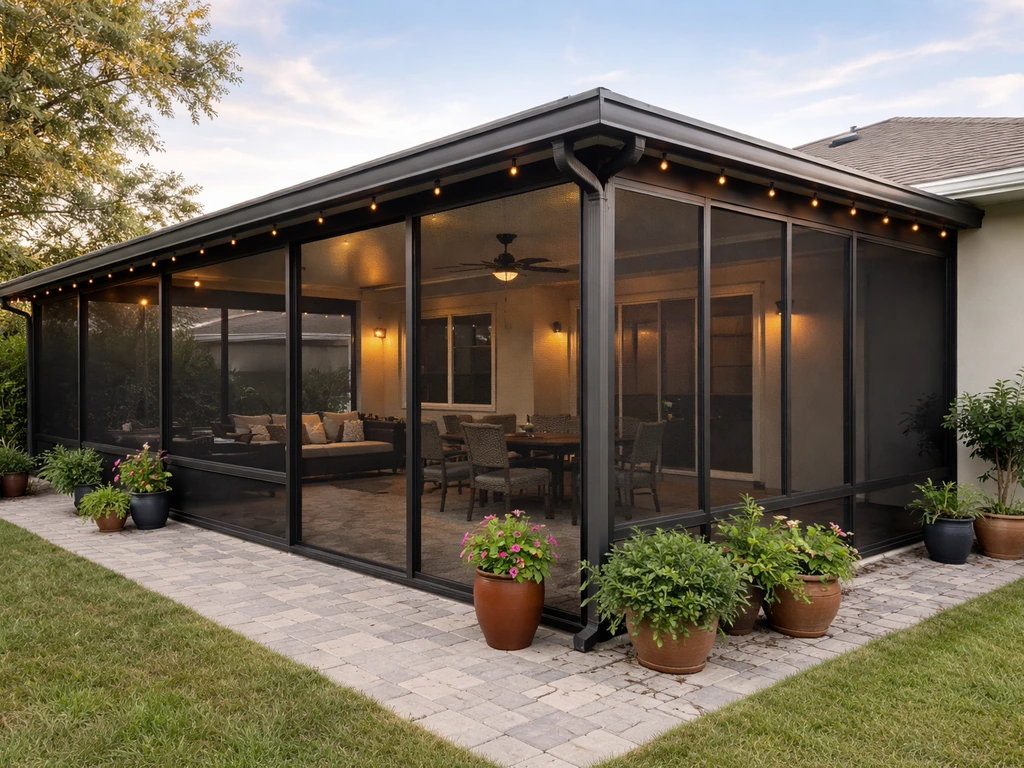
How Much Does It Cost to Close in a Patio? Budget Guide
Estimate the cost to enclose a patio, compare screen vs glass, and budget for sizes like 10x10 to 20x20.
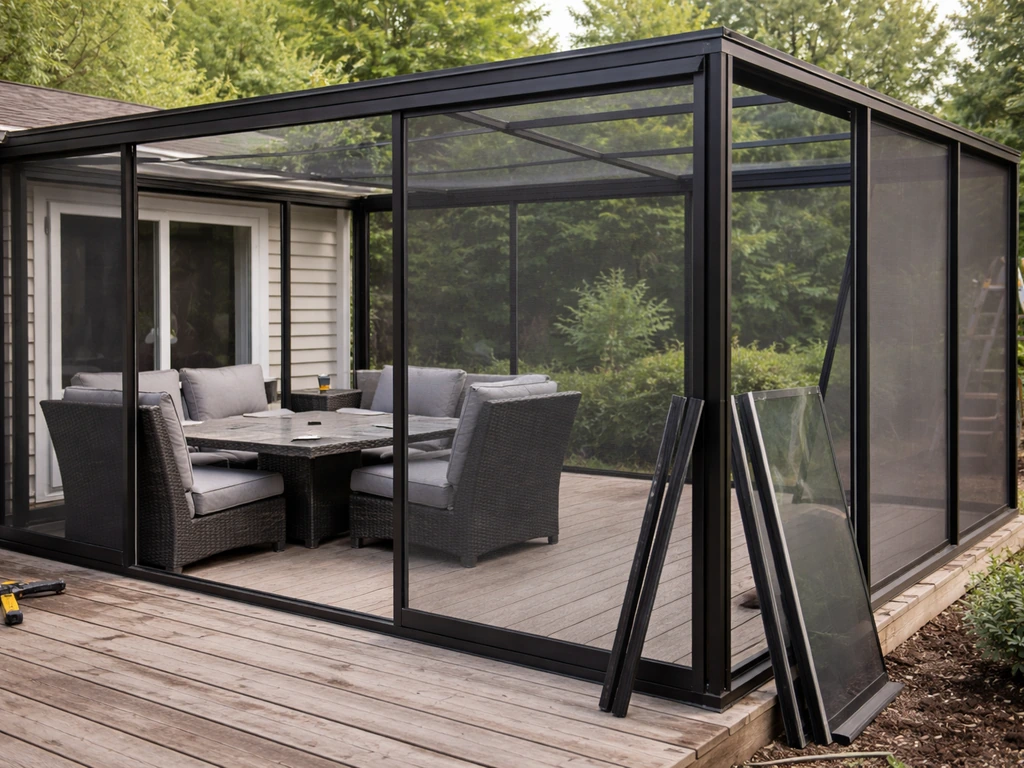
How Much to Enclose a Patio Cost Guide by Size
Ballpark costs to enclose a patio by size, scope, and materials, plus DIY vs contractor and quote checklists.
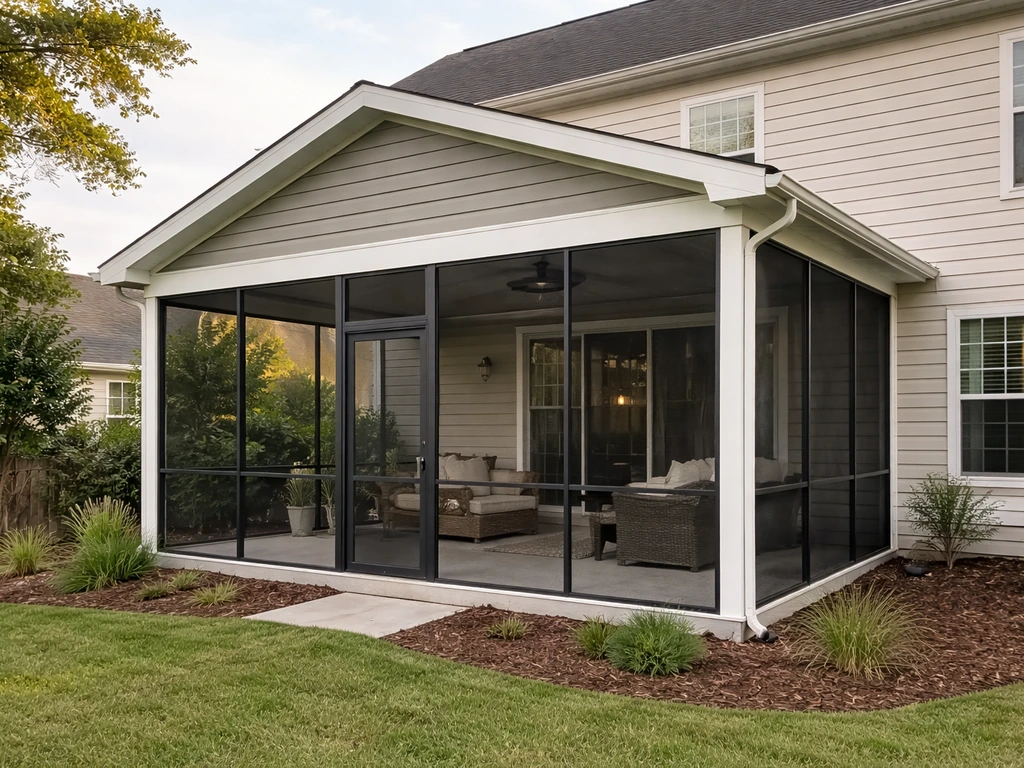
How Much to Add a Screened-In Patio Cost Breakdown
Get real cost ranges to add a screened-in patio by size, materials, roof and doors, plus DIY vs contractor budgeting ste