
Enclosing a patio typically costs between $10 and $280 per square foot depending on what you're building. Adding screens to an existing covered patio runs $10–$25 per sq. ft. on the low end, a basic new screened enclosure lands around $50–$175 per sq. ft., and a full glass or 4-season sunroom conversion can push $200–$280 per sq. ft. or more. For a 200 sq. ft. patio, that's anywhere from $2,000 for a simple DIY screen kit to $56,000+ for a fully glazed, climate-controlled room. The gap is huge, so the first job is pinning down which type of enclosure you actually want.
How Much to Enclose a Patio Cost Guide by Size

Felix Carver
29 Apr 2026
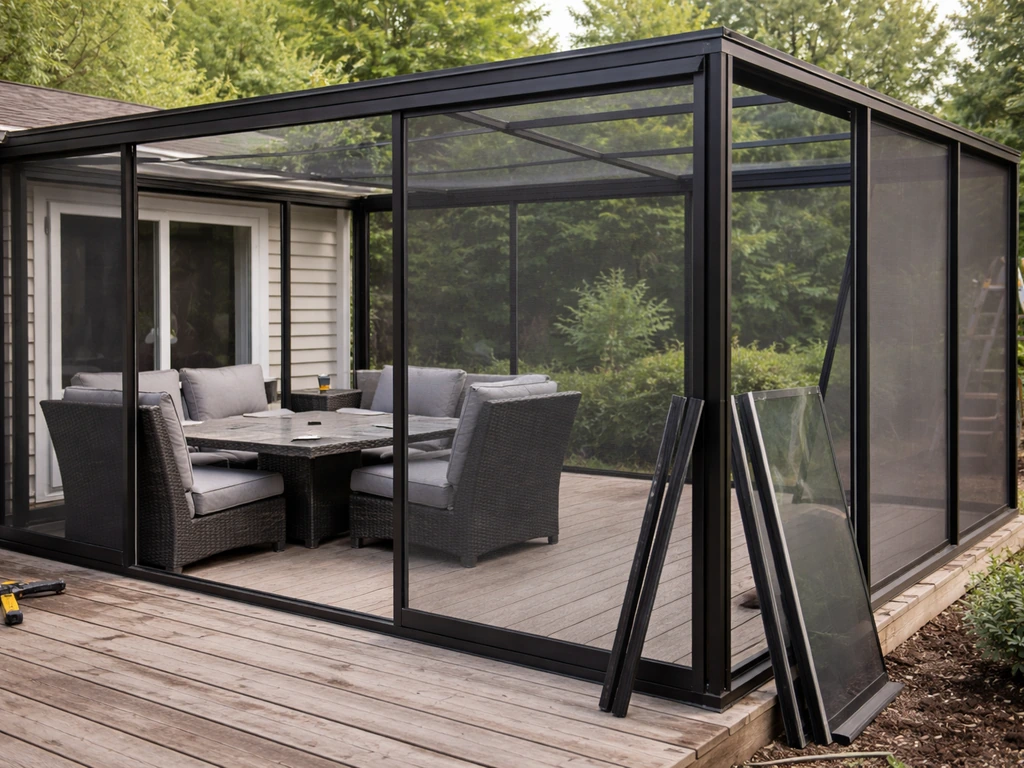
Typical cost ranges for enclosing a patio in 2026
Here's a straightforward look at what each enclosure type runs nationally. These are installed costs unless otherwise noted.
| Enclosure Type | Typical Cost Range | Notes |
|---|---|---|
| DIY screen kit (existing covered patio) | $2,000–$4,000 total | Materials only; you do the labor |
| Adding screens to existing patio (pro install) | $10–$25 per sq. ft. | Screen mesh + framing; no roof work |
| New screened-in patio enclosure (full build) | $50–$175 per sq. ft. | Includes framing, roof tie-in, doors |
| 3-season sunroom | $8,000–$60,000 total | Glass panels, no heating/cooling |
| 4-season sunroom / fully enclosed room | $20,000–$80,000 total | Insulated glass, HVAC, electrical |
Forbes Home pegs the national average for a screened-in porch build at around $32,400, which is a reasonable gut-check for a mid-size screened enclosure in the 200–250 sq. ft. range with professional framing and a proper roof tie-in. If a quote comes in dramatically lower than that for a comparable project, start asking questions about what's excluded.
What drives the cost: enclosure type matters most
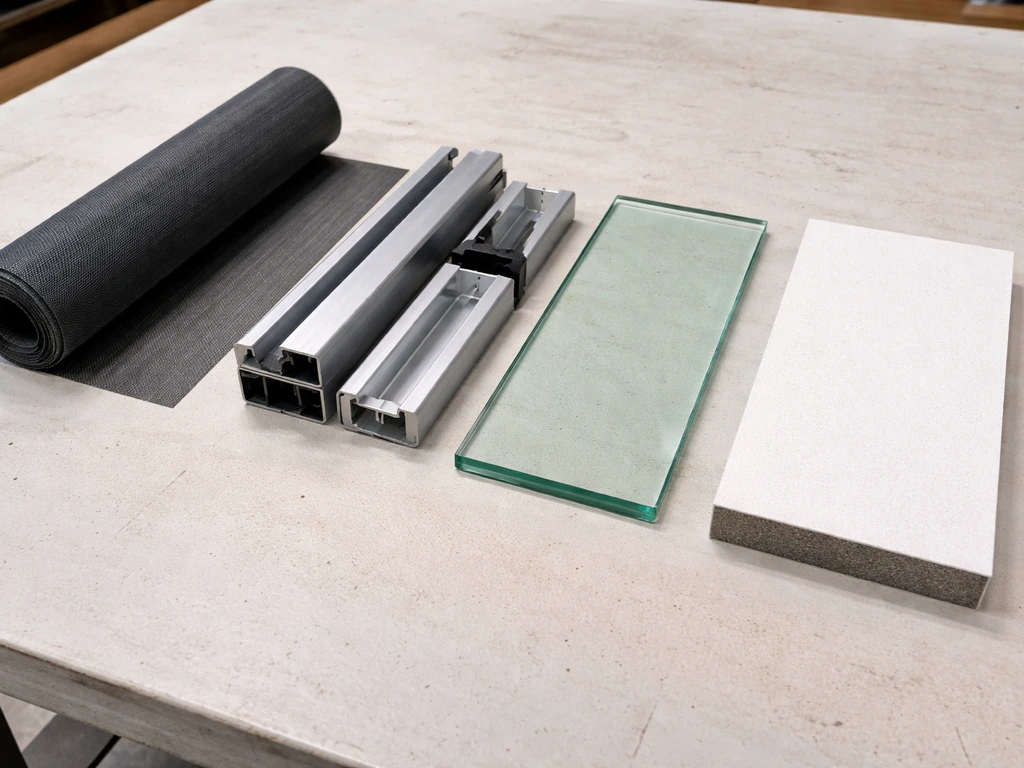
The single biggest cost lever is what you're actually putting up. A screen enclosure and a glass sunroom share a footprint but almost nothing else in terms of materials, labor, or structural requirements. Here's how each type stacks up.
Screen-only enclosures
A basic screen enclosure uses aluminum or fiberglass mesh stretched across a frame. Aluminum screen mesh itself costs roughly $2.60–$3.80 per sq. ft. for materials alone. Once you add aluminum framing, fasteners, screen doors, and labor, you're looking at $10–$25 per sq. ft. installed for adding screens to an existing structure. The framing and roof flashing integration is where most of the skilled labor cost lives, not the mesh itself. Don't let a low material quote fool you into thinking installation is cheap.
Glass and solid wall enclosures
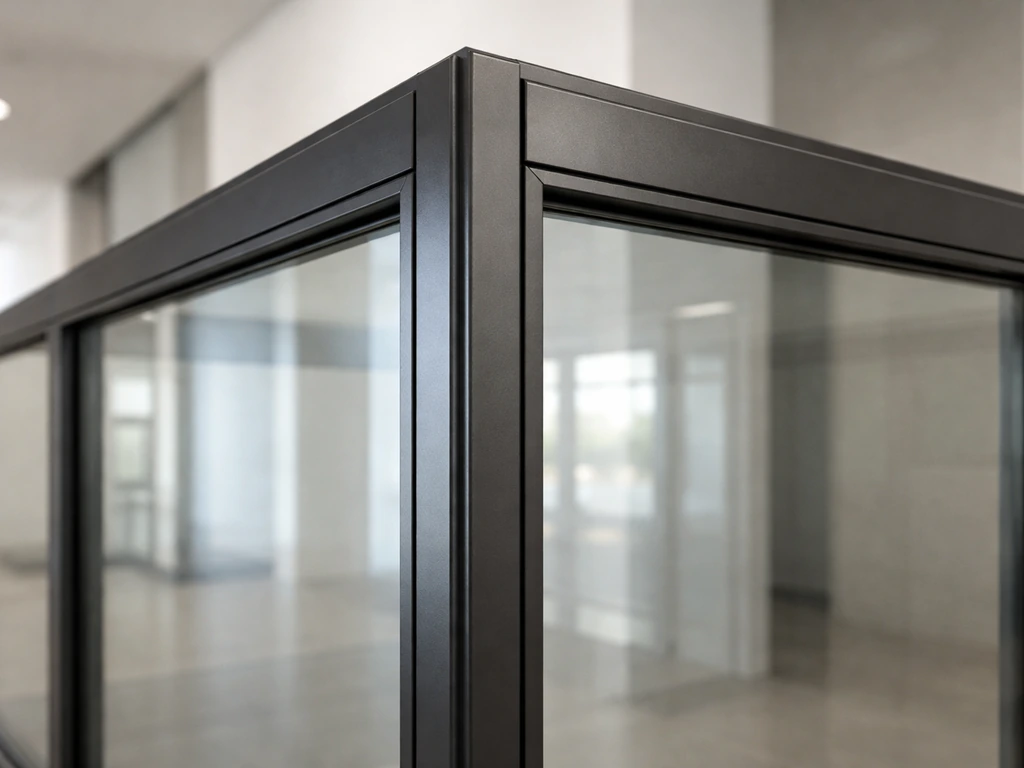
Swapping screen panels for glass or solid composite walls jumps the price significantly. You're now dealing with heavier framing, tempered or insulated glass panels, and usually a more substantial foundation requirement. A 3-season enclosure with glass panels and no climate control typically runs $8,000–$60,000 total. Step up to a true 4-season room with insulated glass, heating, and cooling and you're looking at $20,000–$80,000. The broad range comes down to glass quality, wall thickness, roof type, and how much structural work the existing patio requires.
Partial vs. full wrap enclosures
A partial enclosure, say screening two sides of a three-sided covered patio, costs meaningfully less than a full perimeter wrap. You're buying fewer linear feet of framing, fewer screen panels, and potentially only one door opening instead of two. A full wrap requires framing all four sides, usually two or more doors, and often more complex roof flashing where the enclosure meets the house. Partial enclosures can be a smart middle ground if your goal is bug control and some wind protection without the full project cost.
Small patio vs. covered patio: how starting conditions change the price
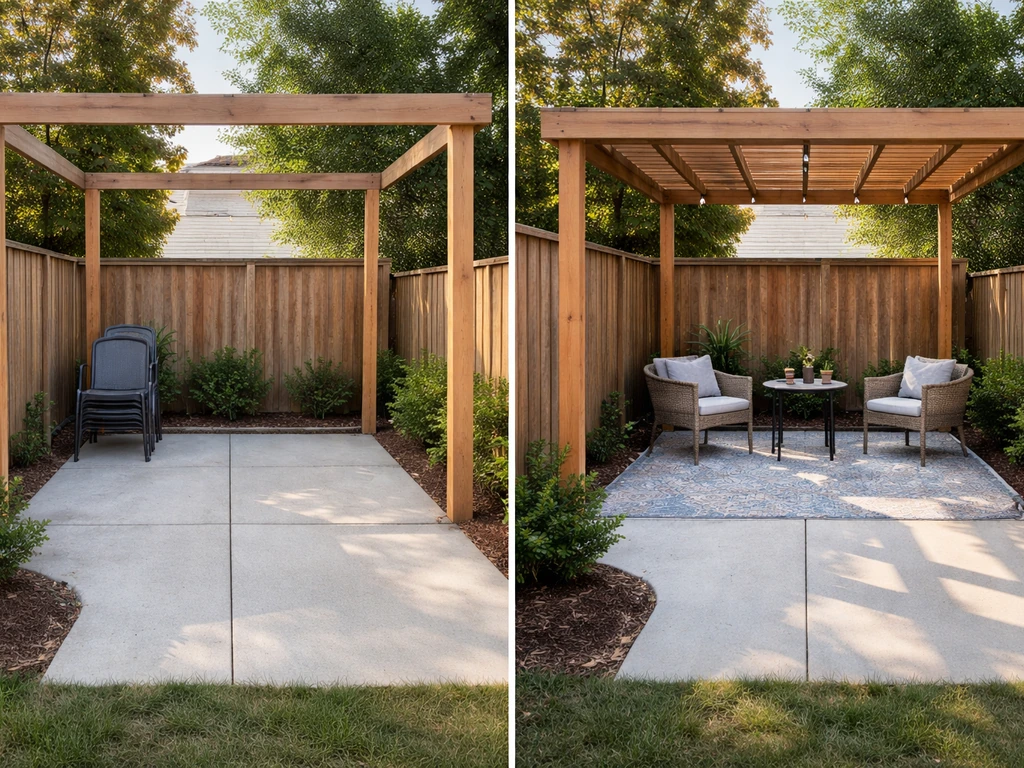
Whether your patio is already covered makes a real difference to the total. If you already have a solid roof or pergola cover over the patio, you're really just enclosing the sides, which is significantly cheaper than building from scratch. On a covered patio, the contractor skips the roof framing and roofing materials entirely. The project becomes: frame the perimeter, install screens or panels, add a door or two, tie in the roof flashing, done.
On an open (uncovered) patio, you're starting from concrete or pavers and building everything above it: footings if needed, posts, a full roof structure, and then the enclosure itself. That roof addition alone can add $15–$50 per sq. ft. to the project depending on the roofing material and span. A small patio, say 10x10 or 10x12, doesn't get much of a per-square-foot discount because there are fixed costs like doors, post connections, and permit fees that don't shrink proportionally with the space.
Budget breakdown: where the money actually goes
When you get a contractor quote, you want to see these cost categories clearly. If a bid is just a single lump sum, ask for an itemized version before signing anything.
- Materials (screen mesh, framing, panels, doors, hardware): often 40–55% of total project cost on a screened enclosure
- Labor (framing, installation, roof flashing, finishing): typically 35–50% of total on a contractor-installed project
- Site prep (leveling, slab edge work, post footings): $500–$2,500 depending on existing slab condition
- Footings and foundation: for glass or sunroom enclosures, continuous footings to frost line depth are often required by code; budget $1,500–$5,000 depending on depth and linear footage
- Permits: residential building permits for enclosures typically run $200–$600 for the base permit, plus separate trade permit fees if electrical or mechanical work is involved
- Electrical rough-in (outlets, lighting, ceiling fan rough-in): add $800–$2,500 if included in scope
- HVAC or ventilation (for 3-season or 4-season rooms): $2,000–$8,000+ depending on system type
One thing people consistently underbudget is the roof flashing and tie-in work where the new enclosure meets the house wall. If water gets behind that junction, you have a serious problem. Quality flashing is skilled work and should be explicitly listed in any contractor proposal. Same goes for permits: if a contractor doesn't mention permits, ask directly. In many municipalities, including Tampa as a clear example, screen enclosures require a building permit by default. Skipping it can create problems when you sell the house.
Estimating your cost by patio size
The easiest way to get a rough number before calling a contractor is to multiply your patio's square footage by the per-sq.-ft. range for your enclosure type, then add fixed costs for doors and any roof or electrical work. Here's how that plays out at common patio sizes.
| Patio Size | Sq. Ft. | Screens Added to Covered Patio ($10–$25/sq. ft.) | New Screened Enclosure ($50–$175/sq. ft.) | 3–4 Season Sunroom ($100–$280/sq. ft.) |
|---|---|---|---|---|
| 10x10 | 100 sq. ft. | $1,000–$2,500 | $5,000–$17,500 | $10,000–$28,000 |
| 12x12 | 144 sq. ft. | $1,440–$3,600 | $7,200–$25,200 | $14,400–$40,320 |
| 12x16 | 192 sq. ft. | $1,920–$4,800 | $9,600–$33,600 | $19,200–$53,760 |
| 20x20 | 400 sq. ft. | $4,000–$10,000 | $20,000–$70,000 | $40,000–$112,000 |
Keep in mind these figures are the enclosure work only. HomeAdvisor estimates screening an existing porch typically costs about $5 to $20 per square foot, while building a new screened-in porch averages about $25 to $120 per square foot $5 to $20 per square foot for screening an existing porch. If your patio doesn't have a roof yet and you need one added first, tack on the cost of a patio cover or roof addition before running this math. Also remember that small patios like a 10x10 have relatively high fixed costs (permits, a door, post hardware) that don't shrink just because the space is small. Don't be surprised if a 10x10 screened enclosure quote comes in at $6,000–$8,000 even though the math above suggests $5,000. Those door and permit line items are real.
DIY vs. hiring a contractor: honest trade-offs
DIY makes the most sense for one specific scenario: you already have a covered patio with an existing frame, you're adding screen mesh only, and you're comfortable with basic tools. In that case, screen material runs around $3–$5 per sq. ft. versus $5–$7 per sq. ft. installed, so you save roughly $2–$3 per sq. ft. in labor. On a 200 sq. ft. patio, that's $400–$600 in savings. Honestly, not huge, but not nothing either.
Where DIY gets risky and expensive fast: anything involving structural framing, roof tie-ins, footings, or electrical. These aren't just skill issues, they're code issues. Most jurisdictions require permits and inspections for framing, foundation work, and electrical modifications. If you do unpermitted structural work, it can surface during a home sale, void your homeowner's insurance for that structure, or just fail inspection when you eventually do disclose it. A DIY kit for an existing covered porch in the $2,000–$4,000 range is reasonable. Building a full screened room from scratch yourself is a much higher-stakes project.
One hybrid approach that works well: do the finish work (painting, trim, screen re-mesh on existing frames) yourself, and hire a contractor for the structural framing, roof work, and electrical rough-in. You capture some DIY savings on the lower-skill tasks without touching the work that requires inspections and licensed trades.
How to get good contractor quotes and avoid overpaying
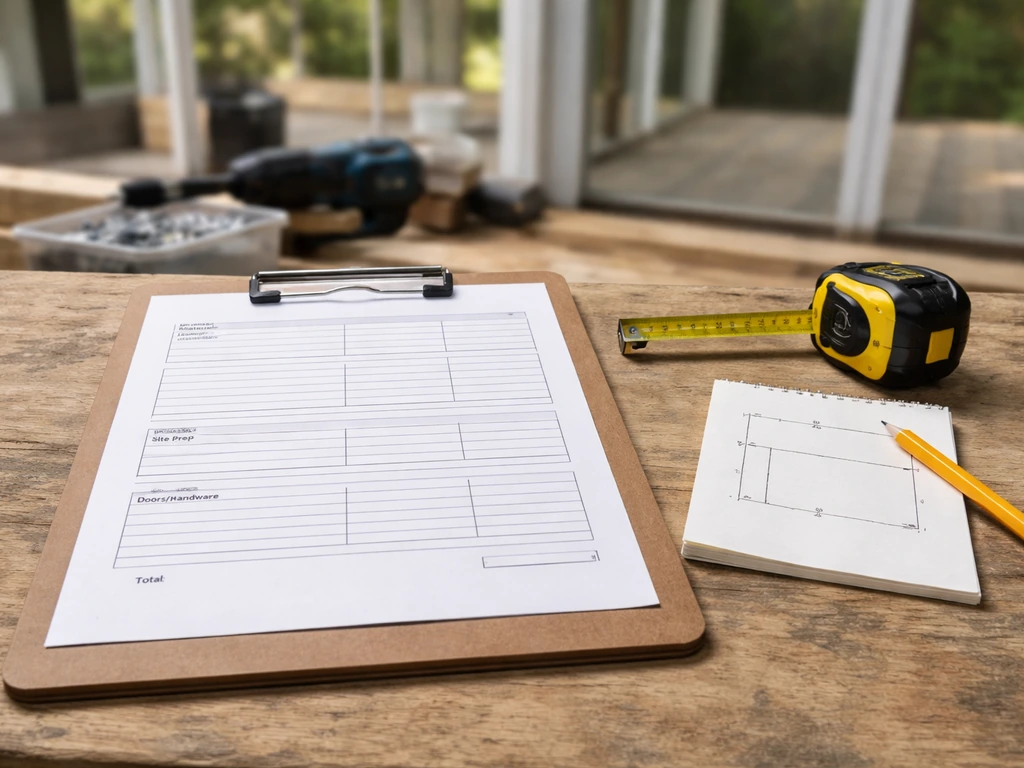
Get at least three quotes. That's not just common advice, it's how you calibrate whether a number is real. With patio enclosures, bids can vary by 40–50% between contractors for the same job because some include footings, permits, and roof flashing in the base price while others strip those out to look competitive. Here's what to ask and verify before you sign.
- Ask for a fully itemized quote listing materials, labor, site prep, footings, permits, and any electrical or HVAC scope separately
- Ask specifically: does this price include pulling the permit, and who pays the permit fees?
- Ask about roof tie-in: how will the enclosure connect to the house, and what flashing method do they use?
- Ask about footing requirements: will the local building department require footings, and are those in the quote?
- Ask what happens if the slab is uneven or damaged: is slab prep included or billed separately?
- Ask about the door and hardware specs: how many doors, what gauge aluminum frame, what screen mesh weight?
- Ask for a project timeline and whether inspections cause delays they'll manage for you
When comparing quotes, line them up against the ranges in this article. A screened enclosure quote for a 12x16 patio coming in at $4,000 should raise flags: that's below the $9,600 low end of the $50/sq. ft. range, which usually means the contractor is excluding permits, footings, or roof work. A quote at $35,000 for the same project should also prompt questions: that's above the high end of the screened enclosure range and approaching 3-season sunroom territory, so make sure you understand exactly what premium work or materials justify that number.
Also worth flagging: if you're in a storm-prone region (Gulf Coast, Southeast Atlantic, coastal areas), expect surcharges for hurricane-rated framing, reinforced connections, and tie-downs. These are real cost adders, not contractor upsells, and they're often required by local code. Budget accordingly and verify that any quote for those regions meets local wind-load requirements.
Before you call: measure and gather these details first
Walk out to your patio with a tape measure before picking up the phone. Contractors can give you a much more accurate ballpark if you come prepared. Here's what to have ready.
- Patio dimensions: length, width, and ceiling height if it's already covered
- Whether you have an existing roof or cover over the patio, and what it's made of (wood, aluminum, solid roof)
- The patio surface material (concrete slab, pavers, flagstone, brick) and approximate slab thickness if you know it
- How many sides you want enclosed (partial vs. full perimeter)
- How many door openings you want and approximately where
- Whether you want electrical (outlets, ceiling fan, lighting) included in scope
- Your local municipality, so the contractor can confirm permit requirements upfront
If you want a 4-season or climate-controlled enclosure, note your existing HVAC setup too, because contractors will ask whether you're extending existing ductwork or installing a separate mini-split system. That single decision can add or subtract several thousand dollars from the bid. The more specific you are upfront, the more useful and comparable your quotes will be.
Closing in a patio and adding a screened enclosure are related projects that often get lumped together in searches, but the scope can vary quite a bit between a basic screen-only job and a fully closed-in room. How much does it cost to close in a patio? Use your patio size, the enclosure type (screen, 3-season, or 4-season), and whether you already have a roof to estimate the total. Replacing a patio screen is a separate scope from enclosing the whole patio, so costs can differ based on the size, frame condition, and materials. If you're estimating enclosure costs, it helps to know how much a screened-in patio or porch typically runs for your size and scope. If you're weighing options at the simpler end, a screened enclosure is usually the starting point worth pricing first before stepping up to glass panels or full walls. In Australia, Strato patio kits and custom enclosures are priced based on the same factors, so it helps to compare quotes for your patio size and enclosure type how much does a stratco patio cost australia. For Australia-specific pricing, see how much does it cost to enclose a patio australia for typical ranges by enclosure type and size.
FAQ
If my patio is already covered, do I still need to budget for posts and footings?
It helps to calculate in two steps, first confirm whether the patio already has code-compliant posts and a roof structure. If you need to add any roof framing, posts, or footings, your cost should jump because that work often requires a permit and engineered connections in many areas, even if the enclosure itself is “just screens.”
Do screen enclosures always require a permit?
Yes. Screen-only enclosures can still trigger permits depending on your municipality and whether the project changes the roof tie-in, adds doors, or alters drainage. Ask the contractor to list the permit number and what inspections are included, not just whether they “handle permits.”
Why does a 10x10 enclosure cost more than the per-square-foot math suggests?
For a small patio, fixed items usually dominate the price. Expect costs to be driven by door hardware, flashing and water management at the house junction, and minimum framing spans. A typical 10x10 can land higher than a simple per-square-foot estimate because you still pay for those same “setup” items.
What details in quotes cause big differences for the same patio size?
When multiple contractors quote “screen enclosure” prices, make sure you compare the framing material and door count. Some bids include only mesh and basic aluminum framing, while others include reinforced corners, upgraded hardware, and a specific type of screen door (self-closing, keyed, or sliding), which can materially change the total.
What is the most common “hidden” cost people miss besides permits?
If you have a covered patio with an existing roof, the key cost risk is water control at the roof-wall and roof-post intersections. Ask for explicit line items for roof flashing, sealants, and how the contractor will prevent water from routing behind trim at the enclosure junction.
How long should enclosure projects typically take?
Plan on a noticeable timing difference. Structural and roof tie-in work usually takes longer due to inspection windows, material lead times, and the need to confirm measurements on-site before ordering panels. Mesh re-install or finish work on existing frames is typically much faster.
Does replacing existing patio screens cost the same as enclosing a patio from scratch?
If you are replacing existing screening, the old frame condition changes everything. A sagging or corroded frame may require repairs or partial rebuild, and new screens may not be a direct cost replacement. Ask whether the quote includes frame straightening and whether damage discovery triggers change orders.
How much extra should I budget if I live in a hurricane or coastal region?
In storm-prone or coastal areas, you should budget for hurricane-rated components like stronger anchors, wind-rated glazing, and uplift-resistant roof connections. The price increase is not always labeled as a “storm surcharge,” so confirm the specific wind-load or impact-rating standard the contractor is designing to.
What parts of an enclosure are realistic DIY tasks versus high-risk work?
For DIY, the biggest boundary is anything that affects structure, roof attachment, or electrical. If you already have an engineered or permitted frame and you are only swapping mesh on an existing enclosure, that is often the safest DIY lane. Any new roof tie-in, footing work, or duct or electrical modifications should be left to licensed, permitted work.
How can I compare contractor bids without getting misled by lump sums?
A common calibration tool is to request a quote that breaks out square footage labor versus materials, plus separate lines for door(s), roof flashing and tie-in, electrical, and permits. If a quote won’t itemize, it is harder to tell whether the price aligns with the expected per-square-foot range in your article type.
What’s the cost impact of choosing ducted HVAC versus mini-split for a 4-season enclosure?
If you want heat or cooling in a 4-season room, the HVAC approach affects cost and complexity. Confirm whether the contractor plans to extend existing ductwork or install a mini-split, and ask for the planned unit size and electrical requirements. That decision can change the total by several thousand dollars.
How do patio shape and layout affect the final enclosure price?
Expect a gap between “average” and “your” number if your patio geometry is odd. Uneven roof overhangs, off-square corners, multiple door openings, or a patio that connects to the house at an unusual angle can add framing and flashing complexity, which increases labor even at the same square footage.
Should I estimate enclosure cost from floor square feet or perimeter/linear feet?
Start by measuring the enclosure footprint for the wall sections, not just the floor area. The number of linear feet of framing, number of doors, and the perimeter where flashing must tie into the house can change the cost more than the floor square footage alone.
Next Articles
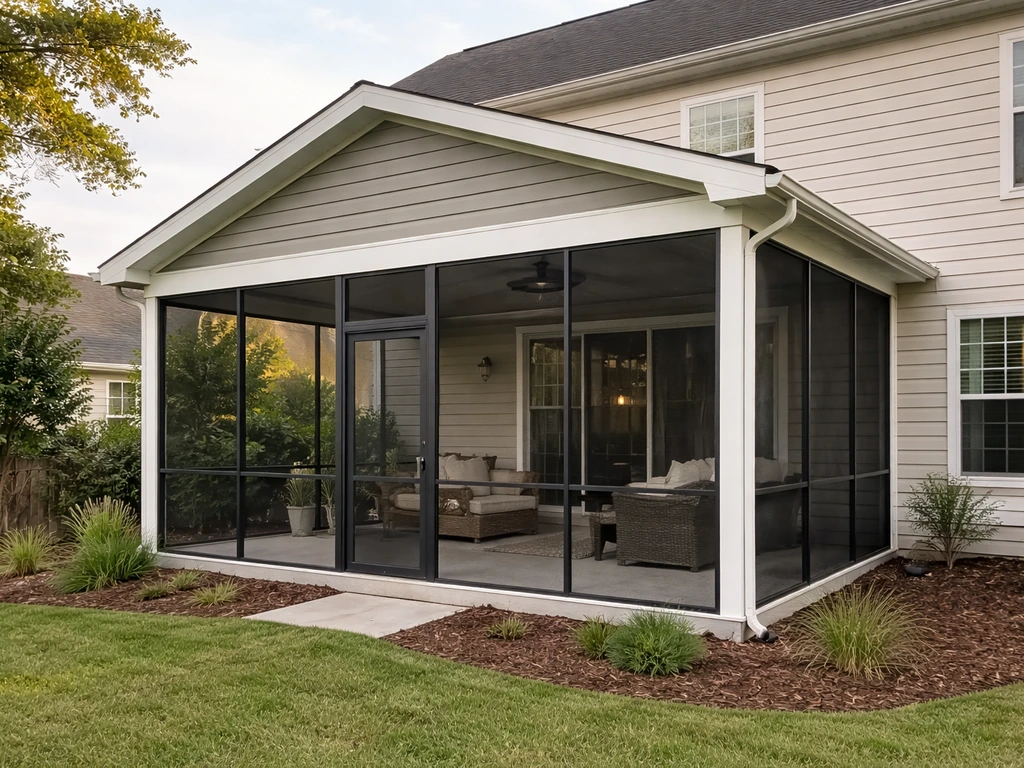
How Much to Add a Screened-In Patio Cost Breakdown
Get real cost ranges to add a screened-in patio by size, materials, roof and doors, plus DIY vs contractor budgeting ste
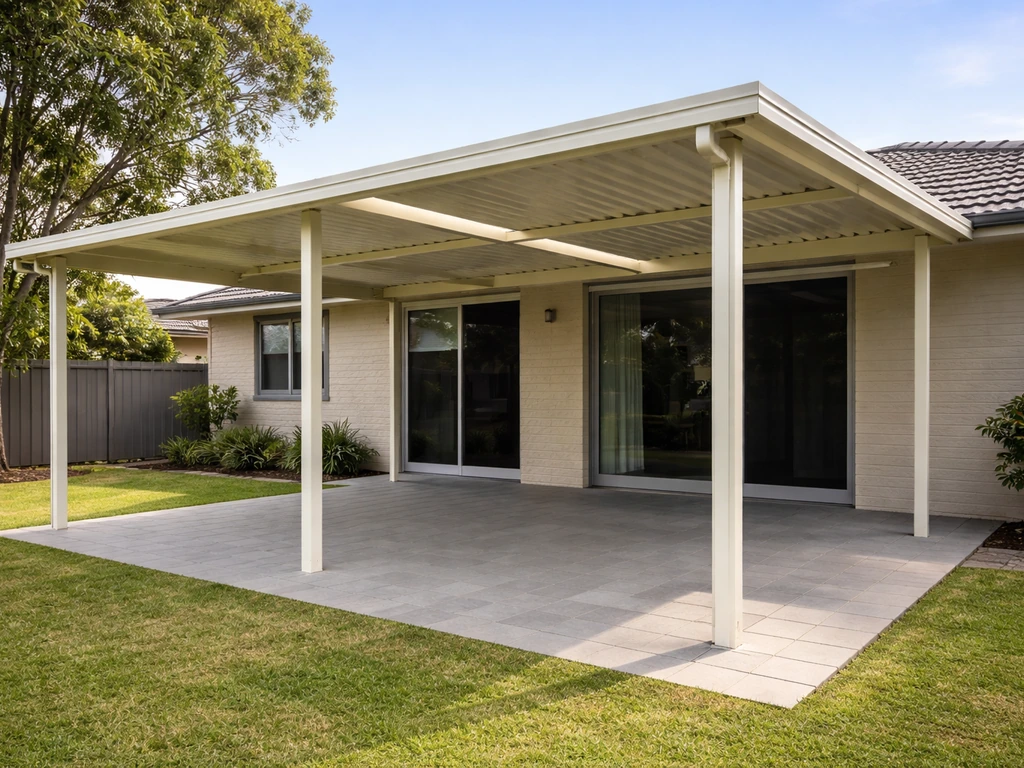
How Much Does a Stratco Patio Cost in Australia? 2026 Guide
2026 cost ranges for Stratco patios in Australia, installed vs supply, plus quote checklist and hidden extras to expect
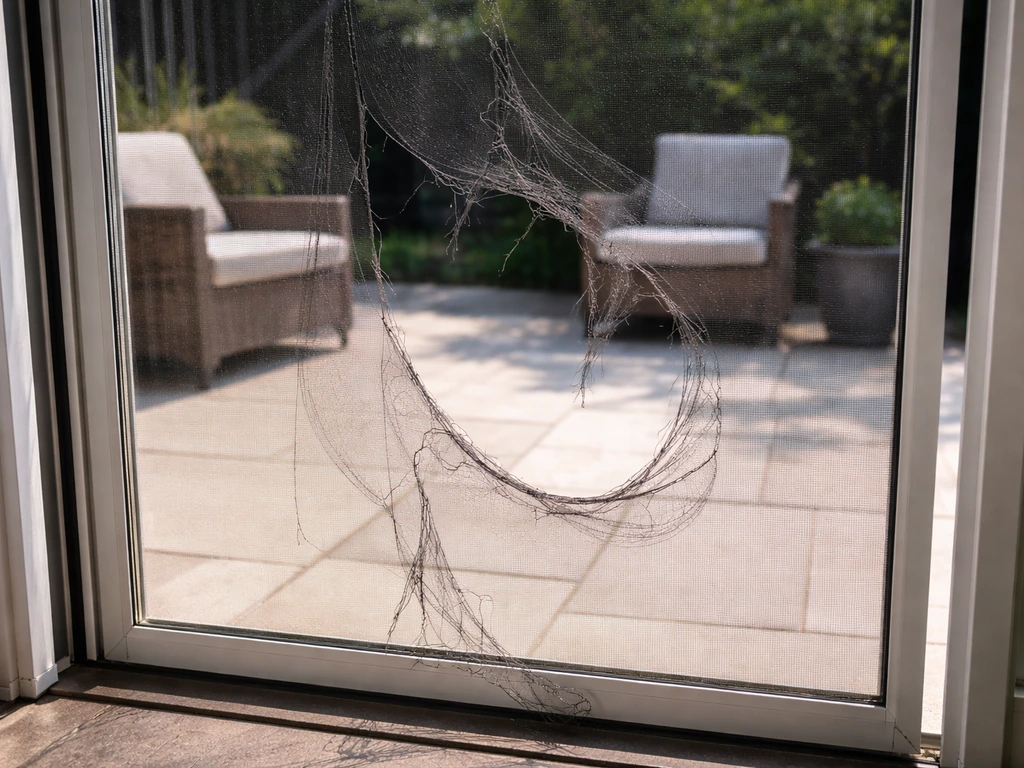
How Much Does It Cost to Replace a Patio Screen
Budget patio screen repairs or full replacement with real cost ranges by size, damage, materials, and DIY vs pro labor.