
Painting a patio cover professionally runs about $2 to $6 per square foot for labor and materials combined, which works out to roughly $300 to $900 for a typical 10x12 cover and $800 to $2,400 or more for a larger 20x20 structure. For a detailed breakdown of pricing and typical ranges, see how much does it cost to paint a patio. Behr Premium Plus: Honest Review (2026), CompositePaint (summary of retail price and coverage) notes that Behr Premium Plus and similar big‑box brand paint-and-primer products are commonly sold around ~$25–$40 per gallon (retail), with manufacturer-stated coverage typically 250–400 sq ft/gal on smooth primed surfaces (Home Depot / brand product data) Behr Premium Plus: Honest Review (2026) — CompositePaint (summary of retail price and coverage). DIY costs drop dramatically to $50 to $200 in materials alone for those same sizes, but prep labor is where most homeowners underestimate the job. The surface type matters a lot: wood takes the most prep time, bare metal needs rust treatment and specialty primer, and vinyl or factory-coated aluminum requires adhesion primer to hold paint at all. Add any significant rot repair, rust removal, or accessibility challenges and your budget can climb 30 to 50 percent above those base figures.
How Much Does It Cost to Paint a Patio Cover: Cost Guide

Quick cost snapshot
Here are the ranges you can realistically expect when getting a patio cover painted, whether you hire it out or tackle it yourself. These figures reflect 2026 national averages and include prep, primer, paint, and labor.
| Scope | DIY Cost | Professional Cost |
|---|---|---|
| Per square foot (materials only) | $0.30 – $0.80 | N/A |
| Per square foot (full job, pro) | N/A | $2 – $6 |
| Small cover (10x10, ~100 sq ft) | $40 – $90 | $300 – $650 |
| Medium cover (12x12, ~144 sq ft) | $55 – $120 | $400 – $900 |
| Large cover (16x20, ~320 sq ft) | $110 – $260 | $750 – $1,900 |
| Extra-large cover (20x20, ~400 sq ft) | $140 – $330 | $900 – $2,400 |
| Flat-rate minimum (most contractors) | N/A | $200 – $350 |
Most contractors have a job minimum somewhere between $200 and $350 regardless of size, so a very small cover does not cost proportionally less. The $2 per square foot low end assumes simple conditions: clean surfaces, no repairs, easy ground-level access, one coat of paint over an existing sound finish. The $6 per square foot high end reflects multi-coat systems, overhead spray work on a tall or awkward structure, and surface prep like sanding or rust treatment built into the quote.
What drives the price up or down
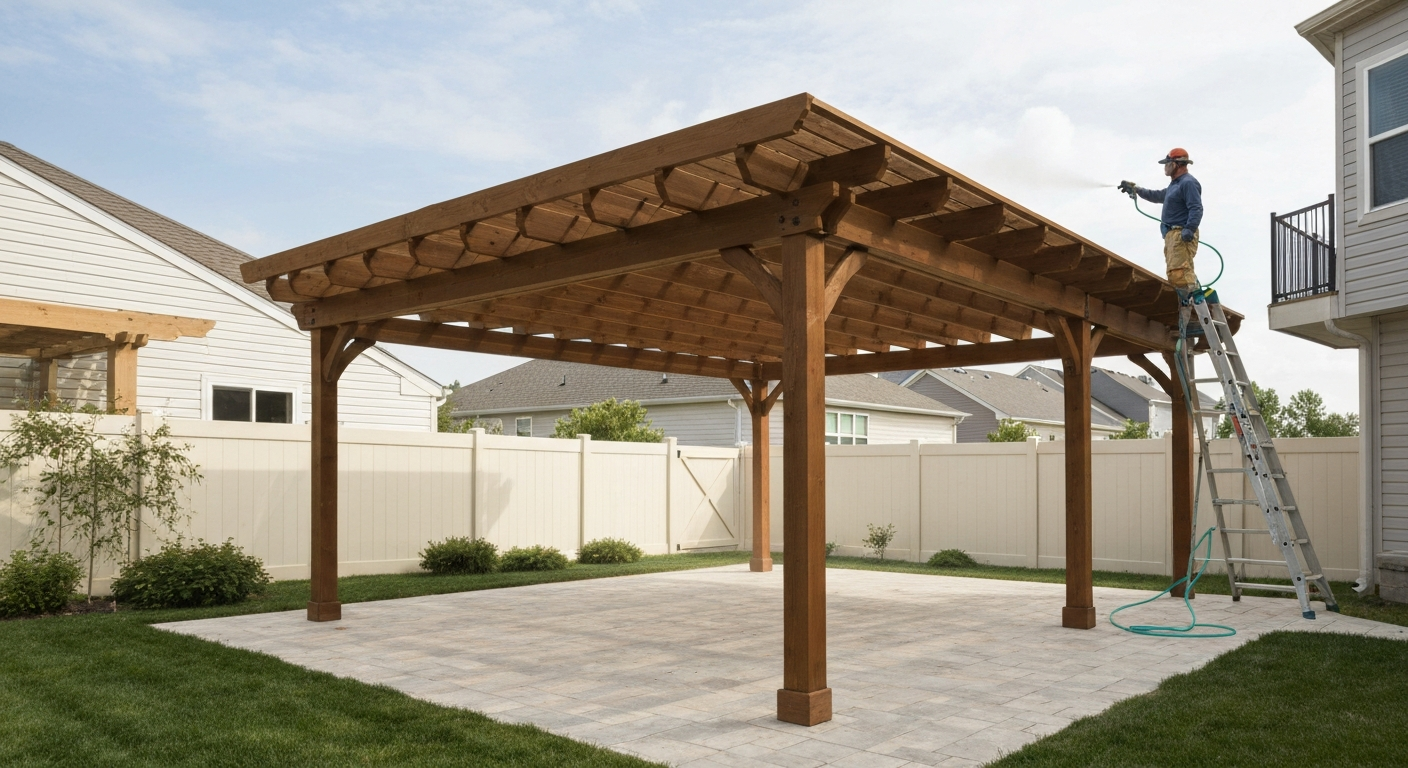
Four things move the needle more than anything else: the material the cover is made of, the size of the paintable surface, the condition of that surface, and how easy it is to reach. A painter working on a clean, accessible wood pergola on a flat surface can knock out 200 to 350 square feet per hour with a sprayer. That same painter on a rusted steel patio roof with peeling paint at 12 feet overhead might manage 60 to 80 square feet per hour once prep is factored in. That difference is why bids can vary so much.
- Material type: wood requires sanding and wood-specific primer; bare metal needs rust treatment and metal primer; vinyl and factory-coated aluminum need adhesion primer and may not hold most standard paints at all
- Surface area: every additional 100 square feet adds roughly $200 to $600 to a professional quote depending on complexity
- Surface condition: flaking paint, rust, rot, or chalking dramatically increases prep time and cost
- Accessibility: a ground-level flat cover is the cheapest scenario; an overhead structure with pitched angles or height above 10 feet adds ladder/scaffold time
- Number of coats: one topcoat over a sound existing finish is cheapest; bare or heavily repaired surfaces typically need one primer coat plus two topcoats
- Region and season: painters in high cost-of-living metros charge 20 to 40 percent more than national averages; off-season jobs (late fall and winter in temperate climates) often come with discounts of 10 to 20 percent
Line-item cost breakdown
When you get a contractor quote, these are the actual cost categories behind the number. Understanding them helps you spot whether a bid is reasonable or padded.
| Cost Item | Typical Range | Notes |
|---|---|---|
| Labor (painter hourly rate) | $25 – $65/hr | BLS mean for painters is $25.82/hr; contractors bill $45–$65/hr to cover overhead and profit |
| Exterior paint (latex/acrylic) | $25 – $75/gal | Behr Premium Plus runs $25–$40/gal; Sherwin-Williams SuperPaint $55–$75/gal |
| Standard primer (adhesion/stain block) | $18 – $35/gal | Zinsser Bulls Eye 1-2-3 covers ~400–450 sq ft/gal; widely used for wood and trim |
| Metal/rust-inhibiting primer | $20 – $40/gal | Required for bare or corroded steel/aluminum; lower coverage at recommended film thickness |
| Surface prep (sanding, scraping) | $0.50 – $1.50/sq ft | Often the biggest variable; minimal for sound surfaces, heavy for peeling or flaking |
| Power washing (pre-paint prep) | $0.10 – $0.75/sq ft | Typically $150–$400 for patio cover surfaces; sometimes bundled into full job quote |
| Caulking / gap sealing | $2.50 – $4.00/linear ft | Perimeter and joint caulk before painting; 40–80 linear feet is common on a standard cover |
| Minor wood rot repair (epoxy/filler) | $100 – $500 per area | Small localized patches; larger structural rot runs $500–$2,350+ |
| Rust treatment (converter/neutralizer) | $15 – $30 per treated area | Chemical rust converter applied before priming corroded metal |
| Drop cloths, tape, masking | $20 – $60 per job | Typically absorbed into contractor overhead; DIYers need to budget separately |
| Equipment rental (sprayer) | $40 – $80/day | If DIY; pros bring their own. Airless sprayers are standard for overhead work |
| Paint disposal / cleanup | $0 – $50 | Often bundled; relevant when leftover paint exceeds household disposal limits |
On a straightforward 12x12 wood cover needing one coat of primer and two topcoats, a contractor might use 1 to 1.5 gallons of primer (at roughly $25 per gallon) and 2 gallons of exterior paint (at $40 to $70 per gallon), with 4 to 6 hours of total labor. At a $50 per hour billable rate, the math lands around $200 to $300 in labor plus $100 to $170 in materials, putting the job between $300 and $500 before any repair work. That tracks with the quoted ranges above.
How the surface material changes everything
This is the section most homeowners skip, and it is where surprise costs hide. Each surface material behaves differently, accepts paint differently, and requires a different prep sequence. Getting this wrong is how you end up with paint that peels in two seasons.
Wood patio covers
Wood is the most forgiving surface to paint but also the most labor-intensive to prep when it has been neglected. New or recently stripped wood takes paint well with a coat of exterior wood primer followed by two topcoats of 100 percent acrylic latex. Weathered or previously painted wood requires thorough sanding (80 to 120 grit), scraping loose paint, possibly spot-priming bare areas, and addressing any soft or punky wood before you open a paint can. Wood rot is common at joints, ends, and any horizontal surface that holds water. Even a small soft spot should be treated with epoxy consolidant and filler before painting or it will continue to spread underneath the new finish. Budget an extra $0.50 to $1.50 per square foot for prep on weathered wood compared to a clean surface.
Metal and aluminum patio covers
Bare or corroded steel and aluminum are the trickiest surfaces. Ferrous metal (steel) with visible rust needs a rust converter or rust-inhibiting primer before any topcoat goes on, otherwise you are just painting over active corrosion that will push through within a year. Factory-coated aluminum covers (the kind that comes pre-painted from the manufacturer) need a scuff sanding and a bonding or adhesion primer before recoating because the factory finish is slick and most paints will not adhere directly. Sherwin-Williams and other manufacturers specifically call out the need for spot priming on abraded or bare metal before applying exterior topcoats. The specialty primers add cost, and the prep time on metal is typically 25 to 40 percent more than on a comparable wood surface. Plan for a higher per-square-foot cost in the $3.50 to $7 professional range for corroded or bare-metal covers.
Vinyl and composite patio covers
Vinyl and composite covers are the most difficult to paint successfully and some contractors will simply decline the job or charge a premium. Standard exterior latex paint does not bond well to vinyl without a vinyl-specific adhesion primer, and even then, the wrong color choice can cause heat absorption that warps the panels. Sherwin-Williams specifically markets 'VinylSafe' color options for this reason: dark colors absorb too much heat and can buckle vinyl siding or panels. If you are repainting a vinyl cover, limit your color selection to lighter or VinylSafe-approved shades, plan to use a dedicated adhesion primer, and expect to pay 20 to 40 percent more per square foot than a standard wood job. In many cases it is worth asking whether cleaning and a fresh color with the correct primer system is actually worth more than replacing aging vinyl panels.
| Surface Type | Primer Required | Typical Prep Add-On Cost | Pro Cost Range (per sq ft) | Key Gotcha |
|---|---|---|---|---|
| Wood (sound, clean) | Exterior wood primer | Minimal | $2.00 – $4.50 | Check all joints and end grain for early rot |
| Wood (weathered/peeling) | Exterior wood primer after scraping/sanding | $0.50 – $1.50/sq ft extra | $3.00 – $6.00 | Rot repairs can add $100–$500+ per area |
| Bare/corroded steel | Rust-inhibiting or converter primer | $0.75 – $2.00/sq ft extra | $3.50 – $7.00 | Active rust will return without full treatment |
| Factory-coated aluminum | Bonding/adhesion primer after scuff sand | $0.50 – $1.25/sq ft extra | $3.00 – $6.00 | Factory finish must be dull before primer |
| Vinyl/composite | Vinyl-specific adhesion primer only | $0.75 – $1.50/sq ft extra | $3.50 – $6.50 | Dark colors can warp panels; use VinylSafe shades |
How size scales the cost
Cost does not scale in a perfectly straight line with size. Larger jobs spread the fixed costs (mobilization, setup, cleanup, minimum job charges) over more square footage, which brings the per-square-foot rate down slightly on big covers. A 20x20 cover does not cost exactly four times a 10x10 cover when you hire a professional. That said, material consumption is roughly linear, so your paint and primer costs will scale proportionally. Here is how the math looks across common sizes.
Sample cost tables by cover size
| Cover Size | Approx. Sq Ft | Paint Needed (2 coats) | Primer Needed | Estimated Labor Hours (Pro) | DIY Material Cost | Pro Total Cost |
|---|---|---|---|---|---|---|
| 10x10 | 100 sq ft | 1 gal | 0.5 gal | 3 – 5 hrs | $50 – $90 | $300 – $650 |
| 12x12 | 144 sq ft | 1 – 1.5 gal | 0.5 gal | 4 – 6 hrs | $65 – $115 | $400 – $900 |
| 12x16 | 192 sq ft | 1.5 – 2 gal | 0.5 – 1 gal | 5 – 8 hrs | $80 – $150 | $500 – $1,150 |
| 16x20 | 320 sq ft | 2 – 2.5 gal | 1 gal | 7 – 11 hrs | $110 – $200 | $750 – $1,900 |
| 20x20 | 400 sq ft | 2.5 – 3 gal | 1 – 1.5 gal | 9 – 14 hrs | $140 – $260 | $900 – $2,400 |
| 20x24 | 480 sq ft | 3 – 3.5 gal | 1.5 gal | 11 – 17 hrs | $165 – $310 | $1,100 – $2,900 |
Paint quantities above assume 300 square feet per gallon coverage (a practical mid-range estimate for exterior acrylic on a prepared surface), with two finish coats. Behr lists practical exterior coverage around 250–400 sq ft per gallon for many Premium Plus acrylic latex products Behr lists practical exterior coverage around 250–400 sq ft per gallon for many Premium Plus acrylic latex products.. Primer quantities use a 400 square foot per gallon rate based on standard latex primers like Zinsser Bulls Eye 1-2-3. If the surface is rough, porous, or unpainted bare wood, expect 20 to 30 percent higher paint consumption. For overhead spraying, overspray and setup add roughly 10 to 15 percent to material usage versus rolling. Labor hour estimates assume a single experienced painter on a straightforward job at typical residential productivity rates; add 30 to 50 percent if there is significant scraping, sanding, or repair work.
DIY vs. hiring a pro: where the real trade-off is
DIY painting saves real money, mostly on labor. A professional painter bills $45 to $65 per hour once overhead and profit are factored in, compared to the Bureau of Labor Statistics mean wage of around $25.82 per hour for the actual trade. On a 12x12 cover that takes 5 hours, you are saving $225 to $325 in labor alone by doing it yourself, and your material costs are roughly the same. The trade-off is skill, equipment, and time. Overhead work is physically demanding and technically harder to do neatly than wall painting. Drips, runs, and missed spots are common on first attempts. A rented airless sprayer ($40 to $80 per day) makes the job faster and produces a better finish overhead, but it takes practice to spray without creating a mess. If you are comfortable with a sprayer or roller and the cover is in decent shape, DIY is genuinely cost-effective. If the surface needs rust treatment, rot repair, or careful masking around glass or furniture, hiring a pro often saves more in rework than it costs.
Regional and seasonal price variation
Where you live matters. Painters in high-cost metros like San Francisco, New York City, Boston, and Seattle routinely charge 25 to 45 percent above the national averages listed here. In lower cost-of-living regions across the South and Midwest, you can often find quality contractors at or below the low end of these ranges. A 20x20 patio cover that costs $1,800 to paint in suburban Texas might run $2,600 in suburban California for the same scope of work.
Timing also affects price. Spring and early summer are peak season for exterior painting, and most painters are fully booked or charging full rates. Late fall (October and November in most of the country) and early spring (February and March in warmer climates) are slower periods when many contractors offer 10 to 20 percent discounts to fill their schedules. The trade-off is weather windows: paint requires dry conditions and temperatures typically between 50 and 90 degrees Fahrenheit to cure properly. In cold climates, late-season scheduling may limit your options. In the Sun Belt, fall and winter are actually ideal painting conditions and often the cheapest time to get the work done.
| Region | Approximate Adjustment vs. National Average | Notes |
|---|---|---|
| Northeast (NY, MA, CT) | +25% to +45% | High labor rates, union influence in some metros |
| West Coast (CA, WA, OR) | +20% to +40% | High COL metros drive rates up significantly |
| Mid-Atlantic (DC, MD, VA) | +10% to +25% | Urban cores higher; suburban rates closer to average |
| Midwest (IL, OH, MI, MN) | -5% to +10% | Close to national average in most metros |
| South (TX, GA, FL, NC) | -10% to +5% | Generally at or below national average; Florida coastal can be higher |
| Mountain West (CO, AZ, NV) | -5% to +15% | Denver and Phoenix trending up; rural areas lower |
Prep and repair costs in detail
This is the section that separates an accurate budget from a wishful one. Prep is where most patio cover painting jobs go over estimate, and it is where skimping causes early failure. Here is what each prep and repair task actually costs, when it is required, and how long it takes.
Power washing
Power washing before painting is not optional. Dirt, chalk, mildew, and loose paint residue all prevent adhesion, and you will not see them until the new finish starts peeling six months later. Contractor rates for pressure washing run $0.10 to $0.75 per square foot depending on surface type and technique, with most small-to-medium patio cover prep washes running $150 to $400 as a standalone service. Many painters include a light wash in their full job price; others line-item it separately, so ask upfront. When it comes to technique, wood and vinyl require a soft-wash approach or controlled PSI (most trade guidance caps wood washing at 1,500 to 2,500 PSI with a 25-degree or wider tip) to avoid raising grain or blowing through panels. Bare metal can tolerate higher pressure but needs to dry completely before primer, ideally 24 to 48 hours in dry conditions. Keeping prep washing and sealing services in mind, the cost of power washing a patio structure overlaps significantly with broader patio surface prep work. See our guide on how much to charge for patio cleaning for pricing and unit rates for pressure-washing and related prep services.
Sanding and scraping
On any surface with existing paint, sanding is required where that paint is peeling, chalking, or poorly adhered. Light scuff sanding on a sound finish to improve adhesion adds maybe $0.25 to $0.50 per square foot and 15 to 30 minutes per 100 square feet. Heavy scraping and sanding on a badly weathered surface can add $0.75 to $1.50 per square foot and double the labor time for that area. For metal surfaces, sanding removes mill scale and scuffs factory coatings to improve adhesion, and it is required before any primer application. Plan for 1 to 2 hours of additional prep for every 100 square feet of heavily deteriorated surface.
Rust treatment
Visible rust on steel or iron components needs to be addressed with a rust converter or rust-inhibiting primer before topcoats go on. Chemical rust converters (Rust-Oleum and similar products) chemically neutralize iron oxide and create a paintable surface without full mechanical removal. They run $15 to $30 for a quart that covers 25 to 50 square feet of moderately rusted surface. For heavy scale rust, mechanical removal with a wire brush, angle grinder, or sandblasting is necessary first, which can add $50 to $150 per hour in labor for a contractor with proper equipment. Skipping rust treatment is the single most common cause of early paint failure on metal covers.
Wood rot repair
Wood rot is common on older patio covers, especially at horizontal beam tops, post bases, and any joint that traps water. Small localized soft spots can be treated with a two-part epoxy wood consolidant and filler (products like LiquidWood and WoodEpox run $30 to $60 for a small repair kit covering a few cubic inches to a small handful of square inches of damage). More significant rot requires cutting out the damaged section and sister-splicing or replacing the affected member. Contractor pricing for localized wood rot repair ranges from $100 to $500 per area for small cosmetic repairs and from $500 to $2,350 or more when structural members are involved. If an entire beam, post, or ledger board is compromised, you are looking at carpentry rates of $100 to $200 per linear foot for replacement, and the painting project should be paused until structural repairs are complete. Always probe suspect areas with a screwdriver before getting a paint quote. If you find soft wood in more than a few isolated spots, factor rot repair costs into your planning budget.
Caulking and patching
Gaps at wall intersections, around fasteners, and at structural joints should be caulked before painting to prevent water infiltration that would undermine the new finish from behind. Exterior caulking runs $2.50 to $4.00 per linear foot installed by a contractor. A standard patio cover perimeter typically has 40 to 80 linear feet of caulkable joints, putting contractor caulking costs at $100 to $320. DIY caulking with a quality exterior polyurethane or elastomeric caulk costs $8 to $15 per tube (covering 20 to 30 linear feet) and is straightforward work most homeowners can do themselves before the painter arrives, saving $75 to $200 on the total bill.
Prep cost summary by task
| Prep/Repair Task | When Required | Typical Cost | Typical Timeframe |
|---|---|---|---|
| Power washing | Always, before any painting | $150 – $400 (standalone) | 1 – 3 hrs; 24–48 hrs dry time before painting |
| Scuff sanding (sound surface) | Before recoat over slick or factory finish | $0.25 – $0.50/sq ft add-on | 15 – 30 min per 100 sq ft |
| Heavy scraping and sanding | Peeling, heavily weathered, or chalking paint | $0.75 – $1.50/sq ft add-on | 45 – 90 min per 100 sq ft |
| Chemical rust treatment | Any visible surface rust on metal | $15 – $30/quart of converter | 30 – 60 min per treated area; 2 hr cure |
| Mechanical rust removal | Heavy scale rust before primer | $50 – $150/hr contractor labor | Varies widely by severity |
| Small wood rot epoxy patch | Localized soft spots, cosmetic damage | $100 – $500 per area | 1 – 4 hrs including cure time |
| Structural rot replacement | Any compromised load-bearing member | $500 – $2,350+ per area | 1 – 3 days depending on scope |
| Caulking joints and gaps | Any open joint, crack, or gap before painting | $2.50 – $4.00/linear ft (pro) | 2 – 4 hrs for typical cover perimeter |
When to paint vs. when to replace
Painting makes financial sense when the structure is sound, the surface holds existing paint reasonably well, and repairs are limited to isolated areas. A rough rule: if repair costs exceed 30 to 40 percent of the painting job cost, it is worth pricing out a full replacement or resurfacing instead. On a $600 painting job, if you are looking at $250 to $300 in rot repairs and rust treatment on top, that is still probably worth it for another 5 to 8 years of life on a solid structure. But if every post base is rotted, the metal roof panels are rusted through, or the vinyl is warped and brittle, no amount of paint solves the underlying problem. A contractor doing a pre-paint inspection should tell you this honestly. If they do not mention condition concerns during their walkthrough, ask specifically about rot, rust, and structural soundness before signing anything.
How to get accurate bids and compare quotes
Getting three bids is standard advice, but the bids are only comparable if they cover the same scope. Here is what to specify and ask about when soliciting quotes for patio cover painting.
- Ask for a written line-item quote that separates prep, primer, paint coats, labor, and any repair allowances
- Specify the surface material (wood, aluminum, vinyl) and current condition in writing so all bidders are quoting the same job
- Ask whether power washing is included or separate, and what PSI and technique they use on your surface type
- Confirm the number of coats in the quote: primer coat(s) and finish coat count should be explicit
- Ask what paint product and sheen level they plan to use; a contractor specifying Sherwin-Williams SuperPaint or Behr Marquee is not the same value as one using house-brand flat paint
- Ask how they handle unexpected rot or rust discovered during prep: will they provide a change order, or is a contingency amount built in?
- Confirm whether cleanup, drop cloths, and surface protection for furniture and flooring are included
- Ask about their warranty or callback policy: most reputable painters warranty workmanship for 1 to 2 years
- For metal covers, ask specifically whether they use a rust-inhibiting primer or a standard bonding primer; the answer tells you a lot about their experience with metal substrates
- Check that they carry liability insurance and workers compensation before any work starts
Materials and tools checklist for DIY
If you are doing the job yourself, here is what you need to have on hand before you start. Buying the wrong primer or skipping the prep wash are the two most common DIY mistakes, and both show up quickly in the finished result.
- Pressure washer or garden hose with high-pressure nozzle (rent if needed; $40–$80/day for gas pressure washer)
- Exterior primer appropriate to surface: wood primer for bare wood, Zinsser Bulls Eye 1-2-3 for multi-surface adhesion, Rust-Oleum Stops Rust for metal, adhesion primer for vinyl
- Exterior 100% acrylic latex topcoat (Behr Premium Plus or similar for budget; Sherwin-Williams SuperPaint for better durability); plan 1 gallon per 250–300 sq ft per coat
- Airless sprayer (rent $40–$80/day) or a thick-nap roller (3/4 inch nap) plus extension pole for overhead work
- Paintbrushes (2-inch and 3-inch angle sash) for cutting in edges and detail work
- Sandpaper: 80-grit for scraping/heavy prep, 120-grit for scuff sanding, 220-grit for finishing
- Wire brush and rust converter (Rust-Oleum Rust Reformer or equivalent) for any metal with surface rust
- Two-part epoxy wood filler (LiquidWood/WoodEpox or Bondo Wood Filler) for any soft rot spots
- Exterior paintable caulk (polyurethane or elastomeric, not plain latex) for joints and gaps
- Drop cloths (canvas, not plastic, which shifts underfoot) and painter's tape (Scotch Blue or Frogtape for clean lines)
- Safety glasses, respirator (N95 minimum for sanding; organic vapor respirator for spraying), gloves, and non-slip ladder rated for overhead work
Related patio maintenance costs worth knowing
Painting a patio cover rarely happens in isolation. Most homeowners tackling this project also end up looking at the cost to power wash the adjacent patio surface, seal the patio or paver area underneath, or refresh worn patio surfaces. These are all related maintenance tasks that share contractor mobilization costs, so bundling them into a single project visit often reduces per-task pricing by 10 to 20 percent. If you are pricing out a patio cover paint job, it is worth getting quotes for power washing and sealing the patio surface at the same time, since the contractor is already set up on-site. See how much does it cost to seal a patio to compare typical sealing prices when bundling services. For specific pricing on sealing pavers, see how much does it cost to seal a paver patio.
FAQ
What is the typical cost range to paint a patio cover (all‑in: prep, repairs, materials, labor)?
Expect a national range of about $2.00 to $6.00 per square foot of paintable area for a professional job. For small, simple jobs (clean surface, one coat), totals often fall near $200–$600 for a 10'x10' cover; mid‑range jobs with primer/repairs run $500–$1,500 for 12'x12' to 20'x20'; complex jobs (heavy repairs, rust treatment, specialty coatings or high access difficulty) can reach $1,500–$4,000 or more. These numbers bundle power‑washing, minor repairs, primer, two topcoats, materials and labor.
How do surface type and condition affect cost?
Surface and condition are major cost drivers: - Wood (raw or painted): may require sanding, rot repair or replacement of trim; wood needs primer/blocked stain and 1–2 topcoats — higher labor. - Metal/aluminum: corroded steel needs rust treatment + metal primer; aluminum often needs etching/cleaner and a metal‑safe primer; fewer coats may be needed but primers cost more. - Vinyl/composite: usually needs only thorough cleaning and a vinyl‑specific primer/topcoat or paint formulated for vinyl. Badly deteriorated or rotted sections increase carpentry cost substantially (from minor epoxy patching to full replacement). Expect ~10–50% higher cost for metal/wood with repair needs versus clean vinyl/composite.
How should I estimate paint quantity and materials?
Use coverage rates: most exterior acrylic latex products cover ~250–400 sq ft per gallon on smooth primed surfaces. Estimate two finish coats plus primer if needed. Example method: - Measure paintable area (sq ft). - Divide by coverage (use 300 sq ft/gal conservative). - Add 10–15% waste. - If primer required, size primer gallons the same way (primers often cover similarly). Typical materials per 200–400 sq ft: 1–2 gallons primer, 2–3 gallons topcoat; caulk (1 tube per 50–100 LF of seams), sandpaper, rust primer (quarts for small metal spots), masking/tape and drop cloths. Adjust if heavy texture, raw wood, or porous surfaces require more.
What is a repeatable cost‑estimation method contractors and homeowners can use?
Simple reproducible method: 1) Calculate paintable area (sq ft) including underside of cover/ceiling and exposed framing. 2) Inspect & list prep tasks (power‑wash, sanding, caulk, rust treatment, carpentry) and estimate time/units. 3) Materials: gallons of primer/topcoat, specialty primers, caulk, fasteners, masking; cost at retail/contractor pricing. 4) Labor: estimate productive hours using industry benchmarks (ceiling/overhead productivity ~200–350 sq ft/hr for rolling/spraying for an experienced crew for straightforward work; reduce for complex access). 5) Multiply labor hours by labor rate (wage + burden; BLS mean painter wage ~ $25.82/hr — contractors typically use higher loaded labor rates $40–$80+/hr depending on overhead and region). 6) Add fixed charges: mobilization, disposal, permits if any, markup/profit (typical contractor markup 20–40%). 7) Sum to get estimate and cross‑check against $/sq ft market ranges ($2–$6/sq ft).
How much does power‑washing/soft‑wash cost and when is it required?
Power‑wash/soft‑wash commonly runs about $0.10–$0.75 per sq ft or flat $150–$1,400 depending on size and difficulty. Soft‑wash is recommended for vinyl, composite and delicate wood to avoid damage; higher PSI may be used on rigid surfaces but follow technique limits (many specs advise 1,500–3,000 PSI maximum and appropriate distance). Always include detergent/biocide when mildew or heavy soiling is present. For a typical patio cover (100–400 sq ft) expect $100–$500 from a pro; DIY rental is cheaper but riskier for substrate damage.
What common prep and repair line items should I budget for and typical unit costs?
Common line items and ranges: - Power‑wash/soft‑wash: $0.10–$0.75/sq ft or $150–$500 typical. - Caulking: $2.50–$4.00 per linear foot installed. - Sanding/scraping (hand): labor included; extra $50–$200 for detailed prep. - Rust treatment + metal primer: materials/quarts $15–$50; labor extra for treatment. - Localized epoxy wood repair/patching: $50–$300 depending on scope. - Trim/small piece replacement: $100–$500. - Structural sill or large replacement: $100–$200+/linear foot. These are typical consumer/contractor guide ranges; specify materials and extent in quotes.
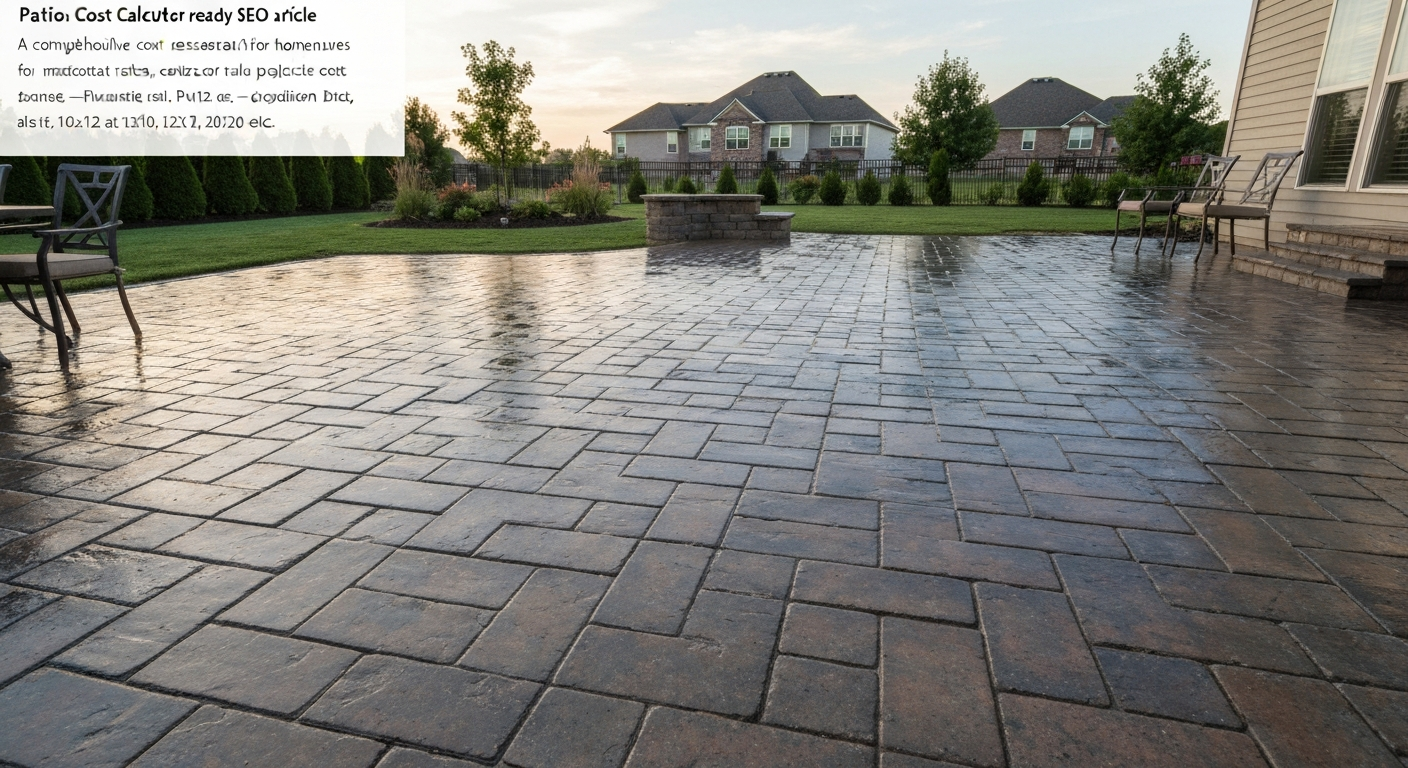
Discover exact costs to seal a paver patio: per‑sqft & total estimates, prep, DIY vs pro, and money‑saving tips.
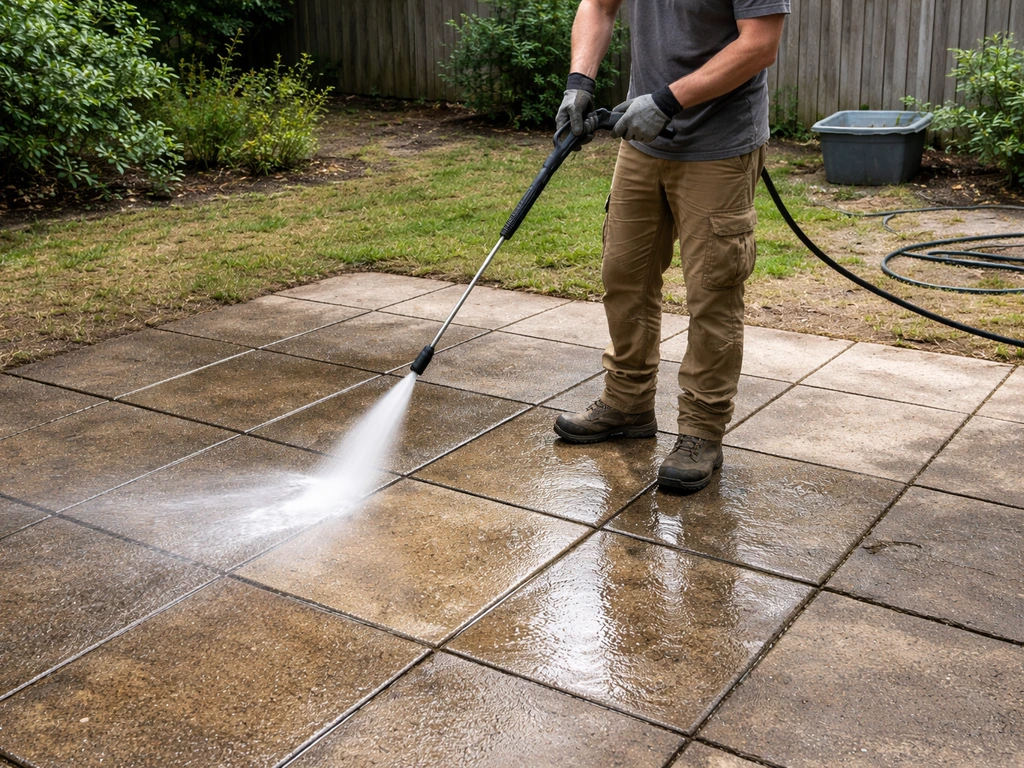
Real price ranges and quoting method for patio cleaning, including labor, prep, sealing, disposal, and square-foot add-o
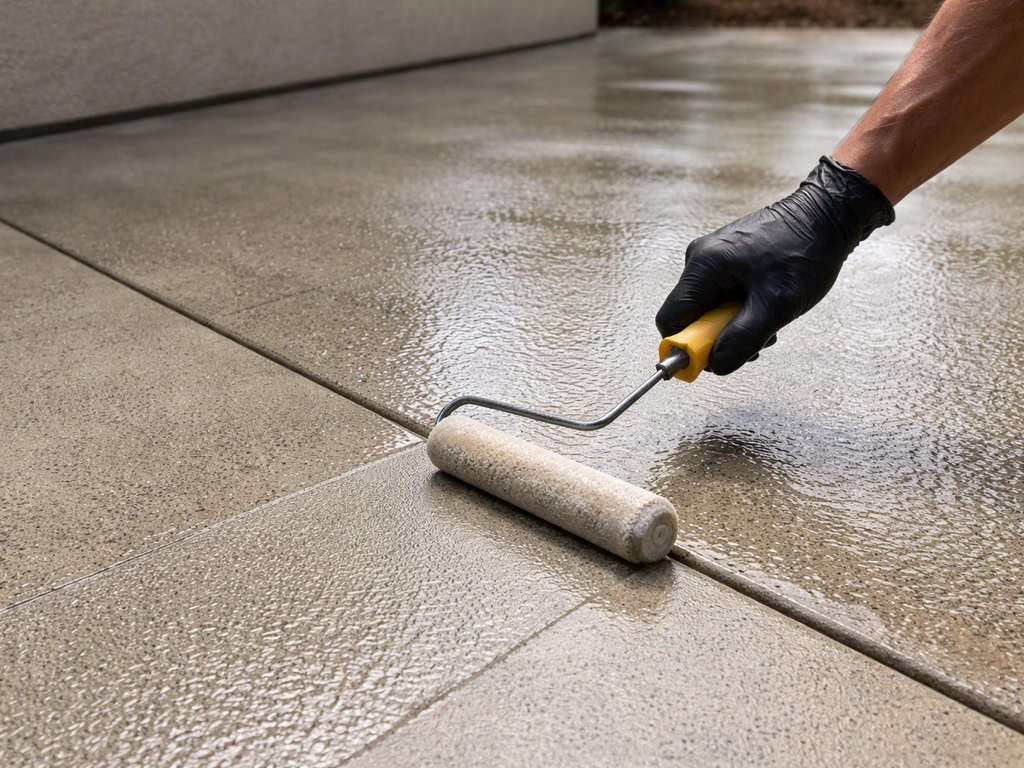
Get patio sealing costs fast: ranges for concrete and other surfaces, what’s included, typical sizes, and DIY vs pro tip