
Sealing a concrete patio typically costs $1 to $3 per square foot when you hire a pro, which puts a common 200 sq ft patio somewhere between $200 and $600 all-in. A larger 400 sq ft patio can run $400 to $1,400 depending on the sealer type, the condition of the surface, and where you live. If you go DIY, materials alone run about $0.10 to $0.75 per square foot, so you can seal a small-to-mid patio for $50 to $150 in product costs. HomeGuide (2026) estimates pressure washing for prep at about $0.35 to $0.75 per square foot and labor to seal concrete at about $0.70 to $1.25 per square foot, depending on conditions, sealer type, size, and location $0.35 to $0.75 per square foot for pressure washing prep and $0.70 to $1.25 per square foot for sealing labor. Those ranges are real and usable for budgeting right now.
How Much Does It Cost to Seal a Patio? Concrete and More

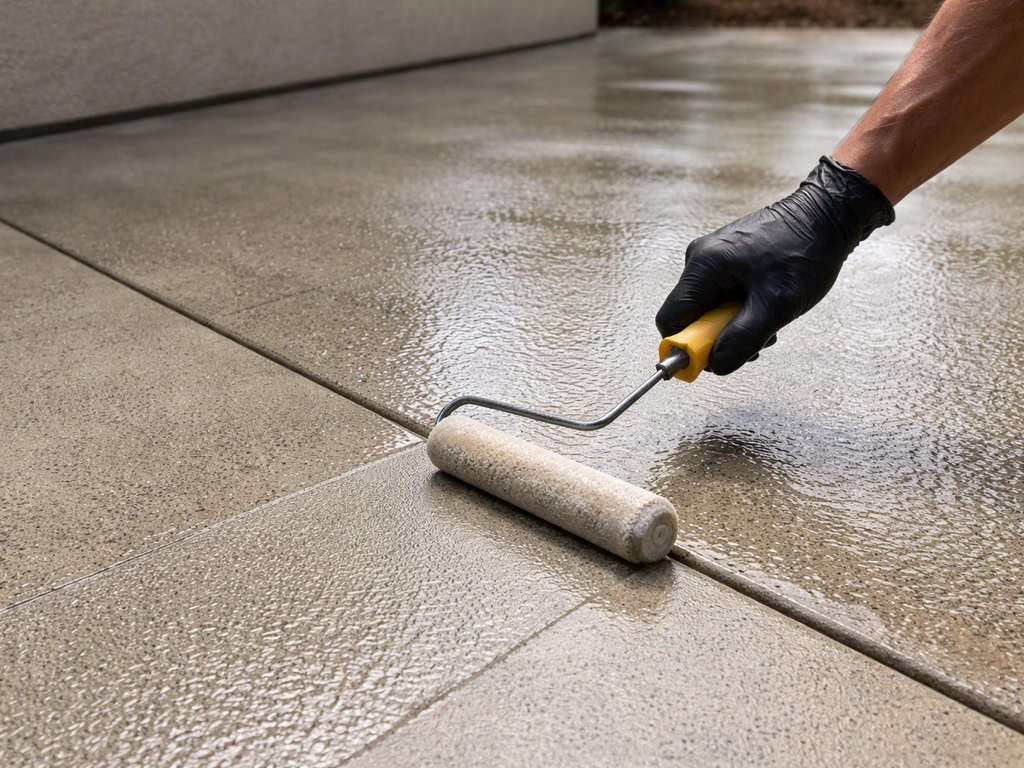
What changes the price the most
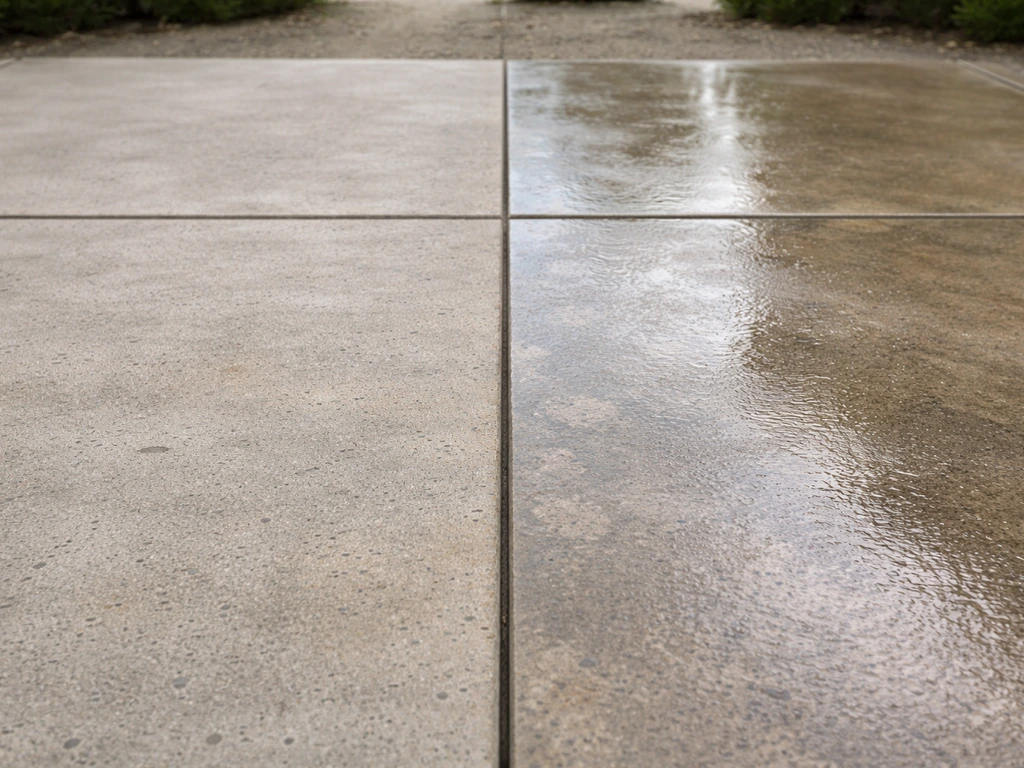
The biggest variable is sealer type. A basic water-based acrylic is the cheapest and most common option for outdoor concrete. A solvent-based acrylic costs more and gives a wet, glossy look. Polyaspartic coatings are at the top of the range, running $2 to $5 per square foot installed, and are usually reserved for high-traffic or decorative applications. If someone quotes you under $1 per square foot professionally, ask what product they're using and how many coats you're getting.
Surface condition is the second-biggest factor. A clean, crack-free patio in good shape costs less to prep. If your concrete has oil stains, efflorescence (that white chalky buildup), or cracks, expect to pay more. Acid washing or heavy cleaning can add $1 to $1. For budgeting heavy-prep scenarios, bighow (2026) notes that older concrete may need extra cleaning or acid washing and can add about $1 to $1.75 per square foot before sealing older concrete may require additional prep work costing about $1–$1.75 per square foot. 75 per square foot on top of the base sealing price. Crack filling adds more. This is where a lot of homeowners get surprised when the invoice comes in higher than the original estimate.
Number of coats matters too. Most contractors and product manufacturers recommend two thin coats rather than one thick one. A single-coat job is cheaper upfront but tends to fail faster. One real homeowner quote found online was $1,700 for a power wash plus one coat of solvent-based sealer, and $2,100 for two coats. Power washing is usually the step before sealing, and it can add to your total cost based on patio size and how dirty it is how much does it cost to power wash a patio. That $400 difference for an extra coat is usually worth it for outdoor concrete exposed to sun, rain, and freeze-thaw cycles.
- Sealer type: water-based acrylic (cheapest), solvent-based acrylic (mid-range), polyaspartic (most expensive)
- Patio size: larger patios cost more in total but often cost less per square foot due to contractor minimums
- Surface prep needed: pressure washing, acid washing, crack filling, or stain removal all add to the bill
- Number of coats: one coat vs. two coats can swing the total by 15–25%
- Access and layout: tight corners, steps, or attached structures can slow a crew down and add labor time
- Your location: labor rates vary significantly by region
Cost by patio size: real numbers for common dimensions
Here's how the math shakes out across common patio sizes, using a mid-range professional rate of $1 to $3 per square foot all-in (including prep, labor, and two coats of a standard acrylic sealer). These are realistic ballpark figures, not best-case scenarios.
| Patio Size | Square Footage | Pro Cost (Low) | Pro Cost (High) | DIY Materials Only |
|---|---|---|---|---|
| 10x10 | 100 sq ft | $100 | $300 | $15–$75 |
| 12x12 | 144 sq ft | $144 | $432 | $20–$108 |
| 10x20 | 200 sq ft | $200 | $600 | $30–$150 |
| 16x16 | 256 sq ft | $256 | $768 | $38–$192 |
| 20x20 | 400 sq ft | $400 | $1,200 | $60–$300 |
| 24x24 | 576 sq ft | $576 | $1,728 | $86–$432 |
One thing to keep in mind: most contractors have a minimum charge, usually $150 to $250, regardless of how small the job is. If you're sealing a 100 sq ft patio, you'll likely hit that minimum rather than pay the per-square-foot rate. For very small patios, DIY almost always makes more financial sense just from a pricing standpoint.
For paver patios, pricing follows a similar range but can skew slightly higher because pavers have more surface texture and joints that require extra product penetration. If you’re figuring out how much it costs to seal a paver patio, check the surface prep, number of coats, and local labor rates to get a tighter budget how much does it cost to seal a paver patio. If you're comparing costs across patio surfaces, concrete is generally the most straightforward to seal and usually lands at the lower end of the professional pricing spectrum.
DIY vs. hiring a pro: honest comparison
DIY sealing is genuinely manageable for most homeowners. The materials cost $0.10 to $0.75 per square foot, and you'll need a pump sprayer or roller, painter's tape, and a pressure washer (rent one for $50 to $75 if you don't own one). For a 200 sq ft patio, a realistic DIY total comes in around $75 to $200, compared to $200 to $600 for a professional. That's real savings, but there are trade-offs.
The biggest risk with DIY is skipping or rushing prep. Applying sealer over a dirty, oily, or damp surface is the most common reason a sealer fails within the first year. Professionals deal with this daily and have the equipment to do a proper clean before they start. They also know how to read the surface and pick the right product. If your patio is older, stained, or cracked, the prep work alone can be tricky enough that a pro pays for themselves in avoided redos.
| Factor | DIY | Hiring a Pro |
|---|---|---|
| Materials cost | $0.10–$0.75/sq ft | Included in labor rate |
| Labor cost | Your time (2–4 hours for 200 sq ft) | $0.70–$1.25/sq ft |
| Total for 200 sq ft | $75–$200 | $200–$600 |
| Pressure washing | Rent equipment ($50–$75) or skip it (risky) | Usually included |
| Crack filling | DIY kits ($10–$30) | Usually included or add-on |
| Failure risk | Higher if prep is skipped | Lower with experienced applicator |
| Sealer warranty | None / DIY risk | Some contractors guarantee 2–3 years |
The bottom line: if your patio is in decent shape, relatively clean, and under 300 sq ft, DIY is a reasonable choice. If it's large, heavily soiled, cracked, or you want a decorative finish like a wet-look or tinted sealer, bring in a pro. The labor cost is usually justified by better results and a longer-lasting seal. Painting a patio cover typically has a different cost than sealing concrete, since you’re working on wood, metal, or composite surfaces cost to paint a patio cover.
How location affects what you'll pay
Regional labor rates affect sealing costs more than most people expect. In the Midwest (Indianapolis, Des Moines), professional patio sealing for a 200 to 400 sq ft patio tends to run $300 to $1,000. In higher cost-of-living metros like coastal cities, the same job might run $500 to $1,400 or more. Contractor minimums are also higher in expensive cities, which hits small patio owners hardest.
Climate also drives timing decisions. Most sealers should be applied between 50°F and 85°F, on a dry surface, with no rain expected for at least 24 hours after application. That leaves out the dead of winter in most of the country and the peak heat of summer in the South and Southwest. In regions with harsh winters, late spring (May to June) and early fall (September to October) are ideal windows. In milder climates, fall through early spring works well. Scheduling outside peak season can sometimes get you a better contractor price too, since demand is lower.
One practical timing note: if your area just had a stretch of rain, wait a few days before scheduling sealing. Concrete needs to be fully dry, not just surface-dry. Sealing over residual moisture can cause cloudiness, whitening, or peeling, and fixing those problems typically means stripping and resealing, which doubles your cost.
What a contractor quote should actually include
When you get a quote, ask for an itemized breakdown so you can compare bids properly. A solid professional sealing quote for a concrete patio should cover surface cleaning (usually pressure washing), any crack or joint repair, masking/edging around the patio perimeter, sealer application in two coats, and cleanup. Some contractors bundle pressure washing into the base price; others quote it separately at around $0.35 to $0.75 per square foot.
If a quote seems unusually low, find out what it excludes. A quote that skips pressure washing or includes only one coat is going to produce a shorter-lasting result. Also ask what brand and type of sealer they're using. A contractor who can't or won't answer that question is a red flag. Solvent-based vs. water-based vs. polyaspartic sealers have very different performance profiles, costs, and smell/dry time characteristics.
- Ask: Is pressure washing included, or quoted separately?
- Ask: How many coats are included in this price?
- Ask: What brand and type of sealer are you using?
- Ask: Is crack filling included, or an add-on?
- Ask: What's your warranty or guarantee on the work?
- Ask: What weather conditions do you need to do the job?
- Compare at least two to three bids before committing
It's also worth noting that pressure washing and sealing are sometimes sold as a package by the same contractor. If you've already had the patio cleaned (or you're considering a separate cleaning service), make sure you're not paying for it twice. If you’re looking for cleaning service pricing instead, ask for a patio cleaning quote and compare it to what’s included in your sealing estimate If you've already had the patio cleaned. Patio cleaning as a standalone service runs about $0.35 to $0.75 per square foot on its own, so bundling usually saves a little money.
How to prep your patio and make the sealer last
Whether you DIY or hire out, prep is what determines how long the sealer actually holds up. If you’re specifically trying to paint instead of seal, you’ll have additional material and labor costs, so the price can come out higher than sealing paint a patio. Start with a thorough pressure wash. For heavily contaminated concrete, acid washing or a degreaser is needed before sealing, especially if there are oil stains or efflorescence. Any cracks wider than a hairline should be filled and allowed to cure before sealer goes on. If you're applying sealer yourself, make sure the surface is completely dry before you start. Not just dry to the touch, but dry. In humid conditions or after rain, that can take 48 to 72 hours.
Apply two thin coats rather than one thick one. A thick coat traps air and moisture and leads to bubbling, whitening, or peeling. With most acrylic sealers, one gallon covers around 200 to 400 square feet per coat depending on the product and surface texture. So for a 200 sq ft patio with two coats, you're looking at roughly 1 to 2 gallons total. Apply the second coat once the first is dry to the touch but before it fully cures, usually 4 to 8 hours later depending on temperature and humidity.
For maintenance, most concrete sealers on an outdoor patio last 2 to 5 years before needing reapplication. Penetrating sealers tend to last longer. If water stops beading on the surface, it's time to reseal. Avoid using deicing salts on sealed concrete in winter because they accelerate sealer breakdown. A light rinse and occasional resealing is all most patios need to stay protected long-term.
One more thing: make sure you're using the right sealer for what you previously applied, if anything. Water-based acrylic over an old oil-based or epoxy coating can delaminate and peel. If you don't know what's already on your patio, a simple water bead test tells you if a previous sealer is still active. If beading occurs, you either need to strip the old sealer first or use a compatible product. Getting this wrong means peeling in 6 to 12 months and starting over, which costs more than just doing it right the first time.
FAQ
Is the $1 to $3 per square foot price just for the sealer, or does it include prep and coats?
In most professional quotes, the all-in per-square-foot figure includes cleaning (often pressure washing), any crack or joint repair, masking/edge work, and two coats. To confirm, ask whether the quote is “installed, two coats” and whether pressure washing is bundled or billed separately (it is commonly added at about $0.35 to $0.75 per square foot).
How do I estimate total cost if my patio size is unusual, like 150 or 275 sq ft?
Use the patio area times the per-square-foot rate, then apply contractor minimums and coat assumptions. For example, if a contractor has a $150 to $250 minimum, a 150 sq ft job might not follow the exact per-square-foot math. Also check that the estimate assumes two thin coats, not one thick coat.
What happens if there are weeds or plants growing through cracks or joints?
This usually adds prep time. Expect the contractor to remove loose growth and clean thoroughly so sealer can bond and penetrate. If weeds are extensive, some contractors recommend treating the area first, since applying sealer over active roots or contaminated joints can reduce adhesion and shorten the seal lifespan.
Can I seal right after pressure washing or do I need to wait longer than the weather forecast?
Waiting for “surface dry” is not enough. Concrete needs to be fully dry throughout, which can take 48 to 72 hours in humid conditions or after rain, even if it looks dry. If you seal too soon, you can get cloudiness, whitening, or peeling that often requires stripping and resealing.
Should I choose water-based acrylic, solvent-based acrylic, or a penetrating sealer if I want the cheapest option?
Cheapest upfront is usually a water-based acrylic, but the best choice depends on how your patio wears. Solvent-based products often give a glossier look and can cost more, while penetrating sealers may last longer but can require more careful surface dryness and correct application. If you want “lowest cost per year,” ask the contractor for the expected service life of the specific product, not just the price per square foot.
How can I tell if my previous coating is compatible, without guessing?
Ask for the prior product details if you know them. If you do not, perform the water bead test described in the article, since beading suggests an existing surface-active sealer is still present. If the surface is no longer beading, you may be able to reseal directly. If it peels or fails on compatibility, you typically need stripping before resealing, which changes the real cost significantly.
Will sealing make my patio slippery or more glossy, especially near pool areas?
Glossy coatings can increase perceived slickness, and texture matters because a thicker or more uniform film can change traction. If safety is a concern, ask whether the product has a traction or low-slip profile and whether they recommend a matte or tinted option. Also consider focusing on joint cleanup and not overbuilding film thickness.
Do I need to seal expansion joints, or should they be left alone?
Typically you do not want sealer to fully bridge joints that need movement. Contractors usually mask and edge around the perimeter and treat joints appropriately, sometimes using crack fillers compatible with the sealer system. Ask for clarification on how they handle control joints and whether joint movement is expected in your patio.
Does tinting or a wet-look finish change the price, and by how much?
Yes. Decorative finishes like wet-look, tinted, or higher-end coatings generally cost more than a standard acrylic clear coat. If you want a colored or glossy result, request the exact product line, number of coats, and whether tinting changes coverage, since that can affect the amount of material used and the final price.
Is DIY cheaper if I rent a pressure washer, and what costs do people forget?
DIY can be cheaper on materials, but the full cost includes rental timing, consumables, masking/edge tape, pump sprayer or roller supplies, and sometimes additional cleaning chemicals for stains. In humid climates, you may also need to pay attention to longer drying times, which can increase your labor and delay scheduling.
How long does it take to complete the job, including cure time, and when can I use the patio again?
Even if application is quick, you should plan for cure and rain protection. Many sealers are “dry to touch” in hours, but full curing can take longer and rain must be avoided for at least 24 hours. Ask the contractor’s specific recoat and foot-traffic timelines for the product they plan to use.
What maintenance tells me it is time to reseal?
A common indicator is loss of water behavior, when water no longer beads on the surface. At that point, plan for reapplication rather than waiting until stains set in. Also avoid deicing salts on sealed concrete, since they can accelerate breakdown and shorten the reseal interval.
If my quote is low, what exclusions should I check besides pressure washing and coat count?
Beyond one-coat versus two-coat and whether cleaning is included, ask what is excluded for crack or joint repair, edging/masking detail, and cleanup/disposal. Also confirm the sealer brand and type, since performance and smell/dry-time differences can indicate a different product than you assumed.
Does sealing a paver patio cost more because the surface is rough?
It can. Paver surfaces are more textured and have joints, which can require more product and careful penetration. Even if the per-square-foot range is similar, the total cost can skew higher depending on joint condition, number of coats, and how much prep (including cleaning) is needed for the specific pavers.

Patio pressure or power washing costs by size, material, and grime, plus DIY vs pro budgeting and quote checklist.
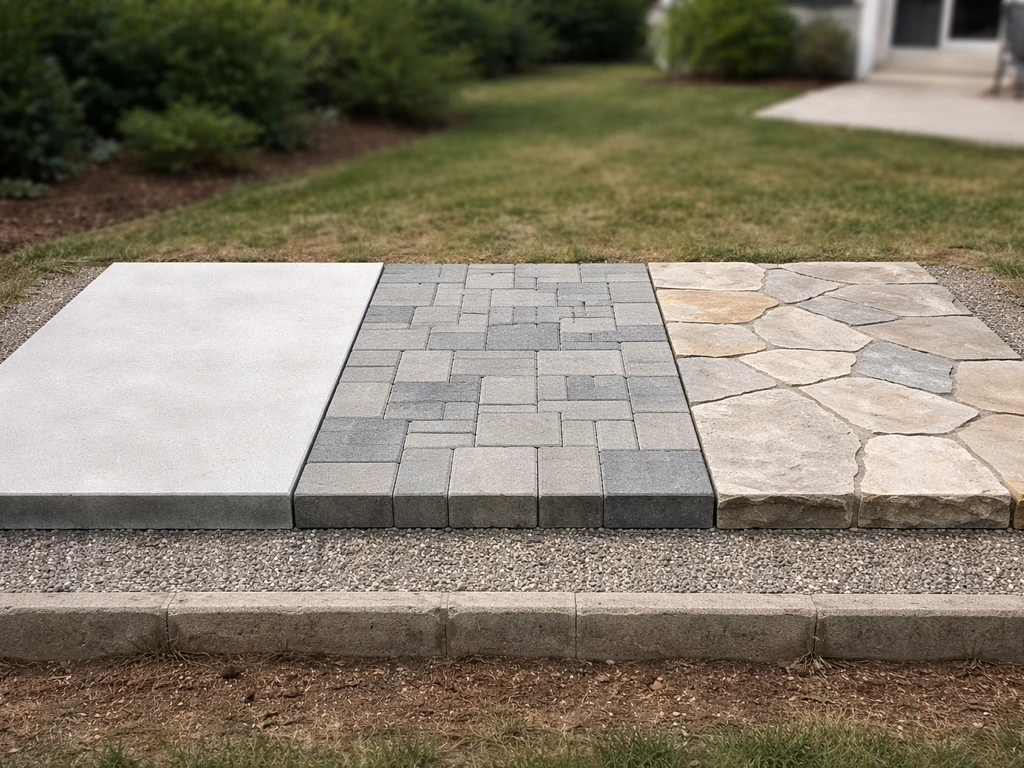
Patio cost guide with real price ranges by size and material, full line-item budget, DIY vs install, and quote checklist
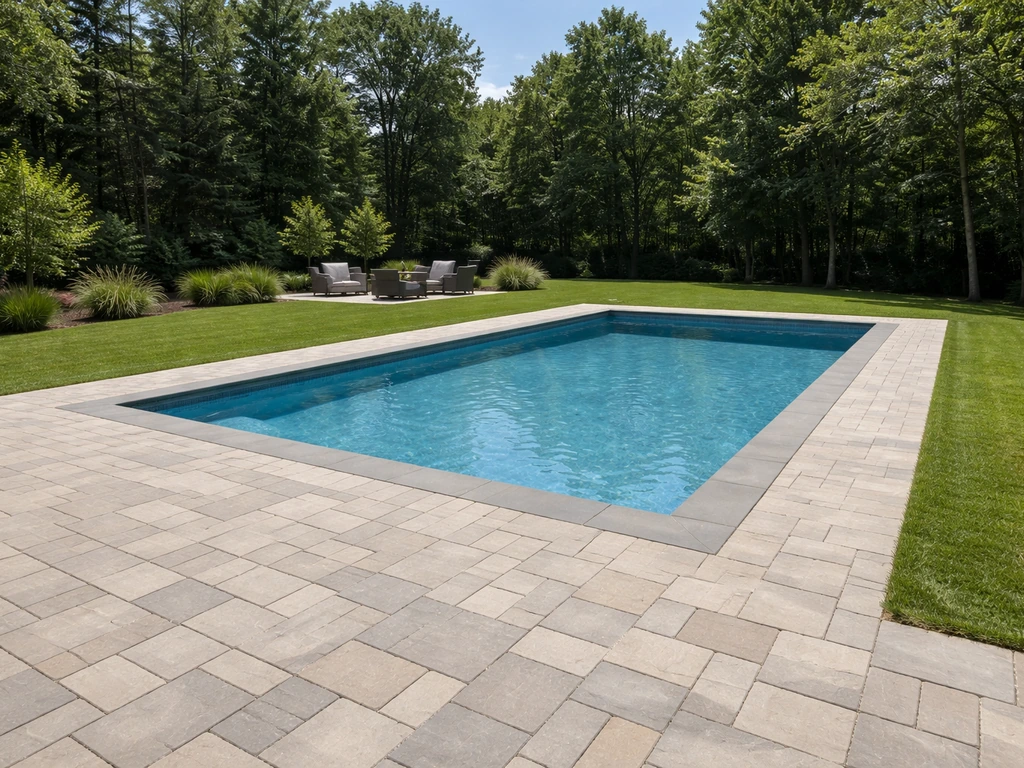
Learn how much patio around a pool costs and how to size square feet, materials, extras, and get real bid line items.