
Professional patio power washing typically runs $0.10–$0.50 per square foot, which puts most homeowners somewhere between $80 and $400 for a standard-sized patio. The wide range is real: a quick rinse of clean concrete costs far less than a deep clean of stained, algae-covered pavers. Most contractors also have a minimum charge of $100–$150, so if your patio is small, expect to pay that floor price regardless of square footage.
How Much Does It Cost to Power Wash a Patio?

Felix Carver
6 Jun 2026

Typical cost ranges to expect
At the low end, a lightly soiled concrete patio in good condition might cost $0.10–$0.20 per square foot. A moderately dirty patio, especially one with some mildew, staining, or old sealant, usually falls in the $0.25–$0.35 range. Heavy grime, grease stains, heavy algae, or a surface that needs a chemical pre-treatment or soft-wash step can push the price to $0.40–$0.50 per square foot or higher. Hourly pricing is also common: national contractor rates run about $65–$99 per hour based on marketplace data, and a typical patio job takes one to two hours for a pro with the right equipment.
Keep the minimum charge in mind. Even a tiny 8x8 patio is almost always going to cost $100–$150 just to get someone out there, because that covers travel, setup, and the time it takes to unload equipment. If you are pricing your own patio cleaning service, you can use the same local rates and job minimums to estimate how much to charge for patio cleaning. For small patios, that minimum often makes more financial sense to handle DIY.
Cost by patio size: real numbers for common dimensions
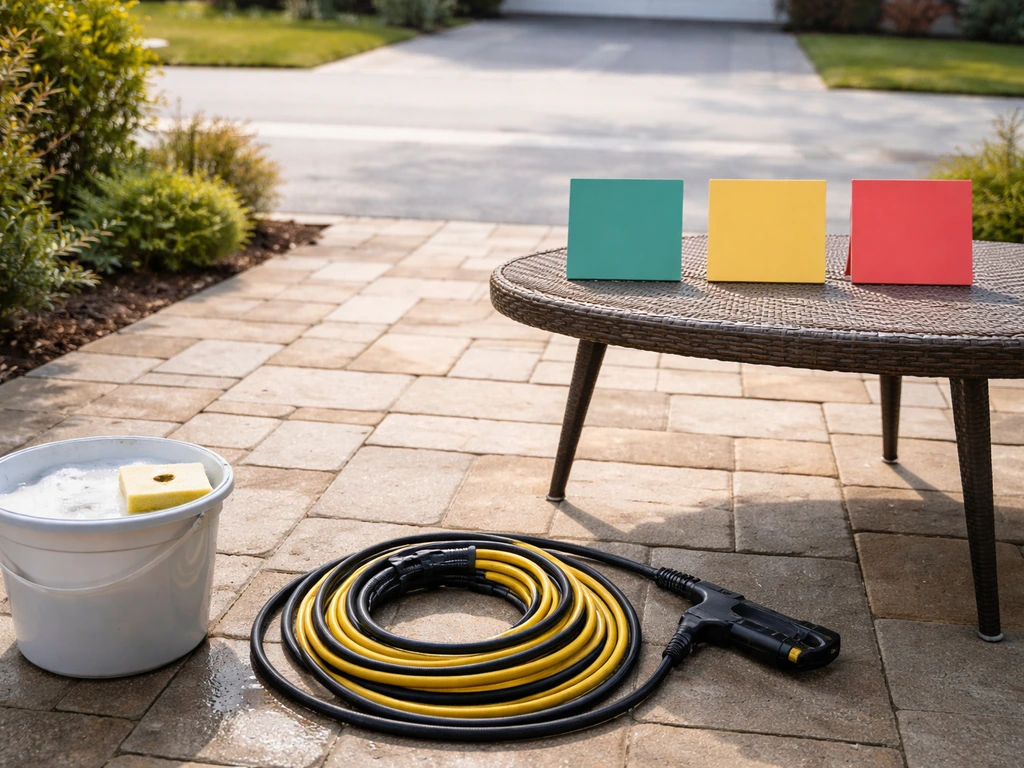
Here are calculated price ranges for three common patio sizes using the $0.10–$0.50 per square foot rate. These are professional cleaning estimates. The low end assumes light dirt and a standard surface; the high end assumes moderate-to-heavy cleaning, possible chemical treatment, or a more labor-intensive surface.
| Patio Size | Square Footage | Low Estimate | High Estimate | Notes |
|---|---|---|---|---|
| 10x10 | 100 sq ft | $100 | $150 | Minimum charge likely applies |
| 12x12 | 144 sq ft | $100–$145 | $175 | Minimum may still apply at low rate |
| 16x16 | 256 sq ft | $130–$200 | $260 | Closer to average job size |
| 20x20 | 400 sq ft | $160–$200 | $400 | Most quotes fall in this range |
| 25x25 | 625 sq ft | $200–$250 | $500+ | May take 2+ hours; chemicals add cost |
A 20x20 patio at a mid-range rate of $0.30 per square foot comes out to $120, but once you factor in the job minimum, chemical application, or any stubborn staining, most quotes for a patio that size land between $150 and $300. That's the realistic budget target for average conditions.
What actually drives the price up or down
Surface material matters a lot
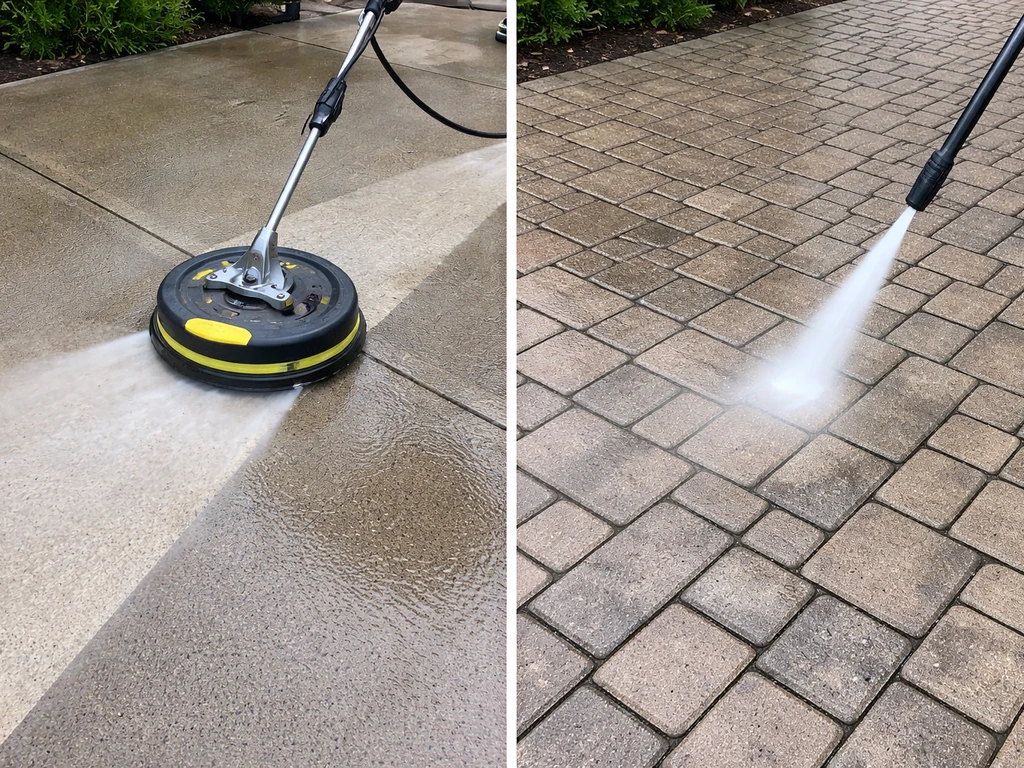
Concrete is the easiest and cheapest surface to pressure wash. It can handle up to 3,000–3,500 PSI, and a pro can move quickly across it with a surface cleaner attachment. Pavers are more delicate: the recommended pressure is 1,200–1,800 PSI, and going too hard can blow out the jointing sand between the pavers. That sand replacement is an added cost the quote might not include upfront. Flagstone, natural stone, and brick also need lower pressure and more care. Home Depot specifically advises against high-pressure nozzles on brick. If your patio is any of these materials, expect a slightly higher rate than plain concrete, and ask the contractor explicitly how they handle joint sand.
Condition and type of grime
Organic growth (algae, mold, mildew) often requires a soft-wash approach with a chemical biocide, not just raw water pressure. That's a different service from standard pressure washing, and it adds chemical cost and dwell time. Efflorescence (the chalky white mineral deposit common on pavers and concrete) can also resurface after a cleaning if it's not treated correctly. Grease stains, paint, or old sealant all require pre-treatment or degreaser, usually adding $15–$50 to the chemical cost alone. A light surface rinse is the cheapest scenario; a deep clean with chemical pre-treatment is the most expensive.
Old sealant or paint
If your patio has been sealed or painted before, that old coating doesn't just rinse off. Some contractors will pressure wash as a prep step before resealing, and they'll factor in extra time and pressure to strip the old layer. If you're planning to seal after washing (which is a smart idea for most patio types), ask the contractor if the wash is designed to prep for sealing, since the technique is different from a routine clean.
Access and layout
A patio that's easy to reach from the driveway with a hose connection nearby is the cheapest to clean. If the contractor has to run hoses through a gate, around a fence, or across a large yard, that adds time. Furniture, planters, or a built-in grill that needs to be moved adds more. Some contractors will charge extra for furniture removal; others expect you to clear the space before they arrive. Clarify this before booking.
Regional pricing: where you live changes the number
Contractor rates vary significantly by market. In high cost-of-living areas like Los Angeles or the San Francisco Bay Area, a job that might cost $150 in the Midwest can run $250–$400. A real-world example: patio pressure washing in Irvine, CA has been reported at $155–$400 for typical residential jobs. In the Southeast and Midwest, prices tend to be closer to the national low-to-mid range of $100–$200. Humid climates (Florida, Gulf Coast, Pacific Northwest) often have more contractor competition because algae and mildew are constant problems, which can actually keep rates more competitive. Check local marketplace rates in your area before assuming the national average applies.
DIY vs. hiring a pro: what it actually costs
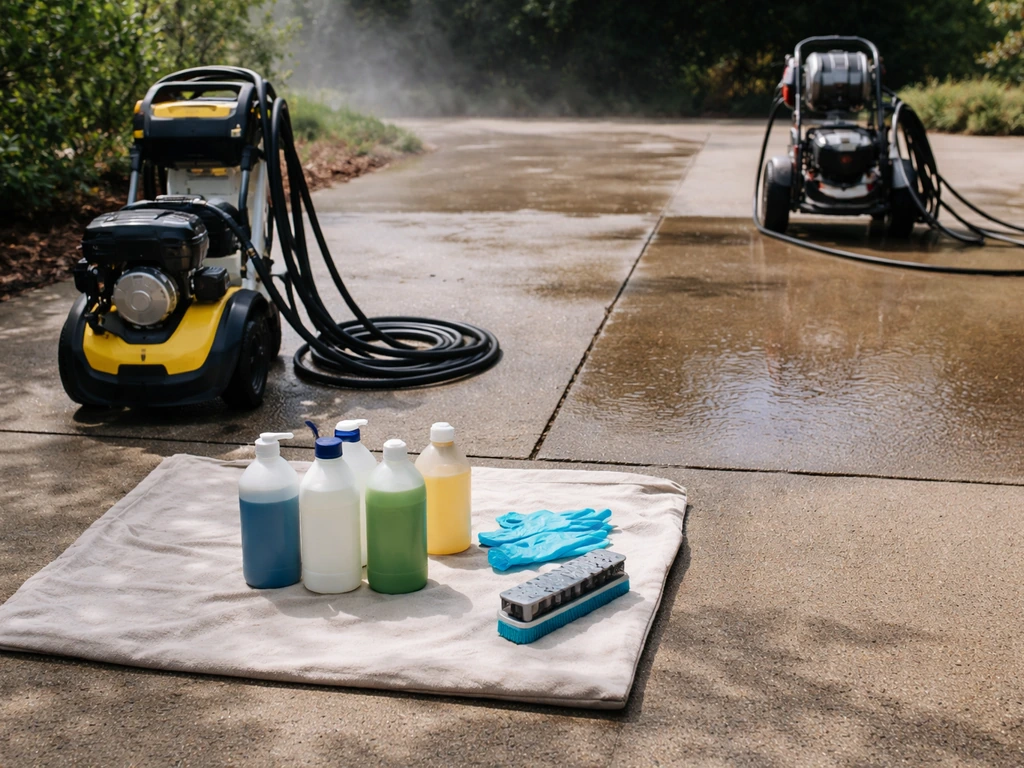
Renting a pressure washer runs $50–$250 per day depending on the machine's PSI and where you rent it. In markets like Los Angeles, weekly rentals range from $180–$660. You'll also need detergent or chemical cleaner ($15–$50), and if you want to clean efficiently, a surface cleaner attachment rental adds another $25–$50 per day. A realistic DIY budget for a 20x20 patio is $90–$175 if you rent equipment for a day and buy chemicals. That's real savings over a $200–$300 professional quote, but only if you're comfortable with the risks.
The risks DIYers often underestimate
The biggest DIY risk is surface damage. Too much pressure on pavers strips out the jointing sand, and re-sanding with polymeric sand is a separate project that costs money and time. On concrete, holding the nozzle too close or using too high a PSI can etch or gouge the surface. Experts recommend keeping the nozzle at least 12 inches from concrete and staying at 3,000 PSI or below. For pavers and stone, 1,500 PSI or less is safer. There's also personal safety: pressure washers can cause serious injuries if the wand is pointed incorrectly. If you've never used one, the learning curve on a stiff concrete patio is one thing; on a paver patio with polymeric sand joints, a pro is almost always worth the money.
When DIY makes sense
- Concrete patio with light-to-moderate surface dirt and no existing sealant to strip
- You already own or can easily borrow a mid-range pressure washer
- Patio is small (under 150 sq ft) and the pro minimum charge feels disproportionate
- You're comfortable with basic technique and have time to do it right
When hiring a pro is worth it
- Paver or flagstone patio where joint sand damage is a real risk
- Heavy mildew, algae, or efflorescence that needs chemical treatment
- Patio is being prepped for sealing or resurfacing (technique matters more here)
- Brick surfaces that need low pressure and specific nozzle types
- Large patio (400+ sq ft) where renting equipment plus time makes DIY less cost-effective
If you're planning to seal the patio after washing, strongly consider having a pro do both steps. Sealing a paver patio is often priced separately from washing, but you can sometimes bundle the two for a better total seal the patio. If you want the full price, you can also look up how much does it cost to seal a patio after the washing step. Sealing costs and washing costs can sometimes be bundled, and the prep work done by a pro will give the sealant better adhesion. A patio that gets washed incorrectly and then sealed over residue or loose joint sand is going to look bad fast.
How to get an accurate quote today
Getting a realistic quote takes about five minutes of prep on your end, and it saves you from comparing apples to oranges when contractors respond. Here's exactly what to do.
What to know before you call
- Measure your patio and write down the square footage (length x width)
- Identify the surface material: concrete, pavers (and whether they're polymeric-sand-jointed), flagstone, brick, stamped concrete, or mixed
- Note the current condition: light dust and debris, moderate dirt and staining, heavy algae/mildew, or visible efflorescence
- Know whether there's existing sealant or paint, and when it was last applied
- Check access: is the patio gated, does it require running hoses across the yard, is there furniture to move?
Questions to ask the contractor
- Do you charge per square foot or per job, and what's your minimum charge?
- Does the quote include chemical pre-treatment, or is that extra?
- What PSI and nozzle type do you use for this surface material?
- If I have pavers with polymeric sand, how do you protect the joints?
- Is furniture removal included, or do I need to clear the patio first?
- Does this price include cleanup and water disposal?
- If I want to seal after washing, can you do both and what does bundling save me?
Estimate checklist: what a solid quote should include
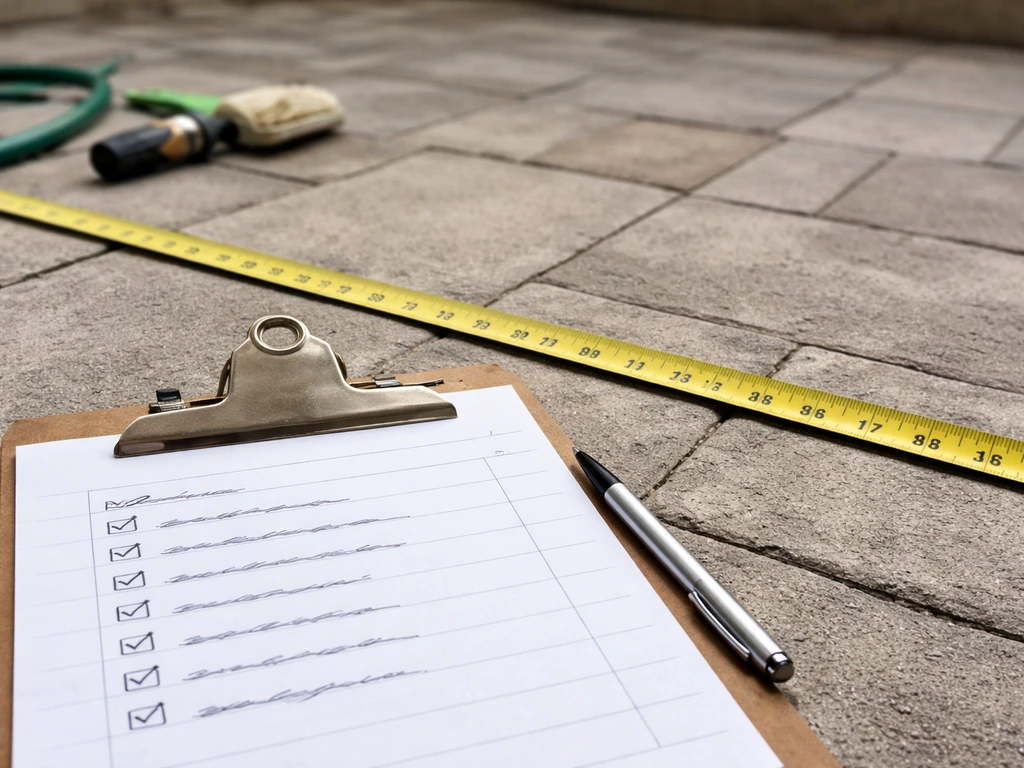
- Total square footage being cleaned (confirm it matches your measurement)
- Surface type specified (not just 'patio')
- Line items for labor, chemicals/detergent, and any surface cleaner attachment use
- Clear statement of whether minimum charge applies
- Whether pre-treatment for organic growth or staining is included
- Any exclusions: furniture, surrounding landscape, nearby surfaces that might get wet
- Estimated time on-site
- Whether the quote covers prep for sealing specifically, if that's your plan
Get at least two quotes for any job over $150. Pricing can vary 30–50% between contractors in the same zip code, and the cheapest quote isn't always the right one, especially if you have pavers or natural stone where technique mistakes cost more to fix than the cleaning itself. If you're also planning to seal or paint the patio after washing, line those projects up at the same time so you can compare bundled pricing versus separate contractor quotes. Painting a patio usually adds an additional coating and labor step beyond cleaning, so it tends to push the total price higher than washing alone paint the patio. Because a patio cover is a different surface and area, the cost to paint it is usually quoted separately from patio pressure washing seal or paint.
FAQ
Does the price change if my patio is uneven, cracked, or has settled slabs?
Yes. If concrete is cracked, spalled, or the surface is uneven, contractors often spend more time targeting loose material and may recommend a repair or leveling before washing. That can also increase the risk of water pooling, so a quote might be higher even if the square footage is the same.
What should I do if I have pavers with polymeric sand joints (not regular joint sand)?
Ask the contractor whether they use a gentler rinse pattern and avoid blasting the joints, because polymeric sand can re-activate or wash out if over-rinsed. Also confirm whether they plan to re-sand afterward, since many bids assume the joints are in good condition to begin with.
Will power washing damage my plants or lawn edge?
It can, especially with chemical biocides or heavy runoff. Before the job starts, request that the crew pre-wet nearby landscaping, cover sensitive plants, and keep runoff controlled. If your patio drains toward a lawn or into landscaping beds, that may add time and cost.
Do I need to tell the contractor about oil stains from a grill or driveway transfer?
You should. Grease and automotive-related stains often require degreaser dwell time and sometimes a stronger chemical, which is not the same as standard algae treatment. This is one of the most common reasons final costs end up above the original per-square-foot estimate.
Why did my quote come out higher than another even though they used the same price per square foot?
Many quotes are built on different assumptions, like whether they will include chemical application, pre-treatment for stains, re-sanding (for pavers), or moving and re-positioning heavy items. Ask for a line-item breakdown of chemicals, any additional steps, and whether the minimum charge already covers everything.
Is “soft wash” different from power washing, and does it change the cost?
Soft wash relies more on chemical treatment with lower mechanical pressure, often with a dwell time period before rinsing. It can be cheaper for some surfaces, but it can also cost more when a biocide and extra cleaning steps are required, especially for algae colonies.
How much should I budget if my patio is small, like 6x6 or 8x6?
In most markets, you still land near the contractor minimum (commonly $100 to $150) because the crew has to set up equipment, connect water, and complete basic cleaning steps. For very small patios, compare a minimum-charge pro quote to DIY equipment rental, but factor in the risk of paver joint loss or concrete surface etching.
Can I wash and immediately seal the patio, or does it need to dry first?
It needs proper drying time. Even if the surface looks dry, moisture trapped in pores or in old sealant can weaken adhesion. Ask the contractor what dry-down window they recommend, and whether they test the surface dryness before sealing.
What runoff and disposal issues should I expect with chemicals?
If biocides or degreasers are used, ask how the contractor manages runoff and whether any local rules require capture or minimization. If you have a dry well, storm drain proximity, or landscaping where runoff could harm plants, clarify that up front to avoid surprises on cost and method.
What’s a good way to prepare for the appointment to avoid hidden charges?
Move furniture and planters yourself (or confirm who does it), sweep loose debris beforehand, and ensure gate access matches the contractor’s setup plan. Also confirm the exact area being measured (including steps, landing slabs, and any walkway connections), because contractors sometimes quote only the main patio pad unless you specify additions.
Next Articles
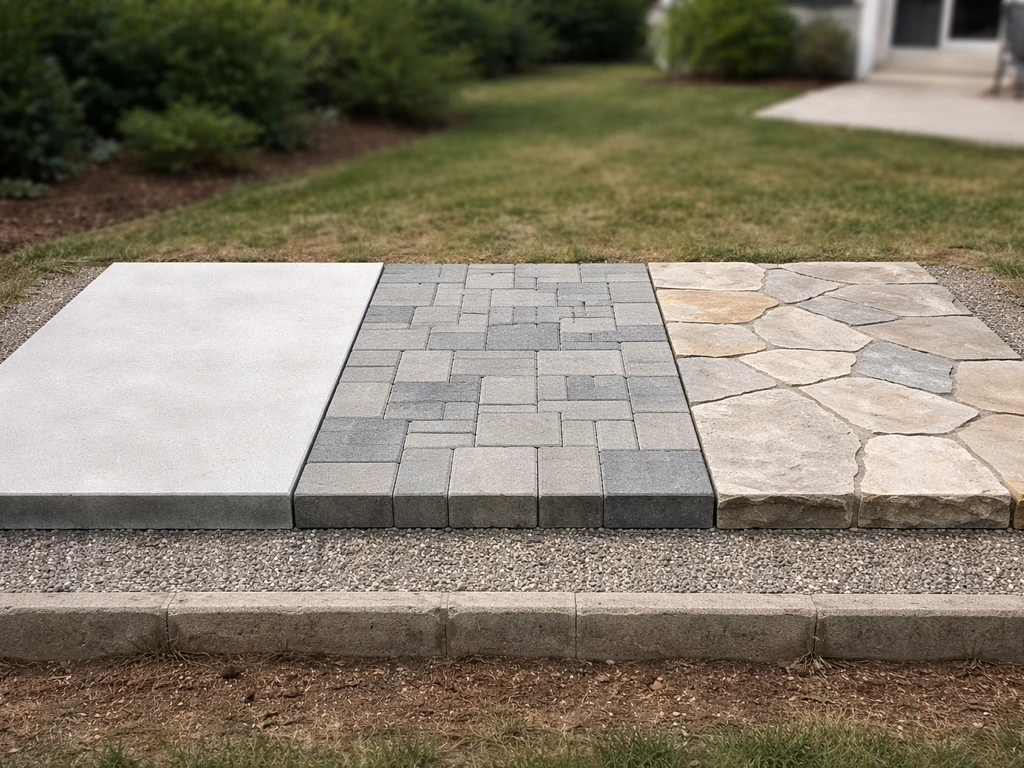
How Much Should I Expect to Pay for a Patio
Patio cost guide with real price ranges by size and material, full line-item budget, DIY vs install, and quote checklist
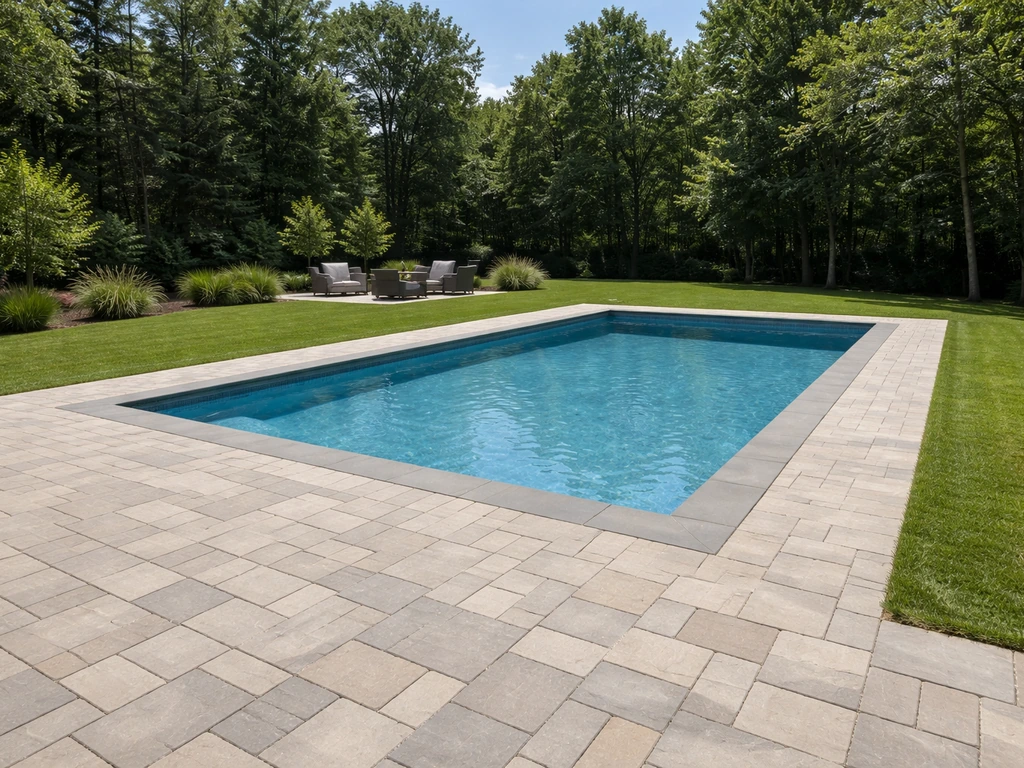
How Much Patio Around Pool: Cost, Size, and Budget Guide
Learn how much patio around a pool costs and how to size square feet, materials, extras, and get real bid line items.
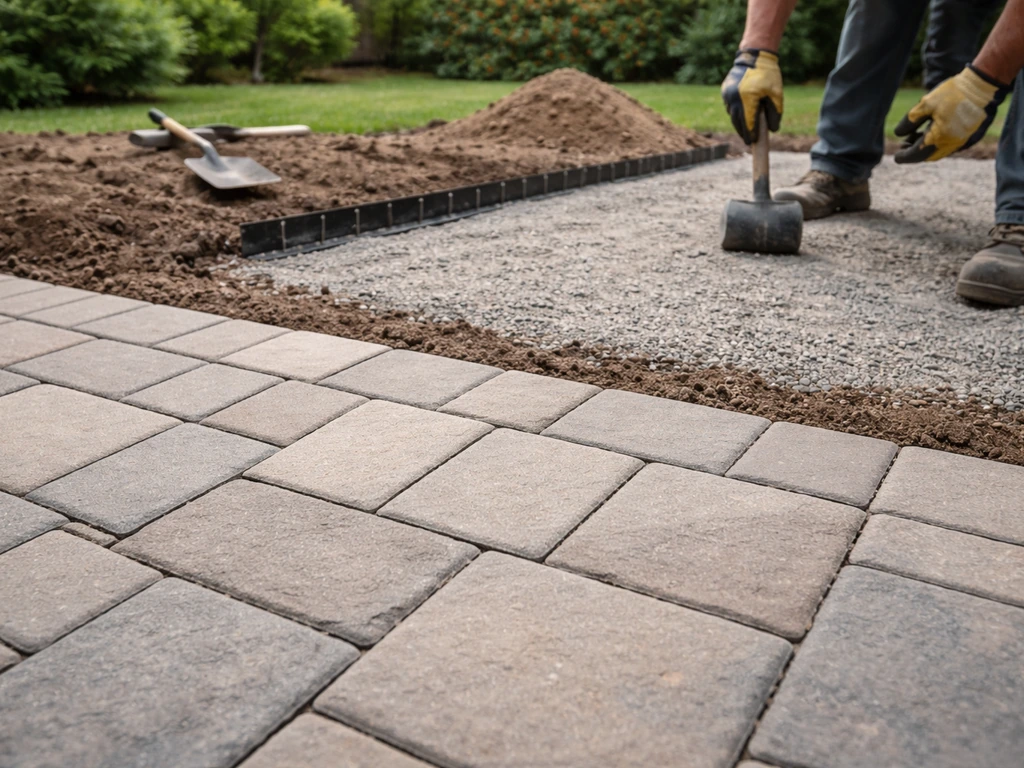
How Much Are Patios? Cost Ranges by Size and Material
Patio cost estimates by size and material with labor, base, add-ons, DIY vs contractor, and quote planning tips.