
Concrete patio removal runs $2 to $6 per square foot for most residential jobs, which works out to roughly $200 to $540 for a 10x10 patio, $290 to $860 for a 12x12, and $800 to $2,400 for a 20x20. The national average total sits around $1,140, but the real number for your project depends on how thick the slab is, whether it has rebar, how easy it is to get equipment in, and where you live.
How Much Does It Cost to Remove a Concrete Patio

Felix Carver
4 Jun 2026
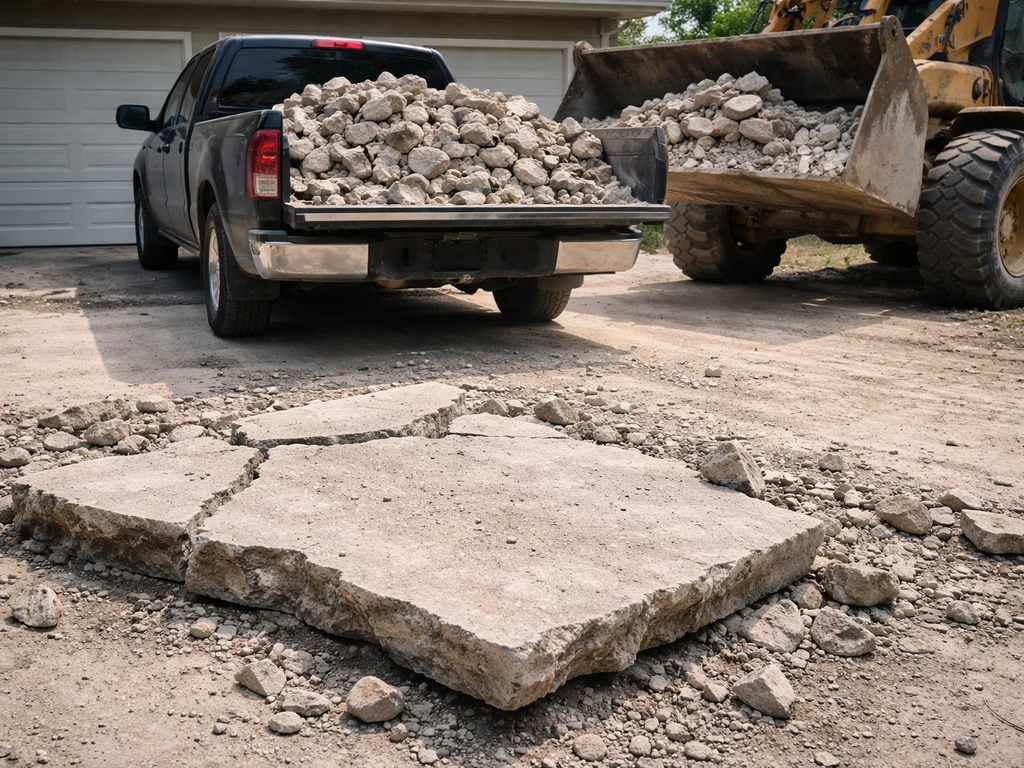
What most homeowners actually pay
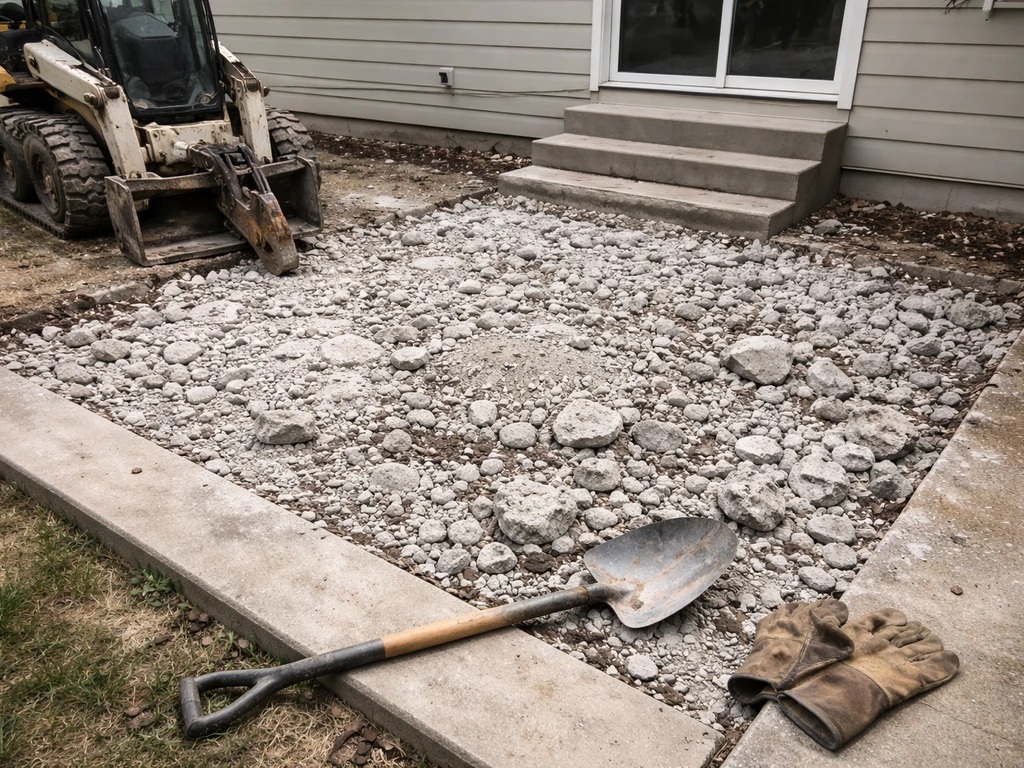
The $2 to $6 per square foot range is well-established and consistent across multiple contractor databases and real job data for 2026. At the low end, you're looking at a thin, unreinforced slab with good equipment access and a contractor who can haul debris easily. At the high end, you're dealing with a thicker slab, rebar, limited access, or a location that requires extra disposal trips. Total project costs commonly land between $250 and $4,000 depending on patio size, with most homeowners spending somewhere in the middle.
One thing to keep in mind: these numbers almost always include breaking the concrete, loading it, and hauling it away. What they sometimes don't include is a permit (rare but occasionally required), grading the base after removal, or any stump or landscaping work that gets uncovered once the slab comes up. Ask about those specifically when you get quotes.
Cost by patio size: real numbers for common dimensions
Here's how the $2 to $6 per square foot framework translates to the most common residential patio sizes. These are honest ranges, not best-case scenarios.
| Patio Size | Square Feet | Low Estimate | High Estimate | Typical Midpoint |
|---|---|---|---|---|
| 10x10 | 100 sq ft | $200 | $600 | $400 |
| 10x12 | 120 sq ft | $240 | $720 | $480 |
| 12x12 | 144 sq ft | $290 | $865 | $575 |
| 12x20 | 240 sq ft | $480 | $1,440 | $960 |
| 16x20 | 320 sq ft | $640 | $1,920 | $1,280 |
| 20x20 | 400 sq ft | $800 | $2,400 | $1,600 |
| 20x30 | 600 sq ft | $1,200 | $3,600 | $2,400 |
These ranges assume a standard 4-inch unreinforced or lightly reinforced slab. If you're not sure what you have, a thicker slab (5 to 6 inches) or one with rebar will push you toward the upper half of each range. A thin, clean 3.5-inch backyard patio with easy truck access will often come in at or below the low estimate.
Thickness and rebar: the two biggest cost drivers
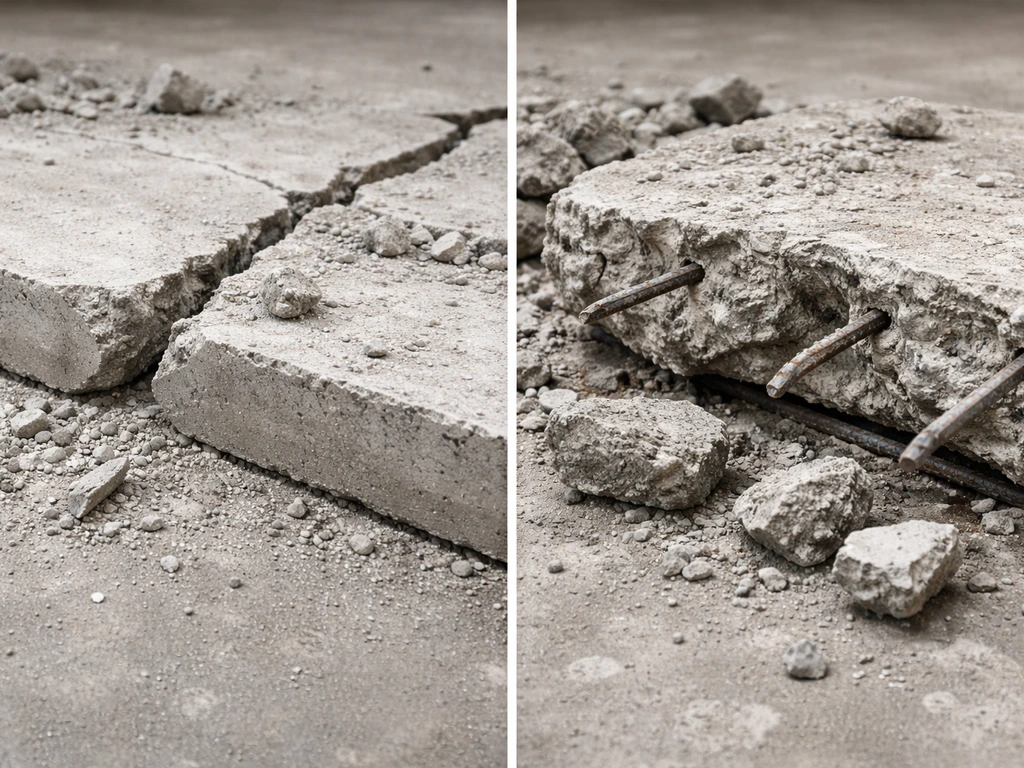
Slab thickness changes how hard the concrete is to break up and how much material needs to be hauled away. A 4-inch slab is the standard residential pour, and most pricing data is based on that. At 5 to 6 inches, crews are moving significantly more weight per square foot, and that extra tonnage adds time and disposal cost. At 6 inches or more, some contractors will add a per-ton surcharge on top of the square footage rate.
Rebar is a separate issue. When a slab has steel reinforcement, the concrete breaks into larger, more unwieldy chunks that need to be cut apart before they can be loaded. That adds both labor time and sometimes equipment rental. The demolition portion alone on a reinforced slab can run $1.50 to $2.50 per square foot just for the breaking work, before you factor in loading and disposal. That's why reinforced slabs push closer to the $5 to $6 per square foot range or beyond for larger jobs.
If you don't know whether your patio has rebar, a good contractor will knock on the slab, check the edges, or probe a corner before quoting. You can also ask whoever poured it or pull a permit record. Don't skip this step, because discovering rebar mid-job can trigger a change order.
What's actually included in a removal quote
A full-service concrete patio removal quote from a reputable contractor typically covers three things: breaking the slab (using a jackhammer, demolition saw, or skid steer with a breaker attachment), loading the broken pieces into a truck or dumpster, and hauling everything away to a disposal facility. That's the standard package when you see prices quoted per square foot.
What's often not included, or priced separately, includes things like cutting control joints before breaking (sometimes needed to protect adjacent structures), removing a concrete curb or border, grinding down any remaining stub at the foundation, or grading and compacting the exposed base after the slab is gone. If you're planning to immediately pour a new patio or lay pavers, that base work is important to price out separately. It's not expensive, but it's not free either.
- Breaking and demolition: jackhammer or hydraulic breaker work
- Loading debris into a truck or roll-off dumpster
- Hauling and legal disposal at a concrete recycling facility or transfer station
- Sometimes included: cleanup of the immediate work zone
- Often separate: permits (if required locally), base grading, rebar cutting surcharge, concrete saw cutting
Labor, equipment, and disposal: where the money goes
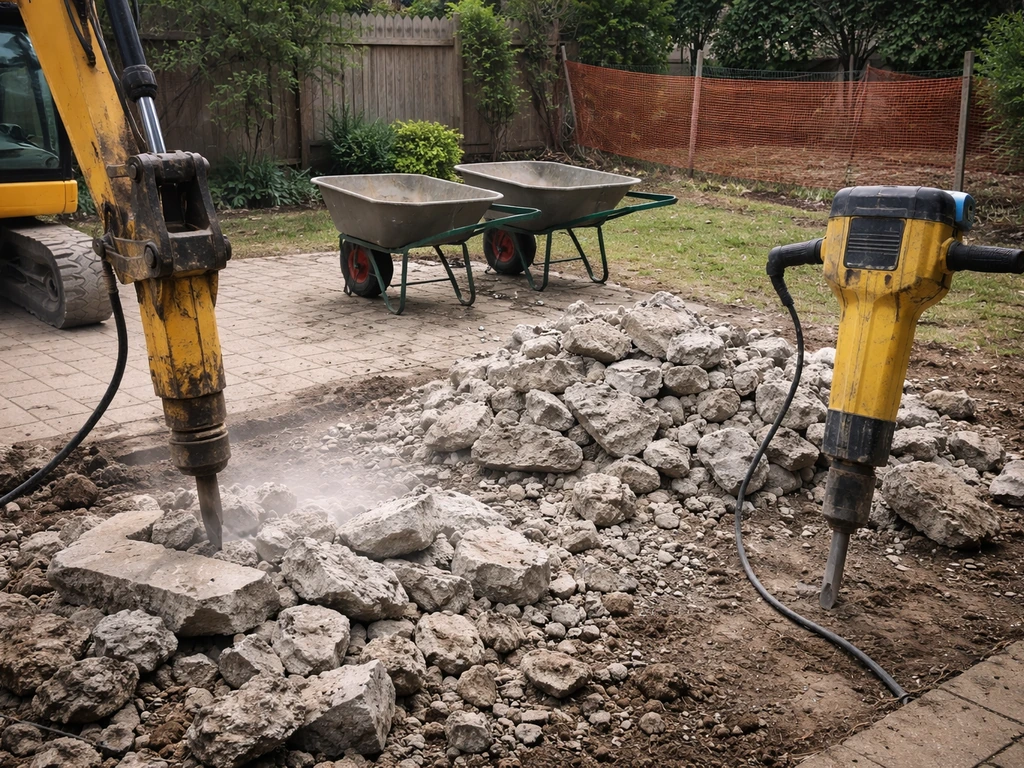
Breaking it down by cost category helps you understand why quotes vary and spot whether a bid is reasonable.
Labor
Labor is usually the biggest line item. A two-person crew can typically demo and load a small 10x10 to 12x12 patio in two to four hours. A 20x20 or larger slab with reinforcement might take a full day or more. Depending on local market rates, expect to pay somewhere between $50 and $100 per hour per worker, which is why larger jobs with rebar can scale up fast.
Equipment
For small patios, a jackhammer and wheelbarrows are standard. Larger or thicker slabs often require a skid steer or mini excavator with a hydraulic breaker attachment, which speeds up the work but costs more to bring on site. Contractors who own their equipment will often price this into the per-square-foot rate rather than itemizing it separately. If you're getting a dumpster as part of the deal, that's typically rolled in as well.
Disposal
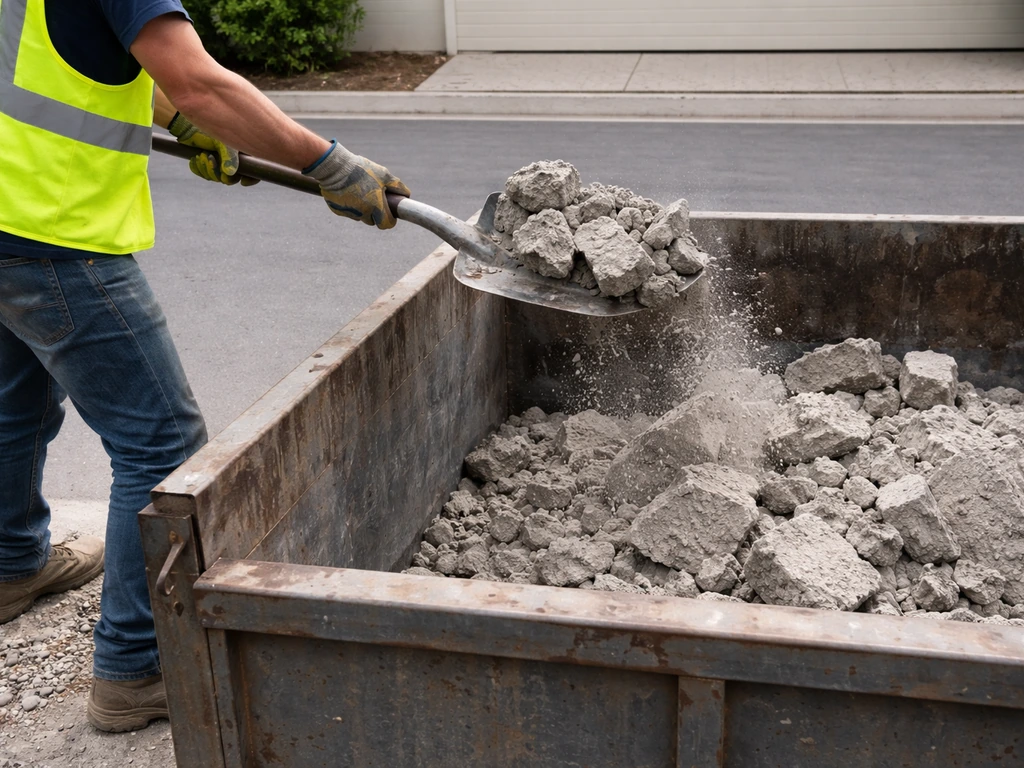
Concrete is heavy. A standard 4-inch slab weighs roughly 50 pounds per square foot, so a 20x20 patio generates around 10 tons of material. Disposal costs vary by region, but concrete recycling facilities often accept clean concrete for a lower tipping fee than a general landfill. Still, you're paying for truck time, fuel, and disposal fees. On a large job, disposal alone can represent $200 to $600 of the total cost.
Regional pricing and site conditions that move the number
Where you live matters a lot. Labor and disposal rates in the Northeast, Pacific Coast, and major metro areas (Boston, Seattle, San Francisco, New York) tend to push toward the $4 to $6 per square foot range as a baseline. In the Midwest, Southeast, and rural areas, you're more likely to see quotes in the $2 to $4 range for the same slab. If you're in a high-cost market, don't be shocked if a 20x20 patio demo quote comes in at $2,000 or more even for a straightforward job.
Beyond location, site conditions have a big influence on price. Ask yourself these questions before calling contractors, because they'll ask you first anyway.
- Access: Can a truck or skid steer get within 20 feet of the patio, or does everything have to be wheelbarrowed through a gate or around the house?
- Slope: Is the patio on level ground or on a grade? Sloped sites slow down removal and complicate loading.
- Proximity to structures: How close is the slab to the house foundation, a retaining wall, or a fence? Tight quarters mean more careful (and slower) hand work.
- Underground utilities: Any irrigation lines, conduit, or drainage that runs near or under the slab?
- Attached features: Is the patio connected to steps, a curb, a spa pad, or a footing? Those add scope and cost.
Tight access is the single most common reason a quote comes in higher than expected. If equipment can't reach the slab, labor hours go up significantly because everything has to be broken smaller and carried out by hand.
DIY vs. hiring a crew: honest trade-offs
DIY concrete demo is possible, but it's genuinely hard physical work, and the savings aren't as dramatic as you might hope once you price out equipment rental and disposal. A jackhammer rental runs $100 to $200 per day. A dumpster for concrete debris costs $200 to $450 depending on size and location. Concrete is too heavy for standard dumpsters, so you'll need a concrete-specific bin or multiple trips to a recycling facility with a rented truck or trailer. Add a few days of very hard labor and you might save $200 to $500 compared to hiring out, which for most people isn't worth it.
That said, DIY makes more sense for a small slab like a 10x10 if you're reasonably fit, have access to a pickup or trailer, and have a local concrete recycler within reasonable driving distance. Many recyclers take concrete for free or a very low fee. If you're in that situation and willing to do the work, you could get a 10x10 removal done for $150 to $300 in equipment and disposal costs versus $300 to $600 for a pro crew.
For anything 12x20 or larger, or anything with rebar, hire it out. The weight, the cutting required, and the disposal logistics become a much bigger project than most homeowners want to take on. The risk of injuring yourself or damaging adjacent landscaping or structures also goes up considerably.
How to get an accurate quote from a contractor
Get at least three quotes, and don't just compare the bottom line number. Here's what to ask each contractor specifically:
- Is disposal included, or is that billed separately based on weight or trips?
- What's your assumption on slab thickness, and how does the price change if it's thicker?
- Does the price change if there's rebar? Will you probe the slab before finalizing the quote?
- Do I need a permit for this demo in my city or county, and if so, who pulls it?
- What happens to the base after you remove the slab? Is any grading included?
- How do you handle access? Will you need to open a fence panel or place plywood over landscaping?
A contractor who answers these confidently and specifically is one who's done this before and won't surprise you with change orders. Be wary of extremely low bids that don't address thickness, rebar, or disposal in writing.
After the slab is gone: what comes next
Removal is just one piece of your total project budget. Once the concrete is out, you'll typically need to deal with the base before installing anything new. For pricing how much to extend a concrete patio, you typically start with the same foundation and slab-thickness considerations, but with added costs for tying in the new pour to the old slab how much to extend concrete patio. To budget accurately for what comes next, you may also want to check how much does it cost to pour a cement patio. If the ground is soft, uneven, or has low spots, that needs to be graded and compacted before new material goes down. Budget $100 to $400 for basic base prep on a standard residential patio, more if there's significant regrading needed.
From there, your options open up considerably. Pouring a fresh concrete patio, laying pavers, installing natural stone or flagstone, or building a deck are all common next steps. The demo cost is a fixed expense regardless of which direction you go, so it's worth getting removal priced out first so you know exactly how much budget is left for the new surface. Before you extend the patio, make sure the demo and new base prep are priced so you can estimate how much the full extension will cost Removal is just one piece of your total project budget. If you're debating between resurfacing the existing concrete versus removing it entirely, that's worth comparing carefully, since resurfacing is often significantly cheaper if the slab is structurally sound.
If the existing patio is in decent shape but looks worn or dated, a resurface or overlay can cost a fraction of full removal and replacement. On the other hand, if the slab is cracked, heaving, or undersized for your new layout, removal is the right call and spending $500 to $1,500 on demo to start clean is almost always worth it for the long-term result.
Timeline expectations
Most concrete patio removals are a one-day job for a professional crew, sometimes less for smaller slabs. Very large or complex removals might run into a second day. Once the concrete is out, base prep typically takes another half-day to a full day depending on conditions. So realistically, plan on two to three days from start to a ready-to-build base. Scheduling a contractor in the current market (summer 2026) may add one to three weeks of lead time, so don't wait until the last minute if you're working toward a specific project start date.
Budgeting the full project
A practical way to think about the numbers: removal typically represents 10 to 20 percent of a total patio replacement project. Dropcurb provides example pricing where a 10x10 slab costs about $300 to $800, consistent with a $2 to $6 per square foot framework. If you're planning a new 20x20 paver or stamped concrete patio that might cost $6,000 to $16,000 installed, the $800 to $2,400 removal cost fits squarely within that range. If the removal quote feels high relative to the replacement cost, it may be worth asking whether the installer includes demo in their installation quote, since many concrete and paver contractors will bundle removal into the total project price, sometimes at a better rate than hiring demo separately.
FAQ
How do contractors calculate the square footage for a concrete patio removal quote?
Most contractors measure the square footage of the slab footprint, not including garden beds or any flanking walkway sections unless they are part of the concrete. If you have partial slabs (steps, small landing pads, or a border), ask whether those are priced separately or added to the total area.
Can hidden site conditions increase the cost beyond the per-square-foot range?
Concrete removal can cost more if there are drainage concerns, low spots, or buried utilities nearby. Before quoting, ask if they will mark any known lines and how they handle uncovering irrigation or electrical conduit once the slab is broken.
Does the price usually include removing thickened edges, steps, or a border curb?
Yes. If you want the base kept intact for a later reuse, or you see existing thickened edges or footings, ask whether they will remove only the slab or also include any thickened perimeter and any integrated steps or curb sections.
What happens if part of my patio is thicker than the rest?
If the patio contains a thickened slab section, it can behave like a different material zone. Confirm whether the quote assumes a uniform slab thickness across the entire area, or whether they will field-measure and adjust pricing for multiple thicknesses.
Are permits ever included in the removal price?
If you need permits (for example, certain city or county rules, work near right-of-way, or added demolition hauling), it is usually a separate line item or included only if the contractor offers permit handling. Ask for the permit scope and who pays and submits paperwork.
How can I avoid a change order if rebar shows up mid-job?
Reinforcement can be discovered after breaking begins, especially when control joints or edges are covered by finishes. To reduce surprises, request language in the estimate about how rebar is handled and whether unit pricing changes once exposed.
Is the concrete always recycled, or does it go to a landfill?
Disposal cost can swing a lot depending on whether the concrete is clean enough to recycle versus treated as general debris. Ask if they will recycle the concrete and whether they require separating non-concrete items (wood, brick, pavers).
Will paint, sealer, or coatings on the concrete affect disposal fees?
If there is any concrete staining, paint, or old sealers, it typically does not increase demolition labor, but it can affect how disposal or recycling facilities treat it. Ask whether surface coatings impact acceptance and whether they will haul it as clean concrete.
Does the quote include protecting adjacent concrete, walls, or landscaping?
Yes, if you have adjacent structures like a foundation wall, basement entrance, retaining wall, or driveway tie-in. Ask whether they will cut control joints or use specific methods to avoid cracking neighboring slabs and whether that protection is included.
What if there’s a stump, tree roots, or buried landscape material under the patio?
If stump removal or uncovered roots become an issue after demolition, it is usually not automatically included. Ask whether the quote covers anything organic that was under or beside the slab, and confirm how far they will go beyond the patio footprint.
When should I budget for base prep, and what should I confirm in the scope?
The article notes base prep is often separate, but you should confirm what level is included: remove debris, grade, and compact, or also install additional fill (and how many inches). Ask for a written scope that includes the target compacted thickness or base depth if you plan to rebuild right away.
Does removal include grading and compaction enough for new pavers or concrete?
If you plan to pour new concrete or set pavers immediately, the key question is whether they will compact to spec and whether they will reestablish slopes for drainage. Ask whether they will do a final compaction pass and how they address water flow after removal.
How long should I expect the whole process to take from demo to a ready base?
For scheduling, the risk is that you can get stuck waiting on disposal access, equipment arrival, or base prep material. Ask each contractor for a demolition-to-ready schedule, what happens if weather affects grading, and whether they can start the base prep the same week.
What access limitations most commonly increase demolition labor and hauling costs?
If you cannot get a bin to the driveway or equipment to the slab, costs rise due to extra labor hauling and hand breaking. Ask for logistics details, such as bin placement options, truck access distance, and whether they will need a small crane, mini excavator, or additional manpower.
If I DIY the removal, what should I check first about concrete disposal?
DIY costs can be lower, but you can also run into disposal constraints. Ask your local recycler if they accept clean concrete, what the unloading requirements are, and whether you need a bin designed for concrete, not a standard household debris dumpster.
Next Articles
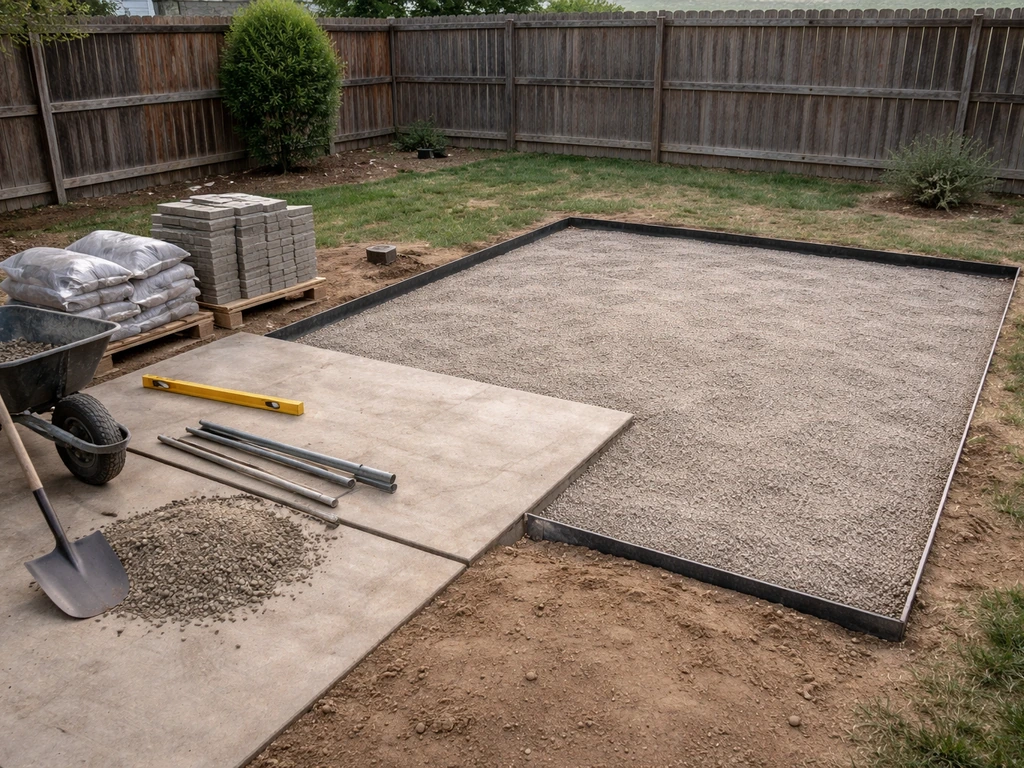
How Much Does It Cost to Extend a Patio in 2026?
Patio extension costs in 2026: pricing for uncovered and covered 10x10 to 20x20 using concrete, pavers, stone, brick.
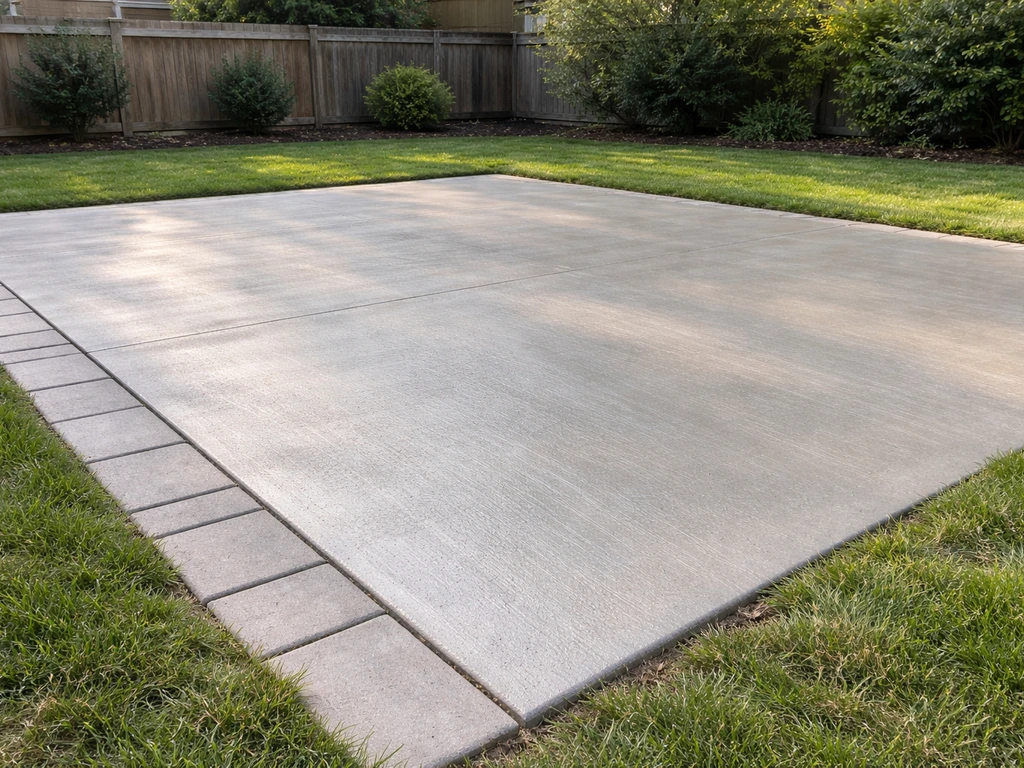
How Much Does It Cost to Pour a Cement Patio? 2026 Guide
Get 2026 patio pricing ranges to pour cement, cost per size, material labor breakdown, DIY vs contractor, and estimating
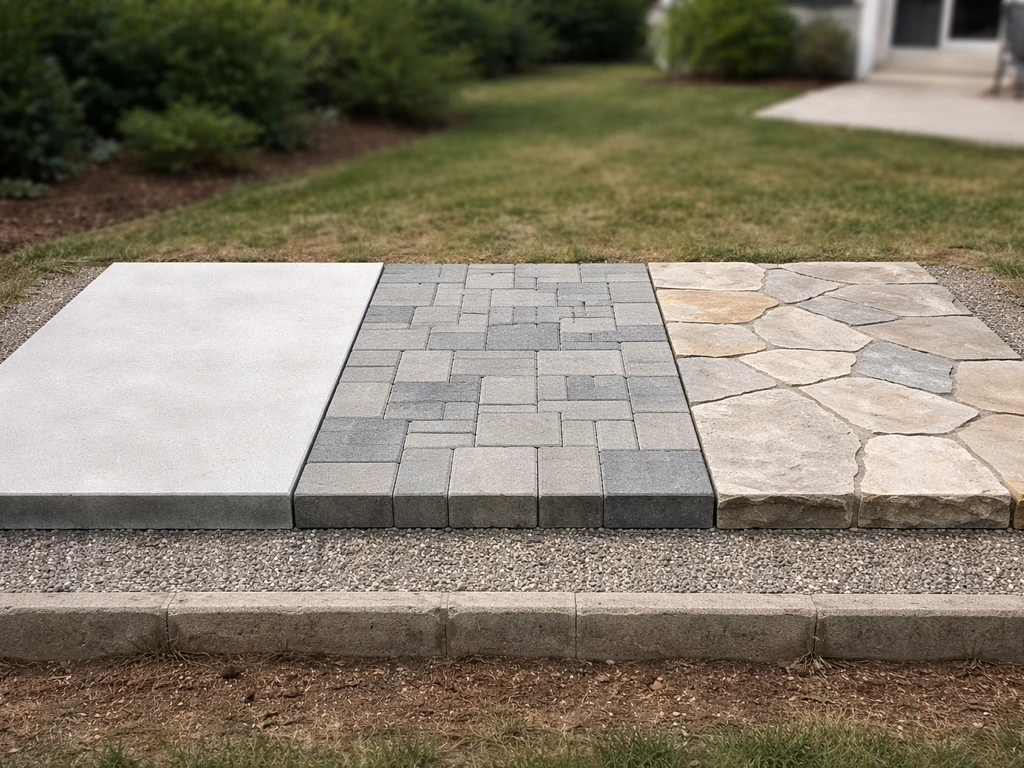
How Much Should I Expect to Pay for a Patio
Patio cost guide with real price ranges by size and material, full line-item budget, DIY vs install, and quote checklist