
Most homeowners in 2026 are paying somewhere between £90 and £160 per m² all-in for a professionally installed patio using mainstream materials. That covers everything: materials, labour, sub-base prep, and a basic tidy-up. If you want a rough budget right now, multiply your patio's square metres by £120 and you'll be in the right ballpark for mid-range options like Indian sandstone or concrete block paving. Go up to £160–£180/m² for porcelain or granite, or down to £60–£90/m² if you're happy with plain concrete slabs or doing some of the work yourself.
How Much Does a Patio Cost Per Square Metre? 2026 Guide

Felix Carver
2 Jul 2026
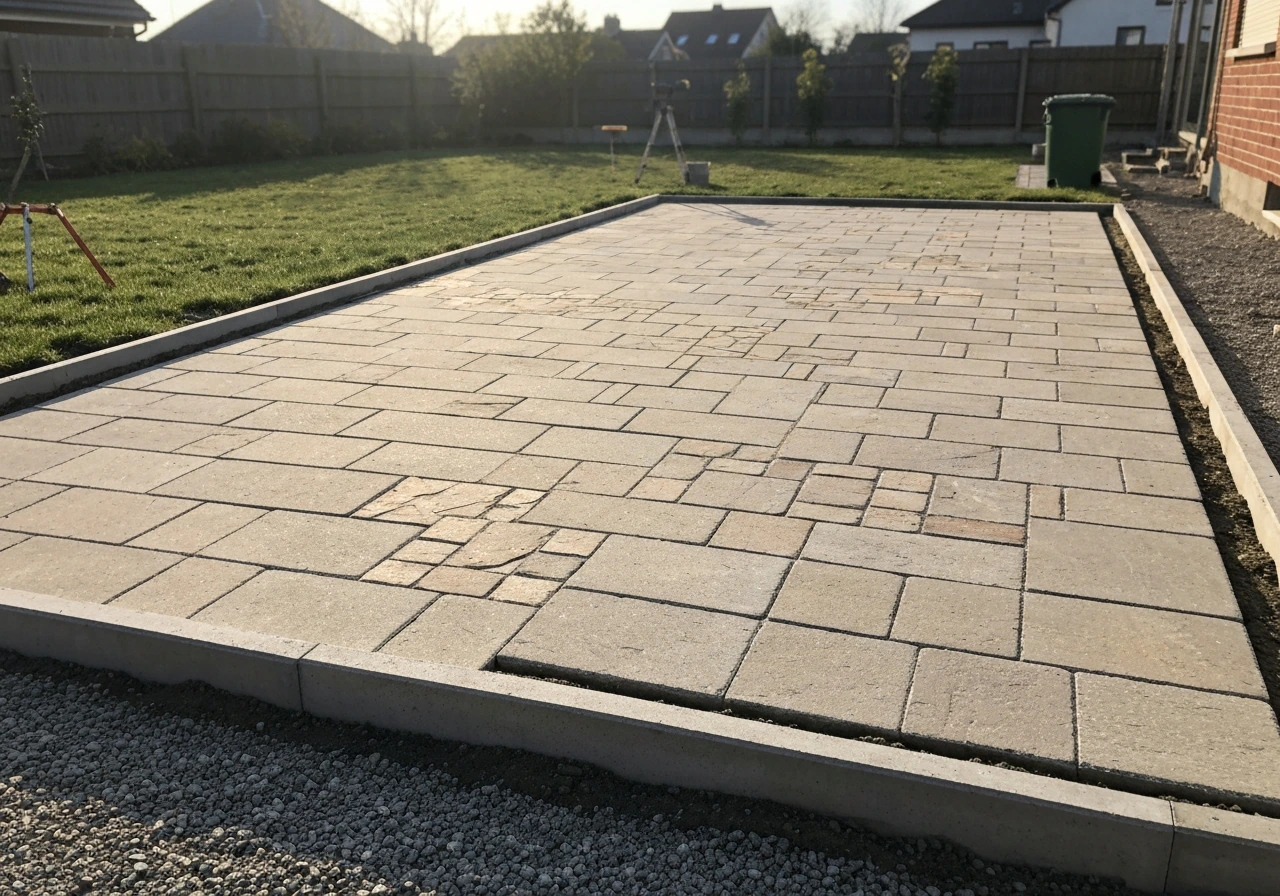
Average patio cost per square metre in 2026
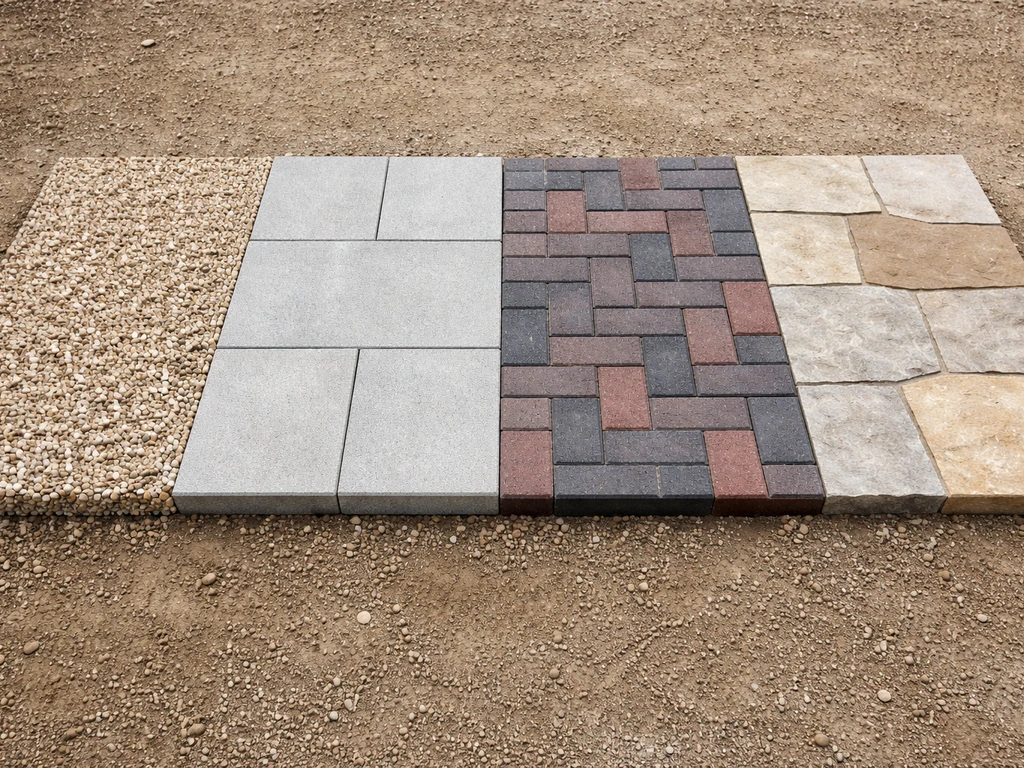
The honest answer is that there's no single number because the material you choose is the biggest variable. But here's how the market breaks down across the main tiers in 2026. These are fully installed prices, meaning materials plus labour plus a standard sub-base preparation.
| Material | All-in cost per m² | Notes |
|---|---|---|
| Gravel / pea shingle | £20–£30 | Cheapest option; no rigid surface |
| Concrete slabs (plain) | £50–£120 | Budget workhorse; wide quality range |
| Brick / block paving | £70–£130 | Classic look; durable and repairable |
| Indian sandstone | £75–£160 | Popular mid-range natural stone |
| Porcelain | £90–£180 | Low maintenance; premium finish |
| Slate | £90–£180 | Striking appearance; can be slippery when wet |
| Granite | £120–£220 | Top-end durability; highest upfront cost |
Labour alone sits at roughly £30–£50 per m² regardless of which material you choose. The difference between a £70/m² job and a £180/m² job is almost entirely the surface material cost, not the contractor's day rate. A landscaper typically charges £200–£300 per day in the UK, and labour accounts for around 40–50% of the total installed cost on most standard patios.
What each patio material actually costs
Concrete slabs
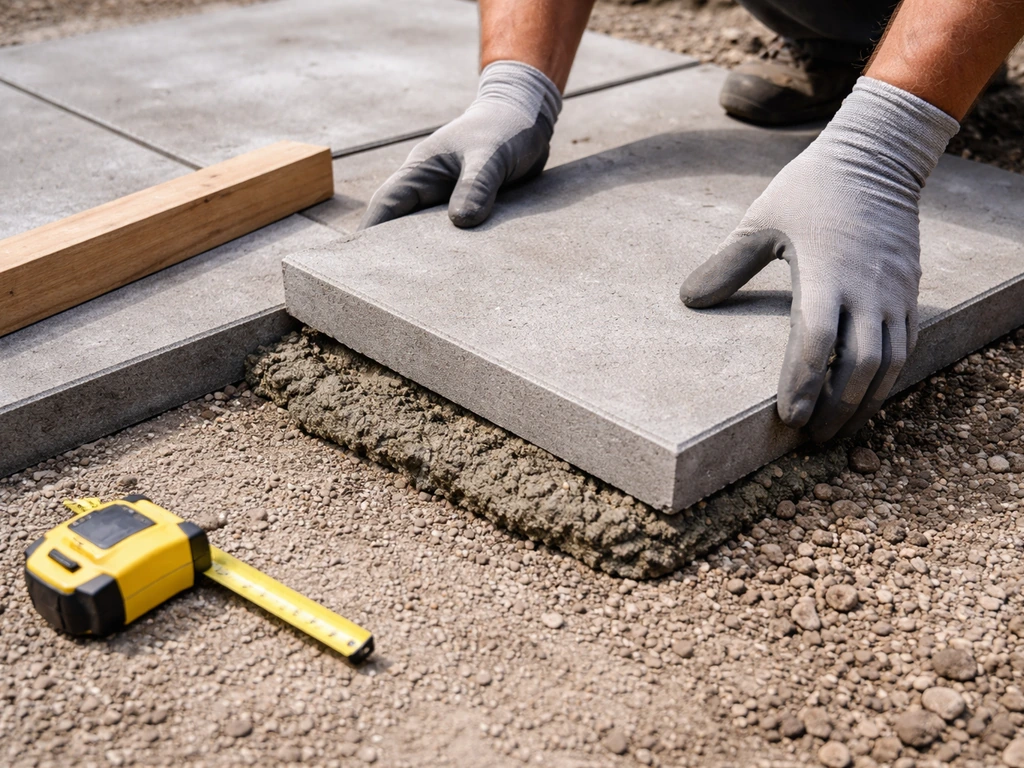
Plain concrete or hydraulically pressed concrete slabs are the most affordable rigid-surface option. Expect to pay £50–£120/m² installed, with the lower end for basic grey slabs and the upper end for textured or coloured finishes. Materials alone typically run £10–£40/m² for standard concrete flags. If you want a stamped or decorative concrete pour rather than pre-formed slabs, add £20–£40/m² to the upper end of that range for the specialist finishing work.
Brick and block paving
Brick and block paving sits in the £70–£130/m² installed range. It's a solid, traditional choice and one of the easier surfaces to repair because individual blocks can be lifted and relaid. The interlocking nature of block paving means it's slightly more labour-intensive to lay than large-format slabs, so the labour component tends toward the higher end of the £30–£50/m² range.
Indian sandstone
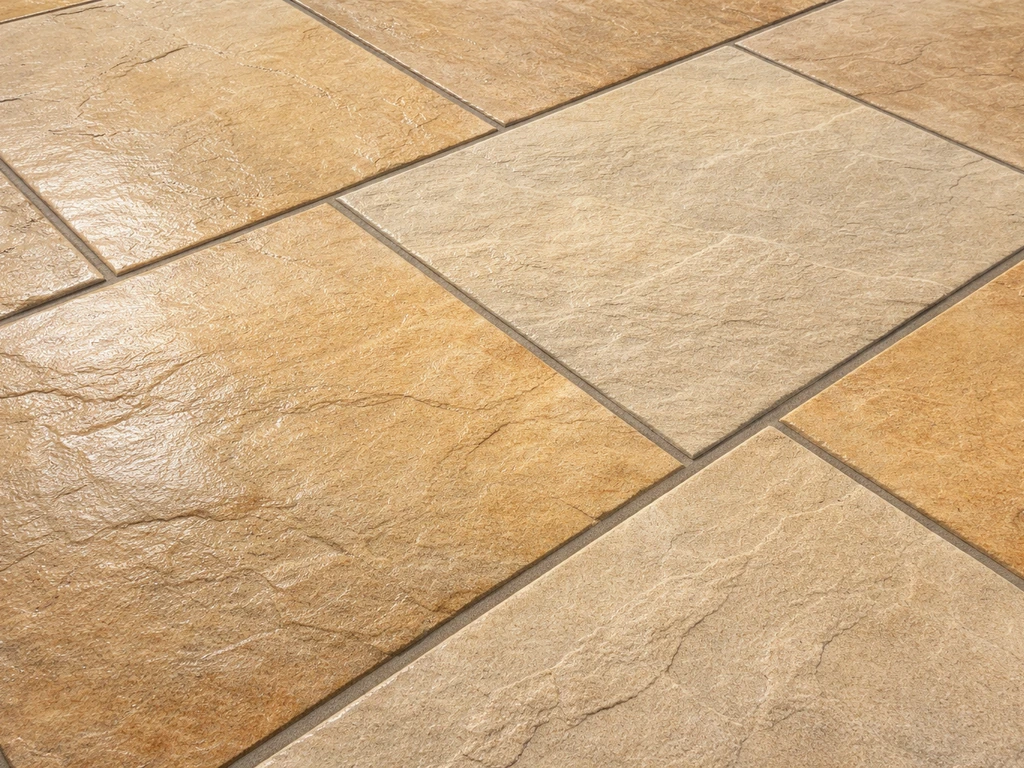
Indian sandstone is the most popular natural stone choice in the UK and for good reason: it looks great, comes in a wide range of tones, and sits at a price point most homeowners can stretch to. Fully installed you're looking at £75–£160/m². The wide range reflects the difference between thinner imported material at the cheap end and premium calibrated stone at the top. Go for calibrated (same thickness throughout) if you can: it lays faster, which keeps your labour cost down.
Porcelain
Porcelain has become extremely popular because it's frost-resistant, low maintenance, and looks sharp. The trade-off is cost: £90–£180/m² all-in, with the material itself often £40–£80/m². Porcelain also requires a full mortar bed of at least 30mm (ideally 30–40mm) rather than a sand bed, which adds slightly to the material cost and means less margin for error on bedding. Tobermore’s porcelain paving installation guidance also specifies that the bedding mortar bed thickness should be 30mm (final mortar thickness). A botched porcelain install cracks easily, so this is not the material to cut corners on with a bargain-basement contractor.
Flagstone and natural slate
Flagstone (which includes slate and other riven natural stone) runs £90–£180/m² installed. Slate in particular looks stunning but can be slippery when wet, so factor in a sealer if you're using it in a high-traffic area. The irregular thickness of riven stone takes more time and skill to lay flat, which pushes labour costs toward the top of the daily rate range.
Granite
Granite is the premium end of the market at £120–£220/m² all-in. It's exceptionally durable and will genuinely last decades, but the upfront cost is hard to justify for most garden patios unless you're doing a high-end project or specifically want that look. It makes more sense for front drives or commercial-feel settings than a typical back garden.
Installation vs DIY: what you actually save
Because labour makes up 40–50% of the total installed cost, DIY can save you real money. On a 25m² patio using Indian sandstone, for example, professional labour at £40/m² is £1,000. That's a meaningful saving if you're prepared to do the physical work. The material cost stays the same whether you lay it or a contractor does, so the DIY saving is purely the labour component.
Here's where it gets nuanced though. Some tasks are genuinely DIY-friendly, and some are not. Digging out and compacting the sub-base is hard work but straightforward. Laying large-format slabs or porcelain is genuinely difficult to do well without experience: lippage (slabs sitting at slightly different heights) is ugly and a trip hazard, and cutting porcelain requires a proper wet saw, not an angle grinder. Equipment hire for a plate compactor runs around £60–£100 per day, which you'll need for the sub-base regardless.
A sensible middle ground is to hire a contractor for the sub-base, cutting, and laying, and do the excavation and waste removal yourself. That can knock £15–£25/m² off the quote and is genuinely manageable for most homeowners with a long weekend and a hired skip.
| Task | DIY feasibility | Typical cost if hired out |
|---|---|---|
| Excavation and digging out | High — hard work but no skill needed | £5–£10/m² |
| Sub-base compaction | Medium — need plate compactor hire | Included in most quotes |
| Waste removal / skip hire | High — just admin and physical loading | £120–£250 for a skip |
| Slab laying (concrete/sandstone) | Medium — manageable with research | £30–£50/m² labour |
| Porcelain or granite laying | Low — high risk of cracking or lippage | £35–£50/m² labour |
| Edging and pointing | Medium — slow but learnable | £20–£30/m run |
Extra costs that will move your price per m²
The £/m² figures above assume a reasonably straightforward installation: moderate ground conditions, good site access, and no existing surface to remove. In practice, several add-ons regularly push the final price higher. Here are the ones that catch people out most often.
Sub-base preparation
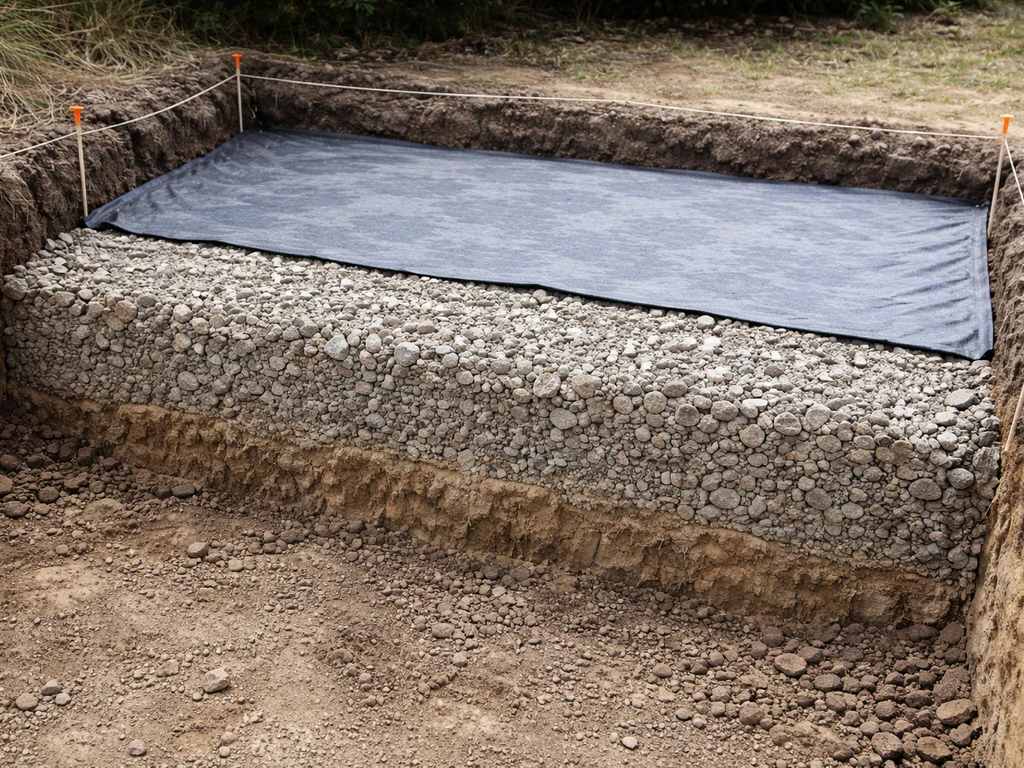
A properly built patio sits on a compacted layer of MOT Type 1 (crushed limestone or granite). For a garden patio, you need a minimum of 100mm of compacted sub-base, and 150mm on softer ground. Some contractors include this in their per-m² price; others quote it separately. If a quote doesn't mention sub-base specification, ask. A patio laid on inadequate foundations will sink and crack within a few years, and fixing it costs as much as the original install.
Drainage and falls
Any patio needs a slope away from the house to stop water pooling against the wall. The standard fall is 1:60, which means 15mm drop per metre of patio length. On a flat garden this is usually free: the contractor just grades the sub-base accordingly. But if your garden slopes toward the house, or you want channel drains at the perimeter, add £15–£30/m² for the drainage work. A channel drain alone typically costs £30–£60 per linear metre supplied and fitted.
Geotextile membrane
On clay or weak subsoil, a geotextile separation layer between the subsoil and sub-base prevents the two mixing over time, which keeps the base stable. In a DIYUK thread on the DIY assumptions behind patio build-ups, commenters discuss using weed control membrane alongside MOT Type 1 and talk through how they size the MOT quantities for the job. It's cheap (usually £1–£2/m² in materials) and any decent contractor will include it as standard on soft ground. If yours doesn't mention it and you have clay soil, ask why.
Removal of existing surfaces
Lifting and disposing of an old patio typically adds £10–£20/m² to the job. The cost comes from the labour of breaking up and removing the old material plus skip hire. A mini skip (2–3 yards) for a small job runs around £125 on average; a 6–8 yard skip for a larger 30–40m² dig-out costs £120–£250 depending on your area and whether you need a permit for a road placement. If you can fill the skip yourself from the contractor's breakout pile, you're paying less for their time.
Edging
Perimeter edging keeps the patio edge clean and stops slabs creeping. Pre-formed concrete edging costs around £25 per linear metre installed. On a 5x5m patio that's 20 linear metres of perimeter, so roughly £500 extra. It's often optional for patios bordered by lawns or beds, but worth having on exposed or high-traffic edges.
Site access and equipment
If a contractor has to carry materials through the house or down a narrow side passage rather than straight off the van onto the site, expect a 10–15% uplift. The same goes for tight spots where a skip lorry can't get close. It's a real cost: carrying heavy stone slabs 30 metres through a house takes significantly longer than unloading directly onto the site.
Waste disposal add-on summary
As a rough rule, budget an extra £5–£15/m² for waste removal and disposal if you're replacing an existing patio or excavating significant depth. Larger volumes (a full dig-out on a 40m² patio) may be better served by a grab lorry collection, which can be cost-effective when there's enough volume to fill one.
What common patio sizes actually cost
These examples use mid-range materials (Indian sandstone or similar) at £120/m² all-in as a base, then show the range. If you're comparing to a per-square-foot figure from another source, note that 1 m² equals roughly 10. Cement patio costs are often compared using square feet too, so it's helpful to convert and see what a square-foot estimate would mean for your total area how much is a cement patio per square foot. 76 sq ft, so a £120/m² install works out to about £11.15 per sq ft.
| Patio size | Area (m²) | Budget (£70/m²) | Mid-range (£120/m²) | Premium (£180/m²) |
|---|---|---|---|---|
| 10x10 ft (3x3m) | 9 m² | £630 | £1,080 | £1,620 |
| 12x12 ft (3.6x3.6m) | 13 m² | £910 | £1,560 | £2,340 |
| 4x4m | 16 m² | £1,120 | £1,920 | £2,880 |
| 5x5m | 25 m² | £1,750 | £3,000 | £4,500 |
| 20x20 ft (6x6m) | 36 m² | £2,520 | £4,320 | £6,480 |
| 8x5m (large garden patio) | 40 m² | £2,800 | £4,800 | £7,200 |
A small patio of around 15–20m² is the most common size for terraced and semi-detached houses. Medium patios (25–35m²) are typical for detached houses with decent garden space. Large patios of 35–50m²+ usually have more negotiating room on price because the fixed mobilisation cost (getting tools and materials to site) spreads over more area, which often brings the effective per-m² rate down slightly for bigger jobs.
If you want to think in square feet, or you're comparing across different project sizes like a 400 sq ft patio, the principle is the same: establish your area in m², multiply by your material tier's per-m² rate, then add any applicable extras from the section above. If you’re planning a covered patio, the same per-square-foot math applies, then you add any extra costs for roofing and enclosure work.
How to get accurate quotes and compare bids properly
Getting three quotes is the standard advice, and it's still right. But the more important thing is making sure all three quotes are for the same job. how much does a patio cost per square foot. It sounds obvious but contractors frequently quote different things: one includes sub-base, one doesn't; one uses 50mm MOT, another specifies 150mm. When you compare prices on different scope, you learn nothing useful.
Before you contact anyone, prepare a simple brief covering the following. This takes 20 minutes and will save you hours of back-and-forth.
- Exact area in m² (measure it, don't estimate)
- Existing surface condition: grass, old patio to remove, concrete, etc.
- Chosen material or shortlist of two options
- Site access description: straight van access, through the house, narrow passage, etc.
- Any drainage requirements or existing issues
- Whether you want edging and pointing included
- Desired finish: flush pointing, brush-in jointing compound, or mortar
When the quotes come back, compare them on these specific points, not just the bottom-line number. Ask each contractor to confirm the sub-base depth and material they're specifying, the slab/material brand or source they're pricing, whether waste disposal is included, and what their payment schedule looks like. A quote that's 15% cheaper but uses a 50mm sub-base instead of 100mm is a false economy.
Red flags in a quote: no mention of sub-base specification, payment demanded entirely upfront, no written quote at all (verbal only), and a day rate with no material cost breakdown. Good contractors are happy to break down materials vs labour because it shows they're not padding either line.
For a standard 25m² patio you should be able to get quotes turned around within a week. For anything larger or more complex, give contractors two weeks. Always check reviews on a platform where you can see the actual job type, not just star ratings.
Practical ways to bring the cost down (without regret later)
There are places to save money on a patio project and places where skimping consistently leads to expensive problems. Here's the honest breakdown.
Where you can legitimately save
- Choose concrete slabs or block paving over natural stone or porcelain. The all-in saving is real: £50–£70/m² vs £120–£180/m² for the same area.
- Do the excavation yourself. It's hard manual work but requires no skill, and it can shave £5–£10/m² off the quote.
- Hire your own skip rather than letting the contractor manage waste removal. You'll often pay less and can fill it at your own pace.
- Buy materials directly from a paving supplier and ask the contractor to fit only. Many contractors are fine with this and it cuts out their material markup.
- Go for a simpler rectangular layout. Curves and complex cuts add time and therefore cost. A clean rectangle is the fastest and cheapest layout to lay.
- Get quotes in late autumn or winter when demand is lower. Some contractors will negotiate on price or upgrade the material spec to fill the diary.
Where not to cut corners
- Sub-base depth and compaction: this is the foundation of the whole job. A thin or poorly compacted base is the single most common cause of patio failure.
- Drainage slope: not grading the patio away from the house is a damp problem waiting to happen. The 1:60 fall is non-negotiable.
- Pointing and jointing: properly filled joints stop weeds, lock slabs in place, and keep water from undermining the bedding layer.
- Contractor quality: the cheapest quote is often cheapest because something is missing. Verify what's included before you decide.
- Porcelain laying: if you're paying for porcelain, pay for someone who has laid it before. Cracked slabs from improper bedding are the most expensive mistake in patio projects.
The most cost-effective approach for most homeowners is to pick a mid-range material like Indian sandstone or good-quality concrete block paving, get the sub-base done properly, and do any prep work (clearing, excavating, skip loading) yourself. That combination consistently delivers a result that looks good, lasts well, and doesn't strain the budget. Spending £120/m² on a well-built 25m² patio is a better investment than spending £90/m² on a poorly prepared one that needs relaying in five years.
FAQ
Are the per-metre patio prices fully inclusive, or do contractors commonly leave things out?
No, and you should budget for them. A quote can look like a single £/m² rate but still exclude things like waste disposal, geotextile on clay, edging, or the correct sub-base depth (100mm minimum for garden patios, 150mm on softer ground). Ask for a line-by-line scope so you can see what is included rather than relying on the headline number.
If I choose large-format slabs or porcelain, does the cost per square metre change because of extra labour and detailing?
For a large-format look, the foundation still matters as much as the surface. Porcelain and some premium slabs are more sensitive to uneven bedding, and lippage becomes more obvious on bigger pieces. If you want large slabs or porcelain, confirm the contractor will do proper bedding thickness and alignment checks, and ask what they use to maintain level throughout (often a screed board or gauges).
Why do patio quotes vary so much between nearby houses, even when the patio material is the same?
Yes. Even when you keep to a similar material tier, your price can increase if the area is hard to access, or if there are constraints around the waste route. The article notes a typical 10 to 15% uplift for carrying materials through the house or down a narrow side passage, and tight skip access can add more. Factor this in especially for terraced properties and rear gardens with limited access.
Can weather or seasonal timing change the final patio cost, or just the quality?
Light rain and freezing weather can still affect installation quality, even if the contractor is willing to work. For bedding and grouts, you generally want stable conditions so layers can be compacted properly and mortar beds can cure without being disturbed. If your start date is in winter, ask how they manage weather protection and curing time for your chosen surface (especially porcelain and mortar-bed systems).
What should I watch for if my patio already has an old patio underneath?
If you are replacing an old patio, depth and disposal volume can change the effective £/m². The article mentions lifting and disposing typically adds £10 to £20/m², but the total can jump if you discover deeper decayed sub-base, multiple old layers, or poor drainage. Ask the contractor to include an allowanced dig depth (for example, how far down they will excavate to reach sound base).
What happens if the quote does not specify the sub-base material and thickness?
Yes, and it is a common mistake. Cement, sand, and MOT sub-base are not interchangeable by performance. Confirm the specification, including the sub-base type (MOT Type 1) and the target compacted depth (100mm or 150mm depending on ground). If the quote does not state it, the safest assumption is that it is not included, or it is using a minimal allowance.
How do I make sure the patio slope and drainage are done correctly, not just “good enough”?
Ask where the slope is achieved and how it is measured. If the garden slopes toward the house, the contractor should grade the sub-base to create the 1:60 fall (15mm per metre) away from the property, or use a drainage solution if required. A common issue is a patio that looks level during installation but still holds water once the ground settles or if drainage channels were omitted.
Does sealing affect cost per square metre, and is it required for all patio materials?
Yes, especially for slippery stones like slate or areas that see regular foot traffic. The article suggests considering sealing for wet-slip risk, but the bigger practical point is asking for the right product and schedule for your specific material. Also confirm whether sealing is included in the quote or whether you will need to apply it after installation (and how soon after laying).
How can I tell if a “low” £/m² patio quote is likely to be bad value?
Usually, yes. If your contractor quotes a cheaper rate but schedules less time for cutting, fine levelling, or edge finishing, you can end up with extra costs later (repairs, replacements, or re-laying). A concrete example is porcelain, where cutting needs proper equipment and bedding errors are costly. Use the quote comparison checklist: confirm the material brand/source, sub-base depth, and whether cutting, edging, and waste are included.
Should I plan for skip hire and waste removal separately, or expect them to be included?
Yes, and it is worth planning before you get quotes. Ask the contractor to allow for a waste strategy (skip size, breakout pile, and whether you can load yourself). If skip hire and disposal are not clearly covered, you can get mid-project extras. For bigger jobs, a grab lorry may be cheaper if there is enough volume, but that depends on site access and quantity.
If I want a covered patio, should I still use the same £/m² rate for the paving?
It depends on what you mean by “covered.” If you are adding roofing, enclosure, and potentially posts or foundations, the base patio price still applies for the paving, but the total project cost rises and the £/m² paving rate is no longer the whole story. Before comparing quotes, ask whether the covering is included, and whether any structural work affects excavation depth or base requirements near post positions.
Do bigger patio projects always have a lower cost per square metre, or can the price stay high?
Often, larger patios can come out slightly cheaper per square metre because fixed costs like mobilisation spread out. However, the saving can be less than expected if the site is complex or access is poor. Ask for the quote to break out mobilisation, site set-up, and any fixed extras so you can see whether the lower per-m² rate is real efficiency or simply smaller allowances.
Next Articles
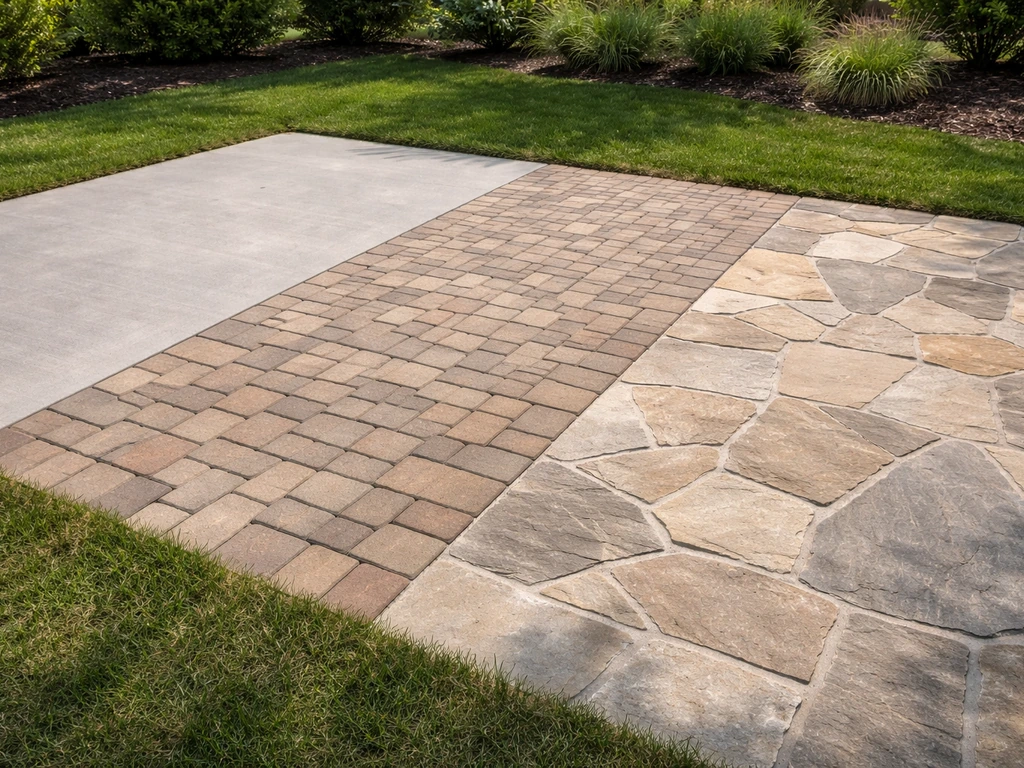
How Much Does a Patio Cost Per Square Foot?
Get patio cost per square foot ranges for concrete, pavers, stone, stamped, brick and more plus budgeting tips and quote
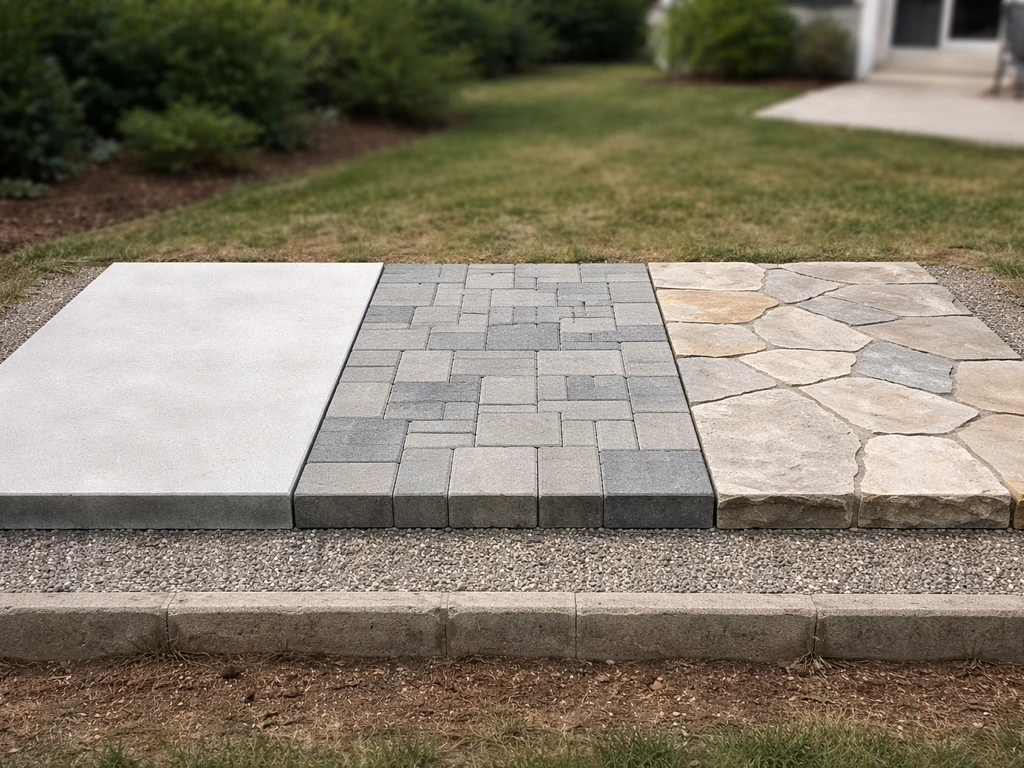
How Much Should I Expect to Pay for a Patio
Patio cost guide with real price ranges by size and material, full line-item budget, DIY vs install, and quote checklist
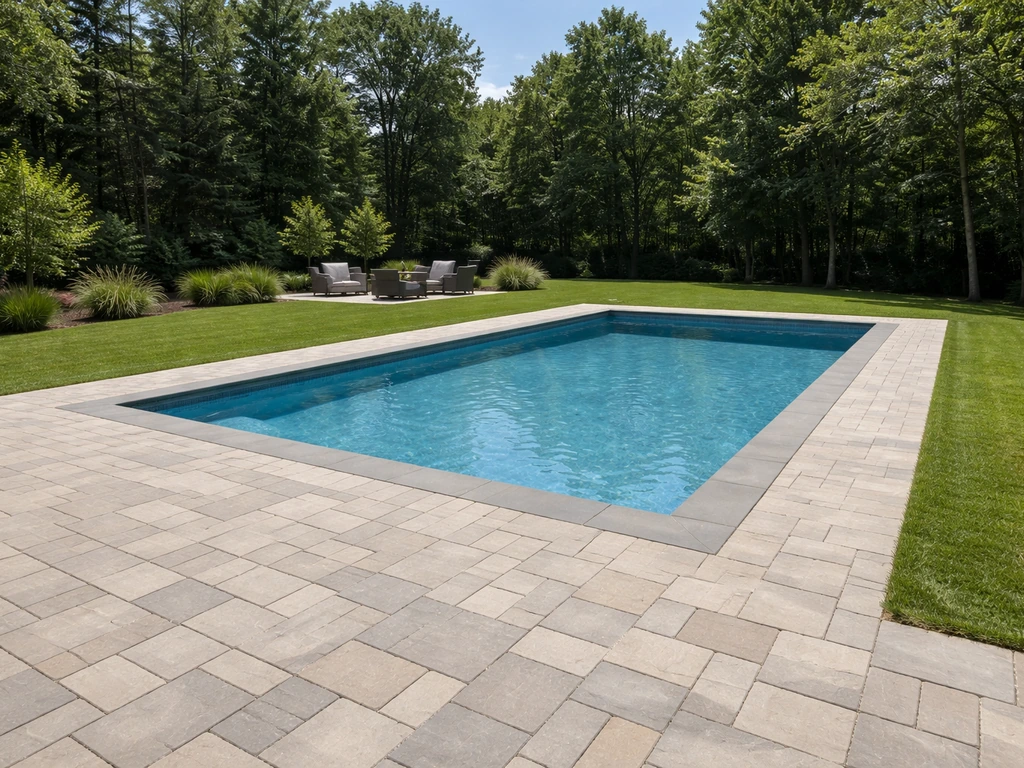
How Much Patio Around Pool: Cost, Size, and Budget Guide
Learn how much patio around a pool costs and how to size square feet, materials, extras, and get real bid line items.