
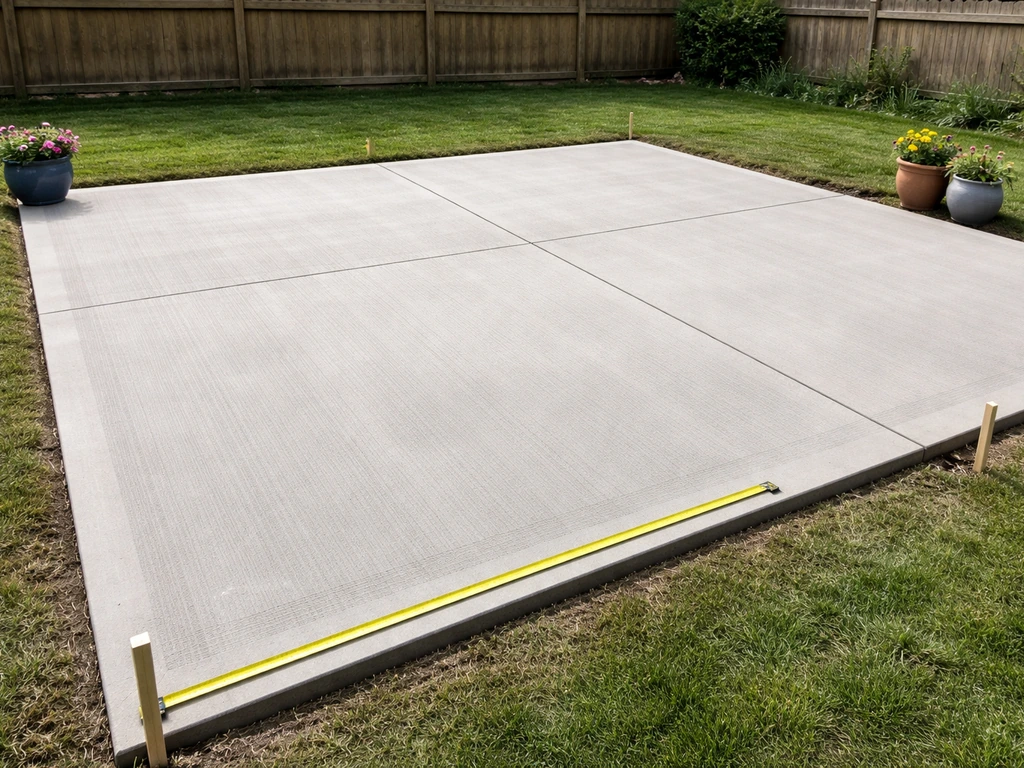
A 15x20 concrete patio (300 sq ft) typically costs between $1,800 and $4,500 installed for a standard broom-finish slab, which works out to roughly $6–$15 per square foot depending on your region, site conditions, and finish. Most homeowners in mid-cost areas land somewhere around $2,500–$3,500 for a plain, professionally poured slab. If you want stamped concrete or decorative finishes, expect that range to jump to $3,600–$7,500 or more for the same 300 square feet.
How Much Does a 15x20 Concrete Patio Cost? Budget Breakdown

Felix Carver
20 Jun 2026
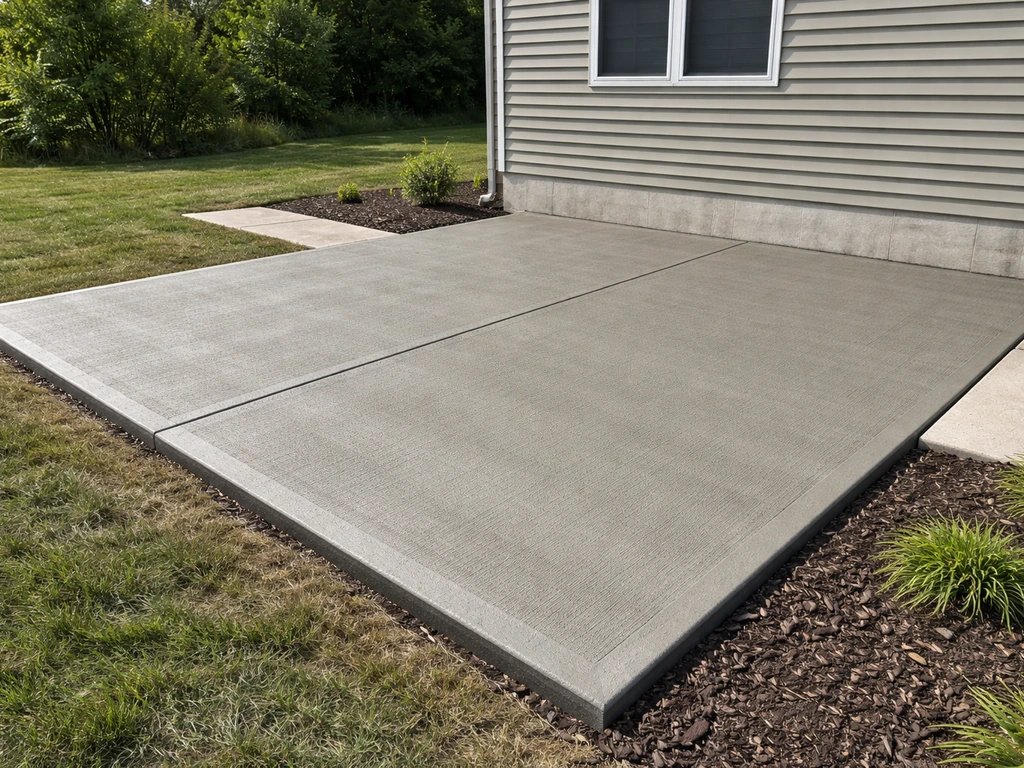
The real cost range for a 15x20 concrete patio in 2026
The numbers that show up most consistently across 2026 contractor estimates and pricing databases put broom-finish concrete at $6–$13 per sq ft installed. At 300 sq ft, that's a window of roughly $1,800–$3,900. Some calculator-style estimates push the installed total a little higher, to around $2,400–$4,500, because they factor in base prep and site work that not every quoted price includes up front. The honest answer is that your number will land somewhere in that band, and where you fall within it depends on a handful of variables covered below.
| Finish Type | Cost Per Sq Ft | Estimated Total (300 sq ft) |
|---|---|---|
| Broom finish (basic) | $6–$13 | $1,800–$3,900 |
| Broom finish (with full site prep) | $8–$15 | $2,400–$4,500 |
| Stamped concrete (standard pattern) | $12–$25 | $3,600–$7,500 |
| Stamped concrete (complex/high-cost market) | $20–$33 | $6,000–$9,900 |
If you're in a high-cost metro like the Northeast or coastal California, the broom-finish baseline itself can be $14–$25 per sq ft installed, even without stamping. That puts a 300 sq ft patio closer to $4,200–$7,500 just for a plain slab. That's a real regional gap, and it's worth knowing before you compare bids.
Where the money actually goes: materials, labor, and base work
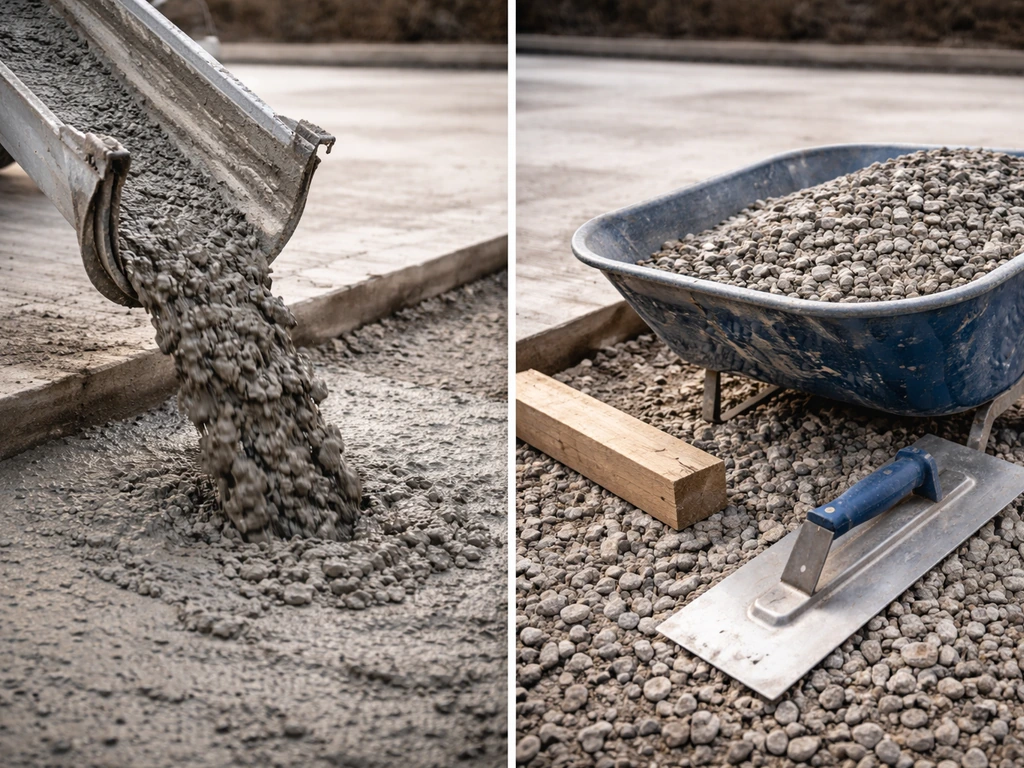
A contractor's quote for a poured concrete patio isn't just concrete. It bundles together several distinct cost categories, and understanding them helps you evaluate whether a bid is fair or missing something important.
Concrete materials
Ready-mix concrete delivered to your site typically runs $125–$175 per cubic yard on the lower end, with some markets now seeing $160–$195 per yard in 2026. A standard 4-inch thick patio at 300 sq ft needs about 3.7 cubic yards of concrete (300 sq ft x 0.333 ft / 27). At $150/yard, that's roughly $555 in raw concrete material. At $195/yard, you're closer to $720. That material cost alone is a relatively small slice of the overall bill once labor and base work are included.
Base preparation and site work
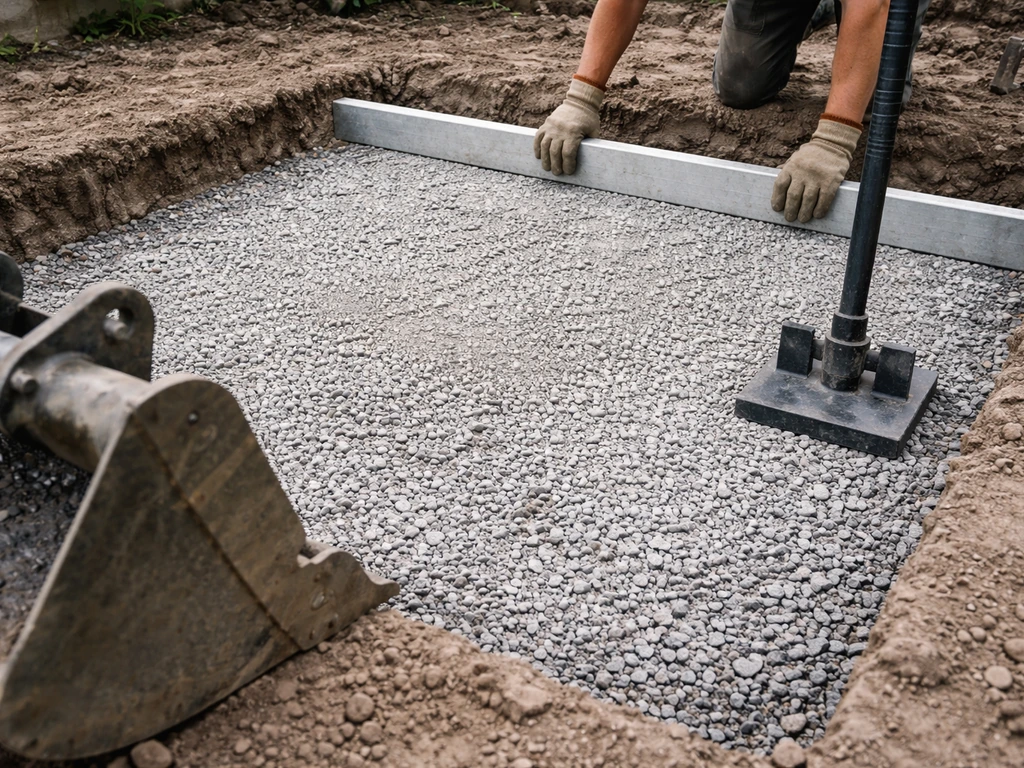
This is the part homeowners most commonly underestimate. A properly built concrete patio needs excavation to remove existing soil, a compacted gravel base (usually 4 inches of crushed stone), and grading to ensure drainage away from the house. This work takes equipment and time. Contractors typically include it in a per-sq-ft price, but if your yard has hard clay, a significant slope, or poor drainage, site prep costs can climb fast.
Forms and reinforcement
Forming the slab (the wood or metal borders that hold wet concrete in shape) and reinforcement (either wire mesh or rebar) add material and labor costs. Wire mesh is the more common and affordable option for a residential patio slab. Rebar costs more but provides stronger crack resistance. Reinforcement is placed on chairs or spacers so it sits in the middle of the slab thickness, which is how it actually does its job of limiting crack propagation. The per-sq-ft cost delta between wire mesh and rebar is real but not enormous for a 300 sq ft patio. For a reinforcement cost delta used in bid breakdowns, TheSiteMath reports an indicative per-square-foot reinforcement cost range for rebar versus wire mesh that you can use as a starting point before local validation per-sq-ft cost delta between wire mesh and rebar.
Labor and finishing
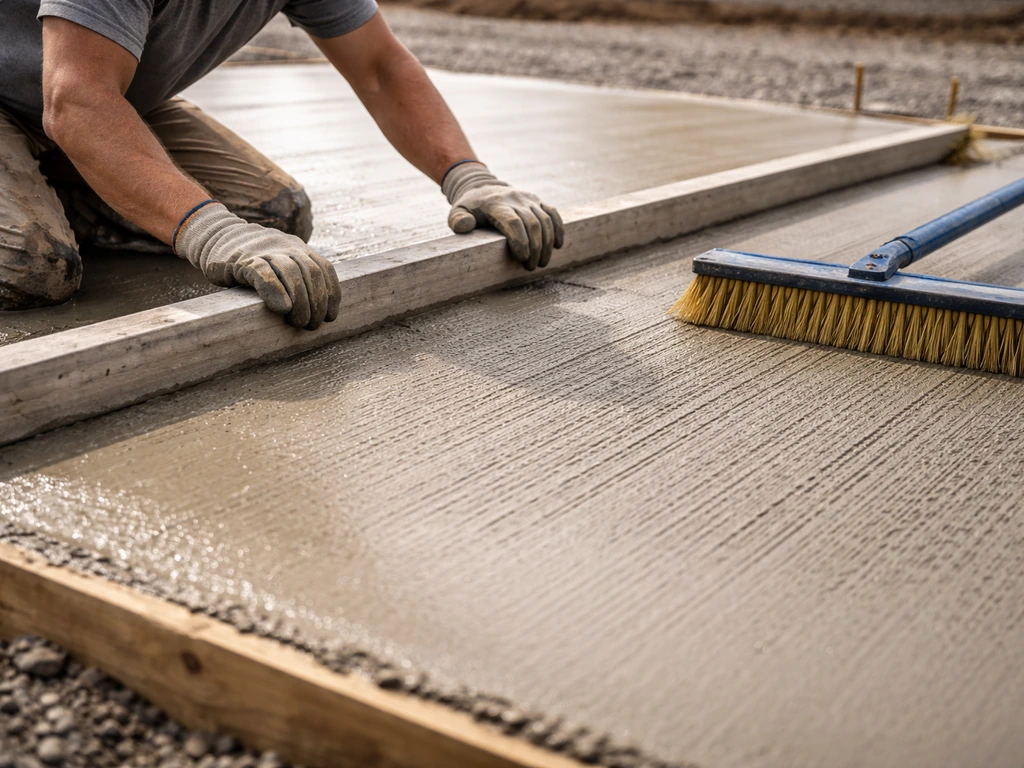
Labor covers pouring, screeding, floating, finishing (broom texture, for example), and cleanup. For a basic broom finish, this is the largest single cost driver after site prep. A contractor's crew typically does the pour and finish in one day for a 300 sq ft slab, but prep and forming may take a separate day. Finishing quality matters a lot for durability and appearance, which is one reason to be cautious about unusually low bids.
| Cost Component | Approximate Range (300 sq ft) |
|---|---|
| Ready-mix concrete (materials only) | $550–$725 |
| Gravel base + excavation | $300–$700 |
| Forms, reinforcement, supports | $150–$400 |
| Labor (pour, finish, cleanup) | $700–$1,800 |
| Total installed (broom finish) | $1,800–$4,500 |
What moves the price up or down
The $6–$15/sq ft range isn't random. These specific factors are what push a project toward the top or bottom of that range.
- Slab thickness: Standard residential patios are poured at 3.5–4 inches. Going to 5 or 6 inches (common if you park on the patio or have heavy loads) adds roughly $0.50–$1.00 per sq ft in concrete material costs, plus more labor time.
- Reinforcement type: Wire mesh is the budget-friendly baseline. Rebar costs more per sq ft in both materials and labor, but is worth it for heavier use cases or problem soils.
- Site access: If your backyard requires pumping concrete rather than pouring directly from the truck, add $500–$1,000 or more for a concrete pump rental. Tight gates, long hose runs, and obstacles all add cost.
- Existing demolition: Removing an old slab before pouring the new one typically adds $1–$3 per sq ft (or $300–$900 for your 300 sq ft footprint), including breaking, hauling, and disposal.
- Soil and drainage issues: Unstable soil, expansive clay, or poor drainage may require extra base depth, geotextile fabric, or drainage improvements before the pour.
- Finish complexity: A basic broom finish is the cheapest. Exposed aggregate, salt finish, or decorative borders add cost without going full stamped.
Common add-ons and upgrades worth budgeting for
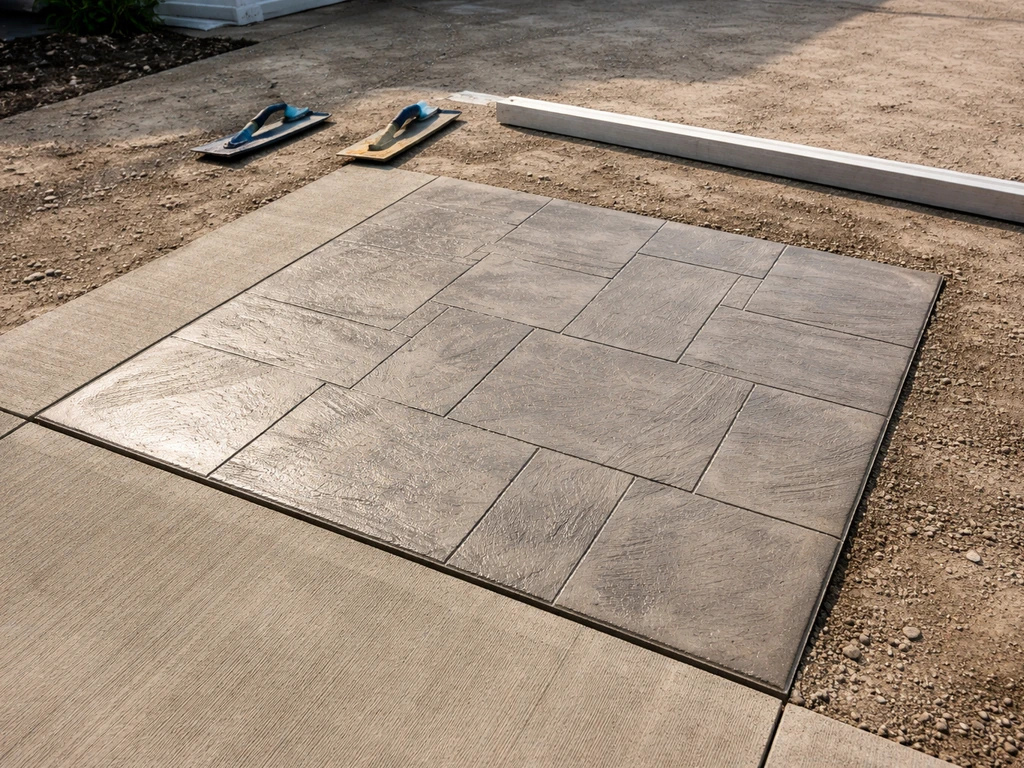
Most homeowners end up wanting at least one or two extras beyond the base slab. Here's what they cost and what you actually get.
Stamped concrete
Stamped concrete runs about 30–50% more than broom finish on average, which translates to roughly $600–$1,500 added cost for a 300 sq ft patio (or $2–$5 per sq ft premium). In most markets, that puts stamped concrete in the $12–$25/sq ft range installed. High-complexity patterns or multi-color work in competitive markets can reach $20–$33/sq ft. It's the single most popular upgrade homeowners ask about when pricing a patio. Because stamped concrete is one of the biggest drivers of patio pricing, it's worth understanding how much does a 20x20 stamped concrete patio cost for your specific layout and finish choices stamped concrete cost.
Concrete sealing
Sealing protects against staining, moisture, and freeze-thaw damage. Professional sealing typically runs $1.25–$3.00 per sq ft installed, so about $375–$900 for 300 sq ft. Acrylic film-forming sealers are the most common; penetrating sealers cost more but last longer. Most contractors recommend waiting at least 7 days after the pour before sealing to allow proper curing. If you're getting stamped concrete, sealing is practically required to protect the color and pattern.
Decorative edges and borders
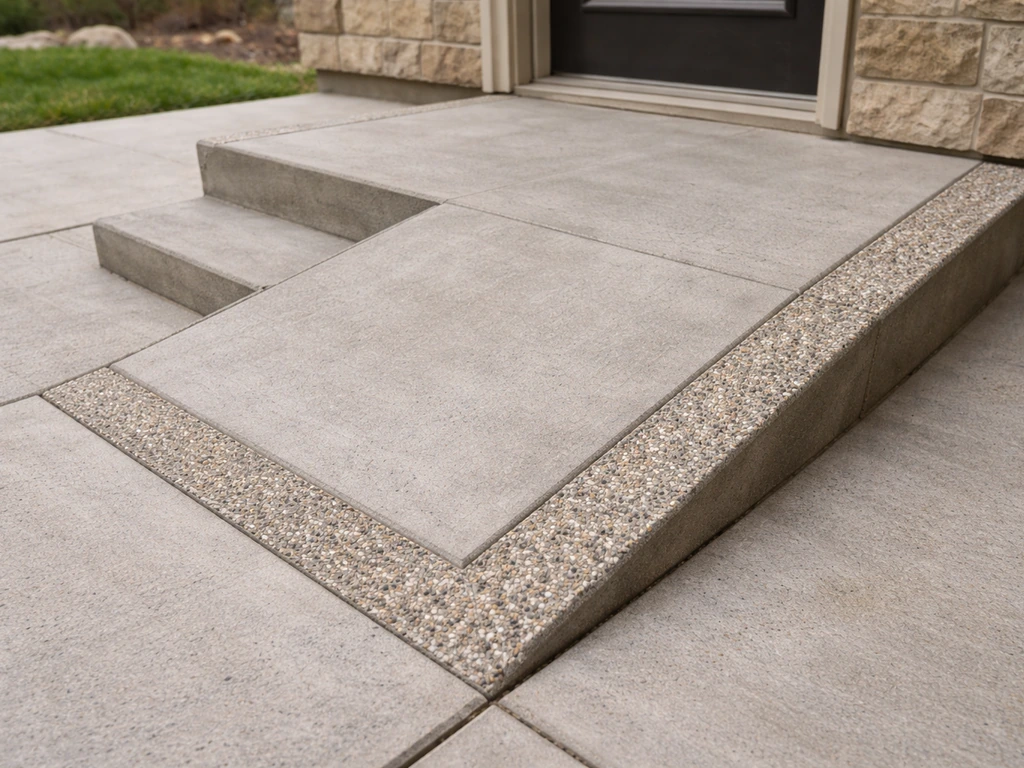
A contrasting border (different color, pattern, or exposed aggregate edge) adds visual interest and runs $3–$8 per linear foot typically. On a 15x20 patio with roughly 70 linear feet of perimeter, that's $210–$560 for an edge treatment.
Steps and ramps
If your patio is elevated or needs a step transition from the house, concrete steps add $150–$400 per step depending on width and detail. A simple two-step entry can add $300–$800 to your total.
Drainage adjustments
Channel drains or french drain tie-ins at the patio edge are worth considering if your yard doesn't drain naturally away from the house. A basic channel drain installation adds $200–$600 depending on length and connection point.
Outdoor lighting
Low-voltage patio lighting (step lights, perimeter lights) is easiest to install before the slab is poured. Running conduit during the pour for future electrical is cheap ($50–$150 in materials); adding lighting fixtures and a transformer typically adds $300–$800 depending on how many fixtures you want.
Old slab removal
If you have an existing concrete patio to tear out, budget $300–$900 for demolition and disposal of a 300 sq ft slab. Hauling fees vary a lot by location. Some contractors include this in their quote; others line-item it separately. Always confirm which before signing.
DIY vs. hiring a contractor
DIY concrete is genuinely possible, but it's one of the harder DIY projects out there. Concrete doesn't wait for you. Once the truck starts spinning, you're working fast, and mistakes in finishing show up forever. That said, if you have experience, the right crew of helpers, and access to rented equipment (plate compactor, screed, bull float, edger), you can potentially cut the labor cost roughly in half on a project this size.
The realistic DIY material cost for a 300 sq ft broom-finish patio (concrete, gravel base, wire mesh, forms, rented tools) runs about $900–$1,600 depending on your market and rental costs. If you’re trying to estimate how much does a 20x20 paver patio cost DIY, remember that materials, tools, and prep costs can change a lot by thickness, paver type, and base requirements. That's a real savings over the $1,800–$4,500 installed range, but the gap narrows if you factor in renting a concrete pump, disposal costs, and the risk of a rough finish that you'll look at for the next 20 years.
One more thing on DIY: curing matters more than most people realize. Concrete needs to be kept moist and protected for at least 7 days after the pour. Rushing, covering too early, or letting it dry out too fast in hot/windy weather leads to surface cracking. Contractors deal with this routinely; first-time DIYers often don't.
What to expect from contractor quotes
Get at least three bids. Concrete pricing varies more between contractors than most homeowners expect, even within the same zip code. When you get a bid, make sure it specifies: slab thickness, base preparation depth, reinforcement type, finish type, and whether demolition or hauling is included. A bid that looks low but doesn't include base prep or disposal isn't a fair comparison to one that does. Ask each contractor to break the quote into materials, labor, and site work so you can actually compare apples to apples.
How location affects your price
The $6–$15 per sq ft range for broom-finish concrete exists because labor costs and material delivery fees vary dramatically by region. In mid-cost markets in the Midwest or Southeast, $6–$10 per sq ft installed is achievable. In high-cost metros like greater New York, Boston, or coastal California, that same plain slab runs $14–$25 per sq ft installed. That's not a rounding error. On a 300 sq ft patio, the difference between a $7/sq ft market and a $20/sq ft market is the difference between paying $2,100 and paying $6,000 for essentially the same project.
To get to your local number, start with the mid-range national estimate of around $10/sq ft installed ($3,000 for 300 sq ft) and adjust from there. If you're in a rural area or low-cost market, subtract 20–30%. If you're in a dense metro or high-cost state, add 30–60%. Then get actual bids from local contractors to validate. No online calculator replaces a real quote from someone who knows your area's concrete and labor pricing.
It's also worth noting that a 15x20 patio is a smaller job than something like a 20x20 or 20x30 slab. Paver patios are usually priced a bit differently than smaller concrete slabs, so it helps to get a 20x20 paver patio cost estimate for your layout 20x20 or 20x30 slab. Some contractors have minimum mobilization fees that make small jobs cost more per square foot than larger ones. If your project is on the smaller side of what a contractor typically takes on, ask directly whether there's a minimum job charge.
How to budget, handle permits, and get this project done right
Permits: do you need one?
For an uncovered, on-grade concrete slab patio, many municipalities don't require a building permit. But zoning permits or setback reviews are more common than people expect, and the rules vary a lot by city. Some jurisdictions require a zoning review if the patio is within a certain distance of the property line. Others require permits for any impervious surface above a certain square footage. At 300 sq ft, you're in a gray zone that genuinely depends on where you live. Call your local building or zoning department before you break ground. Skipping a required permit can create real headaches if you sell the house or need to make a warranty claim.
Timeline to plan around
- Get 3 bids and check contractor references: 1–2 weeks
- Permit application (if required) and approval: 1–4 weeks depending on your municipality
- Scheduling the contractor once approved: 1–3 weeks for most residential concrete contractors
- Site prep and pour day: 1–2 days of active work
- Curing period before foot traffic: at least 7 days (24–48 hours for light foot traffic in good conditions, but 7 days minimum before furniture or heavy use)
- Sealing (if included): typically 28 days after the pour for best results, though some sealers can be applied earlier
From deciding to go ahead to walking on your finished patio, plan on 6–10 weeks start to finish if you're not rushing.
Budget for contingencies
Set aside 10–15% beyond your contractor quote for contingencies. Common surprises include poor soil conditions requiring extra base depth, unexpected rock or root removal, permit fees you didn't know about, or a slightly larger concrete order than estimated. On a $3,000 project, that's $300–$450 held in reserve. It's not much, but it keeps a minor surprise from becoming a stressful negotiation mid-project.
Questions to ask every contractor before you sign
- What thickness and PSI mix are you quoting? (4-inch, 3,000–3,500 PSI is standard for a residential patio.)
- What's included in base prep — depth of gravel, compaction method?
- Is reinforcement (wire mesh or rebar) included, and which type?
- Is demolition and disposal of my old slab included, or is that extra?
- Who handles the permit application if one is required?
- What's your process if the concrete cracks within the first year?
- Can I see photos of recent patios you've poured in the area?
Concrete vs. other patio options
If you're still deciding on material, concrete is generally the lowest-cost poured option for a standard finish. Paver patios at the same 300 sq ft size typically cost more per square foot installed due to material and labor intensity, though they offer easier repairs and no cracking concerns. Stamped concrete is a middle ground that mimics pavers at a lower price point but requires sealing and can be harder to repair if a section cracks. If budget is the primary driver and you want something durable and low-maintenance, a plain broom-finish concrete slab is hard to beat for a 15x20 space. For a 20x20 concrete patio, your total cost will depend on the same variables like thickness, base prep, and finish type discussed above 20x20 concrete patio cost.
FAQ
Is $6–$15 per sq ft enough to plan a 15x20 concrete patio budget, or should I expect more?
It’s a useful starting range, but many real quotes land higher once you include base work depth, reinforcement choice, and whether demo, hauling, or a permit review is line-itemed. A quick check is to ask for the quote’s “site prep per sq ft” portion and confirm slab thickness and reinforcement, since those two details often shift the total more than the finish.
What concrete thickness should I plan for on a 15x20 patio?
Most patios are poured around 4 inches thick, but heavier use (hot tubs, vehicles, or storage) can justify more thickness. If your contractor’s bid does not state thickness, request it, because changing from 4 inches to thicker slabs increases concrete volume and can also change base depth, affecting cost.
Does a small patio like 15x20 usually cost more per square foot than bigger slabs?
Often yes, because of minimum mobilization or job-start costs that are spread over fewer square feet. If you get a per-sq-ft number that seems low, confirm there is no minimum charge or separate line item for mobilization, equipment time, or forming and cleanup.
How can I tell if two bids are truly comparable?
Use a bid comparison checklist: confirm the same slab thickness, same base prep depth (for example, how many inches of compacted crushed stone), the reinforcement type, and the exact finish (broom, exposure, or stamped). Also verify whether disposal, permit fees, and any drainage tie-ins are included, since missing those items is a common reason bids look cheaper but end up costing more.
Do I need control joints, and will that change cost?
Control joints are typically recommended to manage cracking, especially for slabs on a concrete contractor’s standard schedule. The joint layout can affect labor and cutting time, but the cost change is usually modest compared with base prep and finishing. If your bid omits jointing details, ask how and where joints will be installed.
When should I seal the patio, and what happens if I seal too early?
Most contractors advise waiting at least 7 days before sealing, but temperature, humidity, and curing conditions can extend that. Sealing too early can trap moisture, reduce adhesion, and lead to cloudy spots or premature wear, particularly on stamped concrete where protecting color is important.
What’s the best way to handle drainage so the patio doesn’t become a water problem?
Aim for grading that directs water away from the house, and discuss whether you need a slight slope across the patio area or perimeter channel drains. If your yard is flat or has poor soil, adding base drainage measures can reduce future cracking and staining that result from water pooling, but it will affect site prep cost.
Is wire mesh or rebar worth it for a residential patio?
Wire mesh is common and often enough for a standard residential broom-finish patio, while rebar is stronger for crack resistance in certain conditions. Ask how the crew will support the reinforcement with spacers or chairs, because placing it too close to the ground layer reduces its effectiveness regardless of whether it’s mesh or rebar.
How much should I budget for demolition if I’m replacing an existing slab?
Demolition and disposal are frequently priced as a separate line item and can vary widely by hauling distance and whether the old slab is broken up for removal. If you expect demolition, request whether the bid includes saw-cutting, removal, and load-and-haul, since some contractors include equipment time but not dump fees.
Can I install patio lighting or drainage later after the slab is poured?
You can add low-voltage lighting later, but it usually means coring or surface work, which can damage finishes or require patching. If you want conduit-ready lighting, ask the contractor to place conduit sleeves before the pour so fixtures can connect cleanly with fewer repairs.
How much time should I plan for a concrete patio before I can use it?
Even though the pour might take a day, you should plan for at least 6 to 10 weeks for the full start-to-finish process, especially with curing, weather scheduling, and any add-ons like sealing or steps. You can often walk on it sooner than that, but using it heavily or placing furniture should wait until it’s fully cured.
What are common mistakes that cause overruns on a 15x20 patio?
The biggest ones are unclear slab thickness and base depth, forgetting reinforcement or jointing details, and assuming demolition or hauling is included. Another frequent issue is underestimating extra charges for permit or zoning review, especially if the patio is close to setbacks or considered an impervious surface.
If I’m considering DIY, what’s the most common curing problem to avoid?
Letting the surface dry out too fast or covering incorrectly right after the pour. Hot or windy conditions can cause surface cracking even if the slab looks fine initially. Plan for ongoing moisture control for at least the first week, and protect the slab from direct sun and wind during that period.
Should I get a building permit for a 15x20 patio?
It depends on your city and zoning rules, many places treat patios differently from buildings but still require zoning approval or permit for impervious coverage. At 300 sq ft you may fall into a “gray zone,” so call your local building or zoning department before work starts to avoid issues during resale or warranty claims.
Next Articles
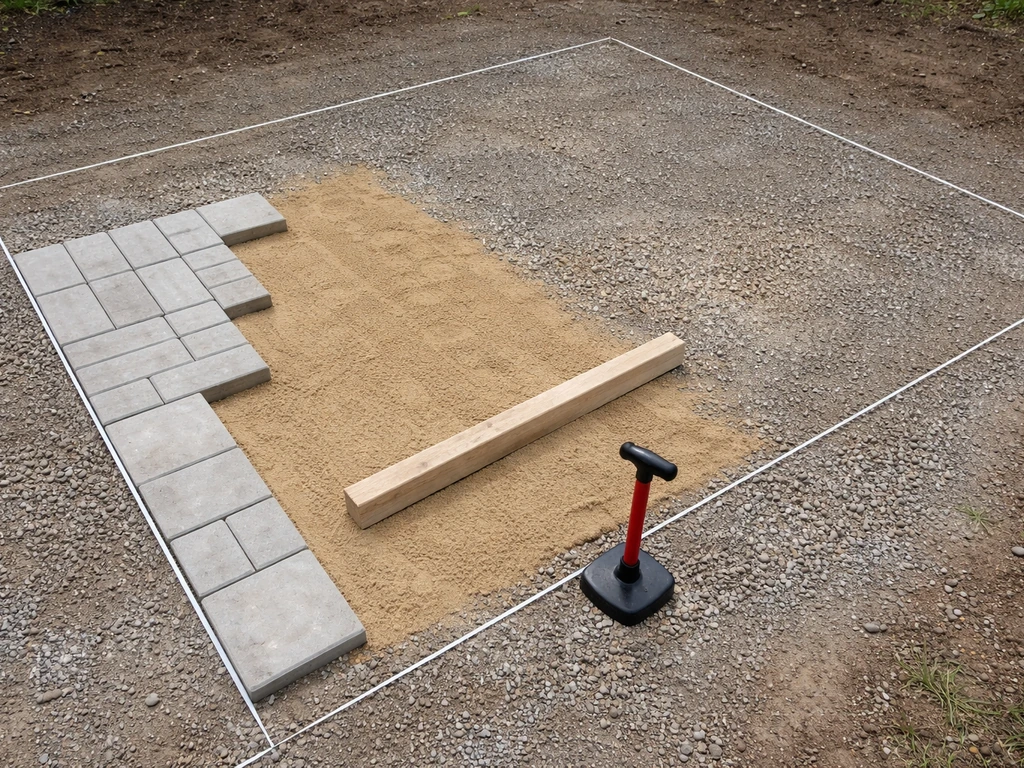
How Much Does a 20x20 Paver Patio Cost DIY? Budget Breakdown
DIY cost estimate for a 20x20 paver patio with itemized materials, tools, site prep, hidden fees, and contractor compari
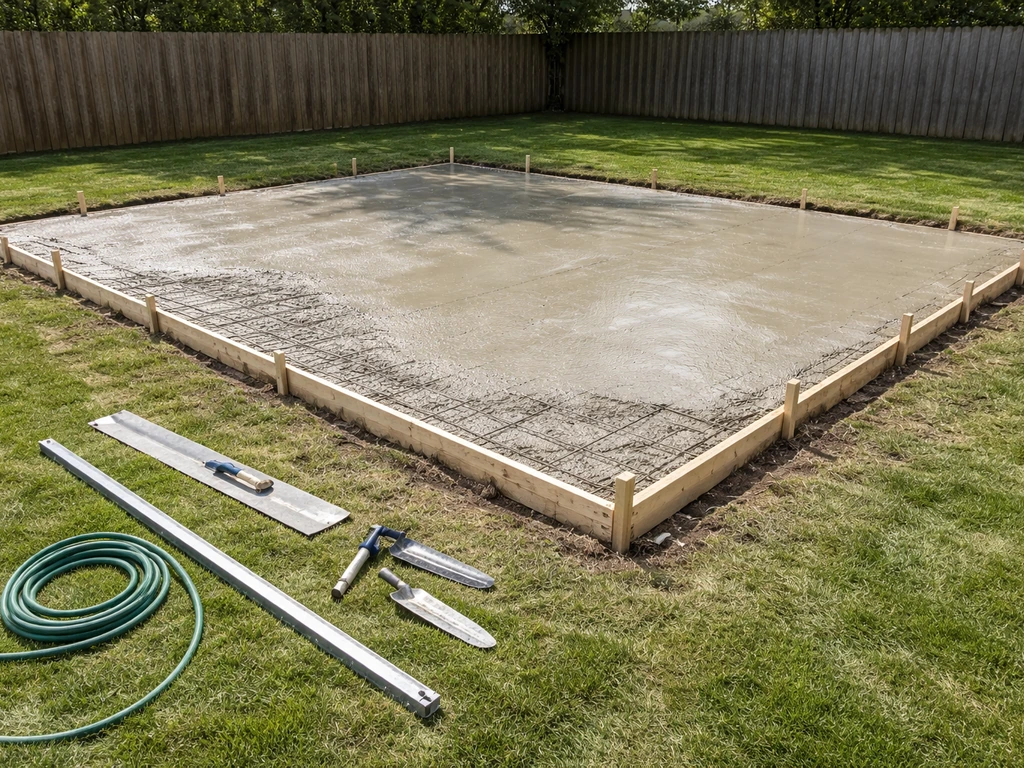
How Much Does a 20x30 Concrete Patio Cost? 2026 Guide
2026 cost ranges for a 20x30 concrete patio, including materials, site prep, reinforcement, finishing, and DIY vs contra
How Much Does a 20x20 Concrete Patio Cost?
Estimate the total cost of a 20x20 concrete patio, with labor, materials, prep, finish options, and DIY vs pro pricing.