
A brick patio typically costs between $14 and $24 per square foot installed, which works out to roughly $1,400–$2,400 for a 100 sq ft patio, $2,000–$3,500 for a 12x12, and $5,600–$9,600 for a 20x20. If you want the full national range, most projects fall somewhere between $8 and $30 per square foot depending on your region, the complexity of the job, and whether you're using traditional clay bricks or concrete brick pavers. DIY can cut that in half if you have the time and muscle for it.
How Much Does It Cost for a Brick Patio in 2026

Felix Carver
27 May 2026
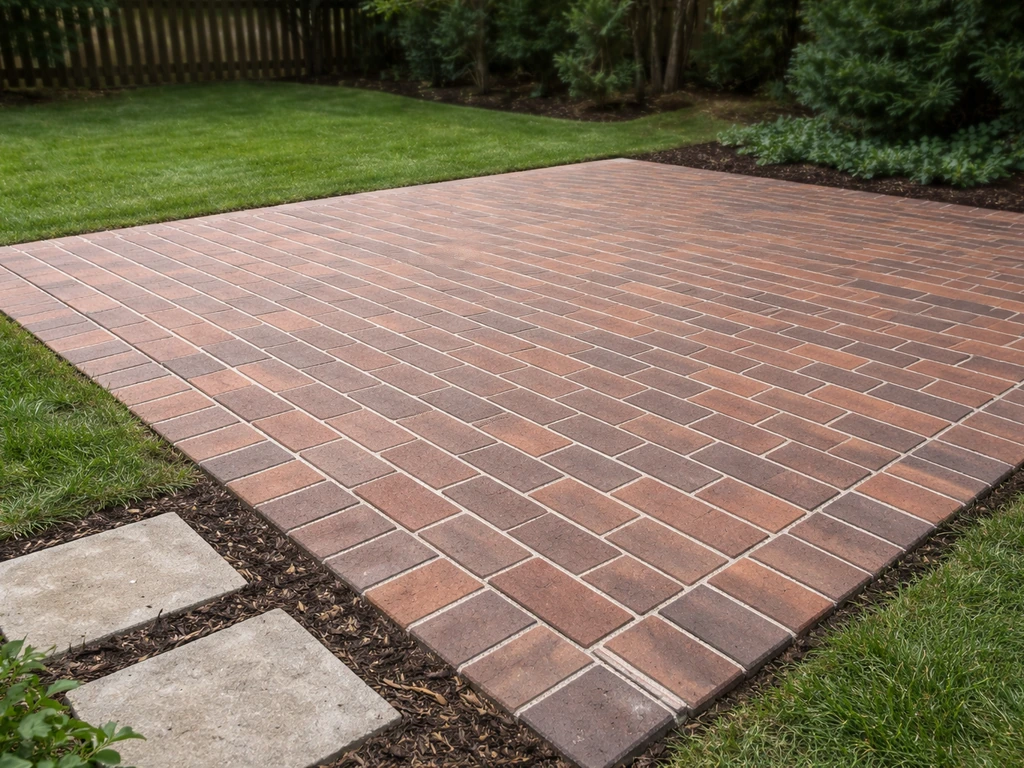
What a brick patio actually costs in 2026
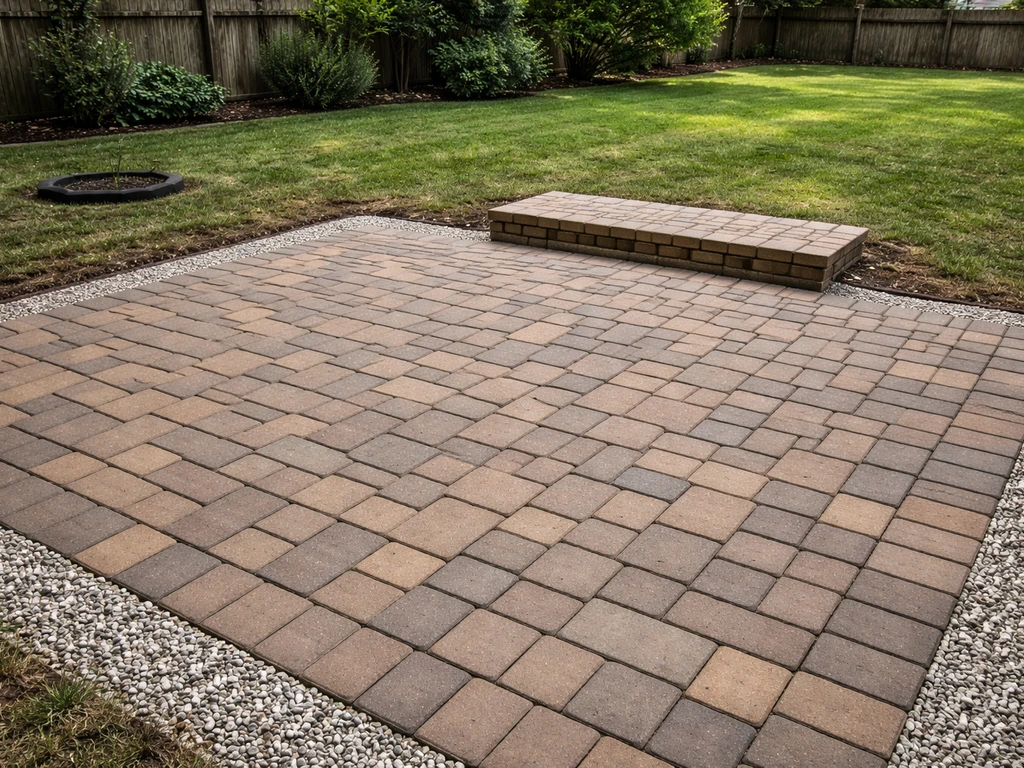
The most common installed price range you'll see quoted for a brick or brick paver patio is $14–$24 per square foot, and that holds up pretty well against what contractors are actually charging right now. HomeAdvisor pegs the average paver patio install at about $3,800 for a 280 sq ft space, with a typical range of $2,400–$7,000. That lands at roughly $8–$25 per sq ft, which tracks with what most homeowners pay. For higher-cost metros, estimates from Homewyse put mid-tier installed costs at $20–$26 per sq ft. The honest answer is that $10–$30 per sq ft covers the vast majority of real-world projects, and anything under $10 or over $35 usually signals either a very simple DIY-adjacent job or a premium custom design with complex patterns and drainage work.
Installation time for a standard brick patio runs about 2–5 days depending on site prep complexity. That's mostly base preparation, not the actual brick laying, which is worth knowing when a contractor quotes you for labor hours.
Brick patio vs brick paver patio vs concrete paver: what's actually different in price
These three terms get used interchangeably in contractor quotes, but they're not the same thing and the cost differences are real. Here's the quick breakdown:
| Type | Material Cost (per sq ft) | Installed Cost (per sq ft) | Notes |
|---|---|---|---|
| Traditional clay brick | $3–$8 | $14–$25 | Classic look, more variation in size/color, harder to source in some regions |
| Concrete brick paver | $2–$6 | $10–$20 | Most common, uniform size, easier to replace, wide color range |
| Tumbled/textured brick paver | $4–$9 | $15–$28 | Aged appearance, slightly more labor due to irregular surfaces |
| Concrete paver (non-brick style) | $2–$5 | $8–$20 | Cheapest option, modern or classic shapes, very DIY-friendly |
Traditional clay bricks are kiln-fired and have a natural variation that a lot of people love, but they're harder to find at big-box stores and typically cost more per unit than concrete brick pavers. Concrete brick pavers mimic the look of real brick very well, come in consistent sizes (making installation faster), and are actually more durable against freeze-thaw cycles in cold climates. For most homeowners, a concrete brick paver patio is the practical choice. If you're comparing against flagstone or natural stone patios, those tend to run $15–$35 per sq ft installed, generally more expensive than brick pavers at the same size. Because flagstone and other natural stone patios are priced more as a material and installation job, the costs can climb quickly compared with brick pavers. Stone patios typically cost more than brick pavers, so it helps to compare per-square-foot pricing before you decide stone patios cost.
Where your money actually goes: the full cost breakdown
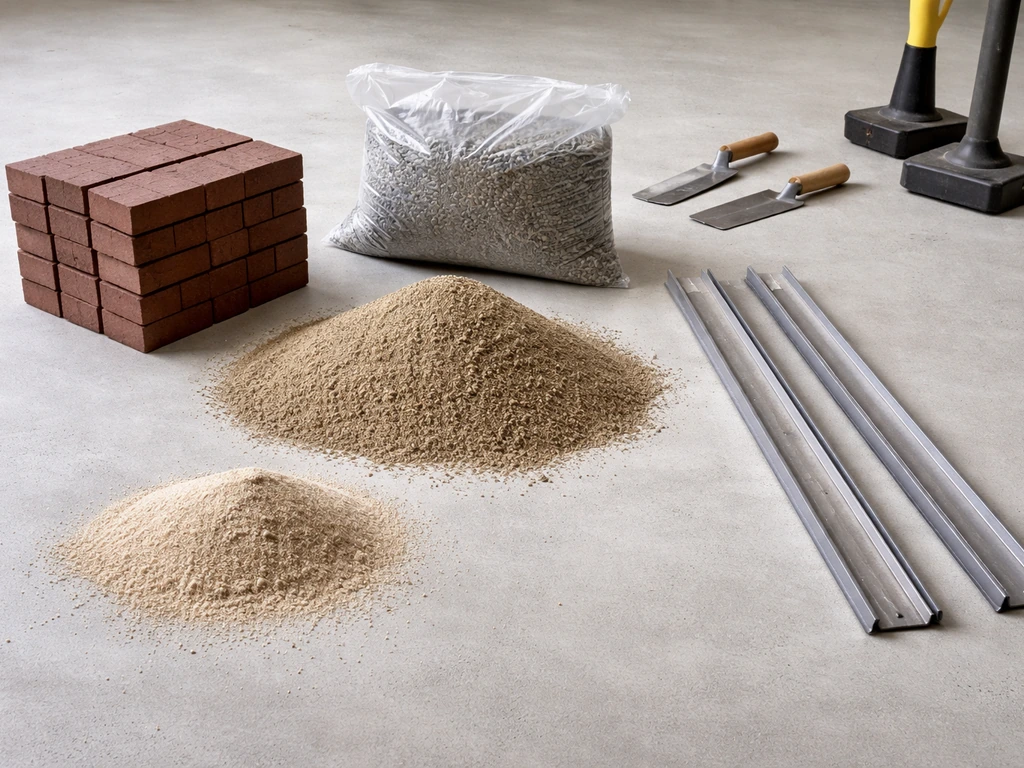
A brick patio install has several cost layers that contractors bundle together in a quote. Knowing what each one covers helps you read bids more accurately and spot anything missing.
Materials: bricks/pavers
Pavers themselves typically run $2–$9 per square foot depending on type. You'll also want to order about 10% extra for cuts and breakage. Don't skip this or you'll be scrambling to match a discontinued paver color two years from now.
Base materials
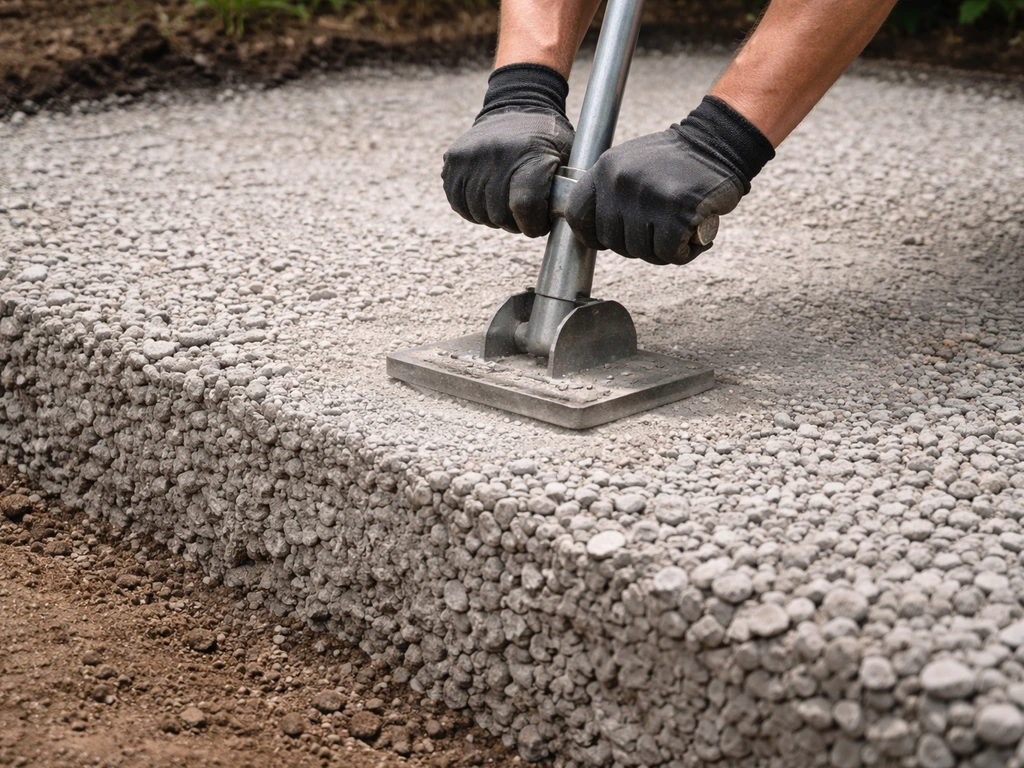
This is what holds everything together long-term. A proper base includes 4–6 inches of compacted crushed stone or gravel (installed in 4-inch lifts per standard practice), topped with about 1 inch of coarse bedding sand for leveling. Unilock and Techo-Bloc both specify that the gravel base should extend at least 6 inches beyond the edge of the paved area. In areas with clay soil or poor drainage, geotextile fabric goes down first before any aggregate. Base materials typically add $1–$3 per sq ft to your cost, and excavation/grading can add another $1–$3 per sq ft on top of that.
Labor
Labor alone (not counting materials) runs about $6–$11 per sq ft according to HomeGuide's 2026 data. That covers excavation, base prep, paver installation, and cleanup. Complex patterns like herringbone or basket weave cost more than simple running bond because cuts take time. A contractor doing a 200 sq ft patio in a simple pattern might quote you 2 days of labor; herringbone on the same area could stretch to 3–4 days.
Polymeric sand and edging
Polymeric sand fills the joints between pavers and hardens when wet to lock everything in place. Coverage varies depending on joint width and paver thickness: tighter joints on standard 2-inch pavers cover more square footage per 50-lb bag than wide joints on thicker pavers. Inch Calculator notes that polymeric sand coverage depends on joint width, joint thickness, and paver size, and that smaller pavers create more joint area per square foot than larger pavers. Budget roughly $50–$100 for a 200 sq ft patio in polymeric sand. Plastic or aluminum edge restraints run $1–$2 per linear foot installed and are non-negotiable for a patio that stays flat over time.
Extras that add up fast
- Debris and soil disposal: $200–$500 depending on how much is excavated
- Drainage/slope grading for water runoff: $300–$800 on problem sites
- Steps or borders in a contrasting material: $100–$400 depending on complexity
- Sealing (optional but recommended): $0.50–$2 per sq ft
- Permits: $50–$200 in most municipalities, though many simple patios don't require one
Size-based cost estimates for common patio footprints
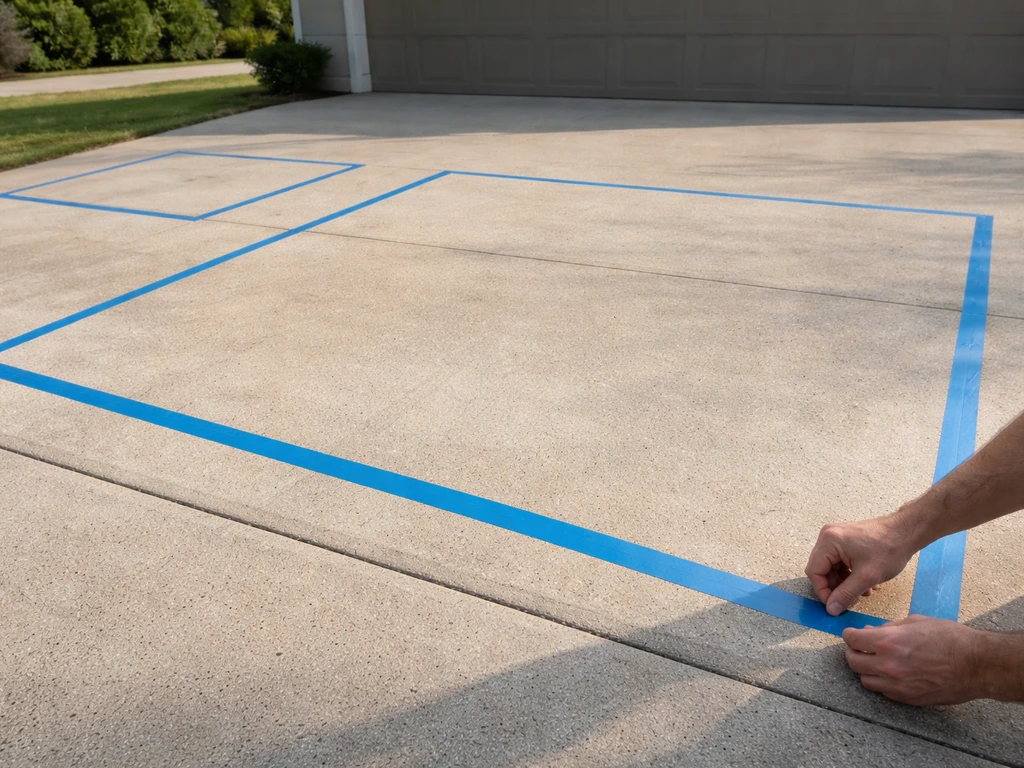
Here's what you can realistically expect to pay at common patio sizes in 2026, using the $14–$24 per sq ft installed range as the baseline and a $10–$30 range for low-to-high outliers.
| Patio Size | Square Footage | Budget Range (DIY) | Mid-Range (Installed) | Higher-End (Installed) |
|---|---|---|---|---|
| 10x10 | 100 sq ft | $600–$1,000 | $1,400–$2,400 | $2,500–$3,000 |
| 12x12 | 144 sq ft | $900–$1,400 | $2,000–$3,500 | $3,500–$4,300 |
| 16x16 | 256 sq ft | $1,500–$2,500 | $3,600–$6,100 | $6,400–$7,700 |
| 20x20 | 400 sq ft | $2,400–$4,000 | $5,600–$9,600 | $10,000–$12,000 |
| 20x30 | 600 sq ft | $3,600–$6,000 | $8,400–$14,400 | $15,000–$18,000 |
One useful thing to know: per-sq-ft costs often drop slightly at larger sizes because mobilization, equipment, and base prep costs get spread over more area. A 20x20 patio won't necessarily cost exactly four times what a 10x10 costs. That's worth factoring in if you're debating whether to go a little bigger.
DIY vs hiring a contractor: is it actually worth it?
The honest answer is: DIY saves real money, but it's genuinely hard physical work and mistakes are expensive to fix. Here's how the numbers compare on a 200 sq ft patio.
| Cost Category | DIY Cost | Professional Install Cost |
|---|---|---|
| Pavers/bricks (materials) | $400–$1,200 | $400–$1,200 (same material cost) |
| Base gravel + sand + fabric | $200–$400 | $200–$400 (included in contractor quote) |
| Polymeric sand + edging | $100–$200 | $100–$200 (included) |
| Tool rental (plate compactor, etc.) | $150–$300 | Included in labor |
| Labor | $0 (your time) | $1,200–$2,200 |
| Total estimate | $850–$2,100 | $2,100–$4,200 |
DIY saves you roughly $1,200–$2,200 on a 200 sq ft patio. That's significant. But the base prep is where most DIY projects fail. Skipping proper compaction or getting the slope wrong means pavers settle, shift, and collect standing water within a few seasons. If you go DIY, rent a plate compactor (don't try to hand-tamp a gravel base) and be meticulous about slope: a 1/8-inch drop per foot away from the house is the standard for drainage. Also count on two full weekend days minimum for a 150–200 sq ft patio, not including any serious grading work.
Hiring a pro is worth it when your site has slopes, clay soil, drainage issues, or you want a complex pattern. It's also worth it if you genuinely don't have the time or physical ability to do the base work correctly. A badly installed DIY patio can cost as much to repair as a professional install would have cost in the first place.
How location changes your quote (and how to get an accurate one)
Regional pricing variation is real and significant. In a high-cost metro like Los Angeles, Angi's 2026 data shows brick paver patio costs running $9–$28 per sq ft, with the upper end being common for anything beyond a basic install. In lower-cost regions of the South or Midwest, you might find total installed prices closer to $10–$16 per sq ft for straightforward jobs. Labor rates drive most of that difference. Material costs for pavers are more consistent nationally, though delivery fees matter on larger orders.
To get an accurate quote that you can actually compare across contractors, ask for an itemized bid that breaks out: paver material cost per sq ft, base material quantities and cost, labor rate (per sq ft or per hour), disposal fees, and any site-specific charges like extra grading or drainage. A contractor who quotes one lump number is harder to evaluate and easier to be overcharged by. Three bids is the standard recommendation, and the goal isn't to find the lowest number but to understand what you're actually getting for each price.
Also ask specifically: Is polymeric sand included? Are edge restraints included? What happens if they hit unexpected issues (tree roots, buried debris) during excavation? Getting these answers up front avoids awkward change-order conversations mid-project.
How to keep costs reasonable and avoid overpaying
A few practical things that actually move the needle on final price:
- Choose a simple pattern. Running bond (like a basic brick wall pattern) uses less cuts and installs faster than herringbone or basket weave. Herringbone can add $1–$3 per sq ft in labor alone.
- Stick with standard paver sizes. Custom or oversized pavers cost more and require more precise base work. Standard 4x8 inch brick pavers are the easiest to source and usually the cheapest.
- Get quotes in late fall or winter if your region allows it. Contractors often have more flexibility on pricing in off-peak months.
- Do your own demolition. If you're replacing an old patio or clearing a space, doing the demo yourself and renting a dumpster can save $300–$600 compared to having the contractor handle it.
- Skip the sealer initially. Sealing is worthwhile long-term but it's not a day-one necessity. You can add it yourself after the patio settles for a full season.
- Watch the add-ons. Steps, walls, built-in lighting, and fire pit surrounds all sound small but can easily add $1,000–$5,000 to a project. Price those separately from the base patio if you're on a tight budget.
On the question of what counts as a fair price: if a contractor is quoting you under $8 per sq ft installed for a full brick paver patio, ask very specific questions about base depth and materials. A cheap quote often means a thin base, no geotextile fabric, and no edge restraints, which means a patio that looks great for a year and then starts shifting. The base materials and prep alone should account for $3–$6 per sq ft of the quote. If that's not in there, it's probably not being done right.
If you're comparing brick patios against other material options for your project, it's worth knowing that concrete patios are generally cheaper upfront, stamped concrete overlaps in price with mid-range brick pavers, and natural stone patios (flagstone, for example) typically cost more than brick pavers at similar sizes. Unilock-brand pavers and other premium paver systems sit at the higher end of the concrete paver range and are worth pricing out if longevity and warranty coverage matter to you. Unilock-brand pavers and other premium paver systems sit at the higher end of the concrete paver range and are worth pricing out if longevity and warranty coverage matter to you, especially if you're trying to nail down how much does a unilock patio cost.
FAQ
What cost should I expect per square foot if my patio includes stairs, a raised section, or a custom border?
Per-square-foot pricing often goes up when the contractor must build additional base thickness, retainers, or stepped forms. A practical way to budget is to add a contingency of 15% to 30% on top of the standard $14 to $24 per sq ft range, and ask whether stairs and borders are priced as extra linear footage or separate labor hours.
How much does it add if I need drainage improvements or a slope redesign?
Drainage work can shift your total meaningfully because it changes excavation depth and base design. If your lot needs regrading, French drains, or tie-ins to existing downspouts, expect extra labor plus extra material, often raising the job into the upper end of the per-sq-ft range. Ask for a written note on final slope and where runoff will go.
Do I pay more if the patio is curved instead of a straight rectangle?
Curves usually increase waste and cutting time, even with the same total square footage. Ask the contractor to state their paver waste allowance (beyond the typical 10% for cuts) and whether curved edges will use saw-cut pavers, soldier course layouts, or a specific edging system.
Is the $14 to $24 per square foot price usually all-in, including removal of an old patio?
Not always. Many bids assume the area is already cleared and graded, so demolition and haul-off can be extra. To avoid surprises, ask whether they include removing existing concrete/asphalt, hauling debris, and replacing topsoil, and get the disposal line item in writing.
How much does a permit, inspection, or HOA review typically affect the total cost?
Those costs vary by city, but they can add both fees and scheduling delays. Ask the contractor if permits are included in their scope, and if not, who pulls them. Also confirm whether HOA approval requires specific materials or color selections for pavers.
What changes the quote most if I plan to add a fire pit, grill pad, or hot tub later?
These features often require thicker base, additional reinforcement, and different bedding details to handle concentrated loads. If you plan for it now, ask for load-bearing specs and whether the contractor will build an engineered sub-base for the equipment footprint.
What is polymeric sand, and can it change the total cost of the project?
Polymeric sand is a jointing material that locks pavers in place, and it is usually a low-cost line item compared with base and labor. However, the total can change based on whether joints are wider or thinner than standard, and whether the contractor includes supply and clean-up correctly. Ask whether poly sand is included and whether they cover sealing or a re-sanding process if needed.
Should I budget for a patio base that is deeper than 4 to 6 inches on clay soil?
Often yes. Clay or poor-draining soils can require additional base depth, improved subgrade preparation, and sometimes geotextile and thicker aggregate layers. If your soil is clay, request a clear statement on subgrade prep and base thickness, not just the paver price per square foot.
Why does the per-square-foot price sometimes look too low, and what should I check?
Quotes under roughly $10 per sq ft frequently omit critical scope items. Ask directly whether the price includes edge restraints, geotextile fabric (when needed), proper base depth and compaction, excavation/grading, and polymeric sand. If any of those are missing, the patio may shift or fail early, leading to expensive repairs.
What should be included in an itemized bid so I can compare contractors fairly?
Request a breakdown that separates paver material, base materials, bedding sand, geotextile (if used), edging, polymeric sand, labor, excavation/grading, disposal, and any mobilization or equipment fees. Also ask for the labor basis (per sq ft or per hour) and the number of days the crew expects to be on site.
How much extra should I plan for waste if I have a tight layout with lots of cuts?
Your standard 10% extra allowance can be too low for complex patterns, narrow setbacks, or heavy borders. Ask the contractor to specify a waste percentage or include a cut-and-waste factor based on your layout and paver type, so you do not end up with color-matching delays later.
Can I install a brick patio over existing concrete or pavers to save money?
In most cases, that approach costs more later because you still need proper slope and a stable base, and existing surfaces can be uneven or break down. If a contractor proposes overlaying, ask how they will address height changes, drainage, and whether they will still excavate for the required base thickness and compaction.
How long should a brick patio last, and does warranty coverage affect cost?
Longevity depends heavily on base prep, compaction, and jointing. Warranty terms for workmanship and materials can affect price because better contractors may offer longer coverage and stricter installation standards. Ask what is covered, for how long, and whether failure from improper drainage is excluded.
Next Articles
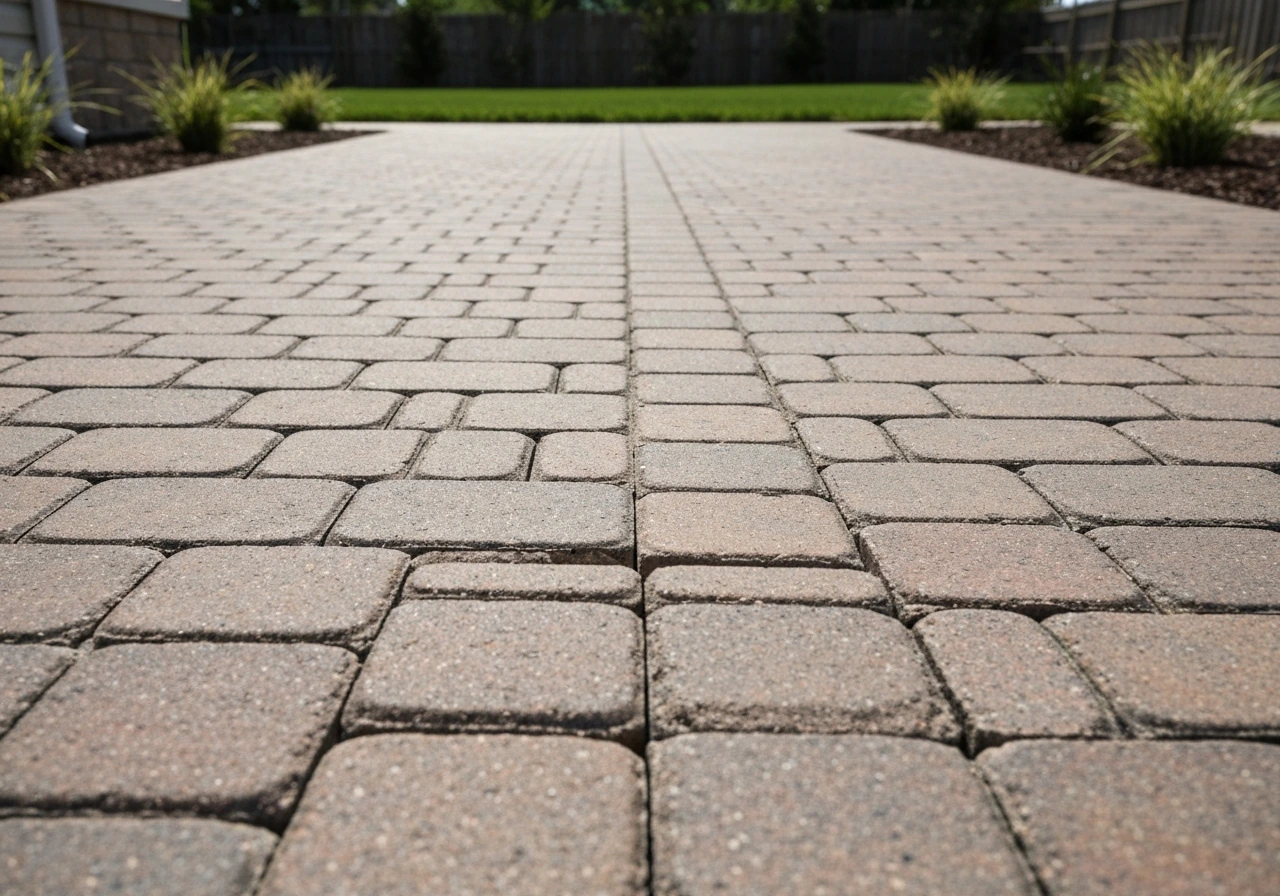
How Much Do Patio Bricks Cost? Complete Price Guide
Patio brick and total brick patio costs with real ranges for 10x10, 12x12, 20x20 plus DIY vs contractor pricing factors.
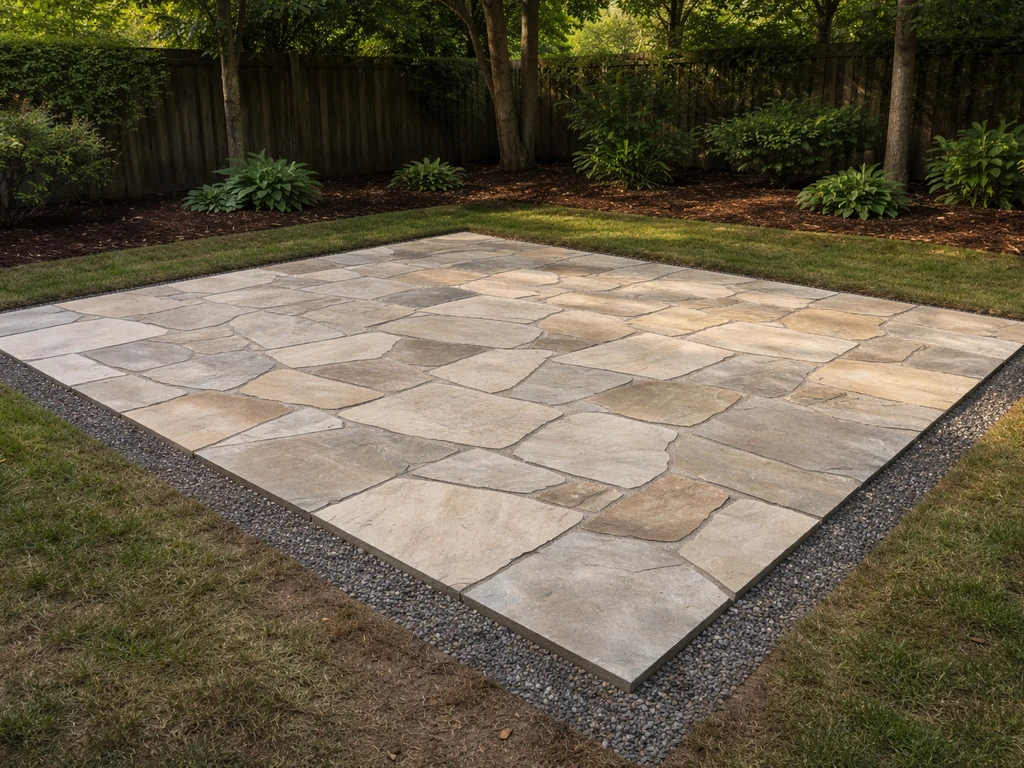
How Much Do Stone Patios Cost? Installed Price Guide
Get realistic stone patio costs by size, stone type, and labor. Includes breakdown, hidden fees, and DIY vs pro budgetin
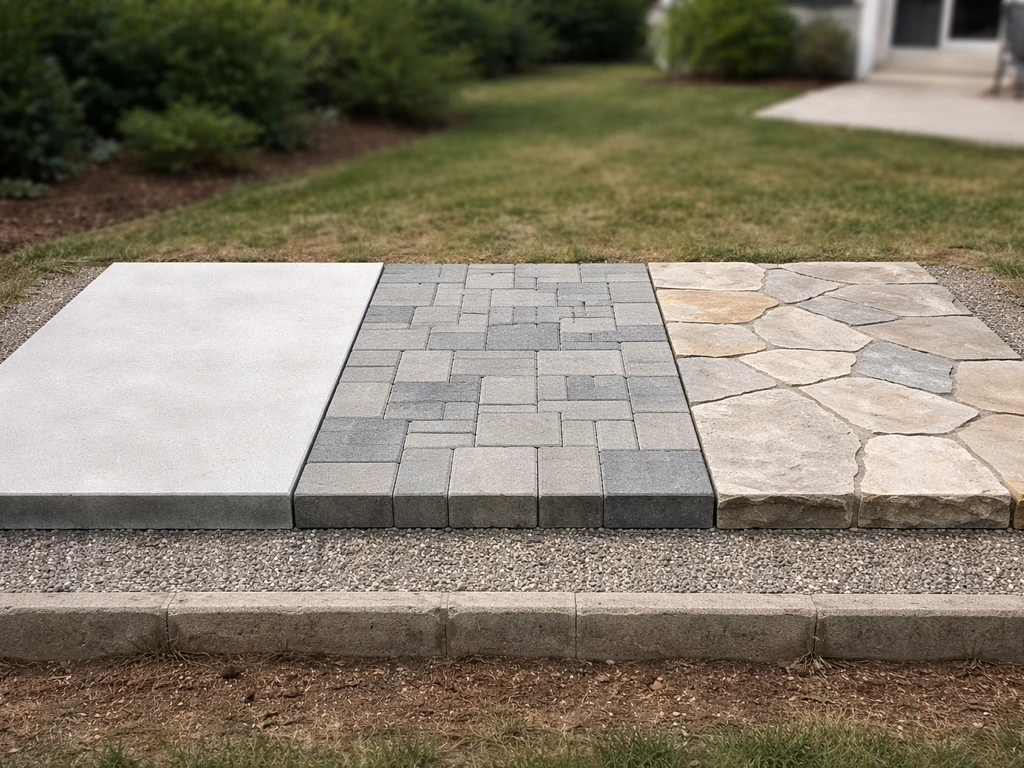
How Much Should I Expect to Pay for a Patio
Patio cost guide with real price ranges by size and material, full line-item budget, DIY vs install, and quote checklist