A professionally installed stone patio runs $15 to $30 per square foot all-in, which puts a typical 12x12 patio between $2,160 and $4,320, and a 20x20 patio between $6,000 and $12,000. Union County’s schedule of values uses a price per square foot based on blank" rel="noopener noreferrer">Table 33, so estimates for a flagstone patio are typically modeled as $/SF times the patio’s area. That range covers most natural flagstone projects at ground level with a proper compacted gravel base. If you're going with cut dimensional stone, using a complex layout, or building on a raised or sloped site, you can push past $35 per square foot without blinking. If you DIY the whole thing, you can bring material-only costs down to roughly $6 to $15 per square foot, though you're still looking at a solid weekend of hard physical labor.
How Much for a Stone Patio? Costs by Size and Materials
What stone patios actually cost in 2026
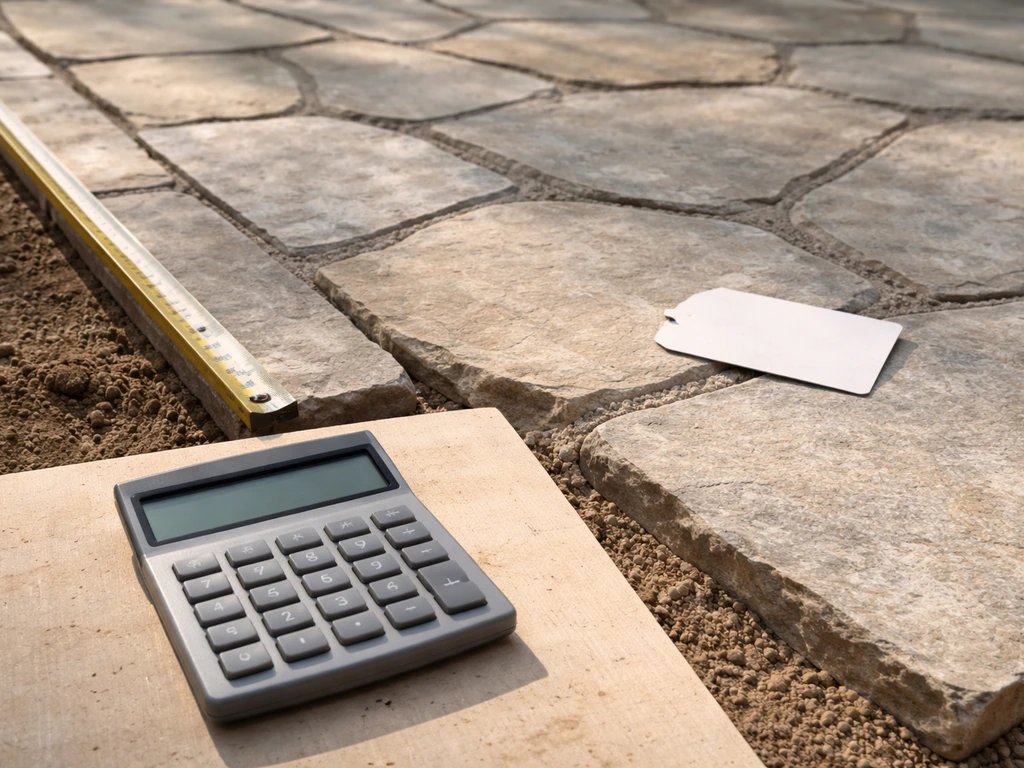
The $15 to $30 per square foot installed range is consistent across multiple sources for 2026 and covers the bulk of standard ground-level flagstone and natural stone patio projects. Angi puts the typical total project cost between $6,250 and $11,500 for an average-size patio, while Lawn Love reports a per-foot range of $15 to $27 installed. Forbes Home pegs the national average at around $3,650 for a smaller flagstone install, which aligns with a patio in the 150 to 200 square foot range at mid-range pricing.
Where it gets more expensive fast: raised patios. Angi notes that a raised stone patio can cost $5 to $35 more per square foot than a ground-level version of the same material, pushing totals to $10 to $85 per square foot depending on height, wall work, and drainage requirements. And if you're thinking about adding a covered structure or pergola on top of your patio, budget separately for that entirely. Covered patio structures can run $40,000 to $125,000, which has nothing to do with the stone surface itself. Keep those budget lines separate.
How much stone you actually need (and what it costs)
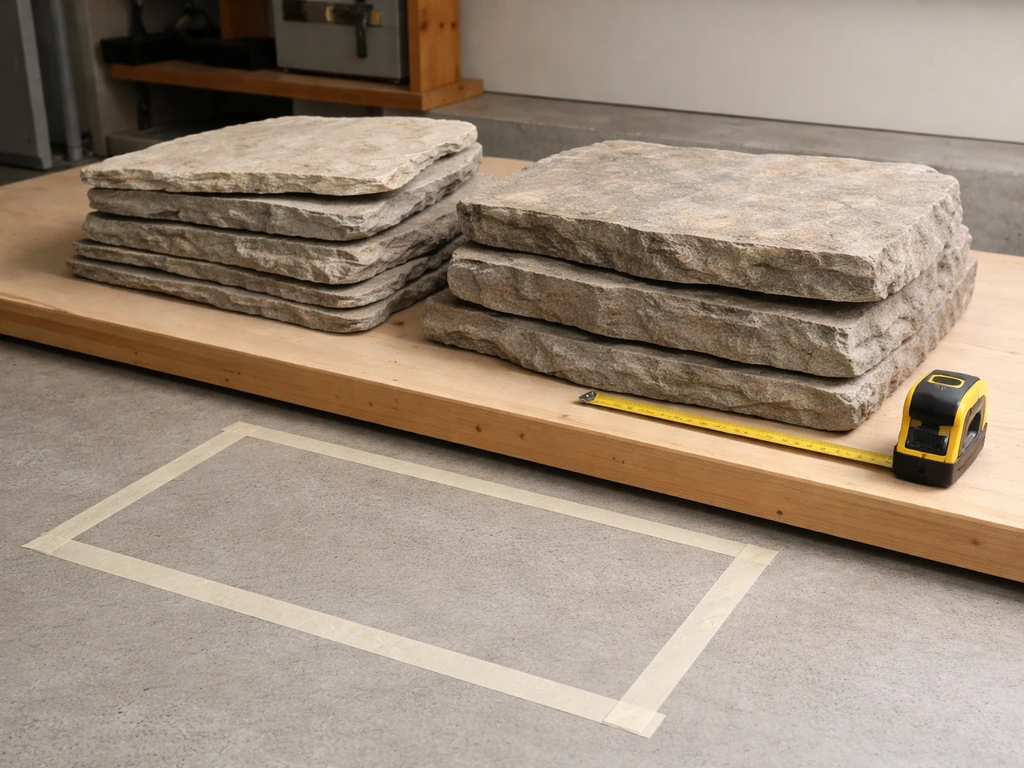
Stone is typically sold by the ton for irregular/natural flagstone, or by the square foot for cut dimensional stone. The coverage you get per ton depends almost entirely on how thick the stone is. Thicker stone weighs more, so you get less coverage per ton.
| Stone Thickness | Coverage per Ton (approx.) | Best For |
|---|---|---|
| 1 inch | 110–130 SF/ton | Light-use patios, mild climates |
| 1.5 inches | 75–100 SF/ton | Standard dry-laid patios, most regions |
| 2 inches | 60–80 SF/ton | Heavy use, freeze-thaw climates, larger slabs |
For a dry-laid flagstone patio in most climates, 1.5 to 2 inches thick is the practical sweet spot. Stone suppliers and installation guides generally recommend at least 1.5 inches for dry-laid installs to prevent cracking under foot traffic and weight. Going to 2 inches adds durability in freeze-thaw regions.
To figure out how many tons to order, use this formula: multiply your patio square footage by a 10% to 15% waste factor, then divide by the coverage per ton for your chosen thickness. For example, a 200 SF patio using 1.5-inch stone at 85 SF/ton coverage: (200 x 1.12) / 85 = roughly 2.6 tons to order. Always round up, not down. Cutting irregular stone creates breakage and off-cuts you can't use.
On pricing, irregular natural flagstone (like Ohio Blue or Pennsylvania bluestone) runs roughly $6 to $15 per square foot in materials, depending on species, thickness, and your region. Some suppliers sell it by the pallet/ton, while others price by the SF. Cut or dimensional flagstone is often sold by the square foot directly, with prices like $10.99 to $11.99 per SF being typical for Pennsylvania cut products at local suppliers. Natural irregular stone tends to cost less per foot but takes more labor to lay.
Installation costs: what labor and base prep actually add up to
Labor for stone patio installation typically runs $5 to $10 per square foot for standard paver or flagstone work. For more complex or labor-intensive stone (large irregular pieces, tight fitting, mortar-set work), labor can climb to $25 per square foot or more. That wide range exists because stone patio installation isn't a one-skill job. A proper install involves excavation, base prep, grading for drainage, compaction, bedding sand or mortar, laying the stone, and finishing the joints.
The base system is where a lot of contractors cut corners and where you, as a homeowner, should pay close attention. A properly built base for a pedestrian patio needs 4 to 6 inches of compacted crushed stone (road base or 3/4-minus gravel), plus about 1 inch of bedding sand screeded smooth on top. In areas with heavy clay subsoil, a geotextile fabric layer under the gravel base prevents migration of clay up into your base over time. Skipping any of this doesn't save money long-term; it just means your stone shifts, settles unevenly, and you're back to fixing it in five years.
Here's a breakdown of the typical contractor line items beyond just stone materials:
- Excavation and grading: $1 to $3 per SF (more if the site has slope or drainage issues)
- Compacted gravel base (4–6 inches): $2 to $5 per SF installed
- Bedding sand (1–1.5 inches): usually bundled into base cost or $0.50 to $1 per SF
- Geotextile fabric (clay soils): $0.25 to $0.75 per SF material cost
- Edge restraints: $2 to $5 per linear foot
- Joint sand or mortar finishing: $1 to $3 per SF depending on method
- Debris removal and cleanup: often bundled but can be a separate line item
One thing worth flagging: if your project involves removing old concrete before laying stone, budget separately for that demo. Angi notes that trying to install stone over old concrete that isn't perfectly level is a recipe for uneven, unstable results. Most experienced contractors will recommend removing it entirely and starting with a proper base. Demo and haul-away typically runs $1 to $3 per square foot on top of the install cost.
Total cost by patio size: real numbers
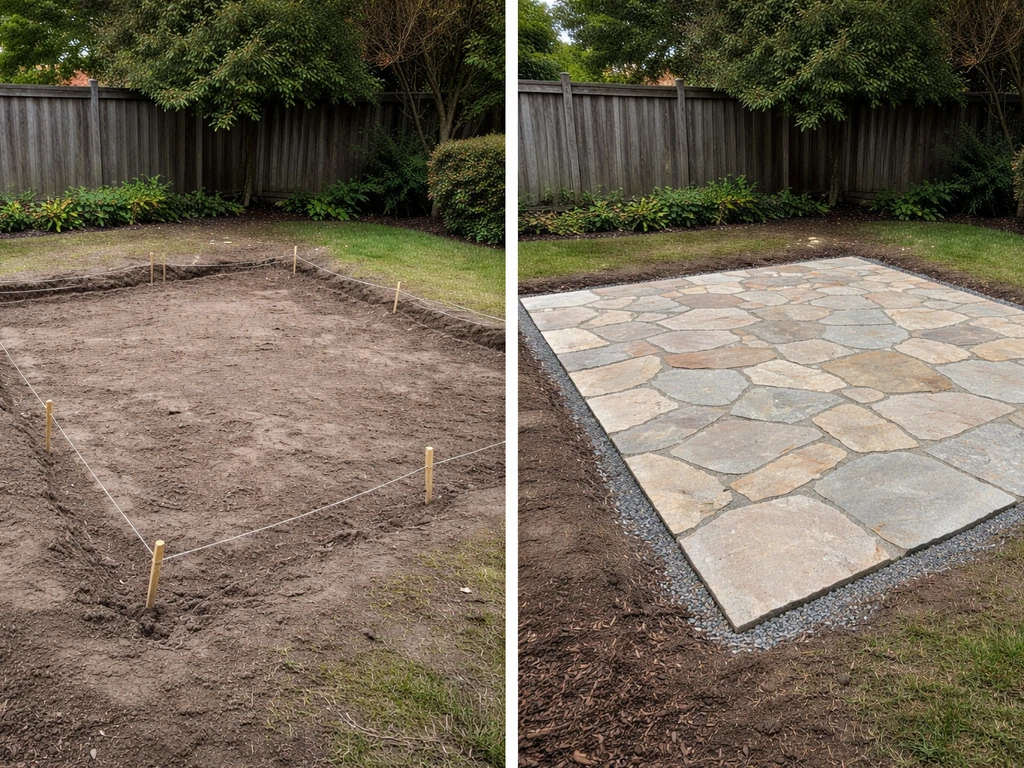
Here's how the math plays out at common patio sizes, using a mid-range natural flagstone with a standard ground-level install. If you want the quickest estimate of how much do stone patios cost, start with your patio size and then plug in the installed cost per square foot for your situation. These are realistic budgeting figures for 2026, not best-case estimates.
| Patio Size | Square Feet | Budget Install ($15/SF) | Mid-Range Install ($22/SF) | Premium Install ($30/SF) |
|---|---|---|---|---|
| 10x10 | 100 SF | $1,500 | $2,200 | $3,000 |
| 12x12 | 144 SF | $2,160 | $3,168 | $4,320 |
| 16x16 | 256 SF | $3,840 | $5,632 | $7,680 |
| 20x20 | 400 SF | $6,000 | $8,800 | $12,000 |
| 20x30 | 600 SF | $9,000 | $13,200 | $18,000 |
The budget end assumes a simpler dry-laid irregular flagstone install on a flat site with minimal prep complexity. The premium end reflects cut dimensional stone, a more formal layout pattern, or a site with drainage or grading challenges. A 20x20 patio is probably the most commonly quoted size for a functional backyard entertaining space, and $8,000 to $10,000 is a reasonable planning number for most homeowners in 2026.
For context, if you're comparing stone to other patio materials, brick and concrete pavers generally come in lower on the installed cost scale. If you are wondering how much it costs for a brick patio specifically, paver pricing can help you set realistic expectations for materials plus labor brick and concrete pavers generally come in lower on the installed cost scale. If you are comparing materials, you can also look up how much do patio bricks cost to judge the real installed price differences. Flagstone and natural stone sit at the higher end of surface material pricing, but offer a look and feel that's hard to replicate. If you're weighing flagstone specifically against other options, it's worth comparing total installed costs side by side, including the base system, since that cost is similar regardless of the surface material you choose.
DIY vs. hiring a contractor: when each makes sense
DIY flagstone installation can bring your total cost down to $1,350 to $1,850 for a small patio (according to Forbes Home), which is a dramatic savings versus the $3,650 national average for professional installation at similar size. The savings are real, but so is the labor. This Old House estimates about two days for a DIY paver patio install, and that's for someone who knows what they're doing. Add extra time if you're new to this.
DIY works well when: your site is flat, your soil is not clay or highly variable, you're doing a smaller patio (under 200 SF), and you're comfortable with a dry-laid irregular flagstone layout rather than a tight-fitting cut stone pattern. Dry-laid stone on a sand-and-gravel base is genuinely achievable for a motivated homeowner with a rented plate compactor and a weekend.
Hire a contractor when: your site has slope or drainage issues, you're dealing with clay subsoil that needs proper base engineering, you want mortar-set or cut stone with tight joints, the patio is large (300+ SF), or you're building a raised patio with wall work. The base prep is the single most important part of any stone patio, and it's also the part that's hardest to do correctly without experience. A settled, uneven patio a few years later often traces back to rushed or shallow base work.
One honest middle ground: hire out the excavation, grading, and base compaction, then DIY the stone laying on top. This captures the savings on the fun, visible part of the work while making sure the structural foundation is done right. Not every contractor will agree to this arrangement, but many will.
What changes the price: the real cost variables
Stone type and finish
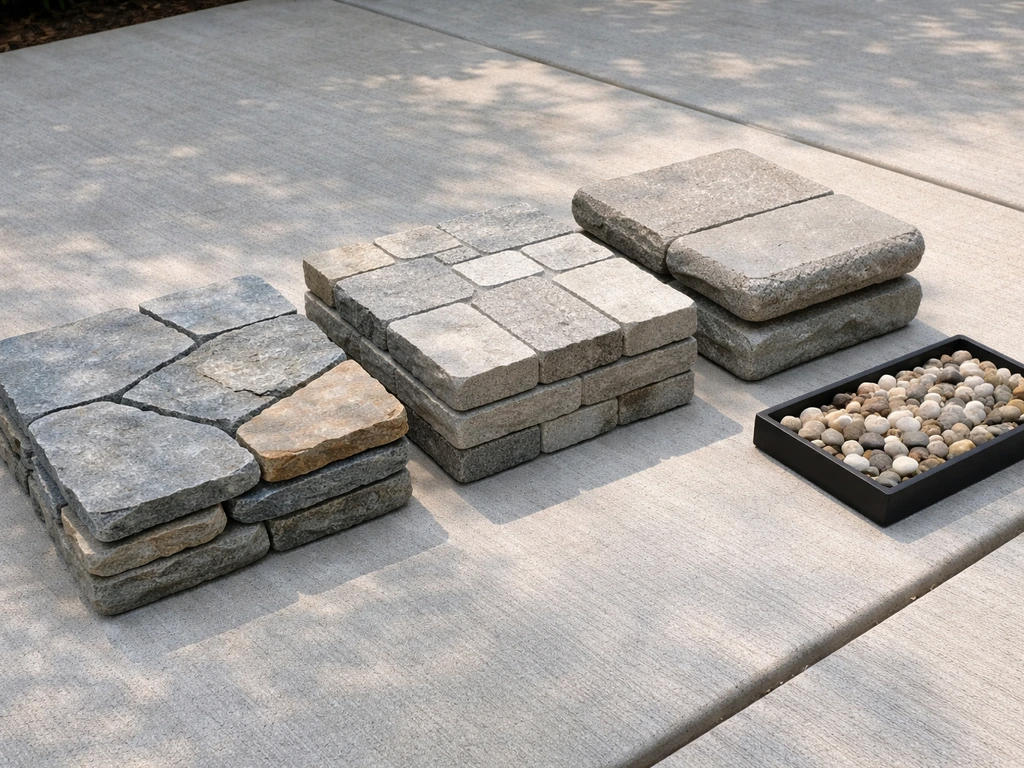
Natural irregular flagstone (Pennsylvania bluestone, Ohio Blue, limestone, quartzite) is the most common patio stone choice and typically the most affordable by the ton. Cut or dimensional flagstone, sold by the square foot, costs more per foot of coverage but lays faster, which can offset some labor cost. Exotic or imported stone varieties cost significantly more. If you're comparing flagstone costs to a Unilock paver system or engineered stone product, those have their own per-foot pricing structures that can be quite different. If you want to estimate how much does a Unilock patio cost for your size, compare the total per-square-foot price including base prep and installation Unilock paver system.
Stone thickness
Thicker stone costs more per ton because you get less coverage, and it also weighs more, which affects delivery and handling costs. Going from 1-inch to 2-inch stone can increase your material cost per square foot by 50% or more. Make sure your contractor's quote specifies the stone thickness they're planning to use.
Site conditions and complexity
Flat, accessible sites with good drainage cost the least. Sloped sites require grading and potentially retaining work. Clay soil requires deeper base preparation and likely geotextile fabric. Limited access (a narrow gate, no truck access to the backyard) increases labor time and material handling cost. Raised patios with wall systems add the most cost, up to $35 more per SF than a ground-level install.
Delivery and regional pricing
Stone is heavy and delivery costs matter. A pallet or ton of flagstone delivered to a rural address or a location far from a supplier quarry will cost more than urban delivery. Labor rates also vary significantly by region. Contractor labor in the Northeast, California, and Pacific Northwest runs on the higher end of ranges. The Southeast and Midwest tend to be closer to national averages. Get at least two local quotes to calibrate what the real number is in your zip code.
Drainage and base engineering
A standard 4-inch compacted gravel base is fine for most sites. If your yard drains poorly, sits in a low spot, or has known water issues, you may need deeper base work, a drainage swale, or even a French drain along the patio edge. These add cost but protect your investment. Dry-laid flagstone actually handles freeze-thaw movement better than some alternatives and allows natural drainage between joints, which is worth keeping in mind when comparing methods.
How to get accurate quotes and avoid budget surprises
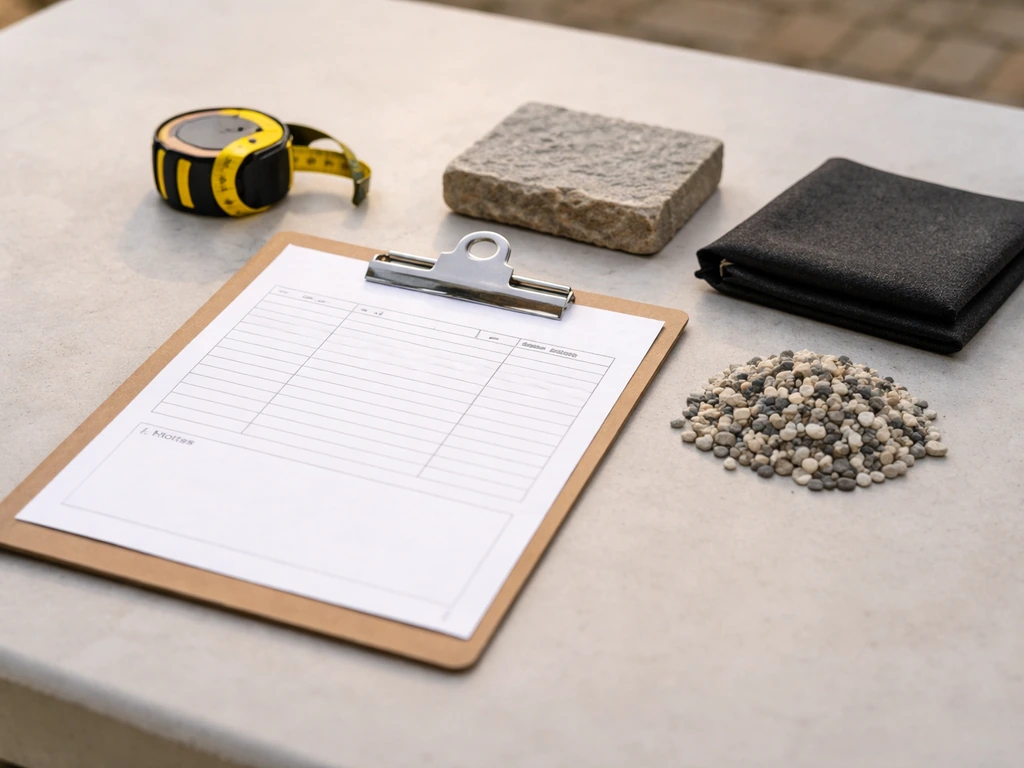
Get at least three quotes from local hardscape contractors, and ask for itemized bids, not just a lump-sum number. A quality bid should break out stone material cost, base material (type and depth), labor, any demo or site prep, edge restraint, joint finishing, and debris removal separately. This lets you compare bids on an apples-to-apples basis instead of guessing why one contractor is $2,000 cheaper than another.
Specifically ask each contractor these questions:
- What stone species, thickness, and source are you quoting? (Nail this down before signing.)
- How deep will the gravel base be, and what material are you using? (4 inches minimum for pedestrian use; 6 inches on softer soils.)
- Is bedding sand included? What thickness? (Should be ~1 inch screeded smooth.)
- Does the price include edge restraints and joint sand/mortar?
- How do you handle drainage or grading if we find issues during excavation?
- Is demo of any existing surface included if needed?
- What's the warranty on workmanship?
On budget overruns: plan for 10% to 15% over your quoted number as a contingency. The most common surprises are finding soft or unstable subsoil that requires additional base depth, discovering buried debris or old concrete during excavation, or needing more stone than estimated due to cuts and breakage. These aren't contractor failures, they're just the reality of working with natural materials and in-ground unknowns.
If you're budgeting for a larger project (400+ SF), also confirm whether the contractor prices stone at a fixed rate or passes through supplier pricing at the time of purchase. Stone prices can shift, and locking in material pricing at contract signing protects you from mid-project cost increases.
Once you have your quotes in hand and a size in mind, you'll be in a much better position to evaluate whether the project fits your budget, whether DIY makes sense for any portion of it, and whether the contractor you're talking to actually understands what a proper base installation looks like. The homeowners who end up happiest with their stone patios are the ones who went in knowing what the work actually involves, and asked the right questions before a single stone was moved.
FAQ
Does the “per square foot” price assume my patio is ground level? If not, what should I budget for raised areas?
Most stone patio estimates you see assume a ground-level install with a properly compacted base. If your site needs a raised edge, retaining wall, or engineered drainage, ask whether the quote includes those items because that is where costs often jump, even if the square footage stays the same.
How can I tell if a quote is using the right stone thickness for my coverage and budget?
Thickness affects both coverage and price. If a contractor quotes a ton price or per-foot stone price, confirm the thickness they are using (common dry-laid ranges are about 1.5 to 2 inches). If thickness differs, your quantity needs change and so will total material cost.
Do stone patio prices change if I add steps or a small landing?
Yes. If you plan steps, a landing, a stair run, or even small grade transitions, request separate line items. These areas use extra stone, add base prep complexity, and often require additional edge restraint, which can raise your effective cost per square foot.
Why does one “same size” quote cost more when it’s still flagstone?
For irregular flagstone, pattern and layout drive labor because more cuts and tighter fitting are required for certain looks. If you want a formal pattern or smaller joints, ask how they will lay it and whether their labor rate includes additional cutting and dry-fitting time.
What drainage items are commonly omitted from low bids?
Water management can add cost that is easy to miss. Ask whether they will grade the surface for runoff, and whether they include an edge drain, French drain, or swale if your yard pools water. Even small drainage features can prevent settling and joint failure.
What base details should I require in an itemized quote so I can compare bids fairly?
If the base is shallow or under-compacted, patios can shift in a few seasons. Ask for the base build details (crushed stone depth, compacting approach, and whether geotextile is needed for clay). A bid that does not specify depths or fabric is harder to compare.
Will my location and access (no truck to backyard) change the installation cost?
Stone delivered and handled on site can add costs when access is limited. Ask how they will transport materials if there is no direct truck access (long carry, narrow gate, or stairs to the backyard), and whether hauling is included or billed separately.
How do I verify the material quantity includes waste for irregular stone?
Many bids include waste, but not all do the same way. Ask whether their waste factor is already built into the material quantity for irregular stone, and whether they still include extra stone if you want changes to the layout after demo begins.
Is it cheaper to buy the stone myself, and what could cancel out the savings?
Sometimes. If you buy supplies yourself, you can lower material cost, but delivery fees, correct tonnage for your thickness, and returns can erase savings. Ask the contractor whether they can supply stone through their usual channels or if they will accept customer-provided materials and still guarantee workmanship.
What’s the most common scope mistake that makes bids look cheaper at first?
Avoid this mismatch by making sure the scope is identical. Confirm whether the bid includes excavation, disposal, base materials, bedding sand, edge restraints, and joint finishing, and whether it assumes “dry-laid” versus “mortar-set” installation.
If I have an old concrete patio, should I expect extra charges beyond demo and haul-away?
Yes, and it’s often more than people expect. If you currently have concrete, removing it is usually priced as separate demo and haul-away. Also ask whether they will fix any underlying grade issues discovered after removal.
For 400+ square feet, how do I prevent stone price changes from blowing up the budget?
If your project is large, ask for clarification on how they handle stone pricing during the job. Confirm whether the stone price is locked at contract signing or if they pass through supplier changes, and request the date they will place the order.
What’s a smart “partial DIY” plan that still protects the patio foundation?
A good middle-ground approach is to hire pros for the structural work and DIY only the surface laying. Ask whether they are willing to quote excavation, grading, and base compaction separately, then let you handle installation on top (or vice versa).
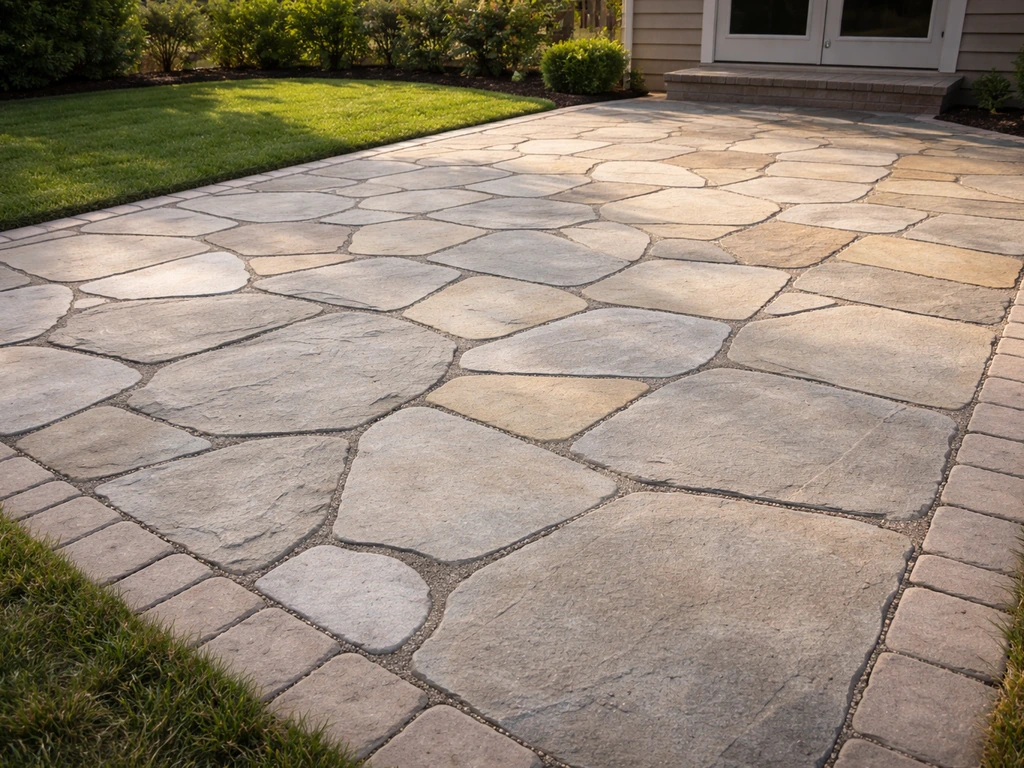
Flagstone patio cost by size, material vs labor, $/sq ft breakdown, installation details, DIY vs pro guidance and quote
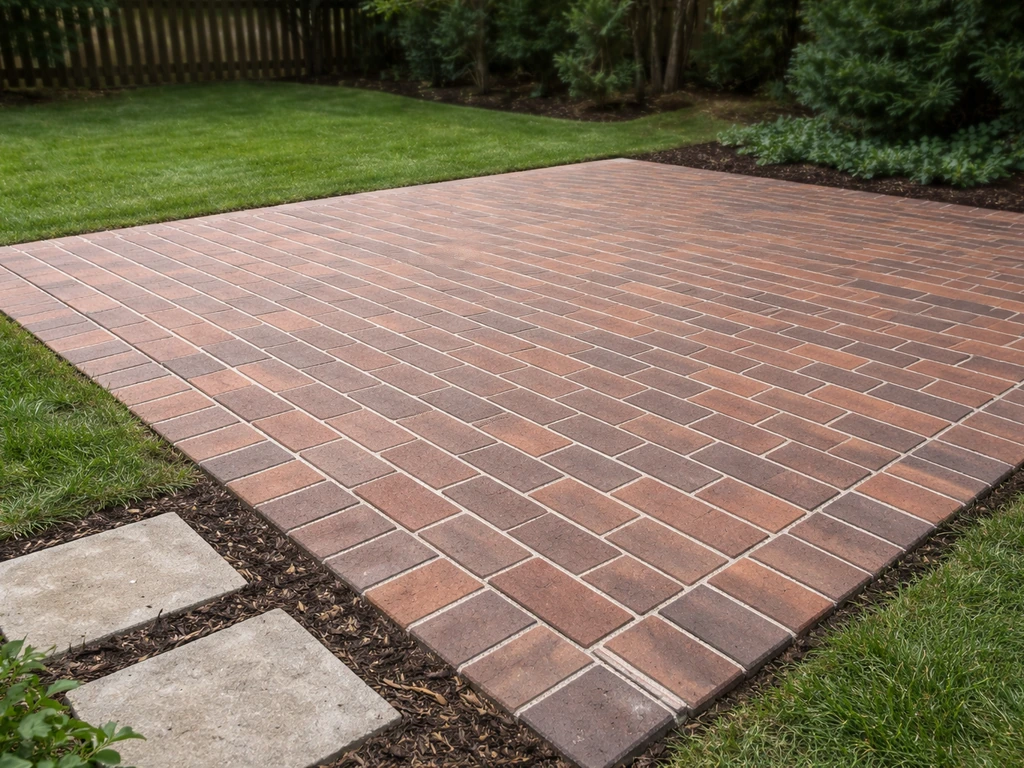
Brick patio cost ranges for 10x10, 12x12, 20x20, including base prep, labor, and extras for fair budgeting in 2026.
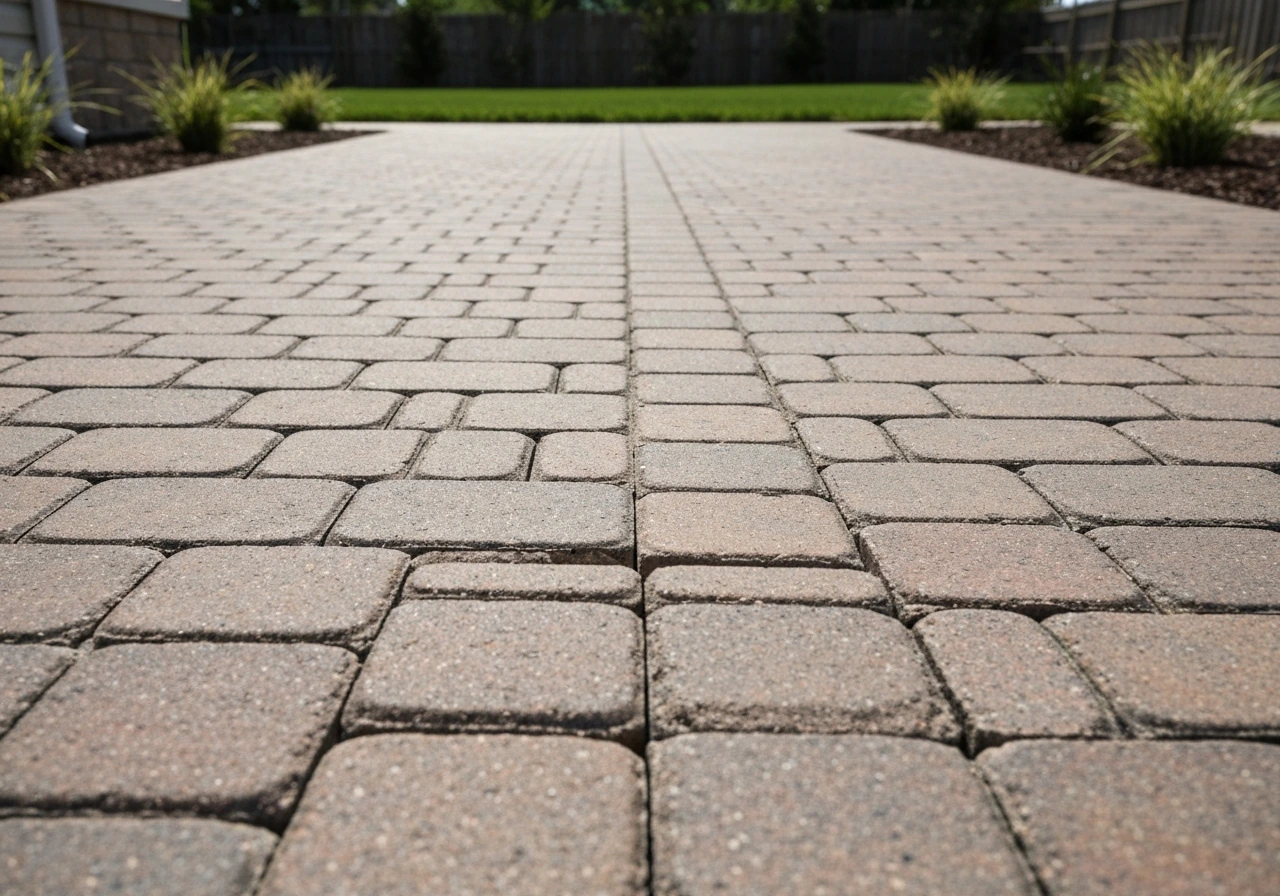
Patio brick and total brick patio costs with real ranges for 10x10, 12x12, 20x20 plus DIY vs contractor pricing factors.