
Pointing a patio typically costs $3 to $15 per square foot for standard repointing work, and $8 to $25 per square foot if the job includes deep joint removal, cleaning, and sealing. For a common 12x12 patio (144 sq ft), expect to pay somewhere between $450 and $2,000 depending on how bad the joints are and what surface you have. Brick and natural stone patios almost always land at the higher end once you factor in mortar color matching and proper joint prep.
How Much to Point a Patio Costs by Size and Surface

Felix Carver
26 Jun 2026
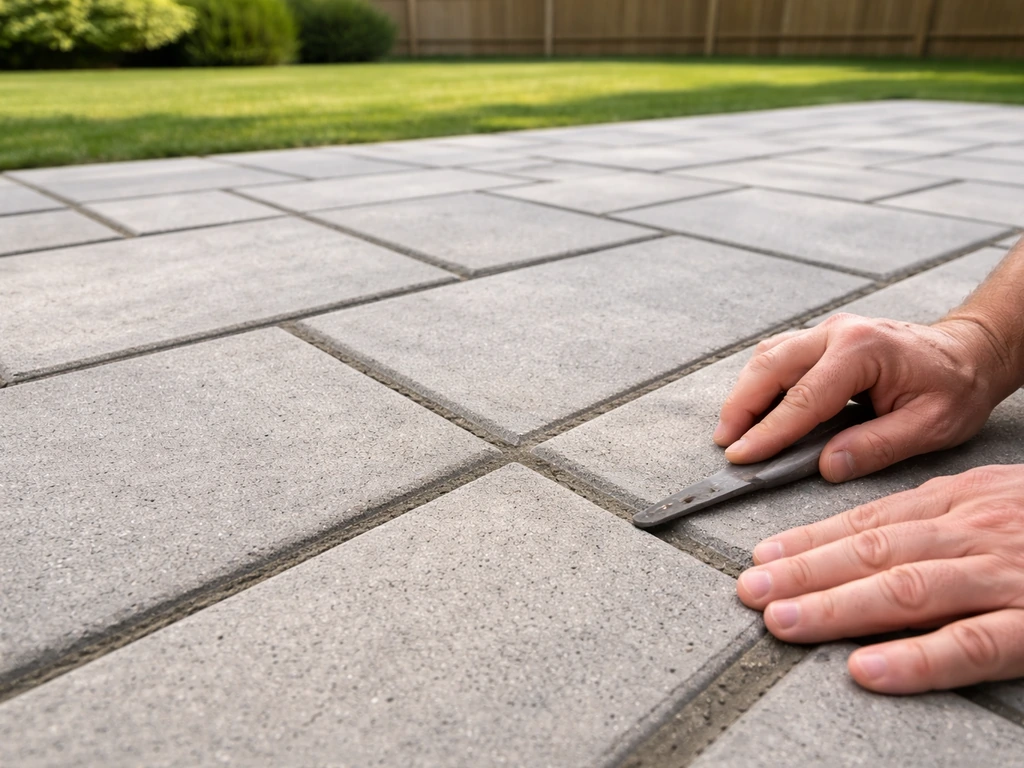
What "pointing a patio" actually means
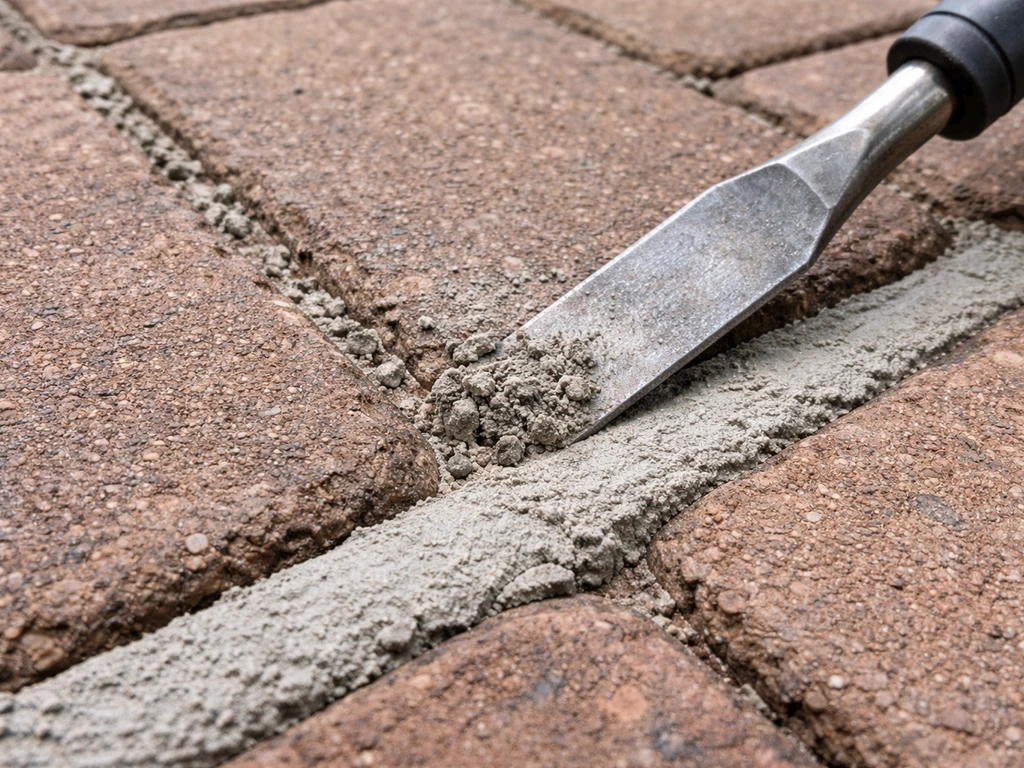
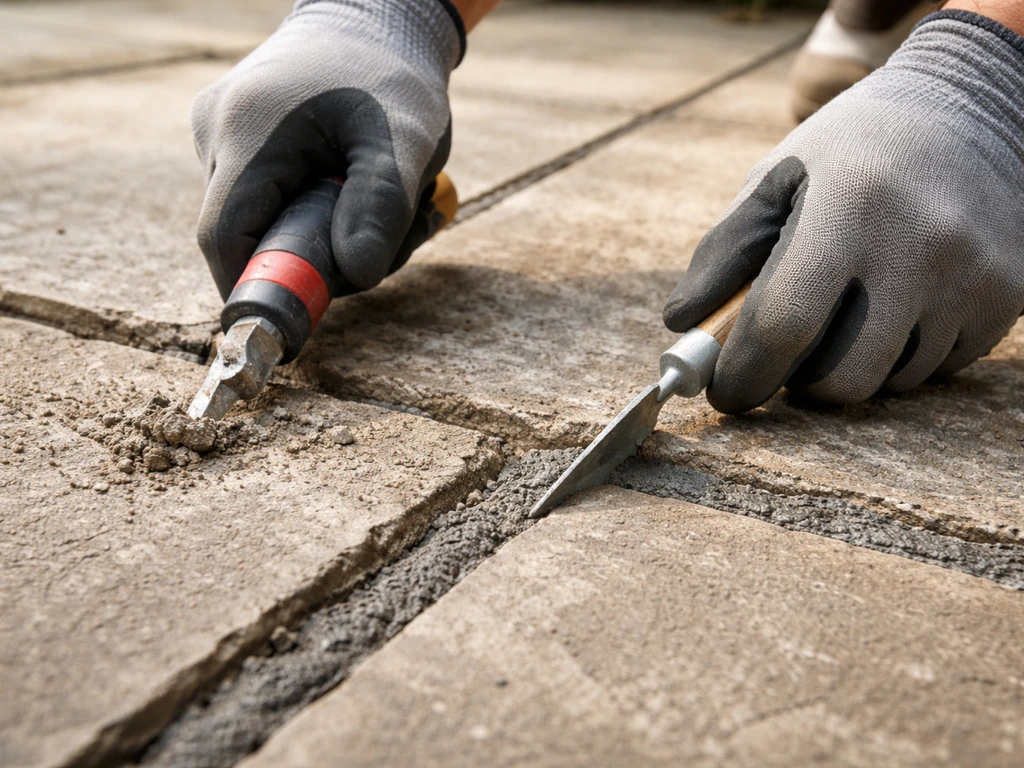
Pointing (or repointing) is the process of removing deteriorated mortar from the joints between your patio's bricks, pavers, or stone units and packing in fresh mortar to replace it. The old mortar gets raked out to a minimum depth of about 3/4 to 1 inch (most professionals follow a rule of at least twice the width of the joint, or around 20mm minimum) so the new mortar bonds to the masonry units rather than just sitting on top of the failed old stuff. That depth requirement is what makes repointing a real job, not a five-minute fix.
You'll often see "tuckpointing" used interchangeably with repointing, but they're not exactly the same thing. True tuckpointing is a decorative technique where two contrasting mortar colors are used: one that blends with the brick or stone, and a thin contrasting fillet in the center to create the illusion of very fine, precise joints. It's mostly cosmetic. Repointing is structural repair: you're removing failed mortar and replacing it so water can't get in. Most homeowners with a worn patio need repointing, not tuckpointing, even if the contractor uses both terms.
Signs your patio joints need attention
A mason doing a proper inspection will look at more than just obvious cracks. If you're also wondering how much it costs to tile a patio, that budget can differ a lot from pointing because you're paying for new surface material and installation labor paver pointing. Here's what actually gets checked before pricing a job:
- Crumbling or recessed mortar joints (joints that have pulled away from the face of the brick or stone)
- Cracks along the joint line, especially ones that run continuously across several units
- Weeds or moss growing in the joints (a sure sign the mortar has failed and water is moving through)
- Efflorescence: white chalky deposits on the surface, which indicates water is pushing through the joints and carrying salts out
- Spalling or crumbling brick/stone faces near joint lines (water got in and froze, damaging the masonry itself)
- Loose or rocking pavers or bricks, which can indicate the mortar bed below has failed, not just the surface joint
The last two items matter a lot for cost. If it's just surface mortar deterioration, you're looking at a straightforward repoint. If there's spalling, deep cracking, or rocking units, the mason has to go deeper, possibly re-bedding units entirely, which bumps the price significantly. If you’re trying to estimate how much it costs to regrout a patio, these deeper repairs are usually where pricing jumps how much does it cost to regrout a patio. Don't ignore efflorescence either. It's often the first visible sign that water is actively moving through joint failures, and the longer you wait, the more damage compounds underneath.
What actually drives the price up or down
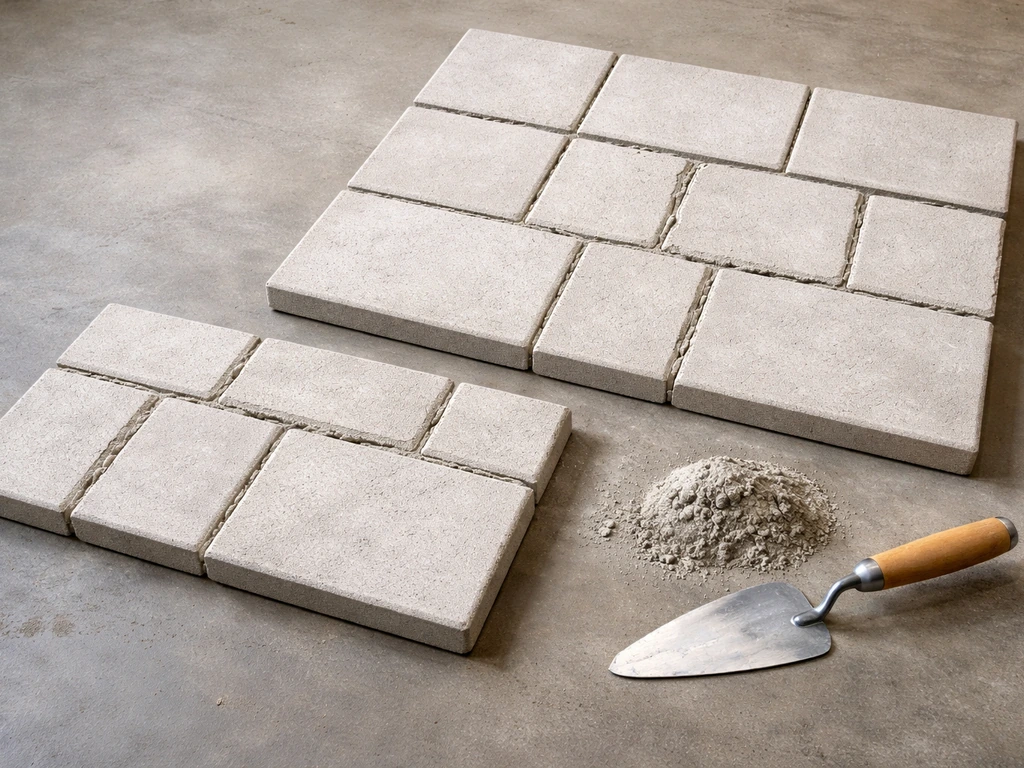
Patio pointing prices aren't random. A few specific factors account for almost all of the variation you'll see between quotes.
Patio size
This is the obvious one. More square footage means more labor hours and more mortar. But there's a scale benefit: most masons charge less per square foot on larger jobs because setup, mobilization, and equipment costs spread out. A 10x10 patio (100 sq ft) might land at the top of the per-sq-ft range, while a 20x20 (400 sq ft) might come in notably cheaper per square foot even though the total is higher.
How bad the joints are
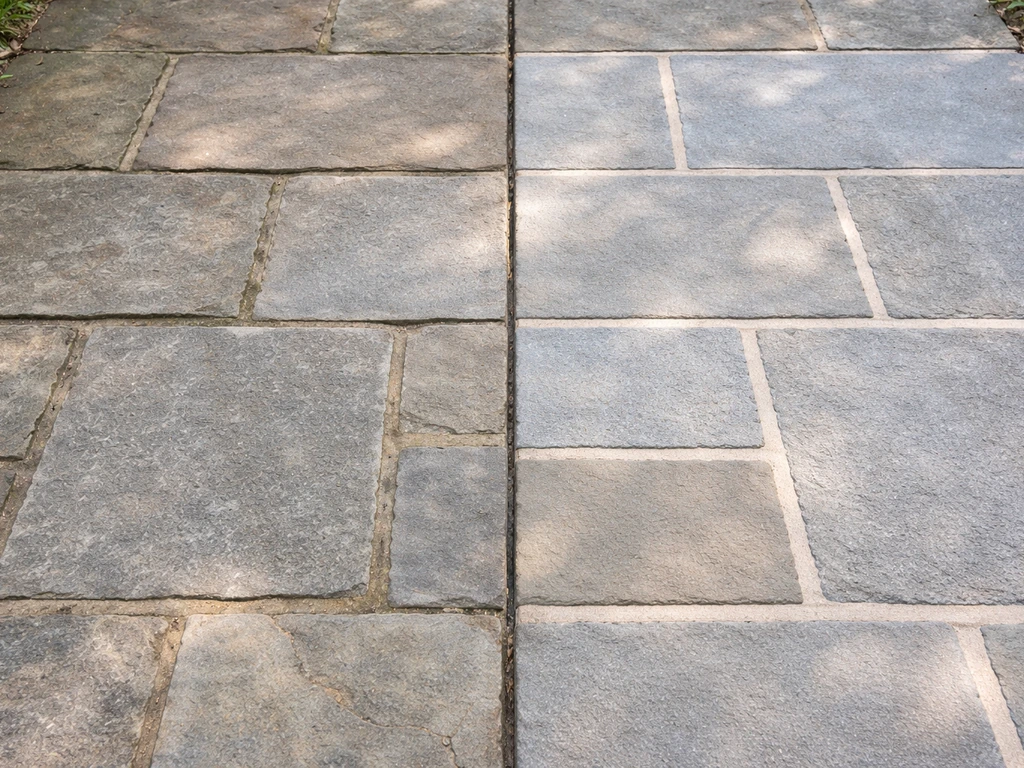
Spot repairs (patching 10-20% of joints) run about $5 to $15 per sq ft. A full repoint where every joint is removed and replaced runs $8 to $20 per sq ft or more. If you're also considering lifting settled slabs, you may want to compare repointing pricing against mudjacking, including how much does mudjacking patio cost, before you pick the right fix. If joints are shallow and mortar rakes out cleanly, labor is faster. If the existing mortar is hard, partially intact, or bonded tightly, the mason has to grind or chisel more aggressively, which adds time and tool wear costs.
Mortar type and color matching
Standard repointing mortar is inexpensive, but matching your existing mortar's color, texture, and lime/Portland cement/sand ratio is where cost creeps in. For historic or high-end natural stone patios, a mason may need to test a sample of your existing mortar to figure out the original mix proportions before ordering a custom blend. That testing and custom batching adds to the quote. Using the wrong mortar hardness is a real problem: a mortar that's harder than your brick can cause the brick face to spall, so this step isn't just cosmetic.
Joint profile and depth
Wider or deeper joints need more mortar volume and more labor time to fill properly (mortar has to be applied in layers, not all at once). Tight, fine joints in a close-set flagstone patio take more precision and time per square foot than wide joints in a standard brick patio.
Surface cleaning and sealing
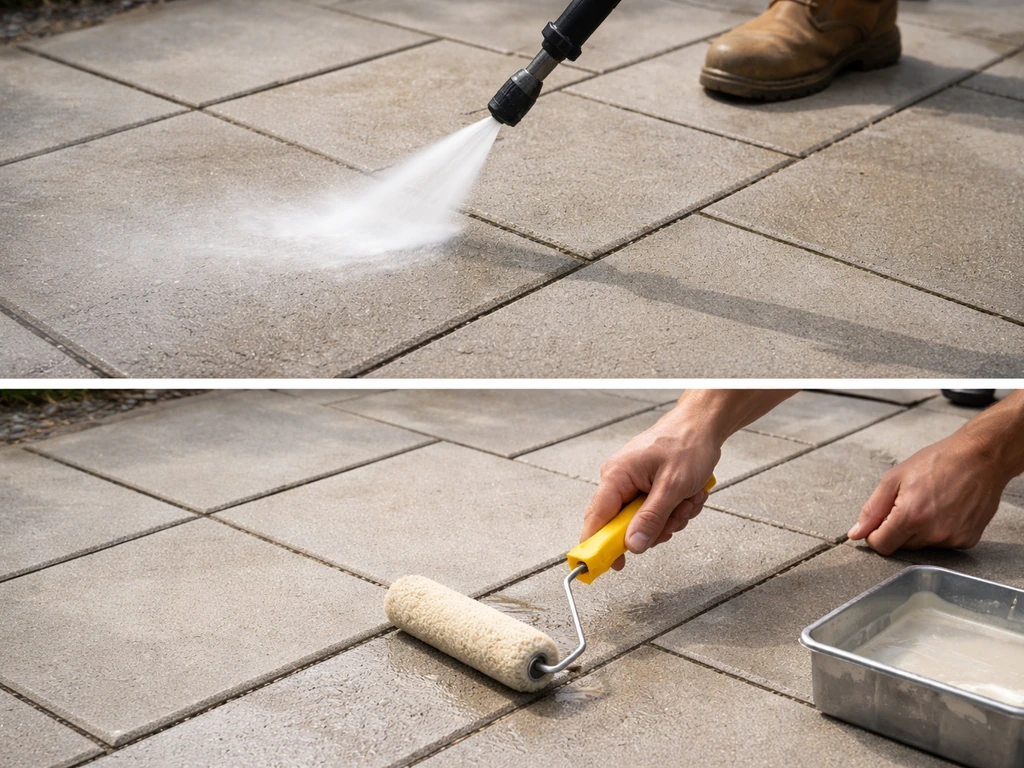
Many quotes include pressure washing before the work and sealing after. These add real value but also add cost. Expect cleaning to add $50 to $200 depending on patio size, and sealing to add another $1 to $3 per sq ft. If a contractor's quote seems unusually low, check whether prep and cleanup are included.
Cost ranges by surface type and patio size
Here are realistic 2026 cost ranges for the most common patio surfaces and sizes. If you’re trying to figure out how much a gravel patio costs, use the same quote inputs and cost factors so you can estimate the labor and material totals cost ranges. These are total job costs including labor, materials, and basic cleanup.
| Patio Size | Brick Patio | Natural Stone / Flagstone | Concrete Paver |
|---|---|---|---|
| 10x10 (100 sq ft) | $300 – $1,500 | $500 – $2,000 | $300 – $1,200 |
| 12x12 (144 sq ft) | $450 – $2,000 | $700 – $2,800 | $430 – $1,700 |
| 16x16 (256 sq ft) | $770 – $3,800 | $1,200 – $5,100 | $760 – $3,000 |
| 20x20 (400 sq ft) | $1,200 – $6,000 | $2,000 – $8,000 | $1,200 – $4,800 |
The lower end of each range assumes spot repairs or partial repointing on a patio with well-spaced joints and easy mortar removal. The higher end reflects full repointing with mortar color matching, deep joint prep, and a post-job sealer application. Natural stone and flagstone consistently run higher because joint geometry is irregular, requiring more hand work and more precise mortar placement.
If your patio has severe water damage, efflorescence through most joints, or individual units that need re-bedding, budget toward the top of the range or get a contingency buffer of 15-20% on top of the initial quote.
Labor vs. materials and regional price differences
On a typical pointing job, labor is the dominant cost. Here's roughly how the money breaks down on a full repoint of a standard brick patio:
| Cost Component | Approximate Share | Notes |
|---|---|---|
| Mason labor | 60–75% | The biggest variable; rates vary widely by region |
| Mortar materials | 10–15% | Bagged mix or custom batch; custom-color blends cost more |
| Equipment/consumables | 5–10% | Angle grinder discs, joint rakers, mixing tools |
| Cleaning/prep | 5–10% | Pressure washing, joint vacuuming, masking |
| Sealing (if included) | 5–10% | Optional but recommended; adds longevity |
Mason labor rates vary a lot by region. In major metro areas (New York, Boston, Chicago, Los Angeles, Seattle), expect $60 to $100 per hour for a skilled mason. In mid-size Midwest or Southern cities, rates drop to $40 to $70 per hour. Some contractors price by the job or by the linear foot of joint rather than square footage, which can make comparison shopping tricky. Always ask for a breakdown.
Seasonality matters too. Spring and early fall are peak season for masonry work in most of the country, which means higher demand and sometimes higher pricing. Late fall and winter work is possible in mild climates but requires temperature management during curing (mortar needs to stay above about 40°F). Getting quotes in late winter for spring work can get you slightly better pricing.
DIY vs. hiring a mason: the real trade-offs
DIY pointing is genuinely possible on a small patio with straightforward joints and standard brick. The materials alone for a 100 sq ft brick patio run $30 to $100 in mortar mix (QUIKRETE and similar products are widely available), plus $40 to $80 for tools like a joint raker, margin trowel, and jointing tool. Total DIY material cost for a small patio: under $200. But here's where you need to be honest with yourself.
The risk in DIY pointing isn't mixing mortar incorrectly. It's the prep work. If you don't remove the old mortar to a proper depth (at least twice the joint width, minimum 3/4 inch), the new mortar won't bond to the masonry units. Wolfe also describes removing old mortar that has separated or cracked using a grinder or chisel before repacking joints with fresh mortar remove the old mortar to a proper depth. It'll bond to the old mortar instead, and within a season or two it'll crack and pop out again, leaving you to redo the job or call a pro anyway. Achieving that consistent removal depth across a whole patio with a hand tool is tedious and physically demanding.
There's also the mortar mismatch problem. Using a mortar that's too hard (high Portland cement content) on soft historic brick can cause the brick faces to spall as the harder mortar forces stress into the softer unit. This is an irreversible and expensive mistake. If your patio is older brick or natural stone, matching the original mortar composition matters, and that requires some knowledge to get right.
| Factor | DIY | Hire a Mason |
|---|---|---|
| Cost (100 sq ft) | $100–$200 in materials | $300–$1,500 total |
| Time | 8–16 hours for beginners | Half day to 1 day for a pro |
| Skill required | Moderate; prep is the hard part | High; mortar matching, depth control |
| Risk of damage | Real if prep is skipped | Low with an experienced mason |
| Mortar color match | Difficult without testing | Pro can test and custom batch |
| Warranty | None | Most pros guarantee their work 1–2 years |
My honest take: DIY makes sense for a small repair (say, a few dozen linear feet of crumbling joints on a simple standard brick patio you're not too worried about aesthetics on). For a full repoint of a larger patio, or anything involving natural stone, colored mortar, or a historically significant surface, hire a mason. The risk of a botched DIY job often costs more to fix than the professional quote would have been in the first place. If you're weighing this against other repair or replacement work, a full redo of a patio involves its own separate cost considerations. If you decide you need a full patio redo instead of just repointing, costs can rise significantly depending on removal, replacement, and surface type full redo of a patio.
How to get an accurate quote and avoid surprises
Getting an honest, comparable quote from a mason takes a little preparation on your end. Here's what to ask and what to watch for.
- Ask how deep they remove the old mortar. The answer should be at least 3/4 inch or twice the joint width. If they say they'll skim over or feather in on top of existing mortar, walk away.
- Ask them to describe their mortar mix or specify the product. You want to know whether it matches your existing mortar's hardness (lime content matters for softer brick and stone).
- Ask whether the quote includes cleaning before and cleanup after. Some quotes don't, and you'll be paying extra or doing it yourself.
- Ask whether sealing is included or quoted separately. A sealed patio after repointing lasts significantly longer.
- Get at least three quotes. For a $1,000+ job, this is worth the time. Quotes on masonry work vary widely.
- Ask what happens if hidden damage is found (loose bedding, failed substrate). Get the rate for scope additions in writing before work starts.
- Ask for a mortar sample or mockup if color matching matters to you. A good mason will test a small area first and let you approve the color before proceeding.
- Check that the contractor carries liability insurance and workers' compensation. This protects you if something goes wrong on your property.
One gotcha that catches homeowners off guard: some contractors quote per linear foot of joint rather than per square foot of patio. This can actually be more accurate (joint density varies a lot by patio type), but it makes comparing quotes harder. Ask them to convert to a total job price so you're comparing apples to apples.
After the work: curing, sealing, and making it last
Fresh mortar needs to cure slowly. For the first 72 hours after pointing, keep the surface out of direct hot sun if possible and lightly mist it with water once or twice a day in warm weather. This is called wet curing, and it reduces shrinkage cracking in the new mortar. Keep foot traffic off it for at least 24 hours, and don't let water pool on the surface for the first few days.
Whether to seal depends on your surface. A penetrating masonry sealer applied after the mortar has fully cured (typically 28 days for full strength) dramatically improves water resistance and reduces weed growth in joints. It's especially worthwhile for natural stone and brick in wet climates or freeze-thaw regions. Expect to reapply sealer every 3 to 5 years.
Well-repointed mortar joints on a quality brick or stone patio should last 25 to 50 years before needing attention again, assuming the work was done properly and the surface drains well. If you're seeing joint failure again within just a few years of a professional repoint, it usually means the old mortar wasn't removed deeply enough, the wrong mortar type was used, or there's a drainage problem underneath that needs to be addressed separately. That underlying drainage issue is the kind of thing that also drives up the cost of a full patio redo if you ever go that route. If you end up needing a full patio replacement instead of just repointing, the cost will be different from what you budget for mortar and labor how much to replace patio.
Quick budget estimate by patio size
If you want a fast ballpark before getting quotes, here's a simple way to estimate. Measure your patio length and width, multiply for square footage, then apply these ranges based on your situation:
- Spot repair only (less than 25% of joints affected): $5–$10 per sq ft
- Partial repoint (25–75% of joints need replacement): $8–$15 per sq ft
- Full repoint with cleaning and mortar color matching: $12–$20 per sq ft
- Full repoint plus sealing and any unit re-bedding: $15–$25 per sq ft
Multiply your square footage by the range that fits your situation, then add 15% as a contingency for anything unexpected found during prep. That gives you a working budget range to take into contractor conversations, rather than going in blind and accepting whatever number you're handed.
FAQ
Is it cheaper to point a patio in sections (spot repointing) instead of doing the whole thing?
Often yes, but only if the deterioration is truly limited to a small percentage of joints. If efflorescence is widespread or units are rocking, contractors usually recommend full-depth repointing or re-bedding, and the cost advantage of spot work disappears. A good rule to ask for is, what percent of joints are failing, not just how many feet look bad.
How do I know if I need repointing or something else like re-bedding, grinding, or mudjacking?
Ask the mason to check for movement, not just mortar loss. If individual pavers or slabs lift, the fix may include re-bedding (re-setting units in mortar) rather than mortar-only pointing. If the whole patio dips or slabs are uneven due to base settlement, compare repointing quotes with mudjacking or slab leveling costs before committing.
Should I pressure wash before pointing, or will that cause problems?
Pressure washing is common and usually helpful, but it should be done with control so it does not erode joint edges or force water into questionable areas. Verify the quote includes the right approach, then confirm the contractor will let everything dry fully before raking out mortar. If joints are already damp or recently cleaned, bonding can be weaker.
How long should the contractor keep people and water off the patio after work is finished?
Plan for at least 24 hours of zero foot traffic, and avoid pooling water for the first several days. For curing, many crews recommend misting lightly once or twice daily in warm weather and keeping the surface out of strong direct sun when possible. If the weather is hot or windy, ask how they will manage curing conditions.
Do I have to seal after pointing, and how do I choose the right sealer?
Not always, but sealing is often recommended when you want improved water resistance and easier maintenance, especially for freeze-thaw climates or porous natural stone. The key decision is whether you want a penetrating sealer (typically less film-forming) versus another type, and whether the sealer is compatible with the mortar used. Also ask when it will be safe to seal after curing, not just that sealing will be included.
Can I match the existing mortar exactly, or is a close color good enough?
For brick and especially historic surfaces, close color is not always good enough. Matching mortar hardness and, when possible, the lime to Portland cement ratio matters to prevent stress and spalling. Ask if they will test a small mortar sample and how they handle custom batching for color and texture.
Why are some quotes much lower than others? What should I check?
Common reasons include whether deep joint removal is included, whether re-bedding or grinding is required, and whether cleaning and sealing are in scope. Also ask how they measure the job (square footage versus linear feet of joints). Get a written allowance for extra prep if hidden damage is found, since that is where low bids often break down.
How do I compare bids if one contractor prices by square foot and another by linear foot?
Ask each contractor for the total joint length and an estimated total price, then have them translate their method into a single bottom-line number for your exact patio. Joint density varies by pattern and patio type, so linear-foot pricing can look higher or lower until you see the full conversion.
What preparation steps should I do before the mason arrives, to avoid delays or extra cost?
Remove furniture, grills, potted plants, and anything that blocks access to edges and corners. Mark sprinkler heads and irrigation emitters so they do not get damaged during cleanup. Also plan for waste handling and check if they need to close off nearby areas for mixing and tool storage.
Will pointing help if weeds are growing through the joints?
It helps when the weed issue is driven by water getting into failing joints, because fresh mortar and optional sealing can reduce moisture pathways. However, if the base is compromised or drainage is poor, weeds may return. Ask whether they will recommend a drainage or base fix, not just repointing.
How long should a properly pointed patio last, and what indicates the job failed?
Well-executed repointing often lasts decades if moisture can’t penetrate and the patio drains correctly. Early failure signals include mortar cracking or joints deteriorating again within a few years, repeating efflorescence, or recurring movement in units. If that happens, it usually points to insufficient removal depth, wrong mortar type, or an underlying drainage or base problem.
Next Articles
How Much to Repoint a Patio Cost Guide by Size and Type
Patio repointing costs by size and material, DIY vs pro pricing, labor vs materials, and a quote comparison checklist.
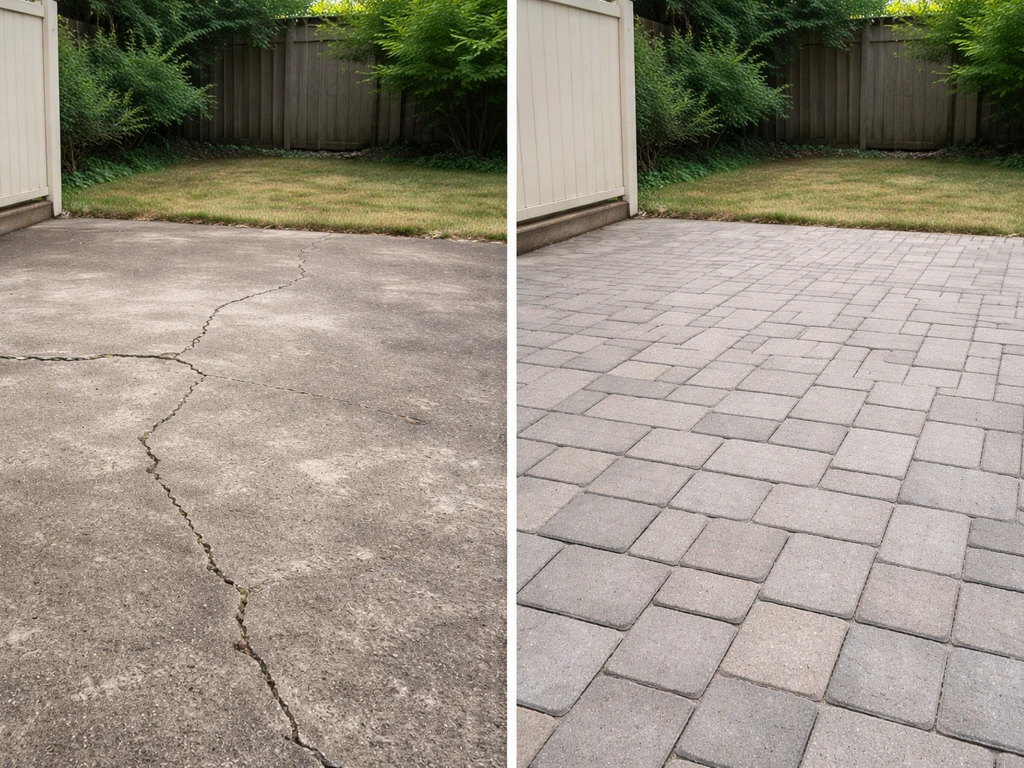
How Much Does It Cost to Redo a Patio? Complete Guide
Budget patio redo costs by option and size, with concrete pavers and stone price ranges, labor factors, and quote checkl
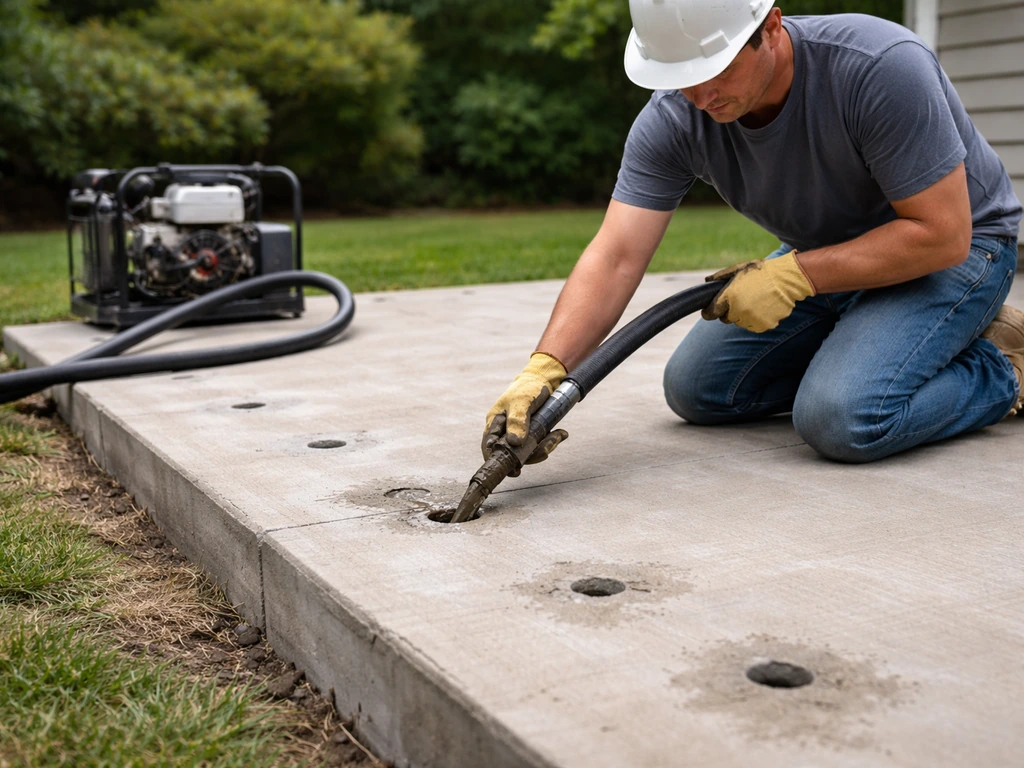
How Much Does Mudjacking Patio Cost? Pricing Guide
Mudjacking patio costs by size and square foot, plus pricing breakdown, factors, DIY risks, and how to get accurate cont