
Most homeowners pay between $300 and $1,500 to have a patio repointed by a contractor, with the typical mid-sized job (around 150 to 250 square feet) landing in the $500 to $900 range. DIY repointing costs far less in materials, usually $40 to $150 for a small to medium patio, but there are real risks if you get the mortar wrong. The final number depends heavily on your patio material, the condition of existing joints, the size of the area, and where you live.
How Much to Repoint a Patio Cost Guide by Size and Type

Felix Carver
24 Jun 2026
What repointing actually involves (and what you're paying for)
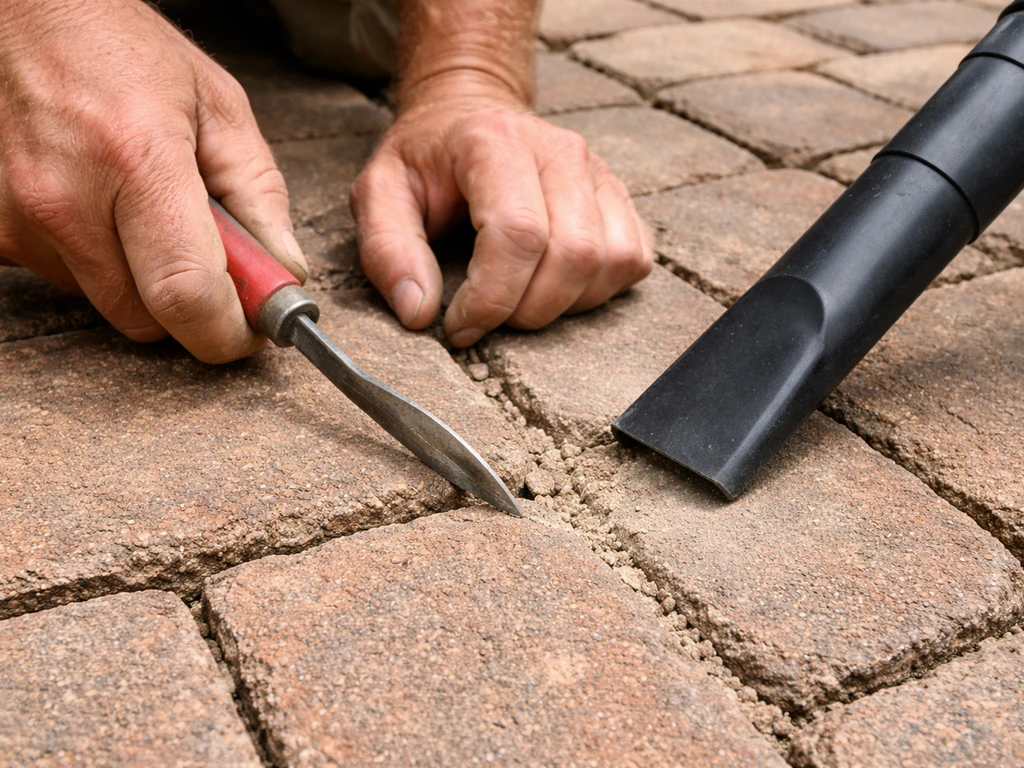
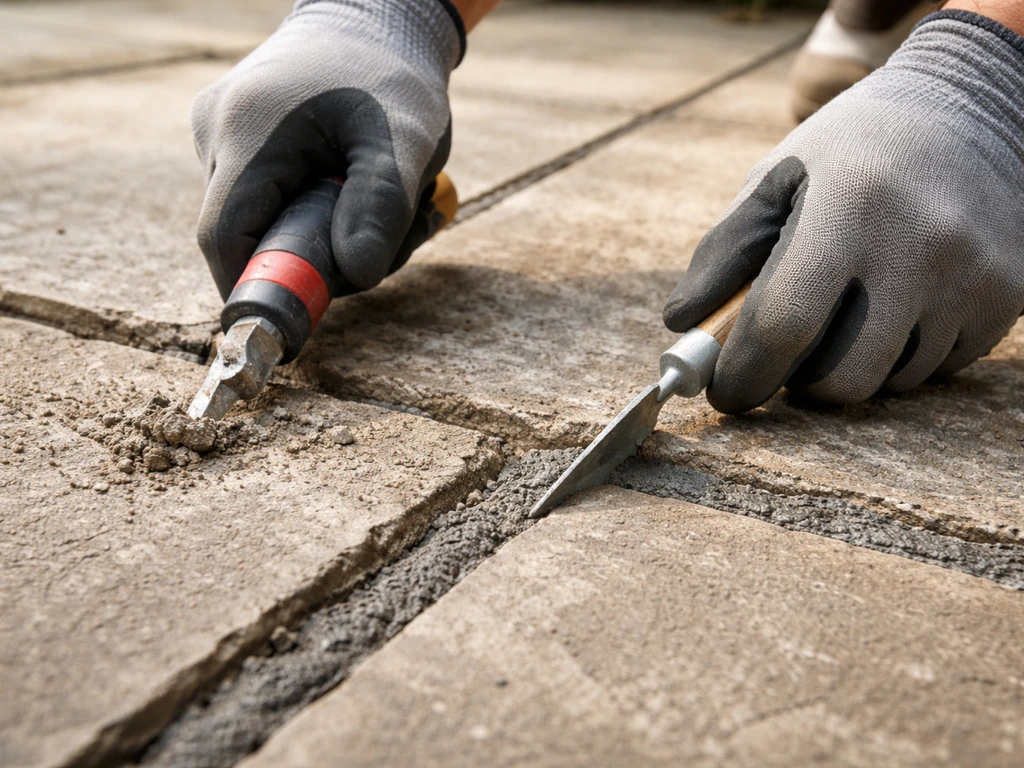
Repointing is the process of removing deteriorated or crumbling mortar from the joints between patio units, whether that's brick, natural stone, flagstone, or concrete pavers, and replacing it with fresh mortar. It sounds straightforward, but the prep work is where most of the time and cost goes.
The correct approach, per masonry industry standards, is to rake out the old mortar by hand tools (or carefully with non-impact power tools) to a uniform depth of at least twice the joint width, or until you reach sound mortar underneath. For a joint that's 3/8 inch wide, that means removing mortar to a depth of at least 3/4 inch. Rushing this step, or just slapping new mortar on top of old, is the single biggest reason DIY repointing jobs fail within a year or two.
Once the joints are cleaned out and free of dust and debris, a contractor mixes and applies pointing mortar that matches the original in both color and compressive strength. This matters more than most people realize: mortar that's too hard or too dense can redirect water into the paving units themselves rather than out through the joints, leading to spalling and cracking. After the mortar sets, joints are finished level with a steel pointing tool, and excess mortar is cleaned off with stiff brushes and low-pressure water.
What you're paying a contractor to do: joint raking and cleaning, mortar selection and mixing (including test batches to match color), joint filling and finishing, cleanup, and in some cases sealing. What's often billed separately: hauling away debris, grinding severely raised or sunken units back to level, replacing cracked or broken pavers or stones, treating weeds growing through joints, and applying a dedicated sealant after the mortar cures.
Typical costs by patio material
Different patio surfaces have very different joint profiles, which directly affects labor time and material choice. Because labor and materials vary by patio size and surface type, it helps to estimate how much a gravel patio costs based on your square footage and joint setup how much does a gravel patio cost. Here's what you can expect to pay per square foot for professional repointing by material type.
| Patio Material | Typical Joint Width | Pro Cost Per Sq Ft | Notes |
|---|---|---|---|
| Brick | 3/8 to 1/2 inch | $3 to $7 | Dense joint network; labor-intensive raking |
| Natural stone / flagstone | 1/2 to 2+ inches | $4 to $9 | Irregular joints; mortar matching is trickier |
| Concrete pavers | 1/4 to 3/8 inch | $2 to $5 | Often polymeric sand, not traditional mortar |
| Stamped/colored concrete | Varies by pattern | $3 to $6 | Joints are part of the stamped pattern; color matching critical |
| Slate or bluestone | 3/8 to 3/4 inch | $4 to $8 | Prone to staining; needs careful mortar selection |
Flagstone and natural stone patios tend to sit at the higher end of that range because the joints are irregular in width and depth, which makes consistent raking and filling much more time-consuming. Brick is labor-intensive for a different reason: there are simply more joints per square foot. Concrete pavers are often the least expensive because many use polymeric sand rather than traditional mortar, which is faster to apply.
What the job costs at common patio sizes
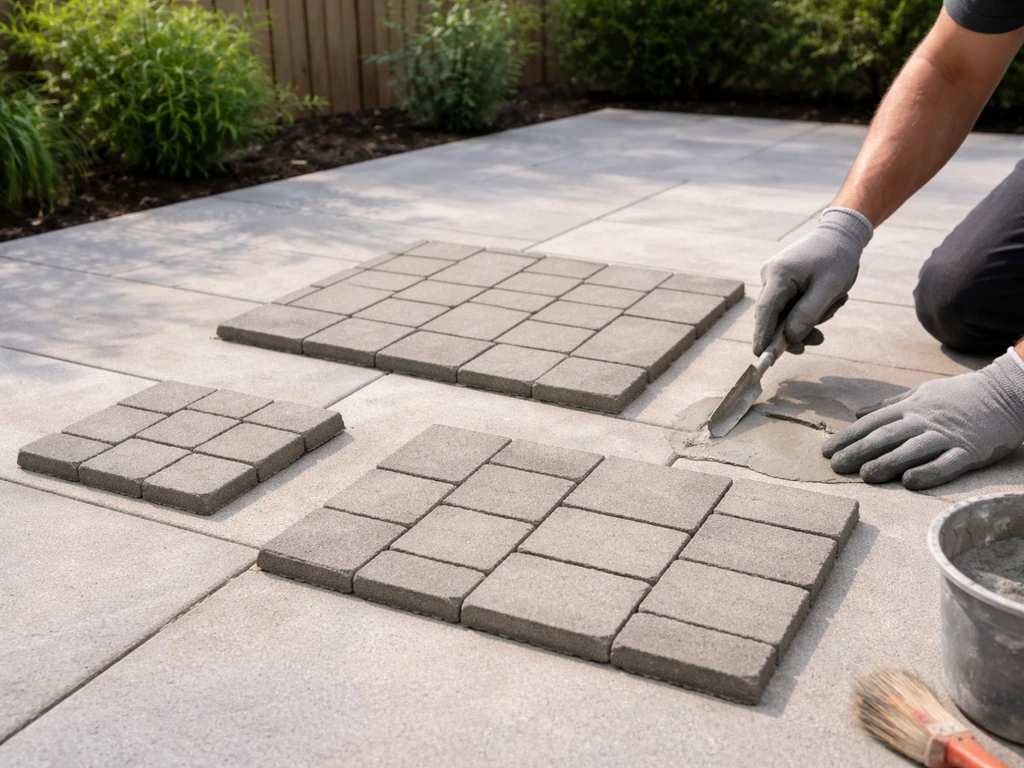
Here's a practical breakdown of what you'd realistically pay for full repointing at some of the most common residential patio sizes, plus for small spot repairs.
| Patio Size / Job Type | Square Footage | Estimated Pro Cost | Estimated DIY Material Cost |
|---|---|---|---|
| Small spot repair (a few joints) | 1 to 10 sq ft | $75 to $200 (minimum call-out) | $10 to $30 |
| 10x10 patio (full repoint) | 100 sq ft | $250 to $600 | $30 to $70 |
| 12x12 patio (full repoint) | 144 sq ft | $350 to $800 | $40 to $90 |
| 16x16 patio (full repoint) | 256 sq ft | $600 to $1,300 | $60 to $130 |
| 20x20 patio (full repoint) | 400 sq ft | $900 to $2,000 | $90 to $200 |
| Large patio (25x30+) | 750+ sq ft | $2,000 to $4,500+ | $160 to $350+ |
Keep in mind that most contractors have a minimum charge for coming out, typically $150 to $250. If you only need a few crumbling joints fixed, you'll often pay that minimum regardless of the actual labor time. For small patch jobs, bundling the work with another masonry or patio project, or doing it yourself, makes more financial sense. If you're trying to estimate the cost to tile a patio, you will need to budget for prep, materials, and labor in a similar way.
For a full patio repoint on a heavily deteriorated surface, expect costs to lean toward the top of those ranges. If the patio is mostly sound with just isolated failing sections, a skilled contractor can often reduce labor time significantly and come in closer to the low end.
What's included in a contractor quote (and what to watch for)
A solid repointing quote should break out labor and materials separately, so you can see what you're actually getting. Here's what a professional quote should typically include.
- Joint raking and preparation (labor time for removing old mortar to proper depth)
- Mortar materials (pre-mixed or site-mixed, with color matching)
- Joint filling and finishing labor
- Surface cleanup after mortar cures
- Basic protection of surrounding surfaces during work
What might not be included, and what you should ask about specifically before signing anything:
- Debris hauling and disposal fees
- Grinding or re-leveling sunken or heaved units
- Replacing cracked, broken, or badly stained units
- Weed treatment or root removal from joints
- Drainage assessment or correction
- Sealing after the mortar cures (typically 28 days for full cure)
- Color sealer or impregnator for stamped or colored concrete joints
Labor typically makes up 60 to 75 percent of the total cost on a repointing job. Materials for a 200 square foot brick patio, for example, might run $80 to $150, while labor for the same job could run $400 to $700. If you want the ballpark for how much to replace patio instead, pricing usually changes based on the material, area size, and whether the base needs work $400 to $700. This is why getting two or three quotes matters: the range in labor rates between contractors can be significant, sometimes 30 to 40 percent, even in the same city.
DIY repointing vs. hiring a pro
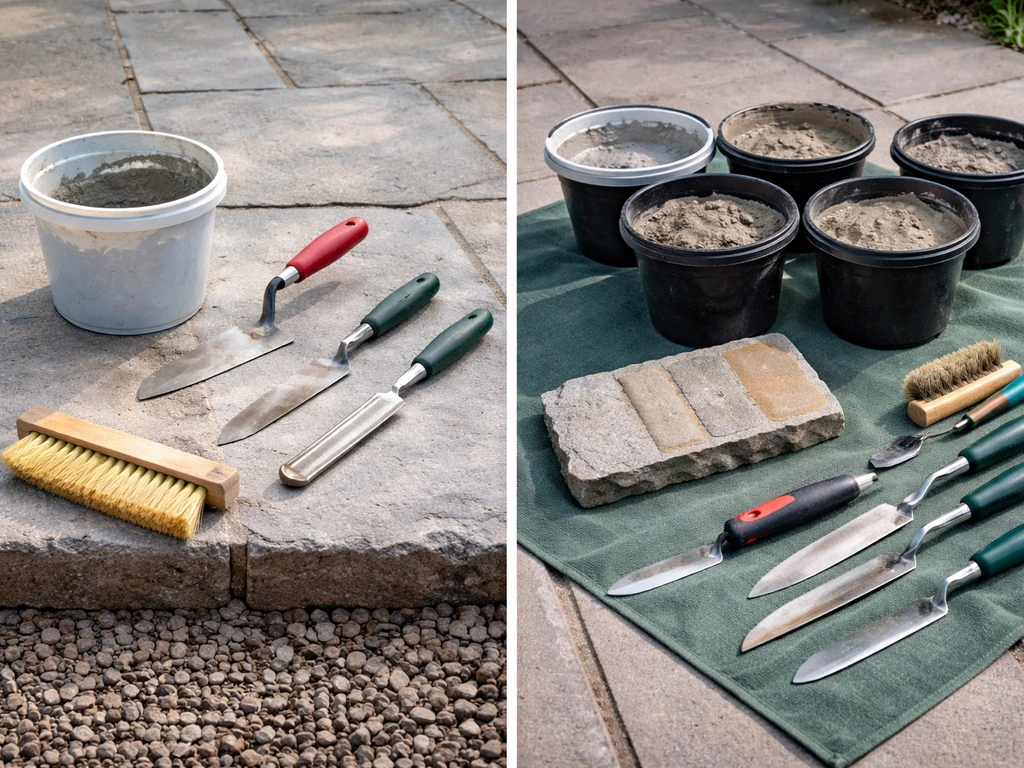
DIY repointing is genuinely doable for a patient, detail-oriented homeowner, but there are a few ways it can go wrong that end up costing more than just hiring someone from the start.
The case for DIY
If you have a small to medium patio (under 200 square feet) with straightforward joints and you're comfortable with basic masonry work, you can cut your total cost dramatically. Materials for a 144 square foot patio run about $50 to $90, depending on the mortar type and whether you buy pre-mixed or bag-and-mix your own. You'll also need a cold chisel or oscillating tool for joint raking, a pointing trowel, and a stiff brush, tools you can get for under $60 if you don't already have them.
The real risks of doing it yourself
The biggest DIY pitfall is mortar compatibility. Using a mortar that's too hard (high Portland cement content) on a patio surface built with a softer, lime-based mortar can cause the surrounding units to crack as the harder new mortar resists movement and pushes stress into the brick or stone instead. Industry guidance is clear: repointing mortar should be equal to or slightly softer than the original, not harder. If you don't know what mortar was originally used, a pro can test or estimate this; most DIYers skip that step entirely.
Color matching is the other common problem. Getting a test batch right takes multiple tries, and mortar color shifts significantly as it dries. A contractor who does this regularly knows how to account for dry-out color shift. A first-timer often ends up with joints that look noticeably different from the rest of the patio, not a disaster, but not what most people were hoping for.
Water intrusion is the third risk. If joints aren't filled to the right depth and finished flush with the paving surface, water pools in the joints, accelerates freeze-thaw damage, and you'll be repointing again in two or three years instead of ten.
| Factor | DIY | Professional |
|---|---|---|
| Material cost (per 100 sq ft) | $30 to $70 | Included in quote |
| Total cost (per 100 sq ft) | $30 to $100 (tools + materials) | $250 to $600 |
| Time required | 1 to 2 full days (100 sq ft) | Half day to 1 day |
| Mortar color matching | Difficult; trial and error | Experienced; test batches |
| Risk of compatibility error | Moderate to high | Low |
| Warranty / accountability | None | Usually 1 to 2 years |
| Best for | Small patches, simple brick or paver joints | Full patios, stone, historic brick, color-matched mortar |
What drives the price up or down
Before you call for quotes, it helps to understand which factors on your specific patio are going to push costs higher, or give you room to negotiate a lower price. The same factors also determine how much it costs to regrout a patio, since regrouting is essentially joint renewal.
- Joint condition: Joints that are just slightly loose take minutes to rake out. Joints packed with old repair attempts, hardened caulk, or growing roots take much longer and often need power tools to address properly.
- Joint width and depth: Wider, deeper joints (common in flagstone and dry-stack stone) take more mortar and more time to fill properly. A 1.5-inch flagstone joint holds roughly 12 times more mortar than a 3/8-inch brick joint.
- Mortar type: Standard premixed mortar is cheapest. Custom-colored mortars, lime-based mortars, or specialty mixes for natural stone can add 20 to 40 percent to material cost.
- Patio accessibility: A ground-level patio that a contractor can walk around freely is cheapest. Raised patios with limited access, or patios enclosed by furniture and planters, add time.
- Climate and weathering: Patios in freeze-thaw climates (Midwest, Northeast, mountain regions) tend to have deeper joint damage that requires more thorough raking. Southern climates more often see surface-only deterioration.
- Regional labor rates: Contractor rates in major metro areas (New York, San Francisco, Boston, Seattle) can run 30 to 50 percent higher than in smaller markets or rural areas for the same scope of work.
- Surface area vs. joint area ratio: A patio with large-format pavers (24x24 inch units) has far fewer linear feet of joints than a patio laid with 4x8 inch brick. Less joint area means less labor, even if the square footage is the same.
How to budget and compare quotes confidently
Getting an accurate estimate starts before you ever call a contractor. Here's how to set yourself up to compare bids clearly and avoid surprises.
Measure your patio and assess your joints first
Measure the length and width of your patio in feet and multiply to get square footage. For an irregular shape, break it into rectangles and add them up. Then walk the surface and make a rough note of what percentage of the joints are failing: is it 20 percent of the joints in one corner, or is the whole surface crumbling? This distinction matters a lot, a partial repair job costs significantly less than a full repoint, and a good contractor will price accordingly. If you're curious how repointing fits into a broader patio renovation, it's worth considering how it compares to costs for a full redo or even replacement, since at a certain level of deterioration, repointing alone may not be the most cost-effective path.
Questions to ask every contractor you get a quote from
- What joint depth will you rake to, and how do you determine that for my patio material?
- How are you matching the mortar color and strength to the original? Will you do a test patch I can review before full work begins?
- Is debris disposal included, or is that separate?
- What's not included in this quote? (Ask directly — this surfaces add-ons.)
- Do you recommend sealing after repointing, and what's the cost if so?
- What warranty do you offer on the work?
- Are there any units that need replacement, and how would those be priced?
How to spot a low quote that isn't really a deal
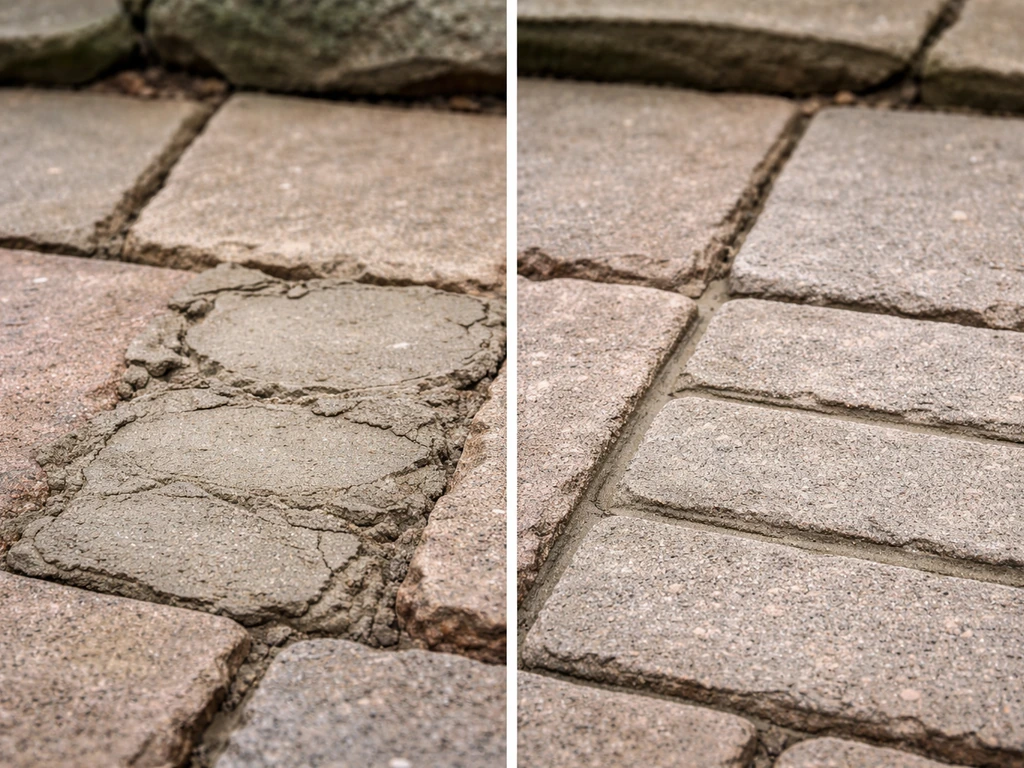
The most common way a quote comes in suspiciously low is that it skips proper joint preparation, just grinding the surface and applying fresh mortar on top of old deteriorated material. IMI notes that proper repointing requires removing deteriorated mortar to prepare sound joint surfaces before applying compatible pointing mortar with appropriate strength and water management Tech Brief. This looks fine for six months and then fails completely. Ask any contractor how deep they're going and what they're using to remove old mortar. If the answer is vague, that's a red flag. Also compare quotes on the same scope: if one contractor is quoting partial repair and another is quoting full repointing, the prices aren't comparable without adjusting for that.
For most patios in decent shape, repointing is a cost-effective maintenance step that extends surface life by 10 to 20 years. If the surface has more than 40 to 50 percent joint failure across the whole area, or if there are structural issues underneath, it may be worth getting a quote for a full restoration or replacement alongside your repointing bids, the cost difference can be less dramatic than you'd expect, and the result is considerably better. Similarly, if your patio has significant settling or drainage issues, repointing alone won't solve the underlying problem, and a mudjacking or re-leveling fix may need to happen first. Mudjacking patio costs vary based on the area that needs re-leveling, site access, and how far the units have settled mudjacking or re-leveling.
FAQ
Can I repoint only the failing spots, or do I have to do the whole patio?
If your patio joints are mostly intact, you can usually avoid a full repoint and pay for spot repairs. Measure failing areas as a percent of total joints, then ask the contractor to quote either “partial repointing” by square footage or by the number of joints/linear feet, so you can compare bids on the same scope.
Will repointing alone fix persistent cracking in the same areas?
Yes, but it is often a waste if the joints are failing for the same reason the mortar is breaking, such as poor drainage, trapped water, or base movement. If you have recurring failure in the same locations after cleaning, ask the contractor to inspect runoff direction and consider re-leveling or drainage fixes before repointing.
What should I ask about warranty coverage for repointing?
A common warranty issue is workmanship tied to preparation and mortar selection. Before work starts, ask what the warranty covers (materials, labor, labor restart if it fails), the expected service life, and whether they will match mortar type and compressive strength to the existing joints.
How long should I wait before using my patio after repointing?
For most residential patios, waiting until the mortar reaches the manufacturer’s cure time is key, then avoid traffic and water exposure long enough for full strength development. Ask for the minimum dry and curing period before using the patio, and whether light rain requires a specific protective cover.
How can I tell if a repointing quote includes proper joint preparation?
Before signing, confirm whether the quote includes joint depth verification, full joint raking to sound mortar, and dust cleanup before mortar is applied. If the contractor can’t describe how deep they rake and how they prevent debris from being trapped, treat the quote as incomplete.
What if my patio is made of pavers with polymeric sand joints?
If your patio uses polymeric sand between pavers, traditional “mortar pointing” may not be appropriate, and mixing systems can lead to poor performance. Ask whether they will use polymeric sand reinstallation, a compatible replacement mortar, or full joint reset based on what’s currently there.
Why do new mortar joints sometimes look a different color, and can I prevent it?
Color mismatch is usually caused by differences in cementitious mix, pigment ratio, and drying conditions. Ask the contractor to do a small test panel in an out-of-sight corner, confirm whether they account for dry-out color shift, and request the same batch/mix approach for the full job.
What costs are commonly added later, and how do I avoid surprises?
Yes. Ask whether they will haul debris offsite and whether any grinding or re-leveling dust cleanup is included. Also confirm if they cover surrounding plants or surfaces, since thinset-like residue and slurry can stain or damage adjacent materials.
When does repointing become the wrong solution compared with restoration or replacement?
If more than roughly 40 to 50 percent of joints are failing across the whole patio, or if you notice movement, rocking pavers, or uneven surfaces, repointing may be only part of the fix. Ask for a surface and base assessment, and request a separate option for re-leveling or base repair.
What are the most common DIY mistakes that cause repointing to fail early?
DIY often fails when the mortar is too hard, joints are under-filled, or the finish isn’t flush, which allows water pooling. If you try DIY, use the same (or slightly softer) mortar type as the original, rake to the depth needed for your joint width, and keep joints fully packed and leveled.
Why does the price per square foot vary even for patios with the same area?
Yes, because joint spacing and surface configuration change the linear feet of joint material more than square footage alone. Ask for pricing based on either square footage plus average joint width, or linear feet of joints, especially for flagstone with irregular joints.
Does weather or freeze-thaw affect repointing cost or durability?
Yes, in winter climates freeze-thaw can accelerate early deterioration if water remains in joints or if work is done when temperatures are too low. Ask about minimum application temperatures, curing protection, and whether they recommend sealing based on your local freeze-thaw cycles.
Next Articles
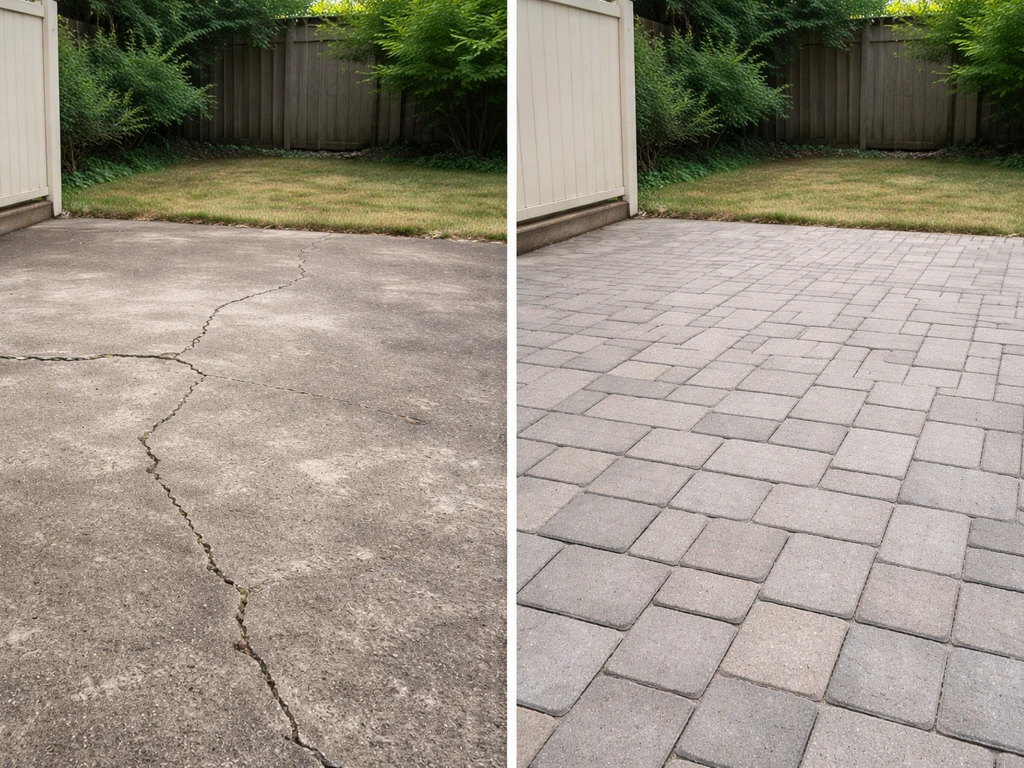
How Much Does It Cost to Redo a Patio? Complete Guide
Budget patio redo costs by option and size, with concrete pavers and stone price ranges, labor factors, and quote checkl
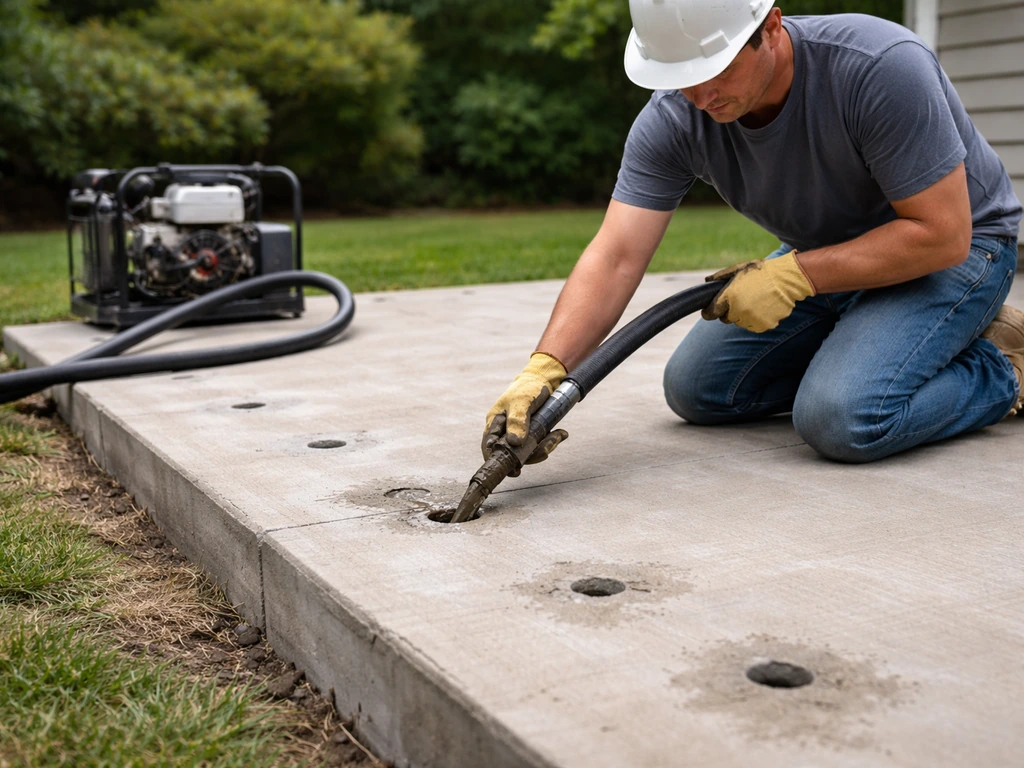
How Much Does Mudjacking Patio Cost? Pricing Guide
Mudjacking patio costs by size and square foot, plus pricing breakdown, factors, DIY risks, and how to get accurate cont
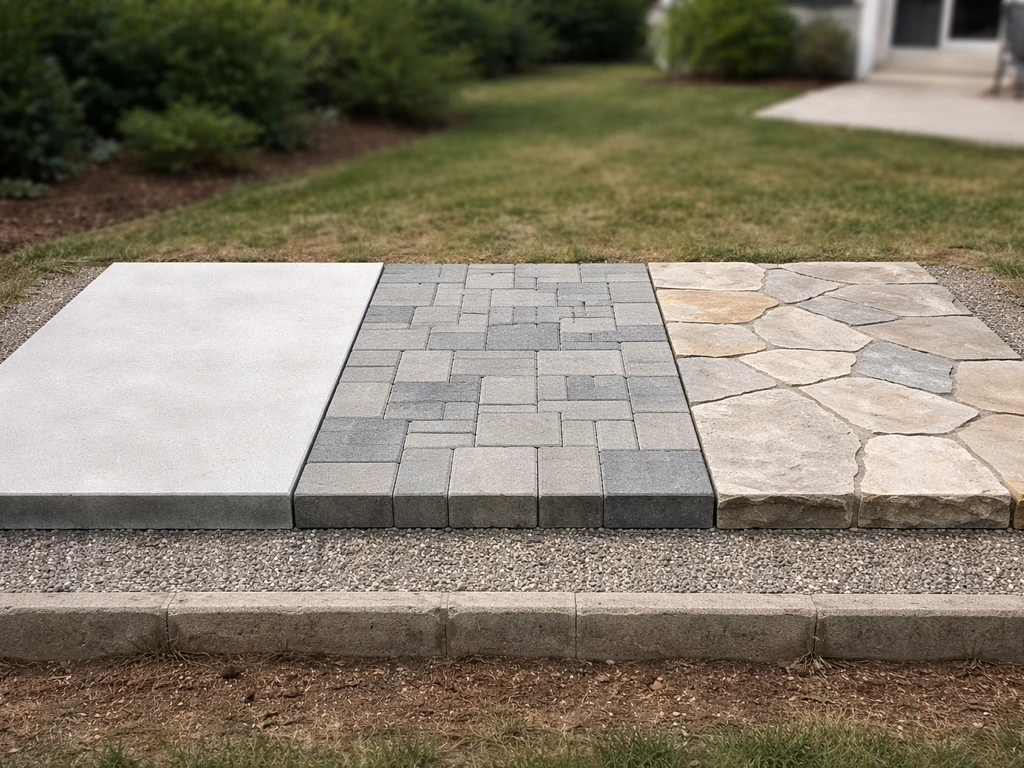
How Much Should I Expect to Pay for a Patio
Patio cost guide with real price ranges by size and material, full line-item budget, DIY vs install, and quote checklist