
A natural slate patio in the UK typically costs between £90 and £180 per m² fully installed, which works out to roughly £810–£1,620 for a small 9 m² (10x10 ft) patio and £2,000–£4,500 for a larger 25 m² space. That range covers materials, blank" rel="noopener noreferrer">sub-base prep, labour, and waste disposal. If you're supplying your own slate and just paying for labour, expect to pay around £40–£70 per m² for the groundwork and laying alone. The wide range exists because slate quality, site conditions, and design complexity vary enormously, so let's break it all down so you can build a realistic budget.
How Much Does a Slate Patio Cost? Installed Prices by Size

Felix Carver
26 Jun 2026
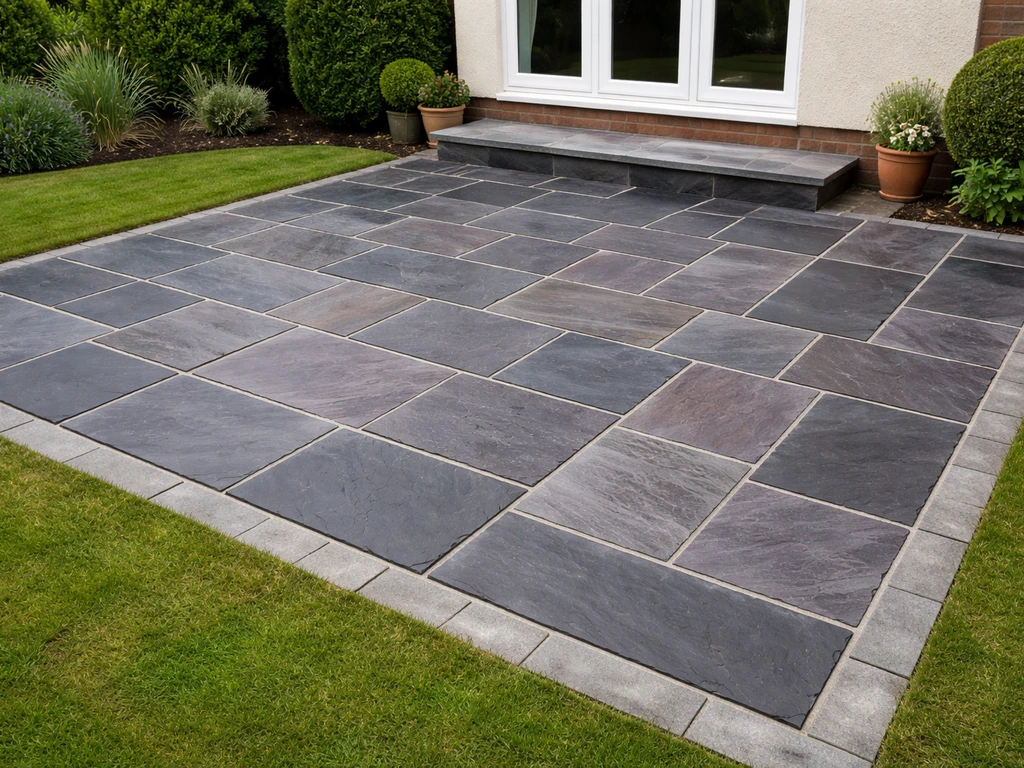
What a slate patio actually costs per square metre
Based on current 2026 UK contractor pricing, here's where slate sits across different scopes of work. Materials-only (just the slate slabs) run about £40–£90 per m² depending on thickness, origin, and finish. Add in sub-base, sharp sand, cement, and delivery and your material total climbs to roughly £55–£110 per m². Once you factor in a tradesperson's labour for excavation, sub-base installation, laying, and pointing, the full installed cost lands at £90–£200 per m², with most straightforward residential jobs falling in the £110–£160 per m² range. Check the Quote’s 2026 UK patio cost guide also places natural slate at £90, £180 per m² when fully installed, including typical sub-base preparation blank" rel="noopener noreferrer">natural slate at £90–£180 per m² when fully installed. If you want a simple yardstick before you get quotes, use this to estimate how much it costs to lay patio slabs for your site size and finish the full installed cost lands at £90–£200 per m².
| Scope | Cost per m² |
|---|---|
| Slate slabs only (materials) | £40–£90 |
| Materials including sub-base, sand, cement | £55–£110 |
| Fully installed (labour + all materials) | £90–£200 |
| Labour only (you supply slabs) | £40–£70 |
The upper end of that installed range (£160–£200 per m²) applies to premium slate, complex patterns, awkward access, or sites that need significant groundwork. A simple square or rectangular patio with standard Welsh or Indian slate and straightforward access will sit comfortably in the middle of that band.
Breaking down where the money goes
People often underestimate how much of a patio cost is invisible, meaning everything under the slate itself. Here's a realistic breakdown for a typical 15 m² slate patio project in 2026.
Slate materials
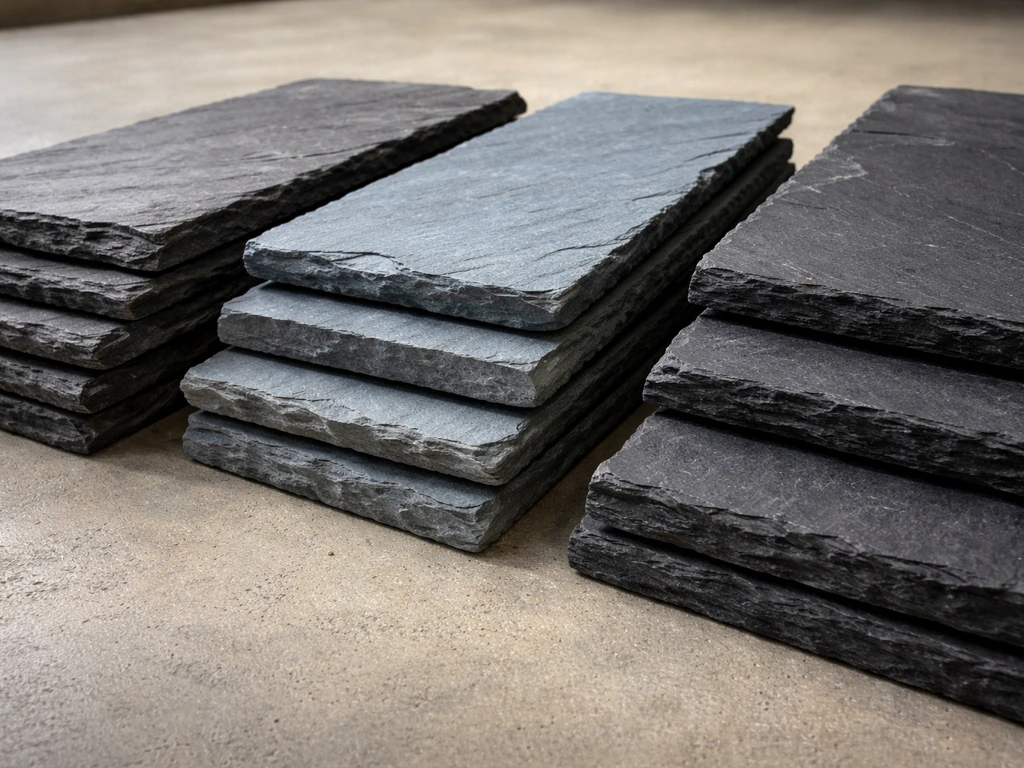
The slabs themselves usually account for 35–50% of your total bill. Indian slate (the most common budget option) runs around £40–£55 per m² for materials. Welsh slate is considerably more expensive at £70–£90 per m² or higher. Buy at least 10% extra to account for cuts and breakages; slate is a brittle stone and off-cuts add up fast.
Sub-base and base preparation
This is the part most DIYers underbudget. A proper patio needs excavation to at least 150mm depth, followed by at least 100mm of compacted MOT Type 1 hardcore sub-base, then a mortar bed. The patio also needs a fall of at least 1 in 80 (about 12mm per metre) away from the house to manage drainage. Getting this wrong leads to pooling water and frost heave that will crack your slate within a few years. For a typical job, sub-base materials and preparation add roughly £15–£30 per m² to the cost.
Labour
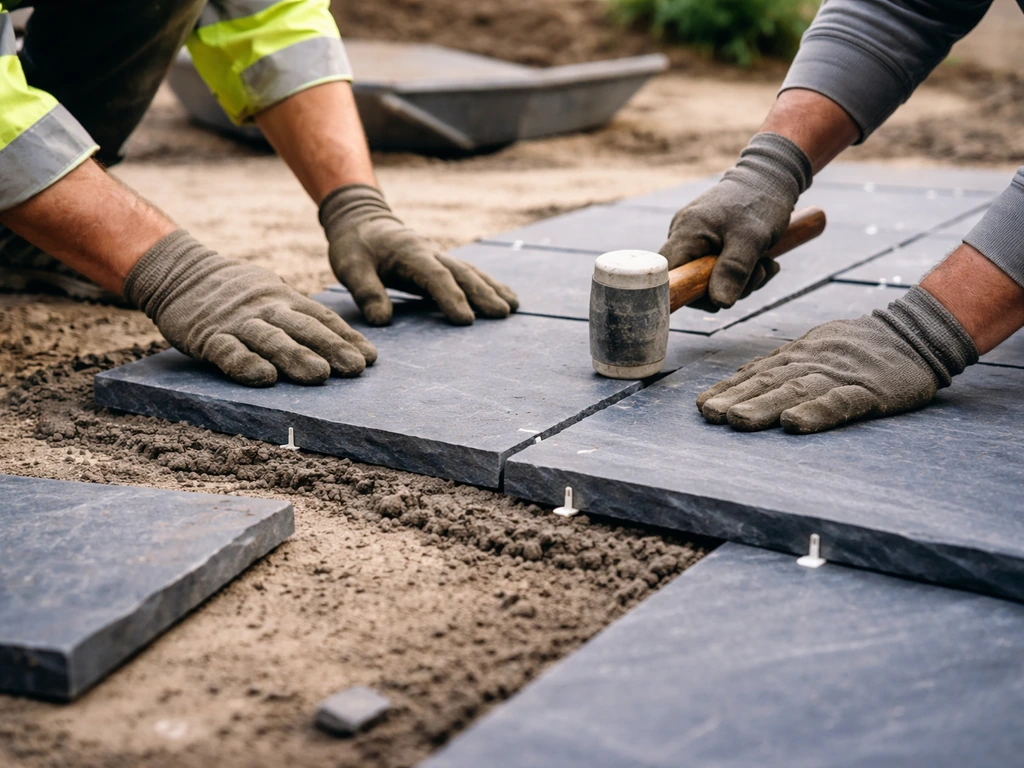
Labour typically runs £40–£70 per m² for a competent paving contractor, covering excavation, compaction, laying to falls, cutting, and pointing. More complex work (curves, intricate patterns, steps) can push this to £80 per m² or more. Labour is usually the biggest single line item on the invoice.
Delivery
Slate is heavy. A pallet of 15–20 m² worth of slate can weigh 800–1,000 kg. Delivery from most stone suppliers costs £40–£100 depending on distance and whether a tail-lift lorry is needed. Some suppliers offer free delivery on orders over a certain value, so it's worth asking.
Waste removal and extras
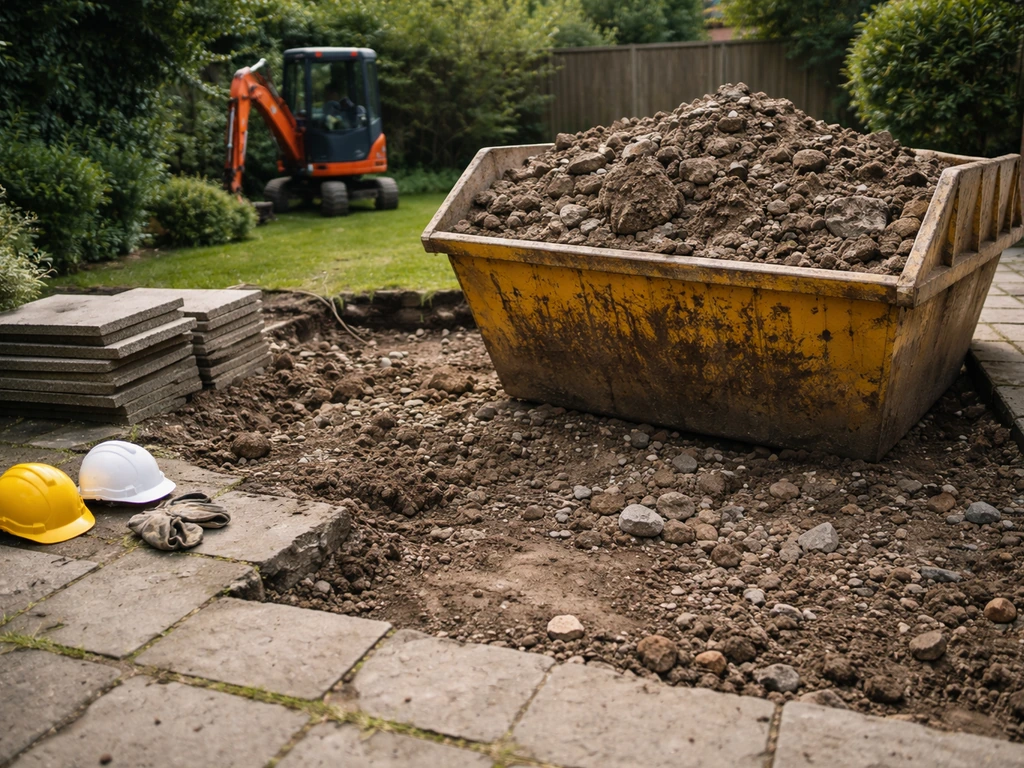
Soil and rubble removal from excavation is often quoted separately. A skip hire typically costs £200–£350, or contractors may charge a fixed waste removal fee. If your patio includes steps, a raised border, or drainage channels, budget an additional £100–£400 depending on complexity. Pointing materials (grout or mortar jointing) are usually included in a contractor's quote but worth verifying.
What makes the price go up (or down)
Several specific factors can shift your quote significantly in either direction.
- Slate quality and origin: Indian slate is budget-friendly; Welsh, Brazilian, or Spanish slate is premium and can cost 50–100% more for the stone alone.
- Thickness: Thinner 10mm slate is cheaper but more prone to cracking underfoot. The 20–30mm thickness is standard for patios and worth the extra cost.
- Surface finish: Natural riven (rough, naturally split) is the most common and affordable. Honed or polished finishes add to material cost and require more maintenance.
- Layout complexity: A straightforward grid pattern is the cheapest to lay. Random patterns, diagonal layouts, or intricate borders require more cuts and more skilled labour time.
- Site conditions: Soft ground, slopes, poor drainage, or difficult access (a narrow side passage, for example) all increase labour cost.
- Borders and edging: A contrasting border in a different stone or brick adds visual appeal but also adds material and labour cost, typically £50–£150 extra depending on perimeter length.
- Steps: Each step costs roughly £80–£200 to construct in matching slate depending on width and the number of risers.
- Removal of an old patio: If you need an existing slab patio lifted and disposed of, add £300–£600 for the work and skip.
Example budgets by patio size
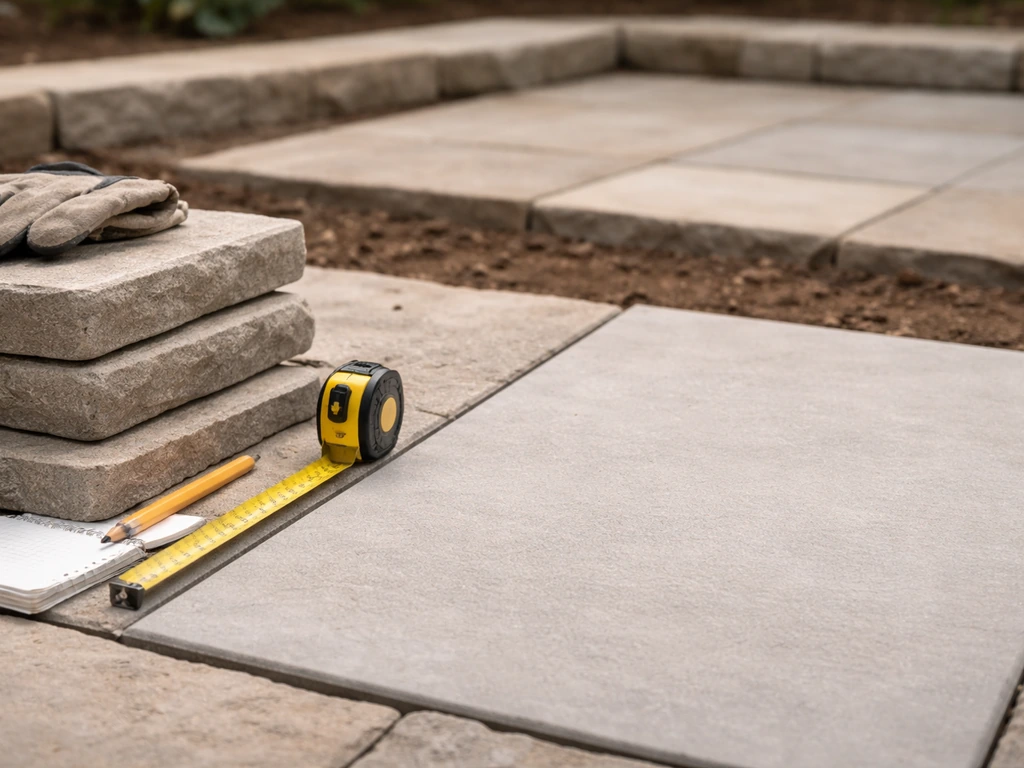
These estimates use mid-range Indian slate, standard rectangular layout, and typical site conditions. They include excavation, MOT sub-base, mortar bed, laying, pointing, and waste removal. They do not include steps, decorative borders, or premium slate upgrades.
| Patio Size | Area (approx m²) | Budget Range (installed) | Mid-Range Estimate |
|---|---|---|---|
| 10 x 10 ft | 9 m² | £810 – £1,620 | £1,200 |
| 12 x 12 ft | 13 m² | £1,170 – £2,340 | £1,750 |
| 16 x 16 ft | 24 m² | £2,160 – £4,320 | £3,200 |
| 20 x 20 ft | 37 m² | £3,330 – £6,660 | £5,000 |
| 25 m² (standard garden patio) | 25 m² | £2,250 – £4,500 | £3,300 |
| 40 m² (large entertaining area) | 40 m² | £3,600 – £7,200 | £5,400 |
If you upgrade to Welsh or premium imported slate, add roughly 40–60% to the material portion of those figures. For a heavily landscaped project with steps, drainage work, and planting borders, costs can easily reach the top end or beyond.
How slate compares to other patio materials
Slate is a mid-to-upper-range patio material. It looks stunning and weathers beautifully, but it isn't always the cheapest or most practical choice for every garden. Here's how it stacks up against the alternatives.
| Material | Installed Cost (per m²) | Durability | Maintenance | Best For |
|---|---|---|---|---|
| Natural slate | £90–£200 | Good if thick enough | Moderate (needs sealing) | Contemporary or natural garden styles |
| Flagstone (sandstone/limestone) | £80–£180 | Very good | Low–moderate | Rustic, traditional gardens |
| Concrete block pavers | £50–£110 | Excellent | Low | Budget-friendly, driveways and patios |
| Stamped concrete | £60–£130 | Good | Low–moderate | Large areas, modern look |
| Standard concrete slab | £40–£90 | Good | Very low | Functional, cost-focused projects |
| Brick | £70–£150 | Excellent | Low | Traditional, period-style gardens |
| Porcelain tiles | £90–£200 | Excellent | Very low | Modern, low-maintenance gardens |
The honest comparison: if you love the look of natural stone but want something easier to maintain and slightly more forgiving to lay, sandstone flagstone is very close in price and arguably more durable for UK garden use. Porcelain sits at a similar price to slate but requires almost no maintenance and doesn't need sealing. Concrete and pavers are meaningfully cheaper if budget is the primary concern. The patio cost guides for other stone types and laying costs covered elsewhere on this site can help you run those comparisons in more detail.
The maintenance reality with slate
Slate should be sealed after installation and resealed every 2–3 years, especially in wet climates. A good penetrating sealer costs around £20–£40 per litre and covers about 4–6 m² per litre depending on porosity. Skip this step and you'll likely see staining, frost damage to thinner slabs, and colour fade. Factor ongoing maintenance into your total cost of ownership comparison.
DIY vs hiring a contractor: the honest breakdown
Laying slate is genuinely harder than laying concrete block pavers or standard paving slabs. You can use the figures in this guide to estimate how much it costs to lay a patio in your own garden, based on size and site conditions Laying slate. The stone is irregular in thickness (especially riven slate), brittle, and unforgiving of errors in the mortar bed. That said, it is doable for a confident DIYer who's willing to invest the time and accept some risk. Here's what to factor in.
DIY cost and time estimate
For a 15 m² patio, a DIY project will typically take 3–5 full days for someone with basic paving experience. Materials (slate, sub-base, mortar, pointing compound) will run roughly £700–£1,200. Tool hire for a plate compactor and angle grinder with diamond blade adds another £100–£200. So your DIY cost might be £800–£1,400 versus a contractor's £1,600–£2,800 for the same area. The saving is real, but so are the risks.
Where DIY goes wrong with slate
- Uneven mortar bed: Slate's variable thickness makes it very easy to end up with a rocking or uneven surface. Fixing this after the mortar sets means relaying sections.
- Incorrect falls: If the drainage gradient isn't right, water pools against your house or in dips in the patio. This is a structural issue, not just aesthetic.
- Breakage: Thin Indian slate breaks surprisingly easily when being cut or if the mortar bed has voids underneath. Budget 15–20% extra material rather than the contractor's 10%.
- Pointing failure: Rushing the pointing or using the wrong mix leads to cracked or crumbling joints within a season.
- Sub-base shortcutting: Skipping proper compaction to save time is the most common reason DIY patios fail within 2–3 years.
When to hire a pro
Hire a contractor if your site has any slope, if you're including steps, if access is tight, or if the patio is large (over 20 m²). The labour-only cost for just the laying work is covered in related guides on this site, which can help you decide whether to supply your own slate and hire labour separately. For a straightforward rectangular patio on level ground, a skilled DIYer can absolutely get a good result, but go in with realistic time estimates and a solid plan.
How to get accurate quotes and what to check
Getting a realistic quote means giving contractors the right information upfront and knowing which line items to scrutinise. Here's a practical checklist.
What to tell contractors before they quote
- Exact dimensions of the patio area (measure twice)
- Whether you're supplying the slate or want them to source it
- Current state of the ground (existing patio, lawn, soft ground, slope)
- Access details (narrow gate, steps to garden, distance from vehicle drop-off)
- Any extras needed: steps, raised border, drainage channel, removal of existing patio
- Your preferred slate type and thickness (Indian riven, Welsh, honed, etc.)
- Whether you want a pointing finish or open joints
Line items to verify in every quote
- Is excavation and disposal included, or quoted separately?
- What depth of sub-base is being specified (should be minimum 100mm MOT Type 1)?
- Does the quote include the correct drainage fall away from the house?
- Is pointing included, and what method (mortar, brush-in jointing compound)?
- Is the slate supply price based on a specific product, or a placeholder to be confirmed?
- What's the payment schedule, and is there a retention on the final payment?
- Does the quote include VAT? (Always clarify this)
How many quotes to get
Get at least three quotes. Slate patio pricing varies a lot between contractors, and the cheapest quote isn't always bad value; it might just reflect a more efficient operation. But if one quote is dramatically lower than the others, ask specifically what's been left out. Common omissions are waste removal, VAT, and anything described as 'preparation works, to be confirmed on site.' Also check whether the contractor is quoting supply and fit together or labour only, since mixing these up when comparing quotes is a very easy mistake.
Estimating how much slate to order
Measure your patio area in square metres and add 10% for a contractor-laid job (for cuts and waste), or 15–20% if you're doing it yourself. For irregular or diagonal patterns, add a full 20% regardless. Slate is sold by the square metre or by the pallet, and most UK suppliers will tell you exactly how many m² a pallet covers. Order from a single batch where possible, as colour can vary between production batches, particularly with Indian slate.
Regional pricing variation
Labour rates vary noticeably across the UK. London and the South East typically run 20–35% above national averages. Scotland and Northern Ireland tend to be at or slightly below the national midpoint. Material prices are more consistent nationwide, though delivery costs can vary. If you're in a rural area where few contractors specialise in natural stone, you may find prices are higher due to limited local competition, so it's worth contacting suppliers in the nearest large town.
FAQ
What should I check in a slate patio quote so I don’t get an unexpectedly high final bill?
Many quotes look cheaper until you confirm whether VAT, site clearance, and waste removal are included. Ask for a line-by-line breakdown and, if possible, a total “all-in” price that includes skip hire or rubble removal, plus VAT and delivery, because those add up quickly on slate jobs.
Does drainage and creating a fall change how much a slate patio costs?
Yes, if your patio needs a significant fall away from the house, you may pay for extra excavation and regrading to achieve the target (about 1 in 80). Tell the contractor where the water currently runs, and request a brief explanation of how they will form the fall before they quote.
How much does site access affect pricing for a slate patio?
It can. For patios near steps, gates, or tight side access, labour time and cutting increase, which pushes the labour rate toward the top of the typical range. A practical step is to measure the widest point and clearance needed for a wheelbarrow, skip, and material handling, then share those dimensions with the estimator.
Why do two quotes for the same slate patio size differ so much?
Request the contractor’s allowance for waste and how they calculate it. Slate is brittle, and for irregular shapes or angled layouts you often need more allowance (the article notes higher add-on percentages), so confirm whether they’ve priced the correct extra tonnage or m² for cuts and breakage.
Can I supply the slate myself and have someone else install it, and what costs can still surprise me?
If you’re thinking of buying slabs yourself and hiring a contractor to lay only, confirm what “labour-only” includes, such as removal of existing paving, sub-base delivery, compaction, and pointing. Also check whether they’ll accept slate from multiple batches, since matching colour can affect how they handle and order wastage.
Is sealing included in the typical cost, and should I budget extra for it?
Sealing is often omitted from initial comparisons. The article mentions sealing after installation and resealing every 2 to 3 years, so budget the cost of a penetrating sealer (including coverage, which depends on porosity). It’s a good idea to ask whether the contractor will clean and seal as a separate line item.
Do delivery and moving heavy slate pallets change the total installed price?
Yes, because slate is heavy and fragile, contractors may charge differently for storage and handling. Confirm whether delivery is to kerbside or requires a tail-lift, and whether they include moving pallets to the work area, since that labour can be non-trivial.
How do I compare supply-and-fit versus labour-only quotes fairly?
Usually not, but it depends on the contract. If the pricing is “supply and fit,” contractors typically include VAT and standard preparation, while “labour only” often excludes VAT on materials and delivery. Compare quotes using the same scope, or you can end up stacking costs twice.
What questions should I ask a contractor to reduce the risk of slate cracking or pooling water?
You can reduce risk by asking for evidence of experience with natural slate and a method statement for laying to falls, mortar bed thickness, and pointing approach. Also ask what happens if the sub-base is found to be weaker than expected, because remediation costs can change the final number.
If slate is too expensive, what is the most cost-effective alternative to compare it with?
If you’re considering switching from slate to another finish, ask whether the alternatives require sealing, and whether they tolerate freeze-thaw and surface staining in your local conditions. The article notes that porcelain needs little maintenance, and sandstone can be similar in price but different in durability, so make your comparison based on maintenance and longevity, not just install cost.
Next Articles
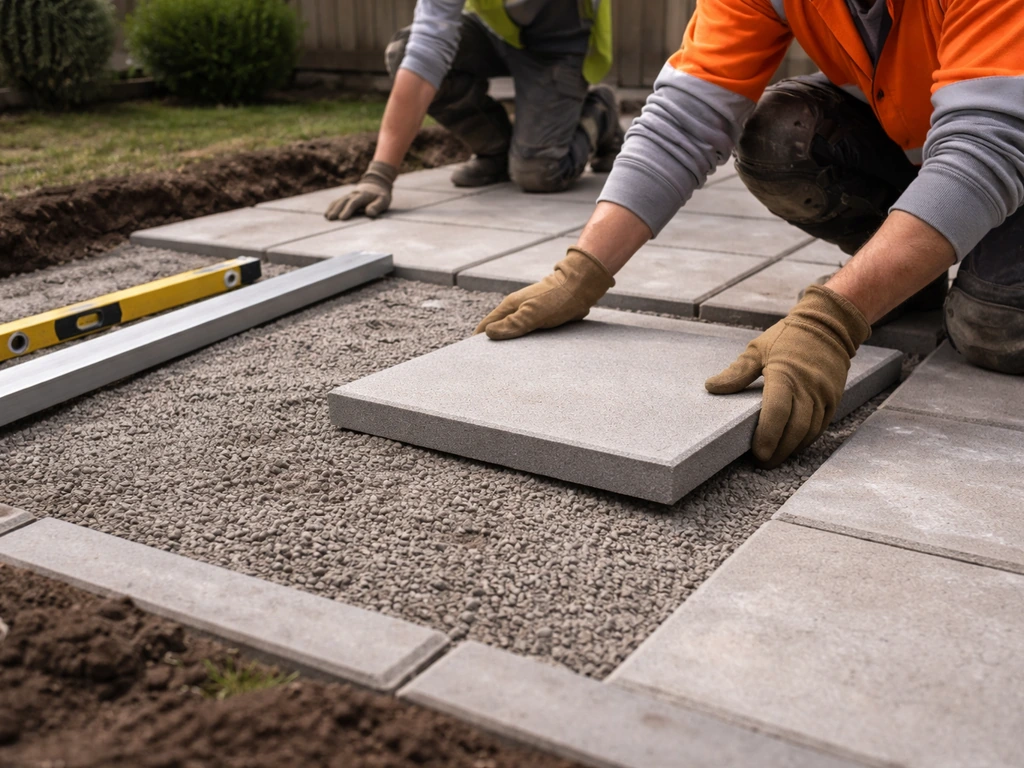
How Much Does It Cost to Lay a Patio? Prices by Size
Cost to lay a patio by size and material, with labor breakdown, factors, and steps to get accurate contractor quotes.
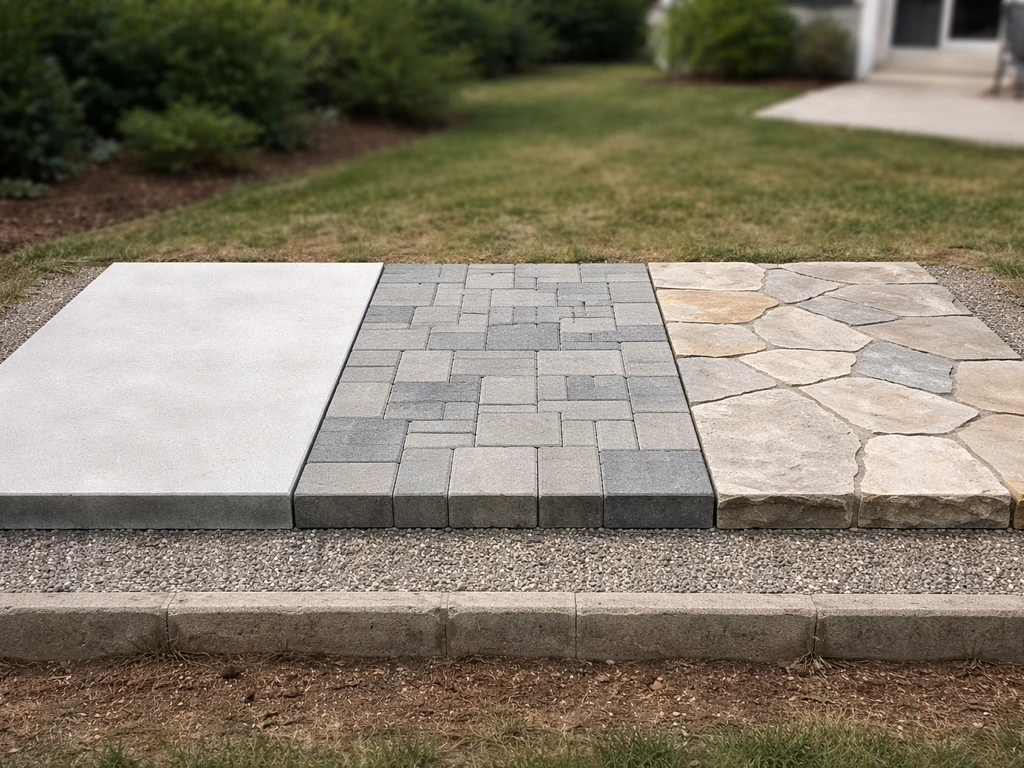
How Much Should I Expect to Pay for a Patio
Patio cost guide with real price ranges by size and material, full line-item budget, DIY vs install, and quote checklist
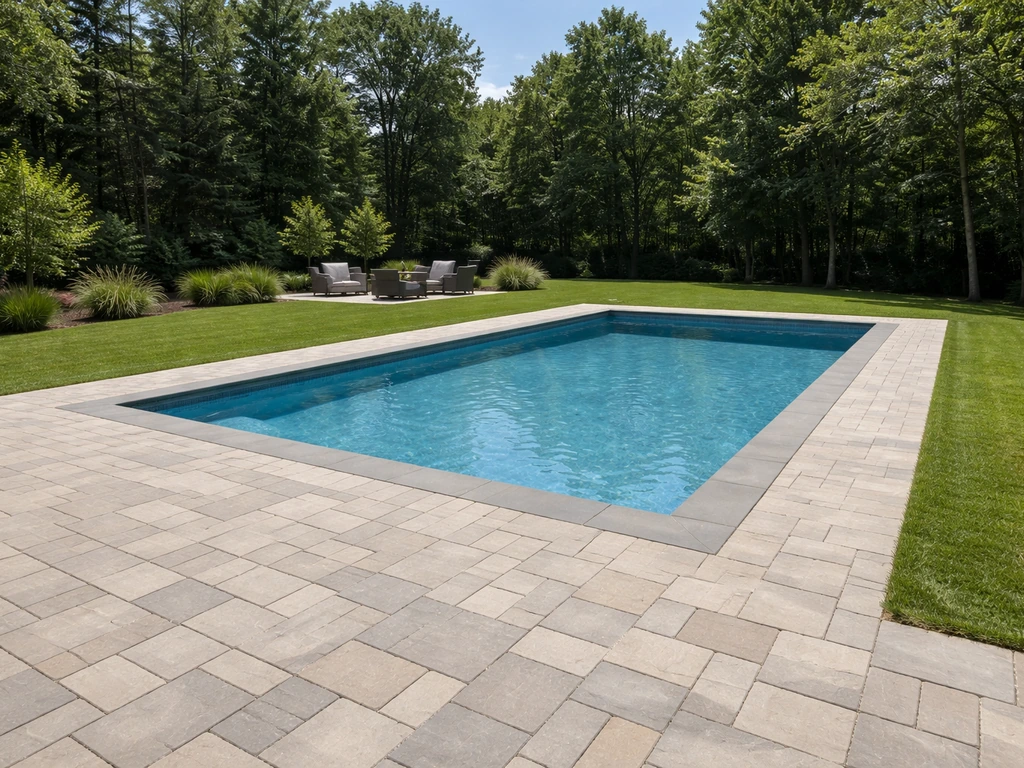
How Much Patio Around Pool: Cost, Size, and Budget Guide
Learn how much patio around a pool costs and how to size square feet, materials, extras, and get real bid line items.