
A small concrete patio runs roughly $800 to $2,500 installed for a 10x12 foot slab in 2026, which works out to about $6 to $18 per square foot depending on finish, site conditions, and your region. A plain broom-finished slab on a flat lot lands closer to the low end. Add stamping, color, or a tricky site and you'll push toward the top. For a 10x10 patio (100 sq ft), budget $600 to $1,800. For a 12x12 (144 sq ft), expect $850 to $2,600.
How Much Does a Small Concrete Patio Cost? Updated Prices

Felix Carver
14 Jun 2026
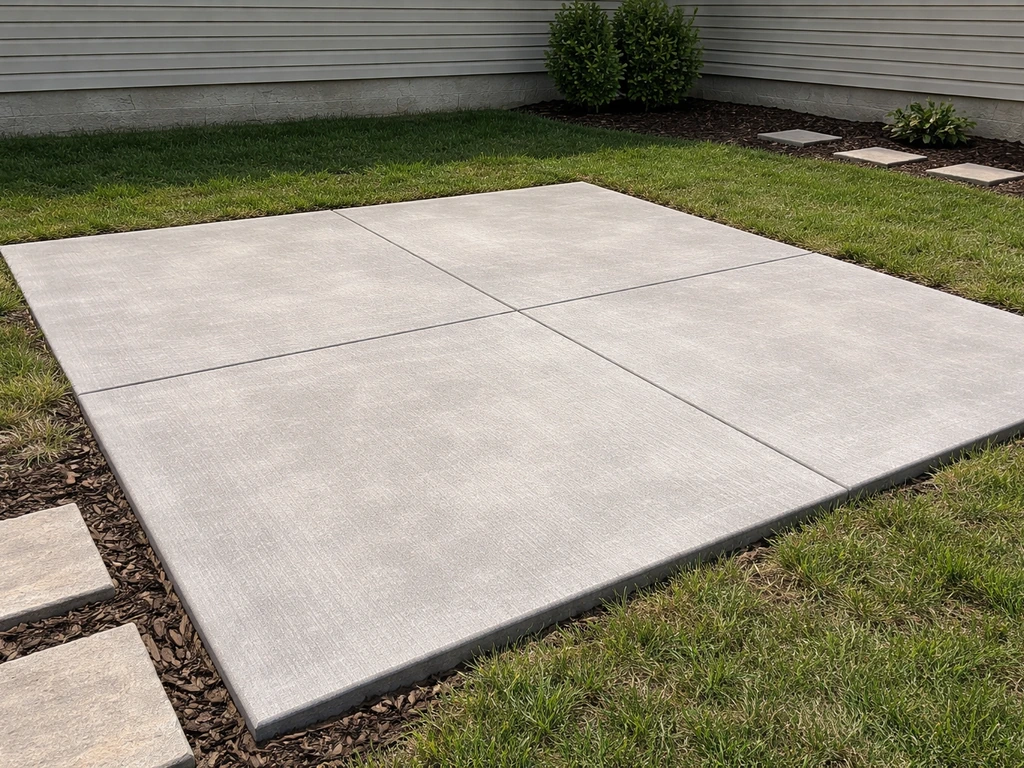
Quick cost ranges by small patio size
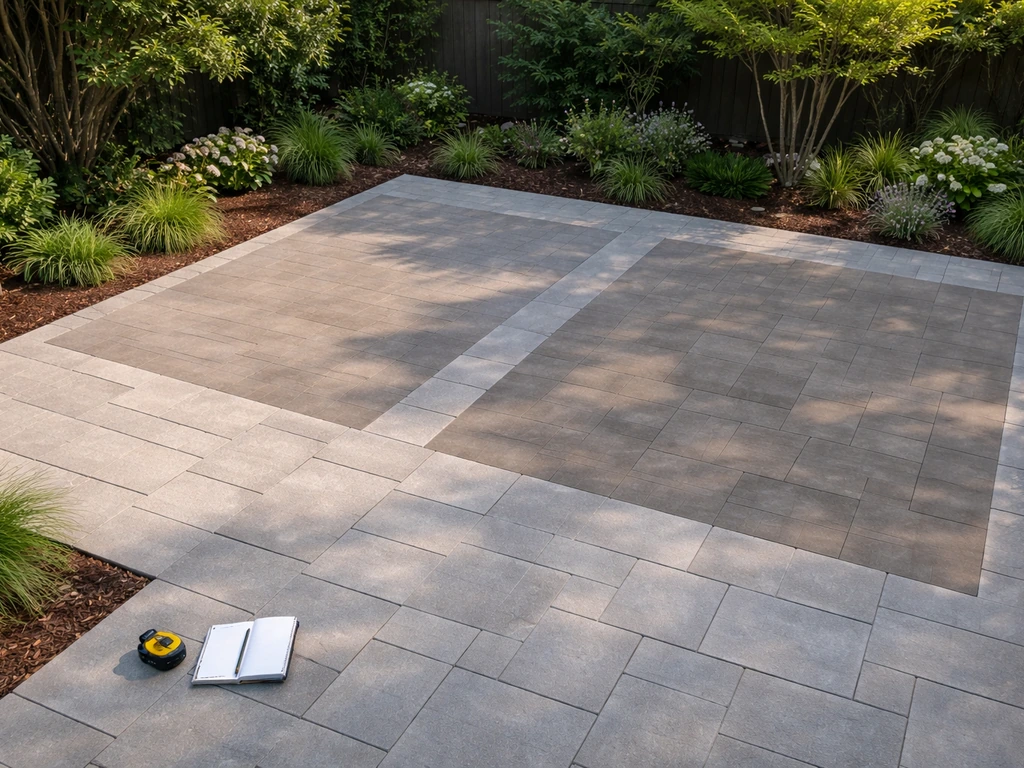
Here's a straightforward look at what most homeowners pay for common small patio sizes in 2026, based on standard installed pricing of $6 to $18 per square foot. The lower end assumes a basic broom finish, flat ground, and no major site prep. The higher end covers colored or lightly stamped concrete with edging and moderate excavation.
| Patio Size | Square Footage | Low Estimate (plain) | High Estimate (custom) |
|---|---|---|---|
| 8x10 | 80 sq ft | $480 | $1,440 |
| 10x10 | 100 sq ft | $600 | $1,800 |
| 10x12 | 120 sq ft | $720 | $2,160 |
| 12x12 | 144 sq ft | $865 | $2,590 |
| 12x16 | 192 sq ft | $1,150 | $3,460 |
Keep in mind these are installed totals, meaning a contractor pours the slab, handles the base, and does standard finishing. Regional pricing can push these numbers meaningfully higher or lower, which I'll cover below. Union County, NC, for example, publishes official schedule-of-values rates of $10. Union County, NC publishes schedule-of-values rates that list concrete patio unit prices of $10.21 per square foot for standard quality and $14.68 per square foot for high quality, with pricing by patio size tiers. 21 per sq ft for standard quality and $14.68 per sq ft for high quality concrete patios, which lands right in the middle of the national range and is a useful sanity check when reviewing contractor quotes.
What's actually inside that price: the cost breakdown
When a contractor quotes you $1,500 for a 10x12 patio, that number should be covering five distinct cost layers. Understanding each one helps you spot whether a bid is complete or missing something that'll show up as a change order later.
Site prep and excavation
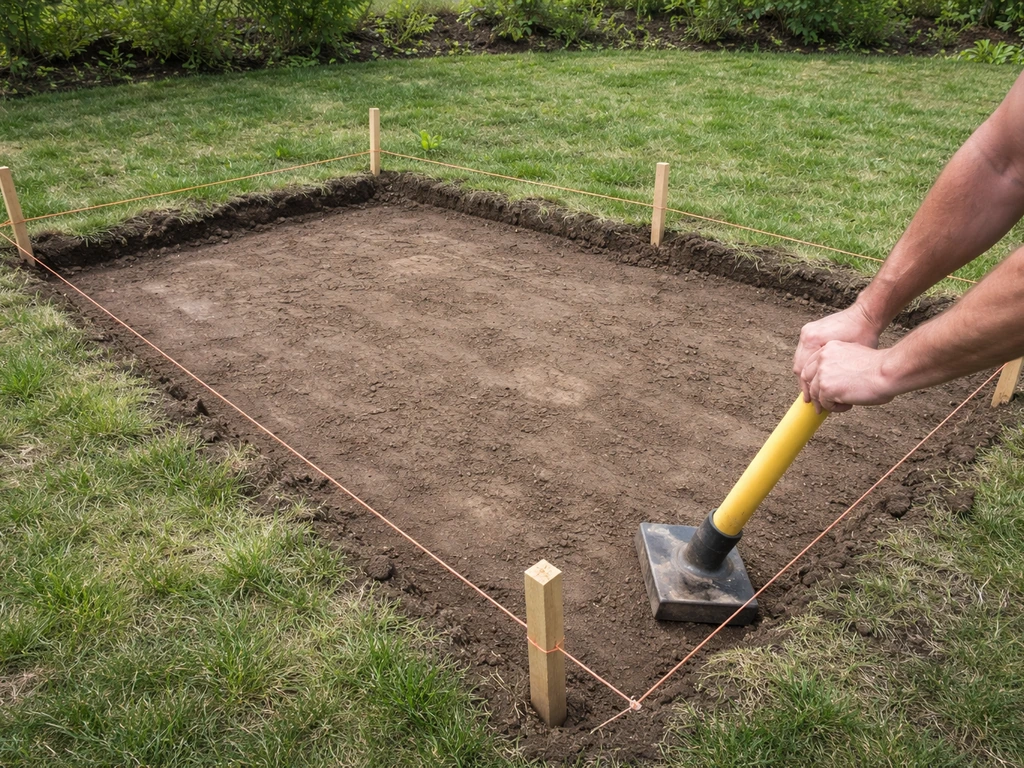
Before any concrete gets poured, the ground has to be cleared, graded, and compacted. On a simple flat lawn, this might be $100 to $300 for a small patio. On a sloped yard, or one with roots, existing concrete, or drainage issues, it can jump to $500 or more just for excavation and disposal. Soil disposal fees alone can add $75 to $200 if the contractor hauls material away. This is one of the most commonly underestimated line items.
Gravel base and subbase
A proper concrete slab needs 4 to 6 inches of compacted crushed stone or gravel underneath it. For a 100 to 144 sq ft patio, figure roughly $100 to $250 in material and labor for the base layer. Skipping this step (some low-bid contractors do) leads to cracking and settling within a few years, so it's worth confirming it's included.
Reinforcement: rebar vs. wire mesh
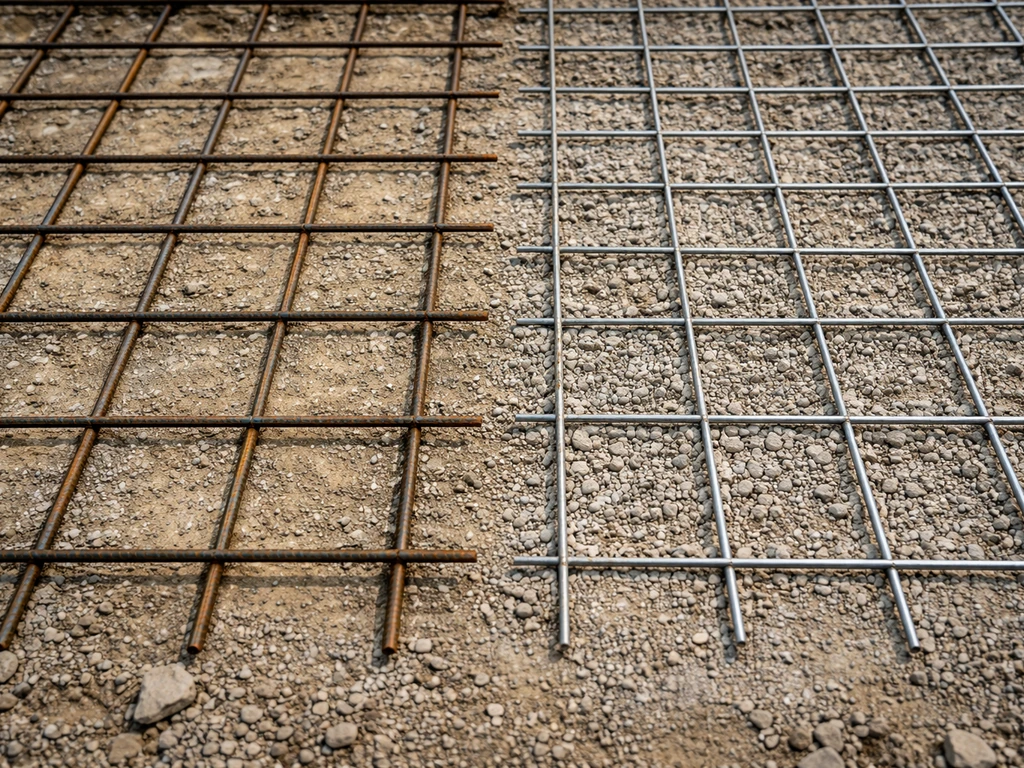
Residential patios are typically reinforced with 6x6 wire mesh or #3 rebar on a grid. Wire mesh runs about $0.10 to $0.25 per sq ft in materials. Rebar is more expensive at $0.30 to $0.50 per sq ft but gives better crack resistance, especially in areas with freeze-thaw cycles. For a small patio, the difference in total cost is usually only $30 to $75, but it matters long-term.
Concrete material and slab thickness
Standard residential patios are poured at 4 inches thick. That's the minimum for foot traffic. If you're parking a grill, planters, or heavy furniture on it, 4 inches is fine. If you're running vehicles over it, you'd want 6 inches and heavier reinforcement. Concrete itself runs $120 to $180 per cubic yard in most markets. A 4-inch thick 12x12 slab needs about 0.6 cubic yards, so the raw concrete material for a small patio is typically $75 to $120, which is only a fraction of the total installed cost.
Labor
Labor is usually the biggest single line item, typically 40 to 60 percent of total cost. For a small patio, a crew will spend 4 to 8 hours on-site including forming, pouring, finishing, and cleanup. Labor rates vary significantly by region, but on a 10x12 slab you're generally looking at $300 to $900 in labor alone. This is where regional pricing differences really show up.
Upgrades and add-ons that change the price
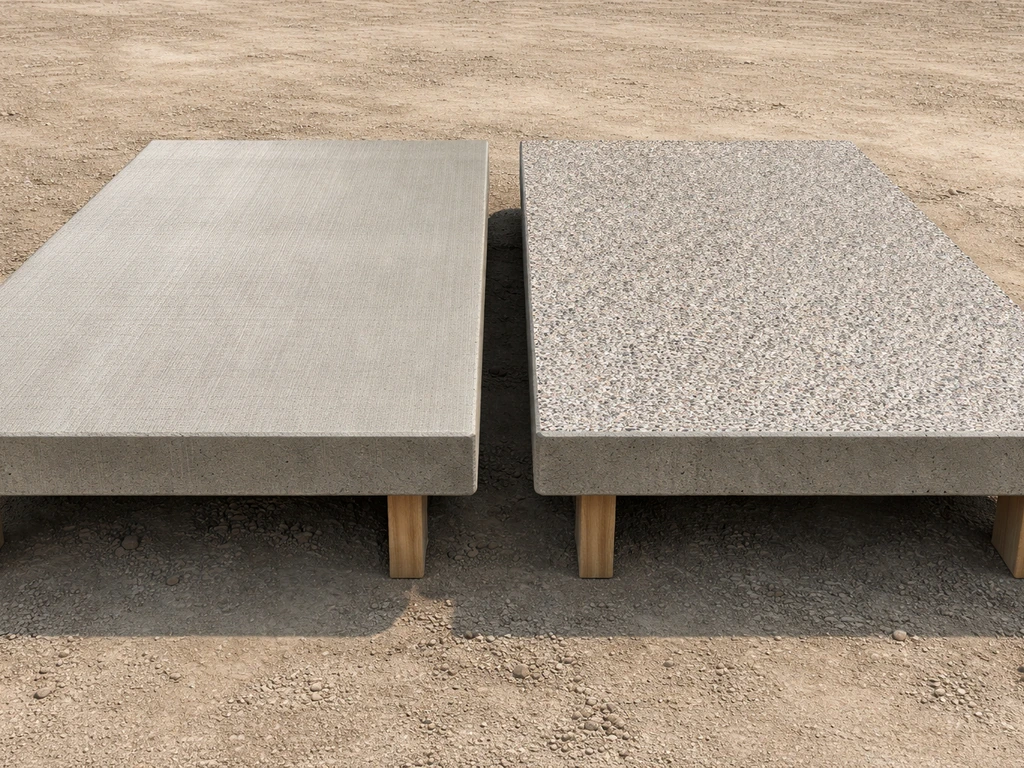
A plain broom finish is the cheapest option and the most common. Everything beyond that adds cost, sometimes a little, sometimes a lot. Here's what typically moves the needle:
- Broom finish (standard): included in base price, no upcharge
- Exposed aggregate: adds $2 to $4 per sq ft, creates a textured pebbly surface
- Integral color (pigment mixed into the concrete): adds $3 to $5 per sq ft
- Stamped concrete: adds $5 to $12 per sq ft over a plain slab; a stamped 12x12 patio can cost $1,800 to $3,500 total
- Decorative edging (brick border, formed curves): adds $5 to $15 per linear foot
- Sealer application: $1 to $2 per sq ft, helps with stain resistance and longevity
- Drainage slope or channel drain: $200 to $600 depending on complexity
- Tying into existing concrete or attaching to house foundation: adds $100 to $300 for forming and sealing the joint correctly
Stamped concrete is the most dramatic upgrade. It mimics the look of pavers, slate, or flagstone at a fraction of the material cost, but it does add significant labor. If you're comparing a stamped concrete patio against a plain slab, you're looking at roughly double the price per square foot. That said, it's still usually cheaper than actual pavers or natural stone installed at the same size. There's a lot more to explore on the stamped side if that's the direction you're leaning.
DIY vs. hiring a contractor: what you'll actually pay
Pouring concrete yourself is genuinely doable for a small patio, but it's not a solo weekend project unless you have some experience. Here's an honest look at the real costs both ways.
| Cost Category | DIY | Hired Contractor |
|---|---|---|
| Materials (concrete, gravel, mesh) | $250–$450 | $250–$450 (included in quote) |
| Tool rental (tamper, screed, float, edger) | $80–$150/day | Included |
| Concrete mixer or ready-mix delivery | $150–$300 (ready-mix fee) | Included |
| Form lumber and stakes | $30–$60 | Included |
| Labor | $0 (your time) | $300–$900 |
| Disposal of excavated soil | $75–$200 | Often included |
| Total estimated (10x12) | $585–$1,160 | $800–$2,160 |
The DIY savings look appealing on paper, but there are real gotchas. Ready-mix concrete has to be placed within 90 minutes of leaving the plant, which creates time pressure. If the slab sets unevenly or you miss a spot, you can't fix it easily. Mistakes in forming or grading show up permanently. For a first-time pour on a small backyard patio, DIY makes sense if you're handy, have a helper or two, and are comfortable with a little trial and error. If the patio is highly visible, attached to the house, or on an uneven site, hiring out is usually money well spent.
One middle-ground option: hire a contractor for the forming, base prep, and pour, and do your own finishing work like sealing or painting the cured slab. Some contractors will quote labor-only if you want to source materials yourself, though many prefer supply-and-install packages.
Regional costs and permits: how much your location changes the quote
Where you live can shift your total cost by 30 to 50 percent compared to national averages. Labor markets and concrete delivery costs are the main drivers. Here's a rough regional picture for a plain installed 10x12 patio:
| Region | Typical Installed Range (10x12) |
|---|---|
| Southeast (NC, SC, GA, FL) | $700–$1,600 |
| Midwest (OH, IN, KS, MO) | $750–$1,700 |
| South Central (TX, OK, AR) | $700–$1,500 |
| Mid-Atlantic (VA, MD, PA) | $900–$2,000 |
| Northeast (NY, NJ, MA, CT) | $1,100–$2,500 |
| Mountain West (CO, UT, AZ) | $850–$2,000 |
| Pacific Coast (CA, WA, OR) | $1,200–$2,800 |
Permits are easy to overlook. Most municipalities require a permit for any concrete flatwork over a certain size, typically 100 to 200 square feet, or for anything attached to the house. A concrete patio permit usually runs $50 to $200 and may require a simple site plan or inspection. Not pulling a permit can cause problems when you sell the house. Ask your contractor if the permit is included in the quote, because some contractors add it as a separate line item and others skip it entirely (which is a red flag). If you're in Canada, permit requirements and costs follow a different set of rules.
How to get accurate bids before you call anyone
The more information you bring to a contractor, the more accurate your quote will be. Vague requests get vague bids. Here's how to prep before reaching out:
- Measure the area you want paved. Length x width in feet gives you square footage. Add 10 percent for waste and forming overage.
- Note the site conditions: Is the ground flat or sloped? Are there roots, an old patio, or existing concrete to remove? Any drainage issues or standing water after rain?
- Decide on thickness: 4 inches is standard for foot traffic. 6 inches if anything heavier will be on it.
- Choose your finish: plain broom, exposed aggregate, colored, or stamped. Have a rough idea before calling so you can get an apples-to-apples bid.
- Check local permit requirements. Your city or county building department website usually lists what triggers a permit.
- Get at least three bids. Ask each contractor to itemize: site prep, base material, concrete, reinforcement, labor, finishing, and cleanup. Any bid that's lump-sum with no breakdown is hard to evaluate.
When reviewing bids, watch for missing line items. If one bid is dramatically lower than the others, ask whether it includes a gravel base and what reinforcement is specified. A low bid that skips the base or uses no rebar will cost you more in repairs within five years than you saved upfront. Also confirm the concrete mix strength: residential patios should use at minimum 3,000 PSI concrete, and 3,500 to 4,000 PSI is better in freeze-thaw climates.
Concrete vs. other patio materials: is there a cheaper or better option?
Concrete is one of the most cost-effective patio materials available, but it's not always the best choice for every situation. Here's how it stacks up against common alternatives at the small patio scale:
| Material | Typical Installed Cost (per sq ft) | Durability | Maintenance | Best For |
|---|---|---|---|---|
| Plain concrete | $6–$10 | 25–50 years with sealing | Low (seal every 2–3 yrs) | Budget-focused, clean look |
| Stamped concrete | $12–$18 | 20–40 years | Moderate (resealing, crack repair) | Decorative look without pavers' cost |
| Concrete pavers | $10–$20 | 30–50+ years | Low (individual paver replacement) | Easy DIY, flexible design |
| Brick | $12–$20 | 40–100 years | Low-moderate | Classic look, high durability |
| Flagstone | $15–$30 | 30–50+ years | Moderate | Natural look, irregular shapes |
| Gravel/decomposed granite | $1–$4 | 5–15 years | High (raking, edging, replenishing) | Lowest cost, informal spaces |
For a small patio under 150 square feet, plain concrete is almost always the most cost-effective durable option. Pavers are a close second and have the advantage of easy repair: if one cracks or shifts, you replace just that unit. Concrete cracks too, and patching is more visible. Flagstone and natural stone look beautiful but are substantially more expensive and require more skill to install correctly. Gravel is the budget option but it's not for everyone, especially if you want to put furniture on it.
If you want the look of stone or pavers without the cost, stamped concrete is the middle ground. It's more expensive than plain concrete but typically cheaper than installing real pavers or flagstone. The tradeoff is that it's harder to repair if it cracks, and the color can fade without regular resealing.
What to do next to nail your budget
Start by measuring your patio footprint and writing down your site conditions. Take a few photos of the area, note whether the ground needs grading, and decide on a finish level (plain, colored, or stamped). That information alone will make every contractor conversation faster and more productive. Then get three itemized quotes and use the per-square-foot rates in this guide as a sanity check: anything below $5 per sq ft should raise questions about what's being skipped, and anything above $20 per sq ft for plain concrete deserves a line-by-line explanation. For most small patios in 2026, a solid installed project should land somewhere between $900 and $2,000, and that's a reasonable number to plan around before the bids come in. If you want a quick ballpark, check typical small-patio per-square-foot pricing and then adjust for site prep, thickness, and finishes how much it costs to level a concrete patio.
FAQ
Is the $6 to $18 per square foot price for a small concrete patio the final total, or are there extras?
It’s an installed range, so it usually includes base prep, pouring, and finishing, but extras are common. Common add-ons to budget for are permits, sidewalk or driveway tie-ins, removal of existing concrete, and hauling disposal. Ask for an itemized quote that explicitly lists base thickness, reinforcement type, and whether the price includes edging.
How much does a small concrete patio cost if I want it built on a slope or with drainage issues?
Expect the low end to rise quickly because excavation, regrading, and disposal costs increase. A sloped lot often requires more base material and may need retaining measures or drainage channels, which can be priced separately from the slab. Provide photos and note where water goes during storms so the contractor can include the right solution.
What’s the typical cost difference between 4 inches thick and 6 inches thick for a small patio?
Thicker slabs raise both concrete volume and labor, and may trigger heavier reinforcement. For a small patio, the upgrade often lands in a noticeable jump even if per-square-foot labor looks similar. The best way to compare bids is to confirm the stated thickness and whether they add rebar upgrade when moving from 4-inch to 6-inch.
Do I need rebar or is wire mesh good enough?
Wire mesh is often sufficient for standard light-use patios, while #3 rebar on a grid generally offers better crack resistance, especially in freeze-thaw regions. The cost delta on a small slab is usually modest, but the long-term difference can matter. Make sure bids specify the reinforcement type and spacing, not just “reinforced.”
Will a contractor charge extra for finishing details like a slope to the house or broom patterns?
They may, depending on how the slab is designed and the amount of formwork required. A “standard” broom finish is usually included, but a specific slope, custom edge details, or decorative control joints may add labor. If you care about appearance and drainage, tell them your target grade and ask how they plan to place control joints.
How much more does stamped or colored concrete cost compared to a plain patio?
Stamped concrete typically increases the per-square-foot price more than just the surface material, because it adds labor for forming textures and matching pattern layout. Color is sometimes priced separately or included depending on the product system. Ask whether the quote includes release agent, integral color, and any required sealing, since those affect total cost.
What should I do if one contractor’s quote is much lower than the others?
Treat big gaps as a red flag and request clarification on base prep, reinforcement, and concrete mix strength. Specifically ask: how many inches of compacted gravel, whether reinforcement is included, what PSI the mix is, and whether permits are included. A “low” bid often skips gravel thickness, uses lighter reinforcement, or omits disposal and haul-off.
Do I need a permit for a small concrete patio, and how is it usually handled in the quote?
Many places require permits once the patio crosses a size threshold or if it’s attached to the home. Permit fees can be modest, but missing them can create issues at sale time and may force rework. Ask if permit procurement is included in the contractor’s price and whether they will schedule inspections.
How long do I need to wait before sealing or using a new concrete patio?
Sealers and coatings are usually applied after the concrete cures enough to avoid trapping moisture, and timing varies by weather and product type. If the quote includes sealing, confirm whether it’s integral coloring or a surface sealer, and ask for the recommended waiting period. Using the patio too soon can lead to surface defects.
Is DIY worth it for a small patio, or should I hire out the pour?
DIY can work for a simple, flat, small footprint, but timing and finishing are the hardest parts because ready-mix needs rapid placement and consistent finishing. If the patio is attached to the house, in a highly visible area, or on uneven ground, the risk of permanent mistakes is higher. A common compromise is hiring forming and base prep plus the pour, then doing cleanup and sealing after curing.
How can I estimate cost if my patio isn’t one of the common sizes (like 10x12)?
Use the per-square-foot range as a starting point, then adjust for differences in site prep and finish. For example, add a buffer for haul-off, thicker slab, and reinforcement upgrades, since those don’t scale perfectly with area. Also confirm whether you’ll need edging, which can add cost even on small footprints.
Next Articles
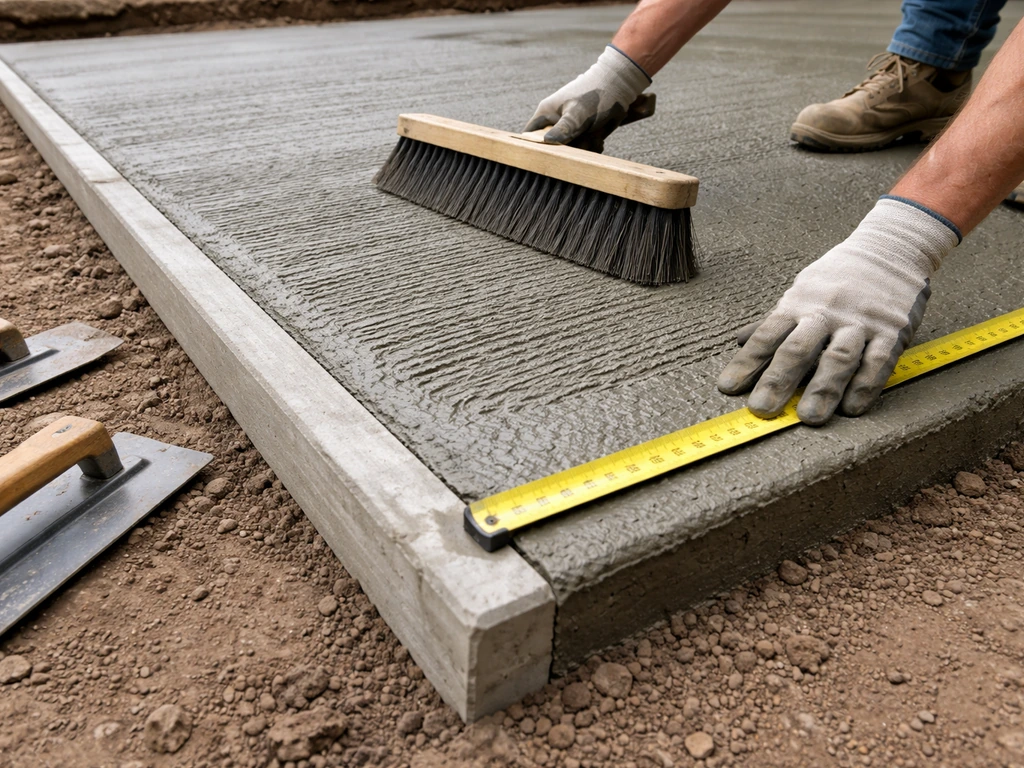
How Much Per Sq Ft for a Concrete Patio Cost
Concrete patio costs per sq ft, what’s included, typical price ranges, cost factors, budgets for sizes, and quote checkl
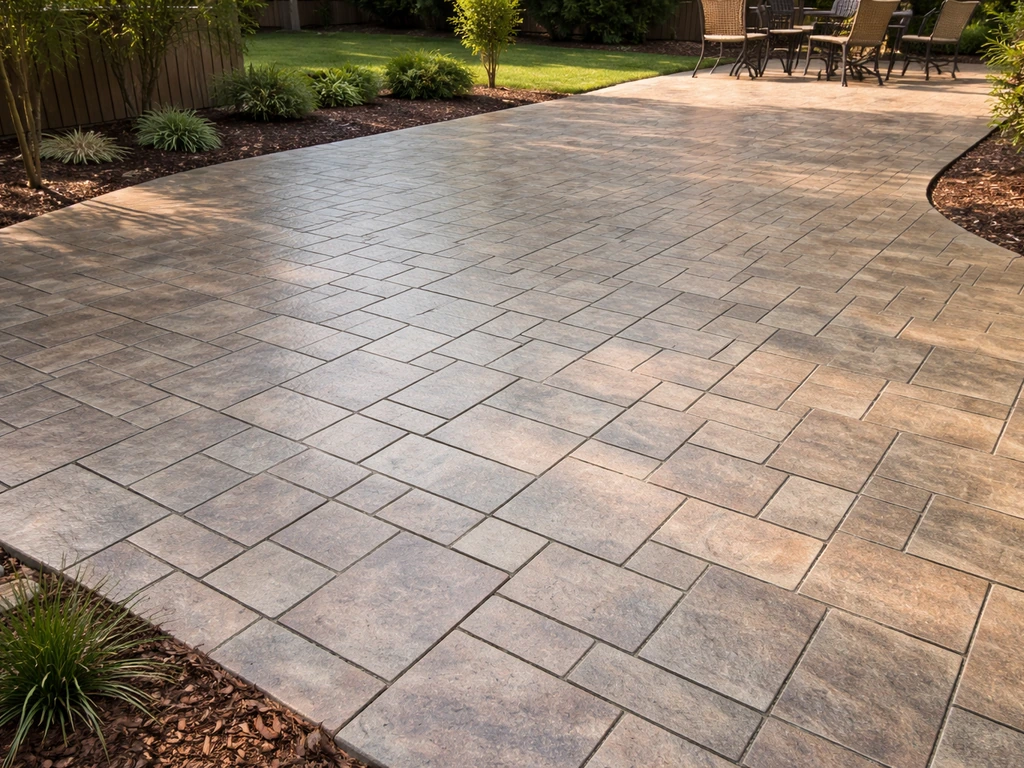
How Much for a Stamped Concrete Patio Cost Breakdown
Stamped concrete patio costs explained with real ranges per sq ft, size examples, what affects price, and DIY vs contrac
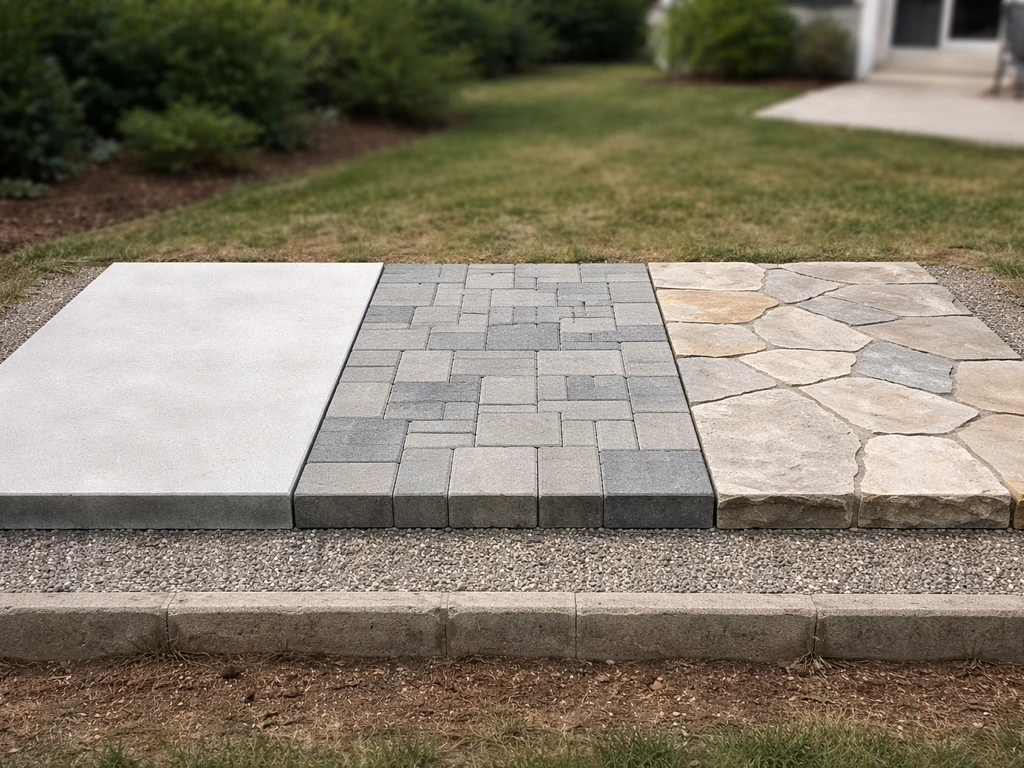
How Much Should I Expect to Pay for a Patio
Patio cost guide with real price ranges by size and material, full line-item budget, DIY vs install, and quote checklist