
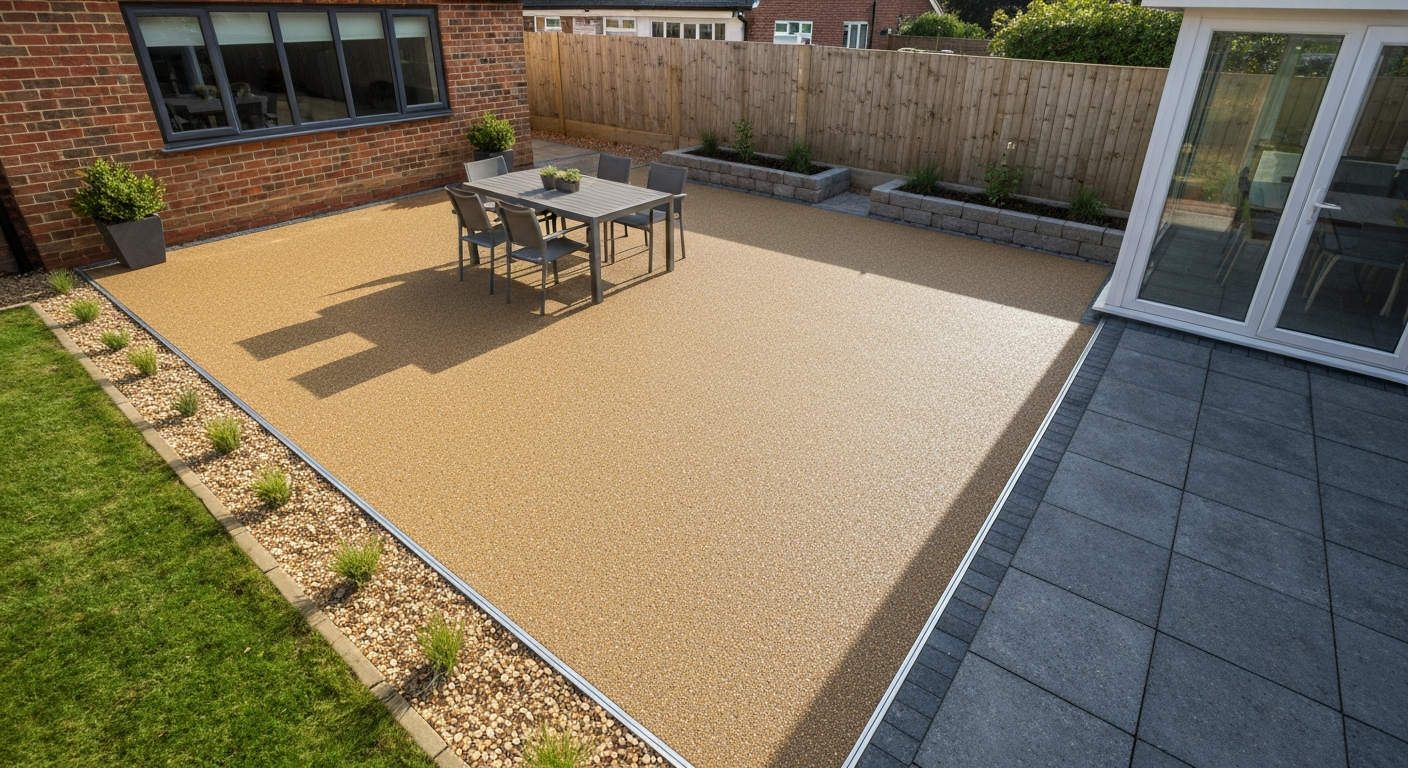
A professionally installed resin patio runs roughly $9–$24 per square foot in the U.S. in 2026, depending on whether you choose resin-bonded (cheaper, thinner surface) or resin-bound (thicker, more durable). For a common 12x12 patio that works out to about $1,300–$3,450. In the UK, you're looking at £30–£70 per m² supply and fit, before base preparation costs are added. blank" rel="noopener noreferrer">Typical UK aggregate retail pricing (2026): MOT Type 1/sub‑base trade averages £18–£42 per tonne and clean decorative gravels £35–£55 per tonne. This article is for homeowners who want to understand exactly what drives those numbers before they call a single contractor. If you need a quick figure, see our detailed breakdown on how much does a resin bound patio cost further in the article.
How Much Does Resin Patio Cost: Real Prices & Budget Guide

What this article covers and who should read it
If you're weighing resin against other patio materials, trying to build a realistic budget, or just trying to avoid being overcharged, this is the right place to start. For broader context on how much does a patio cost across materials and regions, see our detailed patio cost guide. We cover both resin-bound and resin-bonded patios, per-square-foot and per-square-metre cost ranges, common patio sizes, material versus labour breakdowns, what site prep actually costs, DIY material estimates, regional price differences, maintenance over time, and a full comparison against concrete, pavers, stone, porcelain, and decking. At the end you'll find a checklist and contractor questions you can take straight into your first quote conversation.
Resin-bound vs. resin-bonded: what's the difference?
These two names get mixed up constantly, and getting them confused can lead to a big price surprise. They are genuinely different products with different performance profiles.
Resin-bound
In a resin-bound system, aggregates (stones, gravel, recycled glass) are thoroughly mixed with a UV-stable polyurethane resin before being trowelled onto the surface. Every stone is coated and locked in the resin matrix, so the finished surface is fully permeable, meaning rainwater drains straight through rather than pooling. The depth is typically 15–18 mm for pedestrian use. Because the aggregate is part of a solid, consistent layer, it won't scatter underfoot. This is the premium option: longer lifespan, better drainage compliance in many jurisdictions, and a cleaner appearance.
Resin-bonded
In a resin-bonded system, a coat of resin is applied to the prepared base, and then loose aggregate is scattered over the top. Excess stone is swept away once the resin cures. The result looks similar at first glance but is not permeable, and loose stones can dislodge over time under traffic and weather. It costs significantly less, and it's a reasonable choice for lightly used patios or decorative paths, but it isn't the long-term surface that resin-bound is.
| Feature | Resin-Bound | Resin-Bonded |
|---|---|---|
| Permeability | Fully permeable (SuDS compliant) | Not permeable |
| Aggregate bond | Encapsulated in resin matrix | Surface-scattered, can loosen |
| Typical depth | 15–18 mm | 3–6 mm |
| Installed cost (U.S.) | $10–$18/sq ft | $9–$24/sq ft |
| Installed cost (UK) | £40–£70/m² | £30–£50/m² |
| Lifespan (well-maintained) | 15–25 years | 8–15 years |
| DIY friendliness | Moderate (requires mixer) | Easier for small areas |
| Best for | Main patio, high use, SuDS drainage rules | Decorative areas, low-traffic paths |
Cost overview at a glance
These are real-world installed ranges, not manufacturer estimates. They include materials, labour, and standard base preparation. They do not include removal of an existing surface, complex drainage, or significant levelling work, which are covered separately below. For broader context on typical project budgets and alternative materials, see our guide on how much does a new patio cost. For a broader look at typical installation prices and factors that affect them, see our guide on how much a patio costs to install.
| System | U.S. Low (per sq ft) | U.S. High (per sq ft) | UK Low (per m²) | UK High (per m²) |
|---|---|---|---|---|
| Resin-bonded (installed) | $9 | $24 | £30 | £50 |
| Resin-bound, standard colour | $10 | $14 | £40 | £55 |
| Resin-bound, premium aggregate | $15 | $18 | £55 | £70 |
| Resin-bound, large project (>1,000 sq ft) | $8 | $12 | £35 | £60 |
| Base preparation only (new slab or MOT) | $2–$5/sq ft | £25–£45/m² |
The U.S. resin-bonded range looks wide ($9–$24/sq ft) because it varies heavily with substrate condition, contractor overheads, and the amount of surface prep needed. A straightforward job on a good existing slab sits toward $9–$13. A degraded surface needing repair or removal pushes quickly past $18.
Total cost by common patio size
The table below uses the U.S. resin-bound standard-colour band ($10–$14/sq ft) as the base, with the mid-range ($11–$14/sq ft) applied to the 12x12 and 20x20 sizes since larger projects tend to attract slightly better rates. Resin-bonded totals use $9–$16/sq ft as a practical installed range for average site conditions.
| Patio Size | Square Feet | Resin-Bound Low | Resin-Bound High | Resin-Bonded Low | Resin-Bonded High |
|---|---|---|---|---|---|
| 10x10 | 100 sq ft | $1,000 | $1,800 | $900 | $1,600 |
| 12x12 | 144 sq ft | $1,584 | $2,016 | $1,296 | $2,304 |
| 20x20 | 400 sq ft | $4,000 | $5,600 | $3,600 | $6,400 |
| 300 sq ft (common mid-size) | 300 sq ft | $3,000 | $4,200 | $2,700 | $7,200 |
The 300 sq ft resin-bonded upper figure ($7,200) reflects the higher end of the $9–$24/sq ft range on a site requiring significant remediation, not a typical straightforward install. For a clean, ready-to-coat slab at 300 sq ft, budget $2,700–$4,500 for resin-bonded. The resin-bound figures are more predictable because the system requires consistent base preparation regardless of existing surface quality.
Where your money actually goes: material vs. labour breakdown
Using national-average data for resin-bound installations, here's roughly how a typical invoice is divided. These percentages hold reasonably well across project sizes, though labour's share drops slightly on larger jobs as setup costs are spread over more square footage.
| Cost Component | Share of Total | Example: 100 sq ft at $12/sq ft | Example: 300 sq ft at $12/sq ft |
|---|---|---|---|
| UV resin + hardener | ~18% | $216 | $648 |
| Aggregate (stone/gravel) | ~22% | $264 | $792 |
| Base preparation | ~25% | $300 | $900 |
| Labour (mix, lay, finish) | ~30% | $360 | $1,080 |
| Contractor margin / warranty | ~5% | $60 | $180 |
| Total | 100% | $1,200 | $3,600 |
For resin-bonded on a 300 sq ft existing slab, the cost split looks different. Materials (resin coat + aggregate) run approximately $1,215–$4,680, and labour runs approximately $1,485–$2,520, giving that $2,700–$7,200 total range. The labour gap is smaller here because the installation is faster, but the material cost range is wide because resin-bonded products vary significantly in quality and coverage rate.
DIY materials cost: what you'd spend doing it yourself
DIY resin installations are possible for both types, but the margin for error is low, especially with resin-bound. The mixing window is short (resin begins to cure once catalysed), you need a forced-action mixer for resin-bound (not a standard drum mixer), and humidity and temperature affect cure quality. That said, if you're comfortable with the process, here's what materials realistically cost.
DIY resin-bound shopping list (approx. 100 sq ft / 9.3 m²)
- UV-stable polyurethane resin (Part A + Part B): $80–$130 for a 7.5 kg pack covering approximately 3–4 m²; budget $250–$400 for 100 sq ft total
- Decorative aggregate (1–3 mm or 2–5 mm): $60–$120 per 25 kg bag; typically 5–8 bags needed for 100 sq ft at standard depth, so $300–$960
- MOT Type 1 sub-base or compactable gravel (if laying new base): $80–$150 per ton delivered; roughly 1–2 tons for 100 sq ft at 100 mm depth
- Geotextile membrane: $20–$40 for a small roll
- Edging strips (aluminium or plastic): $30–$80 for 100 linear feet
- Trowels, squeegee, protective gear: $40–$80 if not already owned
- Forced-action mixer rental (critical for resin-bound): $80–$150 per day
Total DIY materials and equipment cost for a 100 sq ft resin-bound patio on an existing suitable slab: roughly $700–$1,400. Manufacturer coverage example (Resin Bound System, Technical Data Sheet (SEK / ResinScape, Feb 2026)) lists approximate coverage per kit for a pedestrian resin‑bound system as ≈ 38.7 ft² (3.6 m²) per kit (one resin kit + 4 bags aggregate) Resin Bound System — Technical Data Sheet (SEK / ResinScape, Feb 2026). On a new base, add $300–$600 for sub-base materials. Compare that with a professionally installed figure of $1,000–$1,800 for the same area, and the DIY saving is real but narrower than most homeowners expect, especially after accounting for the mixer rental and the risk of a batch going wrong and needing remediation.
DIY resin-bonded shopping list (approx. 100 sq ft)
- Single-component resin bond coat: $60–$120 per gallon; one gallon covers roughly 50–75 sq ft, so budget $80–$240 for 100 sq ft
- Scatter aggregate (3–6 mm decorative stone): $40–$90 for enough to cover 100 sq ft
- Surface cleaner and primer (if required): $20–$50
- Squeegee and roller for resin application: $15–$30
- Total DIY materials for resin-bonded on existing slab: $155–$400
Resin-bonded is genuinely more accessible for a confident DIYer. The product goes on like a thick paint, and the aggregate is scattered immediately after. The main risk is uneven resin coverage causing patchy aggregate adhesion, and poor surface prep leading to delamination within a couple of seasons.
Site preparation and add-on costs to budget for
This is the section where many quotes arrive higher than expected. Site prep costs are real and often unavoidable, and they vary enormously based on what's already there.
| Add-On Item | Typical U.S. Cost Range | Typical UK Cost Range | Notes |
|---|---|---|---|
| New concrete base (4 inch) | $4–$8/sq ft | £30–£50/m² | Required if no existing sound slab |
| MOT Type 1 sub-base and compaction | $2–$5/sq ft | £25–£45/m² | Standard for new resin-bound installs |
| Old surface removal (concrete) | $1.50–$5/sq ft | £10–£20/m² | Jackhammer, load, and haul-away |
| Old surface removal (pavers/slabs) | $1–$3/sq ft | £8–£16/m² | Labour-intensive if mortared |
| Levelling / re-grading | $200–$800 per project | £150–£600 | Depends on how far out of level |
| Drainage installation (channel drain) | $300–$1,200 per run | £200–£900 | Often required on impermeable bases |
| Aluminium edging installation | $3–$6/linear ft | £15–£30/linear m | Required for neat resin-bound edge |
| Building permit | $0–$500 | £0 (usually permitted dev.) | Varies by municipality; check locally |
| Weed membrane under base | $0.10–$0.30/sq ft | £0.50–£1.50/m² | Cheap insurance against root movement |
The most expensive surprise is usually old surface removal combined with discovering that the existing base is inadequate underneath. If a contractor quotes you for resin application only and doesn't mention base condition, ask specifically. Resin laid over a cracked or heaving base will fail within a few years regardless of how good the resin product is.
What actually moves your quote up or down
Every cost driver below has a real dollar or pound impact on your final number. Some you can control, some you can't.
| Cost Driver | Impact on Installed Price | Notes |
|---|---|---|
| Poor substrate condition | +$3–$8/sq ft | Cracks, settlement, contamination require remediation |
| Difficult access (narrow gate, steps) | +10–20% labour | Crew can't use machinery, hand-mix and carry |
| Sloped surface | +$1–$4/sq ft | Requires additional edging, forming, and drainage work |
| Premium or bespoke aggregate colour | +$2–$5/sq ft | Recycled glass, coloured quartz cost more than standard pea gravel |
| Custom pattern or mixed aggregate | +$1–$3/sq ft | More complex batching and laying |
| Complex drainage requirement | +$300–$1,500 flat | Channel drain installation or French drain |
| Small project size (<100 sq ft) | +$3–$6/sq ft | Fixed setup, mobilisation, and mixer costs spread over fewer sq ft |
| High-demand season (spring/summer) | +5–15% | Contractors are busier; rates reflect it |
| Rural or remote location | +$0.50–$2/sq ft | Travel time and material delivery add cost |
Sample contractor quotes: three real-world scenarios
These are illustrative but realistic line-item examples based on 2026 U.S. installed cost data. They show how the same system can price very differently depending on site conditions.
Quote A: Small 10x10 resin-bound patio on existing concrete
| Line Item | Cost |
|---|---|
| Surface inspection and prep (clean, minor crack fill) | $120 |
| UV resin and hardener (materials) | $190 |
| Standard aggregate (materials) | $230 |
| Labour: 3-person crew, half-day | $380 |
| Aluminium edging (30 linear ft) | $110 |
| Equipment and mobilisation | $80 |
| Total | $1,110 |
Quote B: 12x12 resin-bound patio on new MOT sub-base
| Line Item | Cost |
|---|---|
| Excavation and MOT sub-base (144 sq ft) | $520 |
| UV resin and hardener (materials) | $280 |
| Premium aggregate (materials) | $380 |
| Labour: 3-person crew, full day | $720 |
| Aluminium edging (48 linear ft) | $175 |
| Equipment, mixer, mobilisation | $120 |
| Total | $2,195 |
Quote C: 20x20 resin-bonded patio with old paver removal
| Line Item | Cost |
|---|---|
| Remove existing pavers and haul away (400 sq ft) | $900 |
| Base levelling and minor repair | $350 |
| Resin bond coat (materials) | $480 |
| Scatter aggregate (materials) | $320 |
| Labour: 2-person crew, 2 days | $1,200 |
| Equipment and mobilisation | $150 |
| Total | $3,400 |
Notice that Quote C (resin-bonded, 400 sq ft) comes in below Quote B (resin-bound, 144 sq ft) on a per-square-foot basis ($8.50 vs. $15.24) largely because the larger area spreads fixed costs, and resin-bonded materials cost less. But Quote C includes paver removal, which adds $900 alone. Strip that out and the patio itself is about $2,500 for 400 sq ft, or $6.25/sq ft, which shows how site work dominates cost on larger projects.
DIY vs. hiring a pro: honest pros, cons, and red flags
DIY resin installation is achievable for a competent, patient homeowner with realistic expectations. But there are specific situations where you should not attempt it, and situations where the savings are simply not worth the risk.
When DIY makes sense
- You have a sound, flat, clean existing slab with no significant cracking or soft spots
- The area is under 100 sq ft and you can rent a forced-action mixer for resin-bound work
- You're doing resin-bonded rather than resin-bound (lower technical threshold)
- You're comfortable working to a tight time window (resin pot life is typically 20–30 minutes)
- You're not relying on a warranty or planning to sell the property soon
When you should hire a pro
- The base needs excavation, a new sub-base, or significant levelling — these are not DIY-friendly and directly affect whether the resin layer lasts
- The area exceeds 200 sq ft; batch management and trowelling speed become critical at scale
- You want a permeable surface for drainage compliance — poorly mixed resin-bound won't be truly permeable
- Adverse weather is likely (below 5°C / 41°F or above 30°C / 86°F, or rain within 24 hours of application)
- You need a warranty for insurance or property sale purposes — no DIY install will carry a contractor's guarantee
| Factor | DIY | Professional Install |
|---|---|---|
| Upfront cost (100 sq ft resin-bound) | $700–$1,400 | $1,000–$1,800 |
| Time required | 1–2 weekends | 1–2 days |
| Risk of failure/remediation | Moderate to high for beginners | Low with vetted contractor |
| Warranty | None | Typically 5–10 years materials and labour |
| Permeable compliance | Uncertain without proper mixing | Reliable with experienced installer |
| Re-do cost if failed | $300–$800+ in materials | Covered by warranty |
| Suitable base prep | Not recommended for new base | Full service available |
How prices vary by region
Resin patio pricing isn't uniform across the country. Labour markets, material transport costs, and local demand for specialist resin contractors all push prices in different directions.
- Northeast U.S. (New York, Boston, DC area): expect to add 15–25% above national average due to higher labour rates and contractor overhead
- West Coast (California, Seattle, Portland): similar premium to Northeast; strong demand for permeable surfaces in drought and flood-management contexts
- Southeast and Midwest: closer to national average; more competitive contractor market means less markup
- Texas and Southwest: pricing often slightly below national average for labour; material delivery can add cost in remote areas
- UK: London and Southeast England add roughly 20–30% to national average rates; rural Scotland or Wales may be below the national average but have fewer specialist contractors willing to travel
- Canada: installed rates in major urban centres (Toronto, Vancouver) broadly track the U.S. premium band at CAD $14–$22/sq ft for resin-bound
A practical indicator that you're in a higher-cost market: if a standard concrete patio in your area costs more than $8/sq ft installed, apply a 15–20% premium to the resin cost ranges in this article. If concrete is running $5–$6/sq ft in your area, the national average resin figures are a reasonable starting point.
Lifespan, maintenance, and what it really costs over time
Resin patios are relatively low maintenance compared with concrete (no sealing required on most systems) or timber decking (no staining or board replacement). But they're not maintenance-free, and the long-term cost picture matters when you're comparing upfront prices.
Expected lifespan
- Resin-bound: 15–25 years with proper base preparation and reasonable traffic; well-installed examples on pedestrian areas can exceed 20 years
- Resin-bonded: 8–15 years; shorter because surface stones can detach and the UV-resistance of the bond coat degrades faster than a full resin matrix
Routine maintenance tasks and costs
| Task | Frequency | Approximate Cost |
|---|---|---|
| Leaf blowing / brushing | Weekly–monthly | $0 (DIY) |
| Pressure washing (low-pressure) | 1–2x per year | $0 (DIY) or $50–$150 hired |
| Weed treatment (edges and any voids) | As needed, typically spring | $10–$30 DIY product |
| UV refresh sealer application | Every 5–8 years | $150–$400 DIY materials; $300–$800 contractor |
| Localised patch repair (loose or lifted area) | As needed | $100–$400 per sq metre/yard depending on size |
| Full resurfacing (if worn) | Year 15–20 on resin-bound | $5–$10/sq ft over existing base |
If you amortise the cost of a professionally installed 144 sq ft resin-bound patio ($1,800 average installed) plus $600 in maintenance over 20 years, you get roughly $120 per year, or about $10 per month. That's a reasonable lifecycle cost for a durable outdoor surface. Resin-bonded over 12 years works out to a similar or slightly lower annual figure if you don't have to remediate failures.
Is a resin patio expensive? How it compares with the alternatives
Resin sits in the mid-to-premium range among patio materials. Whether it's 'expensive' depends on what you're comparing it with and what you're getting for the money. For a focused discussion on whether a resin patio is expensive, see is resin patio expensive. Here's an honest comparison at average installed U.S. rates for a 144 sq ft (12x12) patio.
| Material | Installed Cost (12x12) | Per Sq Ft | Lifespan | Key Trade-Off |
|---|---|---|---|---|
| Poured concrete (plain) | $600–$1,150 | $4–$8 | 25–50 years | Cheapest option; cracks over time; needs sealing |
| Stamped concrete | $1,440–$3,456 | $10–$24 | 20–30 years | Looks great; cracks can ruin the pattern; no drainage |
| Concrete pavers | $1,300–$2,880 | $9–$20 | 25–50 years | Flexible repair; weeds; higher labour cost |
| Resin-bonded | $1,296–$2,304 | $9–$16 | 8–15 years | Affordable; stones can scatter; not permeable |
| Resin-bound | $1,584–$2,592 | $11–$18 | 15–25 years | Permeable; great finish; needs proper base |
| Natural flagstone | $2,160–$4,320 | $15–$30 | 25–50 years | Premium look; expensive; uneven surface over time |
| Porcelain (laid) | $2,160–$4,320 | $15–$30 | 20–30 years | Very durable; slippery when wet; expensive to lay |
| Timber/composite deck | $3,456–$7,200 | $24–$50 | 15–30 years | Elevated, great for uneven ground; highest maintenance |
Resin-bound is competitive with stamped concrete on price, but it's permeable (which stamped concrete is not), easier to spot-repair, and requires no periodic resealing in the same way stamped concrete does. Against pavers, resin is slightly cheaper to install and has no weed or sand-jointing maintenance, but a cracked resin surface is harder to patch invisibly than lifting and replacing a single paver. Compared with porcelain and natural stone, resin-bound is materially cheaper and offers better drainage. For a detailed breakdown of porcelain patio prices and how they compare, see our guide on how much does a porcelain patio cost. The question of whether resin patio is expensive is worth exploring in more depth alongside these comparisons.
Your budgeting checklist before you call anyone
Work through these questions before you request a single quote. For related pricing on patio additions, see how much does a patio bra cost. The answers will let you give contractors accurate information, avoid scope surprises, and evaluate quotes on a like-for-like basis.
- Measure the patio area precisely (length x width in feet or metres). Note any irregular shapes or steps and photograph them.
- Assess the existing surface: is there a concrete slab? Is it cracked, settled, or contaminated with oil or moss? A cracked base means budgeting for repair or replacement.
- Check drainage: does water currently pool in the area? If yes, drainage work is likely and you need to budget $300–$1,200 for it.
- Decide on resin-bound or resin-bonded based on drainage requirements, intended traffic level, and budget.
- Check if permits are required in your municipality for patio construction or impervious surface coverage rules.
- Choose your aggregate preference: standard colours cost less, premium or mixed aggregates cost more. Get a couple of samples before committing.
- Estimate your realistic total budget using the size tables in this article. Add 15–20% contingency for site surprises.
- Determine whether DIY is viable based on the checklist earlier in this article.
- Shortlist at least three contractors and request line-item quotes (not just a total figure).
- Verify the contractor has specific resin-bound or resin-bonded experience, not just general paving experience.
Questions to ask contractors and what must be in the written quote
A contractor quoting you for a resin patio should be able to answer all of the following without hesitation. If they can't, that's useful information too.
- What resin system are you using, and is the resin UV-stable? (Critical for colour stability; non-UV resin yellows within months outdoors.)
- What aggregate product and source are you specifying, and what size gradation?
- What depth will the resin-bound layer be laid at? (Should be 15–18 mm for pedestrian use.)
- What base preparation is included in this quote, and what happens if the existing slab is worse than expected?
- Is drainage included in the quote scope, or is it an extra? Who installs it?
- What is the warranty on materials, and what is the warranty on workmanship, and are they separate documents?
- What temperature and weather conditions will cause you to postpone the installation?
- What is the payment schedule? (Never pay more than 10–25% upfront for a job under $5,000.)
- Can you provide references for resin patio projects completed in the last 12 months that I can visit or photograph?
The written quote must include: full project scope (area, depth, base preparation details), materials specification (brand, product name, aggregate type and size), exclusions clearly stated (e.g., drainage not included), start and estimated completion date, total price with VAT or tax stated, payment schedule with milestones, and warranty terms in plain language. If any of those elements are missing, ask for a revised quote before signing anything.
How to get accurate quotes: your preparation checklist
Contractors price faster and more accurately when you show up prepared. Here's exactly what to have ready when you contact them.
- A simple sketch or marked-up photo showing the patio dimensions and any obstacles (steps, manholes, downpipes, planted areas).
- Photos of the existing surface taken in good light, including any visible cracks, staining, low spots, or drainage issues.
- A note on current surface type (concrete slab, pavers, compacted gravel, or bare earth) so they can scope the base work.
- Your aggregate preference, or ask them to bring two or three samples to the site visit so you can choose on the day.
- A note on access: is there a side gate? Can a mixer get close to the work area, or will material need to be wheelbarrowed from the street?
- A check with your local planning or building department on whether permits are required for your patio size and surface type.
- Your target timeline, especially if you have a hard deadline (outdoor event, property sale) that affects scheduling.
Once you have three comparable, line-item quotes in hand, do not automatically choose the lowest. The middle quote from a contractor with specific resin experience, clear material specifications, and a solid warranty is almost always the better value than the cheapest option from a general paving contractor who has simply added resin to their service list.
What to do next based on your budget
Under $1,500 total: A small resin-bonded patio on an existing sound slab is achievable, either professionally installed or as a careful DIY project. If you’re also budgeting for outdoor furnishings, see how much does a patio set cost for typical price ranges and buying tips to align your surface and furniture budget. Stick to a simple standard aggregate and focus your budget on surface prep quality. Resin-bonded is the right choice at this budget.
$1,500–$3,000: This is the sweet spot for a professionally installed resin-bound patio in the 100–200 sq ft range on a good existing base, or a resin-bonded patio up to 300 sq ft. Get three quotes, specify UV-stable resin, and make sure drainage is addressed before the quote is finalised.
$3,000–$6,000: You're looking at a substantial 20x20 resin-bound patio or a mid-size project with new base construction and premium aggregate. At this budget, insist on a full site survey, written specification, and a 5-year minimum workmanship warranty. Compare resin-bound against porcelain or natural stone at this price point because the materials and lifespan are more directly comparable.
Over $6,000: Large or complex projects with significant groundworks, drainage systems, or bespoke aggregate choices. At this scale, the resin patio cost comparison against a good composite deck or natural stone becomes important, and total lifecycle cost should factor heavily into your decision. Use the budgeting checklist and comparison table in this article to frame your contractor conversations, and ask each contractor to quote the same scope so you can compare fairly.
FAQ
What is the difference between resin-bound and resin-bonded patios?
Resin-bound: aggregate (natural stone) is mixed with a UV-stable resin and trowelled/power-screeded to form a fully bound, smooth, permeable surface with the aggregate encapsulated. It is durable, permeable, and less prone to flaking. Resin-bonded: a layer of loose aggregate is broadcast onto a thin coat of resin applied over an existing surface (concrete, asphalt). It is thinner, cheaper up-front but can shed stones and wear faster than resin-bound.
Typical installed cost ranges per square foot/meter for resin patios (conservative low–high)
U.S. resin-bonded: $9–$24 per ft² installed. U.S. resin-bound (typical national bands): Standard colours ≈ $10–$14/ft²; Premium aggregates ≈ $15–$18/ft²; large projects can reach $8–$12/ft². UK typical supply & fit (2026): resin-bound ≈ £40–£70/m²; resin-bonded ≈ £30–£50/m² (base prep may add ~£25–£45/m²). These are installed ranges including materials and labour; expect upper ranges for complex sites and premium aggregates.
Installed cost examples for common small patio sizes (U.S. per ft²)
10×10 (100 ft²): resin-bound typical band $10–$14/ft² → $1,000–$1,400 installed. Resin-bonded $9–$24/ft² → $900–$2,400 (wider spread because resin-bonded quality varies). 12×12 (144 ft²): resin-bound $1,440–$2,016. 20×20 (400 ft²): resin-bound mid-band $8–$14/ft² depending on scale → $3,200–$5,600 (larger projects may get lower unit rates). These examples follow published 2026 industry ranges and productivity tiers.
Typical material vs. labour breakdown for resin-bound installs
A representative split (national averages used by industry guides): labour ≈ 25–35% of installed price; resin (UV resin + hardener) ≈ 15–20%; aggregate ≈ 20–25%; base preparation (if required) ≈ 20–30% depending on condition; contractor margin/warranty ≈ 3–7%. For a 300 ft² resin-bonded example, one published breakdown showed Materials ~$1,215–$4,680 and Labour ~$1,485–$2,520 (total $2,700–$7,200).
Common site-prep and add-on cost items to budget for
Base/sub-base (new build or to rebuild failing base): adds significantly—expect $2–$6/ft² depending on depth and materials. Edge restraints (concrete kerb, steel, timber): $1–$6/ft² depending on type. Removal of old patio/concrete: $3–$10/ft² depending on thickness and disposal. Drainage/adjustment (linear drains, falls): $200–$1,500+ depending on complexity. Permits (where required): $0–$500+. Leveling/grading and weed membrane: small to moderate adds. Any of these can move a project from the low to high range.
How do regional price variations affect final cost?
Labour and materials vary regionally: urban/expensive labour markets push installed rates upward. Shipping for decorative aggregates and resin increases price in remote/low-density areas. Typical effects: +/-10–30% from national averages; metropolitan areas usually at the top of published ranges. Large contractors in regions with steady work can offer lower per-ft rates for bigger areas.
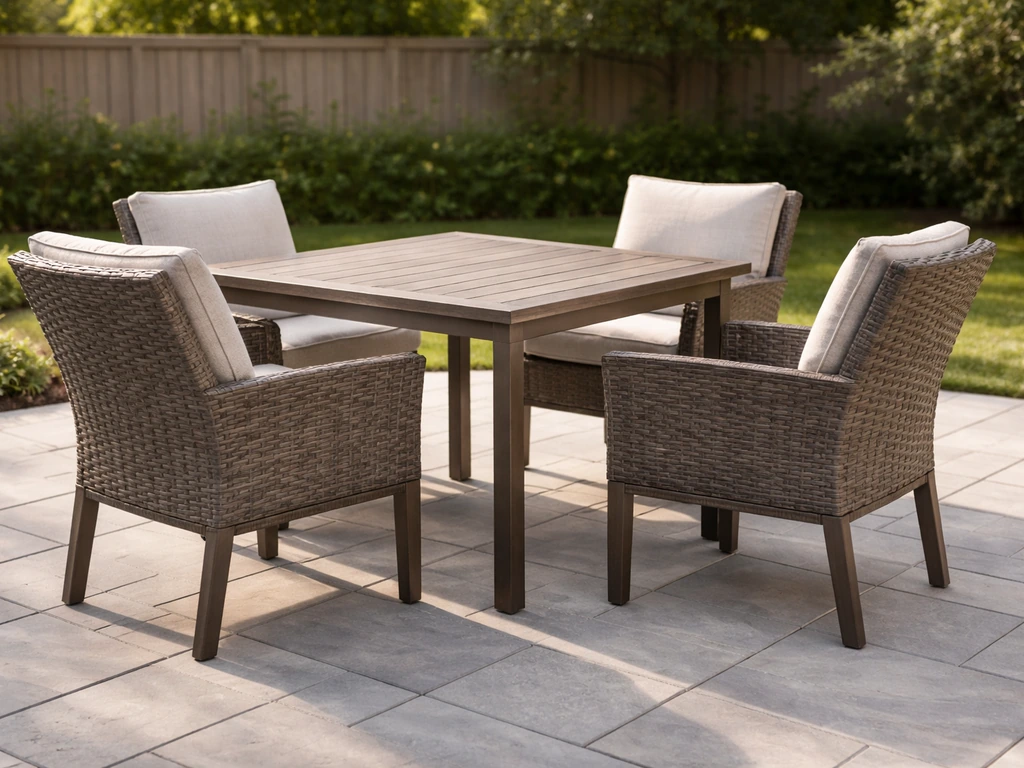
2026 patio set pricing guide with ballparks by size, materials, DIY vs install, regional costs, and quote checklist.
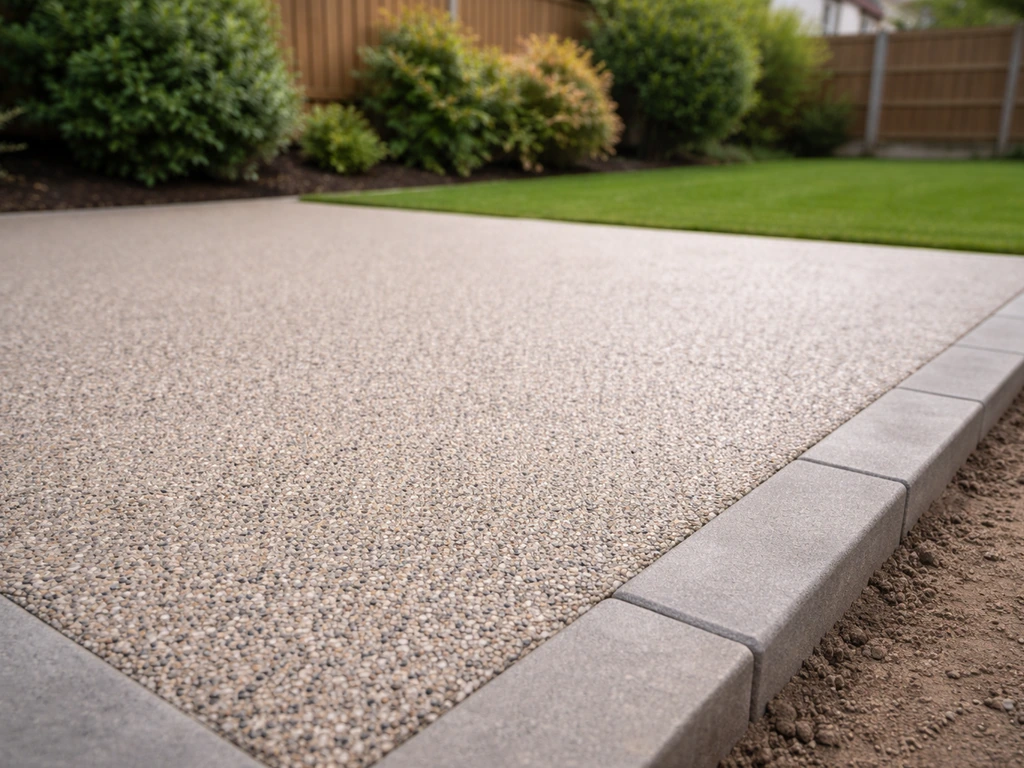
2026 resin bound patio cost guide with real price ranges, breakdown, extras, and quote tips for any size.
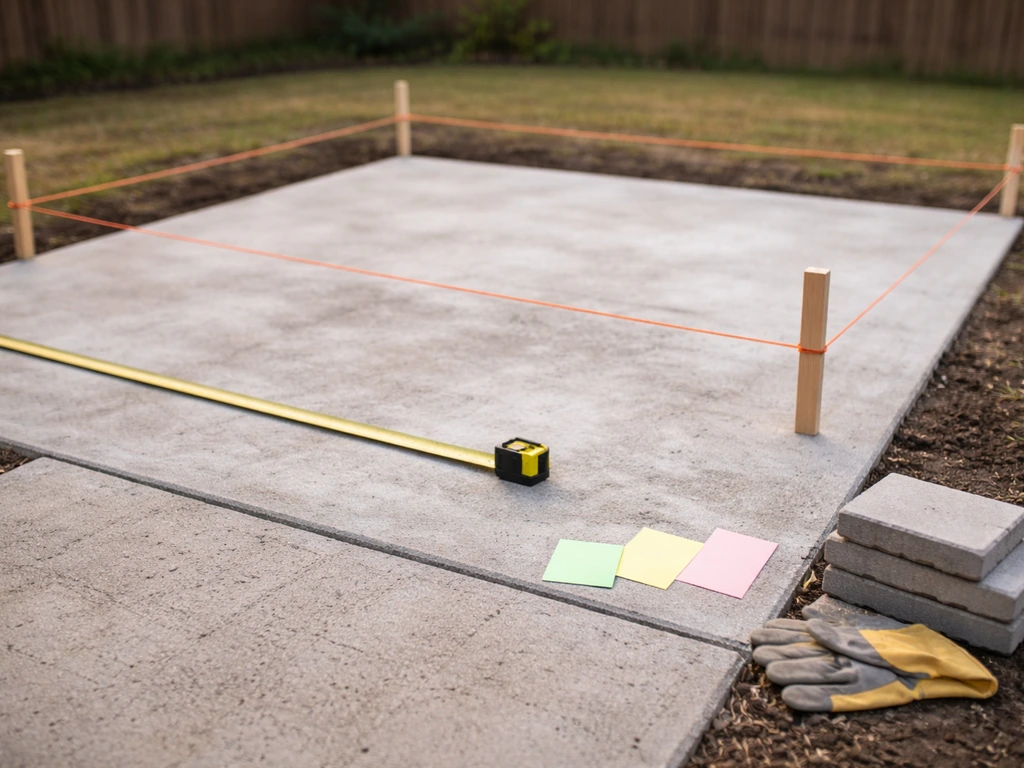
Patio pricing guide with real cost ranges, DIY vs pro, and all-in budget steps for 10x10 to 20x20 patios.