
A patio cover typically costs between $4,500 and $12,000 installed, with a national average around $8,500. For a covered patio, the biggest cost drivers are size, materials, roof style, and local permit and labor rates costs between $4,500 and $12,000. In dollars per square foot, most homeowners land somewhere in the $20 to $50 range for a standard aluminum or vinyl cover. Custom builds with gable roofs, wood framing, or high-end finishes push that up to $60 to $100 or more per square foot. Those ranges hold up well for 2026 pricing, and they're a solid starting point before you start calling contractors.
How Much Should a Patio Cover Cost? Real Budget Ranges

Felix Carver
11 Jun 2026

Typical patio cover cost ranges: average vs. custom
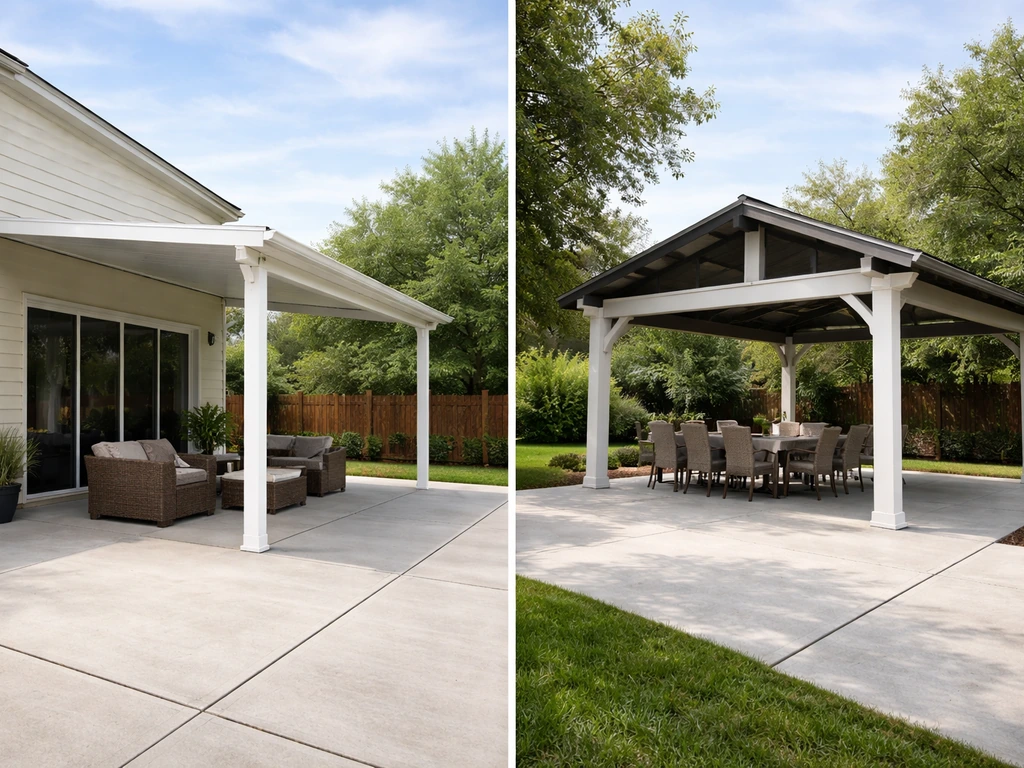
For most homeowners, "average" means an attached lean-to style cover in solid aluminum or vinyl, professionally installed. That's where the $20 to $50 per square foot figure comes from. A 200 sq-ft cover (think 10x20) in that range would run roughly $4,000 to $10,000 installed. Solid aluminum specifically comes in right at that [$20 to $50 per square foot installed number](https://homeguide.
com/costs/covered-patio-cost/). Alumawood-style covers, which mimic wood grain but use an aluminum core, run $18 to $55 per square foot, with some models landing as low as $20 to $35 per square foot for materials and basic installation. Solid vinyl covers can go a bit wider, from $25 to $80 per square foot, because the higher end includes insulated or multi-wall panels.
Custom patio covers are a different animal. Once you move into freestanding pergola-style structures, gable roofs with pitched rafters, or anything requiring a concrete footing and engineered plans, costs jump quickly. A custom gable patio cover with wood or steel framing can easily run $60 to $150 per square foot installed, putting a modest 12x16 structure in the $11,500 to $28,800 range. The word "custom" really just means more labor, more materials, and more permits.
What actually drives the cost up (or down)
Material choice
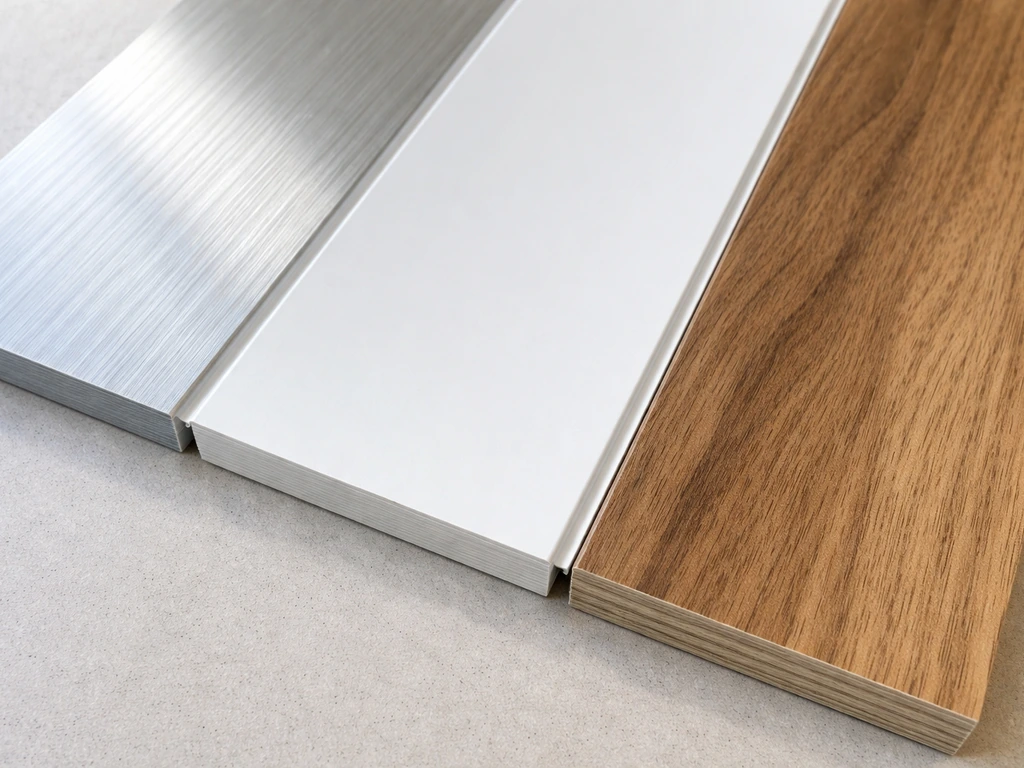
Material is the single biggest lever on price. Aluminum is the sweet spot for most people because it's low-maintenance, resists rust, and comes in a range of panel styles. Alumawood gives you the look of wood without the rot risk, at a modest cost premium. Vinyl is lighter and often cheaper on materials, but solid vinyl panels vary a lot in quality.
Wood framing (cedar, redwood, or pressure-treated pine) looks great but adds maintenance cost over time and typically costs more upfront in labor too. Wood framing (cedar, redwood, or pressure-treated pine) looks great but adds maintenance cost over time and typically costs more upfront in labor too, which is why many homeowners want a more direct estimate like how much does a wooden patio cost. Steel is used in larger custom structures and is priced at the high end.
Roof style and design complexity
A flat or slightly pitched lean-to cover attached to the house is the cheapest structure to build. A gable or hip roof cover costs more because it needs more framing, more roofing material, and often engineered drawings. A freestanding cover adds footings and posts to the bill. Any time you add hips, valleys, skylights, or a custom pitch to match your roofline, you're adding labor hours, and labor is where the real money goes.
Size and linear footage
Larger covers don't always cost proportionally more per square foot because fixed costs like permits, footings, and mobilization are spread across more area. But they do cost more in total. One often-missed cost is gutters: if your cover doesn't drain properly, you'll get water pooling at the edge or flooding the patio. Gutters run about $12 to $25 per linear foot to add, and on a 20-foot-wide cover, that's $240 to $500 extra that most people don't budget for.
Permits and inspections
Permit costs are all over the map. Some municipalities charge as little as $60 to $150 for a simple cover over an existing patio. Others, particularly for attached structures or anything involving electrical work like ceiling fans or lighting, can charge $100 to $500 or more. Don't skip the permit to save money. Unpermitted structures can cause real headaches when you sell the house or file an insurance claim.
Budget examples by size

Here's how costs break down for common patio cover sizes, using the $20 to $50 per square foot range for a standard installed aluminum or vinyl cover, with a rough high-end range for upgraded or custom builds:
| Cover Size | Square Footage | Standard Range ($20-$50/sq ft) | Custom/Upgraded Range |
|---|---|---|---|
| 10x10 | 100 sq ft | $2,000 – $5,000 | $5,000 – $10,000 |
| 10x12 | 120 sq ft | $2,400 – $6,000 | $6,000 – $12,000 |
| 12x12 | 144 sq ft | $2,900 – $7,200 | $7,200 – $14,400 |
| 12x16 | 192 sq ft | $3,840 – $9,600 | $9,600 – $19,200 |
| 10x20 | 200 sq ft | $4,000 – $10,000 | $10,000 – $20,000 |
| 20x20 | 400 sq ft | $8,000 – $20,000 | $20,000 – $40,000 |
A 10x10 cover is really the entry-level size, and at the low end ($2,000 to $3,000) you're looking at a basic freestanding aluminum kit or a simple lean-to with minimal framing. A 12x12 is the most common size for a single outdoor dining or seating area, and $4,000 to $7,000 is a realistic installed budget for a clean, solid cover. A 20x20 is a serious project. At $8,000 to $20,000 for standard materials, you want multiple bids and a clear spec sheet before committing.
DIY vs. hiring a contractor
DIY can cut 30 to 50 percent off the total cost if you're handy and willing to do the work. Aluminum and Alumawood cover kits are sold as panelized systems with pre-cut components, and a lot of homeowners install them in a weekend with a helper. Materials for a 12x12 aluminum cover kit often run $1,200 to $2,500 depending on the panel style. The trade-off is that you're responsible for footings, post placement, and making sure the attachment to the house is properly flashed and sealed. Do it wrong and you'll have water intrusion problems.
Hiring a contractor makes sense when the structure is attached to the house, involves electrical (fans, lights), requires a permit, or sits on a surface where footings need to be cut in. Contractor labor for a standard aluminum cover install generally runs $1,500 to $5,000 depending on complexity and region, on top of materials. For a gable-style or fully custom cover, labor can exceed materials. Always get the labor broken out as a separate line in any bid.
One middle path: buy the kit yourself and hire labor-only. Some contractors will install owner-supplied materials and charge a lower rate since they're not marking up materials. Just confirm this upfront because not all contractors will warranty work on materials they didn't supply.
Why your quote might look different from these numbers
Regional labor costs are probably the biggest reason a $8,500 national average doesn't match your local quotes. In the Pacific Northwest, Bay Area, or Northeast metro areas, contractor rates are higher and permits take longer, both of which push costs up by 20 to 40 percent above national averages. In the Southeast and Midwest, you can often find quality work at or below the national range. The Sun Belt (Arizona, Texas, Florida) is interesting because demand for patio covers is so high that there are specialty cover contractors who do this work efficiently and competitively.
Site conditions matter more than most people expect. If your existing patio is unlevel or cracked, you may need repair work before the cover can go in. If the house side of the attachment is a second-story wall or a hard-to-access soffit, expect extra labor. Freestanding covers on grass or dirt require concrete footings, which add $300 to $1,000 depending on how many posts and what size footings your local code requires. If you're tying the cover into an existing deck, the framing connection needs to be engineered correctly, which sometimes requires drawings and a structural review.
Electrical is another common surprise. Adding a ceiling fan, recessed lighting, or an outdoor heater to the covered area is something most homeowners want after the fact. Running a circuit to the cover while a contractor is already on-site costs far less than having an electrician come back later. Budget $500 to $1,500 for basic electrical work if you think you'll want it eventually.
How to get accurate quotes and avoid getting burned
The biggest mistake homeowners make is getting one or two vague quotes and picking the cheapest one. Before you call anyone, write down exactly what you want: dimensions, cover style (flat, gable, freestanding or attached), material preference, and any extras like fans, lighting, or gutters. A contractor who quotes a flat lean-to in aluminum is not the same as one quoting a gable with cedar framing, even if they're both bidding on "a patio cover."
- Measure your patio and decide on the exact footprint you want covered before calling anyone.
- Ask each contractor to itemize the quote: materials, labor, permit fees, and any site prep costs as separate line items.
- Confirm whether the quote includes footings, flashing, and gutters or whether those are add-ons.
- Ask about the permit process: who pulls it, who is responsible if the inspector requires changes, and what the timeline is.
- Request references or photos of similar jobs completed in your area within the last 12 months.
- If one bid is significantly lower, ask them to walk you through why. It usually means a material difference or something is excluded.
- Get at least three bids on any project over $5,000. The spread between bids often tells you a lot about local market rates.
- Ask about warranty: what's covered on materials vs. labor, and for how long.
To compare bids apples-to-apples, build a simple spreadsheet: list each contractor's total, then break out materials, labor, permits, and extras. If one contractor is including gutters and another isn't, adjust accordingly. The goal is to find out what the same scope of work actually costs from each bidder, not just which number looks lowest on paper.
Use the ranges in this article as a gut-check before you sign anything. If a bid on a standard 12x12 aluminum attached cover comes in at $1,800 installed, something is missing from the scope. If it comes in at $18,000, either the contractor is very expensive or you're getting something much more custom than you think. The $20 to $50 per square foot installed range is a solid benchmark for straightforward projects in most markets. Anything outside that range deserves a clear explanation.
If you're still deciding between cover styles, it's worth knowing that metal patio covers and wood-framed options vary quite a bit in long-term cost and maintenance, and gable-style roofs carry a specific cost premium worth understanding before you lock in a design. Exploring those differences before finalizing your spec will make your conversations with contractors more productive and your final budget more accurate.
FAQ
Why do quotes for the same patio cover size come in so different from the $20 to $50 per square foot range?
A common rule of thumb is to request quotes that include the post count and attachment method (ledger flashing, fastener type, and sealing details). If a quote is per square foot but does not mention footing depth, number of posts, and how the cover is anchored to the house, the “real” cost can land far outside the $20 to $50 benchmark.
What should I confirm about gutters and drainage so I do not get surprised by extra costs?
Check whether the bid includes guttering, downspouts, drainage plan, and edge flashing. Even if the cover is “standard,” adding gutters often adds $12 to $25 per linear foot, and missing drainage is a frequent reason homeowners see extra charges or water issues after installation.
Can I add a ceiling fan or lights later without paying a lot more than the original quote?
If you want electrical later, ask for pre-wiring or conduit during installation (even if fixtures are installed afterward). Running the circuit while the contractor is on-site is typically cheaper than bringing an electrician back, and many bids separate “electrical rough-in” from “fixture install,” so it is worth clarifying both.
How do permit and engineering requirements affect what a patio cover should cost in my area?
Look for the legal scope: permits, engineered drawings (if required), and inspections. Some areas require engineering for freestanding structures, multiple roof pitches, or specific loads, and those items can add cost even when the cover looks “similar” in size and material.
What part of the install is most responsible for long-term leaks or water damage?
Ask for a line item on what happens at the house connection, especially for attached covers. Proper flashing and sealing are what prevent water intrusion, and DIY installs that “look fine” can still leak if the ledger flashing is incorrect or the sealing system is missing.
How much contingency should I budget beyond the patio cover quote?
Add at least one contingency for site and access issues, typically 10 to 20 percent for unknowns like unlevel slabs, rot at the attachment point, or difficult second-story work. The article covers several site condition examples, but the key is that these problems usually surface after demo or measuring.
What is the best way to compare contractor bids apples-to-apples?
Treat comparisons as “scope matched,” not “price matched.” If one contractor includes guttering, specifies insulated multi-wall panels, or includes engineered plans, and another does not, the lower bid is not really the lower cost for the same outcome.
When does DIY become a bad idea even if materials are a kit?
DIY often reduces cost, but you may still need a pro if your project triggers permits that require engineering, requires cutting footings to code, or includes an attachment detail that demands professional flashing and sealing. If you are on a second-story wall or dealing with an unusual soffit, a hybrid approach (kit plus labor-only) can reduce risk.
What hidden site costs are most common for freestanding patio covers?
For freestanding structures, the biggest “hidden” cost is usually concrete work (footings and post bases) plus any grading or leveling needed beforehand. Even small differences in post count or footing size driven by local code can shift total cost meaningfully.
Does switching from a flat/lean-to design to a gable or hip design always increase cost?
Yes, and the deciding factor is usually whether the structure is treated as a roof with specific load requirements (wind, snow) and whether you are matching an existing roofline. A gable or hip option can add framing and roofing complexity, so ask for the framing and roof deck details, not just the finish material.
Next Articles

How Much Does It Cost for a Covered Patio? 2026 Pricing Guide
2026 pricing ranges and size estimates to cover or build a patio, with cost breakdown, factors, and quote checklist.
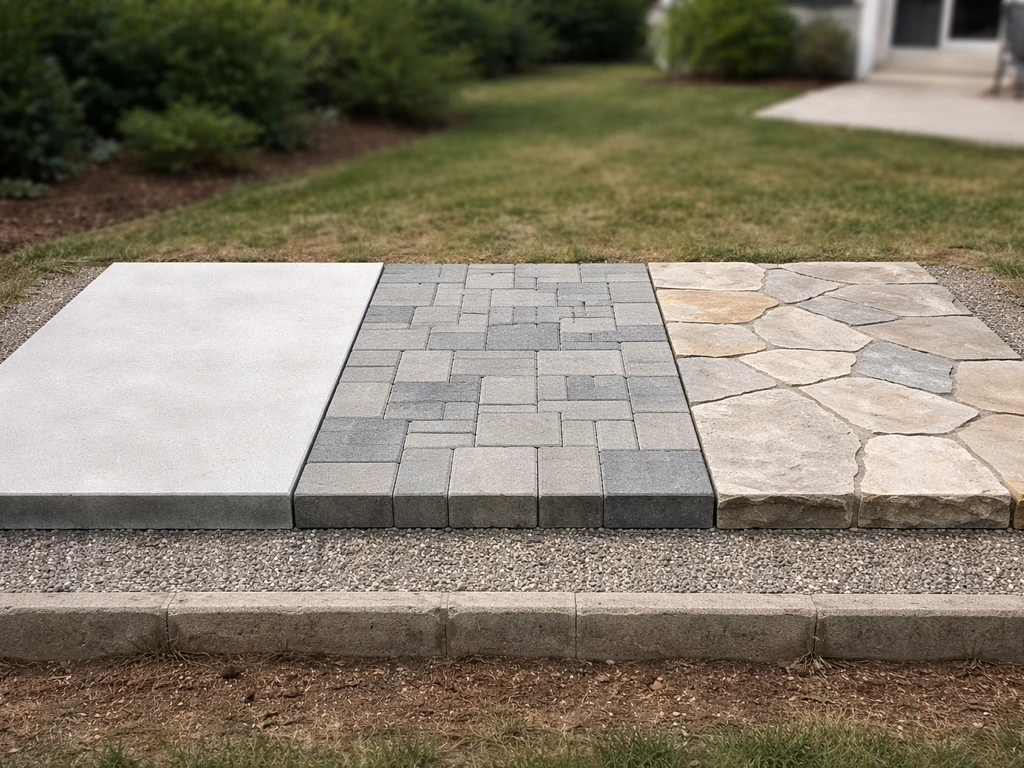
How Much Should I Expect to Pay for a Patio
Patio cost guide with real price ranges by size and material, full line-item budget, DIY vs install, and quote checklist
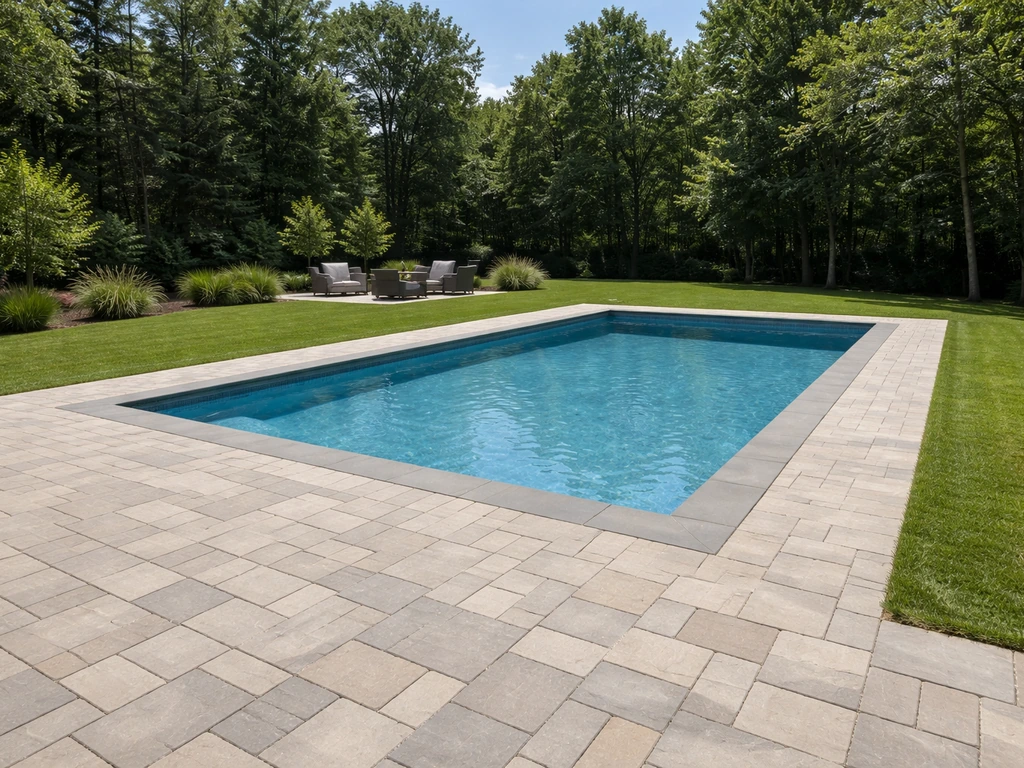
How Much Patio Around Pool: Cost, Size, and Budget Guide
Learn how much patio around a pool costs and how to size square feet, materials, extras, and get real bid line items.